 Strength and permeability properties of pervious concrete influenced by aggregate size and water-cement ratio
ABSTRACT
There is a significant problem in Middle Eastern countries with respect to climate change and rainwater management. This research discusses the influence of water-cement ratio (W/C) and aggregate size on pervious concrete strength and permeability. In this research, the impact of different aggregate sizes with different water-cement ratios are examined in the pervious concrete. The main results are that pervious concrete with a 0.4 water-cement ratio and a coarse aggregate of 10 mm got the highest compressive strength (15.7 MPa at 7 days, 16.83 MPa at 28 days). The results show that the W/C directly influenced compression strength, whereas the coarse aggregate’s size directly affected water content, increasing strength. Pervious concrete made with 10 mm aggregate was found to have better compressive strength, flexural strength, and permeability than 20 mm aggregate. Due to working ability, paste coating, and paste density, it acquires strength with a slightly higher water-cement ratio. With a somewhat higher water-cement ratio, the paste contained fewer open pores, which improved the load transfer and enhanced the compressive strength. The void content in the pervious concrete was considerably higher than that of standard concrete, which influenced the formation and strength of hydration products. These findings are instrumental in tuning the performance of pervious concrete to different conditions, especially when its application needs to be more sustainable.
Keywords:
Pervious Concrete; Permeability; Mechanical properties; Aggregates; Water-cement ratio
1. INTRODUCTION
Climate change has been felt in all parts of the world, even in the Middle East, where rainfall has been reported to have risen sharply. In these areas, the preexisting infrastructure was built without paying any attention to rainwater management because, historically, there was no significant rain. This has thus created difficulty in controlling the rainwater around residential and business centers and major highways, which would cause the spread of germ diseases to the general population, along with extreme clogs during rainfall. To eliminate these challenges, pervious concrete may be used on sidewalks, parking lots, roads, and low-traffic roads. Permeable concrete facilitates water passage [1]. Pervious Concrete (PC) permeability provides durable and practical options for urban rainfall management and flood mitigation [2]. Unlike marble, cement, and asphalt, pervious concrete restores ground permeability and decreases water pollution. Surface water infiltration down to the lower surface can be made possible using porous pervious concrete, which forms an ecologically friendly pavement material. It prevents flooding and enhances the water quality. It is strengthened in the way it performs and lasts [3]. Ultimate compressive strength for pervious concrete varies according to aggregate size, shape, distribution, W/C, and curing methods [4]. The load-bearing capacity of porous concrete can be improved by reinforced fibres or steel bars. Pervious concrete microstructures exhibit a characteristic pore arrangement and connectivity. As indicated in VIEIRA et al. [5], pervious concrete contains these pores to be permeable and draining. Laboratory tests indicate that the strength of PC is increased by using more cement in the mix and a lower ratio of water to cement. Smaller aggregates at the appropriate compaction will increase strength. Porous concrete is enhanced by fly ash and silica fumes. The porosity and permeability of the PC are determined not only by W/C but primarily by the microstructure of its internal porous skeleton (e.g., aggregate shape, gradation, packing density). Adding a mixture of surface coatings could change the pervious concrete pores’ microscopic arrangement and pore connectivity. It is important to note that further studies are required to elucidate the complex relationship between strength, microstructure, and pervious concrete performance [6]. It is mandatory to investigate the elements influencing the relation between PC’s strength and microstructural qualities. These variables are the type and grade of aggregate, water-to-cement ratio, reinforcement materials, fillers or admixtures used, and curing methods. Many factors influence properties like strength, microstructure, and performance of PC [7, 8]. Good quality pervious concrete depends on its aggregate characterisation, water-to-cement ratio, reinforcement materials, fillers or additives, and curing methods. Eco-friendly pervious concrete pavement allows surface waters to flow through, which benefits flood reduction and water quality improvement. PC concrete performance and durability are dependent on its strength and microstructure. Pervious concrete pavements were environmentally beneficial because they offered ecologically positive avenues of water flow in their porous construction as urban drainage systems [9]. This mechanism absorbs pollutants to reduce flooding, recharge groundwater, reduce runoff and high-water flows, alleviate drainage system strain, and improve water quality. Most of the previous studies on PC have been conducted by means of mechanical, hydraulic, and acoustical properties, as well as its potential as a sustainable urban construction and stormwater management solution. Previous research illustrates that the performance of PC is contingent upon its strength and microstructure [10]. PC’s water infiltration capability and permeability are interconnected with the voids within the PC. Concrete durability and load-bearing capacity determine its life period performance under load and stress conditions [11, 12]. The studies examined copper slag against dolomite as an aggregate in pervious concrete. The most notable conclusion was that the fresh concrete density was enhanced by the dolomite substituted with copper slag because copper slag has a larger specific gravity. The rise in porosity and permeability with added copper slag was probably attributed to a glassy texture. Also, mechanical properties (compressive, flexural, and tensile strength) are presented. Adding copper slag enhances them, and they are at their highest at 60% replacement. This was because copper slag has better mechanical properties than dolomite. It was determined that the best combination was 60% copper slag replacement, a balance between the strength gains and porosity, and that the bond strength was comparable in both the control and 60% copper slag mixes, but much lower at 100% replacement. Overall, copper slag can be used as an aggregate replacement in PC, with the best results at 60-percent replacement. The characteristics of PC are produced using brick aggregate, which is over-burnt, unlike the conventional stone [13]. The researchers examined the effect of various parameters, such as W/C, aggregate dimension, and the quantity of aggregate (fine), on concrete mix porosity and water permeability. They discovered that coarse aggregates tend to increase porosity and permeability. The best water ratio per cement was identified as 0.30–0.32. The study also came up with mathematical models as a predictor of the concrete permeability by the pore structure. In general, the PC using brick aggregate had slight variations from that used in conventional mixes of stone aggregate, yet it was capable of producing the appropriate amounts of porosity and permeability to serve as a pervious pavement product. The Over Burnt Brick (OBB) as aggregate in PC in the context of the unavailability of natural stone aggregate in northeastern India [14]. The researchers tested the impact of the mix variables such as water-cement ratio, aggregate gradation, and aggregate (fine) percentage on the mechanical and concrete pore properties. They established the best water-cement ratio between 0.3–0.32; smaller aggregates enhance strength and faster porosity, whereas finer aggregates enhance strength and reduce porosity and permeability. The paper also established statistical models to forecast strength and permeability regarding mix parameters. These models and findings could be used to choose the right proportions of mix to use in pervious concrete using over-burnt brick aggregate as a sustainable substitute to conventional materials when there is a shortage of stone aggregate in the area. A detailed study of PC that can be used as a substitute ingredient for pavement [15]. This study explains pervious concrete’s design, specifications, mechanical properties, durability, and uses. The review identifies its advantages in stormwater management, water quality management, noise reduction, and the reduction of urban heat islands. Other problems addressed in their study include lower strength and clogging problems. It also summarizes research on mix design, pore structure, field installation, and maintenance methods. The researchers found research opportunities and identified the gaps that need to be addressed to enhance the performance of pervious concrete and broaden its use. Overall, the reading shows that pervious concrete is a promising, eco-friendly pavement solution that can be developed to become a part of sustainable infrastructure [16]. It examined the relationship between the size of coarse aggregate and the water ratio to the properties of pervious concrete. They tested ratios of cement to water and coarse aggregates of two sizes. Cube samples were cured at the atmospheric temperature of the room (7, 14, and 28 days). Based on their investigations, the strength of the PC was greatest with the highest W/C (0.34). The aggregates in great size are not easy to break and keep large spaces as pores among them, aggregate in great sizes, and a lower W/C proved higher permeability. Similar studies used cylindrical concrete specimens with varying coarse aggregate sizes [17]. They discovered that while increasing the W/C reduced permeability, the lowest W/C produced the highest permeability value. According to the study, coarse aggregates increase strength and decrease permeability. The ideal W/C is between 0.33 and 0.36, which fully complies with earlier research findings. This study examines how pervious concrete behaves compressively when its size and water-to-cement ratio change. Concrete specimens with 6 to 20 mm coarse aggregate sizes and a 50% mixture of sizes are used, along with a W/C of 0.3–0.40 with a 0.50 increment. 150 × 150 × 150 mm cubes were cured for 7 and 28 days. The findings indicate that while the size of coarse aggregate increases results in increases in strength, increasing the W/C also influences the strength. However, increasing the W/C reduces permeability and void spaces because water particles fill the gaps between the binder and aggregates. Furthermore, [18, 19] examined the characteristics of pervious concrete strength when the W/C was changed, the aggregate to binder (cement) ratio was altered, and the size of aggregate and amount of admixture also varied. They found that as the level of coarse aggregate increases, the strength value increases; consequently, as the W/C becomes lower, the compressive strength also becomes higher. The study shows that a PC’s strength is enhanced when a superplasticizer is applied with a lower W/C. Moreover, the current study focuses solely on the impact of the size of aggregate and W/C on concrete strength to find out what these two elements do to the final output by only changing both variables. This method makes it easier to comprehend the size of the added complexity of supplementary cementitious materials. This study is novel because of its narrow, two-factor study, namely the independent investigation into the two variables: the aggregate size and the water-cement ratio on the permeability and mechanical behavior of pervious concrete. This is unlike the general research, where many variables are usually factored, which gives a more in-depth insight into the impact of these basic elements on the end product. An important technical discovery is that pervious concrete becomes stronger with a slightly better water-cement ratio- a phenomenon that questions the processes of conventional concrete, like the Abrams law, because of the better paste coating and density. A regional context, unique to the Middle East, is also presented by the direct application of the study to rainfall management in the region.
2. RESEARCH METHODOLOGY
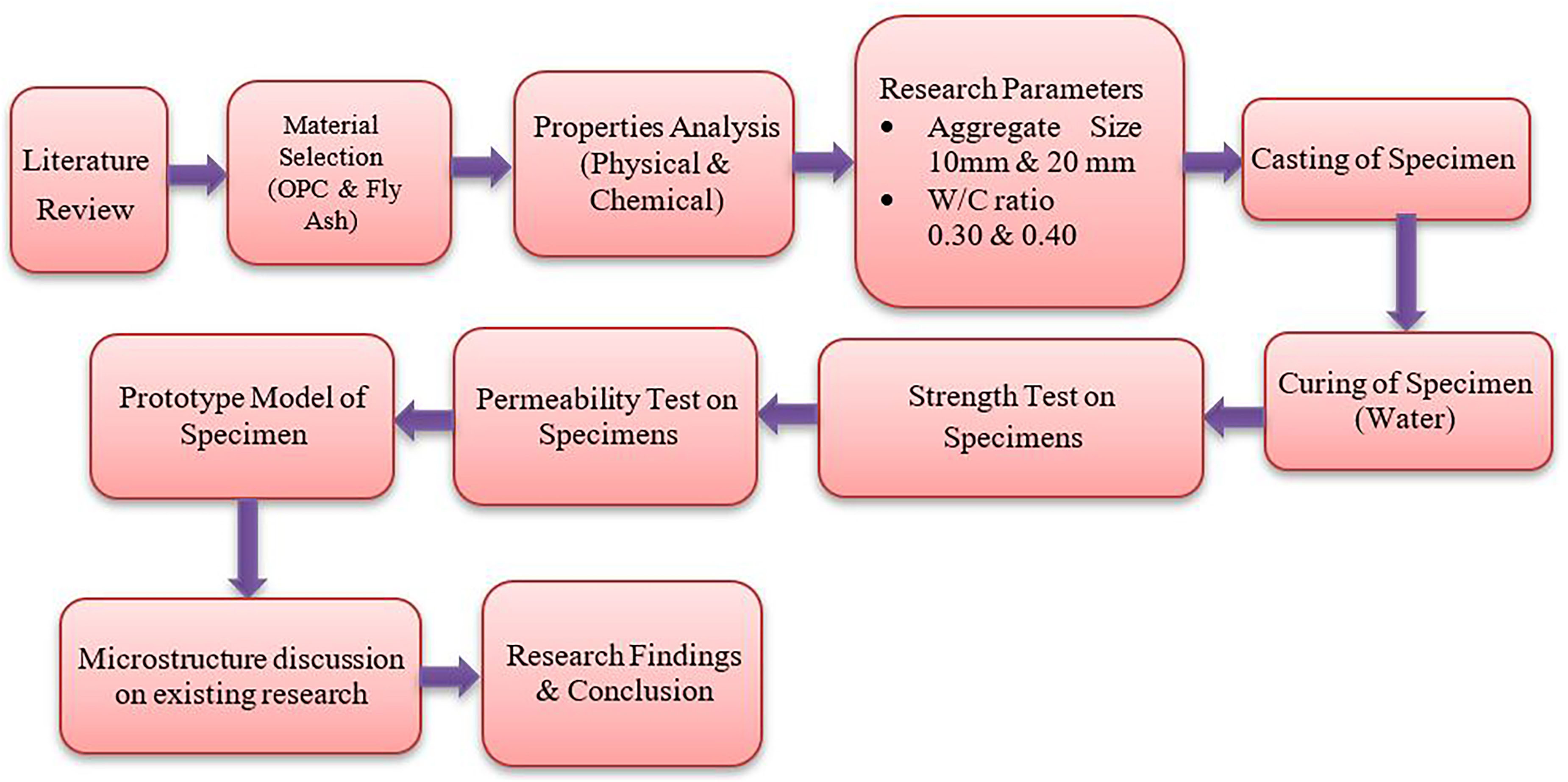
This research details the material selection, casting techniques, and concrete sample testing. After examining various studies, a concrete mix ratio of 1:4 was selected for this research. The 0.30 and 0.40 W/C ratios were employed, in addition to coarse aggregate sizes of 10 and 20mm. Figure 1 illustrates the research methodology adopted in the present study.
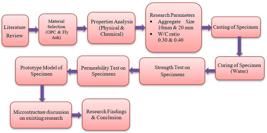
A controlled laboratory environment was used to evaluate the compressive, tensile, and flexural characteristics and permeability. These evaluations provided insights into the behaviour and performance of PC. Larger concrete sizes and W/C are not used for various reasons, including target application, resource limitations, similarity to other studies, practicality, focus on quality, research objectives, and workability concerns. The parameters suit the application, match other studies, and ensure reproducible results. Large aggregate sizes may be problematic in laboratory setups, and focusing on quality results can lead to more confident conclusions. The aim is to understand how these two variables influence the outcome by altering only these factors. Furthermore, the study results provided insights into PC performance and laid a path to model development.
3. MATERIALS
3.1. Cementitious materials
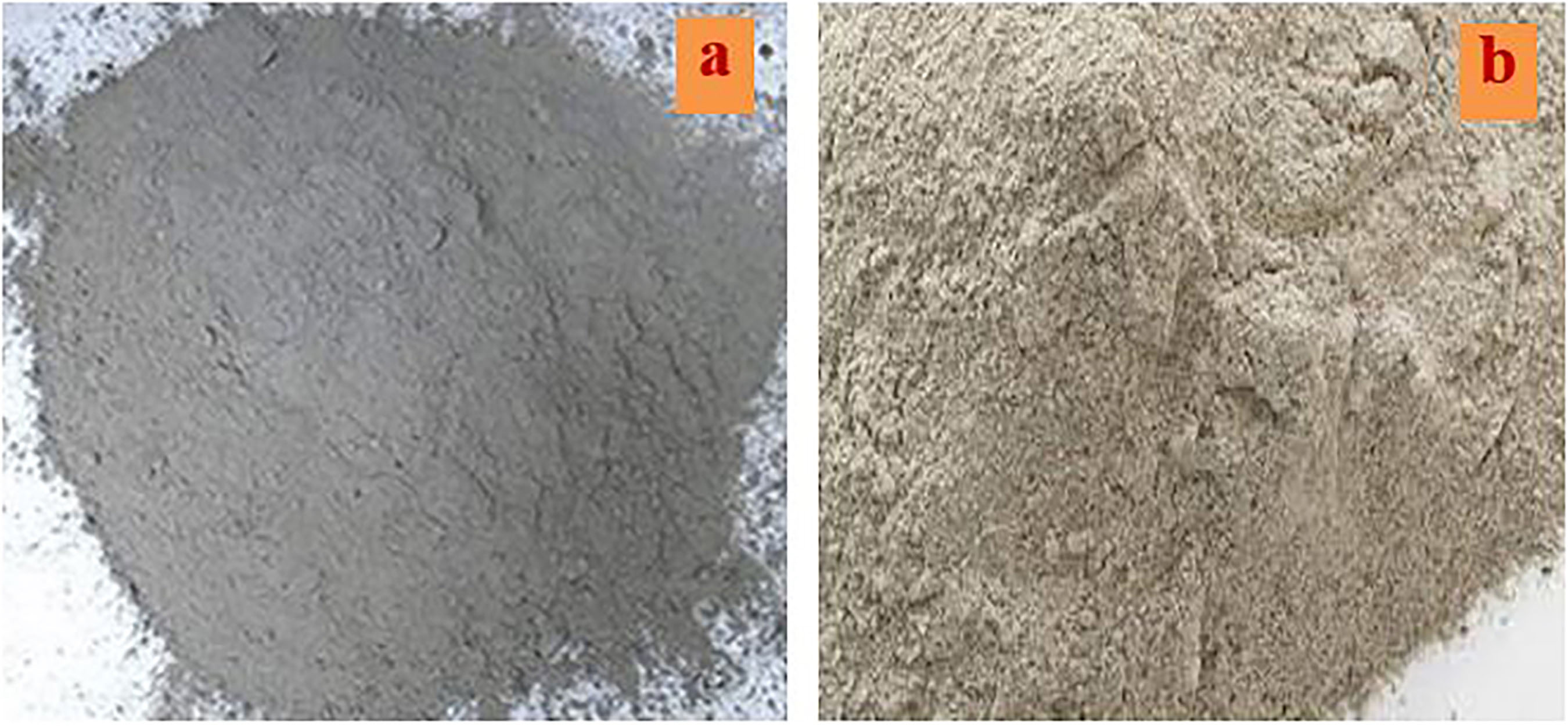
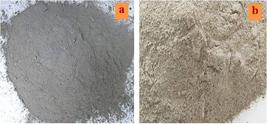
Concerning the previous studies, in this research, Cement (OPC 53) and fly ash (Low Calcium - Class F) are used as cementitious materials to enrich the mechanical and long-term properties of PC by providing a sufficient coat around the aggregate. Figure 2a and 2b illustrates the powder form of Cement (OPC) and Class F - fly ash. The controlled percentage of OPC and fly ash from the different trial mixes was taken as 90% and 10% respectively. Tables 1 and 2 provide the OPC and fly ash’s physical properties and chemical composition.
3.2. Aggregates
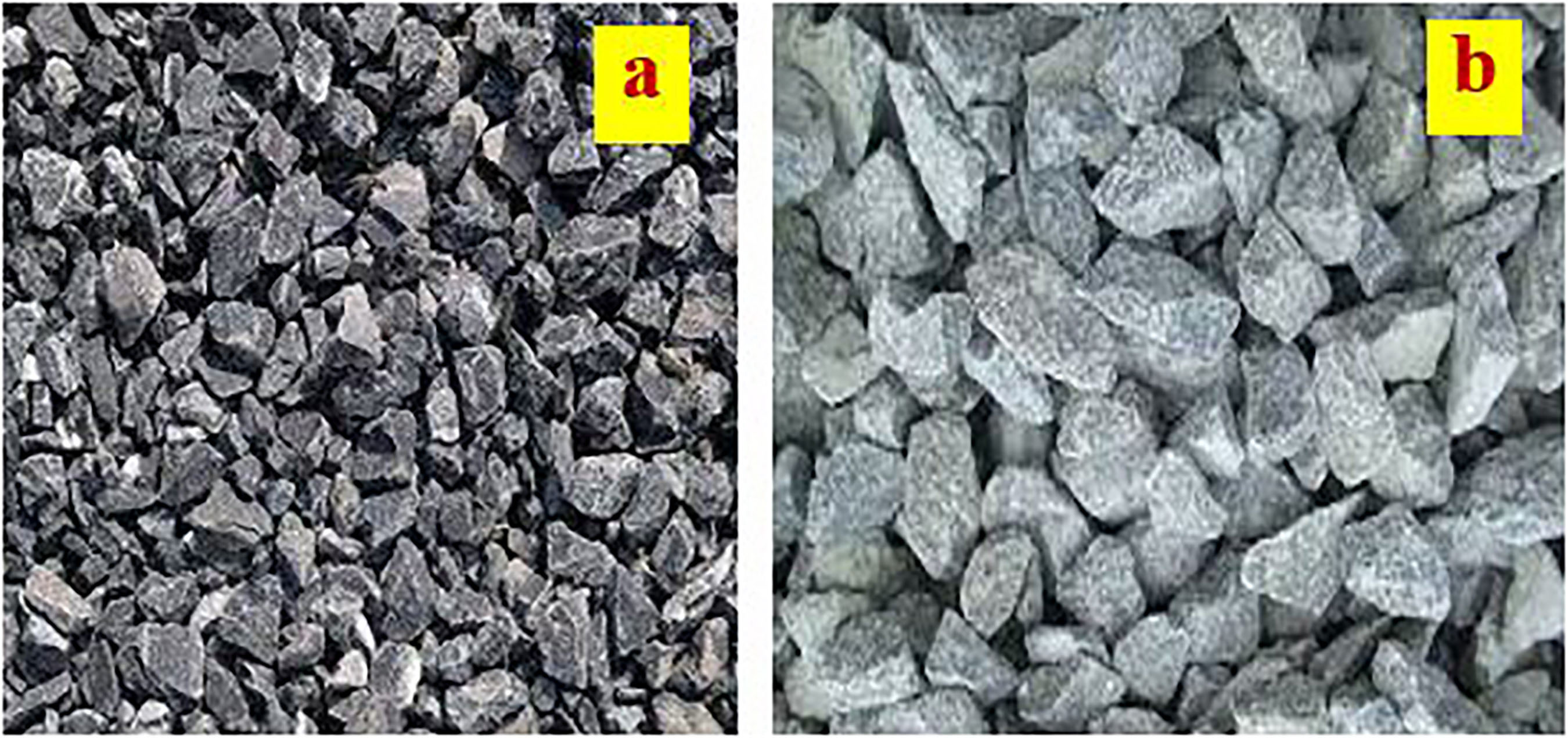
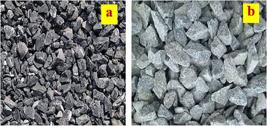
10 mm and 20 mm sizes of crushed coarse aggregates, as shown in Figure 3, are used with different W/C ratios of 0.3 and 0.4. The properties of coarse aggregate are presented in Table 3.
3.3. Water and admixture
To enhance the workability of the mixture with pervious concrete, 1% of the superplasticizer “Sulfonated naphthalene-based superplasticiser “is added to the mixture to enable the proper compaction and distribution of aggregates. This improved workability results in better bonding of cement paste and the aggregates, thus causing increased strength of pervious concrete. In addition, constant hydration conditions with tap water make it easy to acquire a consistent hydration temperature and ease of mixing and curing concrete samples, giving them similar strength to all concrete samples. This research used tap water in the laboratory to cure specimens and mix pervious concrete.
3.4. Curing method
Water curing was employed in this research to attain the desired concrete performance. Proper finishing methods were used during casting, which provided a positive curing environment. This enabled the concrete to reach its full potential concerning strength and durability. The curing process was well-controlled to reduce the possibility of cracking and enrich the overall concrete quality.
4. MIX DESIGN AND SPECIMEN PREPARATION
This research involved 192 specimens using 0.30 and 0.40 W/C, and aggregates (10 mm and 20 mm) were chosen for this study. The material quantities were kept constant in order to study the properties. The samples were water cured for 7 and 28 days and tested for mechanical properties in the Compression Testing Machine (CTM). Mix design is performed on a PC, Cement with an aggregate (coarse) ratio of 1:4. materials for cube specimens are calculated below (Table 4).
Ratio of mixing = 1:4
The Dry Volume of cube = 150 × 150 × 150 = 3.375 m3
Wet volume of Cube = 1.54 × 3.37510–3 = 5.2 × 10⁻³ m3
Total volume of Cube after = (wastage% % × wet volume of Cube) + wet volume of Cube
20% Wastage
Cube Volume (V) = 5.2 × 10⁻³ + (20% × 5.2 × 10⁻³) = 6.24 × 10⁻³ m3
Cement Mass/Cube = (Cement portions in mix)/(Total portions of mix) × Vol_Cube × Density of cement
Cement - Mass = 1/5 × 6.24×10–3 × 1440 = 1.8 kg
Coarse aggregate - Mass = (Coarse aggregate portions in mix)/(Total portions of mix) × Vol_Cube × Density of coarse aggregate = 4/5 × 6.24 × 10–3 × 1800 = 9 kg
Water Mass at 0.3 W/C = 0.3 × Mass of Cement = 0.3 × 1.8 = 0.54 kg
Water Mass at 0.4 W/C = 0.4 × Mass of Cement = 0.4 × 1.8 = 0.72 kg
5. RESULTS AND DISCUSSION
Following the previously described methodology, specimens were prepared using 10- and 20-mm aggregate sizes and W/C of 0.3 and 0.4. These samples were tested using the CTM machine after curing them in water for 7 and 28 days. The experiment was based on a 7-day and 28-day curing period, common in concrete testing. Although extended testing could allow for more information, the research aims to understand the immediate impact of the size of aggregate and W/C on the characteristics of PC, which should be observed within a provided time range. Additionally, the research is focused on the features of an early-stage performance, which is essential in the initial consumption and quality assurance.
5.1. Impact of aggregate size on compressive strength in pervious concrete
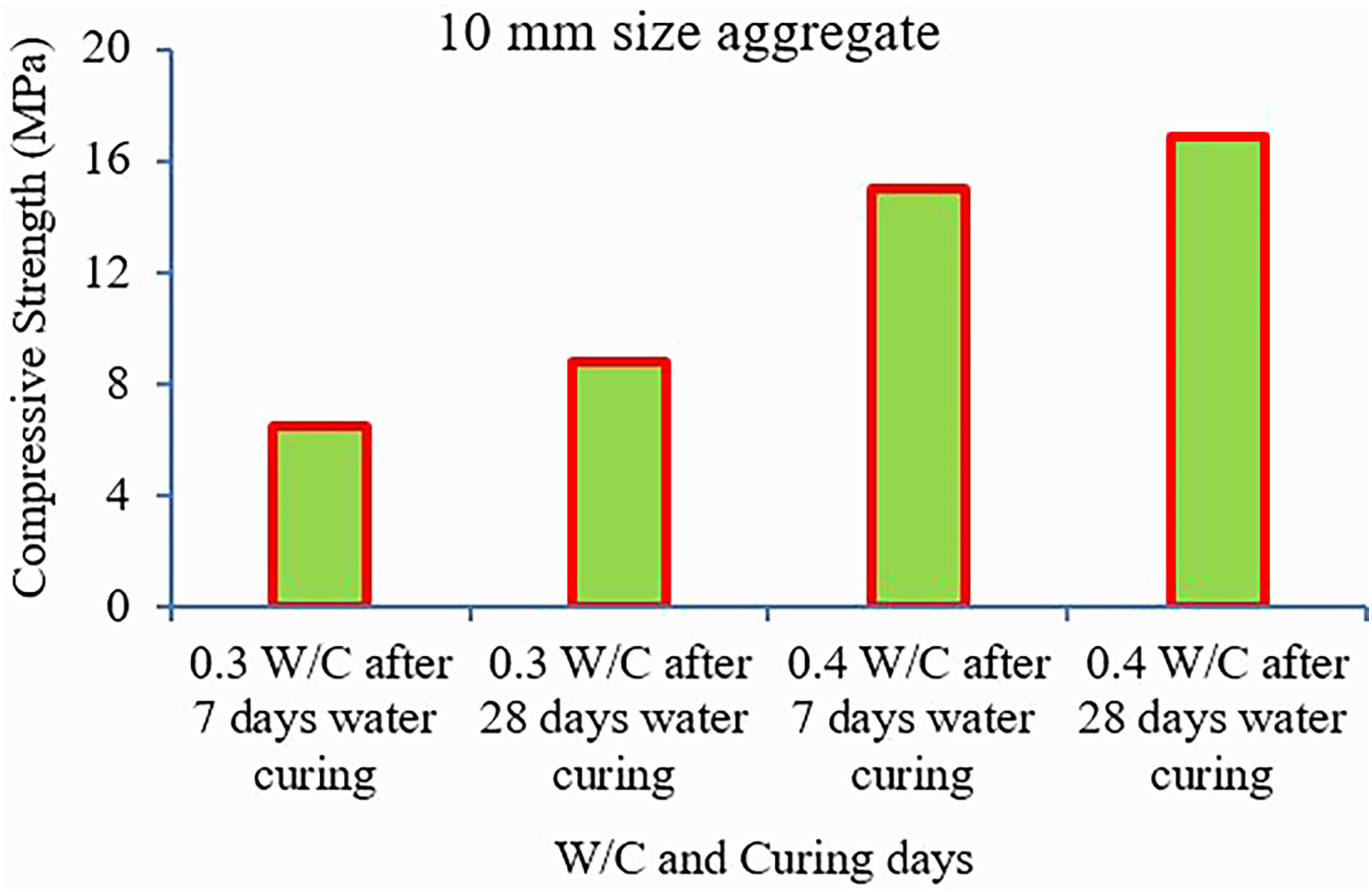
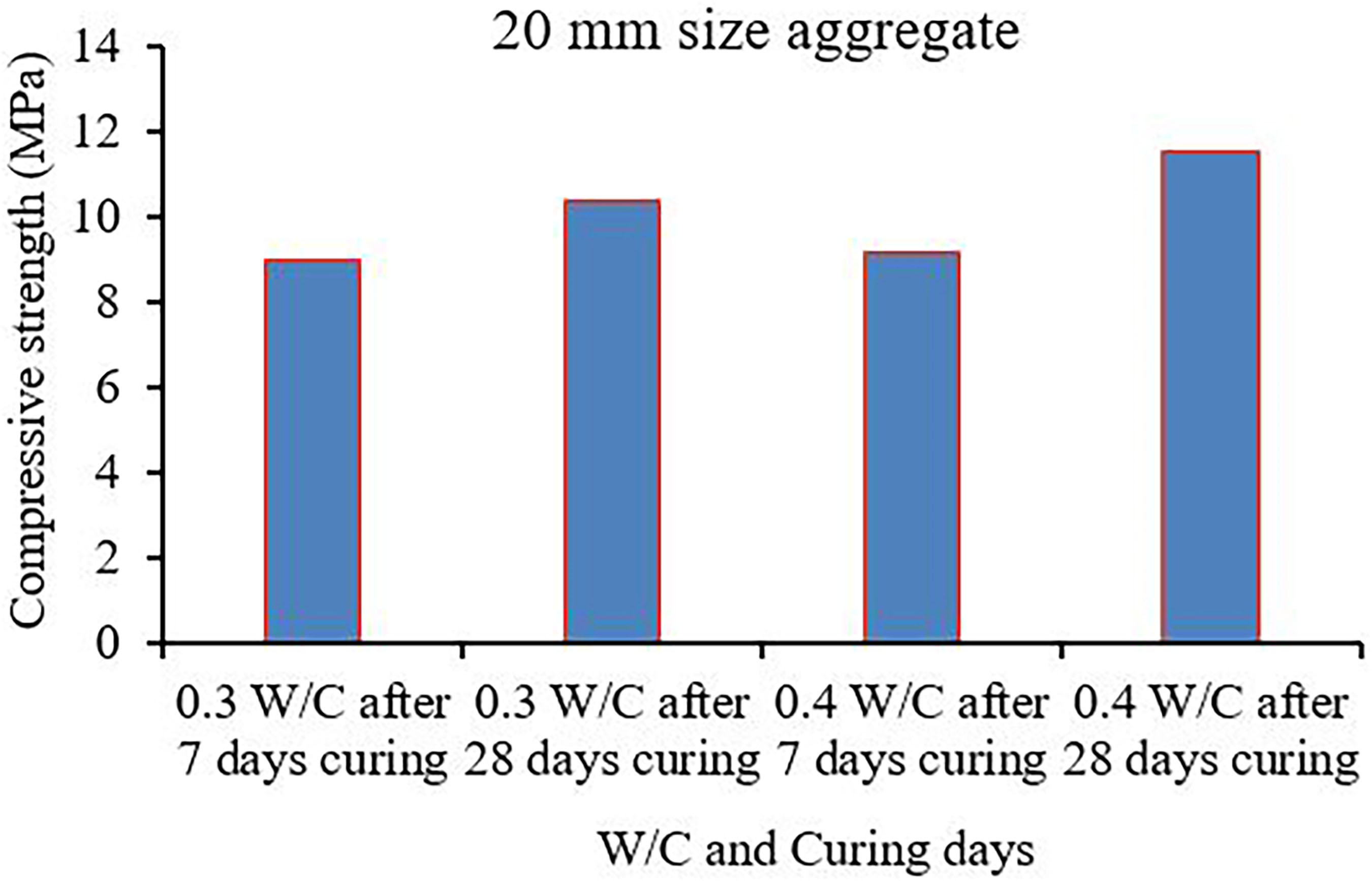
Concrete is a composite mixture of cement and aggregates, which bind with the water. Although cement is the binding agent, it usually only makes up a small part of the concrete’s total volume. Aggregates occupy the larger portion of concrete volume and can be categorized as fine and coarse aggregates (e.g., gravel or crushed stone). However, its aggregates are essential since they are substantial quantities within the mixture and should possess strength-enhancing and structural stability properties. The variations observed in coarse particles’ size and shape significantly influence pervious concrete properties [20]. Figures 4 and 5 illustrate compressive strength outcomes for concrete compositions with varying W/C, affecting the strength properties of PC. The strength tests conducted after 7 and 28 days of water submersion demonstrated comparable results across different aggregate sizes. At a 0.3 W/C, PC with 20 mm aggregates exhibited larger strength than 10 mm aggregates. However, at a 0.4 ratio, the 10 mm aggregate concrete displayed greater compressive strength than the 20 mm version. This phenomenon is related to the 10 mm aggregates having a larger surface area. At a 0.3 ratio, the inadequate cement paste coat around 10 mm aggregates results in 20 mm aggregate concrete having larger voids but greater strength. At a 0.4 ratio, the cement pastes sufficiently covered all 10 mm particles, leading to fewer voids in the 10 mm aggregate concrete. The smaller coarse particles enhance PC’s structural characteristics by reducing void spaces, and the effect of changing the W/C on the strength of PC [21, 22]. Concrete contains a significant amount of water, cement, and coarse aggregates. It starts cement hydration and forms a cement paste that binds up the concrete parts. Both wet and dry concrete properties depend significantly on the quantity of water.
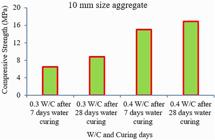
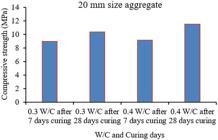
The water-cement ratio must be optimum for achieving the desired concrete strength [23, 24]. After 7 and 28 days of curing, the compressive strengths of PC with 10 mm and 20 mm coarse aggregates remained consistent despite varying water content. PC with a 0.4 W/C exhibited a maximum strength compared to a W/C of 0.3 with an aggregate size of 10 mm. Concrete permeability varies inversely with the number of voids; thus, increasing the W/C increases permeability. As a dry mixture, a low W/C will affect the concrete strength due to the insufficiency of cementitious paste in fully coating aggregates. A good coating of coarse aggregate ensures better bonding and strength due to additional water soaking and thickening of the cement paste to make it flexurally strong [25]. Utilising 10 mm coarse aggregate in pervious concrete yielded a substantially greater compressive strength improvement than 20 mm coarse aggregate. Coating all 10 mm coarse aggregates with a 0.3 W/C cement paste is difficult for flexural strength. Because they have a larger surface area, their smaller aggregates have larger gaps amongst them. It can increase the W/C to 0.4 for adequate cement paste to cover all aggregates. Smaller aggregates fill the unoccupied areas flexurally, so they have larger voids. For PCs with aggregate size of 20 mm, compressive strength remained constant when the W/C increased. The propensity of cement paste to flow to the bottom of the samples leads to a thin coating because of many air gaps.
5.2. Effect on tensile strength of PC - coarse aggregate sizes & W/C
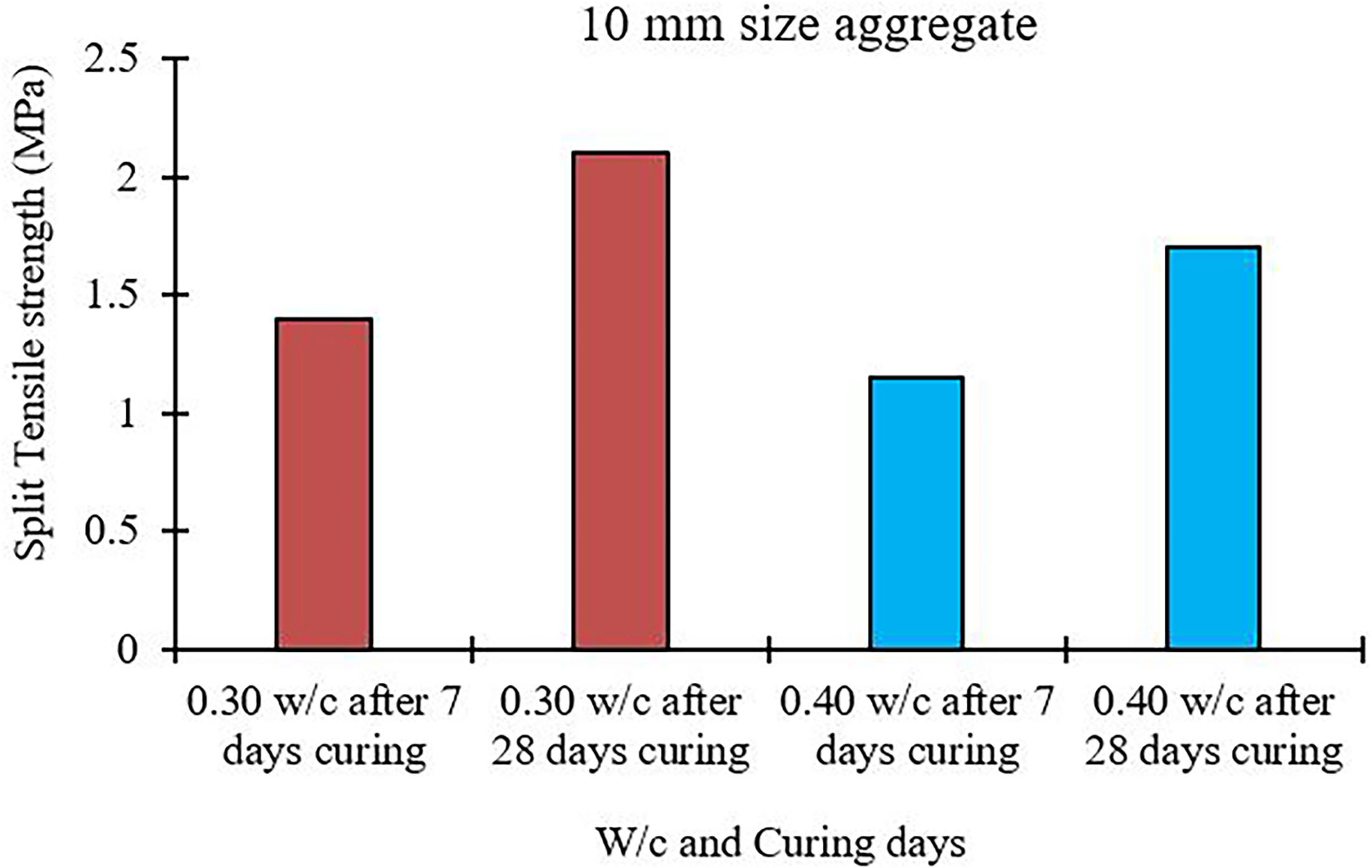
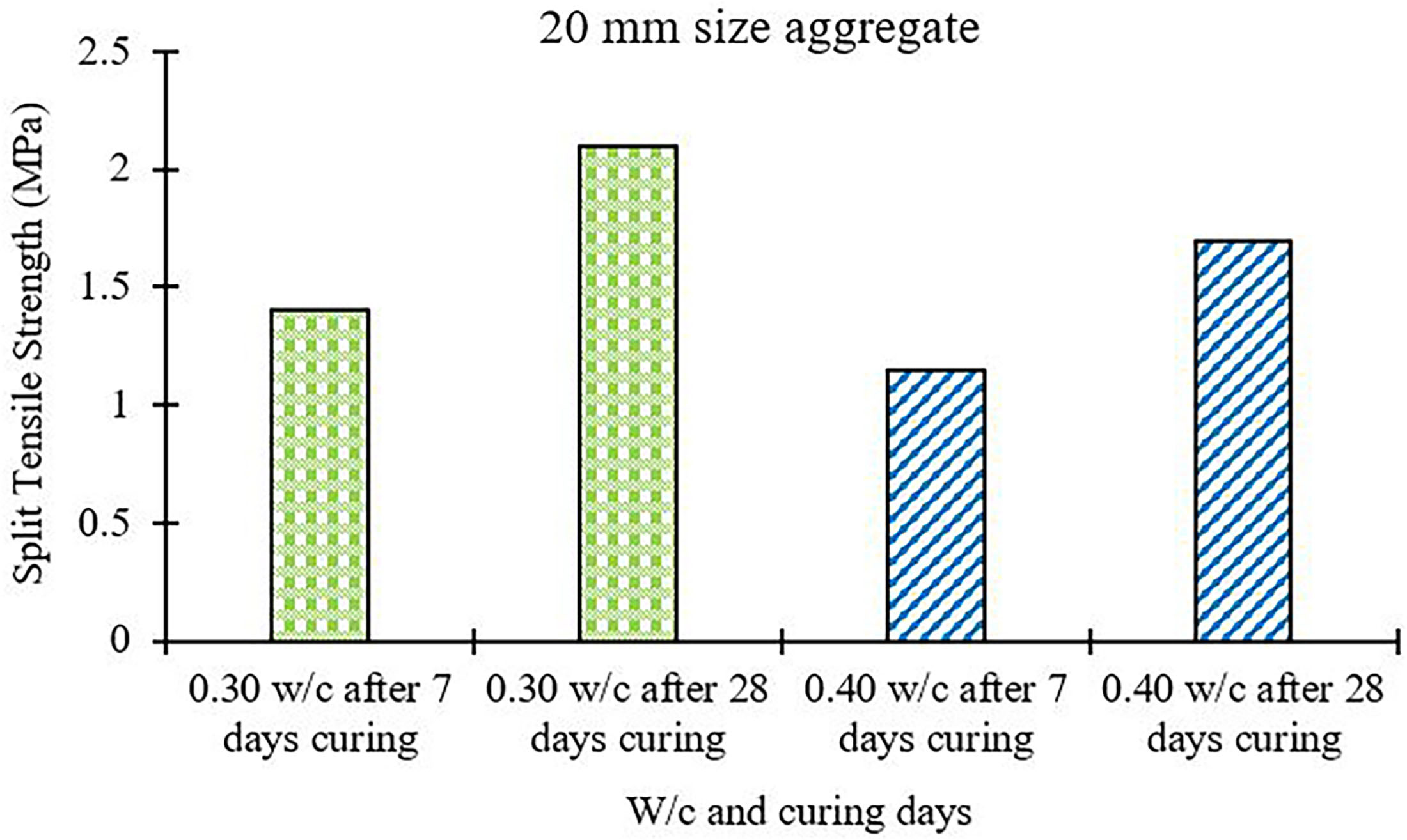
Concrete contains over 50% coarse particles, and its strength and durability depend on them. They are particularly significant in pervious concrete, where variations in size substantially influence the mechanical properties of fresh and hardened concrete. The compressive strength was constant at 7 and 28 days underwater curing regardless of aggregate size. Nevertheless, tensile strength was higher in pervious concrete with 10 mm aggregates than 20 mm aggregates, which was similar at 0.30 and 0.40 of W/C. Coarse and larger particles enhanced compressive strength and reduced tensile strength, which was explained by the fact that they had more void content in the concrete, and reduced its integrity [26,27,28]. The 10 mm aggregates instead of 20 mm reduce voids, enhance interlocking of the particles, and maximize surface area to improve hydration and bonding. The larger aggregates, containing fewer surface area, have fewer bonds [29].
Pervious concrete has a higher porosity than traditional concrete with 15 to 25 percent voids. It has significantly different mechanical properties, especially tensile strength, with SCMs like fly ash. The tensile strength of mixing at splitting age and water cement ratio of the 10 percent fly ash and 90 percent OPC mixes highlights the interaction of hydration kinetics, pore structure, and mix binder compositions. The tensile strength of seven days of curing is 0.8-1.2 MPa for 0.30 to 0.40 W/C. This value is negatively proportional to the water content because, at increased water content, the density of the paste decreases, and the interfacial transition zones are weaker, which are further undermined by aggregate slump with the amount of water added in the mixing. Figures 5 and 6 demonstrate the tensile strength of PC with different W/C for 10 mm size aggregate. After curing for 7 and 28 days, PC with 10 mm and 20 mm sizes of coarse aggregates exhibited similar tensile strengths, irrespective of water concentration.

This enhancement is due to the synergistic contribution of three mechanisms occurring: the continuation of the hydration of OPC, the initiation of the pozzolanic activity of fly ash that usually commences after 14 days, and the gradual formation of improved interlocks within the porous structure [30, 31]. These relatively low tensile strength values for standard concrete, typically 10 to 20% of the compressive strength, result directly from the high void content of the material, which limits the load-bearing cross-section and introduces stress concentrations. However, the very pore structure, which is responsible for the loss of tensile strength, also allows for the much-needed drainage. The 10% replacement level of fly ash would represent a sweet spot between sustaining the early-age strength while still deriving some of the longer-term durability benefits and sustainability advantages of using SCMs. The observed range of the strengths also validates the intrinsic variability introduced with pervious concrete properties because of such conditions as compaction techniques, aggregate grading, and curing conditions [32] (Figure 7).
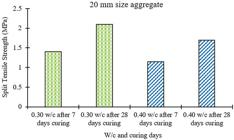
The above tensile strength values are on the lower side of the scale compared to traditional engineering materials since PC is typically designed for low-strength and limited life expectancy, loading. Still, flexural strength is essential; these tensile strengths are often adequate for the applications for which PC is used in pavement with high density and drainage, which are typically loaded primarily in compression and shear, and very little direct tension. The data indicate that lowering the W/C can enhance strength; there’s a practical limit around 0.30 beyond which the mixture becomes too rigid for practical placement and proper coating of aggregates in real-world conditions. The gradual strength progress between 7 and 28 days suggests that mixes containing fly ash might need a bit of flexural strength curing time to reach their design strengths compared to those made with pure Ordinary Portland Cement (OPC). However, using a 10% replacement level helps to reduce this effect.
5.3. Effect on flexural strength of PC - coarse aggregate sizes & W/C
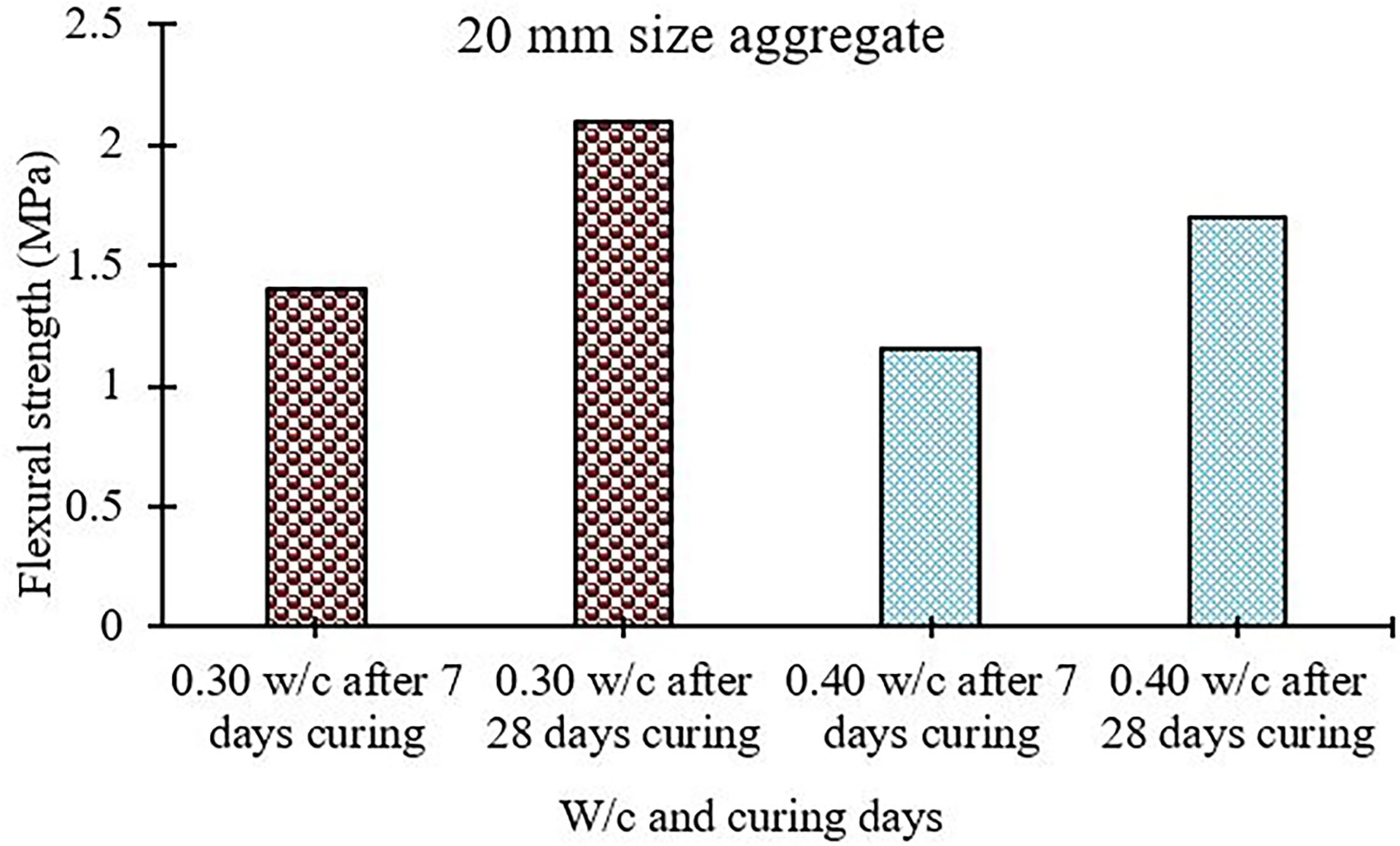
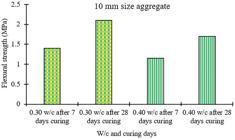
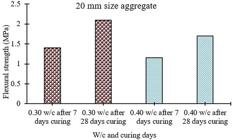
Figures 8 and 9 demonstrate the flexural strength of water-to-cement ratios on pervious concrete. It explains that the flexural strength of PC lies between 1.0 and 2.5 MPa, depending on the aggregate size, W/C, and the curing time. Shorter aggregates of 10mm are stronger (2.5 MPa) after 28 days than 20mm (2.2 MPa) because they are bonded better. Adding more water than the cement ratio, 0.30 to 0.40, reduces strength, especially at an initial level. Adding SCM can increase strength within 28 days and slow initial strength development. Getting the ideal void content (15–25%) is crucial to balance the strength and permeability. Superplasticizers increase workability at low W/C, and proper moist curing is essential. The results suggest a pervious concrete trade-off between permeability and strength. To strengthen 10mm aggregates, a W/C of 0.30 and admixtures should be used. To achieve better permeability and reduce masses, 20mm aggregates and a water-to-cement ratio of 0.40 are suitable.
5.4. Effect on permeability of concrete due to water-cement ratio and aggregate size
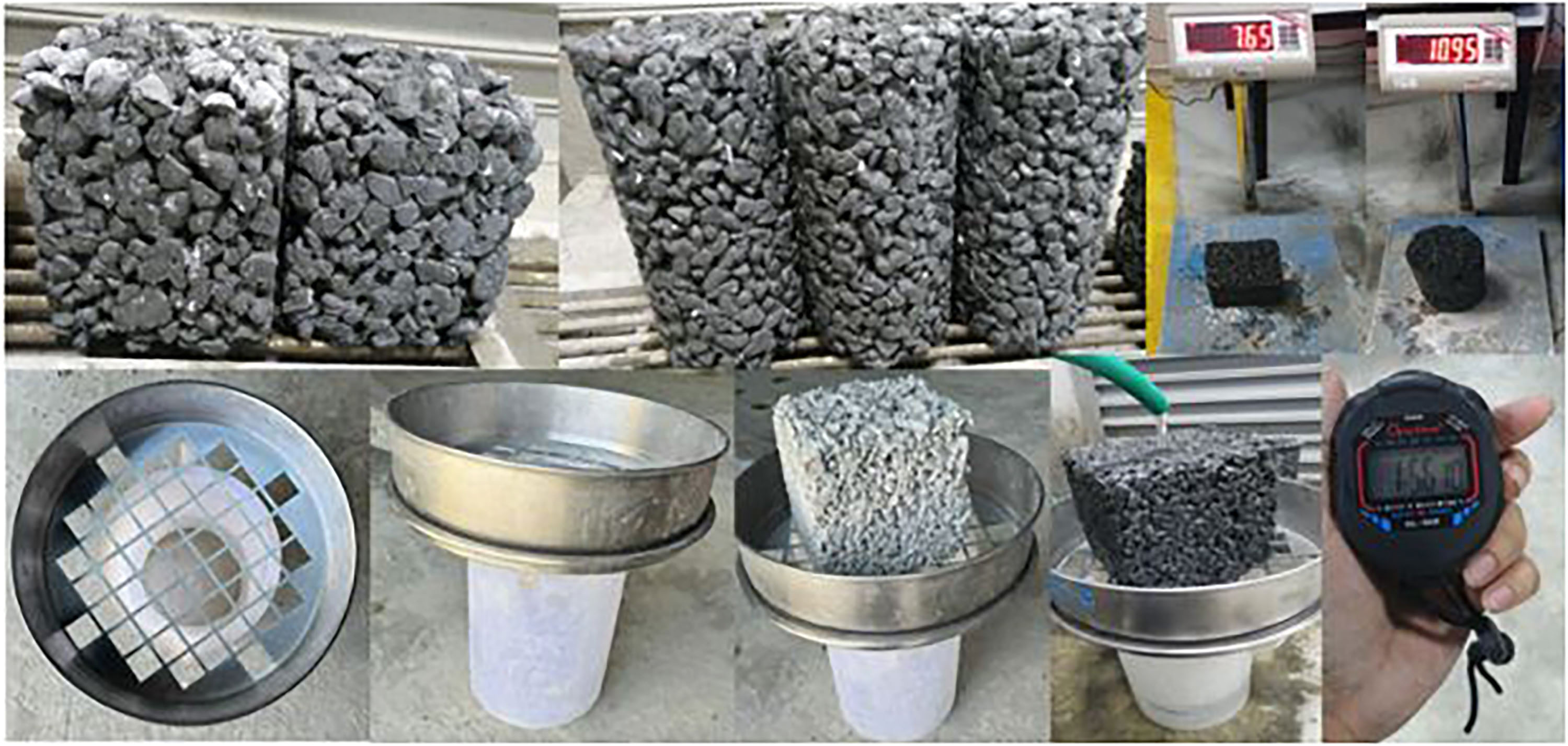
Permeability is a key mechanical property that affects concrete performance. Owing to the lack of tiny particles, pervious concrete has greater flexural strength in empty areas than typical concrete, increasing permeability. The permeability test procedure is illustrated in Figure 10.

The time required for different flow rates of pervious concrete samples to deliver 1 L of water in a container is shown in Table 5. The permeability is measured by how long water seeps through a concrete sample. Concrete permeability is inversely proportional to the duration. The longer recorded time directly results from passing the flexural strength water through samples with fewer voids. Conversely, highly permeable concrete samples yield shorter time measurements. This research has shown that aggregate size and water content affect permeability, as shown in Figure 11. Previous studies have established that coarse aggregate size significantly impacts concrete permeability, with larger sizes leading to increased permeability. Larger coarse particles create flexural strength in the interstitial spaces in concrete. The W/C has an inverse relationship with permeability; a higher ratio leads to decreased permeability. The increased water content improves concrete workability and reduces void spaces because of the higher cement paste volume [33, 34]. The strength behavior of PC differs from that of concrete in conventional, as it might not adhere to Abrams’ law. Its strength gains with a slightly higher water-cement ratio because of several other factors, working ability, coating of aggregates by the paste, elimination of internal gaps, continuity of the paste, brittleness/brittleness, and the optimal range of paste density. At a moderately increased water-cement-ratio, the paste can more uniformly cover aggregate surfaces, resulting in enhanced bonding and interlock by the aggregate. The paste has fewer open pores at a slightly higher water-cement ratio, which gives better load transfer and enhances compressive strength. Beyond this optimum, the strength reduces due to dilution of the paste.
The observed permeability values of the pervious concrete samples may be due to water flowing around their edges rather than penetrating them. Past studies have indicated that permeability is reduced as the water content of the soil increases, but that is not the case. Instead, water moved in and flowed along the sample edges but not through them. Water consumption goes up, and the spaces of voids become fewer. The greater percentage of water content meant predominantly closed bottom surfaces and reduced void spaces within the pervious concrete. As has been observed, it becomes difficult to prevent water penetration when the cement paste is applied to the foundation [35]. In addition, the research finds the permeability properties of PC using the time it takes for water to flow through samples with different flow rates. Specifically, it is the duration of time that a liter of water passes through the concrete and into a container. This method provides a quantitative value of the ability of concrete to allow water to pass through its structure, which is a significant quality in pervious concrete applications. The research will examine various issues influencing water percolation speed through pervious concrete specimens. These can be the mix design, aggregate size and type, porosity, and the level of compaction. The study intends to identify correlations between these characteristics and permeability performance by studying samples with varied flow rates. This knowledge helps improve the designs of permeable concrete for specific uses, like permeable pavements or stormwater management systems, where water needs to drain quickly.
5.5. Microstructure analysis of existing research works
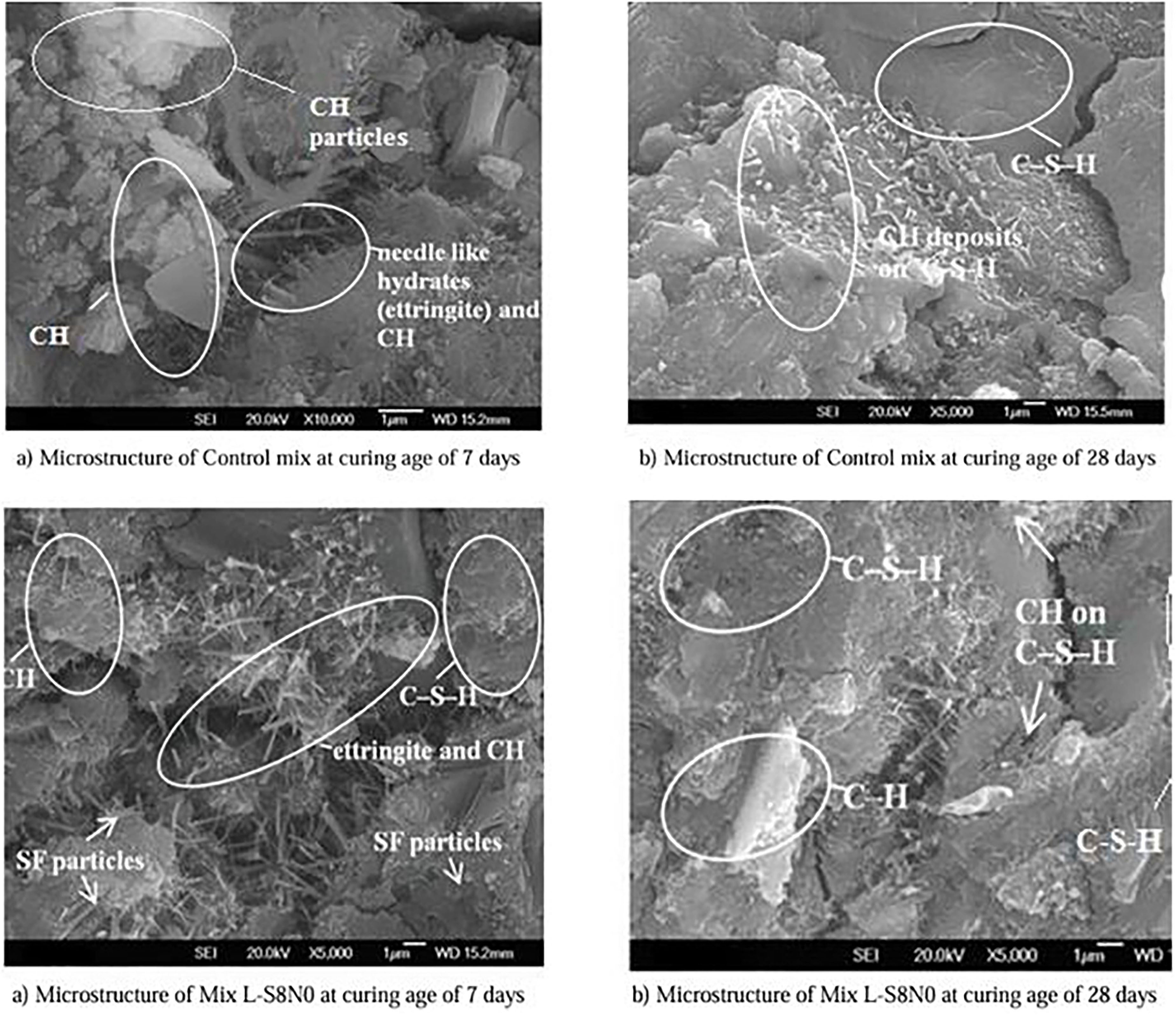
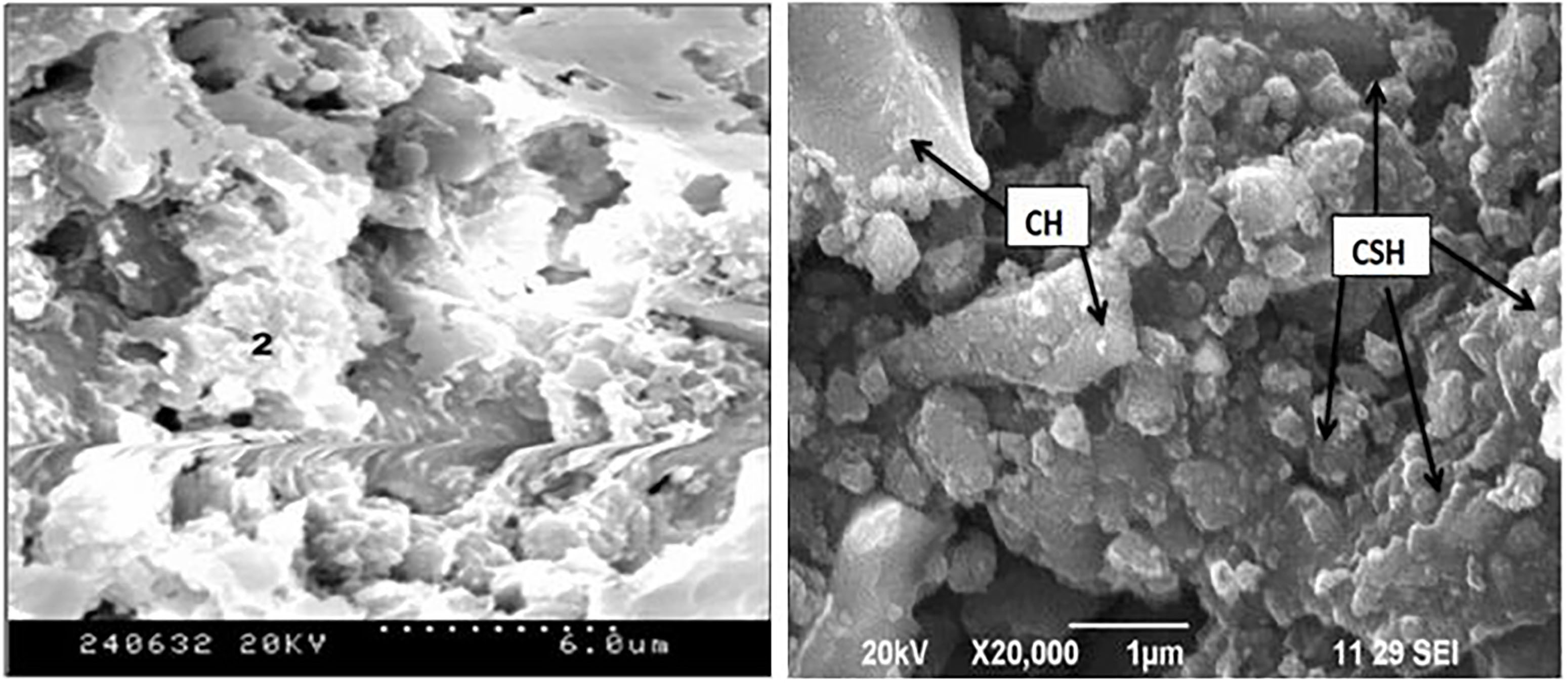
Similar works performed on the pervious concrete were discussed with the microstructural analysis images to support the current research findings. A change in the constituents of concrete may have very drastic effects on its performance and properties [36, 37]. To determine the causes of such changes, the concrete microstructure was analyzed to study the product hydration, precipitation, and bonding in the concrete. Earlier research established that concrete has a discontinuous structure concerning the positioning of hydration products of cement, including Calcium Hydroxide (CH) crystals, ettringite, and Calcium Silicate Hydrate (CSH) bonds [38]. CSH bonds, in concrete, make the most significant contribution towards their strength attributes. In ordinary conventional concrete, however, CSH bond growth tends to be restrained, with more CH crystals and ettringites being produced. It was further noted that incorporating supplementary cement materials into the concrete mix improved the microstructure, i.e., silica fumes. This has created a more compact and uniform microstructure, creating more CSH bonds and making concrete as strong as shown in Figure 12 [38].
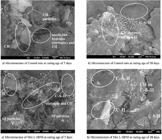
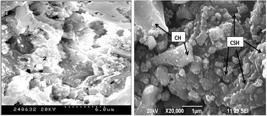
Compared to conventional concrete, pervious concrete contains a much higher number of void spaces since there is no fine aggregate in the concrete. Such a lack causes a significant reduction in the strength parameters of the pervious concrete because no filler materials are present. Previous studies have also discovered that the formation of hydration products is reduced compared to conventional concrete, and the ITZ is also weak in pervious concrete. As a result, the reduced strength of pervious concrete is noticeable. Nonetheless, in analogy to conventional concrete, when cementitious materials are added to the PC mixture, bond strength is advanced, and an increase in the number of CSH bonds and CH crystals is formed due to the overall result in enhanced strength levels [39].
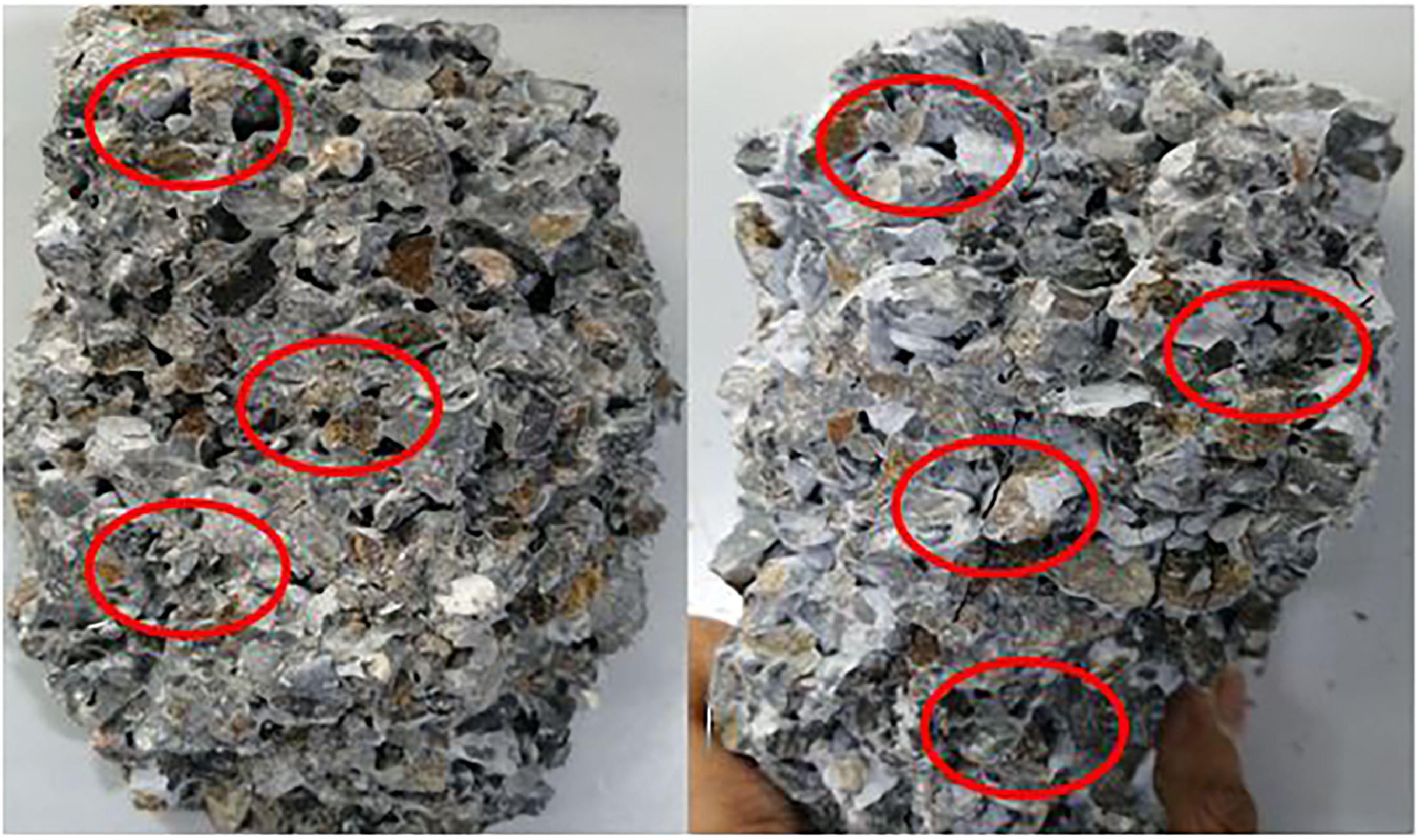
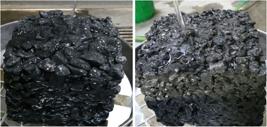
Figure 13 shows the Microstructure of Cement Paste and PC with Cementitious Materials [39] produced using 10 mm coarse aggregate with different W/C. The first picture (left side) shows concrete with a higher ratio of water (0.4 ratio). This blend has fewer voids owing to the augmented water forming more cement paste that covers the coarse aggregates and seals the gaps. The second picture (Right side) shows a concrete with a lower water-to-cement ratio (0.3). This mixture has increased voids and empty spaces as less cement paste envelopes the aggregates. The paste is thicker, but does not spread so widely, so the aggregates leave more free space. In addition, there is a large crack at the centre of the concrete with less water, indicating that it is not as strong as the concrete with more water. Finally, more water in the mix creates fewer voids and stronger concrete, whereas less water creates more voids and weakens the concrete.
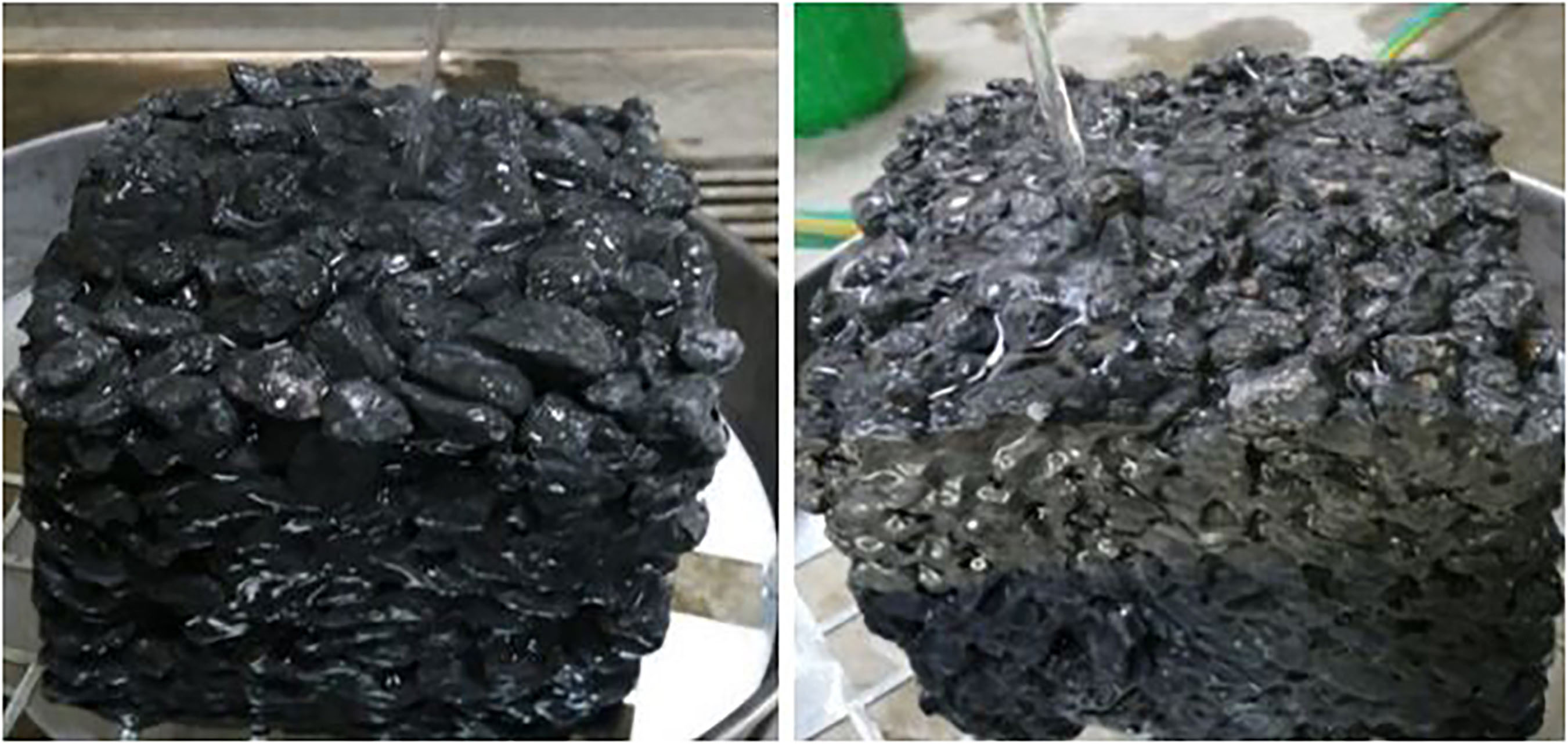
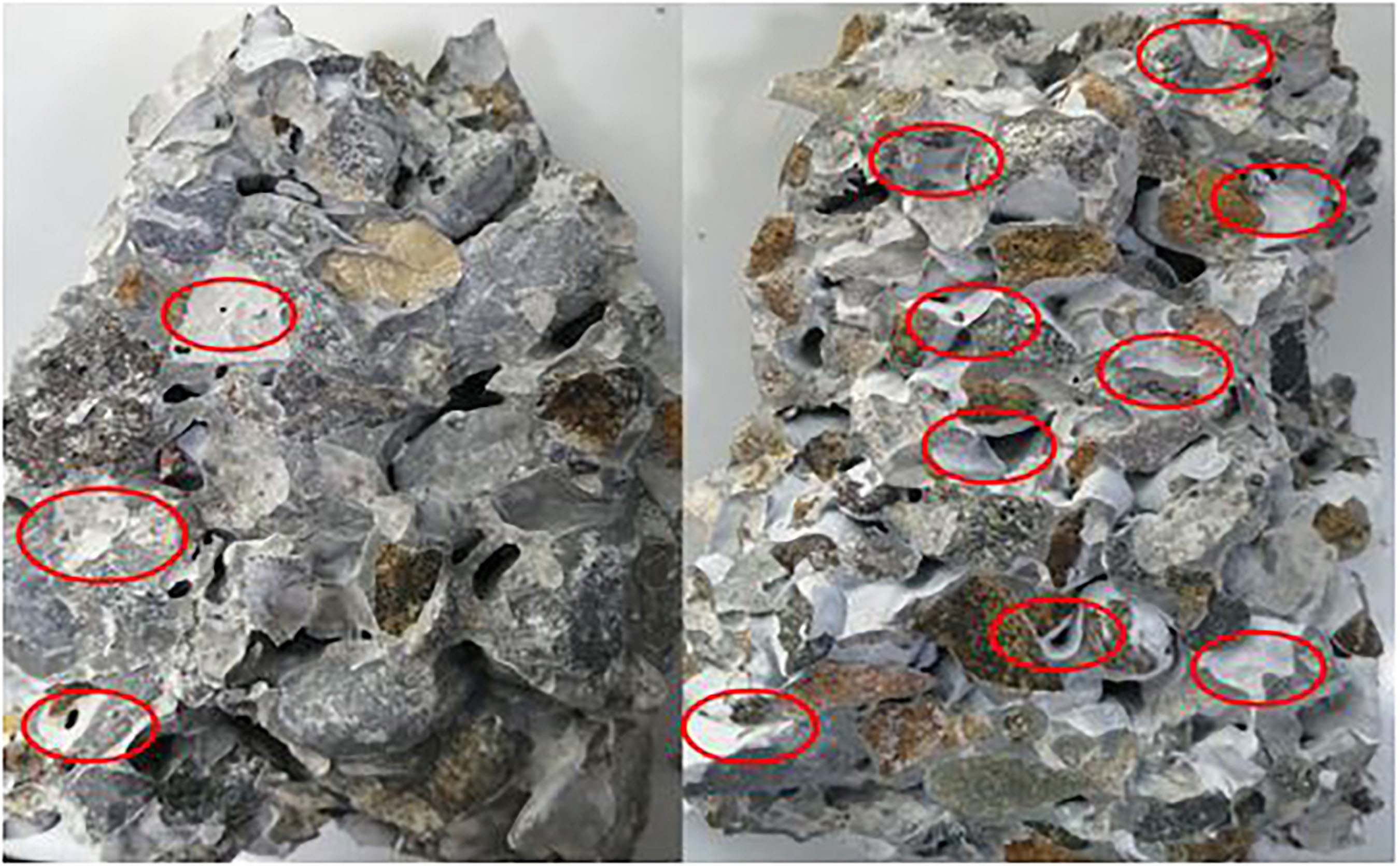
The influence of various factors on the structure and appearance of PC is shown in Figures 14 and 15. It describes that gaps within the concrete are similar regardless of the coarse aggregate of 10 mm and 20 mm. Nevertheless, a high W/C greatly minimizes the voids in the mixture. It is also observed that concrete specimens containing less water change to whiter on the surface, no matter the aggregate size. This whiteness is formed by the reaction of coarse aggregates with air, and it can also be formed when there is insufficient water to thoroughly hydrate the cement particles, so that some are not used up. These observations contribute to realizing the impact of water content and aggregate size on the qualities of PC.
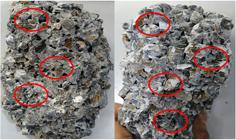
Pervious concrete voids; left image - 10 mm coarse aggregate and 0.4 W/C & right image - 0.3 W/C.
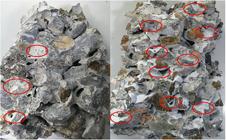
Voids in pervious concrete with 20 mm coarse aggregate and 0.4 water ratio on left and 0.3 water ratio on right.
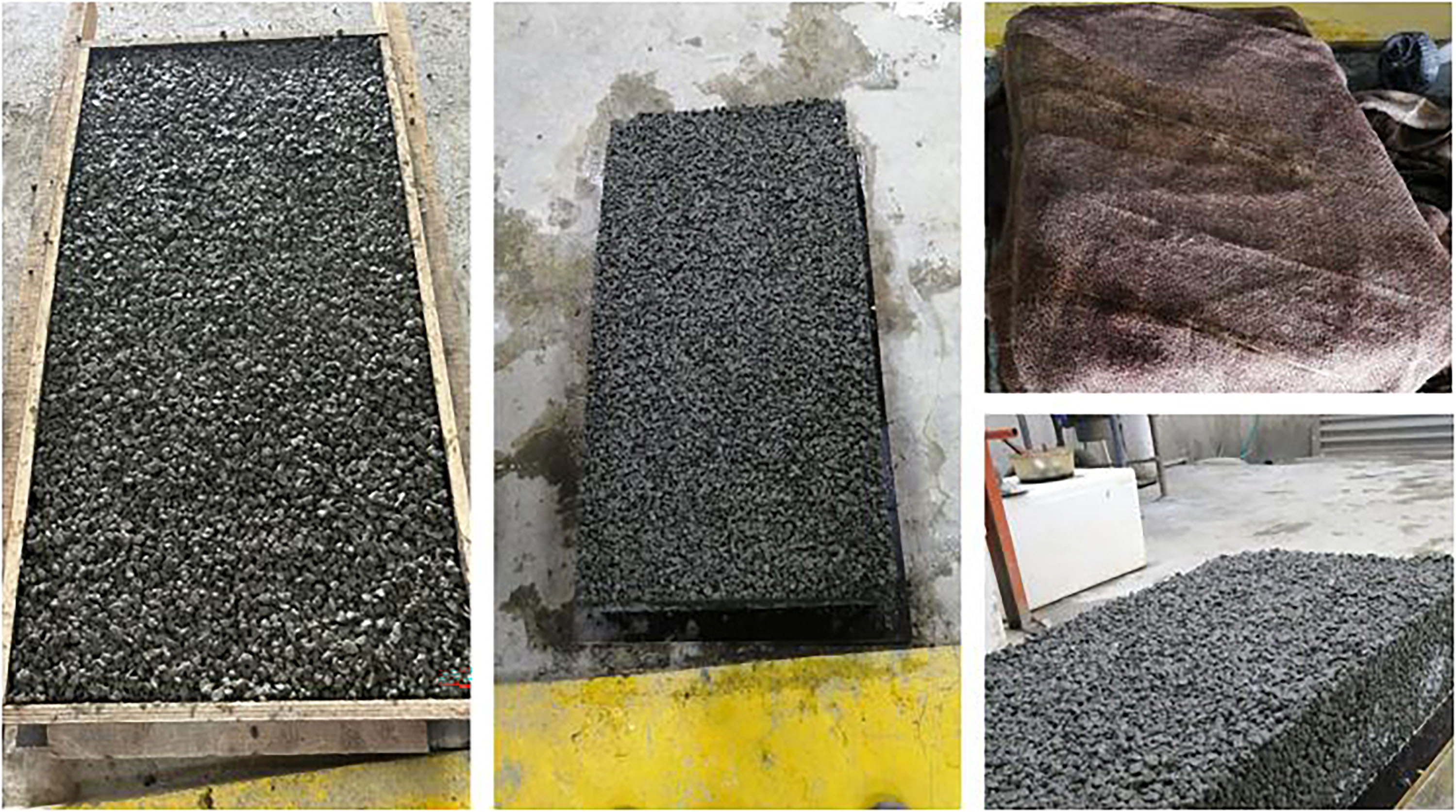
A prototype of 1 × 1 × 0.5 m was designed in accordance with the results of the tests, as it was intended to be utilized in practice. These tests gave information on the behavior and the performance of the PC. The tested samples included a model of a road structure. The dimensions of this road prototype were 1 m long × 0.5 m wide with coarse aggregate size of 10 mm and water material to cement ratio of 0.4. The road prototype selection of this composition was made due to the high values of strength recorded on tested samples of a similar composition. This prototype has an estimated weight of 199.6 kg, as shown in Table 6. The PC mix was placed in a wooden mold and allowed to dry out in the open air, then left for over 24 hours. The mold was then struck out with a hammer. The mould in Figure 16 was covered with hessian fabric, and water was poured over the prototype at regular intervals in a curing process that took 28 days to materialize. The fact that pervious concrete has a high permeability rate became a reality as water was used during its curing process.
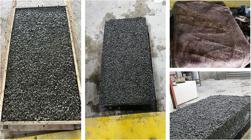
Thus, it can be concluded that by applying this type of concrete on pavements and roads that are not heavily used, the rate of damage consequent to heavy precipitation and flooding may be minimized to a great extent around the globe. Although pervious concrete can be adjusted with different cement additives to improve its mechanical properties dramatically and thus become applicable in large roads and other buildings where water buildup is a factor, mixtures of varying cement additives may be added into the concrete mix to stabilize the mechanical performance considerably.
6. CONCLUSION
-
Pervious concrete with a W/C of 0.4 and coarse aggregate size of 10 mm achieved maximum compressive strength values of 15.7 MPa after 7 days and 16.83 MPa after 28 days of curing.
-
The results indicated that the W/C directly affected the compressive strength. After seven and twenty-eight days, the water content increased the compressive strength. Compared to the 20 mm aggregate pervious concrete, the 10 mm aggregate pervious concrete gains flexural strength from water. Changes in coarse aggregate size reduced the water content and increased the compressive strength in the 20 mm aggregate pervious concrete. However, pervious concrete with 10 mm aggregates had better compressive strength, flexural strength, and permeability properties.
-
PC with 10 mm coarse aggregate and 0.4 W/C achieved maximum tensile strength values of 1.15 MPa and 1.17 MPa after 7 and 28 days of curing.
-
The results indicated a high correlation between tensile strength and W/C. The tensile strength increased with increasing water content after seven and twenty-eight days. As the coarse aggregate size increased, the tensile strength decreased after 7–28 days. A lower aggregate size and higher cement paste content decreased the empty gaps.
-
Because pervious concrete lacks filler elements and fine aggregates, the investigation revealed a significantly larger void content than non-pervious concrete due to decreased Calcium Silicate Hydrate (CSH) bonds. Pervious concrete had a weaker Interfacial Transition Zone (ITZ) owing to a lack of tiny particles.
-
PC strength depends on aggregate quality, W/C, reinforcing elements, fillers, additives, and curing procedures. The complex relationship between these parameters and pervious concrete performance requires further investigation.
7. BIBLIOGRAPHY
-
[1] WANG, H., LI, H., LIANG, X., et al, “Investigation on the mechanical properties and environmental impacts of pervious concrete containing fly ash based on the cement-aggregate ratio”, Construction & Building Materials, v. 202, pp. 387–395, 2019. doi: http://doi.org/10.1016/j.conbuildmat.2019.01.044.
» https://doi.org/10.1016/j.conbuildmat.2019.01.044 - [2] SINGH, S.B., MURUGAN, M., CHELLAPANDIAN, M., et al, “Effect of fly ash addition on the mechanical properties of pervious concrete”, Materials Today: Proceedings, 2023. In press.
-
[3] SABOO, N., SHIVHARE, S., KORI, K.K., et al, “Effect of fly ash and metakaolin on pervious concrete properties”, Construction & Building Materials, v. 223, pp. 322–328, 2019. doi: http://doi.org/10.1016/j.conbuildmat.2019.06.185.
» https://doi.org/10.1016/j.conbuildmat.2019.06.185 -
[4] REYAD, M., ELTAIR, A.M., EL-NEMR, A., et al, “Mechanical and permeability behavior of porous concrete when using different aggregate sizes and adding polypropylene fiber”, Journal of Materials in Civil Engineering, v. 36, n. 6, pp. 04024132, 2024. doi: http://doi.org/10.1061/JMCEE7.MTENG-16429.
» https://doi.org/10.1061/JMCEE7.MTENG-16429 -
[5] VIEIRA, G.L., SCHIAVON, J.Z., BORGES, P.M., et al, “Influence of recycled aggregate replacement and fly ash content in performance of pervious concrete mixtures”, Journal of Cleaner Production, v. 271, pp. 122665, 2020. doi: http://doi.org/10.1016/j.jclepro.2020.122665.
» https://doi.org/10.1016/j.jclepro.2020.122665 -
[6] NAZEER, M., KAPOOR, K., SINGH, S.P., “Strength, durability and microstructural investigations on pervious concrete made with fly ash and silica fume as supplementary cementitious materials”, Journal of Building Engineering, v. 69, pp. 106275, 2023. doi: http://doi.org/10.1016/j.jobe.2023.106275.
» https://doi.org/10.1016/j.jobe.2023.106275 -
[7] HASHIM, A.A., ANAEE, R., NASR, M.S., et al, “Mechanical properties, corrosion resistance and microstructural analysis of recycled aggregate concrete made with ceramic wall waste and ultrafine ceria”, Journal of Materials Research and Technology, v. 36, pp. 627–640, 2025. doi: http://doi.org/10.1016/j.jmrt.2025.03.154.
» https://doi.org/10.1016/j.jmrt.2025.03.154 -
[8] BASKAR, P., ANNADURAI, S., SEKAR, K., et al, “A review on fresh, hardened, and microstructural properties of fibre-reinforced geopolymer concrete”, Polymers, v. 15, n. 6, pp. 1484, 2023. doi: http://doi.org/10.3390/polym15061484. PubMed PMID: 36987261.
» https://doi.org/10.3390/polym15061484 -
[9] HUANG, J., LUO, Z., KHAN, M.B.E., “Impact of aggregate type and size and mineral admixtures on the properties of pervious concrete: an experimental investigation”, Construction & Building Materials, v. 265, pp. 120759, 2020. doi: http://doi.org/10.1016/j.conbuildmat.2020.120759.
» https://doi.org/10.1016/j.conbuildmat.2020.120759 -
[10] LIU, R., CHI, Y., CHEN, S., et al, “Influence of pore structure characteristics on the mechanical and durability behavior of pervious concrete material based on image analysis”, International Journal of Concrete Structures and Materials, v. 14, n. 1, pp. 29, 2020. doi: http://doi.org/10.1186/s40069-020-00404-1.
» https://doi.org/10.1186/s40069-020-00404-1 -
[11] AL-SALLAMI, Z.H.A., MARSHDI, Q.S.R., MUKHEEF, R.A.A.H., “Effect of cement replacement by fly ash and epoxy on the properties of pervious concrete”, Asian Journal of Civil Engineering, v. 21, n. 1, pp. 49–58, 2020. doi: http://doi.org/10.1007/s42107-019-00183-5.
» https://doi.org/10.1007/s42107-019-00183-5 -
[12] DEBNATH, B., SARKAR, P.P., “Permeability prediction and pore structure feature of pervious concrete using brick as aggregate”, Construction & Building Materials, v. 213, pp. 643–651, 2019. doi: http://doi.org/10.1016/j.conbuildmat.2019.04.099.
» https://doi.org/10.1016/j.conbuildmat.2019.04.099 -
[13] LORI, A.R., HASSANI, A., SEDGHI, R., “Investigating the mechanical and hydraulic characteristics of pervious concrete containing copper slag as coarse aggregate”, Construction & Building Materials, v. 197, pp. 130–142, 2019. doi: http://doi.org/10.1016/j.conbuildmat.2018.11.230.
» https://doi.org/10.1016/j.conbuildmat.2018.11.230 -
[14] DEBNATH, B., SARKAR, P.P., “Characterization of pervious concrete using over-burnt brick as coarse aggregate”, Construction & Building Materials, v. 242, pp. 118154, 2020. doi: http://doi.org/10.1016/j.conbuildmat.2020.118154.
» https://doi.org/10.1016/j.conbuildmat.2020.118154 -
[15] DEBNATH, B., SARKAR, P.P., “Pervious concrete as an alternative pavement strategy: A state-of-the-art review”, The International Journal of Pavement Engineering, v. 21, n. 12, pp. 1516–1531, 2020. doi: http://doi.org/10.1080/10298436.2018.1554217.
» https://doi.org/10.1080/10298436.2018.1554217 - [16] NEAMITHA, M., SUPRAJA, T.M., “Influence of water cement ratio and the size of aggregate on the properties of pervious concrete”, International Refereed Journal of Engineering and Science, v. 6, n. 4, pp. 9–16, 2017.
-
[17] CANSECO-TUÑACAO, H.A.R., ORAYA, A.F.A., CHIA, J.A., et al, “Effect of cement paste distribution on pervious concrete with varying water-to-cement ratios and aggregate sizes”, IOP Conference Series. Earth and Environmental Science, v. 999, n. 1, pp. 012004, 2022. doi: http://doi.org/10.1088/1755-1315/999/1/012004.
» https://doi.org/10.1088/1755-1315/999/1/012004 - [18] PRATAP, S.H., KAPIL, S., RAKESH, S., et al, “Enhancement of the strength of pervious concrete with different water-cement ratios and admixture”, International Journal of Engine Research, v. 5, n. 1, pp. 582–588, 2022.
-
[19] HASHIM, A.A., ANAEE, R., NASR, M.S., “Improving the mechanical, corrosion resistance, microstructural and environmental performance of recycled aggregate concrete using ceramic waste powder as an alternative to cement”, Ceramics, v. 8, n. 1, pp. 11, 2025. doi: http://doi.org/10.3390/ceramics8010011.
» https://doi.org/10.3390/ceramics8010011 -
[20] YAVUZ, D., YAZICI, Ş., “Experimental study of aggregate size and gradation on pervious concretes’ mechanical, hydraulic, and surface properties”, Structural Concrete, v. 24, n. 4, pp. 5451–5464, 2023. doi: http://doi.org/10.1002/suco.202200234.
» https://doi.org/10.1002/suco.202200234 - [21] ELANGO, K.S., REVATHI, V., “Mechanical and durability studies on pervious concrete using different types of binders”, Revista Română de Materiale, v. 50, n. 2, pp. 258–267, 2020.
-
[22] HASHIM, A.A., ANAEE, R., NASR, M.S., “Enhancing the sustainability, mechanical and durability properties of recycled aggregate concrete using calcium-rich waste glass powder as a supplementary cementitious material: an experimental study and environmental assessment”, Sustainable Chemistry and Pharmacy, v. 44, pp. 101985, 2025. doi: http://doi.org/10.1016/j.scp.2025.101985.
» https://doi.org/10.1016/j.scp.2025.101985 -
[23] SATHIPARAN, N., SUBRAMANIAM, D.N., “Optimizing fly ash and rice husk ash as cement replacements on the mechanical characteristics of pervious concrete”, Sustainable Structures, v. 5, n. 1, pp. 000065, 2025. doi: http://doi.org/10.54113/j.sust.2025.000065.
» https://doi.org/10.54113/j.sust.2025.000065 -
[24] POLOJU, K.K., ANNADURAI, S., MANCHIRYAL, R.K., et al, “Analysis of rheological characteristic studies of fly-ash-based geopolymer concrete”, Buildings, v. 13, n. 3, pp. 811, 2023. doi: http://doi.org/10.3390/buildings13030811.
» https://doi.org/10.3390/buildings13030811 -
[25] PENG, H., YIN, J., SONG, W., “Mechanical and hydraulic behaviors of eco-friendly pervious concrete incorporating fly ash and blast furnace slag”, Applied Sciences, v. 8, n. 6, pp. 859, 2018. doi: http://doi.org/10.3390/app8060859.
» https://doi.org/10.3390/app8060859 -
[26] LIU, R., CHI, Y., CHEN, S., et al, “Influence of pore structure characteristics on the mechanical and durability behavior of pervious concrete material based on image analysis”, International Journal of Concrete Structures and Materials, v. 14, n. 1, pp. 29, 2020. doi: http://doi.org/10.1186/s40069-020-00404-1.
» https://doi.org/10.1186/s40069-020-00404-1 -
[27] ELANGO, K.S., SARAVANAKUMAR, R., ANNADURAI, S., et al, “Comparative analysis of infiltration and pore clogging effects in pervious concrete”, Materials Today: Proceedings, 2023. doi: http://doi.org/10.1016/j.matpr.2023.03.184.
» https://doi.org/10.1016/j.matpr.2023.03.184 -
[28] SATHIPARAN, N., JEYANANTHAN, P., SUBRAMANIAM, D.N., “Prediction of compressive strength of fly ash blended pervious concrete: a machine learning approach”, The International Journal of Pavement Engineering, v. 24, n. 2, pp. 2287146, 2023. doi: http://doi.org/10.1080/10298436.2023.2287146.
» https://doi.org/10.1080/10298436.2023.2287146 -
[29] SINGH, T., SIDDIQUE, R., SHARMA, S., “Effectiveness of using Metakaolin and fly ash as supplementary cementitious materials in pervious concrete”, European Journal of Environmental and Civil Engineering, v. 26, n. 15, pp. 7359–7382, 2022. doi: http://doi.org/10.1080/19648189.2021.1988715.
» https://doi.org/10.1080/19648189.2021.1988715 -
[30] NASSIRI, S., ALSHAREEDAH, O., RODIN III, H., et al, “Mechanical and durability characteristics of pervious concrete reinforced with mechanically recycled carbon fiber composite materials”, Materials and Structures, v. 54, n. 3, pp. 107, 2021. doi: http://doi.org/10.1617/s11527-021-01708-8.
» https://doi.org/10.1617/s11527-021-01708-8 -
[31] SINGH, D., SINGH, S.P., “Influence of recycled concrete aggregates and blended cements on the mechanical properties of pervious concrete”, Innovative Infrastructure Solutions, v. 5, n. 3, pp. 66, 2020. doi: http://doi.org/10.1007/s41062-020-00314-x.
» https://doi.org/10.1007/s41062-020-00314-x -
[32] ARAÚJO, W.M.P.D., AVELINO, F.P., PICANÇO, M.D.S., et al, “Study of the physical and mechanical properties of permeable concrete with the addition of TiO2 for the treatment of sewage”, Revista IBRACON de Estruturas e Materiais, v. 13, n. 5, e13514, 2020. doi: http://doi.org/10.1590/s1983-41952020000500014.
» https://doi.org/10.1590/s1983-41952020000500014 -
[33] GANAPATHY, G.P., ALAGU, A., RAMACHANDRAN, S., et al, “Effects of fly ash and silica fume on alkalinity, strength, and planting characteristics of vegetation porous concrete”, Journal of Materials Research and Technology, v. 24, pp. 5347–5360, 2023. doi: http://doi.org/10.1016/j.jmrt.2023.04.029.
» https://doi.org/10.1016/j.jmrt.2023.04.029 -
[34] BRIGHT SINGH, S., MURUGAN, M., “Effect of aggregate size on properties of polypropylene and glass fibre-reinforced pervious concrete”, The International Journal of Pavement Engineering, v. 23, n. 6, pp. 2034–2048, 2022. doi: http://doi.org/10.1080/10298436.2020.1836562.
» https://doi.org/10.1080/10298436.2020.1836562 -
[35] PARK, J.H., JEONG, S.T., BUI, Q.T., et al, “Strength and permeability properties of pervious concrete containing coal bottom ash aggregates”, Materials, v. 15, n. 21, pp. 7847, 2022. doi: http://doi.org/10.3390/ma15217847. PubMed PMID: 36363440.
» https://doi.org/10.3390/ma15217847 -
[36] TEYMOURI, E., WONG, K.S., TAN, Y.Y., et al, “Mechanical behaviour of adsorbent pervious concrete using iron slag and zeolite as coarse aggregates”, Construction & Building Materials, v. 388, pp. 131720, 2023. doi: http://doi.org/10.1016/j.conbuildmat.2023.131720.
» https://doi.org/10.1016/j.conbuildmat.2023.131720 -
[37] CARMICHAEL, M.J., ARULRAJ, G.P., MEYYAPPAN, P.L., “Effect of partial replacement of cement with nano fly ash on permeable concrete: a strength study”, Materials Today: Proceedings, v. 43, pp. 2109–2116, 2021. doi: http://doi.org/10.1016/j.matpr.2020.11.891.
» https://doi.org/10.1016/j.matpr.2020.11.891 -
[38] CHAUDHARY, S.K., SINHA, A.K., “Effect of silica fume on permeability and microstructure of high-strength concrete”, Civil Engineering Journal, v. 6, n. 9, pp. 1697–1703, 2020. doi: http://doi.org/10.28991/cej-2020-03091575.
» https://doi.org/10.28991/cej-2020-03091575 - [39] RAMA, M., “Study on strength, permeability and micro-structure of pervious concrete blended with metakaolin”, Jordan Journal of Civil Engineering, v. 17, n. 1, pp. 10–22, 2023.