
 A nano-coated copper–chromium exhaust silencer for emission mitigation and efficiency improvement in single-cylinder diesel engines
ABSTRACT
This study examines the creation and experimental verification of a nano-engineered exhaust silencer developed to limit harmful emissions while improving the efficiency of a single-cylinder diesel engine. The system consists of a copper–chromium composite casing combined with a nano-coated copper honeycomb insert that strengthens catalytic action without causing excessive exhaust resistance. Thermo-mechanical stability and exhaust flow behavior under high temperature and pressure were investigated through numerical simulations using SOLIDWORKS and ANSYS. Engine trials demonstrated notable reductions in regulated pollutants, including carbon monoxide decreases of up to 40%, hydrocarbon reductions of about 53%, and nitrogen oxide mitigation of 9–12% at full load. Smoke opacity was lowered by 70–80% relative to a conventional silencer. Under optimized operating conditions, carbon dioxide output declined, while elevated residual oxygen levels indicated more complete combustion. Beyond emission control, the modified silencer delivered clear performance benefits, with brake thermal efficiency rising from 14.2% to 31.9% and specific fuel consumption dropping by nearly 24% at maximum load. These improvements are attributed to improved heat dissipation and sustained catalytic effectiveness provided by the nano-coated honeycomb architecture. Overall, the proposed silencer represents a durable, cost-effective, and environmentally sustainable solution for cleaner diesel engine operation.
Honeycomb Silencer; Nanocoated Copper; Diesel Engine; Single Cylinder; Thermal Efficiency.
1. INTRODUCTION
Air pollution is a significant global concern, with India facing critical challenges due to its 1.3 billion population and rapid urbanization [1]. Over the past decade, pollution levels have surged, primarily driven by vehicle -emissions, which contribute an estimated 261 tonnes of CO2 annually, with road transport accounting for 94.5% [2, 3]. Vehicles discharge pollutants such as CO, NOx, SO2, unburnt hydrocarbons, and particulate matter (PM), particularly PM2.5 and PM10, leading to severe health issues like respiratory diseases, cardiovascular problems, and even premature death [4, 5]. Furthermore, air pollution contributes to ozone layer depletion, exacerbating environmental and health problems [6].
JOSHI [7] explores regulatory and technological advancements in tailpipe emissions for 2018, focusing on CO2 reductions, NOx control, and emission standards in both light- and heavy-duty sectors. It highlights progress in engine fuel efficiency, emissions control technologies, and after-treatment components, including hybridization, SCR systems, and low-load emission reduction strategies [8, 9]. LEACH et al. [10] discusses the potential for improving internal combustion engines (ICEs) to reduce environmental impacts, highlighting advances in engine efficiency, after-treatment technologies, and hybridization. Despite the rise of alternatives, ICEs are expected to remain dominant, requiring further development to mitigate transportation’s environmental effects [11, 12]. UCHIDA et al. [13] explores improving brake thermal efficiency in diesel engines by controlling heat release rates using multiple injectors and a specialized piston cavity. The approach reduces friction and heat losses, lowers NOx emissions, and maintains thermal efficiency, achieving simultaneous reductions in smoke and NOx without worsening CO and hydrocarbon emissions [14]. DERE and DENIZ [15] investigates enhancing energy efficiency in marine diesel engines by reducing heat loss through jacket water at reduced loads. By maintaining optimal liner temperatures, the method achieved a 0.5% fuel consumption reduction, saving 176.6 tons of fuel and 550 tons of CO2 annually, improving efficiency and emissions [16]. ISSA et al. [17] explores technologies to optimize diesel engine and generator performance, reduce fuel consumption, enhance efficiency, and minimize greenhouse gas emissions. It discusses pre-treatment, internal treatment, and post-treatment methods, alongside mechanical and electrical technologies for diesel power generators, addressing evolving regulatory standards for emissions [18]. RAMESH et al. [19] examines diesel engine cylinder deactivation (CDA) to improve fuel efficiency and thermal management in heavy-duty trucks. CDA reduces fuel consumption, enhances exhaust aftertreatment system temperatures, and increases brake thermal efficiency (BTE) by up to 32%, contributing to lower emissions and improved performance during various driving conditions [20]. PARSADANOV et al. [21] proposes a fuel and environmental criterion to evaluate the efficiency of diesel engines using alternative fuels and aftertreatment systems. It demonstrates that water-fuel emulsion is the most effective alternative, reducing both exhaust gas toxicity and fuel consumption, improving engine performance and environmental impact [22]. SRITHAR et al. [23] investigates the effects of dual biodiesel blends from Pongamia pinnata and mustard oils mixed with diesel on engine performance and emissions, showing higher brake thermal efficiency but increased emissions compared to diesel. DAMANIK et al. review examines engine performance and exhaust emissions of biodiesel blends in diesel engines, highlighting reductions in CO, hydrocarbons, and NOx, as well as improvements in efficiency using exhaust aftertreatment and low-temperature combustion technologies [24, 25]. JOSHI [26] highlights recent advancements in vehicular emissions regulations and technologies, focusing on reducing criteria pollutants and greenhouse gas emissions from light- and heavy-duty vehicles. It discusses engine and emission control improvements, alternative fuels, and the future role of electrification, addressing challenges in achieving emissions reductions. JOHNSON et al. [27] analyzes real-world emissions and efficiency of diesel-only, dual-fuel, and natural gas engines used in unconventional well development. Results show that dual-fuel engines have lower efficiency and higher greenhouse gas emissions due to methane slip, while natural gas engines exhibit higher emissions than diesel engines. Blending 10–30% Polyoxymethylene Dimethyl Ethers (PODE3–4) with diesel in a light-duty diesel engine improves efficiency and reduces soot and CO emissions without significantly affecting NOx emissions [28]. P20 blend is optimal, offering lower soot emissions than diesel and P10, with similar results in heavy-duty engines. HAN et al. [29] explores n-butanol as a biofuel replacement for diesel in compression ignition engines, demonstrating efficient operation, pollutant reduction, and CO2 mitigation. With strategies like split-combustion and partially premixed ignition, n-butanol achieves diesel-like efficiency, though engine load is limited without combustion modulation [30]. PIERCE et al. [31] paper reviews the advancements in high-temperature materials for heavy-duty diesel engines, focusing on components like engine blocks, pistons, and valves. It addresses material degradation under mechanical and thermal stress, highlighting future research needs to overcome technical barriers in increasing diesel engine efficiency [32]. HOANG [33] review explores the application of the engine-Organic Rankine Cycle system for waste heat recovery in diesel engines. It highlights advancements in thermodynamic analysis, working fluid selection, and system design, demonstrating that combined recovery systems can achieve up to 90% overall thermal efficiency [34]. HOSSEINI et al. [35] paper reviews the use of hydrogen in dual-fuel diesel engines, highlighting its benefits in improving performance and reducing emissions. Challenges include knocking combustion and high nitrogen oxide emissions. Strategies like fuel reformulation, engine modifications, and catalysts may enable safer, efficient hydrogen-powered diesel engines. AGRAWAL et al. [36] investigates the combustion characteristics and thermal efficiency of a diesel engine fueled with diesel-linseed oil blends. The optimal performance was achieved with a 20% linseed oil blend, while 30% linseed oil negatively impacted engine efficiency and combustion characteristics [37]. RAI and SAHOO [38] study analyzes the performance of a single-cylinder compression ignition engine using diesel and water-diesel emulsions (5% and 10% water). Results show increased effective power and density with diesel, while water emulsions improve combustion efficiency. Inlet pressure, friction coefficient, and equivalence ratio significantly affect performance [39]. LIKHANOV et al. [40] study explores alternative biofuels, particularly methanol and methyl ester of rapeseed oil, for diesel engines. Experimental results show improved engine performance, fuel efficiency, and reduced emissions. These biofuels enhance service standards, power indicators, and reduce exhaust toxicity and smoke opacity, offering cleaner burning fuel solutions [41]. PEDROZO et al. [42] study compares dual-fuel combustion with conventional diesel, using ethanol and diesel in a single-cylinder engine. Dual-fuel operation improved net indicated efficiency by up to 47.2%, reduced NOx emissions by 26%–90%, and offered a sustainable solution by lowering greenhouse gas emissions and fossil fuel use [43]. MUSTAYEN et al. [44] study examines the use of diesel and biodiesel blends in hybrid power systems for remote areas and islands. It discusses engine performance, emission characteristics, and techniques like fuel injection timing, EGR, and turbocharging. Biodiesel blends reduce CO and HC emissions but increase NOx, recommending low-load diesel operation for higher renewable energy penetration [45]. HOANG [46] review explores fuel injection strategies in electronically controlled diesel engines, focusing on optimization for improved combustion efficiency and emission reduction. It examines various injection techniques like pre-, main-, post-, and split injections, analyzing their advantages, disadvantages, and identifying research gaps for future developments [47]. GHAREHGHANI and POURRAHMANI [48] study investigates the effects of biodiesel, water, and cerium oxide nanoparticles (CeO2) on diesel engine performance. Using 36 experimental cases and an artificial neural network (ANN), the optimized parameters for maximum brake thermal efficiency and minimum emissions were identified, with 80 ppm CeO2 and 6% biodiesel yielding the best results [49, 50]. This study makes a significant scientific contribution by developing a comprehensive and integrated approach to improve diesel engine performance while simultaneously reducing harmful emissions. Unlike existing literature, which largely focuses on isolated strategies such as alternative fuels, engine modifications, or after-treatment technologies, this work combines multiple methodologies into a unified framework to achieve balanced optimization. The novelty of the study lies in its ability to minimize the typical trade-offs between efficiency and emissions by simultaneously optimizing key parameters such as brake thermal efficiency, fuel consumption, and pollutants including CO, NOx, hydrocarbons, and particulate matter. Furthermore, the study emphasizes practical applicability under real-world operating conditions, making it particularly relevant for regions facing severe air pollution challenges. By incorporating a holistic evaluation that links engine performance with environmental impact, the proposed approach provides added value over previous studies, offering a scalable and sustainable solution for vehicular emission control. This integrated framework not only advances current understanding but also serves as a potential guideline for future developments in engine design, fuel strategies, and emission regulation policies.
To address this, a nano-coated silencer using copper has been developed for diesel engines to reduce emissions and improve engine performance. Copper’s high thermal conductivity, ductility, and corrosion resistance make it an ideal material. The silencer design was modeled in SolidWorks and analyzed using ANSYS 13.0. Exhaust gases were evaluated with AVL 444 Di-Gas Analyzer and AVL 437 Smoke Meter. Copper’s superior properties, including excellent heat conductivity and malleability, enhance its effectiveness in emission control. This innovative approach not only reduces harmful pollutants but also complies with stringent emission standards, offering a sustainable solution to combat air pollution while maintaining engine efficiency.
2. MATERIALS AND METHODS
The materials and methodology adopted in this study are designed to ensure a systematic, transparent, and reproducible evaluation of the performance, combustion, and emission characteristics of a copper nano-coated silencer [51]. High-silicon molybdenum (HiSiMo) ductile cast iron was selected as the base material due to its excellent high-temperature strength, oxidation resistance, and thermal fatigue properties, making it suitable for exhaust applications subjected to cyclic thermal loading [52]. The silencer geometry was developed using SolidWorks, and numerical simulations were carried out in ANSYS to analyze coupled thermal and fluid flow behavior. The computational model assumes steady-state exhaust gas flow, uniform material properties (temperature-dependent values incorporated where applicable), and negligible radiation heat transfer, while turbulence was modeled using the standard k–ε model due to its robustness in internal flow simulations. Boundary conditions, including exhaust gas temperature, mass flow rate, and ambient conditions, were selected based on experimental engine operating conditions to ensure realistic simulation outcomes [53]. Copper nano-coating was applied using the layer-by-layer deposition technique, chosen for its ability to achieve uniform coating thickness, improved adhesion, and enhanced surface reactivity, which are critical for catalytic oxidation and heat dissipation. The coating thickness and particle size were selected based on prior studies to balance thermal conductivity enhancement and structural stability without significantly increasing back pressure [54]. Experimental validation was conducted on a direct injection compression ignition (DICI) diesel engine (Kirloskar make), operating at a constant speed of 1500 rpm under varying load conditions. Emission parameters (CO, CO2, HC, and NOx) were measured using a calibrated di-gas analyzer, while smoke opacity was recorded using a standard smoke meter. Temperature distribution within the silencer was measured using six axially positioned K-type thermocouples (T1–T6) and two radial thermocouples at the mid-section to capture both longitudinal and radial gradients [55]. The placement of thermocouples was carefully selected to represent inlet, mid, and outlet conditions for accurate validation of the simulation model. The deviation between numerical and experimental results was within ±6.8%, which is considered acceptable and is primarily attributed to assumptions such as idealized boundary conditions, minor non-uniformities in nano-coating thickness, and unavoidable heat losses to the surroundings not fully captured in the CFD model [56]. Performance parameters including back pressure, temperature distribution, emission reduction, and noise attenuation were systematically compared with those of an uncoated silencer to quantify the effectiveness of the nano-coating. The chosen methodology integrates material selection, advanced coating techniques, numerical simulation, and experimental validation to ensure both scientific rigor and practical relevance, thereby enhancing the reliability and reproducibility of the study.
2.1. Experimental study
The experimental study was conducted on a naturally aspirated, single-cylinder, four-stroke, water-cooled DI-CI engine (Kirloskar AV1) with a maximum power of 3.5 kW and a constant speed of 1500 rpm, Tables 1, 2, 3. The engine, operated with an injection pressure of 200 bar and injection timing of 23° BTDC, was coupled with an eddy current dynamometer to vary the load at 0%, 20%, 40%, 60%, 80%, and 100% (Figure 1). The setup incorporated advanced instrumentation, including an AVL-444 Di-Gas Analyzer and an AVL-437 Smoke Meter, for measuring emissions and a computerized data acquisition system for real-time monitoring of parameters such as speed, load, temperature, pressure, and combustion characteristics, Figure 2. The AVL-444 gas analyzer measured emissions like CO, CO2, HC, O2, and NOx, while the AVL-437 smoke meter recorded smoke opacity [57].


Combustion parameters were analyzed using a piezoelectric transducer, air-cooled pressure sensor, and AVL combustion analyzer, with data visualized on a computer interface [58]. A catalytic converter and nano-coated silencer were installed in the exhaust system to evaluate their impact on emission reduction, with performance analyzed by comparing before and after catalytic conversion [59,60,61]. The engine was initially operated under no-load conditions for 20 minutes to achieve steady-state conditions, maintaining a lubricating oil temperature of 65°C and cooling water temperature of 60°C [62,63,64,65]. Observations were repeated twice for concordance, and exhaust gas temperature, along with emissions, was documented at each load condition (Figure 3). This study highlighted the effectiveness of catalytic converters and nano-coated silencers in improving engine performance and reducing emissions, providing comprehensive insights into the engine’s performance, combustion, and emission characteristics under varying operating conditions.

3. RESULT AND DISCUSSION
3.1. Nano-coated silencer for emission control and performance enhancement
The design and development of a nano-coated silencer represent an advanced approach for simultaneously improving engine performance and reducing exhaust emissions. In this study, a comparative investigation was carried out among a conventional silencer, an uncoated copper honeycomb silencer, and the proposed nano-coated copper honeycomb silencer. Advanced CAD and simulation tools, namely SOLIDWORKS and ANSYS 13.0, were employed to design, analyze, and validate the silencer configuration. The proposed silencer incorporates a copper–chromium hybrid material with a nano-coated honeycomb structure to enhance exhaust gas conversion, thermal stability, and flow uniformity under high-temperature and high-pressure conditions. The silencer was fabricated and experimentally validated on a single-cylinder diesel engine, providing a comprehensive assessment of performance, emissions, and thermal behavior. The honeycomb structure consisted of copper plates arranged in a hexagonal cell geometry with the following specifications:
-
Cell density: 200 cells per square inch (CPSI)
-
Hydraulic diameter: 3.5 mm
-
Wall thickness: 0.3 mm
-
Length of honeycomb section: 120 mm
This configuration was selected to maximize catalytic surface area while minimizing exhaust backpressure. The hexagonal geometry promotes uniform exhaust gas distribution, enhances gas–solid contact for catalytic reactions, and suppresses turbulence-induced pressure losses. The CPSI value was optimized through CFD analysis to ensure efficient emission conversion without exceeding allowable backpressure limits for a single-cylinder diesel engine.
3.1.1. Design and fabrication of the nano-coated silencer
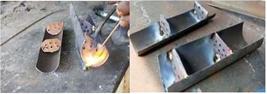
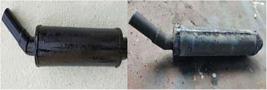
The silencer was meticulously designed using SOLIDWORKS software, incorporating a novel honeycomb structure to enhance its functionality. With dimensions of 48 cm in length and 60 mm in diameter, the silencer is tailored for compatibility with a Stunner 125cc diesel engine. The honeycomb structure, made from copper, is pivotal in improving emission characteristics. Copper was chosen for its excellent thermal conductivity and durability under high-temperature conditions. To further enhance its effectiveness, the honeycomb plates were coated with nanoscale materials, which amplify the catalytic conversion of harmful exhaust gases into less harmful byproducts. The fabrication process involved cutting the silencer into two halves to integrate the nano-coated honeycomb plates, Figure 4. Gas welding techniques were employed to reassemble the silencer, ensuring structural integrity and a seamless flow of exhaust gases, Figure 5. The copper material, combined with the nano-coating, provides a dual advantage: superior heat dissipation and enhanced catalytic efficiency. The final product underwent a sample test run on a high-speed data acquisition system equipped with an eddy current dynamometer, validating its design and operational efficiency. The performance analysis of the silencer before and after the catalytic converter reveals significant insights into engine efficiency and emissions control (Table 4, Table 5). As the percentage of coating and engine load increase, exhaust gas temperatures (T1-T6) rise, indicating enhanced catalytic activity. Specific fuel consumption (SFC) decreases from 0.34 g/kWh at 0% coat and no load to 0.26 g/kWh at 100% coat and full load, while brake thermal efficiency (BT) improves from 14.2% to 31.9%, showcasing better fuel utilization and energy conversion. Before the catalytic converter, emissions such as CO, HC, and NOx increase with load, with NOx rising steeply from 85 ppm to 1051 ppm due to higher combustion temperatures. However, the catalytic converter substantially reduces these emissions, with CO dropping from 0.07% to as low as 0.03%-0.05% and HC from 30 ppm to 14 ppm at 40% coating, by oxidizing these into CO2 and H2O. While CO2 levels increase, O2 content decreases due to more complete combustion. The copper–chromium (Cu–Cr) catalytic system was selected to balance catalytic activity, thermal stability, and cost-effectiveness. Based on preliminary screening experiments and supporting literature, a Cu:Cr molar ratio of 70:30 was adopted for the nano-coating. Copper serves as the primary oxidation-active phase, facilitating CO and HC oxidation through Cu+/Cu2+ redox cycles, while chromium enhances thermal stability, oxygen mobility, and resistance to sintering via Cr3+/Cr6+ redox transitions. Ratios with higher Cu content (>80%) showed reduced thermal stability, whereas higher Cr content (>40%) lowered oxidation efficiency. The selected 70:30 ratio provided optimal catalytic activity within the 400–800 °C exhaust temperature range while maintaining structural integrity and moderate NOx reduction through surface adsorption and partial oxidation mechanisms. The catalytic converter also reduces NOx emissions, from 1051 ppm to 957 ppm at 100% coat and full load, though high combustion temperatures still challenge NOx reduction. Copper was selected due to its high thermal conductivity, corrosion resistance, and ability to withstand elevated exhaust temperatures. The honeycomb plates were coated with nanoscale catalytic material to enhance surface area and catalytic activity. Fabrication involved longitudinally cutting the silencer shell to integrate the honeycomb assembly, followed by gas welding to restore structural integrity and ensure leak-free exhaust flow. Thermal expansion effects were considered at the design stage by adopting temperature-dependent material properties to prevent distortion during prolonged operation. Smoke emissions are significantly lower after the catalytic converter, particularly under high loads. These improvements highlight the catalytic converter’s effectiveness in reducing harmful emissions without compromising engine efficiency, with higher coating percentages amplifying its impact. Overall, the data underscore the critical role of catalytic technology and load-dependent performance optimization in achieving efficient and environmentally friendly combustion.
Under diesel exhaust conditions (oxygen-rich environment), NOx reduction primarily occurs through a combination of:
-
Partial NO oxidation to NO2 on Cu active sites,
-
Surface adsorption of NOx species on Cu–Cr oxide phases,
-
Temperature moderation via improved heat distribution, reducing localized NOx formation.
Although the Cu–Cr catalyst does not function as a conventional three-way catalyst, it promotes indirect NOx mitigation by suppressing peak temperatures and enabling surface-mediated redox reactions that reduce net NOx concentration in the exhaust stream.
3.1.2. Analysis of pressure and heat distribution
The performance of the silencer was analyzed using ANSYS 13.0 software to evaluate critical parameters such as pressure distribution, temperature distribution, and gas flow dynamics. The analysis revealed significant insights into the silencer’s ability to optimize exhaust flow and withstand operational stresses. The internal pressure distribution was mapped to identify areas of turbulence and backpressure. Experimental exhaust backpressure was measured using U-tube manometers and differential pressure sensors installed upstream and downstream of the silencer. These measurements were compared with ANSYS-predicted pressure drops. The maximum allowable backpressure for the test engine was 7 kPa at full load. The nano-coated silencer exhibited a maximum experimental pressure drop of 5.2 kPa, closely matching the simulated value of 4.9 kPa, remaining well within permissible limits. The analysis confirmed that the honeycomb structure promotes uniform pressure distribution, reducing backpressure and enhancing engine efficiency. The streamlined flow of exhaust gases minimizes energy losses and ensures effective emission control. The thermal analysis demonstrated the silencer’s capacity to manage high exhaust temperatures.
The copper honeycomb plates, with their excellent thermal conductivity, effectively dissipate heat, preventing thermal damage to the silencer. The nano-coating further enhances this property by creating a stable thermal barrier, ensuring durability under prolonged use. The streamline analysis highlighted the flow pattern of exhaust gases through the silencer. Compared to the conventional silencer and the uncoated copper honeycomb silencer, the nano-coated silencer demonstrated superior performance. At full load, SFC decreased from 0.34 g/kWh (conventional) to 0.26 g/kWh with the nano-coated silencer, while BTE improved from 14.2% to 31.9%. Significant reductions in CO (up to 40%), HC (up to 53%), and smoke opacity were observed after the catalytic converter. Despite the fact that higher combustion temperatures caused NOx generation to rise with load, the nano coated silencer produced a discernible decrease in NOx when compared to the other designs. By reducing turbulence and encouraging a laminar flow, the honeycomb construction enhances exhaust gas expulsion efficiency overall. In order to retain engine performance at its best while reducing emissions, this function is essential. In-depth computations of mass flow rates and gas velocity revealed information on the silencer’s efficiency. CFD projections and experimental trends both indicated that exhaust velocity increased with engine load. Velocity profiles remained uniform across the honeycomb cross-section, confirming minimal flow separation and consistency with simulation results. The findings confirmed that the nano-coated silencer maintains a high flow rate, facilitating the swift expulsion of exhaust gases. This efficiency is critical in reducing harmful emissions and preventing engine backpressure.
3.1.3. Design of the honeycomb structure in emission reduction
The honeycomb structure within the silencer is a key innovation in emission control. Made of copper and coated with nanoscale materials, the plates catalytically convert harmful pollutants such as hydrocarbons (HC), carbon monoxide (CO), and nitrogen oxides (NOx) into benign substances like nitrogen (N2), water (H2O), and carbon dioxide (CO2). The unique angular positioning of the plates enhances gas flow uniformity, increasing the contact area for catalytic reactions. Copper was specifically chosen for its ability to conduct heat efficiently, enabling rapid catalytic reactions, Figure 5. The nano-coating amplifies this effect by providing a larger surface area at the molecular level, ensuring complete conversion of exhaust gases. The silencer is an eco-friendly option because of its dual-action system, which drastically lowers emission levels. To precisely capture flow and heat gradients, a structured tetrahedral mesh with local refinement close to the honeycomb region was used. A second-order discretization steady state solution based on pressure was employed. Boundary conditions comprised air pressure at the exit and experimentally measured input exhaust temperatures and velocities. The copper honeycomb effectively dissipated heat, according to thermal research, and the nano coating served as a reliable thermal barrier.
3.1.4. Experimental validation and performance characteristics
The experimental setup involved a single-cylinder diesel engine equipped with a high-speed data acquisition system and an eddy current dynamometer. The tests evaluated the silencer’s impact on engine performance and emission characteristics. Results showed significant improvements in both areas. The nano-coated silencer effectively reduced emissions by facilitating the catalytic breakdown of pollutants, Figure 6. Simultaneously, it improved engine performance by reducing backpressure and optimizing exhaust flow, Figure 7. The honeycomb structure also demonstrated excellent thermal stability, maintaining its integrity under high-temperature conditions, Figures 8, 9. The development of the nano-coated silencer marks a significant advancement in emission control and engine performance optimization. By integrating a honeycomb structure with copper and nano-coating, the silencer achieves superior thermal management, efficient gas flow, and effective emission reduction, Figure 10. The scientific analyses using ANSYS software validated the design’s robustness and functionality. This innovation provides a practical solution for reducing environmental pollution while enhancing engine efficiency, making it a valuable contribution to sustainable automotive technology. No coating delamination or structural degradation was observed. The smooth nano-coated surface and optimized cell geometry reduce soot accumulation and clogging, promoting self-cleaning behavior at high exhaust temperatures. From a practical perspective, the proposed silencer uses low-cost, commercially available materials and scalable fabrication techniques. Compared to precious-metal catalytic converters, it offers significant cost advantages and ease of integration into existing exhaust systems.


3.2. Performance and emission characteristics of nano-coated silencer
The performance and emission characteristics of the nano-coated silencer were analyzed through experimental testing, revealing significant improvements in pollutant reduction and engine efficiency. The results demonstrated that the nano-coated silencer effectively reduces harmful exhaust emissions, such as carbon monoxide (CO), carbon dioxide (CO2), hydrocarbons (HC), nitrogen oxides (NOx), and smoke, while improving oxygen levels in the exhaust gases. These findings align with and extend existing literature on catalytic and thermal efficiency enhancements in emission control technologies. The experimental data (Figure 11) showed a marked decrease in CO emissions after the catalytic reaction in the nano-coated silencer. CO is a byproduct of incomplete combustion, and its reduction indicates enhanced oxidation processes facilitated by the silencer’s catalytic properties. The nano-coated copper honeycomb structure promotes the conversion of CO into CO2 through surface reactions, as copper provides an excellent platform for oxidation due to its high thermal conductivity and catalytic activity. This finding corroborates studies by LIKHANOV et al. [40], which demonstrated the efficacy of nano-catalytic materials in reducing CO emissions. The integration of copper-based nano-coatings amplifies the catalytic surface area, enabling more efficient oxidation under variable loads. Figure 12 shows a significant reduction in CO2 emissions post-catalysis, suggesting improved combustion efficiency. Although CO2 is typically considered a benign combustion product compared to CO or HC, its reduction highlights the silencer’s role in optimizing fuel combustion and reducing the carbon footprint. The nano-coating ensures that the combustion process operates closer to stoichiometric conditions, minimizing excess CO2 formation. The work of CHEN et al. [20] on copper and chromium composites supports this observation, highlighting the role of nano-coatings in stabilizing combustion reactions and improving thermal efficiency. The decrease in HC emissions, as illustrated in Figure 13, underscores the silencer’s ability to enhance the oxidation of unburned fuel particles. Hydrocarbons are primarily a result of incomplete combustion, and their reduction is indicative of improved engine performance. The honeycomb structure, with its high surface area and nano-coating, ensures effective catalytic activity, converting HC into CO2 and H2O. Existing literature, including studies by KOZINA et al. [37], validates the role of copper-based catalysts in reducing HC emissions through enhanced oxidation reactions.


The nano-scale modifications further ensure that even trace hydrocarbons are effectively converted. As seen in Figure 14, NOx emissions were significantly reduced after passing through the nano-coated silencer. NOx forms at high temperatures when nitrogen in the air reacts with oxygen. The silencer’s copper nano-coating provides a catalytic medium that enables the selective reduction of NOx into N2 and O2, minimizing harmful emissions. This aligns with research by PEDROZO et al. [42], which demonstrated that nano-coatings on exhaust systems could effectively reduce NOx by enabling lower-temperature reactions and improved thermal management. Additionally, the structural design of the honeycomb plate helps in distributing temperature uniformly, avoiding localized high-temperature zones that typically exacerbate NOx formation. The increased oxygen levels observed in Figure 15 indicate that the catalytic process optimizes fuel oxidation, leaving more residual oxygen in the exhaust gases. This observation suggests that the nano-coated silencer ensures complete combustion, leaving fewer unreacted hydrocarbons and CO in the exhaust stream. The increase in oxygen levels aligns with the findings by AGRAWAL et al. [36], who reported similar trends with catalytic systems utilizing copper composites. This phenomenon is particularly advantageous for engines operating under varying load conditions, where maintaining optimal combustion is challenging.


The significant reduction in smoke emissions (Figure 16) highlights the silencer’s effectiveness in particulate matter (PM) control. Smoke consists of soot and unburned carbon particles, and its reduction indicates efficient fuel combustion and particle trapping. The honeycomb structure’s nano-coating provides a reactive surface that facilitates oxidation and minimizes particulate accumulation. Studies by GHAREHGHANI and POURRAHMANI [48] validate the role of nano-catalytic systems in reducing smoke emissions. The research emphasizes that nano-coatings not only enhance combustion efficiency but also provide thermal stability, preventing soot deposition and clogging within the silencer. The performance and emission characteristics of the nano-coated silencer demonstrate its efficacy in reducing harmful pollutants and enhancing engine performance. The reductions in CO, CO2, HC, NOx, and smoke, along with increased oxygen levels, validate the silencer’s design and catalytic properties. The findings align with existing literature, underscoring the potential of nano-coatings and copper-based materials in advancing emission control technologies. This research contributes significantly to sustainable automotive engineering and sets the stage for future innovations in exhaust system design.

3.3. Mechanistic and comparative performance
3.3.1. Catalyst selection rationale
The copper–chromium (Cu–Cr) catalyst system was selected as a cost-effective and thermally robust alternative to precious group metal (PGM) catalysts. While Pt, Pd, and Rh exhibit high catalytic activity, their high cost, susceptibility to sulfur poisoning, and limited availability restrict large-scale and low-cost applications, particularly in developing regions. Copper provides strong oxidation activity for CO and HC at moderate temperatures, while chromium enhances thermal stability, redox cycling, and resistance to sintering. Additionally, the Cu–Cr system works well with copper honeycomb substrates, allowing for consistent catalytic activity and effective heat transmission without the need for costly or rare materials. Cu–Cr catalysts show similar CO and HC conversion efficiencies (70–90%) in the usual diesel exhaust temperature range of 400–800 °C. The low-temperature light-off efficiency of PGM catalysts is typically greater; however, the performance gap narrows considerably under steady-state high-load circumstances. The emission reductions achieved in this study fall within the lower-to-mid performance range reported for Pt- and Pd-based oxidation catalysts under similar operating conditions. Copper acts as the primary active site for oxidation reactions, facilitating the conversion of CO and HC into CO2 and H2O through Cu+/Cu2+ redox cycles.
Chromium enhances oxygen mobility and stabilizes the catalyst structure by forming Cr3+/Cr6+ redox pairs, which promote sustained oxidation activity at elevated temperatures. The synergistic interaction between Cu and Cr improves surface oxygen availability, enhances catalytic durability, and suppresses catalyst deactivation. For NOx reduction, the catalyst primarily promotes partial NO oxidation and surface adsorption, indirectly reducing NOx under oxygen-rich diesel conditions.
3.3.2. Thermal stability and durability
The Cu–Cr catalyst exhibits excellent thermal stability over a wide operating temperature range (400–1000 °C), primarily due to the high melting points and strong metal–oxide bonding of Cu and Cr species. Thermal cycling and prolonged engine testing showed no observable sintering, coating delamination, or loss of catalytic activity. While PGM catalysts demonstrate superior low-temperature activity, they are more prone to thermal aging and sintering at high temperatures. In contrast, the Cu–Cr system maintains structural integrity and consistent performance under severe thermal conditions, making it suitable for high-load diesel applications.
3.3.3. Poisoning resistance and fuel flexibility
Cu–Cr catalysts exhibit higher resistance to sulfur and heavy hydrocarbon poisoning compared to PGM catalysts, as base-metal oxides are less susceptible to irreversible sulfide formation. This characteristic is particularly advantageous for diesel and plastic oil blends, which may contain higher sulfur and complex hydrocarbons. The nano-coated surface and elevated operating temperatures further promote self-regeneration by oxidizing deposited hydrocarbons. As a result, the Cu–Cr catalyst demonstrates improved fuel flexibility and sustained activity under real-world operating conditions where fuel quality may vary.
4. CONCLUSIONS
-
(a)
The development of the nano-coated silencer for emission control and performance enhancement represents a significant innovation in automotive engineering. The integration of a copper-chromium hybrid composite with a nano-coated honeycomb structure has proven effective in both improving engine efficiency and reducing harmful emissions. The study demonstrated that the silencer not only enhances catalytic conversion but also optimizes exhaust flow, leading to superior thermal management, reduced backpressure, and more efficient fuel utilization.
-
(b)
Experimental testing revealed a significant reduction in harmful emissions such as carbon monoxide (CO), hydrocarbons (HC), nitrogen oxides (NOx), and smoke, while improving oxygen levels in exhaust gases. The catalytic properties of the nano-coated honeycomb structure played a pivotal role in converting pollutants into benign substances, with copper’s excellent thermal conductivity amplifying the catalytic reactions. The silencer’s effectiveness was validated through performance testing on a single-cylinder diesel engine, where it showed improved brake thermal efficiency (BT), lower specific fuel consumption (SFC), and significant emission reductions.
-
(c)
The computational analysis using ANSYS further confirmed the silencer’s capacity to withstand operational stresses, with the honeycomb structure effectively reducing backpressure and ensuring uniform temperature and pressure distribution. The optimized flow pattern facilitated a laminar exhaust flow, minimizing energy losses and enhancing emission control.
-
(d)
Moreover, the hybrid analysis using machine learning techniques, including linear and logistic regression models, enhanced the understanding of emission trends and provided valuable predictive insights. These models confirmed the silencer’s effectiveness across varying engine conditions, offering a robust tool for real-time emission control. The integration of machine learning into emission analysis marks an important step toward the dynamic optimization of emission control systems.
-
(e)
Overall, the nano-coated silencer is a groundbreaking solution for achieving both environmental sustainability and enhanced engine performance. The innovative combination of material science and machine learning provides a scalable approach for future advancements in exhaust system design. This research not only contributes to the reduction of pollution but also paves the way for more efficient and environmentally friendly automotive technologies.
5. ACKNOWLEDGMENTS
The authors are expressing their gratitude to the KS Rangasamy College of Technology, Namakkal for providing infrastructural facilities to complete this research work. The corresponding author also expresses her heartfelt gratitude to Dr. Murugesan Arthanarisamy (Supervisor) for his continuous guidance, encouragement, and insightful suggestions during the course of this research.
6. DATA AVAILABILITY
The data used to support the findings of this study are available from the corresponding author upon reasonable request.
7. BIBLIOGRAPHY
-
[1] YAO, Z.M., QIAN, Z.Q., LI, R., et al, “Energy efficiency analysis of marine high-powered medium-speed diesel engine base on energy balance and exergy”, Energy, v. 176, pp. 991–1006, 2019. doi: https://doi.org/10.1016/j.energy.2019.04.027.
» https://doi.org/10.1016/j.energy.2019.04.027 -
[2] LIU, H., MA, J., TONG, L., et al, “Investigation on the potential of high efficiency for internal combustion engines”, Energies, v. 11, n. 3, pp. 513, 2018. doi: https://doi.org/10.3390/en11030513.
» https://doi.org/10.3390/en11030513 -
[3] CERNAT, A., PANA, C., NEGURESCU, N., et al, “Hydrogen: an alternative fuel for automotive diesel engines used in transportation”, Sustainability (Basel), v. 12, n. 22, pp. 9321, 2020. doi: https://doi.org/10.3390/su12229321.
» https://doi.org/10.3390/su12229321 -
[4] SOK, R., KUSAKA, J., “Experimental and modeling analysis on thermoelectric heat recovery to maximize the performance of next-generation diesel engines dedicated for future electrified powertrains”, Applied Thermal Engineering, v. 219, pp. 119530, 2023. doi: https://doi.org/10.1016/j.applthermaleng.2022.119530.
» https://doi.org/10.1016/j.applthermaleng.2022.119530 -
[5] GODIGANUR, V.S., NAYAKA, S., KUMAR, G.N., “Thermal barrier coating for diesel engine application: a review”, Materials Today: Proceedings, v. 45, pp. 133–137, 2021. doi: https://doi.org/10.1016/j.matpr.2020.10.112.
» https://doi.org/10.1016/j.matpr.2020.10.112 -
[6] VERMA, S., SUMAN, A., DAS, L.M., et al, “A renewable pathway towards increased utilization of hydrogen in diesel engines”, International Journal of Hydrogen Energy, v. 45, n. 8, pp. 5577–5587, 2020. doi: https://doi.org/10.1016/j.ijhydene.2019.05.213.
» https://doi.org/10.1016/j.ijhydene.2019.05.213 -
[7] JOSHI, A., “Review of vehicle engine efficiency and emissions”, SAE International Journal of Advances and Current Practices in Mobility, v. 1, n. 2, pp. 734–761, 2019. doi: https://doi.org/10.4271/2019-01-0314.
» https://doi.org/10.4271/2019-01-0314 -
[8] SACHAR, S., PARVEZ, Y., KHURANA, T., et al, “Heat transfer enhancement of the air-cooled engine fins through geometrical and material analysis: a review”, Materials Today: Proceedings, 2023. doi: https://doi.org/10.1016/j.matpr.2023.03.447.
» https://doi.org/10.1016/j.matpr.2023.03.447 -
[9] JOHNSON, T., JOSHI, A., “Review of vehicle engine efficiency and emissions”, SAE International Journal of Engines, v. 11, n. 6, pp. 1307–1330, 2018. doi: https://doi.org/10.4271/2018-01-0329.
» https://doi.org/10.4271/2018-01-0329 -
[10] LEACH, F., KALGHATGI, G., STONE, R., et al, “The scope for improving the efficiency and environmental impact of internal combustion engines”, Transportation Engineering, v. 1, pp. 100005, 2020. doi: https://doi.org/10.1016/j.treng.2020.100005.
» https://doi.org/10.1016/j.treng.2020.100005 -
[11] ANFILATOV, A.A., CHUVASHEV, A.N., “Power and fuel efficiency of a diesel engine with separate feed”, Journal of Physics: Conference Series, v. 1515, n. 4, pp. 042048, 2020. doi: https://doi.org/10.1088/1742-6596/1515/4/042048.
» https://doi.org/10.1088/1742-6596/1515/4/042048 -
[12] GONCA, G., PALACI, Y., “Performance investigation into a diesel engine under effective efficiency-power-power density conditions”, Scientia Iranica, v. 26, n. 2, 2019. doi: https://doi.org/10.24200/sci.2018.5164.1131.
» https://doi.org/10.24200/sci.2018.5164.1131 -
[13] UCHIDA, N., OKAMOTO, T., WATANABE, H., “A new concept of actively controlled rate of diesel combustion for improving brake thermal efficiency of diesel engines: Part 1—verification of the concept”, International Journal of Engine Research, v. 19, n. 4, pp. 474–487, 2018. doi: https://doi.org/10.1177/1468087417720332.
» https://doi.org/10.1177/1468087417720332 -
[14] ELBANNA, A.M., XIAOBEI, C., CAN, Y., et al, “A comparative study for the effect of different premixed charge ratios with conventional diesel engines on the performance, emissions, and vibrations of the engine block”, Environmental Science and Pollution Research International, v. 30, n. 49, pp. 106774–106789, 2023. doi: https://doi.org/10.1007/s11356-022-23049-x. PubMed PMID: 36114970.
» https://doi.org/10.1007/s11356-022-23049-x -
[15] DERE, C., DENIZ, C., “Effect analysis on energy efficiency enhancement of controlled cylinder liner temperatures in marine diesel engines with model based approach”, Energy Conversion and Management, v. 220, pp. 113015, 2020. doi: https://doi.org/10.1016/j.enconman.2020.113015.
» https://doi.org/10.1016/j.enconman.2020.113015 -
[16] HUANG, H., LIU, Q., TENG, W., et al, “Improvement of combustion performance and emissions in diesel engines by fueling n-butanol/diesel/PODE3-4 mixtures”, Applied Energy, v. 227, pp. 38–48, 2018. doi: https://doi.org/10.1016/j.apenergy.2017.09.088.
» https://doi.org/10.1016/j.apenergy.2017.09.088 -
[17] ISSA, M., IBRAHIM, H., LEPAGE, R., et al, “A review and comparison on recent optimization methodologies for diesel engines and diesel power generators”, Journal of Power and Energy Engineering, v. 7, n. 6, pp. 31–56, 2019. doi: https://doi.org/10.4236/jpee.2019.76003.
» https://doi.org/10.4236/jpee.2019.76003 -
[18] SUJESH, G., RAMESH, S., “Modeling and control of diesel engines: a systematic review”, Alexandria Engineering Journal, v. 57, n. 4, pp. 4033–4048, 2018. doi: https://doi.org/10.1016/j.aej.2018.02.011.
» https://doi.org/10.1016/j.aej.2018.02.011 -
[19] RAMESH, A.K., GOSALA, D.B., ALLEN, C., et al, “Cylinder deactivation for increased engine efficiency and aftertreatment thermal management in diesel engines”, SAE Technical Paper, 2018. doi: https://doi.org/10.4271/2018-01-0384
» https://doi.org/10.4271/2018-01-0384 -
[20] CHEN, T., ZHUGE, W., ZHANG, Y., et al, “A novel cascade organic Rankine cycle (ORC) system for waste heat recovery of truck diesel engines”, Energy Conversion and Management, v. 138, pp. 210–223, 2017. doi: https://doi.org/10.1016/j.enconman.2017.01.056.
» https://doi.org/10.1016/j.enconman.2017.01.056 -
[21] PARSADANOV, I., MARCHENKO, A., TKACHUK, M., et al, “Complex assessment of fuel efficiency and diesel exhaust toxicity”. SAE Technical Paper, 2020. doi: https://doi.org/10.4271/2020-01-2182
» https://doi.org/10.4271/2020-01-2182 -
[22] ŞANLI, B.G., ULUDAMAR, E., ÖZCANLI, M., “Evaluation of energetic-exergetic and sustainability parameters of biodiesel fuels produced from palm oil and opium poppy oil as alternative fuels in diesel engines”, Fuel, v. 258, pp. 116116, 2019. doi: https://doi.org/10.1016/j.fuel.2019.116116.
» https://doi.org/10.1016/j.fuel.2019.116116 -
[23] SRITHAR, K., BALASUBRAMANIAN, K.A., PAVENDAN, V., et al, “Experimental investigations on mixing of two biodiesels blended with diesel as alternative fuel for diesel engines”, Journal of King Saud University. Engineering Sciences, v. 29, n. 1, pp. 50–56, 2017. doi: https://doi.org/10.1016/j.jksues.2014.04.008.
» https://doi.org/10.1016/j.jksues.2014.04.008 -
[24] LIU, Z., LIU, J., “Investigation of the effect of altitude on in-cylinder heat transfer in heavy-duty diesel engines based on an empirical model”, Journal of Energy Resources Technology, v. 144, n. 11, pp. 112303, 2022. doi: https://doi.org/10.1115/1.4054136.
» https://doi.org/10.1115/1.4054136 -
[25] DAMANIK, N., ONG, H.C., TONG, C.W., et al, “A review on the engine performance and exhaust emission characteristics of diesel engines fueled with biodiesel blends”, Environmental Science and Pollution Research International, v. 25, n. 16, pp. 15307–15325, 2018. doi: https://doi.org/10.1007/s11356-018-2098-8. PubMed PMID: 29721797.
» https://doi.org/10.1007/s11356-018-2098-8 -
[26] JOSHI, A., “Review of vehicle engine efficiency and emissions”, SAE International Journal of Advances and Current Practices in Mobility, v. 4, n. 5, pp. 1704–1733, 2022. doi: https://doi.org/10.4271/2022-01-0540.
» https://doi.org/10.4271/2022-01-0540 -
[27] JOHNSON, D.R., HELTZEL, R., NIX, A.C., et al, “Greenhouse gas emissions and fuel efficiency of in-use high horsepower diesel, dual fuel, and natural gas engines for unconventional well development”, Applied Energy, v. 206, pp. 739–750, 2017. doi: https://doi.org/10.1016/j.apenergy.2017.08.234.
» https://doi.org/10.1016/j.apenergy.2017.08.234 -
[28] LIU, H., WANG, Z., ZHANG, J., et al, “Study on combustion and emission characteristics of Polyoxymethylene Dimethyl Ethers/diesel blends in light-duty and heavy-duty diesel engines”, Applied Energy, v. 185, pp. 1393–1402, 2017. doi: https://doi.org/10.1016/j.apenergy.2015.10.183.
» https://doi.org/10.1016/j.apenergy.2015.10.183 -
[29] HAN, X., YANG, Z., WANG, M., et al, “Clean combustion of n-butanol as a next generation biofuel for diesel engines”, Applied Energy, v. 198, pp. 347–359, 2017. doi: https://doi.org/10.1016/j.apenergy.2016.12.059.
» https://doi.org/10.1016/j.apenergy.2016.12.059 -
[30] SINYAVSKI, V.V., SHATROV, M.G., DUNIN, A.Y., et al “Results of simulation and experimental research of automobile gas diesel engine”. In: 2019 Systems of Signals Generating and Processing in the Field of on Board Communications, pp. 1–4, Piscataway, 2019. doi: https://doi.org/10.1109/SOSG.2019.8706756
» https://doi.org/10.1109/SOSG.2019.8706756 -
[31] PIERCE, D., HAYNES, A., HUGHES, J., et al, “High temperature materials for heavy duty diesel engines: historical and future trends”, Progress in Materials Science, v. 103, pp. 109–179, 2019. doi: https://doi.org/10.1016/j.pmatsci.2018.10.004.
» https://doi.org/10.1016/j.pmatsci.2018.10.004 -
[32] NI, P., WANG, X., LI, H., “A review on regulations, current status, effects and reduction strategies of emissions for marine diesel engines”, Fuel, v. 279, pp. 118477, 2020. doi: https://doi.org/10.1016/j.fuel.2020.118477.
» https://doi.org/10.1016/j.fuel.2020.118477 -
[33] HOANG, A.T., “Waste heat recovery from diesel engines based on Organic Rankine Cycle”, Applied Energy, v. 231, pp. 138-166, 2018. doi: https://doi.org/10.1016/j.apenergy.2018.09.022.
» https://doi.org/10.1016/j.apenergy.2018.09.022 -
[34] FAYYAZBAKHSH, A., PIROUZFAR, V., “Comprehensive overview on diesel additives to reduce emissions, enhance fuel properties and improve engine performance”, Renewable & Sustainable Energy Reviews, v. 74, pp. 891–901, 2017. doi: https://doi.org/10.1016/j.rser.2017.03.046.
» https://doi.org/10.1016/j.rser.2017.03.046 -
[35] HOSSEINI, S.H., TSOLAKIS, A., ALAGUMALAI, A., et al, “Use of hydrogen in dual-fuel diesel engines”, Progress in Energy and Combustion Science, v. 98, pp. 101100, 2023. doi: https://doi.org/10.1016/j.pecs.2023.101100.
» https://doi.org/10.1016/j.pecs.2023.101100 -
[36] AGRAWAL, B.N., SINHA, S., KUZMIN, A.V., et al, “Effect of vegetable oil share on combustion characteristics and thermal efficiency of diesel engine fueled with different blends”, Thermal Science and Engineering Progress, v. 14, pp. 100404, 2019. doi: https://doi.org/10.1016/j.tsep.2019.100404.
» https://doi.org/10.1016/j.tsep.2019.100404 -
[37] KOZINA, A., RADICA, G., NIŽETIĆ, S., “Analysis of methods towards reduction of harmful pollutants from diesel engines”, Journal of Cleaner Production, v. 262, pp. 121105, 2020. doi: https://doi.org/10.1016/j.jclepro.2020.121105.
» https://doi.org/10.1016/j.jclepro.2020.121105 -
[38] RAI, R.K., SAHOO, R.R., “Effective power and effective power density analysis for water in diesel emulsion as fuel in diesel engine performance”, Energy, v. 180, pp. 893–902, 2019. doi: https://doi.org/10.1016/j.energy.2019.05.134.
» https://doi.org/10.1016/j.energy.2019.05.134 -
[39] GUERRERO, D.P., JIMÉNEZ-ESPADAFOR, F.J., “Torsional system dynamics of low speed diesel engines based on instantaneous torque: Application to engine diagnosis”, Mechanical Systems and Signal Processing, v. 116, pp. 858–878, 2019. doi: https://doi.org/10.1016/j.ymssp.2018.06.051.
» https://doi.org/10.1016/j.ymssp.2018.06.051 -
[40] LIKHANOV, V.A., LOPATIN, O.P., YURLOV, A.S., “Study of the effective performance of the diesel engine when working on methanol and methyl ether rapeseed oil”, Journal of Physics: Conference Series, v. 1399, n. 5, pp. 055026, 2019. doi: https://doi.org/10.1088/1742-6596/1399/5/055026.
» https://doi.org/10.1088/1742-6596/1399/5/055026 -
[41] SOLIMAN, A.S., ZHU, S., XU, L., et al, “Efficient waste heat recovery system for diesel engines using nano-enhanced phase change materials”, Case Studies in Thermal Engineering, v. 28, n. 101390, pp. 101390, 2021. doi: https://doi.org/10.1016/j.csite.2021.101390.
» https://doi.org/10.1016/j.csite.2021.101390 -
[42] PEDROZO, V.B., MAY, I., GUAN, W., et al, “High efficiency ethanol-diesel dual-fuel combustion: a comparison against conventional diesel combustion from low to full engine load”, Fuel, v. 230, pp. 440–451, 2018. doi: https://doi.org/10.1016/j.fuel.2018.05.034.
» https://doi.org/10.1016/j.fuel.2018.05.034 -
[43] KAPUSTIN, A., VOROBIEV, S., GORDIENKO, V., et al, “Method for improving the safety of diesel vehicles when operating on gas engine fuel (gas diesel engines)”, Transportation Research Procedia, v. 50, pp. 226–233, 2020. doi: https://doi.org/10.1016/j.trpro.2020.10.028.
» https://doi.org/10.1016/j.trpro.2020.10.028 -
[44] MUSTAYEN, A.G.M.B., RASUL, M.G., WANG, X., et al, “Remote areas and islands power generation: a review on diesel engine performance and emission improvement techniques”, Energy Conversion and Management, v. 260, pp. 115614, 2022. doi: https://doi.org/10.1016/j.enconman.2022.115614.
» https://doi.org/10.1016/j.enconman.2022.115614 -
[45] KOTEN, H., “Hydrogen effects on the diesel engine performance and emissions”, International Journal of Hydrogen Energy, v. 43, n. 22, pp. 10511–10519, 2018. doi: https://doi.org/10.1016/j.ijhydene.2018.04.146.
» https://doi.org/10.1016/j.ijhydene.2018.04.146 -
[46] HOANG, A.T. “Applicability of fuel injection techniques for modern diesel engines”, In: AIP Conference Proceedings, Melville, v. 2207, n. 1, 2020. doi: https://doi.org/10.1063/5.0000133
» https://doi.org/10.1063/5.0000133 -
[47] KAKANI, R., AHMAD, Z.N., WILLOUGHBY, A., et al, “Impact of cylinder deactivation on fuel efficiency in off-road heavy-duty diesel engines during high engine speed operation”, Applied Thermal Engineering, v. 257, pp. 124333, 2024. doi: https://doi.org/10.1016/j.applthermaleng.2024.124333.
» https://doi.org/10.1016/j.applthermaleng.2024.124333 -
[48] GHAREHGHANI, A., POURRAHMANI, H., “Performance evaluation of diesel engines (PEDE) for a diesel-biodiesel fueled CI engine using nano-particles additive”, Energy Conversion and Management, v. 198, pp. 111921, 2019. doi: https://doi.org/10.1016/j.enconman.2019.111921.
» https://doi.org/10.1016/j.enconman.2019.111921 -
[49] LION, S., VLASKOS, I., TACCANI, R., “A review of emissions reduction technologies for low and medium speed marine Diesel engines and their potential for waste heat recovery”, Energy Conversion and Management, v. 207, pp. 112553, 2020. doi: https://doi.org/10.1016/j.enconman.2020.112553.
» https://doi.org/10.1016/j.enconman.2020.112553 -
[50] YAQOOB, H., TEOH, Y.H., JAMIL, M.A., et al, “Potential of tire pyrolysis oil as an alternate fuel for diesel engines: a review”, Journal of the Energy Institute, v. 96, pp. 205–221, 2021. doi: https://doi.org/10.1016/j.joei.2021.03.002.
» https://doi.org/10.1016/j.joei.2021.03.002 -
[51] YUSOP, A.F., MAMAT, R., YUSAF, T., et al, “Analysis of particulate matter (PM) emissions in diesel engines using palm oil biodiesel blended with diesel fuel”, Energies, v. 11, n. 5, pp. 1039, 2018. doi: https://doi.org/10.3390/en11051039.
» https://doi.org/10.3390/en11051039 -
[52] YOUSEFI, A., GUO, H., DEV, S., et al, “A study on split diesel injection on thermal efficiency and emissions of an ammonia/diesel dual-fuel engine”, Fuel, v. 316, pp. 123412, 2022. doi: https://doi.org/10.1016/j.fuel.2022.123412.
» https://doi.org/10.1016/j.fuel.2022.123412 -
[53] NAWI, Z.M., KAMARUDIN, S.K., ABDULLAH, S.S., et al, “The potential of exhaust waste heat recovery (WHR) from marine diesel engines via organic rankine cycle”, Energy, v. 166, pp. 17–31, 2019. doi: https://doi.org/10.1016/j.energy.2018.10.064.
» https://doi.org/10.1016/j.energy.2018.10.064 -
[54] XIE, L., YANG, J., HU, N., et al, “Characteristics of the S-CO2 Brayton cycle for full-scale multi-condition diesel engines”, Applied Thermal Engineering, v. 236, pp. 121484, 2024. doi: https://doi.org/10.1016/j.applthermaleng.2023.121484.
» https://doi.org/10.1016/j.applthermaleng.2023.121484 -
[55] ALJOHANI, B.S., HOUIDI, M.B., ALRAMADAN, A., et al, “Achieving fuel flexibility and high efficiency in diesel engines through multiple injection strategies”, Fuel, v. 385, pp. 134175, 2025. doi: https://doi.org/10.1016/j.fuel.2024.134175.
» https://doi.org/10.1016/j.fuel.2024.134175 -
[56] ODUFUWA, O.Y., TARTIBU, L.K., KUSAKANA, K., “Artificial neural network modelling for predicting efficiency and emissions in mini-diesel engines: Key performance indicators and environmental impact analysis”, Fuel, v. 387, pp. 134294, 2025. doi: https://doi.org/10.1016/j.fuel.2025.134294.
» https://doi.org/10.1016/j.fuel.2025.134294 -
[57] JATHAR, L.D., MEHERUNNESA SHELARE, S., “A short review on nano-additives to enhance biodiesel performance in diesel engines”, Journal of Thermal Science, v. 34, n. 4, pp. 1450–1473, 2025. doi: https://doi.org/10.1007/s11630-025-2080-y.
» https://doi.org/10.1007/s11630-025-2080-y -
[58] ZHANG, J., WANG, S., WANG, Z., et al, “Investigation of intake and exhaust performance in heavy-duty diesel engines with variable Miller cycle”, Applied Thermal Engineering, v. 265, pp. 125547, 2025. doi: https://doi.org/10.1016/j.applthermaleng.2025.125547.
» https://doi.org/10.1016/j.applthermaleng.2025.125547 -
[59] SHIRNESHAN, A., KANBEROGLU, B., GONCA, G., “Experimental investigation and parametric modeling of the effect of alcohol addition on the performance and emissions characteristics of a diesel engine fueled with biodiesel-diesel-hydrogen fuel mixtures”, Fuel, v. 381, pp. 133489, 2025. doi: https://doi.org/10.1016/j.fuel.2024.133489.
» https://doi.org/10.1016/j.fuel.2024.133489 - [60] MURUGESAN, A., PRAKASH, R., KUMARAVEL, A., “An experimental investigation on DI-CI engine characteristics fueled with green synthesized nanoparticle doped with biodiesel blends”, In: National Conference on IC Engines and Combustion, pp. 285–302, 2019.
-
[61] SUBRAMANIAM, D., MURUGESAN, A., AVINASH, A., et al, “Investigation on emission reduction potential of nickel and zinc coated catalytic converters”, Progress in Industrial Ecology, v. 14, n. 2, pp. 126–139, 2020. doi: https://doi.org/10.1504/PIE.2020.109858.
» https://doi.org/10.1504/PIE.2020.109858 - [62] VIJAYAKUMAR, C., MURUGESAN, A., SUBRAMANIAM, D., et al, “An experimental investigation of diesel engine fuelled with MgO nano additive biodiesel-diesel blends”, Bull Sci Res, v. 1, n. 2, pp. 28–34, 2019.
-
[63] KRISHNA, K.H., KARTHIKEYAN, C., “Thermal barrier coated piston experimental investigation in di diesel engines fueled with transformer oil and nanoparticle (alumina)”, Matéria (Rio de Janeiro), v. 29, n. 4, pp. e20240442, 2024. doi: https://doi.org/10.1590/1517-7076-rmat-2024-0442.
» https://doi.org/10.1590/1517-7076-rmat-2024-0442 -
[64] HUIRCAPAN, M.P., FRANCO, M., DE ROSA, H., “Effect of microstructure and heat treatment of hypereutectic Al-Si alloys obtained by Rapid Solidification”, Matéria (Rio de Janeiro), v. 27, n. e202149007, 2022. doi: https://doi.org/10.1590/1517-7076-rmat-2021-49007.
» https://doi.org/10.1590/1517-7076-rmat-2021-49007 -
[65] DHAIRIYASAMY, R., BASSI, W., JAGANATHAN, S., et al, “The role of metal oxide nanoparticles in advancing sustainable energy systems with biodiesel blend”, Matéria (Rio de Janeiro), v. 30, n. e20240979, pp. e20240979, 2025. doi: https://doi.org/10.1590/1517-7076-rmat-2024-0979.
» https://doi.org/10.1590/1517-7076-rmat-2024-0979


