 Fracture, resiliency, and feasibility analysis of cement concrete with lathe steel scrap for paving applications in transportation technology
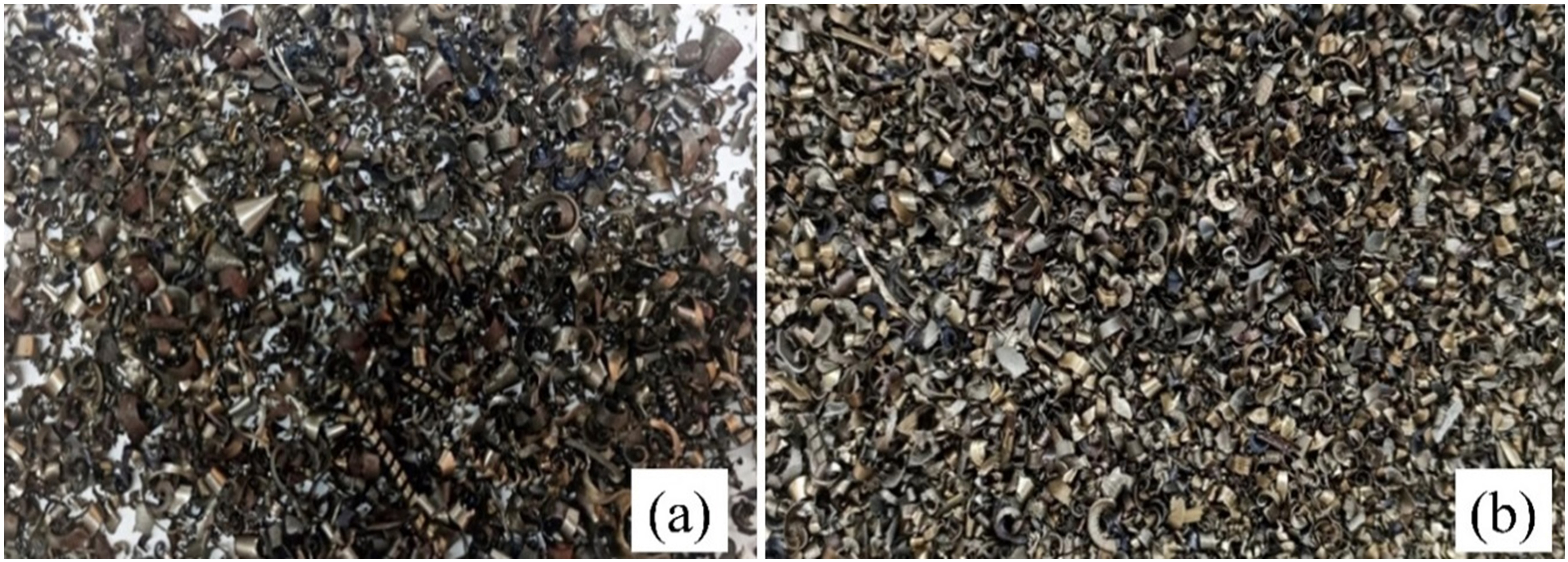
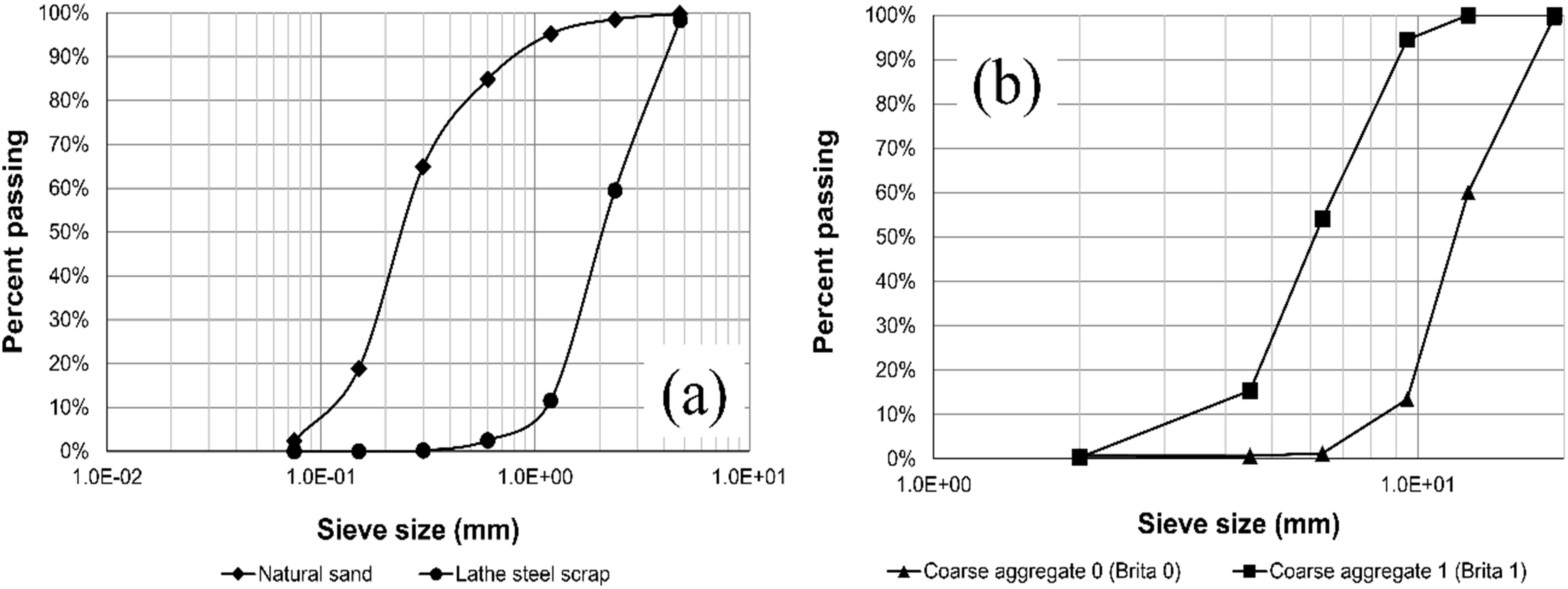
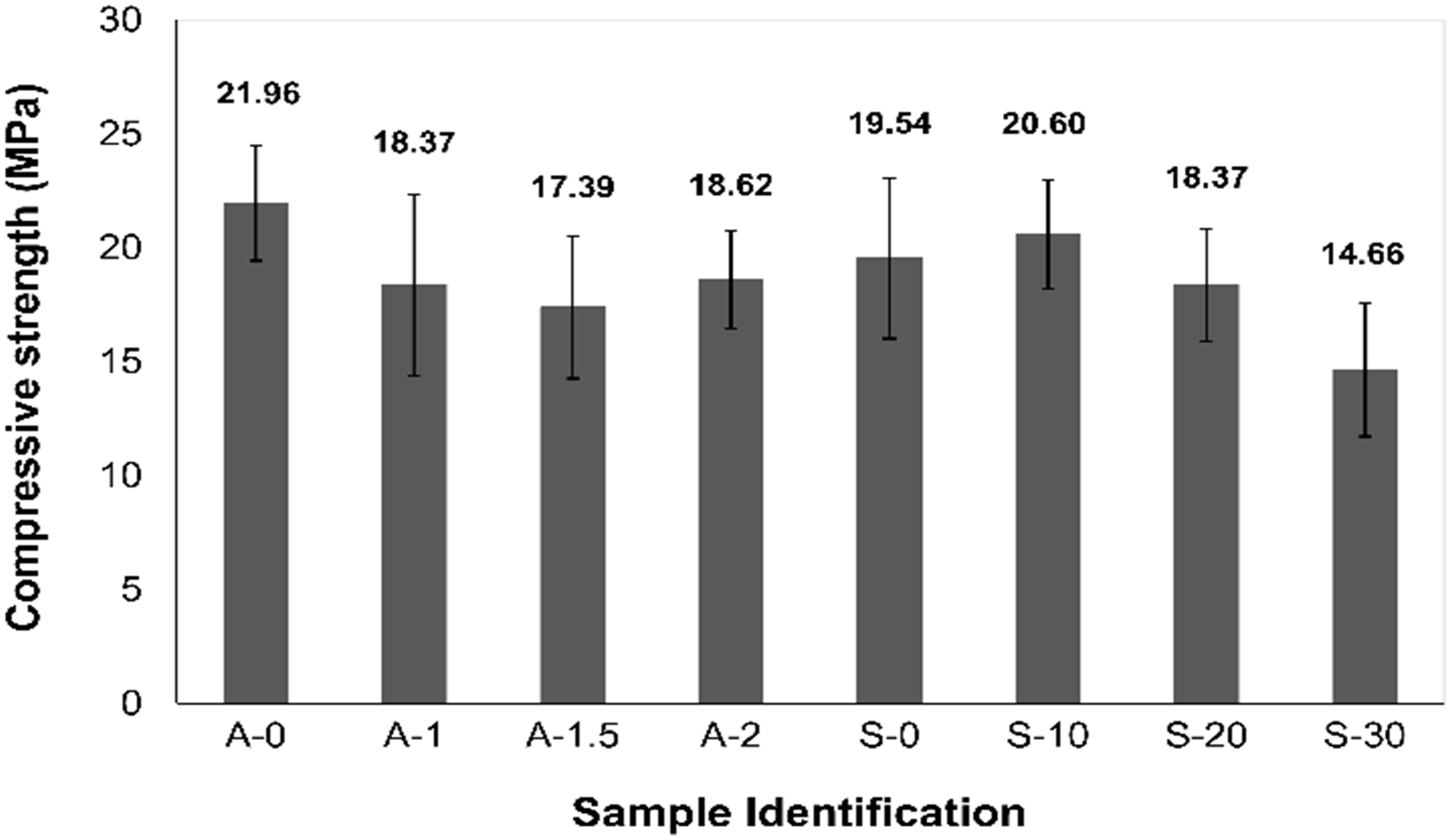
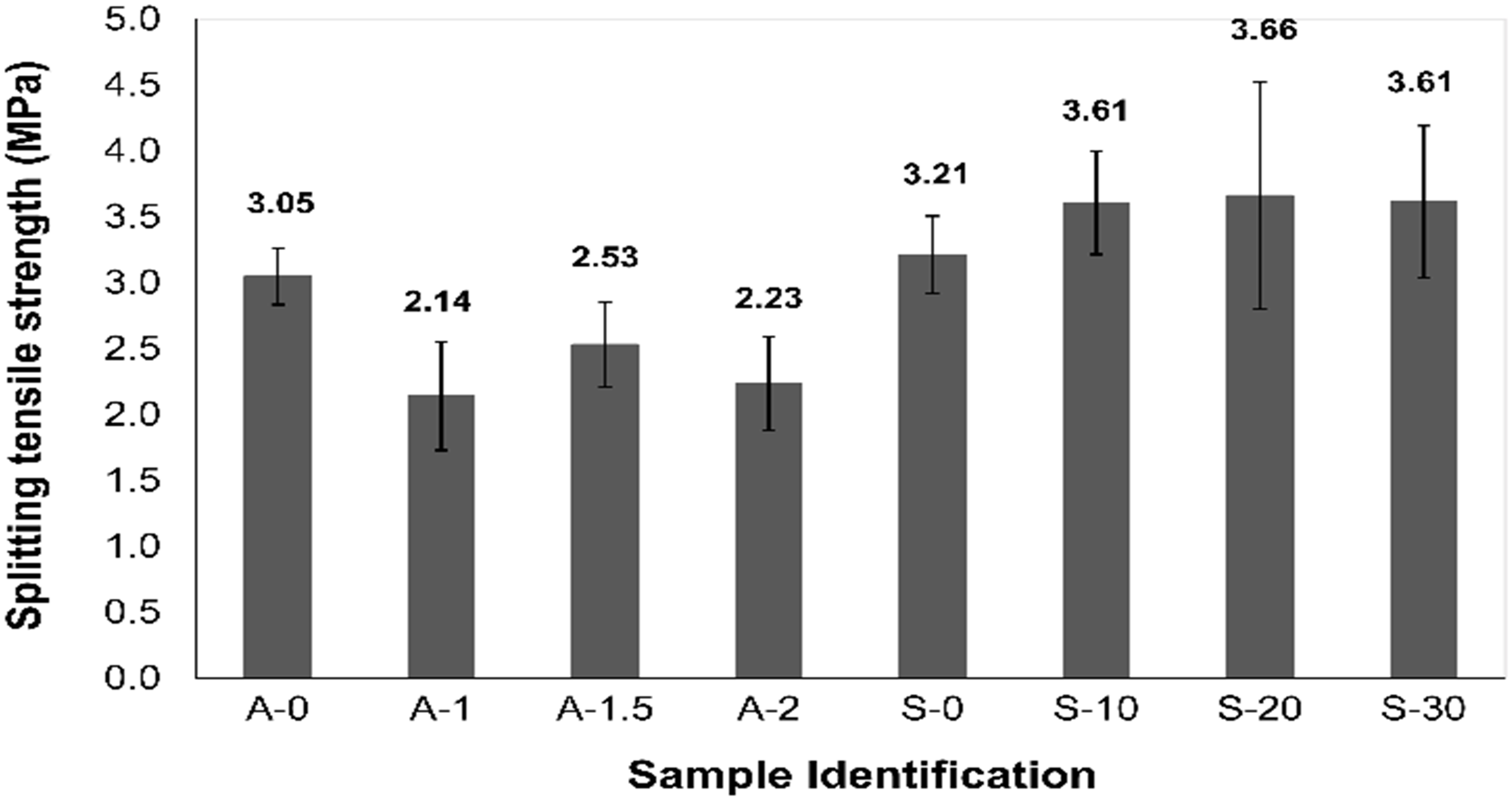
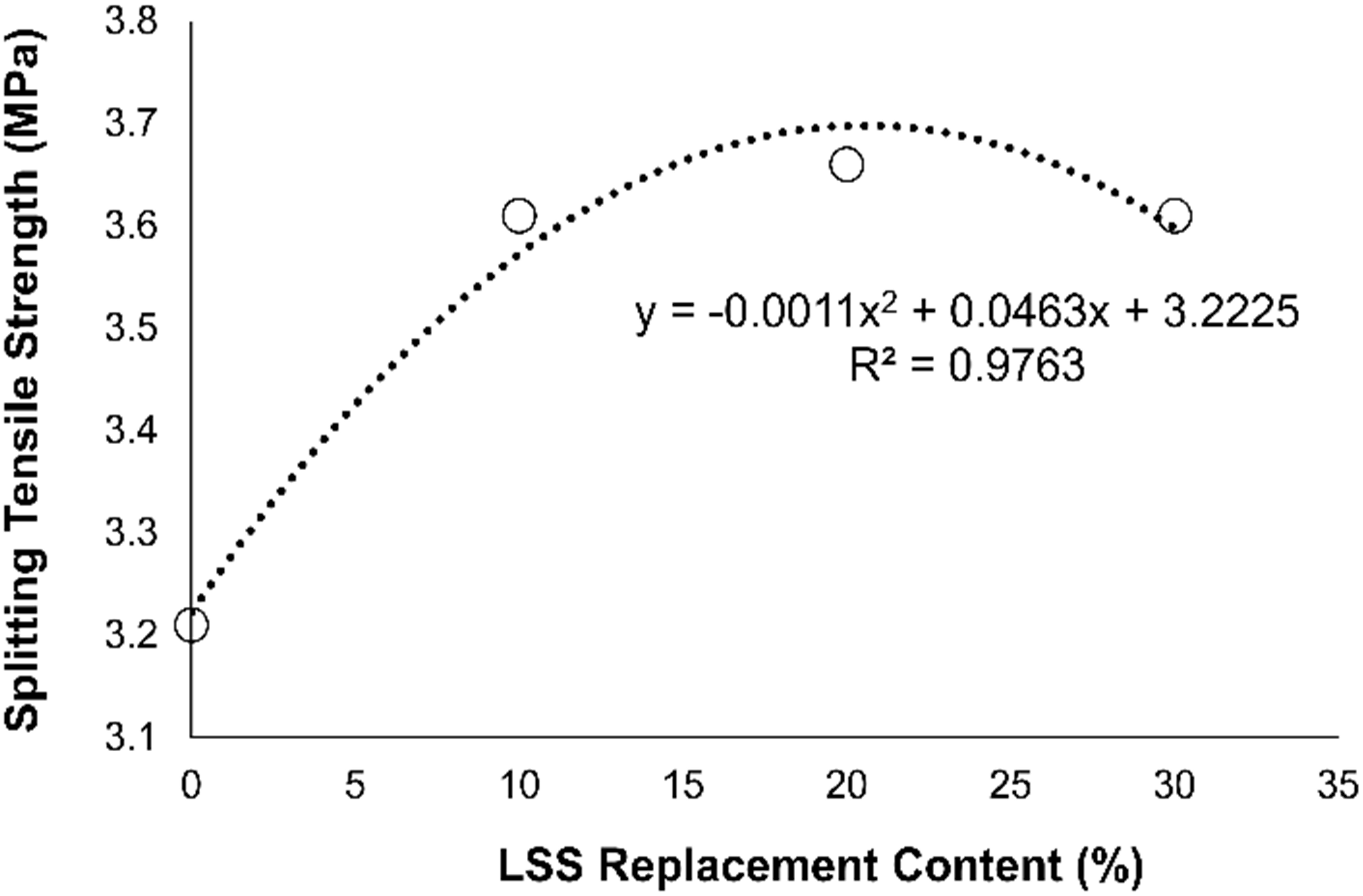
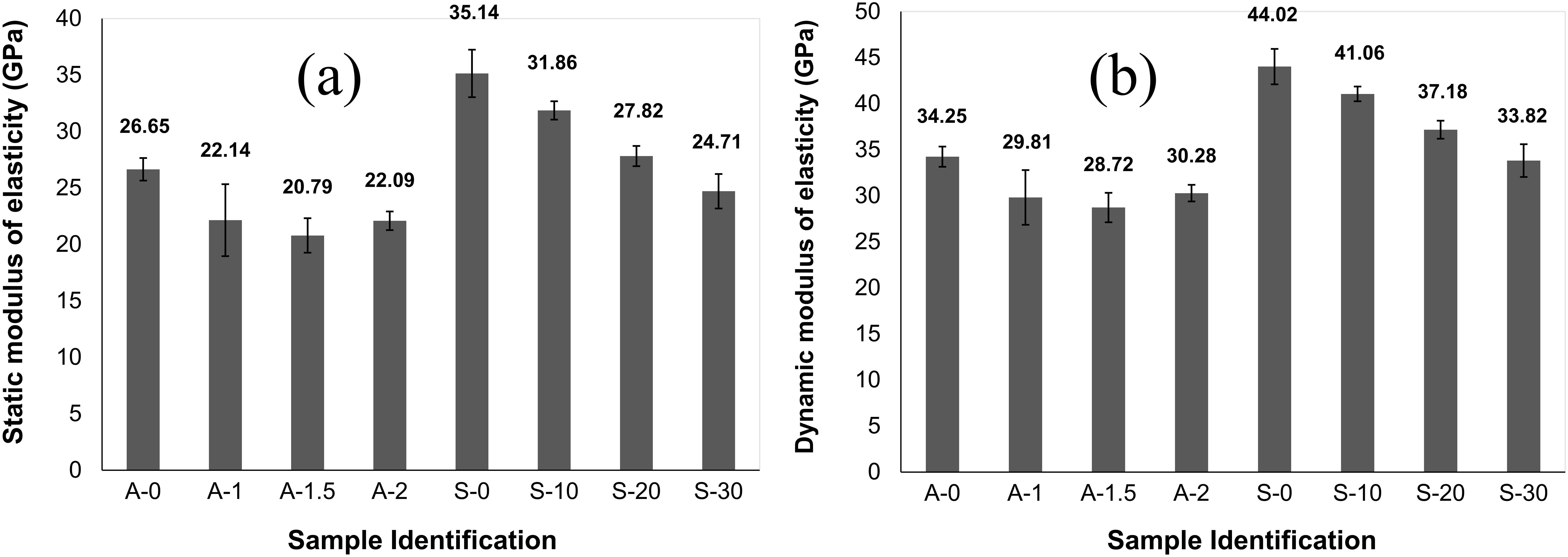
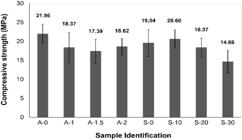
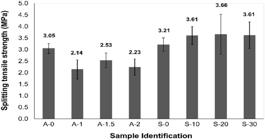
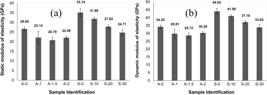
This study evaluated the technical feasibility of incorporation of LSS into base concretes for rigid pavements and focusing on enhanced properties of the concrete. Two approaches were employed here, and two reference mixtures – designated as A-0 and S-0 – were designed. These two approaches are as follows: (a) simple additions of 1% (A-1), 1.5% (A-1.5), and 2% (A-2) of LSS as a fiber; and (b) LSS contents of 10% (S-10), 20% (S-20), and 30% (S-30) replacing part of the natural sand fraction of the base concrete. Workability was monitored in the slump test, whereas the hardened properties included compressive strength, splitting tensile strength, flexural strength, and modulus of elasticity. Flexural strength considerably improved after incorporation of LSS, whereas the best results in compressive strength and splitting tensile strength were observed for S-10 and S-20. The modulus of elasticity mainly decreased probably due to the reductions in the compressive strengths and the lack of homogeneity of the mixtures. The S-10 material overall provided the best findings, and its application in rigid pavements may occur after adjustments in the dosage. Hence, LSS can be effectively utilized as a viable and sustainable alternative for reinforcement in cement concrete for rigid pavements.
Keywords:
Lathe steel scrap; Mechanical properties; Slump; Rigid pavements; Concrete dosage.
 Thumbnail
 Thumbnail
 Thumbnail
 Thumbnail
 Thumbnail
 Thumbnail
 Thumbnail