 Effect of treated incinerated bottom ash on the concrete properties – investigation on the long-term mechanical properties
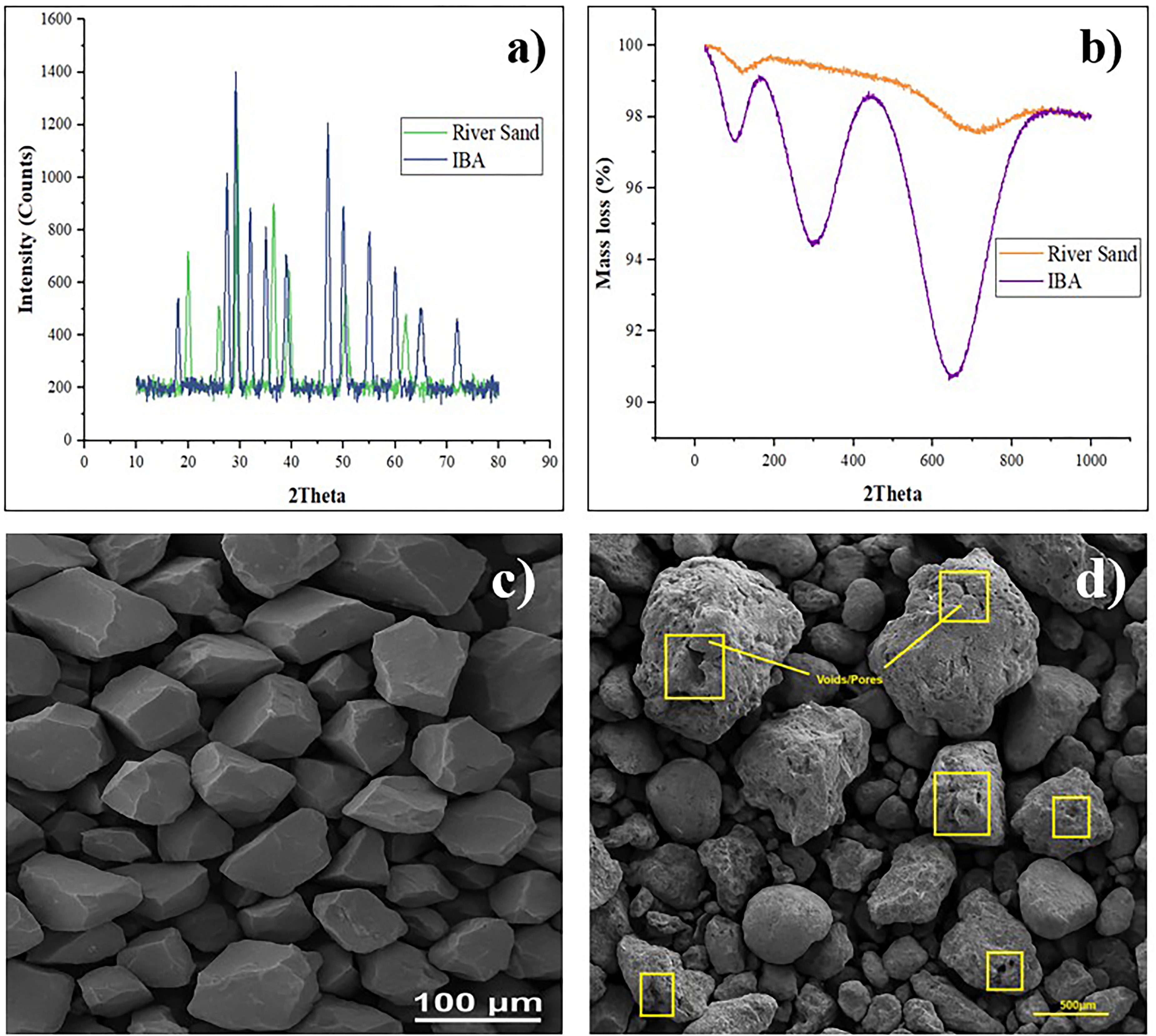
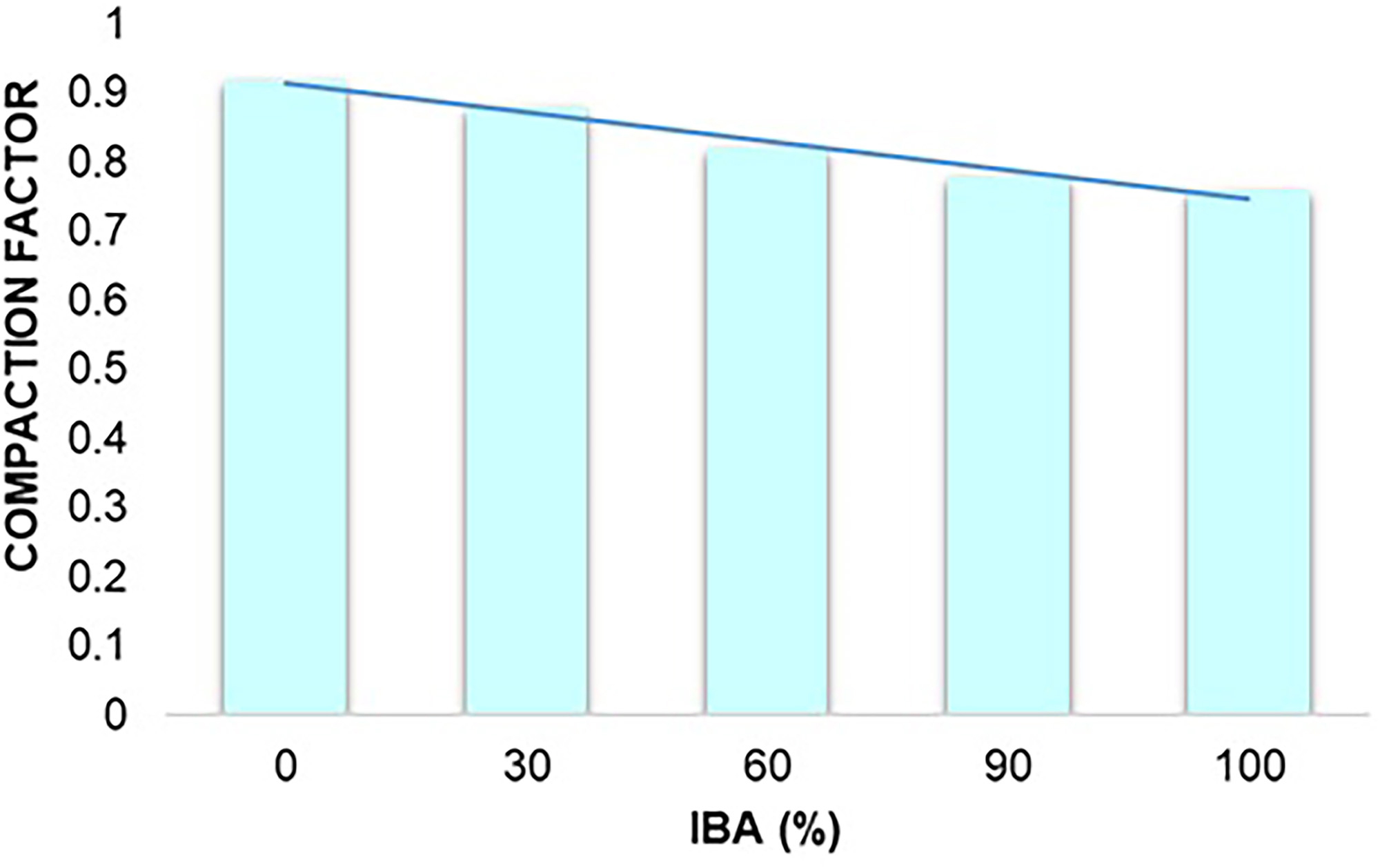
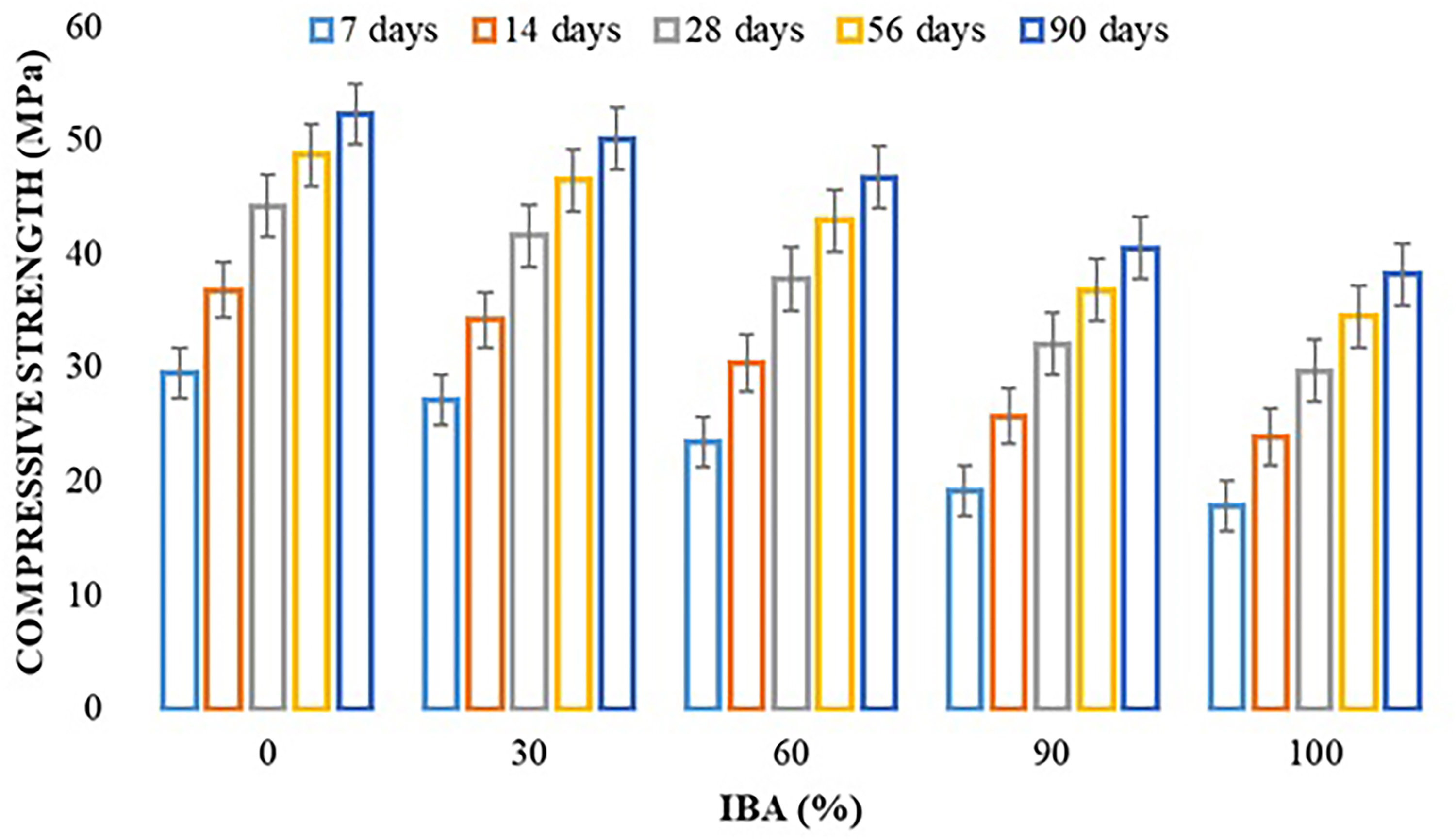
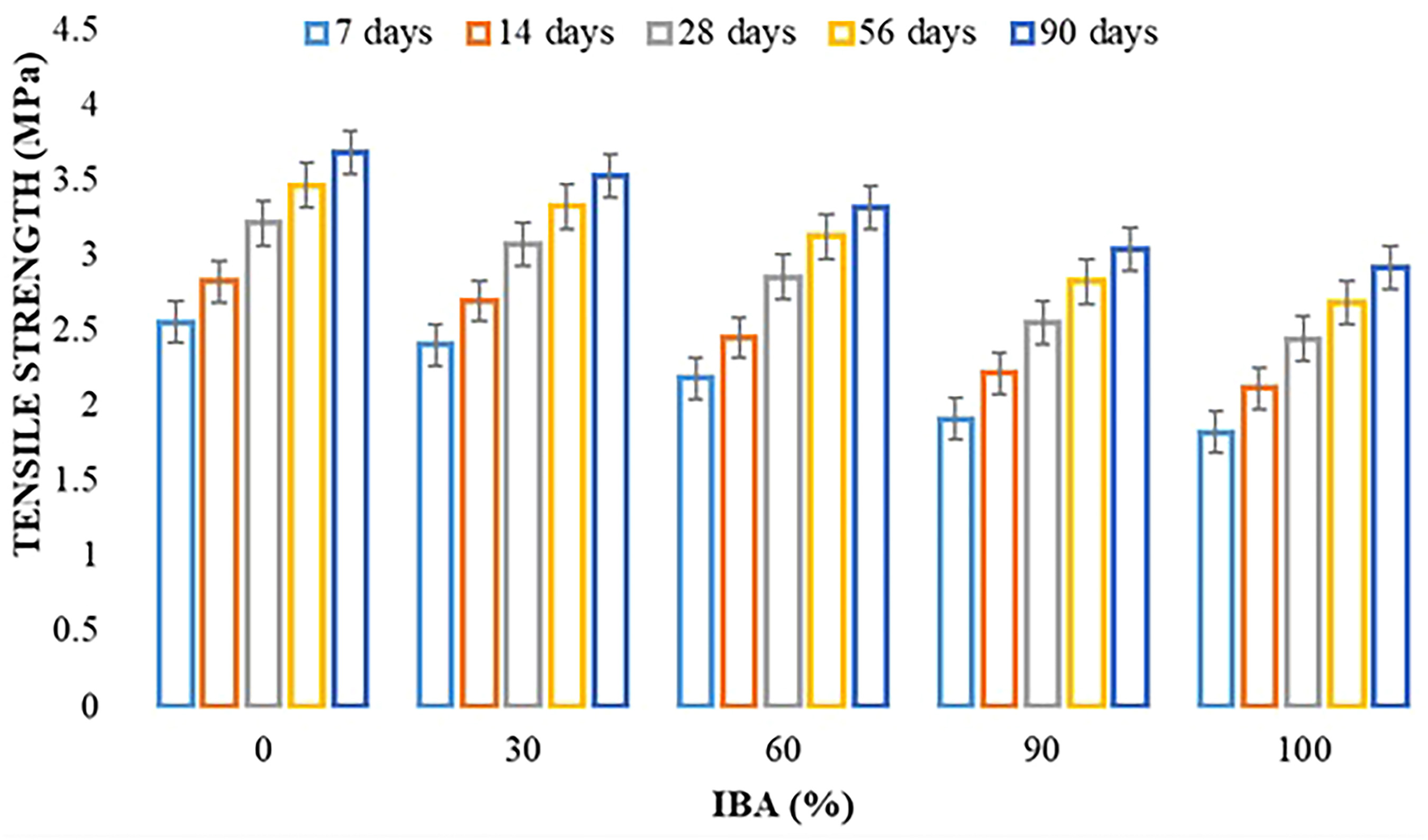
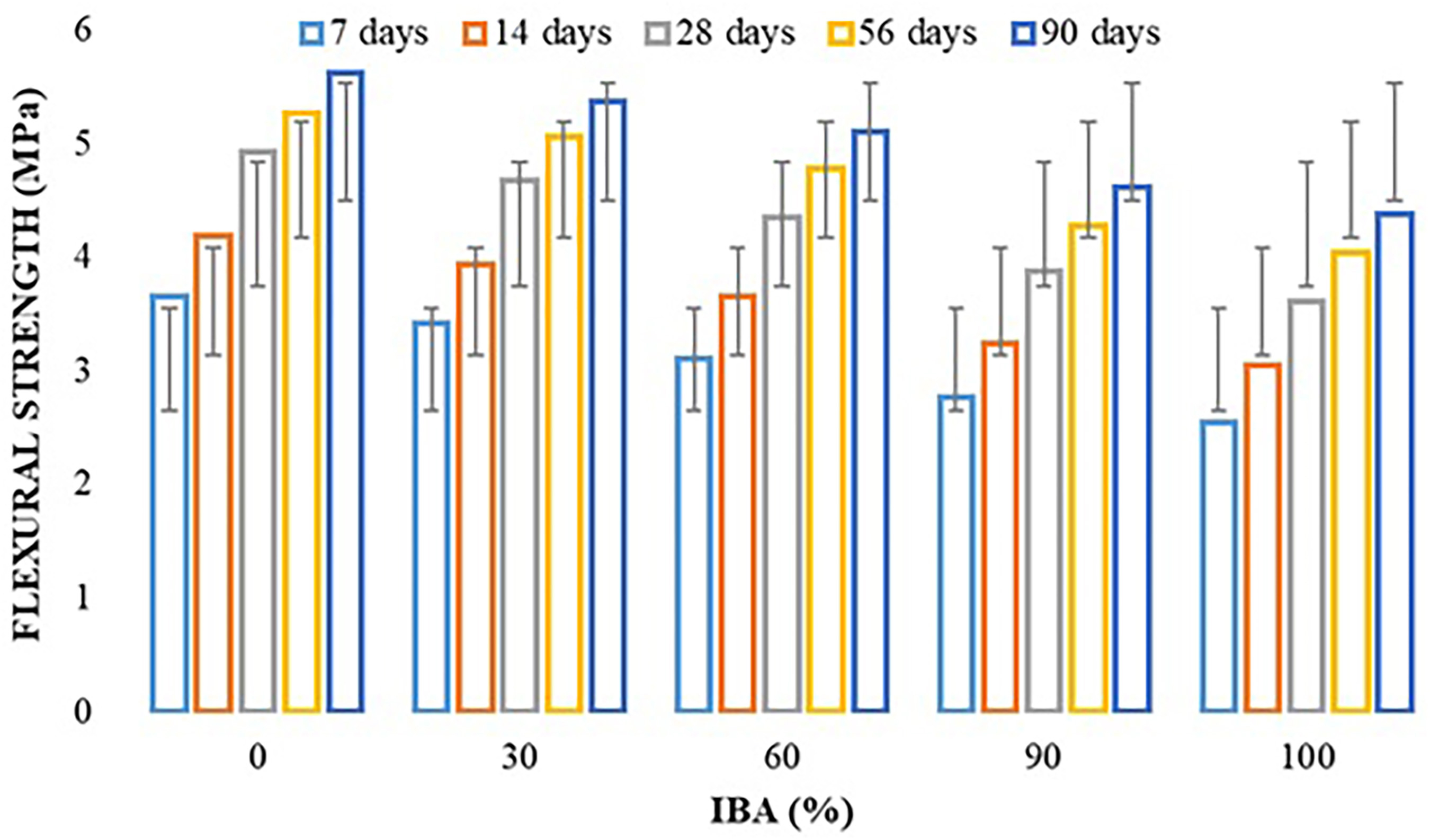
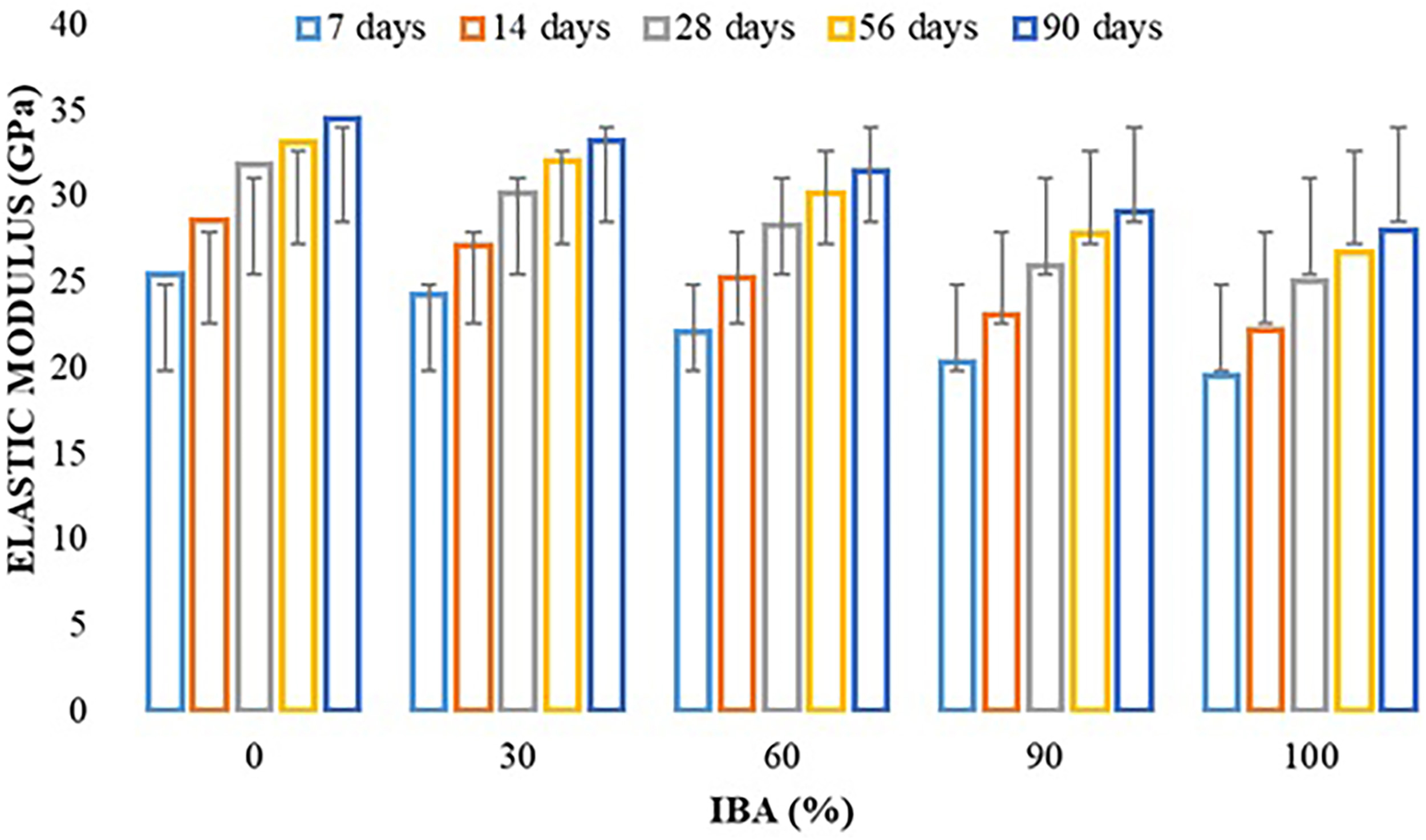
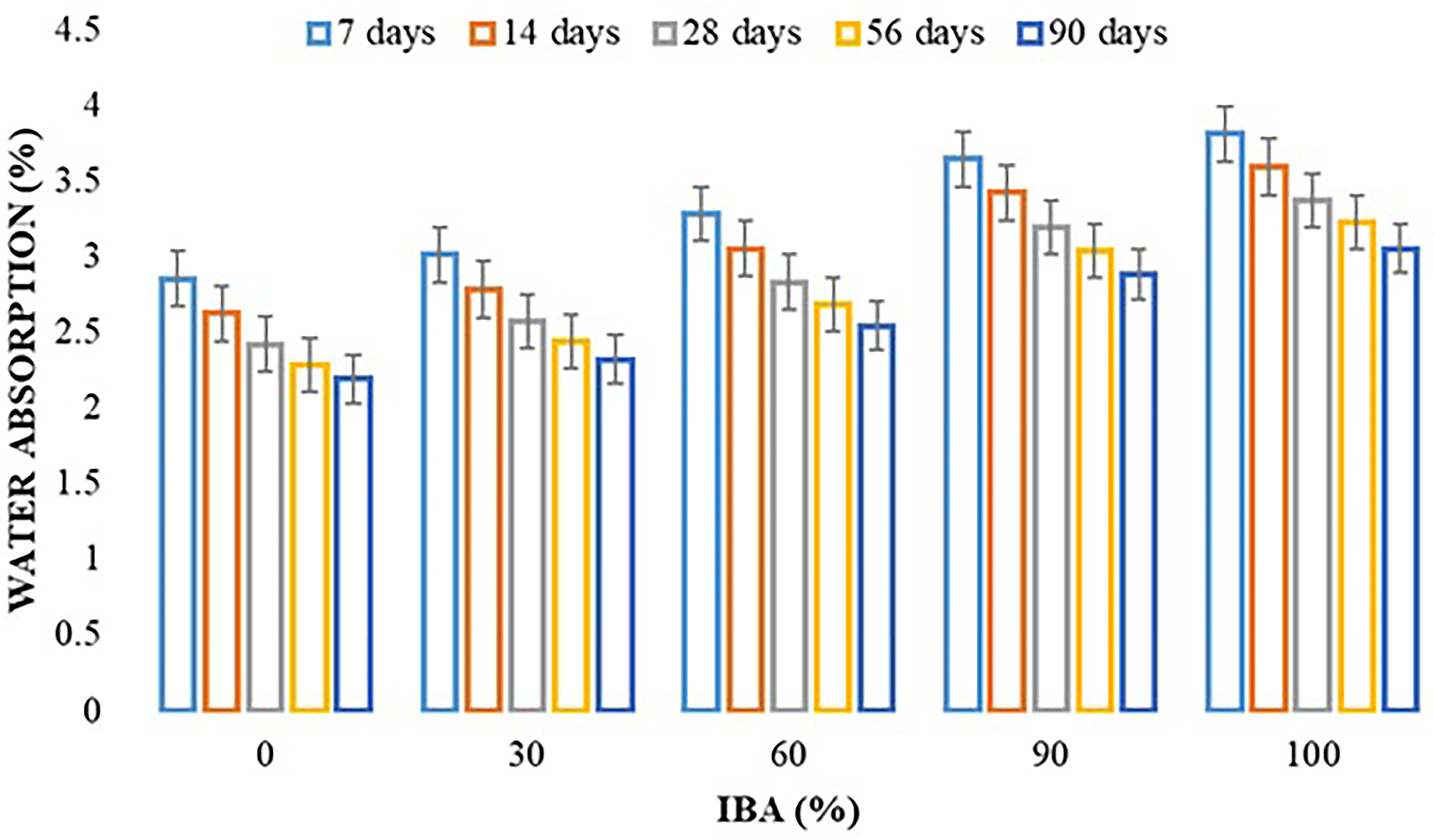
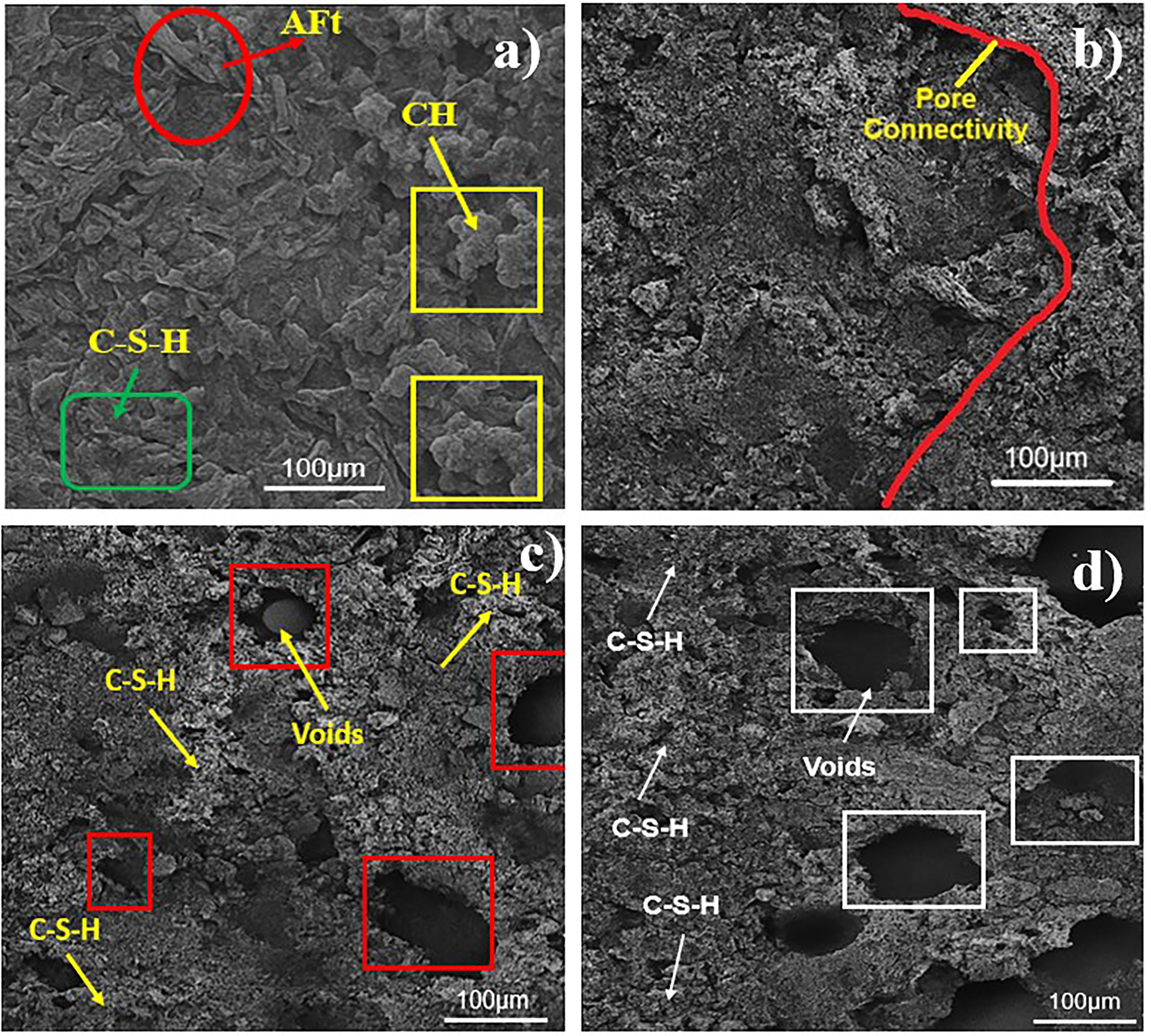
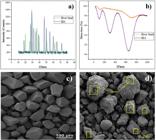
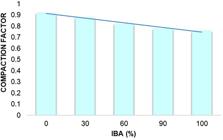
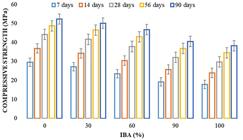
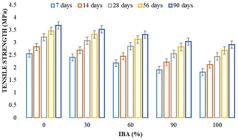
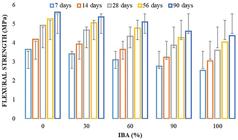
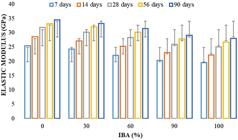
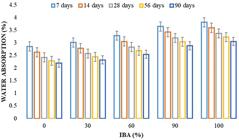
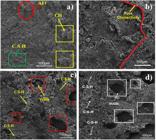
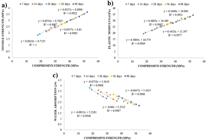
The practice of disposing of incinerated bottom ash (IBA) in landfills impose serious risk over the environment. Perhaps, the lack of fine aggregates in the building sector emphasize the use of appropriate substitutes made from industrial wastes. The potential use of treated IBA as a fine aggregate alternative in concrete is examined in this study. By varying the IBA replacement ratios and at constant w/c ratio, the impact of IBA was examined. The concrete mixes were made at 0.45 w/c ratio, and the fine aggregate was replaced with 0% to 100% IBA at 30% intervals. The physical and chemical tests of the IBA verified the presence of heavy metals and found that the concentrations were within acceptable constraints. The workability of the concrete mixes containing IBA was assessed, and the concrete properties were measured using water absorption at 7, 28, 56, and 90 days as well as compressive, flexural, and elastic modulus strength at 7, 14, 28, and 56 days. The findings show that substitution of higher proportions of IBA have an impact on workability and show decreased strength with increased water absorption properties. On the other hand, concrete characteristics at all replacement levels tend to improve with increased curing. The TGA investigation reveals the incidence of fewer Ca(OH)2 peaks due to the incomplete dilution of cement matrix, whereas SEM microstructural studies show dense structure with fine aggregates and porous structure with IBA.
Incinerated bottom ash; Curing; Strength; Water absorption; Microstructure
 Thumbnail
 Thumbnail
 Thumbnail
 Thumbnail
 Thumbnail
 Thumbnail
 Thumbnail
 Thumbnail
 Thumbnail
 Thumbnail
 Thumbnail
 Thumbnail
 Thumbnail