
 Consensus at the Court: a paradox between subordination and increased efficiency in justice
Abstract
Abstract This study analyzes the reforms that have been implemented in recent years in the Brazilian judiciary through the promotion of digitization and the use of digital technologies at the national level, taking as a reference the Court of Justice of the state of Ceará with its PROMOJUD program, measures that are in line with the neoliberal model of government; correlating them with the measures and reforms originating from international financial organizations and the US government, which became known worldwide through the Washington Consensus, in its first and second generations. Furthermore, in this study we questioned the extent to which the Brazilian judiciary would be willing to modernize/develop its justice system, even if it had to submit to market rules in order to do so, thus opening the gates to foreign capital from international financial organizations. In conclusion, this scenario reveals a paradox: social gain from the modernization of justice and the opening up of the country to foreign capital.
Keywords:
Digitization; Justice; Neoliberal; Court
 Thumbnail
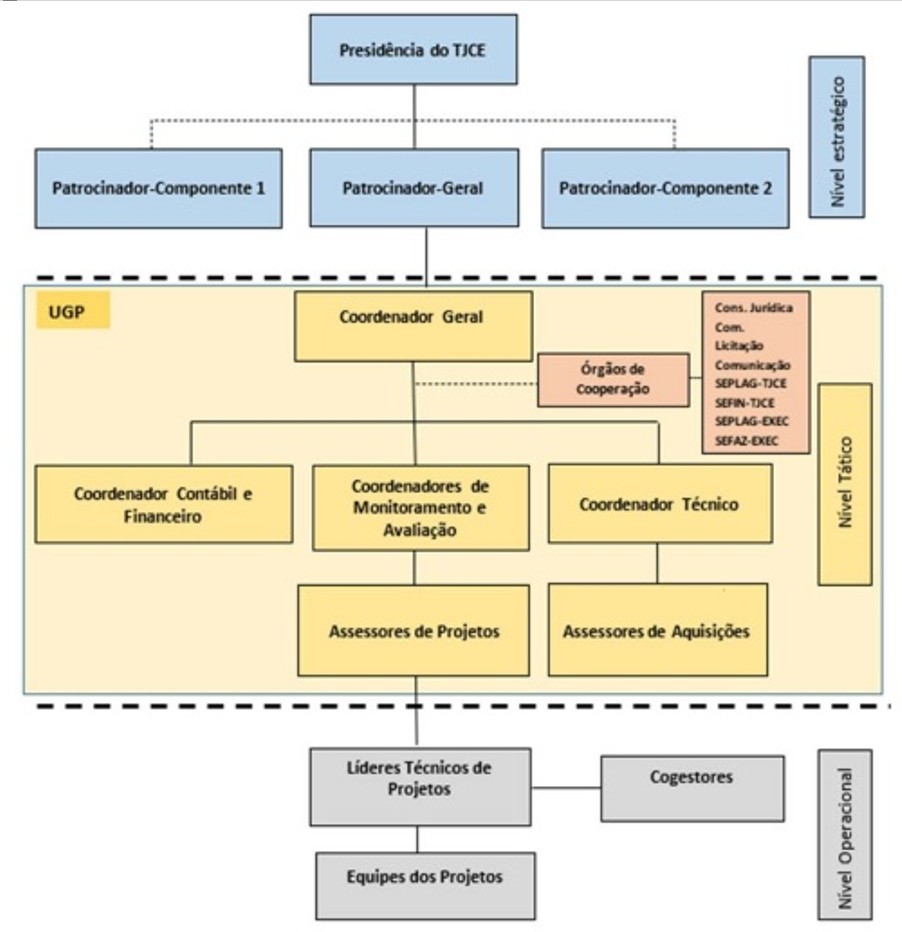 Fonte: