 THE POLITICS OF ABOLITIONISM AND THE VIOLENCE OF SLAVERY: THE ABOLITIONIST MOVEMENT, SLAVE RESISTANCE, AND THE ABOLITION OF JUDICIAL FLOGGING IN THE BRAZILIAN EMPIRE (1885-1886)
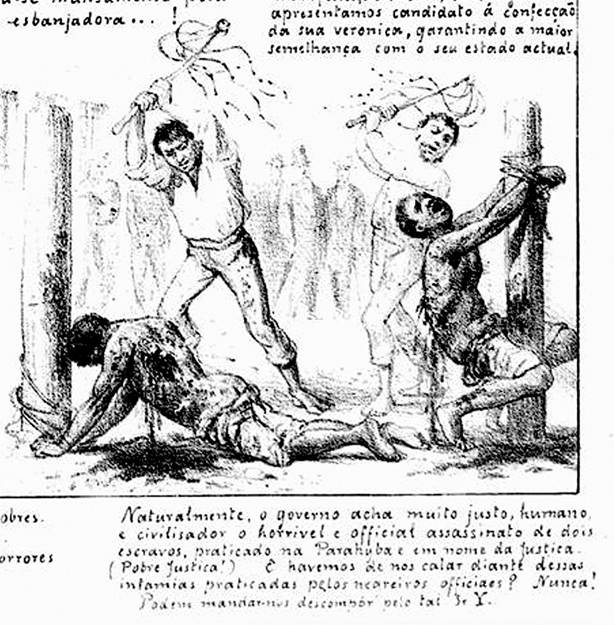
The article analyzes the process of enactment of the Law of October 15, 1886, which revoked judicial flogging in the Brazilian Empire. This article has two objectives. First, it reinvestigates the causes of this event, integrating economic, social, and political variables, and crossing multiple scales, from the daily lives of the enslaved to the dynamics of civil society and national and international politics during the decade of 1880. Second, this article develops the concept of the politics of abolitionism and reveals the importance of the actions of this social movement in the press and the parliament, and its connection to enslaved people’s resistance, to provoke the political crisis that culminated with the abolition of judicial flogging and contributed to delegitimize slavery in the Brazilian Empire.
Keywords:
Abolitionism Slave; Resistance; Judicial Flogging; Criminal Law; Brazilian Empire
 Thumbnail
 Thumbnail
 Thumbnail
 Thumbnail