
 Implementation of the Rapid Molecular Test for Tuberculosis in the State of São Paulo: a Documentary Analysis
ABSTRACT
Objective: To analyze the implementation context of the Rapid Molecular Test for tuberculosis diagnosis in the state of São Paulo, Brazil.
Method: Qualitative documentary study conducted by surveying documents from governmental bodies related to the implementation of the Rapid Molecular Test. The documents were exported and organized using Atlas.ti® software, analyzed based on Content Analysis, and interpreted in light of the Policy Transfer framework.
Results: A total of 295 documents were identified, of which seven, from the years 2014 to 2021, were included in the study. Three thematic categories emerged: 1. Resources, which addresses the financial, human, and material aspects managed by the three levels of government during the Rapid Molecular Test implementation period; 2. Implementation Strategy, which refers to the decision-making and implementation phases in the Policy Transfer process; and 3. Monitoring Actions, which covers the maintenance and expansion phase of the Policy Transfer process, including organization and monitoring to advance the care for people with tuberculosis.
Conclusion: The implementation of the Rapid Molecular Test represents a significant advancement in modernizing public health policies for the control of tuberculosis in Brazil. To effectively achieve the established targets for tuberculosis eradication, this initiative necessitates continuous monitoring and the expansion of access to the test.
Descriptors:
Tuberculosis; Molecular Diagnostic Techniques; Rapid Diagnostic Tests; Health Policy; Document Analysis
RESUMO
Objetivo: analisar o contexto de implantação do Teste Rápido Molecular para o diagnóstico da tuberculose no estado de São Paulo.
Método: Estudo qualitativo do tipo documental realizado a partir do levantamento de documentos provenientes de órgãos governamentais relacionados ao contexto de implantação do Teste Rápido Molecular. Os documentos foram exportados e organizados no software Atlas.ti®, analisados com base na Análise de Conteúdo e interpretados à luz do referencial de Transferência de Políticas.
Resultados: Foram identificados 295 documentos dos quais sete foram incluídos no estudo. Entre os anos de 2014 e 2021, emergiram três categorias temáticas: 1. Recursos, que abordam tanto os aspectos financeiros, humanos e materiais ordenados pelos três níveis de gestão durante o período de implantação do Teste Rápido Molecular; 2. Estratégia de implantação, do qual refere-se às etapas de tomada de decisão e implantação no processo de Transferência de Políticas; e 3. Ações de monitoramento que abordam a etapa de manutenção e expansão do processo de Transferência de Políticas com a organização e o monitoramento para avançar no cuidado das pessoas com tuberculose.
Conclusão: A implantação do Teste Rápido Molecular pode apresentar um passo à modernização das políticas de saúde pública para o enfrentamento da tuberculose no Brasil, o que requer continuidade do monitoramento e ampliação do acesso ao teste para atingir as metas estabelecidas para o enfrentamento da tuberculose.
Descritores:
Tuberculose; Técnicas de Diagnóstico Molecular; Testes de Diagnóstico Rápido; Políticas de Saúde; Análise documental
RESUMEN
Objetivo: Analizar el contexto de implementación de la Prueba Molecular Rápida para el diagnóstico de la tuberculosis en el estado de São Paulo, Brasil.
Método: Estudio cualitativo de tipo documental, realizada a partir de la recopilación de documentos de organismos gubernamentales relacionados con el contexto de implementación de la Prueba Molecular Rápida. Los documentos fueron exportados y organizados en el software Atlas.ti®, analizados con base en el Análisis de Contenido e interpretados a la luz del marco teórico de Transferencia de Políticas.
Resultados: Se identificaron 295 documentos, de los cuales siete fueron incluidos en el estudio, entre los años 2014 y 2021. Así, emergieron tres categorías temáticas: 1. Recursos, que aborda los aspectos financieros, humanos y materiales gestionados por los tres niveles de gobierno durante el período de implementación de la Prueba Molecular Rápida; 2. Estrategia de implementación, que se refiere a las etapas de toma de decisiones e implementación en el proceso de Transferencia de Políticas; y 3. Acciones de monitoreo, que cubren la etapa de mantenimiento y expansión del proceso de Transferencia de Políticas, con la organización y el seguimiento para avanzar en el cuidado de las personas con tuberculosis.
Conclusión: The implementation of the Rapid Molecular Test can represent a step towards the modernization of public health policies for combating tuberculosis in Brazil. This initiative requires the continuity of monitoring and the expansion of access to the test to achieve the established goals for tuberculosis control.
Descriptores:
Tuberculosis; Técnicas de Diagnóstico Molecular; Pruebas Rápidas de Diagnóstico; Políticas de Salud; Análisis Documental
INTRODUCTION
Timely diagnosis of tuberculosis is essential for combating the disease. However, sputum smear microscopy and culture have weaknesses, such as low sensitivity and delays in obtaining results, respectively1,2. In 2010, the World Health Organization (WHO) recommended Xpert MTB/RIF and, in 2018, Xpert MTB/RIF Ultra as rapid tests for the detection of TB and rifampicin-resistant TB3. Xpert MTB/RIF was initially recommended only for the diagnosis of new pulmonary cases, but since 2013, it has also been indicated for the detection of extrapulmonary cases3.
Rapid molecular tests for TB (RMT-TB) have advantages over conventional tests, such as superior sensitivity to smear microscopy, shorter execution time, detection of the agent and rifampicin resistance in a single test, and faster results than culture. However, although RMT-TB contributes to the identification of bacterial isolates with rifampicin resistance, it is recommended that culture and susceptibility testing for drugs used in TB treatment also be performed4,5.
In 2012, Rio de Janeiro (RJ) and Manaus (AM), Brazilian capitals with high TB incidence rates, participated in a pilot study to evaluate the operationality of RMT-TB in terms of conditions of use, cost-effectiveness, and acceptability by health professionals and people with signs and symptoms suggestive of TB. Through this study, it was possible to identify a 60% increase in case detection compared to smear microscopy5,6.
With the possibility of improving clinical outcomes and strengthening public health strategies for TB control, the National Commission for the Incorporation of Technologies (CONITEC) recommended, in accordance with the guidelines of the Ministry of Health (MS), the implementation of RMT-TB in the Unified Health System (SUS)5-7. Initially, in 2014, 160 GeneXpert® system devices were distributed in Brazil for processing RMT-TB tests, with the state of São Paulo receiving 36 of these devices, which were distributed to 27 laboratories in 21 of the 645 municipalities in São Paulo.
This distribution was carried out according to criteria established by the Rapid Tuberculosis Testing Network in Brazil (RTTNB-TB) with the aim of optimizing access to diagnosis, such as having more than 130 new cases registered in 2012, being the location of a prison, being in a border region and/or having an indigenous population, among others4. Given the need to expand the range of tests available, new equipment was purchased, and the network now has 42 laboratories and 66 pieces of equipment distributed across 25 municipalities in São Paulo. It should be noted that these municipalities serve the population of the entire health region to which they belong4.
Given the distribution of equipment, the knowledge gap on the subject, and considering that proper identification of cases is essential for interrupting the chain of transmission of M. tuberculosis, reducing mortality, and improving treatment outcomes8, this study aimed to analyze the context of RMT-TB implementation for TB diagnosis in the state of São Paulo (SP), whose guiding question was “How did RMT-TB implementation occur in the state of SP?”.
METHOD
Study design
This is a qualitative documentary study based on a survey of institutional technical documents, ordinances, resolutions, and other normative acts from the Ministry of Health, State Secretariat, and Municipal Secretariats during the period of implementation of the GeneXpert® system in municipalities referenced for RMT-TB in the state of São Paulo.
For this type of study, the aim is to use documents containing original, reliable data that has not undergone any scientific and/or analytical treatment, enabling the researcher to understand and analyze the information. Documentary analysis allows for a broader understanding and contextualization of information over time, in relation to various areas of the humanities, social sciences, and health sciences in a historical and sociocultural context9.
The following inclusion criteria were established for the selection of materials: documents available in full and published since 2014, the year in which the dissemination of official letters and activities related to the pilot process for the implementation of RMT-TB began, selection of laboratories and regions that met the required criteria.
We chose to exclude documents related only to the use of RMT-TB, without mentioning the implementation context, or documents on the implementation and use of the GeneXpert® system for the diagnosis of diseases other than TB, as well as regulations that did not specify the implementation context in the state and municipalities of São Paulo.
Database search
The searches were conducted in December 2023, using the keywords “Rapid Molecular Test” or “GeneXpert®” and “Tuberculosis” in the Federal Official Gazette (DOU) (https://www.in.gov.br/consulta/), the official website of the Ministry of Health (https://www.gov.br/saude/pt-br/centrais-de-conteudo/publicacoes), and the official websites of the State Health Secretariat/SP (https://www.saopaulo.sp.gov.br/orgaos-e-entidades/secretarias/saude/). An email was also sent requesting documents related to the implementation of RMT-TB in the state of São Paulo to key actors who are managers involved in TB control actions, with the purpose of identifying and including other normative acts that were not available on the aforementioned websites.
Data Analysis
A thorough review was conducted by three researchers to ensure the integrity and eligibility of the selection of documents included in the study. Thus, they were saved in PDF format and exported to Atlas.ti® software, version 23, in order to organize the information contained therein and code it according to the three stages proposed by Bardin in Content Analysis, namely: document pre-analysis; exploration of the material; and treatment of the results10.
In the pre-analysis stage, the documents were skimmed to identify their relevance to the study objective, the nature of the text, its reliability, and context analysis. In the material exploration stage, the documents were read in depth and coded and categorized according to type, topic covered, and relationship to the theoretical framework of Policy Transfer. Subsequently, in the results processing stage, the documents were interpreted based on the guiding question and according to the theoretical framework used10.
With regard to the Policy Transfer framework used to interpret the data, particularly in the stages of exploring the material and processing the results, it should be noted that this refers to the process of transferring at the international, national, regional, and local levels, depending on the influencers who need to relate the actions of items such as programs, plans, strategies, procedures, standards, or principles in order to achieve the political objectives of a government, institution, or organization11,12.
According to the reference framework used, policy transfer can occur at three levels of management: macro, meso, and micro. Each level plays a crucial role in the implementation and/or adaptation of programs and policies. At the macro level, guidelines are established, while at the meso level, there is coordination between different actors and contexts, facilitating the adaptation of policies to local realities. At the micro level, local implementation occurs, where decision-makers adhere to the policy and/or program according to the needs and characteristics of the scenario13.
As for the Policy Transfer stages, Decision Making is the period during which the adoption or rejection of a policy or innovation is decided, and how its implementation will be planned. The Implementation stage is the understanding of the implementation or adaptation processes and can be thought of as appropriation, reinvention, or translation. The maintenance/expansion stage is related to the continuation of the implemented policy and/or program and how its expansion occurs11.
ChatGPT (https://chatgpt.com/) was used as a collaborative tool to synthesize the information in the tables and organize the references for the study, which in no way replaces the role of the researcher.
As these are public domain documents, the study did not require submission to the Research Ethics Committee, as recommended by Resolution No. 510 of April 7, 201614.
RESULTS
A total of 275 documents were identified on official websites, of which four were selected. Of the 20 documents indicated by key actors, three were selected. Thus, seven documents were included in the study (Figure 1).
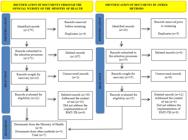
Selection process for documents published on official websites and/or provided by key actors.
Four documents were found in 2014, two reports and two official letters. Then, in 2015, a report was released on the first year of implementation. Subsequently, in 2018, an epidemiological bulletin was released, and finally, in 2021, another national plan was released with future strategies to end TB as a public health problem (Chart 1).
Based on the document analysis, three thematic categories were identified in the documents included in the study corpus (Chart 2). The first refers to the implementation mechanisms that were ordered by the three levels of management, thereby organizing three units of meaning, namely: technology management and innovation, human resources training, and public financing.
Regarding technology management and innovation, the documents highlight the use of information systems, such as the Laboratory Environment Manager (LEM), which, although its use is encouraged by the Ministry of Health, is not always fully adopted by municipalities, limiting effective communication between management levels. Regarding human resources training, emphasis is placed on training state monitors and remote monitoring by laboratory specialists to resolve problems with the GeneXpert® system, with in-person interventions requested only when essential. Training was provided by Cepheid, the manufacturer of the GeneXpert® system and RMT-TB cartridges. In terms of public funding, the analysis of investments in the system and the cost-effectiveness evaluation in comparison with smear microscopy are addressed, assisting macro-management in financial and political decisions.
The second category, Implementation Strategies, refers to the decision-making and implementation stages in the Policy Transfer process. These stages were organized into five units of meaning: Time Interval, Criteria required for RMT-TB implementation, Laboratories selected as regional references, Municipalities selected to receive equipment and/or support with research, and Expansion of access to RMT-TB for municipalities without the GeneXpert® system.
The decision-making stage included the units of meaning “Criteria required for the implementation of RMT-TB,” which addresses the Ministry of Health's requirements regarding the basic criteria for municipalities to receive the equipment, such as having more than 130 cases in 2012 or serving vulnerable populations (prisoners and/or indigenous peoples) and “Laboratories selected as regional references,” which refers to the meeting to choose the laboratories that would act in the state of São Paulo as references for the diagnostic process.
In the implementation stage, the following units of meaning were identified: “Time interval,” which corresponds to the period of the first (2014-2015) and second (2017-2018) implementation of RMT-TB, the second focused on supporting research and expanding access to the test; “Municipalities selected to receive equipment and/or support research,” such as Ribeirão Preto, São Paulo, Campinas, and Santo André, which met the criteria required to receive the equipment; and “Expanding access to RMT-TB for municipalities without the GeneXpert® system,” which covers the inclusion of RMT-TB in expanding access to diagnostic methods nationwide.
The third category, Monitoring Actions, addresses the maintenance and expansion stage of the Policy Transfer process. It is organized into three units of meaning: Organization plan for RMT-TB monitoring, actions developed in the second implementation of RMT-TB, and Analysis of data from the first year of RMT-TB implementation.
The section entitled “Organization plan for RMT-TB monitoring” addresses how the monitoring of RMT-TB implementation in municipalities was organized, with the distribution of figures and the necessary tools, including the number of cases and the identification of errors in the system. This enabled the development of strategies for problem solving and TB control in the country by different levels of management. In the section entitled “Actions developed in the second implementation of RMT-TB,” other actions were developed to advance prevention and care focused on people with TB, such as the implementation of new equipment and the Xpert MTB/RIF Ultra cartridge.
Finally, the section entitled “Analysis of data from the first year of RMT-TB implementation” describes how the data collected from the municipalities that received the machine were organized, analyzed, and presented, highlighting São Paulo as the state that performed the most RMT-TB in Brazil
DISCUSSION
The diagnosis of TB is a determining factor in tackling and controlling the disease, and the introduction of RMT-TB, as a technology recommended by the WHO and implemented in Brazil in 2014, is an advance in overcoming the limitations of conventional tests (smear microscopy and culture), enhancing the detection of Mycobacterium tuberculosis, especially in areas of high prevalence1, including the identification of rifampicin-resistant strains for rapid therapeutic management.
Public health management is divided into three levels: Macro-management, which involves state intervention in financing, policy formulation, and management; Meso-management, referring to administrative actions directed by health institutions and clinical-hospital centers; and Micro-management, which refers to the work process of professionals within an institution12.
For the implementation of RMT-TB in the state of São Paulo, it was necessary to manage materials to laboratories through coordination between federal and state management levels, in line with the figure determined by the Ministry of Health, with logistics for supplies to ensure uniformity and effectiveness in TB diagnosis. In July 2014, the directors of the state LACENS received guidance on sample collection and transport, reinforcing the influence of an information system in this communication process15,16.
The GAL system facilitated the request for tests and the return of results by promoting a more agile and accurate flow of information. However, the initial resistance of some municipalities to adopt GAL highlighted the need for training and ongoing support, promoted by the Ministry of Health through events and technical documents14. Despite these challenges, adherence to GAL within the Ministry of Health's deadlines ensured data consistency, facilitating the analysis and integration of information at the state and national levels15,16. This was important, given that the integration of information systems improves resource management, results, and the quality of health services.
Another aspect that enabled the implementation of the technology in the state was the development of a platform for monitoring monthly laboratory production, sample positivity, and equipment maintenance4. This enabled data management by providing quantitative management reports and analytical capacity analysis through the detection of errors and losses, in addition to the implementation of continuous improvements in the diagnostic process4,17,18.
The IAL-SP, as the LACEN of SP, coordinates the RMT-TB network, managing the logistics of equipment and supply distribution, preparing monthly reports, detecting problems, and providing technical and scientific advice. The distribution of equipment to 21 municipalities, including important centers such as São Paulo and Campinas, and the promotion of research, expanded access to rapid and accurate diagnosis4. The expansion of the RTR-TB and the decentralization of the GAL system, in addition to the immediate scheduling of consultations for cases with resistant strains, optimized the diagnosis and treatment flows, improving TB surveillance17. These measures strengthened the state's response, promoting more effective control of the disease and improving the local and regional health care network.
Regarding human resources training, the effectiveness of health training programs is key to the successful implementation of both new technologies and the continuous improvement of health services, since the combination of theoretical and practical training with continuous monitoring improves the skills of professionals. Thus, the initial training provided by the manufacturer of the GeneXpert® machine was accurate, but it should be noted that the correct use of the machines can only be guaranteed if the training process is continuous, especially with the emergence of new professionals, as this is the only way to achieve a more efficient and safer working environment5,16,18.
In terms of public funding, the adoption of the GeneXpert® system involves considerations of cost-effectiveness and budgetary impact, since such analysis optimizes the adequate allocation of resources and ensures the return on public investments19. However, it should be noted that, when implementing a new, extremely accurate technology, it is natural for notifications to increase and, thus, by serving more people, impact costs. In this context, management should not focus solely on analyzing cost-effectiveness, but also on how this technology optimizes care actions and facilitates the achievement of the objectives proposed in government TB control programs19.
The implementation of RMT-TB in the state involved strategic actions that integrated public policies and technological advances. In the first phase, figures and a monitoring plan were defined to ensure the quality and efficiency of the machines, including the quantification of diagnosed cases and the identification of errors. This monitoring, conducted by RTR-TB and state coordination, was essential to organize sample flows and decentralize GAL, facilitating the management of test results.
In the second phase, from 2017 to 2020, actions focused on expanding access to RMT-TB, with the introduction of new equipment and the Xpert MTB/RIF Ultra cartridge, which is an improved version of Xpert MTB/RIF, with greater sensitivity. In addition, guidelines for susceptibility testing, smear microscopy, and culture were updated. These measures improved diagnosis and therapeutic response, making care more focused on the needs of people affected by TB and strengthening the state's capacity to advance disease control20-22.
In the first year of RMT-TB implementation, São Paulo led the way in Brazil, performing 80,775 tests, which represented 55% of the national total. The organization of data from municipalities, such as Santos-SP, was performed using Excel spreadsheets. May 2015 was the month with the highest number of tests, evidencing an intensive and coordinated process in the transfer of policies related to RMT-TB as a diagnostic technology. The performance of SP, with the highest number of tests performed, highlights the integration of public policies and technological advances in the fight against TB. This leadership not only contributes to early diagnosis and faster treatment, but also serves as a model for other states, thus enabling effective policy transfer and a commitment to public health20.
However, the United Nations' goal for 2027 of achieving 100% diagnostic coverage with rapid tests recommended by the WHO still requires advances in SP, since a study shows the underuse of the test even in municipalities that have implemented it23. In this sense, it is essential that state and municipal managers sensitize Primary Health Care professionals to seek and track TB cases24,25, in addition to prioritizing the request for RMT-TB in the diagnostic algorithms for new cases, as recommended by the Ministry of Health, and to ensure the effective use of the test.
The limitation of this study lies in the scarcity of available documents, which may restrict the understanding of more complex phenomena and not cover all dimensions of the topic.
FINAL CONSIDERATIONS
The documentary analysis of the context of RMT-TB implementation in the state of São Paulo addresses the complex and multifaceted processes involved in coordination between different levels of management. The identification of three thematic categories-implementation mechanisms, implementation strategies, and monitoring actions-provided insight into policy transfer in terms of the impact of establishing strategies for incorporating new technologies to combat TB, especially in regions with high prevalence. In addition, the distribution of material resources and the training of health professionals were essential to ensure the effectiveness and uniformity of TB diagnosis, overcoming the limitations of methods such as smear microscopy and culture.
The implementation of RMT-TB proved to be cost-effective and brought with it the use of the GAL system, which made the diagnostic process more efficient. The study also showed that the introduction of RMT-TB in the state was a step toward modernizing public health policies for combating TB in Brazil, which requires continued monitoring and expanded access to RMT-TB to consolidate the advances achieved with its implementation.
In short, the experience of the state of São Paulo can contribute to future health policy formulations in similar contexts, where the integration of new technologies and the optimization of management systems are used to control endemic diseases.
Acknowledgement
This study is part of the FAPESP Regular Project (Process: 2022/00025-2, Valid from August 1, 2022, to January 31, 2025), as well as aligned with the Research Productivity/PQ2 Projects of the National Council for Scientific and Technological Development/CNPq (1-Process: 317170/2021-0, Valid from March 1, 2022 to July 31, 2025; 2-Process 308451/2025-2, Valid from August 1, 2025 to July 31, 2028).
REFERENCES
-
1. Brito GMX, Mafort TT, Ribeiro-Alves M, Reis LVT, Leung J, Leão RS, et al. Desempenho diagnóstico do teste Xpert MTB/Rif em amostras de LBA de pacientes com suspeita clínica de tuberculose pulmonar: experiência na atenção terciária em uma área com alta carga de tuberculose. J Bras Pneumol. 2021;47:e20200581. https://doi.org/10.36416/1806-3756/e20200581
» https://doi.org/10.36416/1806-3756/e20200581 -
2. World Health Organization (WHO). Global Tuberculosis Report 2023 [Internet]. Geneva: WHO; 2023[cited 2025 Sep 2]. Available from: https://www.who.int/teams/global-tuberculosis-programme/tb-reports/global-tuberculosis-report-2023
» https://www.who.int/teams/global-tuberculosis-programme/tb-reports/global-tuberculosis-report-2023 -
3. Dahiya B, Mehta N, Soni A, Mehta PK. Diagnóstico de tuberculose extrapulmonar pelo ensaio GeneXpert MTB/RIF Ultra. Expert Rev Mol Diagn. 2023;23(7):561-82. https://doi.org/10.1080/14737159.2023.2223980
» https://doi.org/10.1080/14737159.2023.2223980 -
4. Ministério da Saúde (BR). Secretaria de Vigilância em Saúde. Rede de teste rápido para tuberculose no Brasil: primeiro ano de implantação[Internet]. Brasília: Ministério da Saúde; 2015[cited 2025 Sep 2]. Available from: https://www.gov.br/saude/pt-br/assuntos/saude-de-a-a-z/t/tuberculose/publicacoes/rede-de-teste-rapido-para-tuberculose-no-brasil-primeiro-ano-da-implantacao.pdf
» https://www.gov.br/saude/pt-br/assuntos/saude-de-a-a-z/t/tuberculose/publicacoes/rede-de-teste-rapido-para-tuberculose-no-brasil-primeiro-ano-da-implantacao.pdf -
5. Damasceno LS, Tavares BC, Cézar RC, Lima NBG. Parâmetros citobioquímicos e o uso do teste molecular rápido para tuberculose (TRM-TB) no diagnóstico de meningite tuberculosa em um hospital do nordeste do Brasil de 2010 a 2018. Braz J Infect Dis. 2022;26:102311. https://doi.org/10.1016/j.bjid.2021.102311
» https://doi.org/10.1016/j.bjid.2021.102311 -
6. Alves KBA. Impacto da implantação do teste rápido molecular para a tuberculose no Brasil [Tese] [Internet]. São Paulo: Universidade de São Paulo; 2022[cited 2025 Sep 2]. Available from: https://www.teses.usp.br/teses/disponiveis/6/6143/tde-13072022-125230/en.php
» https://www.teses.usp.br/teses/disponiveis/6/6143/tde-13072022-125230/en.php -
7. Ministério da Saúde (BR). Proposta de Incorporação do Xpert MTB/RIF Como Teste para Diagnóstico de TB e para Indicação de Resistência à Rifampicina [Internet]. Brasília: Ministério da Saúde; 2012[cited 2025 Sep 2]. Available from: https://bvsms.saude.gov.br/bvs/saudelegis/sctie/2013/prt0048_10_09_2013.html
» https://bvsms.saude.gov.br/bvs/saudelegis/sctie/2013/prt0048_10_09_2013.html -
8. Naidoo K, Perumal R, Ngema SL, Shunmugam L, Somboro AM. Rapid diagnosis of drug-resistant tuberculosis: opportunities and challenges. Pathogens. 2023;13(1):27. https://doi.org/10.3390/pathogens13010027
» https://doi.org/10.3390/pathogens13010027 -
9. Sá-Silva JR, Almeida CD, Guindani JF. Pesquisa documental: pistas teóricas e metodológicas. RBHCS [Internet]. 2009[cited 2025 Sep 2];1(1). Available from: https://periodicos.furg.br/rbhcs/article/view/10351
» https://periodicos.furg.br/rbhcs/article/view/10351 - 10. Bardin L. Análise de conteúdo. São Paulo: Edições 70; 2016.
-
11. Bissell K, Lee K, Freeman R. Analysing policy transfer: perspectives for operational research. Int J Tuberc Lung Dis. 2011;15(9):1140-8. https://doi.org/10.5588/ijtld.11.0170
» https://doi.org/10.5588/ijtld.11.0170 - 12. Evans M. New Directions in the Study of Policy Transfer. Routlege; 2010.
-
13. Stone D. Transfer agents and global networks in the ‘transnationalization’ of policy. J Eur Public Policy. 2004;11(3):545-6. https://doi.org/10.1080/13501760410001694291
» https://doi.org/10.1080/13501760410001694291 -
14. Ministério da Saúde (BR). Resolução nº 510, de 7 de abril de 2016[Internet]. 2016[cited 2025 Sep 2];Seção1:44. Available from: https://www.gov.br/conselho-nacional-de-saude/pt-br/atos-normativos/resolucoes/2016/resolucao-no-510.pdf/view
» https://www.gov.br/conselho-nacional-de-saude/pt-br/atos-normativos/resolucoes/2016/resolucao-no-510.pdf/view -
15. Cunha DL, Rossetti ML, Nunes ET, Martins EBL, Ferreira AM, Ribeiro SC. Relevância da correlação entre achados tomográficos e laboratoriais na precisão diagnóstica da tuberculose pulmonar. Radiol Bras. 2024;57:e20230079. https://doi.org/10.1590/0100-3984.2023.0079
» https://doi.org/10.1590/0100-3984.2023.0079 -
16. Naves EF, Rossetti ML, Nunes ET, Martins EBL, Ferreira AM, Ribeiro SC. Utilização do teste rápido molecular para tuberculose entre pessoas privadas de liberdade: revisão de escopo. Texto Contexto Enferm. 2024;57:e20230079en. https://doi.org/10.1590/1980-265X-TCE-2023-0288pt
» https://doi.org/10.1590/1980-265X-TCE-2023-0288pt -
17. Lúdice TNDS, Conceição ML, Brito AC, Souza NM, Mesquita CR, Guimarães RJPS, et al. The Role of GeneXpert® for Tuberculosis Diagnostics in Brazil: An Examination from a Historical and Epidemiological Perspective. Trop Med Infect Dis. 2023;8:483. https://doi.org/10.3390/tropicalmed8110483
» https://doi.org/10.3390/tropicalmed8110483 -
18. Berra TZ, Bruce ATI, Alves YM, Ramos ACV, Giacomet CL, Arcêncio RA, et al. Impact of the GeneXpert® MTB/RIF rapid molecular test on tuberculosis detection: temporal trends and vulnerable territories. Rev Latino-Am Enfermagem. 2021;29:e3441. https://doi.org/10.1590/1518.8345.4412.3441
» https://doi.org/10.1590/1518.8345.4412.3441 -
19. Pinto MFT, Steffen R, Entringer A, Costa ACC, Trajman A. Impacto orçamentário da incorporação do GeneXpert MTB/RIF para o diagnóstico da tuberculose pulmonar na perspectiva do Sistema Único de Saúde, Brasil, 2013-2017. Cad Saude Publica. 2017;33(9):e00214515. https://doi.org/10.1590/0102-311X00214515
» https://doi.org/10.1590/0102-311X00214515 -
20. Ministério da Saúde (BR). Secretaria de Vigilância em Saúde. Plano Nacional pelo Fim da Tuberculose como Problema de Saúde Pública. Brasília: Ministério da Saúde; 2021[cited 2025 Sep 2]. Available from: https://www.gov.br/saude/pt-br/centrais-de-conteudo/publicacoes/svsa/tuberculose/brasil-livre-da-tuberculose/view
» https://www.gov.br/saude/pt-br/centrais-de-conteudo/publicacoes/svsa/tuberculose/brasil-livre-da-tuberculose/view -
21. Pai M, Dewan PK, Swaminathan S. Transforming tuberculosis diagnosis. Nat Microbiol. 2023;8:756-9. https://doi.org/10.1038/s41564-023-01365-3
» https://doi.org/10.1038/s41564-023-01365-3 -
22. John-Schuster G. Global efforts to identify and support people with tuberculosis. BMC Glob Public Health. 2024;36. https://doi.org/10.1186/s44263-024-00067-0
» https://doi.org/10.1186/s44263-024-00067-0 -
23. Organização das Nações Unidas (ONU). Resolution 78/L.4: Political declaration of the high-level meeting of the General Assembly on the fight against tuberculosis. Nova Iorque: ONU; 2023. Available from: https://digitallibrary.un.org/record/4022582
» https://digitallibrary.un.org/record/4022582 -
24. Faria MGBF, Andrade RLP, Sousa LS, Bonfim RO, Valênça ABM, Ramos ACV, et al. Operational indicators for pulmonary tuberculosis diagnosis in people living with HIV before and after Xpert MTB/RIF implementation in the state of São Paulo, Brazil. PLoS One. 2024;19(6):e0305063. https://doi.org/10.1371/journal.pone.0305063
» https://doi.org/10.1371/journal.pone.0305063 -
25. Santos EF, Cunha FTS, Palha PF, Kritski AL. Primary Health Care in context with the plurality in the care of people with tuberculosis. Rev Latino-Am Enfermagem [Internet]. 2025[cited 2025 Sep 2];33:e4473. Available from: https://www.scielo.br/j/rlae/a/47r8Ttc8dcx5JVXbFCvfw4c/?lang=pt
» https://www.scielo.br/j/rlae/a/47r8Ttc8dcx5JVXbFCvfw4c/?lang=pt
Access to the dataset may be granted upon request to the corresponding author.

