 Are thematic bond issuers keeping their promises? A contribution to the greenwashing analysis
We analyse the transparency of Brazilian companies issuing green, social and sustainability (GSS) bonds by conducting a content analysis of the pre- and post-issuance reports and indentures of GSS bonds issued in 2021, which was the year with the highest issuance volume. Brazil was selected as it is the largest Latin American market in terms of both market capitalisation and GSS bond issuance, and because of the role these bonds could play in financing activities that protect Brazil’s natural capital and help it to achieve its social goals. We found low disclosure rates, with 26% of issuers publishing a bond framework, 21% of transactions having an allocation report, and 27% having an impact report. We also found that penalty mechanisms of bond indentures for non-reporting are not being implemented: although 87% of transactions stipulate sanctions, most issuers still do not publish post-issuance reports. The findings suggest that the cost of compliance discourages issuer disclosure and that issuers see little value in improving transparency, while investors are not demanding further reporting, raising questions about the materiality of this information. This paper contributes to the literature on labelled bonds and greenwashing by analysing how companies engage in greenwashing behaviour through omitting material information to assess bond performance (i.e. a gap in ‘disclosure’ promises) when the cost-benefit of disclosure is unfavourable. For practitioners, the findings underscore the need to establish standardised documentation for GSS bond issuances, with data accessible via a public database.
Keywords
Green bonds; Greenwashing; Self-regulation; Reporting
 Thumbnail
 Thumbnail
 Thumbnail
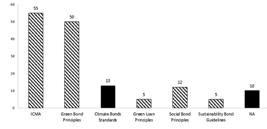
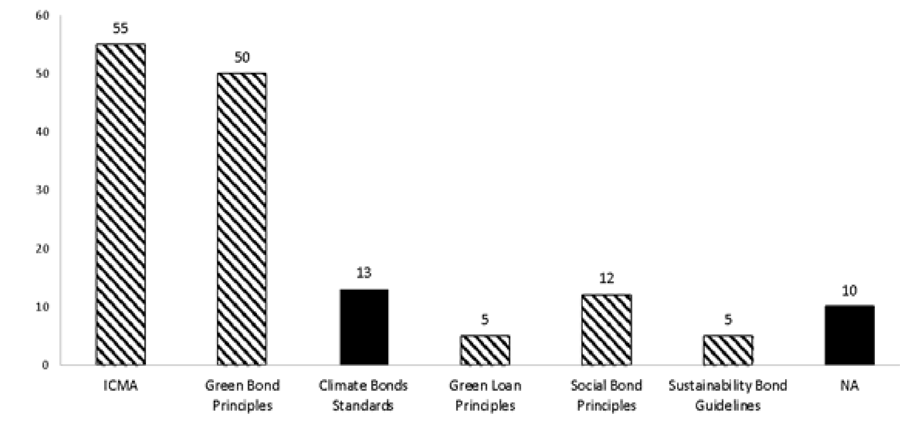 Source: SPOs of the frameworks or issuances. N = 65.
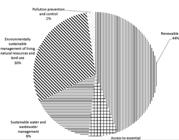
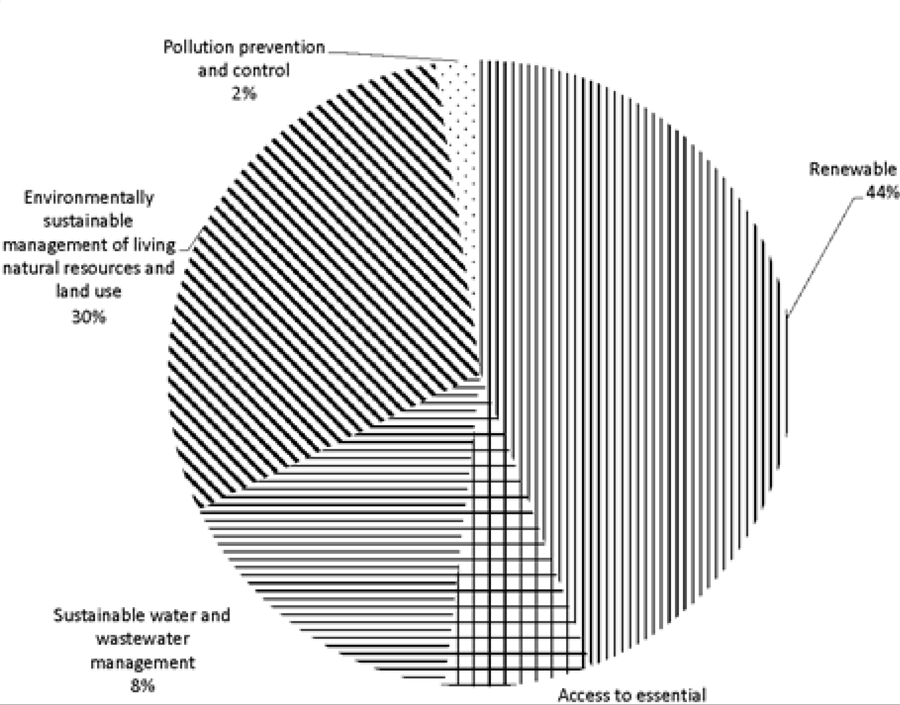 Source: Company allocation reports. N = 16, representing 45% of the total volume of raised proceeds
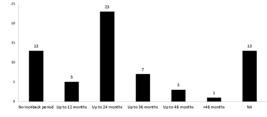
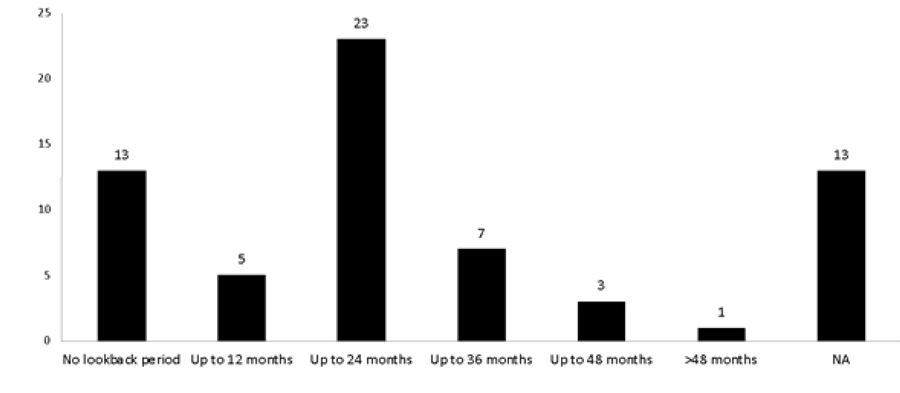 Source: Company pre-issuance reports. N = 65.