
 Artificial Intelligence in academic library operations and services in Brazil: evidence from a census-based survey
Introduction: This research focuses on the integration of Artificial Intelligence (AI) within the context of academic libraries.
Objectives: a) to investigate the integration of AI technologies and tools into academic library operations and services; b) to describe the uses and applications of AI technologies and tools within academic libraries; c) to identify facilitating and inhibiting factors influencing AI integration within these institutions. Methodology: The research adopts an exploratory and descriptive design with a quantitative approach. Data were collected through a questionnaire utilizing the Microsoft Forms platform. The research included librarians working in Brazilian public and private universities, totaling 207 universities. The census-based survey technique was adopted, totaling 302 respondents.
Results: Regarding AI applications and uses in academic library operations and services in Brazil, a noticeable increase in the use of QR codes, databases with AI capabilities, and the adoption of RFID for managing and securing physical collections was observed. From the perspective of librarians, an increased popularization of generative AI for management, communication, research, and standardization has been identified.
Conclusion: The integration of AI technologies and tools in Brazil is in its initial stage. Academic libraries (ALs) and their professionals should invest in continuing education, promoting awareness-raising and training initiatives to enable them to leverage the potential of AI in UL operations and services.
KEYWORDS
Artificial intelligence; Academic library; Brazil; Services; Operations; Digital transformation.
 Thumbnail
 Thumbnail
 Thumbnail
 Thumbnail
 Thumbnail
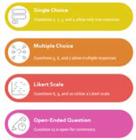
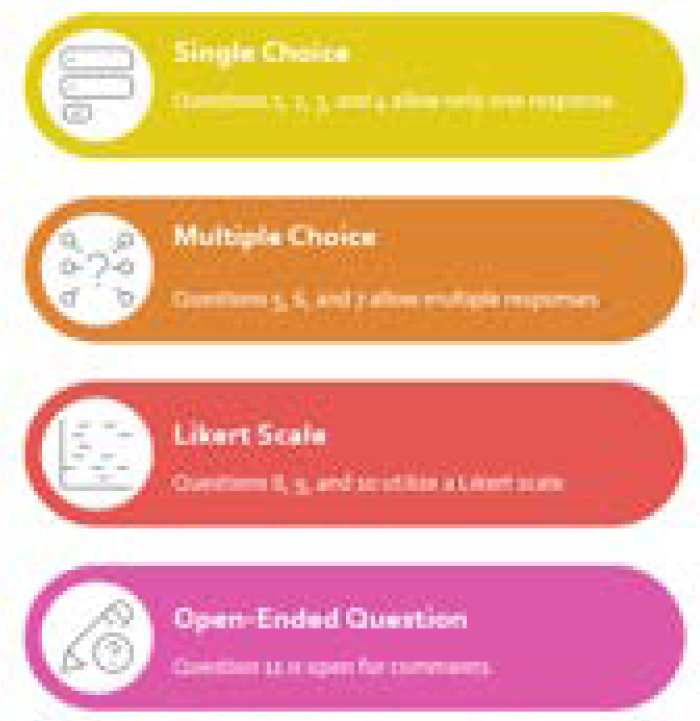 Source: Prepared by the authors (2026) using Napkin AI.Description: The image characterizes the questionnaire based on the types of questions applied.
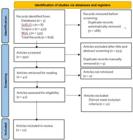
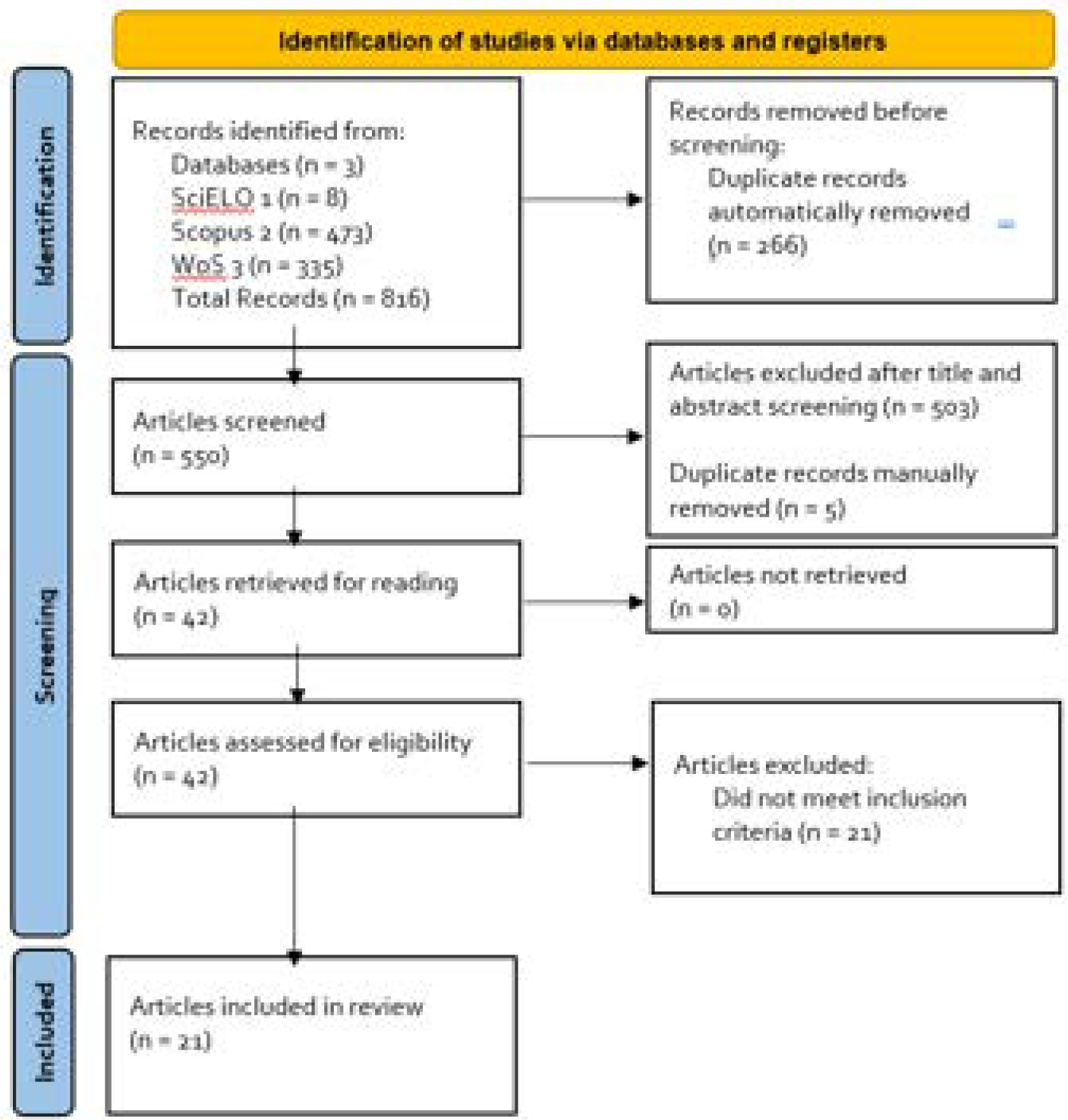 Source: Developed by the authors (2026).Description: The image presents the PRISMA 2020 flow diagram, outlining the stages of identification, screening, and inclusion of articles retrieved from SciELO, Scopus, and Web of Science; 21 articles were included in the review.
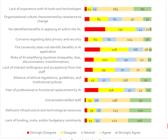
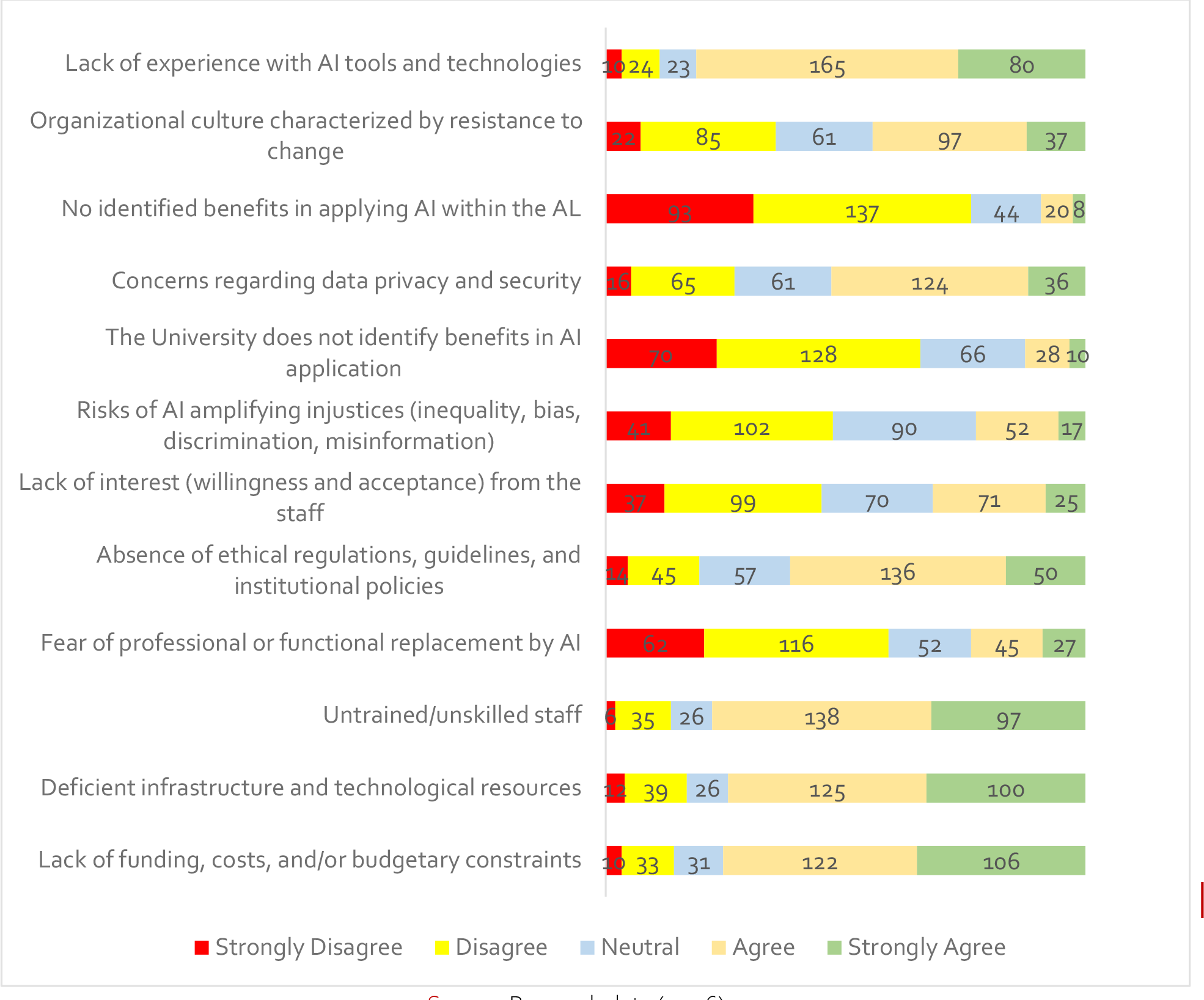 Source: Research data (2026).Description: This bar graph presents, on a scale, the factors inhibiting AI integration. The most prominent inhibiting factors are: lack of funding; limited infrastructure and technological resources; and untrained staff.
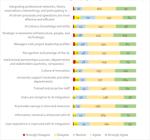
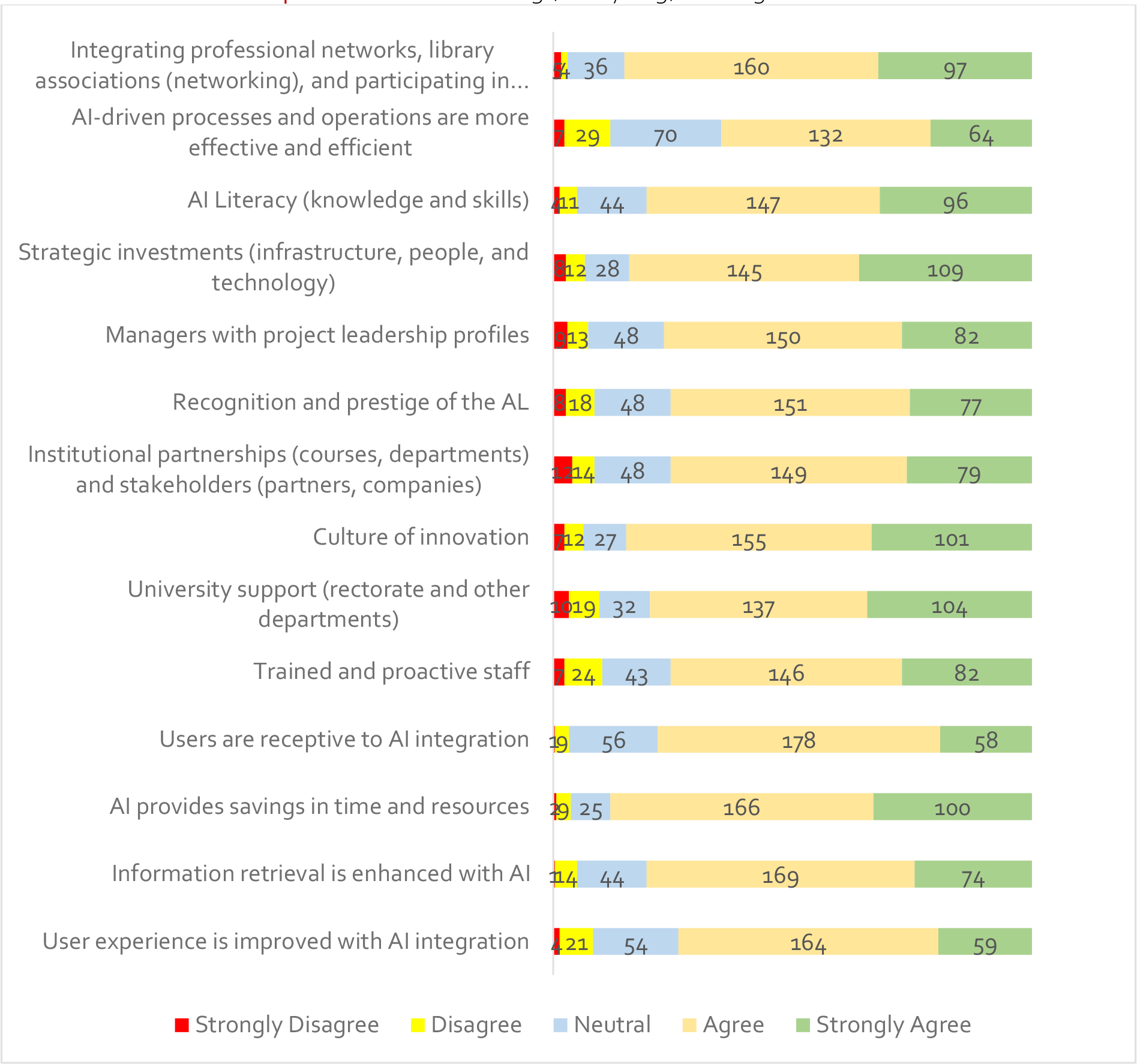 Source: Research data (2026).Description: This bar graph presents, on a scale, the factors that facilitate AI integration. The most prominent catalysts are: AI provides savings in time and resources; strategic investments (infrastructure, people, and technologies); and a culture of innovation.
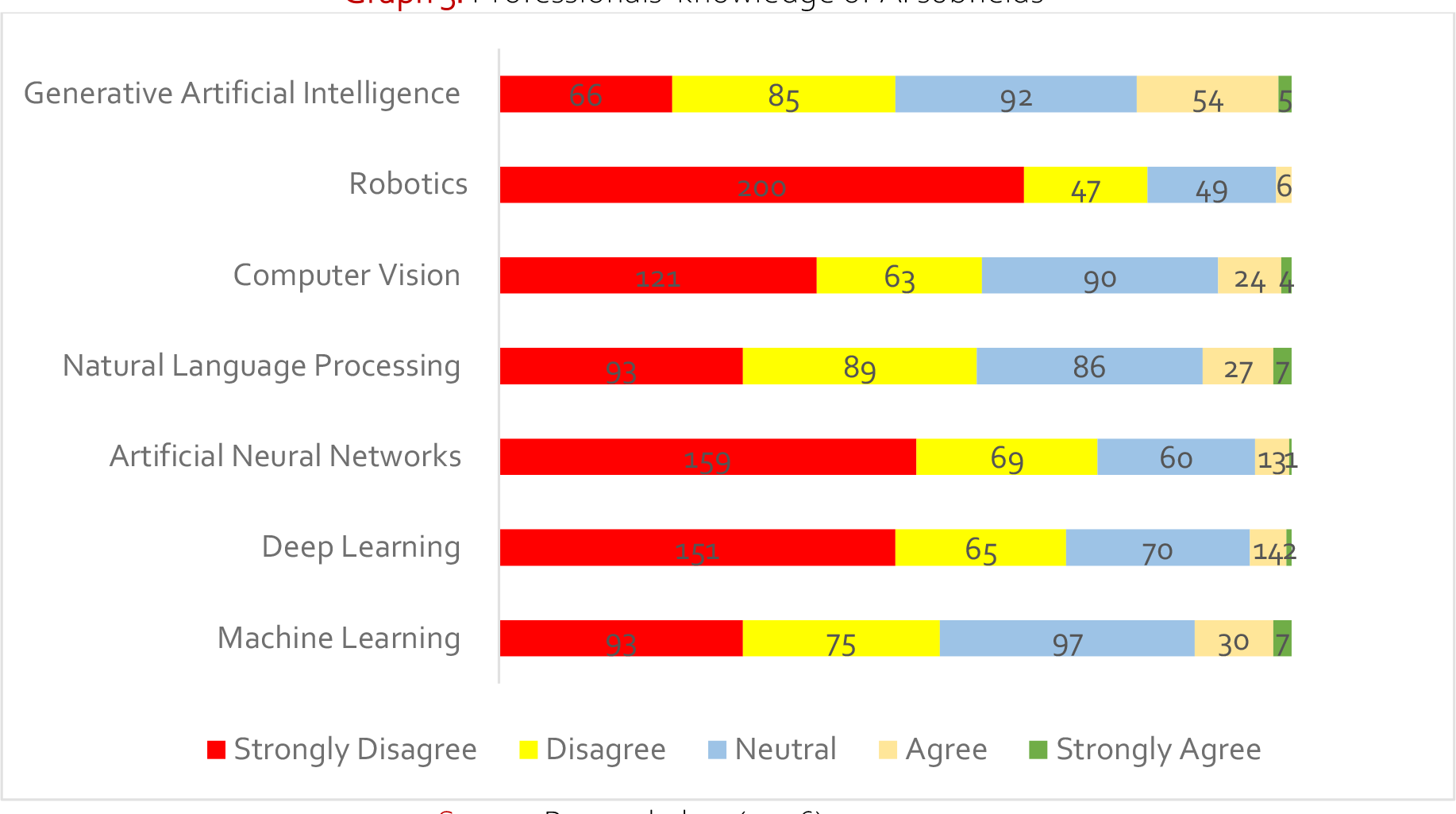 Source: Research data (2026).Description: This bar graph displays various AI subfields; GenAI received the highest ratings from professionals across the basic, intermediate, and advanced knowledge categories.