 Knowledge Management and Sustainable Development Goals: a Systematic Literature Review
ABSTRACT
Introduction: Knowledge and Knowledge Management have emerged as key organizational resources, assuming a strategic role in organizational performance and competitiveness.
Objective: This article examines how Knowledge Management contributes to advancing the Sustainable Development Goals in organizational contexts. Methodology: The study conducted a systematic literature review in the Scopus and Web of Science databases, following the PRISMA protocol, including search, selection, screening, and qualitative and quantitative analysis of the studies.
Results: The analysis of the studies shows that Knowledge Management operates as a strategic infrastructure for organizational sustainability, structuring cognitive, technological, and organizational mechanisms that enable the integration of the Sustainable Development Goals. The findings indicate that Knowledge Management practices, such as information systematization, knowledge sharing, technological support, interorganizational collaboration, and the development of dynamic capabilities, enhance organizations’ ability to implement goals related to sustainable production, innovation, education, equality, and governance.
Conclusion: The findings demonstrate that Knowledge Management serves as a structuring element in articulating the relationship among knowledge, processes, and organizational strategies toward the 2030 Agenda. The proposed systematization enables an integrated understanding of this relationship and highlights relevant gaps for advancing research and organizational practices oriented toward sustainability.
KEYWORDS
Knowledge Management; Innovation; Sustainable Development Goals; Sustainability.
RESUMO
Introdução: O conhecimento e a Gestão do Conhecimento têm se destacado como um dos principais recursos organizacionais, assumindo papel estratégico para o desempenho e a competitividade das organizações.
Objetivo: Este artigo analisa como a Gestão do Conhecimento contribui para o avanço dos Objetivos de Desenvolvimento Sustentável no contexto organizacional. Metodologia: O estudo realizou uma revisão sistemática da literatura nas bases Scopus e Web of Science, conduzida de acordo com o protocolo PRISMA, incluindo etapas de busca, seleção, triagem e análise qualitativa e quantitativa dos estudos.
Resultados: A análise dos estudos evidencia que a Gestão do Conhecimento opera como infraestrutura estratégica para a sustentabilidade organizacional, estruturando mecanismos cognitivos, tecnológicos e organizacionais que viabilizam a integração dos Objetivos de Desenvolvimento Sustentável. Os estudos revelam que práticas de Gestão do Conhecimento, como sistematização da informação, difusão do conhecimento, suporte tecnológico, colaboração interorganizacional e construção de capacidades dinâmicas, ampliam a capacidade das organizações de implementar metas relacionadas à produção sustentável, inovação, educação, igualdade e governança.
Conclusão: Os achados evidenciam que a Gestão do Conhecimento atua como elemento estruturante na articulação entre conhecimento, processos e estratégias organizacionais em direção à Agenda 2030. A sistematização proposta permite compreender essa relação de forma integrada e aponta lacunas relevantes para o avanço das pesquisas e das práticas organizacionais orientadas à sustentabilidade.
PALAVRAS-CHAVE:
Gestão do conhecimento; Inovação; Objetivos de desenvolvimento sustentável; Sustentabilidade.
1 INTRODUCTION
Knowledge has emerged as one of the primary organizational resources and has assumed strategic importance for corporate performance and competitiveness. Understanding knowledge as a "new commodity" capable of driving global economic transformations and shaping new organizational dynamics is more than merely recognizing it as an intangible asset (Sutton, 2007). In this context, knowledge management (KM) is recognized as a central mechanism that enables organizations to access, share, and apply knowledge, thereby sustaining a competitive advantage in dynamic environments (Dedunu et al., 2025).
Wiig (1993) defines KM as a framework for identifying, developing, and applying knowledge assets. This framework emphasizes multiple perspectives, including the benefits of KM for organizational outcomes, methods and tools that support KM practices, and an understanding of the nature of knowledge and how it circulates among individuals and organizations. This dimension is particularly relevant when considering interorganizational knowledge sharing and the strategic use of knowledge as a critical resource.
As digitalization and globalization intensify, the ability to acquire, organize, and transform information into actionable knowledge has become a determining factor in organizational sustainability (Kraemer et al., 2017; Santos & Bastos, 2019). Thus, knowledge management has emerged as a complementary field to contemporary business administration, contributing to decisions that enhance organizational performance and accountability to society.
This discussion relates to the global advancement of sustainability. In light of mounting concerns about climate crises, social inequalities, and the depletion of natural resources, the United Nations created the 2030 Agenda and the Sustainable Development Goals (SDGs). These initiatives encourage governments, academic institutions, organizations, and civil society to adopt more responsible practices in economic, social, and environmental areas (Garcia & Pscheidt, 2023; Geraldo, Bisset-Alvarez, & Pinto, 2024). This movement has generated paradigm shifts regarding the role of organizations and their environmental and social impacts.
In this context, companies have begun reorienting their strategies toward ethical, sustainable practices focused on diversity, social and environmental responsibility, and transparency. They are also encouraging engagement in initiatives that support the achievement of the SDGs (Silveira et al., 2024; Medeiros & Santos, 2023).
Recent international research highlights that adopting sustainable practices depends on dynamic knowledge management capabilities. These capabilities allow organizations to adapt and transform their business models to meet growing environmental and social demands (Rabal-Conesa, Gallego-García, & Martínez-Caro, 2025). These capabilities include creating, integrating, sharing, and applying knowledge to develop environmentally responsible products, which contribute directly to the SDGs.
In turn, sustainability has forced organizations to rethink their business models by incorporating metrics and indicators linked to the SDGs (França, Silva, & Mendonça, 2024). KM plays a strategic role in this regard by systematizing the knowledge underpinning sustainable policies and practices and reinforcing organizational alignment with global development demands (Lobato & Neiva, 2022; Melo & Barbosa, 2023).
Despite these advances, there are still challenges in our understanding of how GC has effectively supported the implementation of sustainable actions, particularly regarding organizations' contributions to achieving the SDGs. This research aims to explore this gap.
How do sustainable development initiatives based on the Sustainable Development Goals (SDGs) and knowledge management interact within organizations? This study aims to analyze the interaction between the Sustainable Development Goals and knowledge management in an organizational context. A systematic literature review (SLR) was conducted using the Scopus and Web of Science databases and the PRISMA 2020 protocol (Page et al., 2023) to achieve this objective.
This study is structured into four sections, in addition to this introduction. The second section presents the methodological procedures; the third, the results and findings; and the fourth, the final considerations and the address of the research question, thus fulfilling the study’s objective.
2 METHODOLOGY
To achieve the proposed objectives, a systematic literature review (SLR) was conducted. An SLR is a methodological approach for summarizing and synthesizing available evidence on a specific research topic (Thomé, Scavarda, & Scavarda, 2016). Unlike narrative reviews, SLRs adopt a replicable, transparent, and scientific process that minimizes potential research biases through exhaustive literature searches and by providing a protocol of reviewers' decisions and procedures (Tranfield, Denyer, & Smart, 2003).
This study presents a systematic review of the interaction between knowledge management (KM) and sustainable development, with a focus on the Sustainable Development Goals (SDGs). The goal is to clarify how KM and the SDGs interact across various contexts. The Web of Science (Clarivate) and Scopus (Elsevier) databases were used as data sources, and the Preferred Reporting Items for Systematic Reviews and Meta-Analyses (PRISMA) protocol was used to conduct the systematic review.
2.1 Eligibility Criteria
The articles were selected from the aforementioned databases by adapting the keywords to each database's search engine and applying them consistently to titles, abstracts, and keywords. Both searches were conducted on August 2, 2025. For this systematic review, the inclusion criteria required that the studies investigate KM and the SDGs. Thus, two reviewers performed this step independently to ensure that the selected studies were consistent with the research. Any discrepancies in the assessment were resolved by consensus among the reviewers.
2.2 Information Sources and Research Strategy
A search strategy combining terms related to KM and the SDGs was used to search the Scopus and Web of Science databases. To ensure broad coverage of relevant studies, Boolean operators were employed, resulting in the following search strings:
i) Web of Science: TS = ("Knowledge management" AND ("Sustainable Development Goal*" OR "SDG*")); and
ii) Scopus: TITLE-ABS-KEY ("knowledge management" AND ("Sustainable Development Goal*" OR "SDG*")). It is important to note that the word "Goal" and the acronym "SDG" were inflected (plural) to broaden the scope of the search and avoid missing potential results. Furthermore, there were no time restrictions on the search.
2.3 Data Selection and Collection Process
For this study, we chose not to apply filters based on article type, language, or time frame. The exclusion criteria adopted for this systematic literature review (SLR) include duplicate studies identified during the screening process, studies for which the full text is unavailable (behind a paywall), and studies whose texts are not available in English, Portuguese, or Spanish. Additionally, we excluded formats other than articles, such as books, book chapters, theses, conference abstracts, letters, editorials, and retraction documents. Additionally, we excluded studies that cited the KM and the SDGs but did not make them the central theme of the articles.
The selection of studies was conducted in three stages: (1) Screening of titles and abstracts: Two reviewers independently analyzed the titles and abstracts of the retrieved studies and excluded those not aligned with the study’s objectives.
2. Evaluation of the full text: After the first stage, the previously selected studies were examined in full to confirm their compliance with the established criteria. Only studies that met all eligibility requirements were included in the review. Figure 1 illustrates this entire process.
The following data were extracted from each study using a standardized form that identified the following: - Study identification data (authors, year of publication, title); Context and description of the KM; Study design and methodology; SDGs assessed; Main results related to the integration of the KM with the SDGs; Limitations reported by the authors.
The entire process of organizing and screening the data retrieved from the databases was performed using Excel, which recorded all collected information. To ensure the accuracy of the analysis, the reviewers discussed any disagreements and sought a consensus.
2.4 Assessment of the risk of bias in studies
Each study was independently reviewed by two reviewers, who conducted the bias assessment without access to each other’s analyses, thereby ensuring the impartiality of the process. No automated tools were used at this stage; instead, a manual approach based on a pre-established process was chosen to standardize the assessment. This double-blind review strategy ensured greater consistency, reliability, and methodological rigor throughout the analysis.
2.5 Synthesis Method
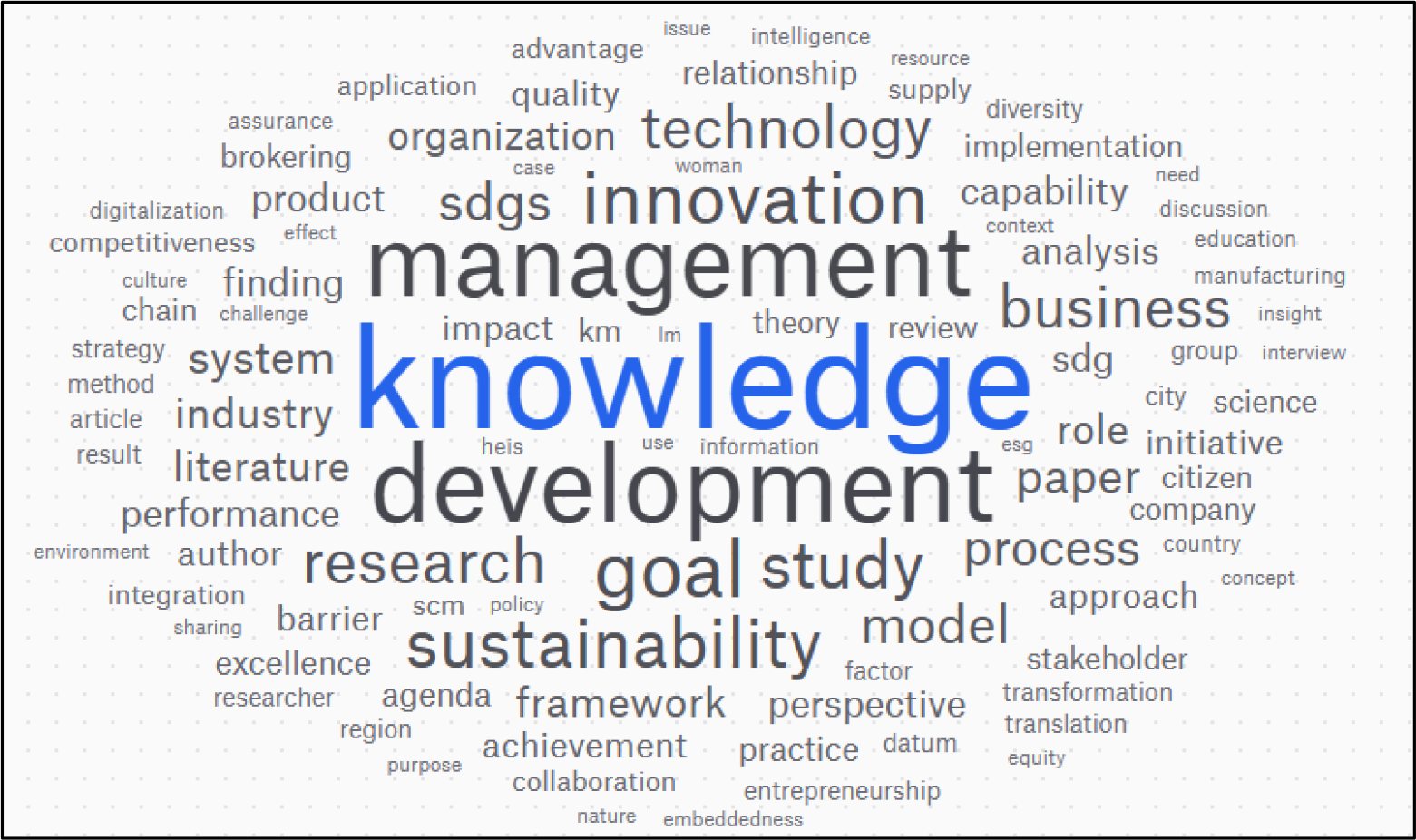
The results were synthesized with a focus on the relationship between the Sustainable Development Goals (SDGs) and the Green City (GC) initiative at the organizational level, as presented in the studies selected for the RSL. To identify patterns and relationships, data analysis was conducted using ATLAS. TI software, ensuring consistent results. The specific characteristics of the studies were discussed using Chart 1, which summarizes the included studies and provides information on the author, title, context, and method used in each study. Additionally, Figure 2 presents a word cloud of the most prominent terms found in the titles and abstracts of the included studies, and Chart 2 highlights the SDGs cited directly in the analyzed studies.
Summary of the 23 included articles, including author, title, context, and methodology used in each study

All research data used to prepare this review are available in the Zenodo digital repository under the Authors (2025) entry.
3 RESULTS
The study selection process adhered to the PRISMA 2020 guidelines, as shown in Figure 1. Initially, 330 studies were identified: 230 from Scopus and 100 from Web of Science (WoS). Of this total, 76 were excluded as duplicates. Of those, 43 were excluded because the full text was unavailable, meaning they were not open access and required paid subscriptions or specific university agreements for access.
After this initial screening, 211 records remained. These records were evaluated based on their titles, abstracts, and keywords. This resulted in the exclusion of 46 records that did not adhere to the research topic and 93 records that were not articles (e.g., theses, dissertations, or conference presentations).
Thus, 72 records were selected for full-text reading. Forty-five were removed because they did not address the relationship between the SDGs and GC. Four were excluded because the full text was unavailable via their respective Digital Object Identifier (DOI) links. A total of 23 studies were included in the systematic review. Figure 1 presents a detailed diagram of the study selection process.
Based on this final set of studies (23), one can observe the diversity of approaches, methods, and contexts that characterize the scholarly literature on the relationship between Knowledge Management (KM) and the Sustainable Development Goals (SDGs). The selected studies span diverse economic sectors, analytical perspectives, and methodological approaches, revealing the breadth of the topic and the many ways in which KM has been mobilized to support the 2030 Agenda. To provide a clear and integrated view of this diversity, chart 1 summarizes the 23 included articles, highlighting the author, title, context, and method used in each study.
Based on this summary of the selected studies, we can proceed with our analysis of the conceptual elements that structure the corpus. We will begin by identifying the terms that appear most frequently in the literature. We identified frequent terms in the theoretical corpus using Atlas. TI software based on the titles, abstracts, and keywords of the 23 articles. This serves as a starting point for mapping the conceptual density of the literature on the relationship between KM and the SDGs. Figure 2 shows the prominence of these concepts in the form of a word cloud, where the size of the term is proportional to its frequency.
The most prominent terms in the word cloud confirm the focus of the research:
-
a) Main Focus: The dominance of “Knowledge Management” as the central variable of the study is confirmed. Closely linked, the terms “Development,” “Sustainability,” and “Goal” define the area of intersection under analysis.
-
b) Key Mechanism: The term “Innovation,” often described as “Green Innovation” or “Technological Innovation,” appears with high relevance, indicating that innovation is a vector through which knowledge is translated into performance and impact on sustainability.
-
c) Context of Application: Terms such as “Organizations,” “Firms,” and “Business Model” suggest that most of the discussion focuses on the organizational level and the use of KM to transform corporate strategy.
4 DISCUSSION
Analyzing the highlighted terms allows us to organize the relationship between GC and the SDGs based on the analytical dimensions that structure the literature's main findings. From this perspective, the relationship between KM and the SDGs is structured, with knowledge serving as the central cognitive infrastructure that guides organizations toward sustainability and innovation, particularly in green and technological innovation.
Studies indicate that the ability to create, integrate, and apply knowledge is key to addressing systemic challenges, such as climate change, responsible consumption, and socially impactful innovation.
Al-Abbadi et al. (2025) emphasize that the SDGs constitute a global call to action grounded in structured knowledge. This requires organizations to develop cognitive and informational mechanisms that support responsible decision-making. This perspective underscores the transformative power of knowledge, particularly in the context of innovation and environmental management, in converting sustainability guidelines into tangible outcomes.
Additionally, Wang et al. (2022) demonstrate that green knowledge management (GKM) plays a pivotal role in this process by structuring practices and routines that enable organizations to understand, internalize, and operationalize environmental principles.
Rehman et al.'s (2024) findings also show that robust knowledge management (KM) processes drive green innovation and enhance sustainable competitiveness. This indicates that organizations that systematize and share environmental knowledge are better able to adapt to socio-environmental demands. Thus, KM transcends an instrumental role to become a key element in the organizational transformation aimed at sustainability.
Collectively, the analyzed studies reveal a consistent pattern. KM provides the cognitive and organizational foundation for achieving the SDGs by structuring innovation processes, guiding decisions, and facilitating the transition to sustainable business models.
Building on this foundation, our analysis of these studies allows us to identify the mechanisms through which KM relates to the SDGs. The studies included in this review demonstrate that these mechanisms operate through cognitive, technological, and strategic processes that enable green innovation, sustainable performance, and environmental intelligence-guided decision-making.
The literature synthesis enabled us to categorize these mechanisms into three main dimensions: (i) the integration of environmental knowledge into organizational processes, (ii) the strategic mediation of decision-making processes, and (iii) the technological support of knowledge ecosystems.
i. Integration of environmental knowledge into knowledge management processes
One of the mechanisms identified involves incorporating environmental considerations into traditional KM processes. Although this review does not delve deeply into Green Knowledge Management (GKM), studies indicate that GKM guides organizations in applying environmental knowledge and adopting sustainable initiatives. Evidence from Rehman et al. (2024) and Wang et al. (2022) shows that integrating ecological knowledge into organizational workflows fosters sustainability-focused innovation and supports actions aligned with the SDGs, serving as a foundation for sustainable strategies.
i. The strategic role of KM in decision-making (BI, innovation, and sustainability)
Another key integration mechanism concerns KM's role in strengthening strategic decision-making processes. As Al-Abbadi et al. (2025) demonstrated, KM acts as a moderating factor in business intelligence (BI) systems, enabling the incorporation of environmental variables into organizational analyses. By integrating ecological intelligence into analytical tools, KM enhances an organization's ability to identify sustainable opportunities, anticipate risks, and develop strategies aligned with the SDGs.
i. Technological support and knowledge ecosystems
The literature also shows that technological infrastructure is essential for enabling knowledge management (KM) and increasing its impact on sustainability. Glazova et al. (2024) emphasize that KM systems and digital platforms are essential to sustainability because they facilitate the processing of environmental data and the dissemination of sustainable practices. These systems act as knowledge ecosystems that connect stakeholders, integrate information, and guide sustainable decisions in real time.
Similarly, studies such as those by Vaio et al. (2024) demonstrate that digitization and artificial intelligence-based technology strengthen supply chain sustainability performance, increasing transparency and alignment with the SDGs. Meanwhile, Shmeleva et al. (2025) demonstrate that open collaborations and knowledge-sharing platforms promote environmental solutions in resource-intensive sectors, directly contributing to SDGs related to climate action, efficient resource use, and ecosystem protection.
To continue the discussion on the mechanisms linking knowledge management and sustainability, it is important to understand the contexts in which this relationship materializes and the SDGs directly addressed by the analyzed literature. While many studies address the 17 SDGs broadly, the survey identifies a subset of SDGs explicitly mentioned in the articles, indicating areas where KM has a direct impact.
Chart 2 summarizes the SDGs cited directly in the analyzed studies, showing how KM is linked to various social, environmental, educational, and productive agendas within the scope of the SDGs.
Certain SDGs are observed to feature prominently in the literature. The most frequently cited SDGs are those directly related to sustainable economic performance, green industrialization, and process efficiency-themes closely linked to corporate governance practices. SDG 9 (Industry, Innovation, and Infrastructure) is the most frequently cited, appearing in studies by Aripin et al. (2025), Barrantes-Briceño et al. (2024), Coughlan et al. (2023), Israilidis et al. (2019), Rehman et al. (2024), Yuldashev et al. (2023), and Zou et al. (2020). This prominence highlights a pattern of thematic concentration in the literature between KM and innovation. KM provides structural mechanisms for creating, disseminating, and applying technological knowledge, thereby fostering more sustainable industrial practices.
SDGs 12 (Responsible Consumption and Production) and 13 (Climate Action) also appear frequently. They are discussed by Aripin et al. (2025), Barrantes-Briceño et al. (2024), Li et al. (2023), Rehman et al. (2024), Shmeleva et al. (2025), and Zou et al. (2020). These SDGs reflect the integration of environmental knowledge into production processes, particularly regarding sustainable innovation, waste management, energy efficiency, and circular production models. Their strong presence indicates a trend in the literature to link KM to corporate environmental performance, recognizing knowledge as an essential resource for mitigating climate impacts and optimizing supply chains.
Another frequently discussed goal is SDG 8 (Decent Work and Economic Growth), which is highlighted in studies by Barrantes-Briceño et al. (2024), Yuldashev et al. (2023), and Zou et al. (2020). In this case, the focus is on corporate governance's ability to foster innovative, productive, and equitable work environments and contribute to socioeconomic development through sustainable business models.
In contrast, some SDGs appear less frequently or are addressed in very specific contexts within the literature. SDG 1 (No Poverty) and SDG 3 (Good Health and Well-Being) are mentioned sporadically in studies, including those by Barrantes-Briceño et al. (2024) and Grajales and Uribe (2024). These SDGs are usually associated with the broader social impact of sustainable innovation or local development programs. SDG 5 (Gender Equality) is addressed more explicitly in only one article: Takahashi et al. (2024). SDGs related to environmental conservation, such as SDG 14 (Life Below Water) and SDG 15 (Life on Land), also appear infrequently and are mainly cited in ecological studies, such as those by Caiado et al. (2018) and Shmeleva et al. (2025).
Finally, institutional and systemic SDGs, such as SDG 16 (Peace, Justice, and Strong Institutions) and SDG 17 (Partnerships for the Goals), appear with moderate frequency. SDG 17, for instance, appears in Coughlan et al. (2023), Israilidis et al. (2019), and Shmeleva et al. (2025), highlighting the significance of collaborative networks and knowledge ecosystems in advancing sustainability. SDG 16, on the other hand, appears sporadically in Barrantes-Briceño et al. (2024) and is generally associated with governance and accountability. These are dimensions in which the GC plays a facilitating role but not necessarily a central one.
In summary, the results show that the literature primarily focuses on SDGs related to innovation (SDG 9), sustainable production (SDG 12), and climate action (SDG 13). Broader social and ecological goals tend to receive less attention.
Of the 17 existing SDGs, some are addressed more frequently in the analyzed articles, such as SDGs 8, 9, 12, and 13, while others are referenced less frequently, such as SDGs 1, 5, 6, 7, 11, 14, 15, 16, and 17. Combining this finding with the absence of two SDGs-SDGs 2 (Zero Hunger and Sustainable Agriculture) and 10 (Reduced Inequalities)-we arrive at an epistemological and theoretical-methodological perspective on the relationship between KM and the SDGs. The studies linking these topics reflect a theoretical perspective that prioritizes the economic and technological dimensions of sustainable development over more critical social or institutional approaches.
More broadly, the analyzed studies tend to apply KM to the SDGs from a perspective in which knowledge is conceived as a strategic resource oriented toward efficiency, innovation, and organizational performance, especially in contexts related to productive and technological sustainability. Thus, these findings suggest that, from an epistemological standpoint, the focus is on understandings of economic development at the expense of social transformation and equity issues, which are potentially represented by the unmentioned SDGs (SDGs 2 and 10).
This distribution not only highlights the literature's thematic priorities but also the asymmetries in how the relationship between KM and the SDGs has been explored. It indicates significant gaps, particularly in social goals. These gaps underscore the need for more in-depth theoretical and empirical research to broaden our understanding of this intersection beyond contexts primarily focused on innovation and environmental performance.
5 CONCLUSION
This study examined how knowledge management (KM) contributes to achieving the Sustainable Development Goals (SDGs) at the organizational level. An analysis of the selected articles reveals that KM provides the cognitive, strategic, and procedural infrastructure necessary to promote sustainability, innovation, and competitiveness within organizations.
Synthesizing the results, we found that robust KM practices-including knowledge systematization, integration with digital technologies, information governance, and interdepartmental collaboration-enhance organizational capacity to incorporate the SDGs into processes and outcomes. The systematic literature review identified three dimensions: (i) integration of environmental knowledge into organizational processes, (ii) strategic mediation of decision-making, and (iii) technological support and formation of knowledge ecosystems.
However, the majority of applications relate to SDGs focused on innovation, responsible production, and environmental sustainability. This highlights an asymmetry in the literature and indicates a gap in studies applied to other dimensions of the global agenda.
From a theoretical perspective, this finding suggests that particular aspects of the literature influence the relationship between KM and the SDGs. In practical terms, the results indicate that organizations with KM capabilities are better positioned to implement structural changes, innovate their processes, and align their practices with long-term sustainability goals. However, a significant asymmetry is observed in how the SDGs are addressed. SDGs 8, 9, 12, and 13 are addressed more frequently than SDGs 1, 5, 6, 7, 11, 14, 15, 16, and 17. Additionally, SDGs 2 and 10 are not explicitly mentioned. This pattern not only highlights empirical gaps, but also a theoretical and methodological orientation in research in this field.
The interface between GC and the SDGs has predominantly been framed from economic, technological, and productive perspectives of sustainable development. This approach neglects social, institutional, and distributive aspects. This configuration indicates a theoretical orientation aligned with functionalist perspectives and a methodological predominance of applied, performance-oriented studies. In terms of the research conducted, this highlights the limited exploration of the critical and transformative dimensions of the 2030 Agenda, such as the SDGs that are mentioned less frequently or not at all in the analyzed studies.
Furthermore, this study has limitations. The literature review may not include works from less conventional databases or in languages other than English and Portuguese, which could restrict the diversity of perspectives. Additionally, the predominance of quantitative research hinders an in-depth understanding of the contextual and organizational dynamics of GC and the SDGs, as well as epistemological issues involving these themes.
From a theoretical and epistemological perspective, it is important to note that the literature analyzed examines the relationship between GC and the SDGs. This relationship is indicated to develop in tandem, but it still requires further epistemological exploration, a topic not fully addressed in this research.
Future research should first conduct qualitative or mixed-methods studies to explore the internal processes of institutionalizing KM with a focus on sustainability. Second, organizations of different sizes and sectors should be investigated to assess the generalizability of the results. Third, less-explored SDGs should be examined to broaden the scope and social relevance of the research.
This study provides an integrated understanding of the relationship between KM and the SDGs, overcoming the fragmented approaches found in previous literature. Thus, this study demonstrates that knowledge management is a structural element for implementing the 2030 Agenda in organizations. KM articulates knowledge, processes, and technology to advance the SDGs, supporting the development of innovative organizational models oriented toward sustainable development. However, KM places a strong focus on SDGs related to economic development and, to a lesser extent, those addressing social issues, establishing a theoretical-methodological perspective on these themes when considered together.
-
Funding:
Not applicable.
-
Approval:
Not applicable.
-
Declaration of AI tool use:
The authors declare that no AI tools were used.
-
Image:
Retrieved from the Lattes platform
-
Translation: S. Iacovacci Translation Service
-
JITA:
ID. Knowledge representation
-
SDG:
9. Industry, innovation and infrastructure
-
Article submitted to the similarity system
Acknowledgments:
Not applicable.
Availability of data and materials:
References
-
ADHIKARI, Dev Raj; SHRESTHA, Prakash. Knowledge management initiatives for achieving sustainable development goal 4.7: higher education institutions’ stakeholder perspectives. Journal of Knowledge Management, Bingley, v. 27, n. 4, p. 1109-1139, 2023. DOI: https://doi.org/10.1108/JKM-03-2022-0172 Acesso em: 5 dez. 2025.
» https://doi.org/10.1108/JKM-03-2022-0172 -
AL-ABBADI, Lina Hamdan et al Business intelligence and strategic entrepreneurship for sustainable development goals (SDGs) through: (green technology innovation and green knowledge management). Economics - Innovative and Economics Research Journal, Banja Luka, v. 13, n. 1, p. 45-68, 2025. DOI: https://doi.org/10.2478/eoik-2025-0013 Acesso em: 5 dez. 2025.
» https://doi.org/10.2478/eoik-2025-0013 -
ARIPIN, Norhana Mohd et al The path to sustainable lean implementation: a case study in automotive industry. In: Operations Research Forum Cham: Springer International Publishing, 2024. p. 5. DOI: https://doi.org/10.1007/s43069-024-00396-8 Acesso em: 5 dez. 2025.
» https://doi.org/10.1007/s43069-024-00396-8 -
BARRANTES-BRICENO, Christian Eric; SANTOS, Fernando César Almada; NAGANO, Marcelo Seido. Bridging excellence, knowledge management and sustainability: introducing the “Knowledge Management Excellence Model 21”, a model for sustainable development goals alignment. Journal of Cleaner Production, Amsterdam, v. 455, p. 142326, 2024. DOI: https://doi.org/10.1016/j.jclepro.2024.142326
» https://doi.org/10.1016/j.jclepro.2024.142326 -
CAIADO, Rodrigo Goyannes Gusmão et al A literature-based review on potentials and constraints in the implementation of the sustainable development goals. Journal of Cleaner Production, Amsterdam, v. 198, p. 1276-1288, 2018. DOI: https://doi.org/10.1016/j.jclepro.2018.07.102
» https://doi.org/10.1016/j.jclepro.2018.07.102 -
CAZANE, Ana Lívia; CASTANHA, Rafael Gutierres. AUTORES. Conjunto de dados utilizado em "Gestão do Conhecimento e Objetivos de Desenvolvimento Sustentável: Uma Revisão Sistemática da Literatura" [Data set]. Genebra: Zenodo, 2025. DOI: https://doi.org/10.5281/zenodo.17817227
» https://doi.org/10.5281/zenodo.17817227 -
COUGHLAN, Paul et al Researching green process innovation across borders and boundaries through collaborative inquiry. The Journal of Applied Behavioral Science, Thousand Oaks, v. 59, n. 4, p. 556-584, 2023. DOI: https://doi.org/10.1177/0021886323119465
» https://doi.org/10.1177/0021886323119465 -
CUMMINGS, Sarah et al The future of knowledge brokering: perspectives from a generational framework of knowledge management for international development. Information Development, Londres, v. 35, n. 5, p. 781-794, 2019. DOI: https://doi.org/10.1177/0266666918800174
» https://doi.org/10.1177/0266666918800174 -
DI VAIO, Assunta et al Digitalization and artificial knowledge for accountability in SCM. Journal of Enterprise Information Management, Bingley, v. 37, n. 2, p. 606-672, 2024. DOI: https://doi.org/10.1108/JEIM-08-2022-0275
» https://doi.org/10.1108/JEIM-08-2022-0275 -
FRANÇA, Geovana Ezequieli de; SILVA, Helena de Fátima Nunes; MENDONÇA, Andrea Torres Barros Batinga. A sustentabilidade na era da informação e do conhecimento: uma revisão sistemática da literatura. RDBCI: Revista Digital de Biblioteconomia e Ciência da Informação, Campinas, v. 22, e024005, 2024. DOI: https://doi.org/10.20396/rdbci.v21i00.8674223
» https://doi.org/10.20396/rdbci.v21i00.8674223 -
GARCIA, Denise Schmitt Siqueira; PSCHEIDT, Eduardo Luiz Soletti. O título verde e os Objetivos do Desenvolvimento Sustentável: um meio viável para o fomento à agricultura familiar sustentável no Brasil. Veredas do Direito, Belo Horizonte, v. 20, p. e202390, 2023. DOI: https://doi.org/10.18623/rvd.v20.2390
» https://doi.org/10.18623/rvd.v20.2390 -
GERALDO, Genilson; BISSET-ALVAREZ, Edgar; PINTO, Marli Dias de Souza. Digital humanities and the sustainable development goals: a reflection for information science. Transinformação, Campinas, v. 35, p. e227210, 2023. DOI: https://doi.org/10.1590/2318-0889202335e227210
» https://doi.org/10.1590/2318-0889202335e227210 -
GLAZOVA, Marina V. et al Sustainable management of knowledge… Proceedings on Engineering Sciences, Kragujevac, v. 6, n. 3, p. 1229-1238, 2024. DOI: https://doi.org/10.24874/PES06.03A.017
» https://doi.org/10.24874/PES06.03A.017 -
GRAJALES, Carlos Alexander; ALBANES URIBE, Katherine. ESG and financial performance via uncertain mining technology: do Multilatinas contribute to the sustainability of the region? Journal of Economics, Finance and Administrative Science, Bingley, v. 29, n. 58, p. 366-386, 2024. DOI: https://doi.org/10.1108/JEFAS-02-2024-0040
» https://doi.org/10.1108/JEFAS-02-2024-0040 -
HEINISCH, Barbara. Knowledge translation and its interrelation with usability and accessibility. Biocultural diversity translated by means of technology and language-the case of citizen science contributing to the sustainable development goals. Sustainability, Basileia, v. 13, n. 1, p. 54, 2020. DOI: https://doi.org/10.3390/su13010054
» https://doi.org/10.3390/su13010054 -
ISRAILIDIS, John; ODUSANYA, Kayode; MAZHAR, Muhammad Usman. Exploring knowledge management perspectives in smart city research: a review and future research agenda. International Journal of Information Management, Oxford, v. 56, p. 101989, 2021. DOI: https://doi.org/10.1016/j.ijinfomgt.2019.07.015
» https://doi.org/10.1016/j.ijinfomgt.2019.07.015 -
KANNAN, Selvi; GAMBETTA, Nicolás. Technology-driven sustainability in small and medium-sized enterprises: a systematic literature review. Journal of Small Business Strategy, [S. l.], v. 35, n. 1, p. 129-157, 2025. DOI: https://doi.org/10.53703/001c.126636
» https://doi.org/10.53703/001c.126636 -
KLINGENBERG, Beate; ROTHBERG, Helen N. The status quo of knowledge management and sustainability knowledge. Electronic Journal of Knowledge Management, Reading, v. 18, n. 2, p. 136-148, 2020. DOI: https://doi.org/10.34190/EJKM.18.02.004
» https://doi.org/10.34190/EJKM.18.02.004 -
KRAEMER, Rodrigo et al Maturidade de gestão do conhecimento: uma revisão sistemática da literatura para apoiar o desenvolvimento de novos modelos de avaliação. Perspectivas em Gestão & Conhecimento, João Pessoa, v. 7, p. 66-79, 2017. Disponível em: https://dialnet.unirioja.es/servlet/articulo?codigo=5908255 Acesso em: 4 nov. 2025.
» https://dialnet.unirioja.es/servlet/articulo?codigo=5908255 -
LI, Xing et al National innovation systems and the achievement of sustainable development goals: effect of knowledge-based dynamic capability. Journal of Innovation & Knowledge, Valencia, v. 8, n. 1, p. 100310, 2023. DOI: https://doi.org/10.1016/j.jik.2023.100310
» https://doi.org/10.1016/j.jik.2023.100310 -
LOBATO, José Augusto Mendes; NEIVA, Rodrigo Cesar Severino. Organizações, discursos e práticas em sustentabilidade: um estudo da comunicação ESG em relatórios corporativos. Organicom, São Paulo, v. 19, n. 39, p. 71-86, 2022. DOI: https://doi.org/10.11606/issn.2238-2593.organicom.2022.200808
» https://doi.org/10.11606/issn.2238-2593.organicom.2022.200808 -
MAZHAR, Saman et al Empowering shepreneurs to achieve the sustainable development goals: exploring the impact of interest-free start-up credit, skill development and ICTs use on entrepreneurial drive. Sustainable Development, Chichester, v. 30, n. 5, p. 1235-1251, 2022. DOI: https://doi.org/10.1002/sd.2313
» https://doi.org/10.1002/sd.2313 -
MEDEIROS, Elias Neto; SANTOS, Cibeli Simões. A implementação de programas de compliance ambiental na gestão empresarial e sua importância na mitigação de crimes ambientais. Revista Jurídica, Curitiba, v. 2, n. 74, 2023. Disponível em: https://revista.unicuritiba.edu.br/index.php/RevJur/article/view/5063
» https://revista.unicuritiba.edu.br/index.php/RevJur/article/view/5063 -
MELO, Lúcia Silva Albuquerque; BARBOSA, Maria de Fátima Nóbrega. Análise dos ODS divulgados nos relatórios de sustentabilidade das empresas com alto potencial poluidor, integrantes do setor de Petróleo, Gás e Biocombustível da B3. REUNIR - Revista de Administração Contabilidade e Sustentabilidade, Campina Grande, v. 13, n. 1, p. 77-94, 2023. DOI: https://doi.org/10.18696/reunir.v13i1.1556
» https://doi.org/10.18696/reunir.v13i1.1556 -
PAGE, Matthew J. A declaração PRISMA 2020: diretriz atualizada para relatar revisões sistemáticas. Revista Panamericana de Salud Pública, Washington, D.C., v. 46, p. e112, 2023. Disponível em: https://iris.paho.org/handle/10665.2/56882
» https://iris.paho.org/handle/10665.2/56882 -
RABAL CONESA, José; JIMÉNEZ JIMÉNEZ, Daniel; MARTÍNEZ COSTA, Micaela. Dynamic knowledge management capabilities for successful product eco-innovation. Business Strategy and the Environment, Chichester, 2025. DOI: https://doi.org/10.1002/bse.4354
» https://doi.org/10.1002/bse.4354 -
RASHEED, Mohsin; LIU, Jianhua; ALI, Ehtisham. Incorporating sustainability in organizational strategy: a framework for enhancing sustainable knowledge management and green innovation. Kybernetes, Bingley, v. 54, n. 4, p. 2363-2388, 2025. DOI: https://doi.org/10.1108/K-08-2023-1606
» https://doi.org/10.1108/K-08-2023-1606 -
REHMAN, Saqib et al Harnessing KM for green advantage. Journal of Open Innovation, Amsterdam, v. 10, n. 2, p. 100274, 2024. DOI: https://doi.org/10.1016/j.joitmc.2024.100274
» https://doi.org/10.1016/j.joitmc.2024.100274 -
SANTOS, Vanessa; BASTOS, Rogério Cid. Avaliação da maturidade da gestão do conhecimento na administração pública. Perspectivas em Gestão & Conhecimento, João Pessoa, v. 9, n. 1, p. 24-41, 2019. Disponível em: https://dialnet.unirioja.es/servlet/articulo?codigo=10219821 Acesso em: 4 dez. 2025.
» https://dialnet.unirioja.es/servlet/articulo?codigo=10219821 -
SHMELEVA, Nadezhda et al Open environmental collaborations as an innovation tool for sustainable development: Evidence from Russian pulp and paper industry. Sustainability, Basileia, v. 17, n. 3, p. 1154, 2025. DOI: https://doi.org/10.3390/su17031154
» https://doi.org/10.3390/su17031154 -
SILVEIRA, Lauana Lobo et al Strategic business sustainability: Study of critical success factors. Revista de Administração da UFSM, Santa Maria, v. 15, n. spe., p. 760-780, 2022. DOI: https://doi.org/10.5902/1983465969205
» https://doi.org/10.5902/1983465969205 -
SUTTON, Michael John Deehan. Examination of the historical sensemaking processes representing the development of knowledge management programs in universities: Case studies associated with an emergent discipline. 2007. Tese (Doutorado) - McGill University Libraries, Montreal, 2007. Disponível em: https://encurtador.com.br/dhKh
» https://encurtador.com.br/dhKh -
TAKAHASHI, Natsumi; JAVED, Amna; KOHDA, Youji. How low-code tools contribute to diversity, equity, and inclusion (DEI) in the workplace: A case study of a large Japanese corporation. Sustainability, Basileia, v. 16, n. 13, p. 5327, 2024. DOI: https://doi.org/10.3390/su16135327
» https://doi.org/10.3390/su16135327 -
THOMÉ, Antônio Márcio Tavares; SCAVARDA, Luiz Felipe; SCAVARDA, Annibal José. Conducting systematic literature review in operations management. Production Planning & Control, Londres, v. 27, n. 5, p. 408-420, 2016. DOI: https://doi.org/10.1080/09537287.2015.1129464
» https://doi.org/10.1080/09537287.2015.1129464 -
TRANFIELD, David; DENYER, David; SMART, Palminder. Towards a methodology for developing evidence-informed management knowledge by means of systematic review. British Journal of Management, Oxford, v. 14, n. 3, p. 207-222, 2003. Disponível em: https://encurtador.com.br/vuPc
» https://encurtador.com.br/vuPc -
WANG, Shouwen et al Achieving green innovation and sustainable development goals through green knowledge management: Moderating role of organizational green culture. Journal of Innovation & Knowledge, Valencia, v. 7, n. 4, p. 100272, 2022. DOI: https://doi.org/10.1016/j.jik.2022.100272
» https://doi.org/10.1016/j.jik.2022.100272 - WIIG, Karl M. Knowledge sense of the organization Arlington: Schema Press, 1993.
-
YULDASHEV, Nodirjon M. et al KM in Industry 4.0. Proceedings on Engineering Sciences, Kragujevac, v. 5, n. S2, p. 371-384, 2023. DOI: https://doi.org/10.24874/PES.SI.02.014
» https://doi.org/10.24874/PES.SI.02.014 -
ZHOU, Min; GOVINDAN, Kannan; XIE, Xiongbiao. How fairness perceptions, embeddedness, and knowledge sharing drive green innovation in sustainable supply chains: An equity theory and network perspective to achieve sustainable development goals. Journal of Cleaner Production, Amsterdam, v. 260, p. 120950, 2020. DOI: https://doi.org/10.1016/j.jclepro.2020.120950
» https://doi.org/10.1016/j.jclepro.2020.120950
Edited by
-
Editor:
Gildenir Carolino Santos https://orcid.org/0000-0002-4375-6815

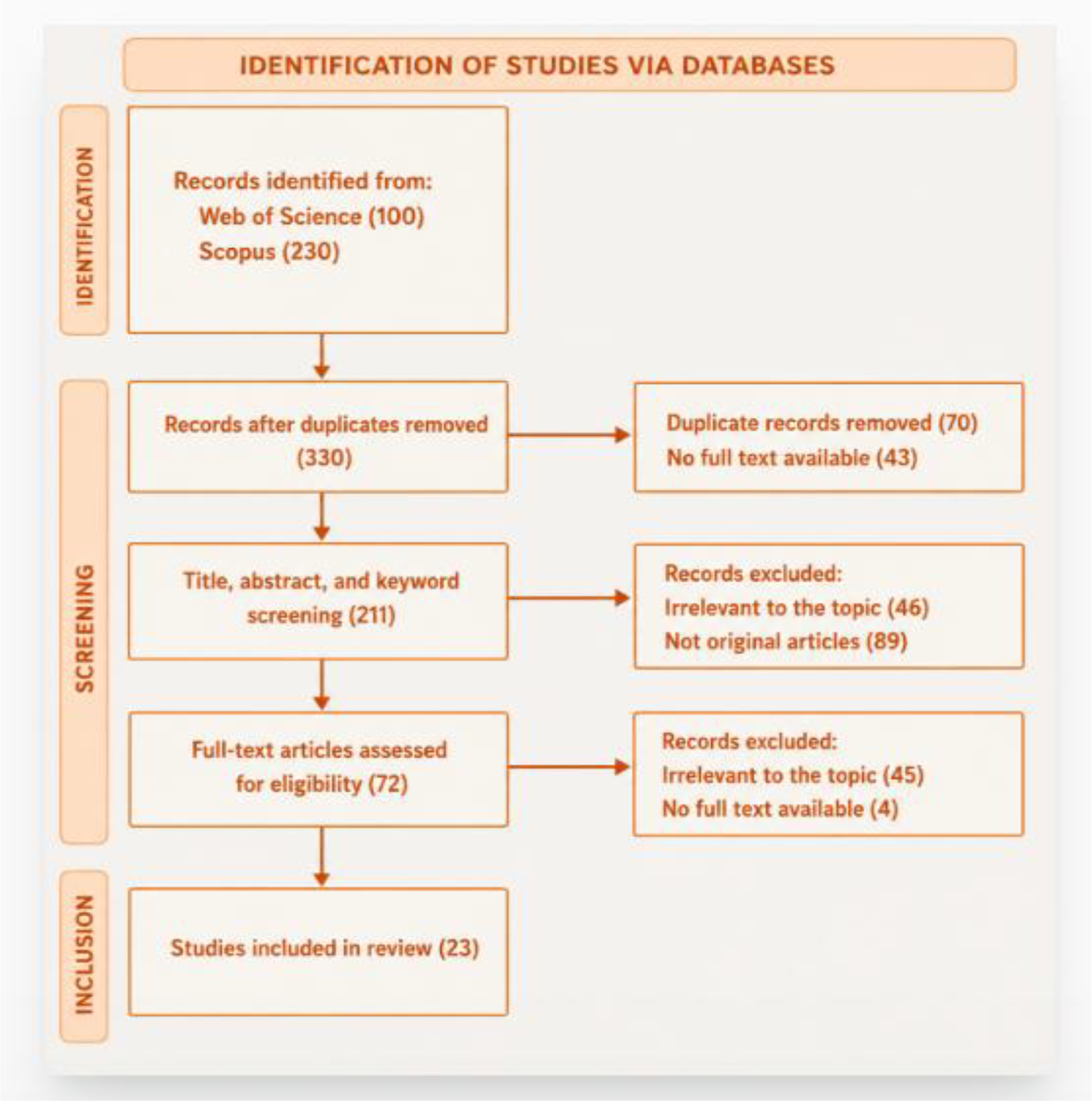 Source: The authorsDescription: The chart provides an overview of the systematic literature review process in accordance with the PRISMA protocol.
 Source: Prepared using ATLAS.tiDescription: