 Effects of magnetic and electromagnetic treatment of the nutrient solution on hydroponic lettuce production
Resumo
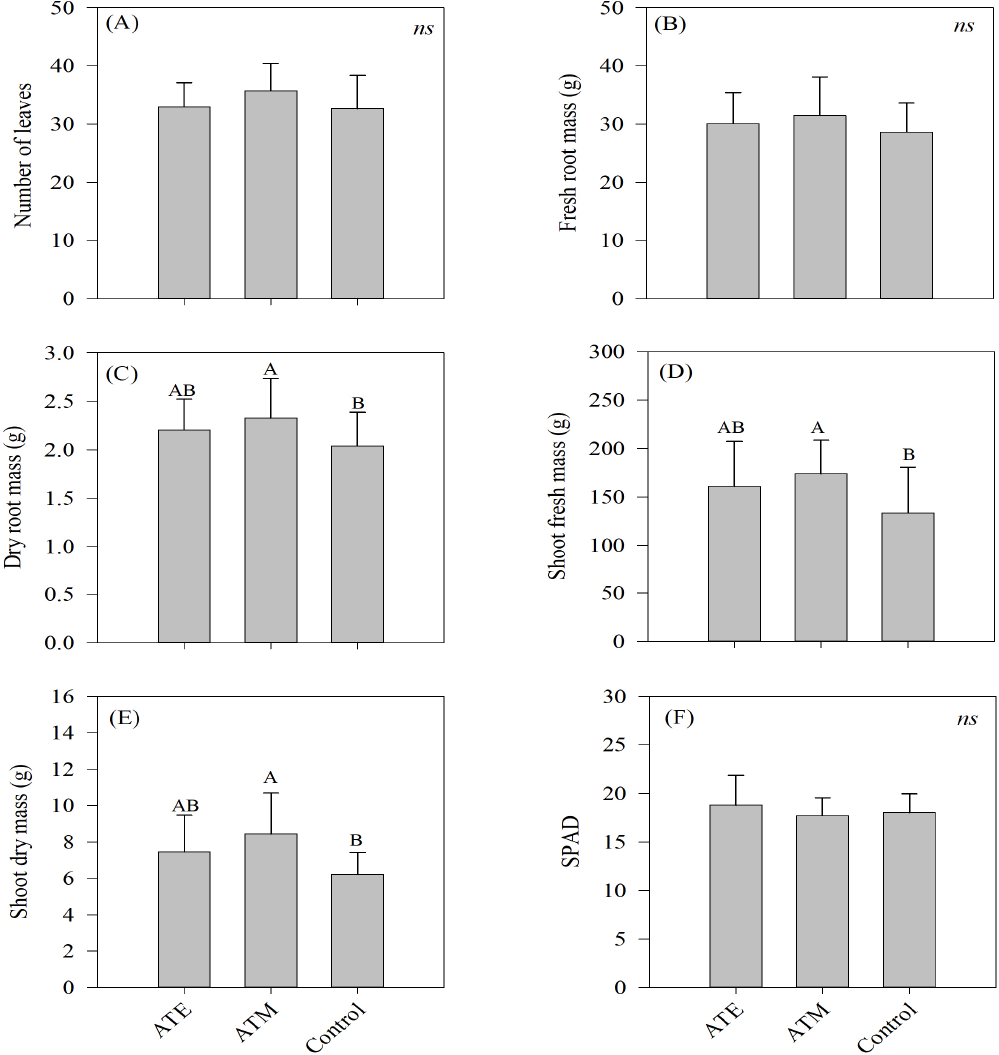
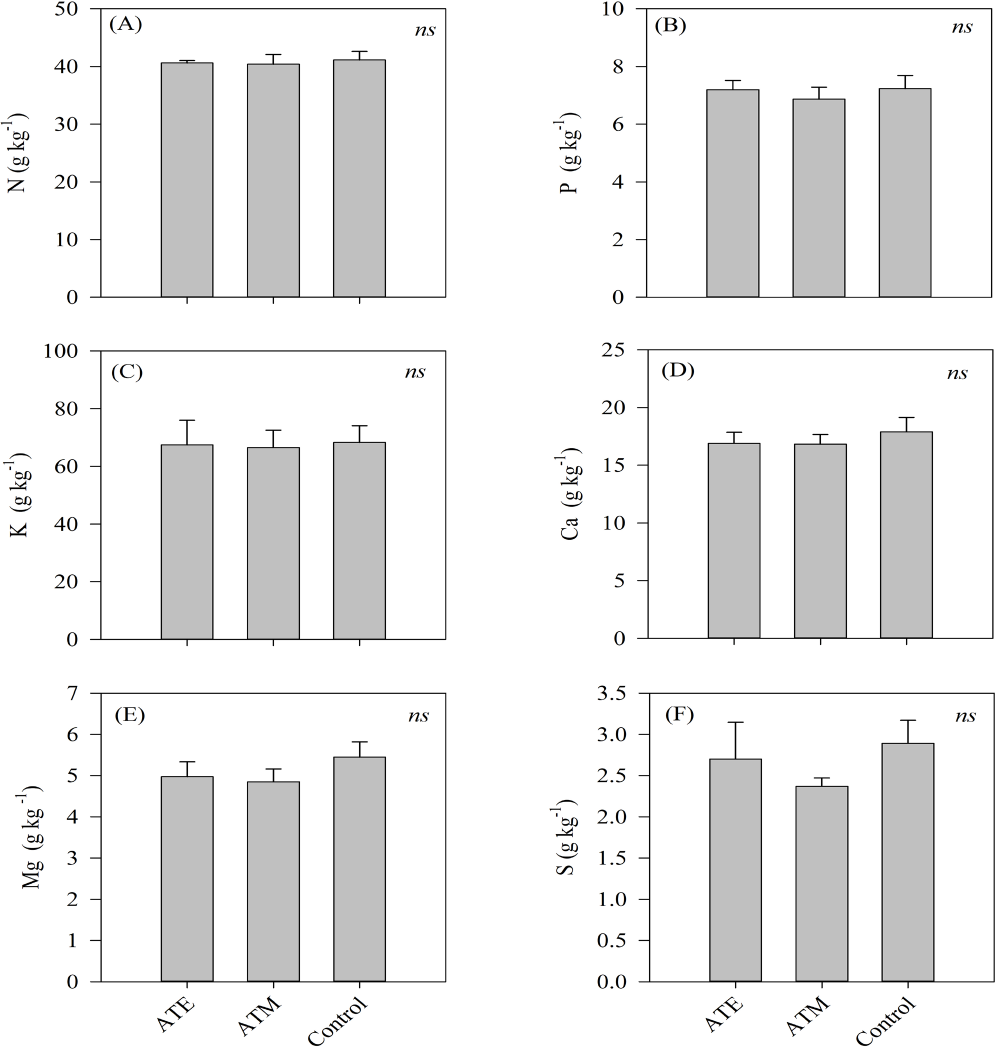
Vegetable production has increased in response to growing consumer demand for healthy and easily accessible foods. In this context, hydroponic systems have gained importance as they achieve yields comparable to soil-based cultivation while reducing water use by up to 70% and allowing control of environmental factors. Application of magnetic and electromagnetic fields to leafy crops may stimulate plant growth, resulting in higher productivity, improved leaf quality, and greater nutrient content, thus offering potential advantages for agricultural production. However, the effects of these treatments may vary among crop species. This study aimed to evaluate the effects of magnetic and electromagnetic treatments of the nutrient solution on hydroponic lettuce production. A completely randomized design with four replications was adopted. Treatments consisted of exposing the nutrient solution to magnetic and electromagnetic fields, along with a control (no exposure), evaluated at four intervals: 7, 14, 21, and 28 days after transplanting. Results indicated that applying magnetic and electromagnetic treatments to the nutrient solution improved plant growth and productivity and reduced algae incidence. Magnetic treatment, in particular, produced superior results for biometric parameters, whereas nutrient concentration showed no significant differences throughout crop development. These findings highlight a technological alternative that may enhance plant productivity, increase stress tolerance, and reduce nutrient consumption in hydroponic systems.
 Thumbnail
 Thumbnail
 Thumbnail
 Thumbnail
 Thumbnail
 Thumbnail