 Occupational exposure to genotoxic chemical substances in clinical diagnostic laboratories and cellular mechanisms related to DNA damage: systematic review of observational studies
Abstract
Objectives To identify the main genotoxic chemical substances used in different clinical diagnostic laboratories and to investigate the cellular mechanisms involved in DNA damage caused by these substances.
Methods To identify the genotoxic chemical substances used in diagnostic laboratories, a systematic review was conducted. To investigate the cellular mechanisms associated with DNA damage caused by these substances, systems biology was applied to construct interaction networks between the chemical compounds and proteins.
Results A total of 20 full articles were assessed for eligibility. The main genotoxic substances used in laboratories identified in the included studies were: formaldehyde, n-hexane, and methanol. In the systems biology analysis, bioprocesses such as post-translational modification, phosphorylation, response to apoptosis, regulation of cell communication, and cellular response to reactive oxygen species, among others, stood out.
Conclusion Twenty-four substances potentially harmful to DNA were identified in clinical analysis laboratories. The bioprocesses associated with these substances may be related to cellular processes that lead to DNA damage.
Keywords
Chemicals; Genotoxicity; DNA; Occupational Exposure; Laboratory; Occupational Health; Systematic Review; Systems Biology
Resumo
Objetivos Identificar as principais substâncias químicas genotóxicas utilizadas em diferentes laboratórios de diagnósticos clínicos e investigar os mecanismos celulares envolvidos nos danos ao DNA por essas substâncias.
Métodos Para identificar as substâncias químicas genotóxicas utilizadas em laboratórios diagnósticos foi feita uma revisão sistemática. Para investigar os mecanismos celulares associados aos danos ao DNA causados por essas substâncias foi utilizada a biologia de sistemas, constituindo redes de interação entre os compostos químicos e proteínas.
Resultados Um total de 20 artigos completos foram avaliados quanto à elegibilidade. As principais substâncias genotóxicas utilizadas em laboratórios identificadas nos estudos incluídos foram: formaldeído, n-hexano e metanol. Na análise de biologia de sistemas, destacaram-se bioprocessos como modificação pós-traducional, fosforilação, resposta à apoptose, regulação da comunicação celular e resposta celular às espécies reativas de oxigênio, entre outros.
Conclusão Foram identificadas 24 substâncias potencialmente danosas ao DNA, presentes em laboratórios de análises clínicas. Os bioprocessos identificados para essas substâncias podem estar relacionados a processos celulares que conduzem a danos ao DNA.
Palavras-chave
Produtos Químicos; Genotoxicidade; DNA; Exposição Ocupacional; Laboratório; Saúde do Trabalhador; Revisão Sistemática; Biologia de Sistemas
Introduction
Occupational exposure refers to the contact of workers, individually or collectively, with chemical, physical, biological, or mechanical risk agents present in the workplace. Occupational health aims to protect and promote the health of workers, through actions to monitor risks, the consequences of exposure, treat symptoms and monitor signs, to reduce and prevent occupational diseases1.
In the ranking of risks related to the global burden of diseases in Brazil, occupational factors occupy a prominent position compared to other determinants2,3. However, exposure to chemical agents in the workplace is still poorly characterized and often underestimated. Most of the available data comes from studies with small samples, restricted to certain economic sectors or specific occupations. It is important to note that the characterization of exposure does not depend exclusively on direct measurements, which are not always feasible; it can also be carried out by observing the work, with the support of qualitative tools and modelling systems2,4.
The chemical agents present in clinical diagnostic laboratories represent significant health hazards for technicians working in different sectors. Exposure to these substances, which can be present in various forms such as solids, liquids, gases, or vapors, constitutes an occupational risk with the potential to cause temporary and permanent adverse effects on occupational health3,5.
According to Regulatory Standard No. 26 (NR 26), every chemical product sold in Brazil must have a Safety Data Sheet (SDS), as standardized by the Brazilian Association of Technical Standards (ABNT) in ABNT NBR 14725:2023 (corrected version: 2024)6. This document provides essential safety, health, and environmental information, including guidance on hazards, preventive measures, and handling, storage, and disposal procedures. It is the supplier’s responsibility to provide adequate information on the hazards associated with the product, ensuring that workers have access to clear instructions on how to avoid accidents and occupational illnesses6.
Despite the existence of specific regulations, many SDSs, like the old Chemical Safety Data Sheets (CSDS), still contain incomplete, vague, or outdated information, which compromises worker protection. Inconsistent data, such as the identification of hazardous ingredients, exposure limits, or control measures, makes it difficult to systematically collect and compare information from different sources. This prevents the consolidation of reliable data, negatively affecting the preparation of accurate statistics on accidents and occupational diseases related to exposure to chemical agents and, consequently, hindering the planning of preventive actions and worker health surveillance⁷.
In Brazil, the safe use of chemical products is regulated by various standards, including: (a) the Resolutions of the Collegiate Board (RDC), issued by the Brazilian National Health Surveillance Agency (ANVISA); (b) the Regulatory Norms (NR) of the Ministry of Labor and Employment, such as NR 26, which deals with the labeling and identification of chemical products8; and (c) the Brazilian Standards (NBR), from ABNT, which establish technical safety requirements for different environments, such as clinical laboratories6(ABNT, 2024). In this context, chemical safety is an essential strategy for promoting workers’ health and preventing occupational accidents3,7,9.
Among the health problems related to exposure to chemical products, occupational cancer stands out as one of the most common diseases. It is estimated that approximately 19.0% of cancer cases are occupational in origin, accounting for around 4.0% of cancer deaths. Of these, around 12.5% are associated with lung cancer, often linked to the inhalation of organic solvents and other agents present in work environments10. This information reinforces the relevance of the topic addressed in this study, which discusses the occupational risks associated with exposure to solvents and their possible health consequences.
As genotoxicity represents one of the initial mechanisms in the development of cancer, especially in chronic exposures to chemical agents such as solvents, its evaluation is essential to understand and prevent the long-term effects on occupational health. Despite this, to date there have been no studies systematizing the main chemical substances used in diagnostic laboratories, the genotoxic effects associated with their exposure, and the cellular mechanisms involved in this damage3,10. This makes it necessary to identify the substances with genotoxic potential present in these environments and to understand their effects, both individually and in mixtures, which reflect more realistic exposures. To this end, the use of systems biology can provide relevant support, allowing us to map the interaction networks between chemical compounds and cellular proteins involved in genotoxicity processes, contributing to an integrated understanding of the molecular mechanisms of DNA damage.
The aim of this study was therefore to identify, through a literature review, the main genotoxic chemical substances used in diagnostic laboratories and, with the support of systems biology, to investigate the cellular mechanisms involved in DNA damage caused by these substances, considering both isolated and complex exposures.
Methods
Literature sources and search strategy
A systematic literature review was conducted, searching the databases PubMed/Medline and SCOPUS, to identify studies on occupational exposure to chemical agents used in laboratories and the induction of DNA damage.
The search strategy was based on the elements of the PEOS acronym (population, exposure, outcome, and study type)11. The population was defined as workers of any age, gender, or ethnicity. Exposure was defined as occupational exposure to physical and chemical agents. The main outcomes were the following genetic damage: DNA damage, numerical and/or structural chromosomal abnormalities, micronucleus alterations, carcinogenic effects, and mutations. No additional outcomes were included. The type of study was delimited as observational.
The combinations of search terms were structured using Boolean operators to connect the exposure of interest (occupational exposure to chemical agents) and the adverse health outcome of interest (biomarkers of DNA damage, genetic damage). This resulted in the following strategies: 1. “DNA AND damage AND clinical AND laboratory AND workers”; 2. “DNA AND damage AND pathology AND laboratory AND (workers OR occupational) AND exposure AND chemical”.
Selection of studies and data extraction
The literature search was carried out between April 2021 and March 2022. It was limited to studies published from 2002 to 2020, in languages known to the authors (English, Portuguese and Spanish), which indicate genetic damage occurring in workers occupationally exposed to chemical agents in Brazil and worldwide.
The inclusion criteria were: observational studies that investigated whether occupational exposure to physical and chemical agents alters the risk/occurrence of genetic damage in the exposed population. The exclusion criteria were: 1) in vitro experimental studies, 2) in vivo and ex-vivo animal studies, 3) in silico studies, 4) studies of the effects on non-target species other than humans, 5) letters, reviews, editorials, reports, commentaries, theses, documents issued by regulatory bodies, and book chapters, 6) complete articles not available or those not available in English, Portuguese, and Spanish.
After the electronic and manual search and the exclusion of duplicates, two reviewers (AB and JS) independently assessed the relevant literature. The first screening was based on titles and abstracts. Relevant references were screened again, basing the decision on full texts. If a disagreement persisted after being thoroughly discussed by the two reviewers, a third investigator (FS) was asked to resolve it. The study selection stages were documented in a flowchart.
For each study included, information was extracted to identify the study (title, authors, year of publication, journal, DOI); information on the study design (type of study, location, year and period in which it was carried out); information on studies identifying genetic damage from occupational exposure; the quality of the studies; the occupations related to the appearance of genetic damage; the most studied exposures, e.g.: organic solvents; the types of genetic tests used in occupational exposure studies to assess DNA damage; the test methods used, staining, how many points were assessed (comet and micronucleus tests): the most common biological samples; and the biological samples used to assess DNA damage caused by occupational exposure.
The data was extracted manually by two independent reviewers (AB and JS), that registered the information in electronic spreadsheets (Microsoft Excel), previously structured with the fields of interest. The data was categorized descriptively according to the objectives of the review. Divergences in extraction were resolved by consensus, with the help of the third reviewer (FS) when necessary.
Quality assessment
The methodological quality of the studies was assessed manually by two independent reviewers (AB and JS), based on criteria previously defined by the authors, taking into account the clarity of the description of the study population, the characterization of occupational exposure, the methods used to assess genetic damage, the adequacy of the analyses, and the coherence of the results presented.
Systems biology
Systems biology involves the integration of substance data with computer programs12. The in silico evaluation of the interaction of substances with Homo sapiens proteins was carried out by constructing and analyzing interaction networks. To do this, the substances that appeared most frequently in the review were evaluated. In this way, networks were built with formaldehyde, methanol, and n-hexane using interaction search tools. STITCH 5.0 (http://stitch.embl.de)13 performed the search for chemical-protein interactions, and the search tool for protein-protein interactions was STRING 11.5 (http://string-db.org)14,15,16. In STITCH chemical compounds are connected to proteins by means of evidence derived from experiments, databases and available literature15. The subnetworks formed in STITCH were imported using the following parameters: no more than 50 interactions, medium confidence score (0.400); and network depth equal to 2; prediction methods activated except text mining. The subnetworks created were augmented in STRING 10.5. This search tool predicts protein interactions that can be directly (physically) and indirectly (functionally) associated16. In STRING 11.5, protein-protein interactions were imported using the parameters: no more than 50 interactions, medium confidence score (0.400); and network depth equal to 2; prediction methods activated except for text mining. The different subnetworks generated in these two processes were joined individually using the Advanced Merge Network tool in the Cytoscape 3.8.217 program, generating the METHANOL, FORMALDEHYDE, and N-HEXANE networks.
Funrich 3.1.4 was used to perform a general analysis of the biological processes present in each interaction network. Funrich is open-access software that facilitates the analysis of proteomic data, providing tools for functional enrichment and analysis of gene and protein interaction networks18.
The networks were analyzed using the Molecular Complex Detection (MCODE) plugin in the Cytoscape 3.8.2 program, to identify the modules (clusters) - strongly connected regions - which suggest physically and/or functionally related protein complexes. The Biological Network Gene Ontlogy (BiNGO) plugin was also used to analyze the main bioprocesses associated with the clusters generated by MCODE, which is very useful for directing the analysis of the network with its compounds and proteins. To analyze the centrality of the network, the Centiscape 2.2 plugin was used to identify the nodes (protein-compound) that have central positions. The centralities analyzed were node degree, which refers to the number of adjacent nodes directly connected to another node, and betweenness, which refers to the number of “shortest” paths that pass through a single node, making it possible to estimate the relationship between them19 .
Hubs are proteins and/or compounds (nodes) with a high node degree value, i.e. with a large number of connections to other nodes or hubs with fewer connections, while nodes with a relatively high betweenness value are known as “bottlenecks” (hub-bottleneck: HG), due to their high capacity to interact with other proteins or bioprocesses19. This is why hub-bottlenecks are so essential in the network and, once disturbed or removed, can trigger failures within it.
Results
Systematic review
The electronic searches identified 116 records relating to occupational exposure. Ninety-six records were excluded because they were not articles related to the topic studied. A total of 20 articles were included in the review (Figure 1).

Table 1 details the studies identified in this review investigating occupational exposure to organic solvents and their genotoxic effects. The articles included evaluated genotoxicity using cytogenetic tests widely used in human biomonitoring, with a focus on detecting genotoxic effects resulting from occupational exposure. Among the most frequent tests are the micronucleus test, structural and numerical chromosome aberrations, sister chromatid exchanges (SCE), nucleoplasmic bridges (NPB), nuclear budding (NBUD), and the comet assay. All the studies analyzed reported a significant increase in genotoxicity in the exposed individuals compared to the control groups. Formaldehyde was the most investigated agent, with 18 studies specifically addressing its exposure in occupational contexts. In addition, most of the studies evaluated exposure to mixtures of chemical agents rather than isolated compounds, reflecting the complexity of occupational environments.
Table 2 presents the list of 24 chemical substances identified in the different laboratories described in the selected articles, the number of studies that reported them, and their classification according to the GHS (Globally Harmonized System)6,20. All chemical agents reported in the articles were associated with chemical exposure in clinical analysis laboratories, including urinalysis, biochemistry, pathology, immunology, microbiology, histology, and clinical chemistry sectors, as well as in research laboratories handling chemical and biological substances. It is noteworthy that 18 studies cited formaldehyde as the main chemical agent, followed by methanol (2 studies) and n-hexane (2 studies).
Systems biology
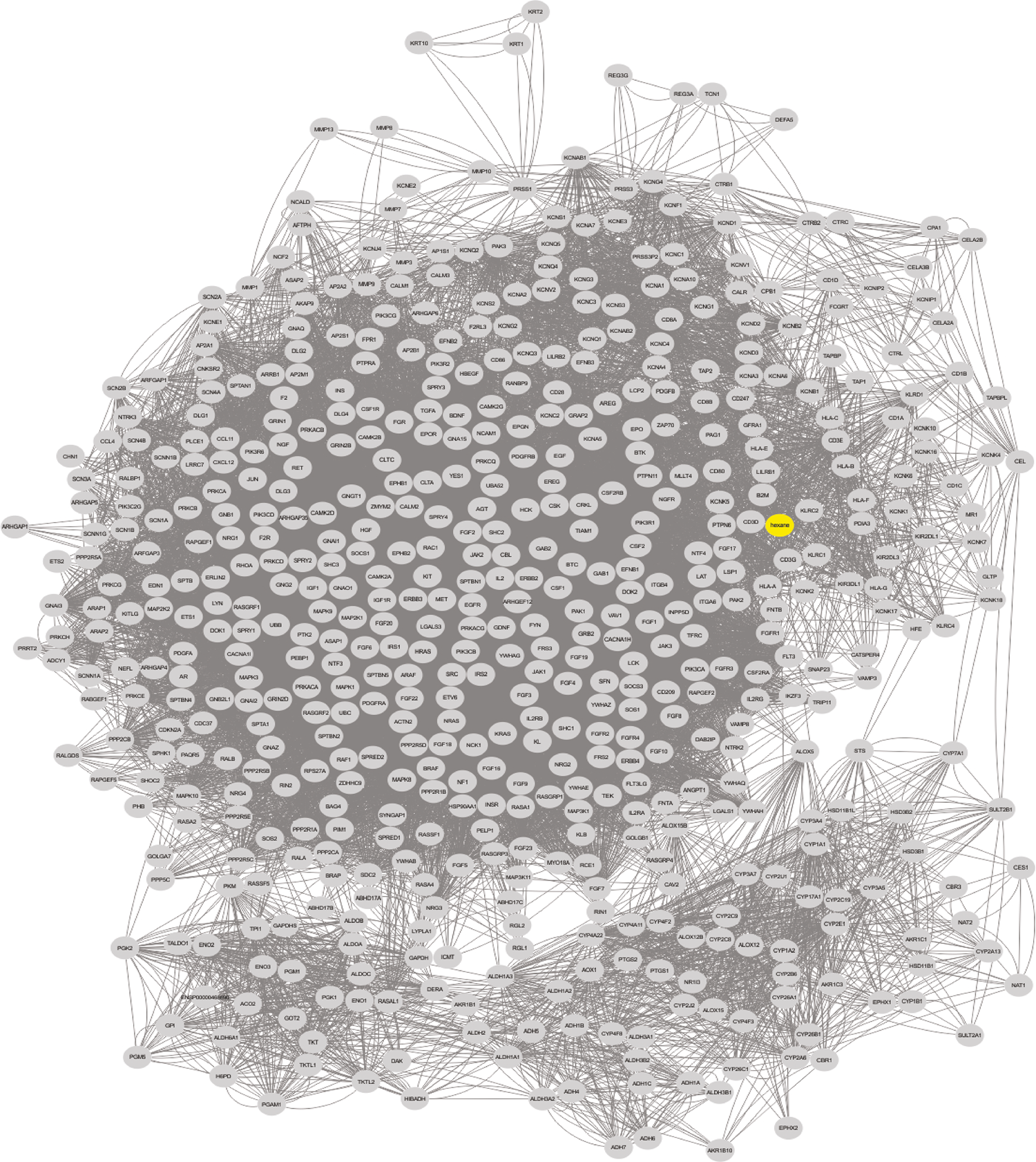
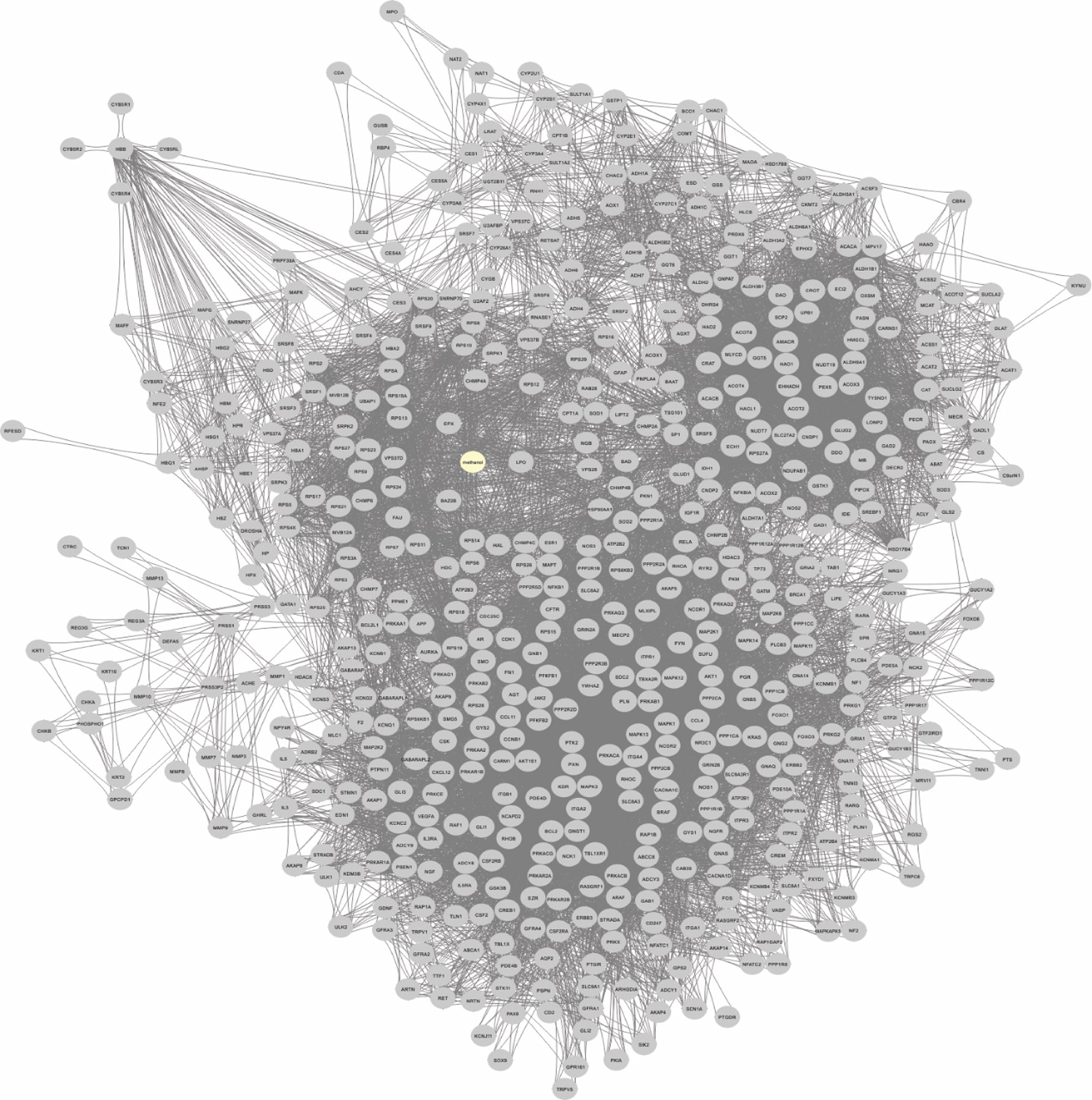
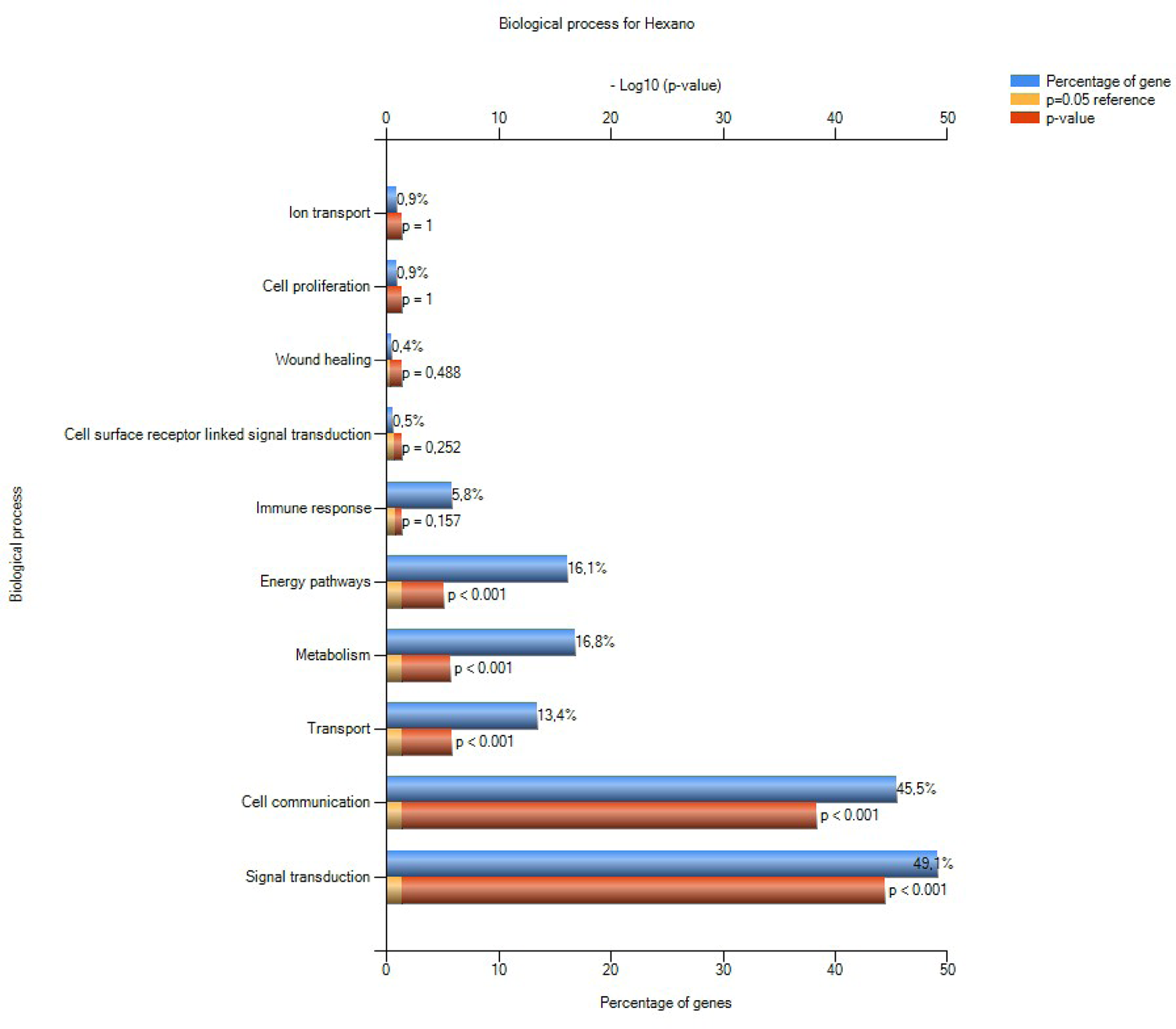
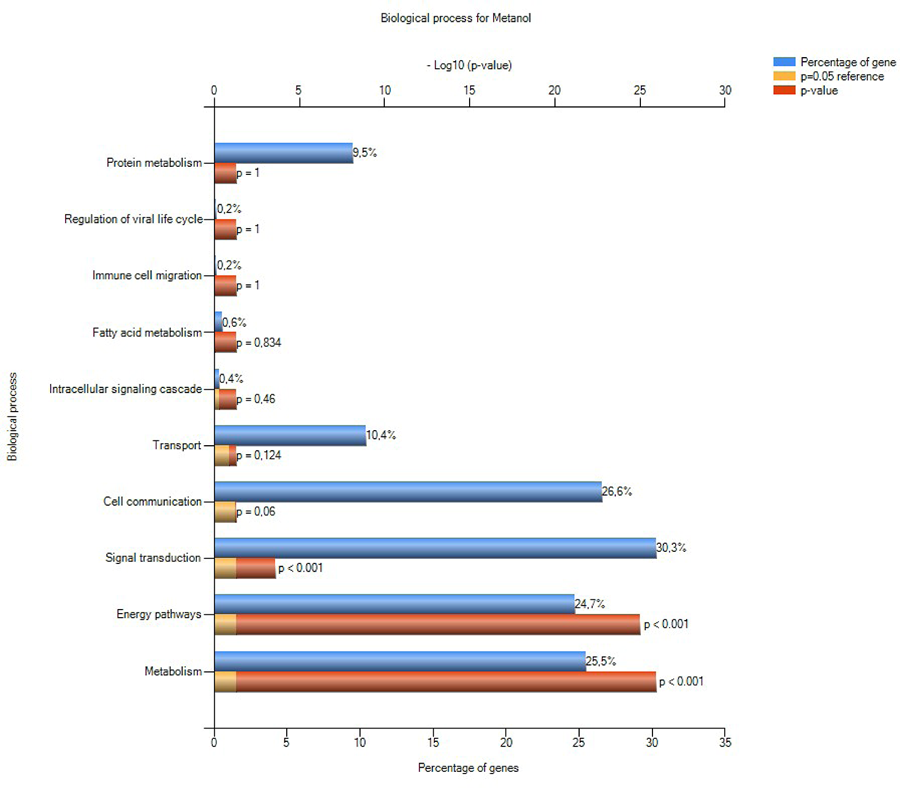
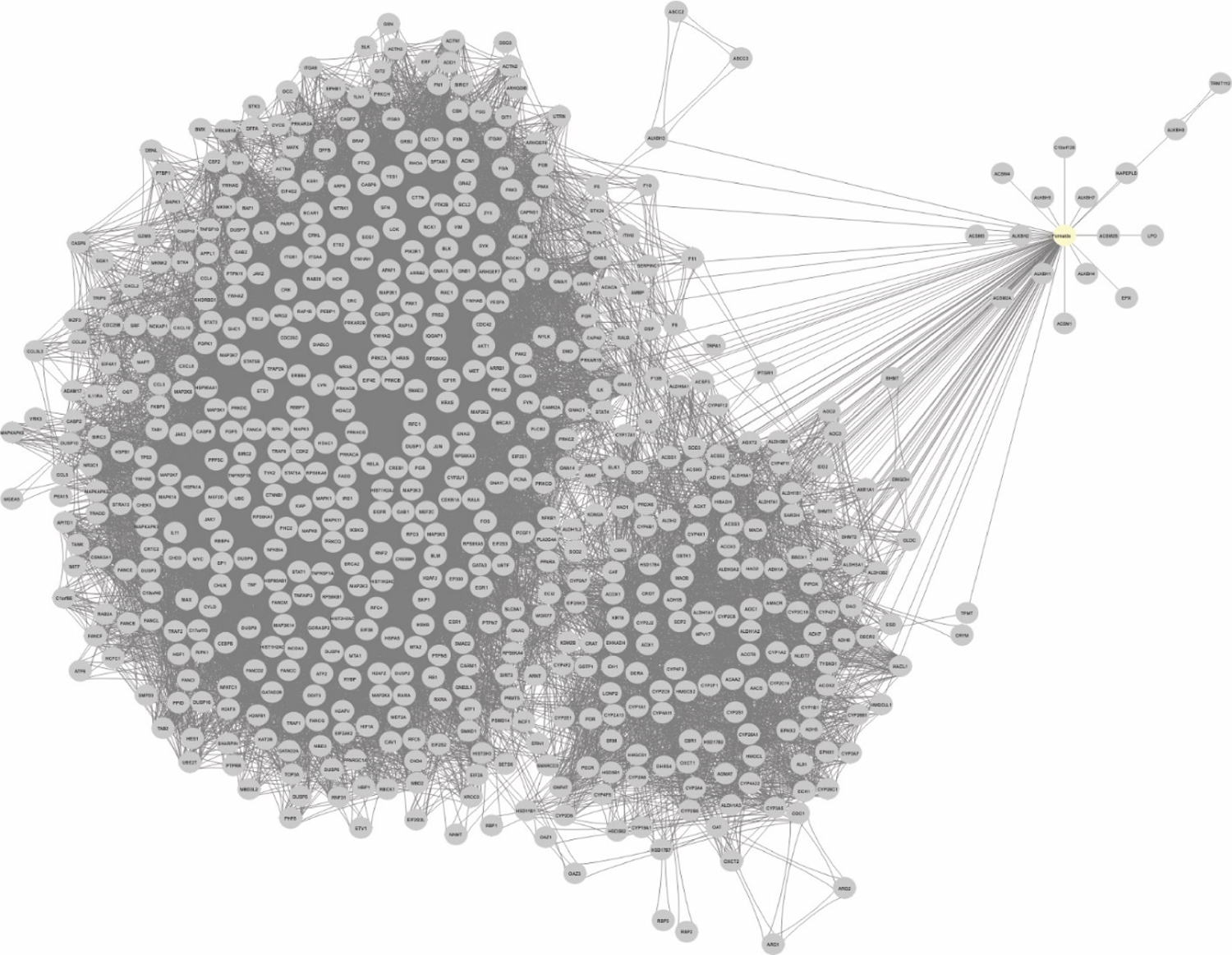
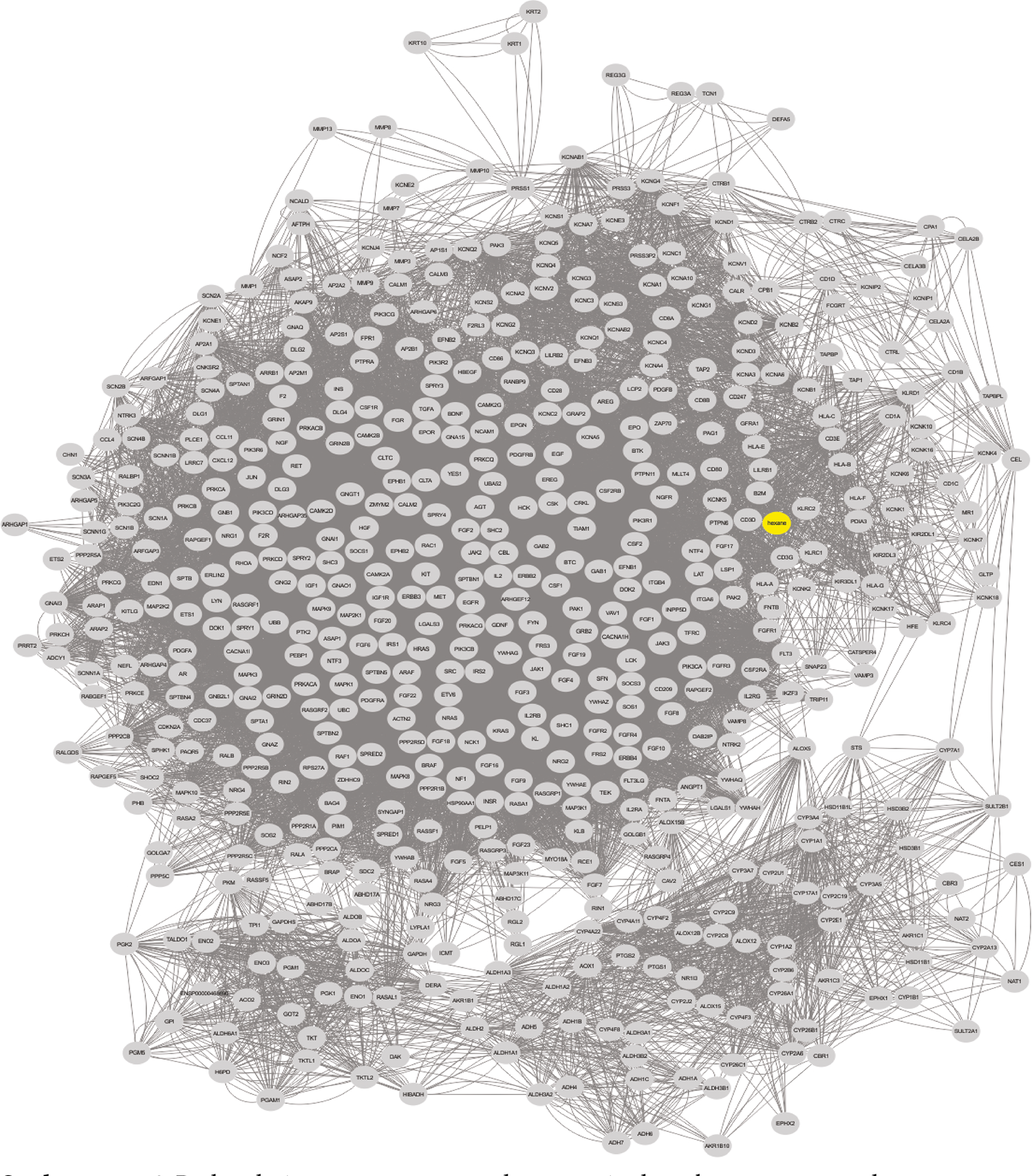
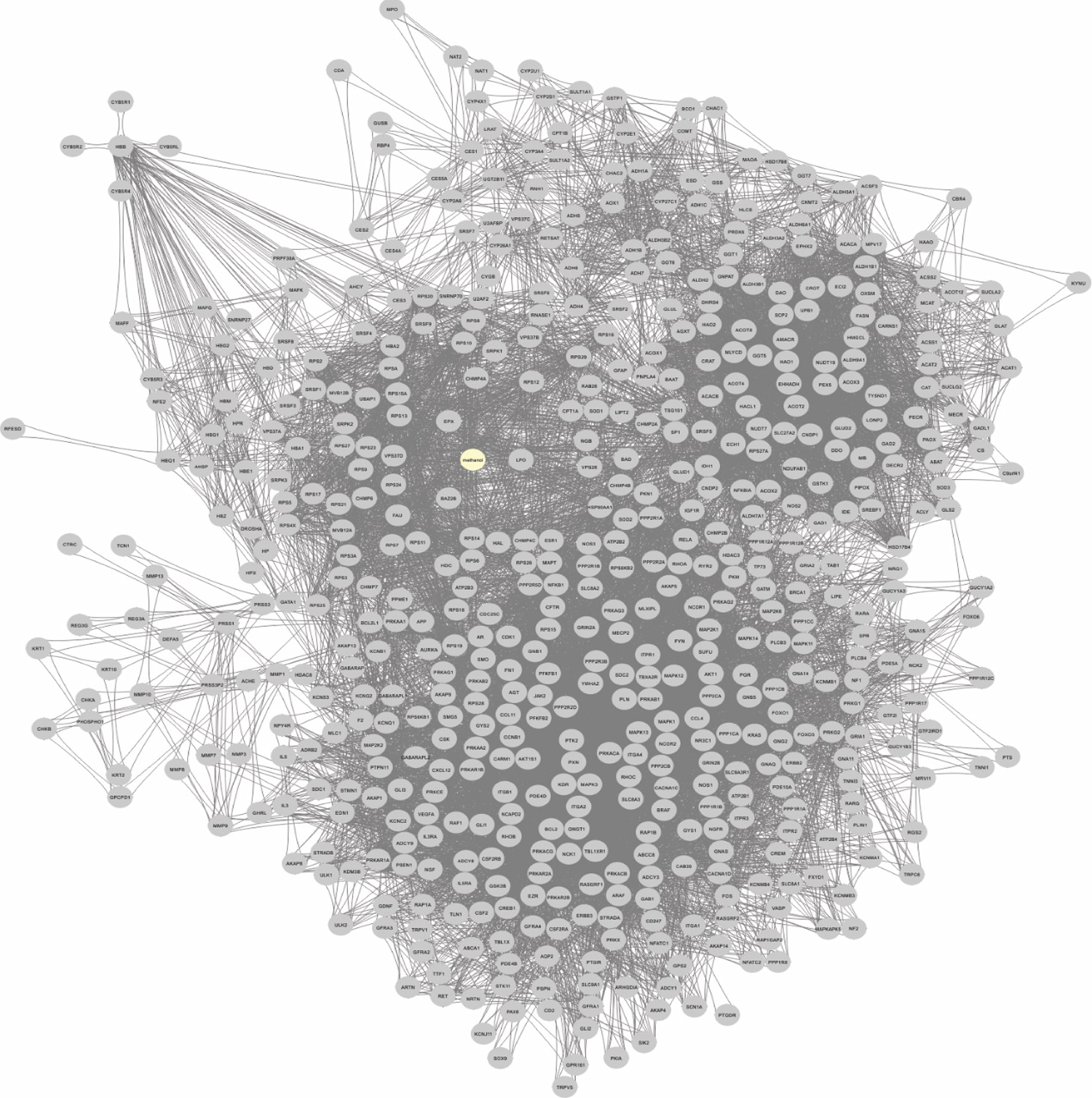
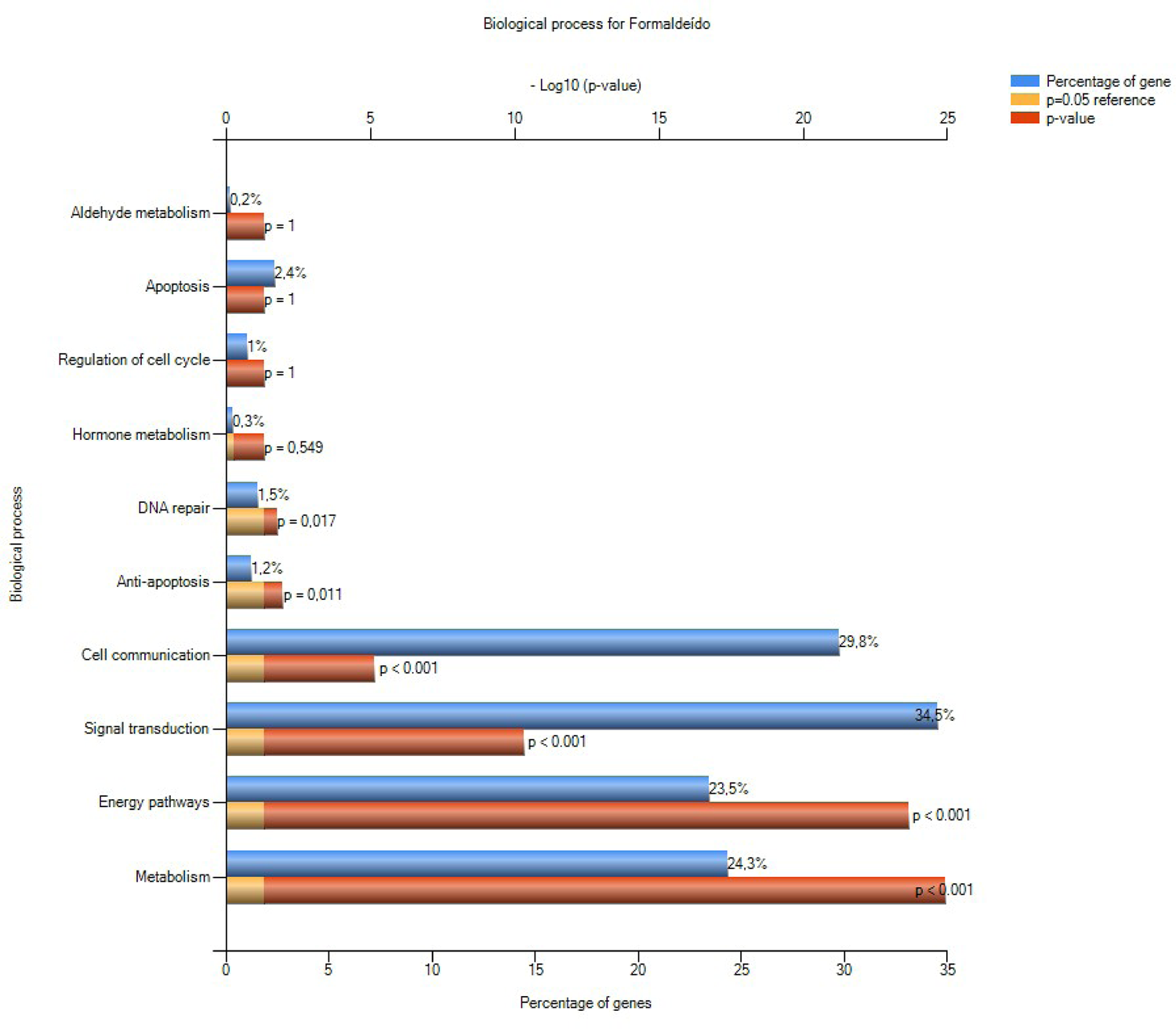
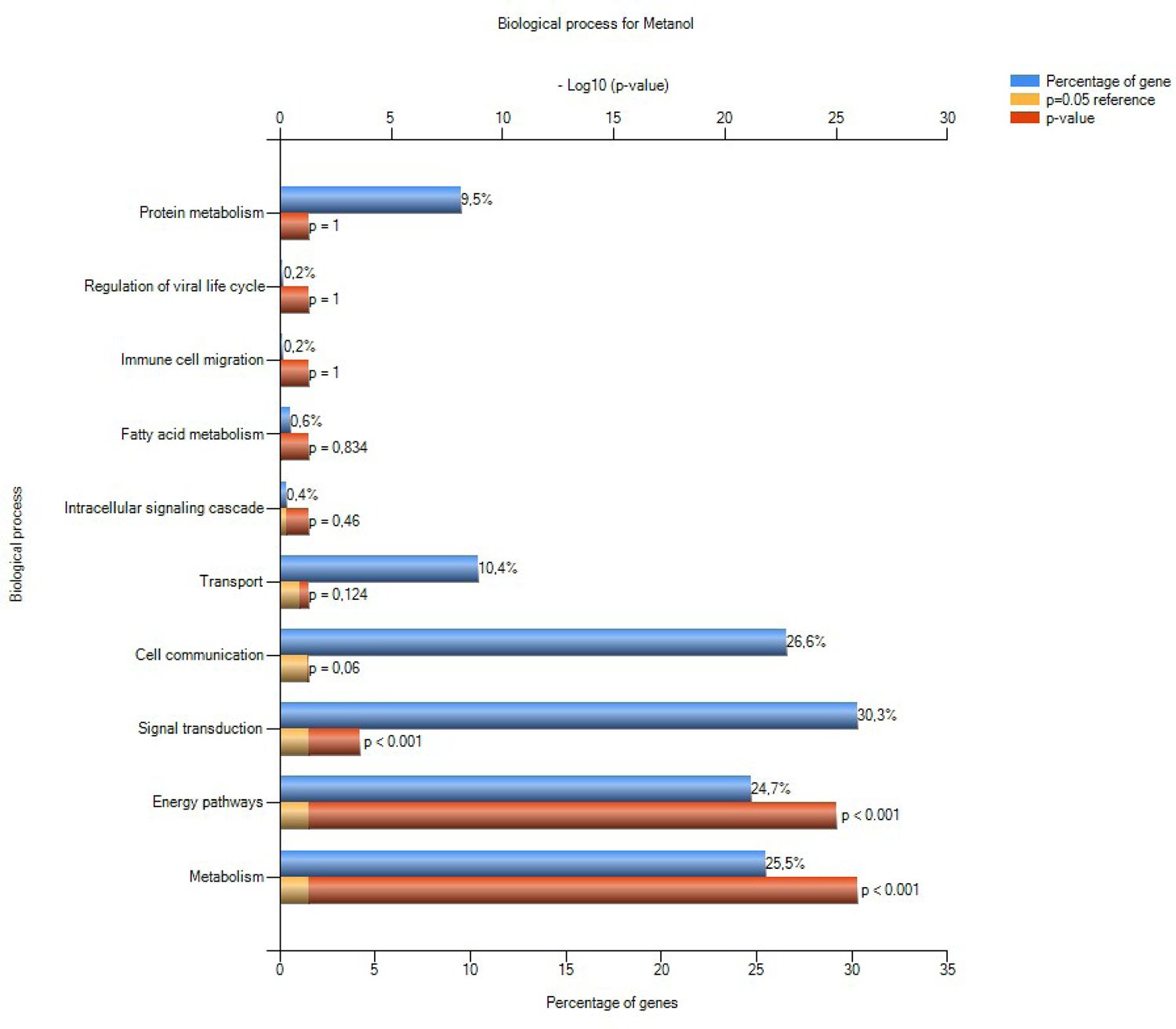
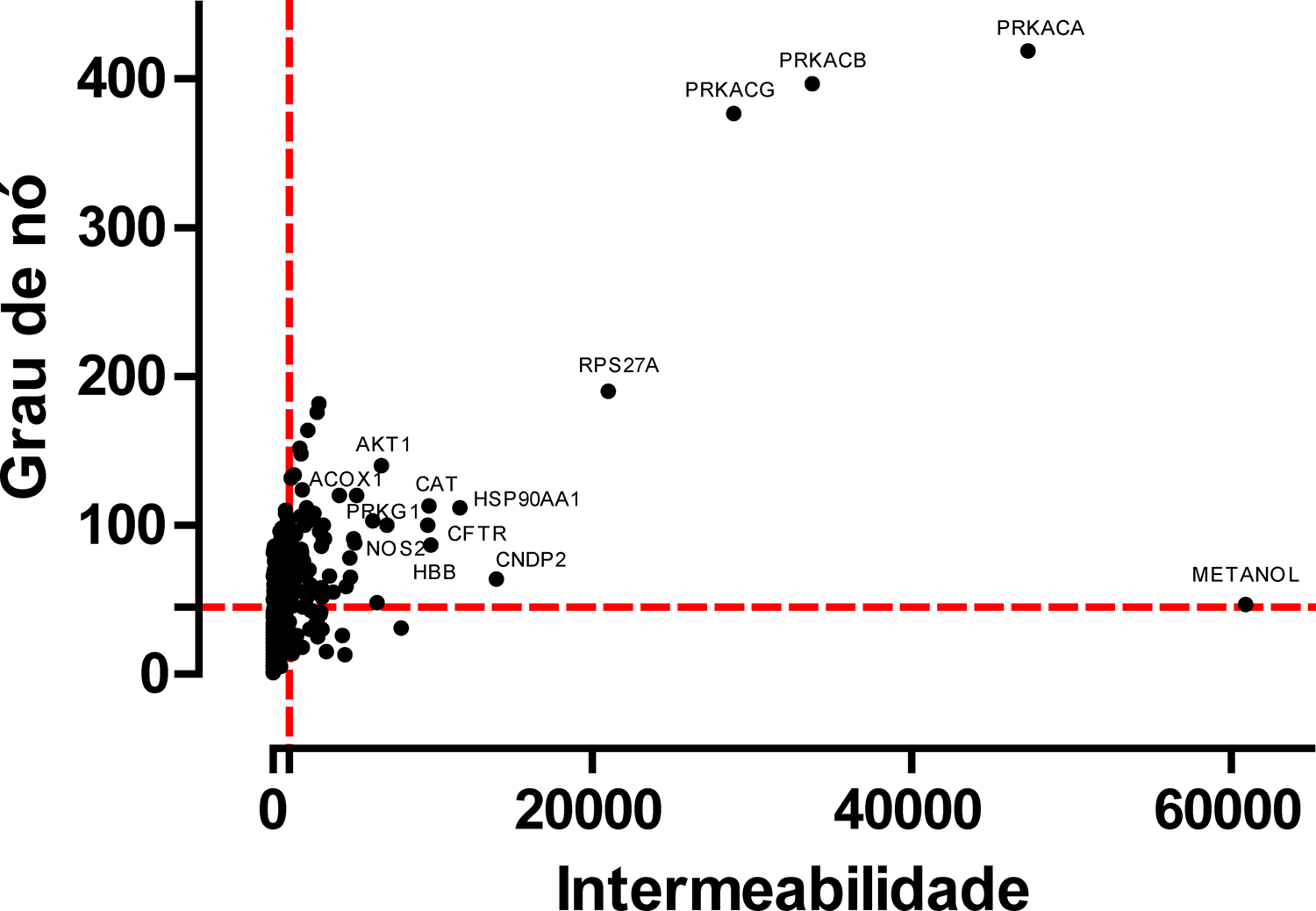
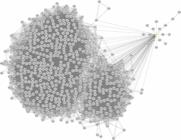
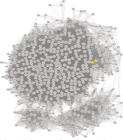
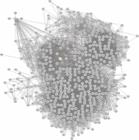
The FORMALDEHYDE network has 597 nodes and 17,602 connectors, the N-HEXANE network has 561 nodes and 18,974 connectors, and the METHANOL network has 548 nodes and 12,403 connectors (Appendix A, Supplementary Figures 1, 2 and 3). A general analysis of the biological processes of each network was carried out using FunRich, where it is possible to observe repair proteins, anti-apoptotic proteins and cell communication proteins connected to formaldehyde (p < 0.05). Regarding the N-HEXANE network, more than 45% of the genes are associated with cell communication pathways, while for the METHANOL network, the energy metabolism and signal transduction bioprocesses stand out (Appendix A, Supplementary Figures 4, 5 and 6).
We applied cluster analysis to each network using the MCODE plugin. Clustering can provide relevant information on large sets of nodes, as it shows which clusters have more common characteristics with each other than with nodes in another group. The FORMALDEHYDE and N-HEXANE networks each generated four clusters (score > 10) and the METHANOL network generated six clusters (score > 10) (data not shown). The cluster with the highest score for each network was submitted to functional enrichment analysis in the BiNGO program, revealing how many and which categories were enriched, and which were the main biological processes associated with the proteins studied. In this analysis, bioprocesses such as post-translational modification, phosphorylation, response to apoptosis, regulation of cell communication and the MPKK signaling cascade stood out in cluster 1 of the FORMALDEHYDE network. In cluster 1 of the N-HEXANE network, the highlights were the cell communication pathways, RAS protein signal transduction, negative regulation of apoptosis, and neurogenesis. The METHANOL network presented significant biological processes in cluster 1, such as regulation of the fatty acid metabolic process, organization of the peroxisome, aerobic respiration, and cellular response to oxygen-restricted species (Appendix A, Supplementary Table 1).
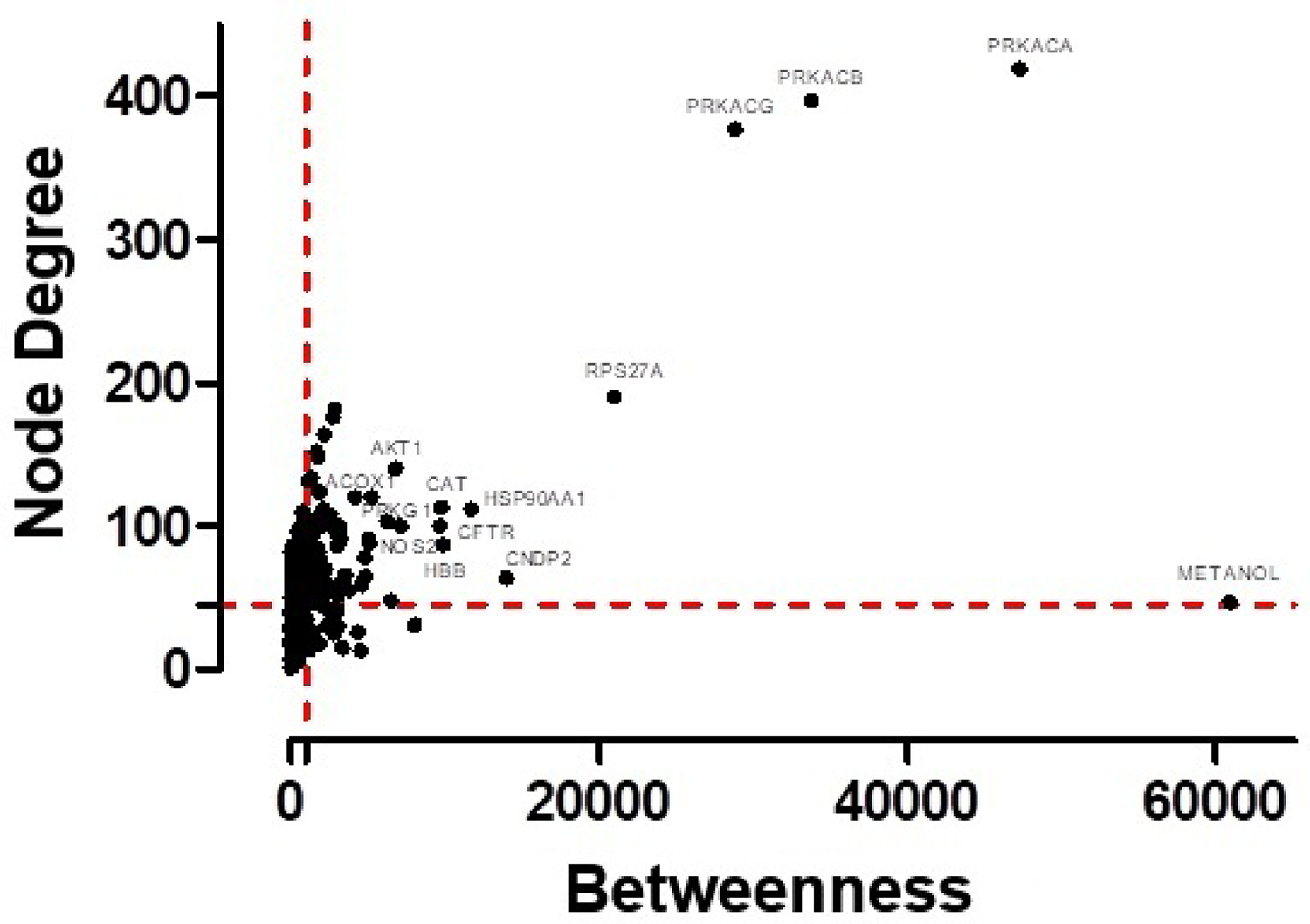
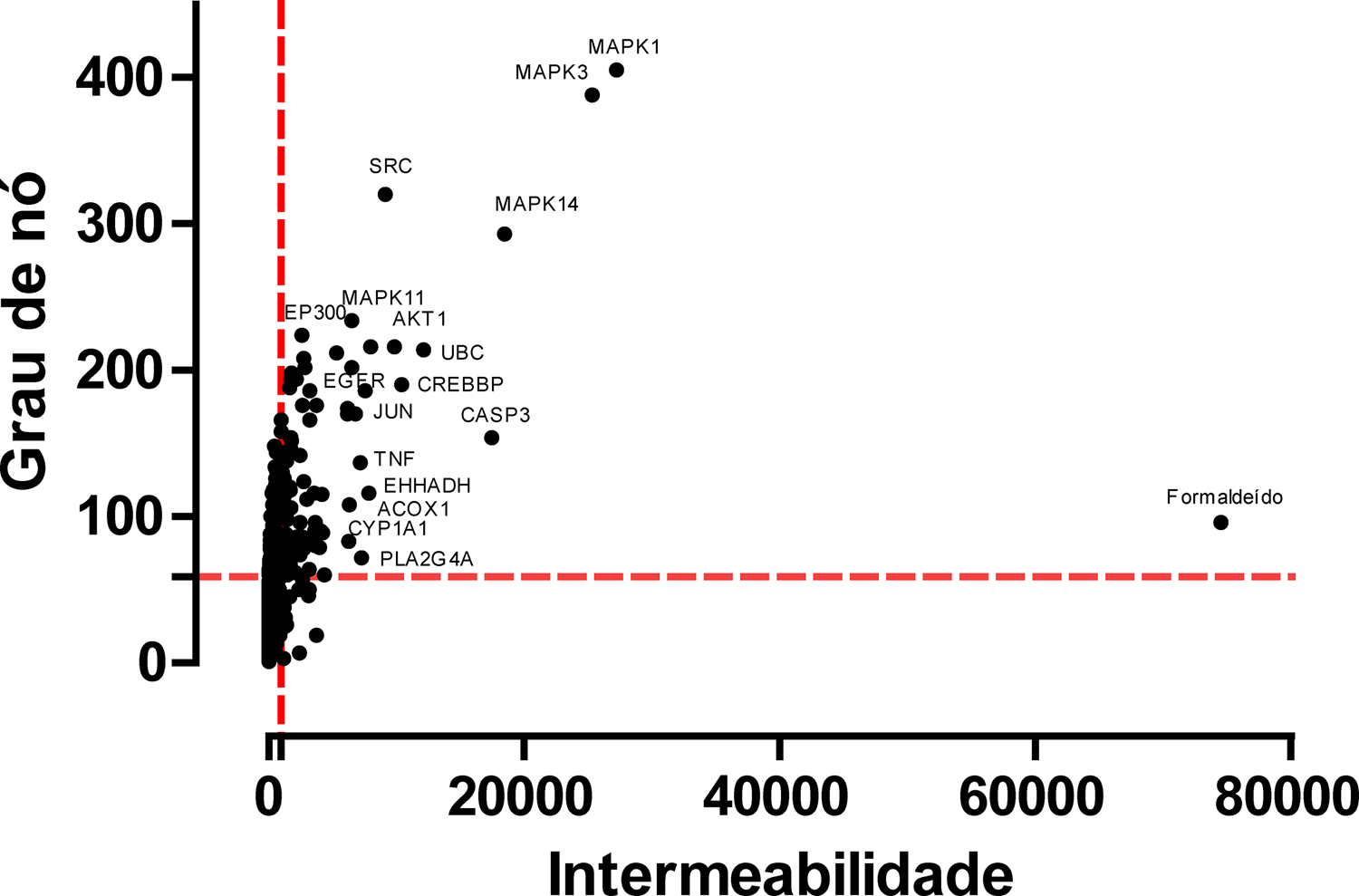
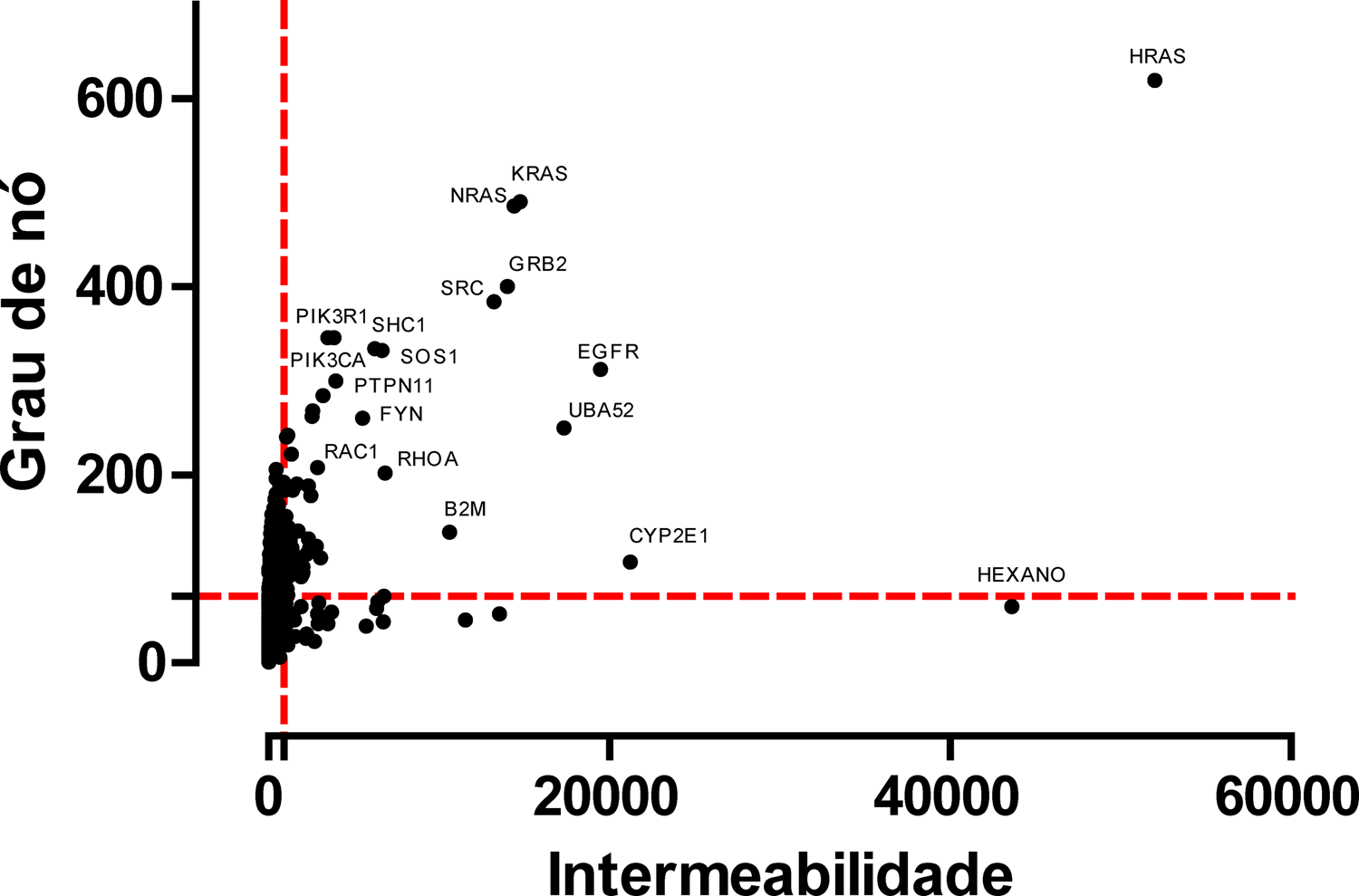
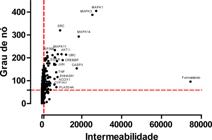
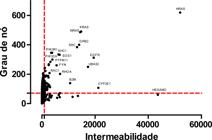
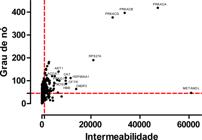
The centrality analysis revealed HB proteins in each network, which are the representation of key proteins in a given metabolic pathway. Some important parameters of the topological analysis are the betweenness and the degree of connectivity of each of the nodes (proteins). A greater flow of information passes through nodes with a high relative centrality value. The HBs with the highest node degree and betweenness values are shown in Supplementary Figures 7, 8 and 9 in Appendix A. Among the main HBs nodes are: (a) FORMALDEHYDE network: MAPK1, MAPK3, MAPK14, MAPK11, SRC, Formaldehyde, AKT1, CREBBP, UBC, CASP3, and formaldehyde itself (Appendix A, Supplementary Figure 7); (b) N-HEXANE network: HRAS, KRAS, NRAS, SRC, GRB2, EGFR, UBA52, and SOS1 (Appendix A, Supplementary Figure 8); (c) METHANOL network: PRKACA, PRKACB, PRKACG, RPS27A, HSP90AA1, CAT, AKT1, and methanol (Appendix A, Supplementary Figure 9).
Discussion
In this systematic review, we identified 20 studies that evaluated occupational exposure to chemical agents with genotoxic potential in laboratory environments. Among the agents investigated in the mixtures, formaldehyde was the most frequently reported, with 18 studies specifically addressing its genotoxic effects. The predominance of this agent can be explained by its widespread use in pathology and clinical analysis laboratories, despite its classification as a Group 1 carcinogen by the International Agency for Research on Cancer (IARC). From an occupational point of view, this combination reinforces the need for continuous monitoring of formaldehyde to protect workers’ health and guide appropriate preventive measures21-25, 27-31, 33-42.
Although various compounds have been investigated, such as benzene, xylene, ethanol, hydrochloric acid, and n-hexane, we observed that most studies have focused on complex mixtures of solvents. Benzene is a compound widely recognized for its genotoxicity, acting through the formation of reactive metabolites that cause chromosomal breaks, the formation of micronuclei and genetic mutations, and is strongly associated with the development of leukaemias43. Although xylene shows less robust evidence of genotoxicity, it can induce genetic alterations at high exposures, and causes toxic effects on the central nervous system44. Ethanol, on the other hand, has low direct genotoxic potential, but its metabolite acetaldehyde is highly reactive, forming adducts in DNA and promoting mutations, as well as increasing the risk of various types of cancer45. Hydrochloric acid is predominantly cytotoxic, causing severe tissue damage due to its corrosive nature. Although it is not a primary genotoxicant, it can cause indirect damage to DNA through oxidative stress46. On the other hand, n-hexane, known for its neurotoxicity, also shows limited evidence of genotoxicity, especially related to the formation of chromosomal aberrations47.
In general, occupational exposure to these chemicals can trigger oxidative stress processes, promoting the generation of reactive oxygen species (ROS) which, in turn, induce DNA damage, contributing to genomic instability and increasing the risk of developing chronic diseases, including cancer. The characteristic of these exposures, involving mixtures of various chemical substances, reinforces the importance of understanding the combined effects, since synergistic interactions between the different agents can potentiate DNA damage3. The main mechanisms proposed to explain the genotoxic effects observed involve oxidative stress, especially the production of ROS, associated with chronic exposure to these chemical mixtures3,48.
Of the studies included, only three were conducted in Brazil22,26,40, which limits the generalization of our findings in the national context. Despite this, we observed that, historically, cytogenetic tests, especially the micronucleus test, have been the most widely used in the country. This choice seems to be related to the simplicity and low cost of these methods, which makes them accessible even in contexts with limited resources. However, it is not possible to say that these tests are the most widely used in Brazil, given the small number of national studies. In relation to other occupational exposures to complex mixtures, both the micronucleus test and the comet assay are the most widely used for detecting DNA damage3. The scarcity of local investigations also compromises the assessment of relevant occupational exposures, such as those associated with the intense use of pesticides or solvents in public and private laboratories3.
The analysis of the studies also revealed the absence of quantitative data on exposure levels as a recurring limitation. Most of the studies were based on questionnaires and qualitative approaches, without the support of biomonitoring or environmental monitoring (such as air analysis). The absence of this data compromises the accuracy of the correlation between exposure levels and the genotoxic outcomes observed. Future studies should incorporate more robust exposure assessment strategies, such as specific biomarkers and instrumental environmental quantification methods, as well as considering confounding factors such as age, gender, lifestyle and diet, which can interfere with biomonitoring results.
The application of systems biology in some studies has brought relevant contributions by allowing the integrated analysis of different biomarkers and molecular pathways associated with genetic damage. This enables a more comprehensive understanding of the mechanisms involved, especially in contexts of multiple exposure. However, its use is still incipient and often not critically explored. Systems biology could be more widely applied in assessing the effects of chemical mixtures, contributing to the mapping of affected cell signaling networks, the identification of target genes and the metabolic pathways altered by occupational exposure. In the analysis carried out using systems biology tools, bioprocesses such as post-translational modification, phosphorylation, response to apoptosis, regulation of cell communication, and the MPKK signaling cascade were highlighted for formaldehyde. For hexane, the focus was on cell communication pathways, RAS protein signal transduction, negative regulation of apoptosis and neurogenesis. For methanol, the regulation of the fatty acid metabolic process, peroxisome organization, aerobic respiration, and the cellular response to reactive oxygen species were highlighted.
All these bioprocesses may be related in some way to the cellular processes that lead to DNA damage, as demonstrated in the literature review. Many hub proteins in the three networks generated are kinases, which play critical roles in telomere maintenance and DNA repair49. Ontology analysis of cluster 1 of the FORMALDEHYDE and N-HEXANE networks also revealed processes such as phosphorylation, while cluster 1 of the METHANOL network identified processes related to peroxisome organization and the response to reactive oxygen species. Studies have shown that catalase is actively transported out of peroxisomes during periods of oxidative stress, conferring a greater protective effect to the cell50,51, and this oxidative stress may be being caused by ethanol exposure, also impacting genetic stability.
Our findings reinforce the need for more robust experimental designs that integrate classical genotoxicity approaches with molecular and omics tools. In addition, it is essential that future studies incorporate more sophisticated statistical analyses to assess correlations between exposure levels and biological effects, considering multiple and chronic exposures. From this, it will be possible to advance in the construction of more realistic exposure profiles and in the development of more effective preventive policies. By mapping the molecular and cellular damage resulting from these exposures, science should serve as a basis for formulating regulatory actions and strengthening occupational health surveillance.
Conclusion
The analysis of the studies included in this review identified 24 potentially genotoxic substances used in diagnostic laboratories. Formaldehyde was the most frequently detected substance in the workplace, followed by n-hexane and methanol. Benzene, xylene, organic solvents in general, and strong acids (such as hydrochloric acid) were also identified. These substances demonstrated genotoxicity and were frequently associated with carcinogenicity. The main genotoxic effects observed included micronucleus formation, DNA strand breaks, and an increase in chromosomal aberrations, indicative of genomic instability and potential initiating events in neoplastic processes. Although these agents are already widely recognized for their adverse effects, there remains a lack of studies that robustly integrate exposure profiling with molecular tools capable of elucidating the underlying mechanisms involved.
In the systems biology analysis, processes such as post-translational modification, phosphorylation, response to apoptosis, regulation of cell communication, and cellular response to reactive oxygen species were highlighted, among others. The identified bioprocesses may be related to cellular pathways that lead to DNA damage, as demonstrated in the reviewed literature. Although the application of systems biology was not explored in the analyzed studies, it may, in the future, contribute to the identification of gene networks and affected metabolic pathways, offering a more integrated understanding of cellular effects in the context of multiple and complex exposures.
References
-
1 Ministério da Saúde (BR), Organização Pan-Americana da Saúde/Brasil. Doenças relacionadas ao trabalho: manual de procedimentos para os serviços de saúde. Brasília, DF: Ministério da Saúde; 2001 [citado 30 nov 2024]. (Série A. Normas e Manuais Técnicos, n. 114). Disponível em: https://bvsms.saude.gov.br/bvs/publicacoes/doencas_relacionadas_trabalho_manual_procedimentos.pdf
» https://bvsms.saude.gov.br/bvs/publicacoes/doencas_relacionadas_trabalho_manual_procedimentos.pdf -
2 Malta DC, Felisbino-Mendes MS, Machado IE, Passos VMA, Abreu DMX, Ishitani LH, et al. Risk factors related to the global burden of disease in Brazil and its Federated Units, 2015. Rev Bras Epidemiol. 2017;20(Suppl 01):217-232. https://doi.org/10.1590/1980-5497201700050018
» https://doi.org/10.1590/1980-5497201700050018 -
3 Arbo MD, Garcia SC, Sarpa M, Silva Junior FM, Nascimento SN, Garcia AL, et al. Brazilian workers occupationally exposed to different toxic agents: A systematic review on DNA damage. Mutat Res Genet Toxicol Environ Mutagen. 2022;879-880:503519. https://doi.org/10.1016/j.mrgentox.2022.503519
» https://doi.org/10.1016/j.mrgentox.2022.503519 - 4 Roxo MM. Segurança e saúde do trabalho: avaliação e controlo de riscos. 2. ed. Coimbra: Almedina; 2009.
-
5 Vieira RGL, Santos BM, Martins CHG. Riscos físicos e químicos em laboratório de análises clínicas de uma universidade. Medicina (Ribeirão Preto). 2008, 41(4):508-15. https://doi.org/10.11606/issn.2176-7262.v41i4p508-515
» https://doi.org/10.11606/issn.2176-7262.v41i4p508-515 - 6 Associação Brasileira de Normas Técnicas. NBR 14725:2023: produtos químicos - informações sobre segurança, saúde e meio ambiente - aspectos gerais do Sistema Globalmente Harmonizado (GHS), classificação, FDS e rotulagem de produtos químicos. Rio de Janeiro: ABNT; 2024.
-
7 Costa TF. Felli VEA, Baptista PCP. Nursing workers' perceptions regarding the handling of hazardous chemical waste. Rev Esc Enferm USP. 2012;46(6):1451-8. https://doi.org/10.1590/S0080-62342012000600024
» https://doi.org/10.1590/S0080-62342012000600024 -
8 Ministério do Trabalho e Emprego (BR). Norma Regulamentadora nº 6 (NR-6) - Equipamento de proteção individual. Brasília, DF: Ministério do Trabalho e Emprego; 2025 [citado 26 abr 2025]. Disponível em: https://www.gov.br/trabalho-e-emprego/pt-br/acesso-a-informacao/participacao-social/conselhos-e-orgaos-colegiados/comissao-tripartite-partitaria-permanente/normas-regulamentadora/normas-regulamentadoras-vigentes/norma-regulamentadora-no-6-nr-6
» https://www.gov.br/trabalho-e-emprego/pt-br/acesso-a-informacao/participacao-social/conselhos-e-orgaos-colegiados/comissao-tripartite-partitaria-permanente/normas-regulamentadora/normas-regulamentadoras-vigentes/norma-regulamentadora-no-6-nr-6 -
9 Piccoli A, Wermelinger M, Amâncio Filho A. O ensino de biossegurança em cursos técnicos em análises clínicas. Trab Educ Saúde. 2012;10(2):283-300. https://doi.org/10.1590/S1981-77462012000200006
» https://doi.org/10.1590/S1981-77462012000200006 - 10 Instituto Nacional de Câncer José Alencar Gomes da Silva. Ambiente, trabalho e câncer: aspectos epidemiológicos, toxicológicos e regulatórios. Rio de Janeiro: INCA; 2021.
-
11 Teixeira EP, Lynn FA, Souza ML. A guide for systematic reviews of observational studies. Texto Contexto Enferm. 2024;33:e20230221. https://doi.org/10.1590/1980-265x-tce-2023-0221en
» https://doi.org/10.1590/1980-265x-tce-2023-0221en -
12 Hartung T, FitzGerald RE, Jennings P, Mirams GR, Peitsch MC, Rostami-Hodjegan A, et al. Systems Toxicology: real world applications and opportunities. Chem Res Toxicol. 2017 Apr;30(4):870-82. https://doi.org/10.1021/acs.chemrestox.7b00003
» https://doi.org/10.1021/acs.chemrestox.7b00003 -
13 Szklarczyk D, Santos A, Mering C, Jensen LJ, Bork P, Kuhn M. STITCH 5: augmenting protein-chemical interaction networks with tissue and affinity data. Nucleic Acids Res. 2016 Jan;44 D1:D380-4. https://doi.org/10.1093/nar/gkv1277
» https://doi.org/10.1093/nar/gkv1277 -
14 Szklarczyk D, Morris JH, Cook H, Kuhn M, Wyder S, Simonovic M, et al. The STRING database in 2017: quality-controlled protein-protein association networks, made broadly accessible. Nucleic Acids Res. 2017 Jan;45 D1:D362-8. https://doi.org/10.1093/nar/gkw937
» https://doi.org/10.1093/nar/gkw937 -
15 Kuhn M, von Mering C, Campillos M, Jensen LJ, Bork P. STITCH: interaction networks of chemicals and proteins. Nucleic Acids Res. 2008 Jan;36(Database issue):D684-8. https://doi.org/10.1093/nar/gkm795
» https://doi.org/10.1093/nar/gkm795 -
16 Snel B, Lehmann G, Bork P, Huynen MA. STRING: a web-server to retrieve and display the repeatedly occurring neighbourhood of a gene. Nucleic Acids Res. 2000 Sep;28(18):3442-4. https://doi.org/10.1093/nar/28.18.3442
» https://doi.org/10.1093/nar/28.18.3442 -
17 Shannon P, Markiel A, Ozier O, Baliga NS, Wang JT, Ramage D, et al. Cytoscape: a software environment for integrated models of biomolecular interaction networks. Genome Res. 2003 Nov;13(11):2498-504. https://doi.org/10.1101/gr.1239303
» https://doi.org/10.1101/gr.1239303 -
18 Pathan M, Keerthikumar S, Ang CS, Gangoda L, Quek CY, Williamson NA, et al. FunRich: an open access standalone functional enrichment and interaction network analysis tool. Proteomics. 2015 Aug;15(15):2597-601. https://doi.org/10.1002/pmic.201400515
» https://doi.org/10.1002/pmic.201400515 - 19 Verli H. organizador. Bioinformática: da biologia à flexibilidade molecular. São Paulo: SBBq; 2014.
- 20 Pan CA. Sistema Globalmente Harmonizado de Classificação e Rotulagem de Produtos Químicos (GHS): uma ferramenta na gestão da segurança química. Rev. Cienc Exatas Tecnol. 2012;7(7):21-33.
-
21 Bouraoui S, Mougou S, Brahem A, Tabka F, Ben Khelifa H, Harrabi I, et al. A combination of micronucleus assay and fluorescence in situ hybridization analysis to evaluate the genotoxicity of formaldehyde. Arch Environ Contam Toxicol. 2013 Feb;64(2):337-44. https://doi.org/10.1007/s00244-012-9828-6
» https://doi.org/10.1007/s00244-012-9828-6 -
22 Santos MFA, Ferrari I, Luna H. Chromosomal aberration analysis in workers exposed to chemical and biological hazards in research laboratories. Environ Res. 2005 Mar;97(3):330-4. https://doi.org/10.1016/j.envres.2004.09.013
» https://doi.org/10.1016/j.envres.2004.09.013 -
23 Burgaz S, Erdem O, Cakmak G, Erdem N, Karakaya A, Karakaya AE. Cytogenetic analysis of buccal cells from shoe-workers and pathology and anatomy laboratory workers exposed to n-hexane, toluene, methyl ethyl ketone and formaldehyde. Biomarkers. 2002;7(2):151-61. https://doi.org/10.1080/13547500110113242
» https://doi.org/10.1080/13547500110113242 -
24 Costa S, García-Lestón J, Coelho M, Coelho P, Costa C, Silva S, et al. Cytogenetic and immunological effects associated with occupational formaldehyde exposure. J Toxicol Environ Health A. 2013;76(4-5):217-29. https://doi.org/10.1080/15287394.2013.757212
» https://doi.org/10.1080/15287394.2013.757212 -
25 Souza AD, Devi R. Cytokinesis blocked micronucleus assay of peripheral lymphocytes revealing the genotoxic effect of formaldehyde exposure. Clin Anat. 2014 Apr;27(3):308-12. https://doi.org/10.1002/ca.22291
» https://doi.org/10.1002/ca.22291 -
26 De Aquino T, Zenkner FF, Ellwanger JH, Prá D, Rieger A. DNA damage and cytotoxicity in pathology laboratory technicians exposed to organic solvents. An Acad Bras Cienc. 2016;88(1):227-36. https://doi.org/10.1590/0001-3765201620150194
» https://doi.org/10.1590/0001-3765201620150194 -
27 Viegas S, Ladeira C, Gomes M, Nunes C, Brito M, Prista J. Exposure and genotoxicity assessment methodologies: the case of formaldehyde occupational exposure. Curr Anal Chem. 2013;9(3):476-84. https://doi.org/10.2174/1573411011309030017
» https://doi.org/10.2174/1573411011309030017 -
28 Jakab MG, Klupp T, Besenyei K, Biró A, Major J, Tompa A. Formaldehyde-induced chromosomal aberrations and apoptosis in peripheral blood lymphocytes of personnel working in pathology departments. Mutat Res. 2010 Apr;698(1-2):11-7. https://doi.org/10.1016/j.mrgentox.2010.02.015
» https://doi.org/10.1016/j.mrgentox.2010.02.015 -
29 Costa S, Coelho P, Costa C, Silva S, Mayan O, Santos LS, et al. Genotoxic damage in pathology anatomy laboratory workers exposed to formaldehyde. Toxicology. 2008 Oct;252(1-3):40-8. https://doi.org/10.1016/j.tox.2008.07.056
» https://doi.org/10.1016/j.tox.2008.07.056 -
30 Viegas S, Ladeira C, Nunes C, Malta-Vacas J, Gomes M, Brito M, et al. Genotoxic effects in occupational exposure to formaldehyde: a study in anatomy and pathology laboratories and formaldehyde-resins production. J Occup Med Toxicol. 2010 Aug;5(1):25. https://doi.org/10.1186/1745-6673-5-25
» https://doi.org/10.1186/1745-6673-5-25 -
31 Orsière T, Sari-Minodier I, Iarmarcovai G, Botta A. Genotoxic risk assessment of pathology and anatomy laboratory workers exposed to formaldehyde by use of personal air sampling and analysis of DNA damage in peripheral lymphocytes. Mutat Res. 2006 Jun;605(1-2):30-41. https://doi.org/10.1016/j.mrgentox.2006.01.006
» https://doi.org/10.1016/j.mrgentox.2006.01.006 - 32 Ennaceur S. Genotoxicity assessment of occupational exposure to chemicals from clinical laboratory workers using chromosome aberration and micronucleus tests. Fresenius Environ Bull. 2020;29 9A:8454-62.
-
33 Ladeira C, Viegas S, Carolino E, Prista J, Gomes MC, Brito M. Genotoxicity biomarkers in occupational exposure to formaldehyde-the case of histopathology laboratories. Mutat Res. 2011 Mar;721(1):15-20. https://doi.org/10.1016/j.mrgentox.2010.11.015
» https://doi.org/10.1016/j.mrgentox.2010.11.015 -
34 Costa S, Carvalho S, Costa C, Coelho P, Silva S, Santos LS, et al. Increased levels of chromosomal aberrations and DNA damage in a group of workers exposed to formaldehyde. Mutagenesis. 2015 Jul;30(4):463-73. https://doi.org/10.1093/mutage/gev002
» https://doi.org/10.1093/mutage/gev002 -
35 Bono R, Romanazzi V, Munnia A, Piro S, Allione A, Ricceri F, et al. Malondialdehyde-deoxyguanosine adduct formation in workers of pathology wards: the role of air formaldehyde exposure. Chem Res Toxicol. 2010 Aug;23(8):1342-8. https://doi.org/10.1021/tx100083x
» https://doi.org/10.1021/tx100083x - 36 Burgaz S, Cakmak G, Erdem O, Yilmaz M, Karakaya AE. Micronuclei frequencies in exfoliated nasal mucosa cells from pathology and anatomy laboratory workers exposed to formaldehyde. Neoplasma. 2001;48(2):144-7.
- 37 Costa S, Brandão F, Coelho M, Costa C, Coelho P, Silva S, et al. TEIXEIRA JP. Micronucleus frequencies in lymphocytes and buccal cells in formaldehyde exposed workers. WIT Trans Biomed Health. 2013; 16: 83-94.
-
38 Costa S, Costa C, Madureira J, Valdiglesias V, Teixeira-Gomes A, Pinho PG, et al. Occupational exposure to formaldehyde and early biomarkers of cancer risk, immunotoxicity and susceptibility. Environ Res. 2019; 179(Pt A):108740. https://doi.org/10.1016/j.envres.2019.108740
» https://doi.org/10.1016/j.envres.2019.108740 -
39 Speit G, Ladeira C, Linsenmeyer R, Schütz P, Högel J. Re-evaluation of a reported increased micronucleus frequency in lymphocytes of workers occupationally exposed to formaldehyde. Mutat Res. 2012 May;744(2):161-6. https://doi.org/10.1016/j.mrgentox.2012.02.009
» https://doi.org/10.1016/j.mrgentox.2012.02.009 -
40 Varella SD, Rampazo RA, Varanda EA. Urinary mutagenicity in chemical laboratory workers exposed to solvents. J Occup Health. 2008;50(5):415-22. https://doi.org/10.1539/joh.L7151
» https://doi.org/10.1539/joh.L7151 - 41 International Agency for Research on Cancer. Formaldehyde, 2-Butoxyethanol and 1-tert-Butoxypropan-2-ol. Lyon: IARC; 2006. (IARC Monographs on the Evaluation of Carcinogenic Risks to Humans, v. 88).
-
42 Fenech M, Nersesyan A, Knasmueller S. A systematic review of the association between occupational exposure to formaldehyde and effects on chromosomal DNA damage measured using the cytokinesis-block micronucleus assay in lymphocytes. Mutat Res Rev Mutat Res. 2016; 770(Pt A): 46-57. https://doi.org/10.1016/j.mrrev.2016.04.005
» https://doi.org/10.1016/j.mrrev.2016.04.005 - 43 International Agency for Research on Cancer. Benzene. Lyon: IARC; 2018. (IARC Monographs on the Evaluation of Carcinogenic Risks to Humans, v. 120).
- 44 McMichael AJ. Carcinogenicity of benzene, toluene and xylene: epidemiological and experimental evidence. IARC Sci Publ. 1988;(85):3-18.
-
45 Thomas LA, Hopkinson RJ. The biochemistry of the carcinogenic alcohol metabolite acetaldehyde. DNA Repair (Amst). 2024 Dec;144:103782. https://doi.org/10.1016/j.dnarep.2024.103782
» https://doi.org/10.1016/j.dnarep.2024.103782 -
46 Snedeker J, Houston R, Hughes S. Twenty-eight days later: the recovery of DNA from human remains submerged in aggressive household chemicals. J Forensic Sci. 2025 Mar;70(2):460-75. https://doi.org/10.1111/1556-4029.15682
» https://doi.org/10.1111/1556-4029.15682 - 47 Agency for Toxic Substances and Disease Registry (US). Toxicological profile for n-hexane. atlanta: office of innovation and analytics, toxicology section. Agency for Toxic Substances and Disease Registry; 2025.
-
48 Silva J. DNA damage induced by occupational and environmental exposure to miscellaneous chemicals. Mutat Res Rev Mutat Res. 2016; 770(Pt A): 170-82. https://doi.org/10.1016/j.mrrev.2016.02.002
» https://doi.org/10.1016/j.mrrev.2016.02.002 -
49 Tanaka H, Mendonca MS, Bradshaw PS, Hoelz DJ, Malkas LH, Meyn MS, et al. DNA damage-induced phosphorylation of the human telomere-associated protein TRF2. Proc Natl Acad Sci USA. 2005 Oct;102(43):15539-44. https://doi.org/10.1073/pnas.0507915102
» https://doi.org/10.1073/pnas.0507915102 -
50 Dubreuil MM, Morgens DW, Okumoto K, Honsho M, Contrepois K, Lee-McMullen B, et al. Systematic identification of regulators of oxidative stress reveals non-canonical roles for peroxisomal import and the pentose phosphate pathway. Cell Rep. 2020 Feb;30(5):1417-1433.e7. https://doi.org/10.1016/j.celrep.2020.01.013
» https://doi.org/10.1016/j.celrep.2020.01.013 -
51 Walton PA, Brees C, Lismont C, Apanasets O, Fransen M. The peroxisomal import receptor PEX5 functions as a stress sensor, retaining catalase in the cytosol in times of oxidative stress. Biochim Biophys Acta Mol Cell Res. 2017 Oct;1864(10):1833-43. https://doi.org/10.1016/j.bbamcr.2017.07.013
» https://doi.org/10.1016/j.bbamcr.2017.07.013
-
Information on academic work:
Article derived from the master’s thesis entitled “Exposição ocupacional em laboratórios de diagnósticos clínicos a substâncias químicas genotóxicas e os principais mecanismos celulares relacionados aos danos ao DNA” (Occupational exposure in clinical diagnostic laboratories to genotoxic chemicals and the main cellular mechanisms related to DNA damage), presented by Ana Kamila Figueira Burlamaqui to the Postgraduate Program in Health and Human Development, La Salle University, in 2022.
-
Data availability:
The entire dataset that supports the results of this study is available in the SciELO Data repository, at: https://doi.org/10.48331/SCIELODATA.WSM4ZV
-
Statement on the use of Artificial Intelligence:
The authors declare that no Artificial Intelligence tools were used in the preparation of this article.
-
Presentation at a scientific event:
The authors declare that the study has not been presented at a scientific event.
-
Funding:
The authors declare that the study was not subsidized.
Appendix 1

Appendix 2

Appendix 3


Appendix 7

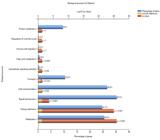
Hub-bottleneck graph with the most relevant nodes in the FORMALDEHYDE network. The x-coordinate shows the betweenness values, while the y-coordinate shows the node degree. The line above 100 node degree represents the above-average nodes (hubs-bottlenecks), which have a high capacity for interaction and/or signaling with other biological processes
Appendix 8

Hub-bottleneck graph with the most relevant nodes in the N-HEXANE network. The x-coordinate shows the betweenness values, while the y-coordinate shows the node degree. The line above 100 node degree represents the above-average nodes (hubs-bottlenecks), which have a high capacity for interaction and/or signaling with other biological processes
Appendix 9
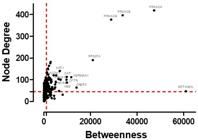
Hub-bottleneck graph with the most relevant nodes in the METHANOL network. The x-coordinate shows the betweenness values, while the y-coordinate shows the node degree. The line above 100 node degree represents the above-average nodes (hubs-bottlenecks), which have a high capacity for interaction and/or signaling with other biological processes
Appendix 10
Edited by
-
Responsible editors:
José Tarcísio Penteado BuschinelliLeila Posenato Garcia
The entire dataset that supports the results of this study is available in the SciELO Data repository, at: https://doi.org/10.48331/SCIELODATA.WSM4ZV

 Thumbnail
 Thumbnail
 Thumbnail
 Thumbnail
 Thumbnail
 Thumbnail
 Thumbnail
 Thumbnail
 Thumbnail