 Digital technologies for long-term management of bipolar disorder: advances and challenges
Abstract
Bipolar disorder is a severe and persistent mental health disorder characterized by recurrent fluctuations in mood, energy, and behavior. The global prevalence of bipolar disorder is estimated to be between 1% and 2%, not accounting for underdiagnosis. Given the importance of this condition and its management, we aimed to review the evidence as to whether mobile apps facilitate the management of bipolar disorder. Searches in PubMed, PsycINFO, Embase, Web of Science, and Scopus databases identified 33 studies, including 19 longitudinal studies, 11 cross-sectional studies, and two mixed-methods studies. We conclude that acceptance of mobile apps among health care professionals seems to depend on their reliability and efficient integration into the workflow. Patients are showing increasing interest in mobile apps for managing bipolar disorder, although digital literacy, economic limitations, and privacy and accessibility concerns still limit long-term adherence. In related research, methodological challenges, such as small sample sizes and the need for more robust study designs, indicate gaps in validating their effectiveness. When developing these apps, software companies need stronger scientific grounding, which shows the importance of collaboration among researchers, health care professionals, and industry to ensure that tools meet clinical demands.
Keywords:
Bipolar disorder; digital technology; mobile applications; patient; self-management
Introduction
Bipolar disorder is a mental illness characterized by recurrent fluctuations in mood, energy, and behavior that typically last from weeks to months. This persistent condition has a variable course that requires both non-pharmacological and pharmacological interventions to achieve mood stabilization. Although the exact etiology of the disorder is unknown, it is believed to be influenced by a complex set of developmental, genetic, neurobiological, and psychological factors. The essential feature of bipolar spectrum disorders is a history of mania or hypomania not caused by another medical, substance, or psychiatric disorder.1-3
According to the latest data from the Global Burden of Disease Study, there were 39.5 million cases of bipolar disorder in 2019, accounting for 8.5 million years lived with disability, which demonstrates this condition’ potential harm if not effectively managed.4 The suicide rate associated with bipolar disorder is approximately 20 to 30 times higher than that of the general population.5 Understanding and knowledge of the disorder are necessary to reduce its impact and the associated suicide rate.
Given the importance of this condition and its management, we conducted a literature review to determine whether digital technologies (intervention) facilitate the management (outcome) of bipolar disorder (problem). The focus on digital technologies is supported by the fact that recent advances have increased their potential as an alternative, potentially cost-effective strategy to address the complex challenges faced by health systems.6,7
Methods
We searched the PubMed, PsycINFO, Embase, Web of Science, and Scopus databases in October 2023, using the terms “bipolar disorder,” “software,” “technology,” “app,” “application,” and “mobile application.” We resorted to a title search because search attempts using Medical Subject Headings were neither efficient nor accurate, due to the gap between emerging scientific topics and the standardization of vocabulary in databases.8
This review included studies published between 2019 and 2023 in English, Spanish, French, or Portuguese featuring a description of their methodology and compatible results. The publication window was limited to the COVID-19 pandemic period, which drastically affected the field of mental health, based on the hypothesis that the development of new mobile apps for managing bipolar disorder increased during this period.
We excluded studies that did not explain their methodology, opinion articles, literature reviews, articles that did not clearly address the topic, and studies published before 2019. Given the variety of search results, we chose a mixed review approach, including qualitative and quantitative studies of varying complexity. The data were analyzed in 2024 and this article was completed in 2025.
The review team consisted of researchers with backgrounds in psychology, psychiatry, pharmacy, information science, technology, and public health. Four researchers independently analyzed the texts. There were no conflicts that required mediation.
Results
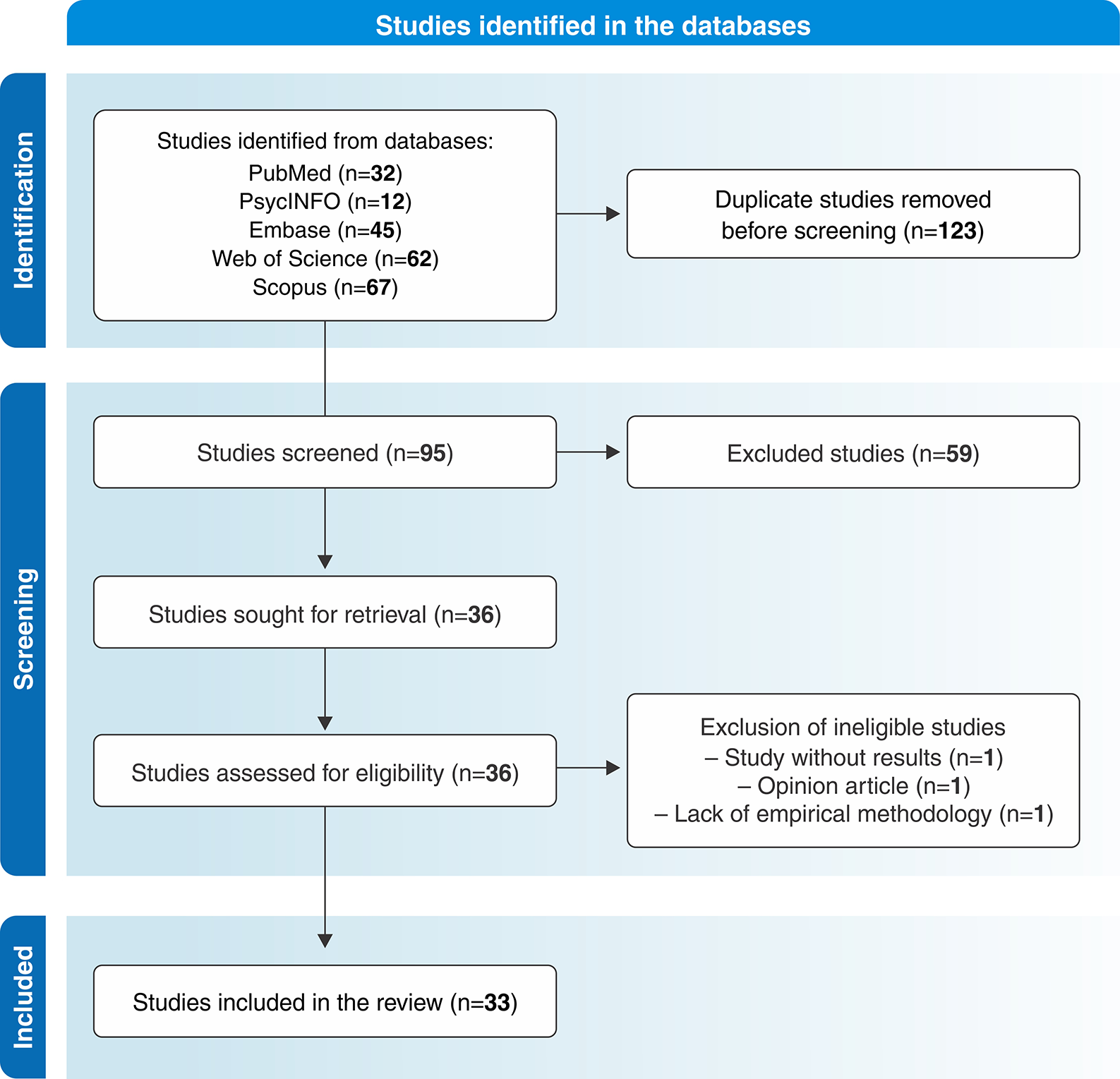
Table 1 shows the search strategy and results for each database.9 Figure 1, the Preferred Reporting Items for Systematic Reviews and Meta-Analyses flowchart,10 illustrates the study analysis process.

Study selection process according to Preferred Reporting Items for Systematic Reviews and Meta-Analyses guidelines.
A total of 33 studies with an identifiable methodology11 were selected for analysis, of which 19 were longitudinal studies, 11 were cross-sectional studies, and two were mixed methods studies (Table 2). These studies were conducted in the Americas (United States, Canada, Brazil), Europe (Austria, Spain, Iceland, Norway, Netherlands, United Kingdom), and Asia (Turkey, Iran, Taiwan); some survey studies were not restricted to a single country.
Most studies (n=23) assessed a mobile app developed by the research group or their partners, whereas five studies surveyed mobile app usage, three focused on smartphone use, and two conducted a requirements analysis for mobile apps.
Development and assessment of mobile apps
The web application C-IMPACT BD was developed to improve adherence to Canadian clinical guidelines for the management of bipolar disorder in medical practice.28 It provides adaptive questions about patient-specific information, text or video descriptions of guidelines, and personalized evidence-based treatment recommendations. Canadian physicians were invited to use the app and record its effects on their prescribing behavior. As a result, a change in therapy was considered for 225 (60%) of 375 bipolar disorder patients. At baseline, 59.6% of these patients were receiving first-line therapy, but this increased to 76.9% (p < 0.01) after employing the app. Thus, the tool showed promise for improving physician adherence to clinical guidelines.
The Life Goals mobile app was designed to track daily mood swings in people with bipolar disorder. An initial study included 26 participants with bipolar disorder and 12 healthy controls who used the app for 28 days.40 The results showed a high rate of adherence (91% of prompts completed), with variations in phone use associated with changes in mood. The authors concluded that the app could provide useful clinical information in an accessible and inexpensive manner, although the limited sample and exclusive use of smartphones were study limitations. In another longitudinal study, researchers examined the feasibility and acceptability of the Life Goals app for self-managing bipolar disorder symptoms over 6 months.41 Most of the 28 participants found the app useful and easy to use, with the depression and anxiety modules being the most frequently accessed. Although the participants were satisfied with the app, the authors noted limitations in the sample size and the participants’ digital literacy. Two other studies on user acceptability and satisfaction were found. Carley et al.17 evaluated the Life Goals app to determine acceptability and user perceptions among 60 adults with bipolar disorder. The participants used the app for 6 months and completed a post-study questionnaire. Although high levels of acceptability and usability were observed, there was little progress in the participants’ well-being and health. The authors concluded that the app is easy to use and has an intuitive interface, but leads to little success in bipolar disorder self-management. The small sample size was cited as a study limitation. In another study, 74 participants used the app for 6 months and then participated in a satisfaction survey.18 Again, the majority of users reported little or no difficulty using the app. However, less than half of the users agreed that the material was useful for health management. Reaching the same conclusions as the previous study, the authors suggested refining the app and conducting a new study with a larger and more diverse sample of participants. Finally, Rusch et al.39 analyzed the experience of 18 patients with bipolar disorder who used the Life Goals app for 6 months. They also extended the study to assess the participants’ interest in sharing app data through an online panel. The participants rated the mood-tracking modules positively, finding them useful and interesting, with a positive impact. However, they indicated that some components were archaic or impersonal. Regarding the implementation of an online dashboard, some participants were positive about the proposal, while others expressed doubts about the app’s effectiveness and data privacy.
KIOS was designed to track symptoms and determine the precise status of bipolar disorder.16 The software was developed by gathering requirements from eight experts, psychiatrists with experience in large, high-impact long-term clinical studies of bipolar disorder over the past 15 years. After development, a study of 20 patients with bipolar disorder was conducted to assess usability. Most patients rated each of the usability parameters as 6 or 7 on a scale of 1 to 7 (7 being the best). A subsequent randomized controlled trial compared KIOS with the eMoods app in 122 patients over 52 weeks.37 Patients assigned to KIOS remained in the study longer than those assigned to eMoods; 57 patients (87.7%) in the KIOS group vs. 42 (73.7%) in the eMoods group completed the study (p = 0.03). More patients in the KIOS group (84.4%) than in the eMoods group (54%) entered their data into the app (p < 0.01), and patient satisfaction was higher with KIOS (p = 0.025). There was no difference in clinical outcome between the groups at the end of the study. In conclusion, patient satisfaction was good and there was greater acceptance of a patient-centered software program (KIOS) than a monitoring program without feedback (eMoods).
The BraPolar application was designed to detect fluctuations in mood and behavior.32 The usability of a pilot app was investigated in a longitudinal study. Six people without bipolar disorder, ages 26 to 54, reported that the app was satisfactory and easy to use, but the researchers noted a need to improve it. Study limitations included the length of time it took to analyze the app for patients with bipolar disorder. Another study assessed the app’s functionality for remote patient monitoring, analyzing data from five healthy patients for 1 month.33 Five health care professionals agreed that the app was easy to use and provided useful information. They concluded that the app allowed them to monitor behavioral changes and reduce the lack of information between consultations, but reported the small sample size and short follow-up period as study limitations.
Sigurðardóttir et al.43 followed 12 patients with schizophrenia and nine patients with bipolar disorder for 6 weeks using smartwatches and the DataWell app as treatment support. Data were collected on anxiety, depression severity, views on technology, self-efficacy, empowerment, and the effect of self-monitoring. The results indicated that patients felt encouraged to monitor and share their data with health care professionals. They concluded that smartwatches and mobile apps could effectively support treatment for mental disorders such as schizophrenia and bipolar disorder.
In people with bipolar disorder and healthy controls, Fellendorf et al.21 investigated acceptance of the UP! mobile app, in addition to sleep time, which was assessed through a sleep quality index and sleep data recorded using an external accelerometer. The sample consisted of 22 individuals with bipolar disorder and 23 healthy controls. The study, which lasted 6 months, showed that the app was valid for measuring the time users fall asleep and wake up. Most of the participants with bipolar disorder found the app-generated behavioral graph useful, as well as the app’s ability to visualize their sleep trajectory and its easy integration into daily life, reporting that they would use the app to help manage the disorder. The researchers concluded that a tool that detects early warning signs, such as altered sleep patterns, may help manage bipolar disorder. However, the small sample size and the low frequency of symptomatic episodes during the study period were reported as study limitations.
Bjella et al.14 developed the MinDag app to collect longitudinal data on relevant bipolar disorder symptoms and lifestyle behaviors. To develop this app, beta and pilot tests were conducted with 23 participants. The researchers considered the app to be well-received and that participants provided satisfactory feedback. As study limitations, one participant noted a feeling of being watched, and another reported feeling irritated. The authors emphasized the importance of considering these “collateral factors” in the context of personal surveillance experiences. Users experienced bugs and other technical difficulties that interfered with their use of the tool. Thus, technical competence and resources were critical to the development and maintenance of the app.
C.A.L.M was a prototype mobile app developed in collaboration with young people with bipolar disorder, their families, clinicians, human-computer interaction researchers, and an app development company.42 The app was assessed in a sample of 13 individuals over 90 days. Three participants did not complete the study. The features that users liked the most were mood tracking and the ability to notify emergency contacts. The least liked features were the free text section, the listing of only four moods in the app, and the inability to set reminders. Users reported that the ability to create personal profiles, receive different kinds of notifications, and share data with doctors and friends should be added. The researchers concluded that involving patients in the development process was of great value to the success of the prototype, as was the real-time data collection, which allowed more reliable and personalized symptom assessment. Study limitations included the small sample size, the lack of a control group, and the short assessment duration.
Bonnín et al.15 investigated whether the cognitive impairment of some patients with bipolar disorder affects the use, engagement, and retention of information presented by the SIMPLe app. They performed a post hoc analysis of data from 27 patients from one study, comparing it with equivalent data from a control group of 50 healthy patients from another study. They found that a longer history of smartphone use correlated positively with cognitive variables, and that the group with cognitive deficits had greater difficulty accurately reporting depressive symptoms with the app. This group also performed worse than the control group in virtually all of the app’s analyses, such as naming animals and processing time. They concluded that although a longer history of smartphone use had a positive effect on variables that affect app use, it did not affect engagement with the app or usability, and no cognitive deficit had a significant effect on app use, which may be partly explained by the sample’s mild cognitive impairment. Study limitations included the fact that not all cognitive variables were measured in the main study, that the history of smartphone use was not measured in the control group, and the small sample size, which limits the generalizability of the results.
Geerling et al.22,23 investigated development requirements for the WELLBE BD app for patients with bipolar disorder, based on the opinions of eight patients and five health care professionals. Data were collected on a prototype through focus groups, questionnaires, rapid prototyping, and online feedback. The results indicated that apps focused on positive psychology could meet some patient needs, such as boosting self-esteem and offering hope. Another study analyzed factors that influenced health app use among 41 patients with bipolar disorder, finding that adaptability, ease of use, reliability, and assurance of privacy were critical factors in continued use.24 The researchers also evaluated the effectiveness of the WELLBE BD app in a survey of 41 participants with bipolar disorder, finding that although the app was user friendly, technical problems and a lack of technical support hindered use.25
In Taiwan, Lin et al.30 developed and tested the feasibility of a smartphone app called the Early-Relapse Recognition Model for early relapse recognition in 43 patients with bipolar disorder. They aimed to improve treatment accessibility and adherence by using smart technology to detect early signs of relapse. Patients were followed prospectively and longitudinally for 3 months through artificial intelligence techniques to analyze mood data collected from their smartphones. Ten participants were also interviewed to provide their subjective experiences. The authors found the app to be a technological alternative for early relapse detection in individuals with bipolar disorder, although they acknowledged that the sample size was a limitation. Following up on the previous study, Pan & Lin38 conducted a longitudinal study of 193 patients to analyze usage of this app in patients with bipolar disorder. In the 3-month study period, patients were assessed before and after using the app, with significant improvements occurring in the areas of mood control (t = -3.07, p < 0.01), social support (t = 2.41, p = 0.018), and self-reported symptoms of distress and mania (t = 2.46, 2.22, p = 0.03, 0.016). The authors reported low patient adherence as a study limitation. In another study, Tseng et al.44 compared data obtained from an app with clinical data, examining the relationship between mood, sleep, and activity levels in patients with bipolar disorder. Data were collected in person through a questionnaire and automatically by the app from 159 patients with bipolar disorder treated at a psychiatric outpatient clinic. The results showed that mood, sleep, and activity levels were interrelated in patients with bipolar disorder, demonstrating the app’s potential as a reliable data source for real-time monitoring of fluctuations in bipolar disorder. Study limitations included irregular use of the app and the stability of the patients’ symptoms, which prevented generalization of the results to patients with more severe symptoms. Finally, Lin et al.31 evaluated the effectiveness of two different incentive systems to improve usage frequency of a mobile app called the Mood Relapse Warning Application in patients with bipolar disorder. The methodology was a single-group pre- and post-test pilot study. The 63 participants with bipolar disorder recorded their mood states and symptoms in the application for 29 weeks. The dropout rate was 44%. Two types of incentive systems were used: reward and lottery. Although there was no significant difference app use frequency for either incentive alone (reward [n=63, p > 0.05] or lottery [n=41, p > 0.05]), there was a significant change in the frequency of use (p < 0.05) among patients who tried both types of incentive systems (n=35), which provides insight for future app development.
Using the Bipolar Tracking Assistant, a web-based psychoeducational-interactive-therapeutic software program that uses artificial intelligence algorithms, Akbarzadeh et al.12 screened patients with bipolar disorder for symptoms, relapse, and correct medication use to provide better management and prevent future complications. The study included 30 patients with bipolar disorder who were followed for 1 year, comparing their mood episodes before and after they used the software. In patients who used the software, mood episodes reduced from four to three per year. This was the first Persian-language software based on artificial intelligence to monitor clinical symptoms in patients with bipolar disorder, and the results were positive.
Mobile apps
Morton et al.34 conducted an international web-based survey of 919 people with bipolar disorder (97.5% of whom used smartphone apps) to investigate their concerns about various app features. Although concerns about privacy were prevalent, the most commonly prioritized features were content quality/accessibility, ease and flexibility of use, cost, and data security. Given that since the sample was drawn from individuals interested in apps for bipolar disorder, the results may not be generalizable to the broader population of patients, who may lack digital literacy or access to smartphones. In another study, these researchers characterized the use of mood and sleep support apps among people with bipolar disorder, assessing their quality, safety, and functionality.36 Many participants (41.6%) used a self-management app to help with mood or sleep and, in general, they felt these apps were developed by commercial companies for the general public and lacked specificity or evidence regarding bipolar disorder, which could pose risks.
Morton et al.35 quantitatively surveyed 80 health care professionals regarding their perspectives, practices, and difficulties in using apps for bipolar disorder. Half of the respondents reported discussing and recommending these apps in clinical practice, but they lacked knowledge and confidence about using these apps and expressed concern about lack of interest or digital exclusion among patients. The authors emphasized that professionals must be better informed about digital interventions for patients with bipolar disorder.
Lagan et al.29 analyzed 107 bipolar disorder apps regarding privacy, clinical basis, resources, interoperability, and accessibility, finding that most explicitly mentioned bipolar disorder in the title, description, or content. However, only one of the apps had been proven effective in a peer-reviewed study, and 32 did not have a privacy policy. Their most common features were mood tracking and psychoeducation. The lack of clinical evidence was considered a significant limitation.
In a university outpatient clinic, Ceylan et al.20 conducted a cross-sectional study of 120 participants aged 18-75 years with bipolar disorder regarding interest in and use of smartphone apps. The majority owned a smartphone (80%) and used mobile health tracking apps, including sleep monitoring (nine patients), step counting (18 patients), heart rate monitoring (14 patients), and mood tracking (three patients). The majority (79.5%) felt that an app would be useful for detecting future depressive episodes, and 79.2% expressed interest in using such an app. The authors concluded that the patients were familiar with smartphones and mobile apps and were interested in symptom monitoring apps.
Gürcan et al.26 applied a questionnaire to Turkish psychiatrists (n=378) to determine their opinions and concerns about using smartphone apps in follow-up for people with bipolar disorder. Only 3% expressed confidence in the potential benefits of mobile applications, although approximately 60.2% reported that they would recommend apps to patients with bipolar disorder. The psychiatrists believed that apps can be useful for sleep tracking (94.7%), medication tracking (92.9%), improving adherence (83.2%), mood tracking (77%), and psychosocial interventions (52.2%). The main barriers to recommending such apps were a lack of knowledge (67.3%) and safety concerns (42.5%). This study highlighted the importance of educating psychiatrists about app use.
Bennett et al.13 investigated the feasibility of using passive smartphone interaction data in an early warning system to measure mood instability in bipolar disorder based on Patient Health Questionnaire scores. Using the BiAffect app, they conducted a prospective analytic study of 328 participants with and without bipolar disorder. Machine learning techniques were applied to predict fluctuations in Patient Health Questionnaire scores, and a hybrid rebalancing approach achieved the best performance, with approximately 90% accuracy in predicting mood fluctuations. The results suggest that passive technological interactions can be an effective tool for monitoring mood disorders, such as bipolar disorder. The study also indicated that trauma and post-traumatic stress disorder could exacerbate mood instability and influence typing patterns on smartphone apps.
Determining requirements
Casarez et al.19 investigated whether the well-being of spouses or partners of people with bipolar disorder could be improved through mobile health technology. Recruiting 13 participants, they conducted five focus groups and one in-depth individual interview. They found that at least three aspects should be considered when developing mobile apps: reducing stress by suggesting ways to improve interpersonal communication between spouses or partners; providing resources and up-to-date information about bipolar disorder; and offering support with parenting tasks, such as talking to children about the illness. The authors highlighted the role of mobile apps in helping families reduce stress and suggested that mental health professionals should be involved in their development.
Based on bibliographic research, Heydarian et al.27 analyzed mobile apps, interviewing five patients with bipolar disorder and exploring the point of view of seven experts in an effort to review the design characteristics of an app for self-monitoring in bipolar disorder and the need for apps to manage and monitor bipolar patients. Despite encountering limitations, such as a number of articles published in languages other than English, they concluded that there is a positive relationship between apps and mental health, as apps can help patients manage their emotions.
Discussion
Researchers and research institutions worldwide are involved in the development of apps and other long-term monitoring technologies for bipolar disorder, which underscores the relevance of this topic and its emergence the international literature. The broad geographical distribution of the included studies also suggests that different sociocultural contexts and health systems influence the way digital technologies are developed and used. The studies also show progress, challenges, and prospects in digital technologies for long-term management of bipolar disorder in at least four types of agents: health care professionals, patients, scientists, and software developers, which will be discussed below.
Health care professionals
Among health care professionals, a lack of knowledge about bipolar disorder management apps may be a barrier to their use in clinical practice.35 They also expressed concerns about the safety and reliability of these apps, which could lead to further resistance.26 However, apps that are integrated into the workflow are more likely to be accepted and successful.33 When used appropriately, bipolar disorder management apps can positively influence evidence-based prescribing and contribute to better informed clinical decisions.28
Patients
Several challenges continue to hinder patient acceptance of bipolar disorder management apps. Limited digital literacy can restrict their use, as can data privacy concerns24,29,35,39,41 and affordability issues.34,40 Some patients also reported discomfort from feeling constantly monitored,21 while others felt that the apps had no direct impact on their condition. Low adherence to continuous use was another limiting factor.31,38,44
Nevertheless, some authors reported that patients are interested in using these tools20 and that there is a growing acceptance of bipolar disorder management apps.16,17,21,39,41,43 Studies also point out that apps can support both patients and their families19 and can help monitor for relapses.30 They point out that these apps can provide psychological benefits, such as increased self-esteem and hope,22,23 and that usability, adaptability, and reliability are essential factors for patient adherence.24 Innovative approaches in artificial intelligence have been found to effectively reduce bipolar symptoms,12 and passive data collection can also be useful in managing the condition.13 The potential benefits of these tools underscore the need for continuous improvement to broaden their acceptance and increase their effects.27
Researchers
Research on long-term bipolar disorder management apps faces methodological challenges and needs improvement. Small sample sizes are an important obstacle in related research, limiting the generalizability of the results.17,18,21,33 There is also a clear need to refine the available apps to ensure greater efficacy and better adaptation to the complexities of bipolar disorder.18,29,39
Another critical issue is the importance of patient-centered apps to ensure that digital solutions consider individual needs and variable treatment response.37,42 Randomized controlled trials are needed to improve the quality of the evidence, since they allow for more robust assessments of technological interventions.16 Moreover, the time required to analyze and validate these apps remains an important factor, requiring methodological approaches that include long-term assessment.32 These challenges highlight the importance of structured research to ensure that technological innovations become effective and safe tools for treating bipolar disorder.
The authors also highlighted the need for adequate technical support during the development of bipolar disorder management apps, pointing out how technical errors can discourage their use during the testing phase, which can be detrimental to participant retention and data collection.14,24
Developers
Companies that develop bipolar disorder management apps often create products for the public without sufficient scientific grounding or specificity to adequately address the particularities of the disorder.36 This can create risks for users, which makes it essential for health professionals to be vigilant and critically evaluate both the benefits and limitations of these apps in a clinical context.
Conclusions
Although digital technologies hold promise for the long-term management of bipolar disorder, they still face significant challenges. This review has shown how mobile apps are developed in different countries and how they affect different agents (health professionals, patients, researchers, and developers), involving both advances and limitations.
For health care professionals, acceptance of these apps seems to depend on their reliability and their efficient integration into the workflow. Patients are showing increasing interest in these apps, although digital literacy, economic constraints, and concerns about security, privacy, and accessibility still limit their use and long-term patient adherence. In research, methodological challenges, such as small patient samples and the need for more robust study designs, indicate validation gaps. Software developers need a stronger scientific basis when designing new apps, which indicates the importance of collaboration between researchers, health care professionals, and the industry to ensure that these tools safely and effectively meet clinical needs.
In light of these findings, more thorough investigation of the effects of digital technologies is needed, including exploration of strategies to overcome the above mentioned challenges. A combination of scientific rigor, technological innovation, and active patient and professional participation will be essential if these tools are to reach their full potential and make a significant contribution to treatment for people with bipolar disorder.
Acknowledgements
This study received financial support from Fundação de Apoio ao Ensino, Pesquisa e Assistência (FAEPA), Hospital das Clínicas, Faculdade de Medicina de Ribeirão Preto, Universidade de São Paulo, Brazil; from Conselho Nacional de Desenvolvimento Científico e Tecnológico (CNPQ; grants 406079/2023-4 and 309698/2025-1).
Professor Dr. Maria Cristiane Barbosa Galvão and Professor Dr. Ivan Luiz Marques Ricarte are the coordinator and vice-coordinator, respective, of Confluencia: Grupo de Estudos Avançados em Tecnologia e Informação em Saúde com foco em Populações Vulneráveis, Instituto de Estudos Avançados, Universidade de Paulo, Ribeirão Preto.
Data availability statement
Not applicable.
References
- 1 Drayton SJ, Fields CS. Bipolar disorder. In:DiPiro JT, Yee GC, Posey M, Haines ST, Nolin TD, Ellingrod V, editors. Pharmacotherapy: a pathophysiologic approach. New York: McGraw Hill; 2020. p. 1149-64.
- 2 Stein DJ, Szatmari P, Gaebel W, Berk M, Vieta E, Maj M, et al. Mental, behavioral and neurodevelopmental disorders in the ICD-11: An international perspective on key changes and controversies. BMC Med. 2020;18:21.
- 3 World Health Organization. International Classification of Diseases. 11th revision. Geneva: WHO;2022.
- 4 GDB 2019 Mental Disorders Collaborators. Global, regional, and national burden of 12 mental disorders in 204 countries and territories, 1990-2019: a systematic analysis for the Global Burden of Disease Study 2019. Lancet Psychiatry. 2022;9:137-150.
- 5 Cox J, Seri S, Cavanna A. Clinical guidelines on long-term pharmacotherapy for bipolar disorder in children and adolescents. J Clin Med. 2014;3:135-43.
- 6 dos Santos AF, Sobrinho DF, Araujo LL, Procópio CSD, Lopes EAS, de Lima AMLD, et al. Incorporação de Tecnologias de Informação e Comunicação e qualidade na atenção básica em saúde no Brasil. Cad Saude Publica. 2017;33:e00172815
- 7 Araújo HPA, dos Santos LC, Alencar RA. Telemedicine: the experience of health professionals in the supplementary sector. Rev Esc Enferm. 2023;57:e20220374
- 8 Mello LM, Galvão MCB. Searching for health information for academic and clinical purposes: possibilities and challenges. Res Soc Dev. 2022;11:e41011326726.
- 9 Page MJ, McKenzie JE, Bossuyt PM, Boutron I, Hoffmann TC, Mulrow CD, et al. The PRISMA 2020 statement: An updated guideline for reporting systematic reviews. BMJ. 2021;372:n71.
- 10 Haddaway NR, Page MJ, Pritchard CC, McGuinness LA. PRISMA2020: An R package and Shiny app for producing PRISMA 2020-compliant flow diagrams, with interactivity for optimised digital transparency and Open Synthesis. Campbell Syst Rev. 2022;18:e1230.
- 11 Galvão MCB, Ricarte ILM. Revisão sistemática da literatura: conceituação, produção e publicação. Logeion Filos Inf. 2019;6:57-73.
- 12 Akbarzadeh F, Ebrahimi A, Akhlaghi S, Rajai Z, Kalat AR, Esfehani RJ, et al. Implementation of educational-interactive-psychiatric management software for patients with bipolar disorder. Med J Islam Repub Iran. 2022;36:126.
- 13 Bennett CC, Ross MK, Baek EG, Kim D, Leow AD. Predicting clinically relevant changes in bipolar disorder outside the clinic walls based on pervasive technology interactions via smartphone typing dynamics. Pervasive Mob Comput. 2022;83:101598.
- 14 Bjella TD, Høegh MC, Olsen SH, Aminoff SR, Barrett E, Ueland T, et al. Developing “MinDag” – an app to capture symptom variation and illness mechanisms in bipolar disorder. Front Med Technol. 2022;4:910533.
- 15 Bonnín C del M, Solé B, Reinares M, García-Estela A, Samalin L, Martínez-Arán A, et al. Does cognitive impairment in bipolar disorder impact on a SIMPLe app use? J Affect Disord. 2021;282:488-94.
- 16 Bowden CL, Priesmeyer R, Tohen M, Singh V, Calabrese JR, Ketter T, et al. Development of a patient-centered software system to facilitate effective management of bipolar disorder development of a patient-centered software system. Psychopharmacol Bull. 2021;51:8-19.
- 17 Carley I, Vest-Wilcox E, Liebrecht C, Navis B, Smith S, Bertram H, et al. Life goals self-management mobile application for bipolar disorder: Consumer acceptability and perceptions. Bipolar Disord. 2021;23:97-8.
- 18 Carley I, Smith S, Kaur R, Yocum A, Rusch A, Vest-Wilcox E, et al. Life goals self-management application for bipolar disorder: satisfaction, usability and participant feedback. Bipolar Disord. 2022;24:61-2.
- 19 Casarez R, Meyer TD, Soares J. Using mobile health technology to improve well-being in caregivers of patients with bipolar disorder. J Affect Disord. 2019;254:140.
- 20 Ceylan D, Özel F, Verim B, Kalayci I, Ekici MY, Özerdem A. Mobile technology use and smartphone application interest in patients with bipolar disorder. Eur Neuropsychopharmacol. 2021;53:S67.
- 21 Fellendorf FT, Hamm C, Dalkner N, Platzer M, Sattler MC, Bengesser SA, et al. Monitoring sleep changes via a smartphone app in bipolar disorder: practical issues and validation of a potential diagnostic tool. Front Psychiatry. 2021;12:641241.
- 22 Geerling B, Kelders SM, Stevens AWMM, Kupka RW, Bohlmeijer ET. A web-based positive psychology app for patients with bipolar disorder: development study. JMIR Form Res. 2022;6:e39476.
- 23 Geerling B, Kelders S, Stevens A, Kupka R, Bohlmeijer E. Developing an online positive psychology application for people with bipolar disorder; ‘How expectations of consumers and professionals turned into an intervention. ’ Eur Psychiatry. 2022;65:S409.
- 24 Geerling B, Kelders S, ten Klooster P, Stevens A, Kupka R, Bohlmeijer E. Can digital positive psychology interventions improve the quality of life in bipolar disorder? Feasibility, acceptability and preliminary outcomes of a positive psychology application. Bipolar Disord. 2023;25:106.
- 25 Geerling B, Kelders SM, Stevens AWMM, Kupka RW, Bohlmeijer ET. Why patients diagnosed with bipolar disorder start, continue or discontinue health-related apps supporting their self-management. J Psychiatr Ment Health Nurs. 2023;30:537-46.
- 26 Gürcan A, Çelik HE, Alici YH, Bagcaz A, Ercis M, Ceylan D. Use of smartphone applications in the follow-up of individuals with bipolar disorder: psychiatrists’ opinions and concerns. Bipolar Disord. 2022;24:52.
- 27 Heydarian S, Shakiba A, Rostam Niakan Kalhori S. The Minimum Feature Set for Designing Mobile Apps to Support Bipolar Disorder-Affected Patients: Proposal of Essential Functions and Requirements. J Healthc Inform Res. 2023;7:254-76.
- 28 Kozicky JM, Schaffer A, Beaulieu S, McIntosh D, Yatham LN. Use of a point-of-care web-based application to enhance adherence to the CANMAT and ISBD 2018 guidelines for the management of bipolar disorder. Bipolar Disord. 2022;24:392-9.
- 29 Lagan S, Ramakrishnan A, Lamont E, Ramakrishnan A, Frye M, Torous J. Digital health developments and drawbacks: a review and analysis of top-returned apps for bipolar disorder. Int J Bipolar Disord. 2020;8(1):39.
- 30 Lin ECL, Chen PS, Wu CH, Chen LY. Development and feasibility testing of a continuous moodsensor smartphone application to construct an early-relapse recognition model for individuals with bipolar disorder. Bipolar Disord. 2020;22:118.
- 31 Lin YH, Cheng FH, Lin ECL. Providing Incentives on a Smartphone-Based Mood Relapse Warning Application among Patients with Bipolar Disorder. Eur Psychiatry. 2023;66:S276-7
- 32 Mondéjar AG, Silva-Calpa GFM, Raposo AB, Mograbi DC. BraPolar: an m-health application for remote monitoring of people with bipolar disorder. In: International Conference on Serious Games and Applications for Health (SeGAH). Kyoto: IEEE; 2019. p. 54.
- 33 Mondejar AG, Silva-Calpa GFM, Raposo AB, Mograbi DC. An m-health application for remote monitoring of people with bipolar disorder through digital phenotyping and smartphone dependency. In: IEEE Symp Comput Based Med Syst. Rochester: IEEE; 2020. p. 388-91.
- 34 Morton E, Nicholas J, Lapadat L, O’Brien HL, Barnes SJ, Poh C, et al. Use of smartphone apps in bipolar disorder: an international web-based survey of feature preferences and privacy concerns. J Affect Disord. 2021;295:1102-9.
- 35 Morton E, Torous J, Murray G, Michalak EE. Using apps for bipolar disorder – An online survey of healthcare provider perspectives and practices. J Psychiatr Res. 2021;137:22-8.
- 36 Morton E, Nicholas J, Yang L, Lapadat L, Barnes SJ, Provencher MD, et al. Evaluating the quality, safety, and functionality of commonly used smartphone apps for bipolar disorder mood and sleep self-management. Int J Bipolar Disord. 2022;10:10.
- 37 Pahwa M, McElroy SL, Priesmeyer R, Siegel G, Siegel P, Nuss S, et al. KIOS: A smartphone app for self-monitoring for patients with bipolar disorder. Bipolar Disord. 2024;26:84-92.
- 38 Pan AN, Lin ECL. P79 The effects of using a smartphone application ‘early self-management’ among patients with bipolar disorder. Bipolar Disord. 2022;24(Suppl. 1):35-65.
- 39 Rusch A, Carley I, Badola P, Liebrecht C, McInnis M, Ryan KA, Smith SN. Digital mental health interventions for chronic serious mental illness: Findings from a qualitative study on usability and scale-up of the Life Goals app for bipolar disorder. Front Digit Health. 2022;4:1033618.
- 40 Ryan KA, Babu P, Easter R, Saunders E, Lee AJ, Klasnja P, et al. A smartphone app to monitor mood symptoms in bipolar disorder: Development and usability study. JMIR Ment Health. 2020;7:e19476.
- 41 Ryan KA, Smith SN, Yocum AK, Carley I, Liebrecht C, Navis B, et al. The Life Goals Self-Management Mobile App for Bipolar Disorder: Consumer Feasibility, Usability, and Acceptability Study. JMIR Form Res. 2021;5:e32450.
- 42 Sharma AN, Barron-Millar E, Gaskell M, Glod M, Kaushal P, Grieve K, et al. Technology matters: collaboratively augmenting longitudinal monitoring (C. A. L. M) in bipolar disorder – co-design, co-production and evaluation of the alpha prototype app. Child Adolesc Ment Health. 2022;27:427-9.
- 43 Sigurdardóttir SG, Islind AS, =skarsdóttir M. Collecting data from a mobile app and a smartwatch supports treatment of schizophrenia and bipolar disorder. In:Séroussi B, editor. Challenges of Trustable AI and Added-Value on Health. Amsterdam: IOS Press BV; 2022. p. 239-43.
- 44 Tseng YC, Lin ECL, Wu CH, Huang HL, Chen PS. Associations among smartphone app-based measurements of mood, sleep and activity in bipolar disorder. Psychiatry Res. 2022;310:114425.