 Musical Education in the context of Law 5.692/71 in the State of Guanabara: resistance to the reformist movement
This article aims to analyze the marks of resistance in the discourse of the Music Education Service (SEMA) regarding the creation of the Art Education discipline within the context of Law No. 5,692/71 in the state of Guanabara. This documentary and bibliographical research is situated within the field of new cultural history, drawing on the history of school subjects, the concept of tactics in everyday life theory, and studies of reform processes in the school context as its theoretical framework. The main research sources were SEMA publications, among which four issues of the magazine TEMA (published between 1969 and 1974) stand out; newspaper reports from the period; and official documents from the Guanabara government on the educational reform. The procedures for analyzing the sources considered the context, the author or authors (personal or institutional), the authenticity and reliability of the document, its nature and the key concepts present in the text, as well as its internal logic. The results indicate that SEMA’s primary tactic of resistance was to publicly support the reform while simultaneously seeking to incorporate its own conception of music education into the regulations governing its implementation. In this way, despite losing ground, music continued to be practiced in schools in Guanabara even after the creation of Art Education as a subject.
Keywords:
educational reform; military dictatorship; artistic education; musical education; history of school subjects
 Thumbnail
 Thumbnail
 Thumbnail
 Thumbnail
 Thumbnail
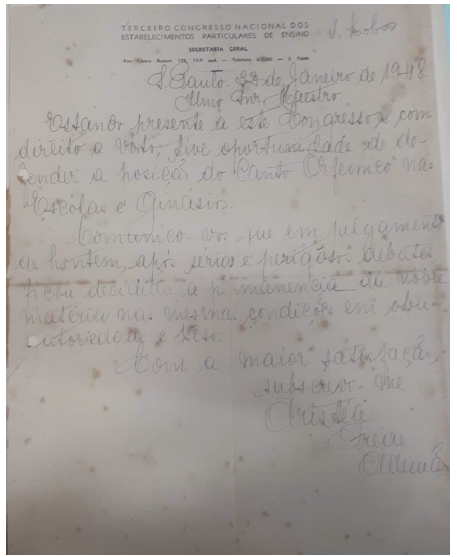 Note. Sectoral Archive of CLA - UNIRIO.
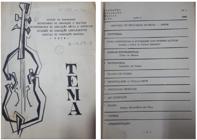
 Note. National Library. Catalog of Serial Publications (physical collection).
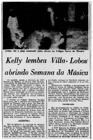
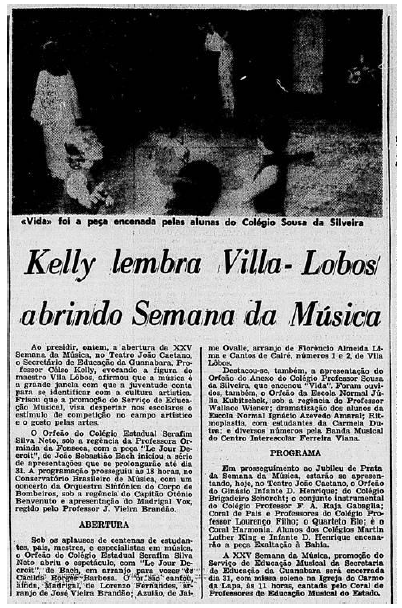 Note. Reproduced from Kelly lembra Villa-Lobos abrindo Semana da Música, Diário de Notícias, October 26, 1972, p. 5.
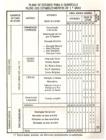
 Nota. Adapted from Subsídios para a elaboração dos currículos plenos dos estabelecimentos oficiais de ensino de 1º grau (n.d., p. 284). Bloch Education.
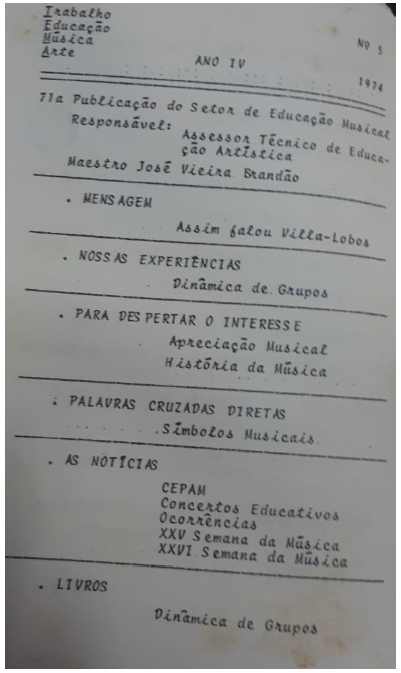 Note. National Library. Catalog of Serial Publications (physical collection).