 Human papillomavirus-based vs. cytology for cervical cancer screening: a systematic review with meta-analysis
Objective: To evaluate the performance of HPV-based testing compared to cytology in primary cervical cancer screening.
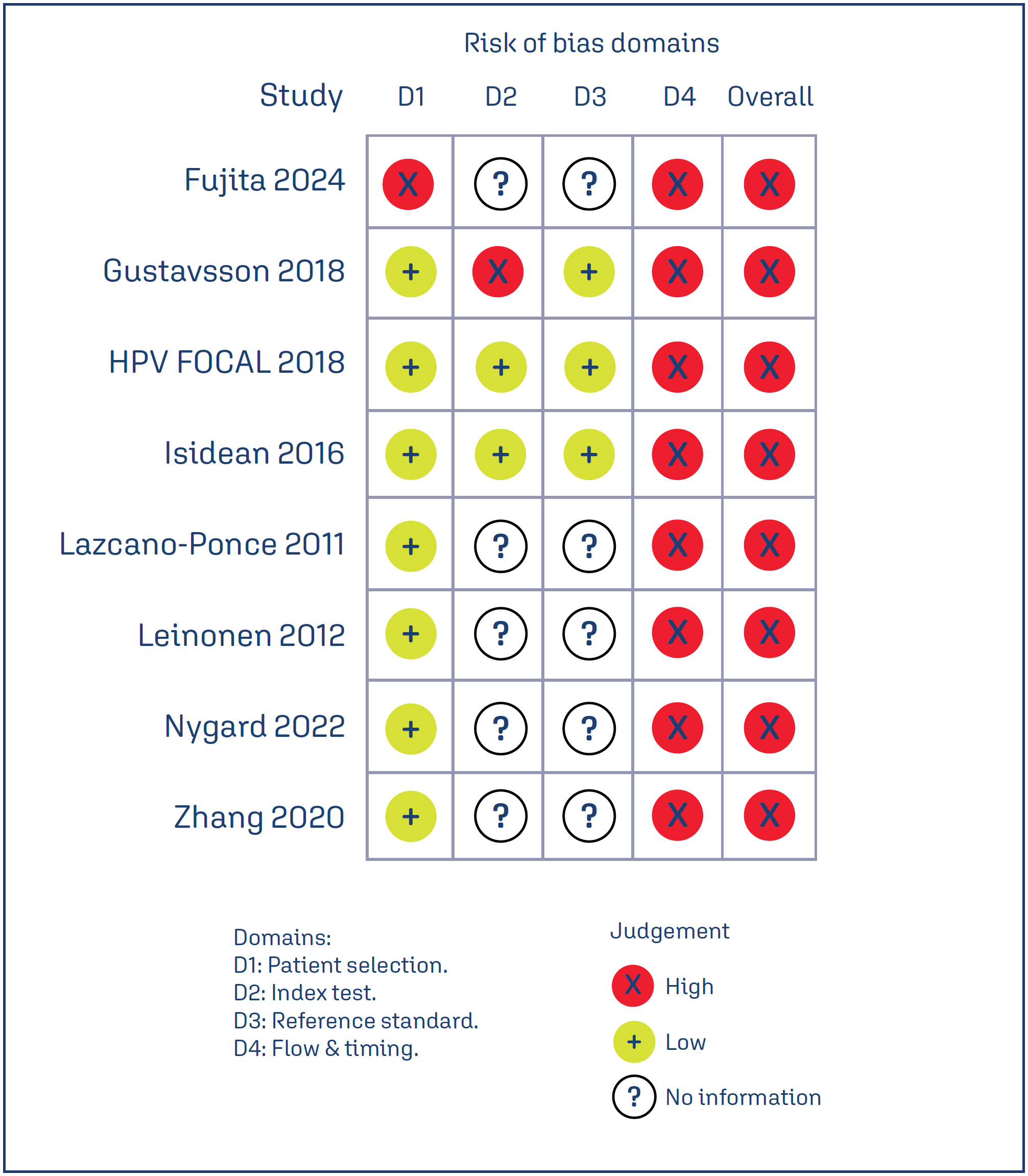
Study selection: This meta-analysis included randomized trials comparing HPV-based screening with cytology in women aged 20–69 with at least one year of follow-up. Studies with overlapping populations, combining screening methods, lacking outcomes of interest, or study protocols were excluded. CENTRAL, PubMed/MEDLINE, and Embase were searched on April 12, 2025. The main outcome is the detection rate of cervical neoplasia grade 2 or worse (CIN2+).
Data collection: Analyses followed Cochrane and PRISMA guidelines.
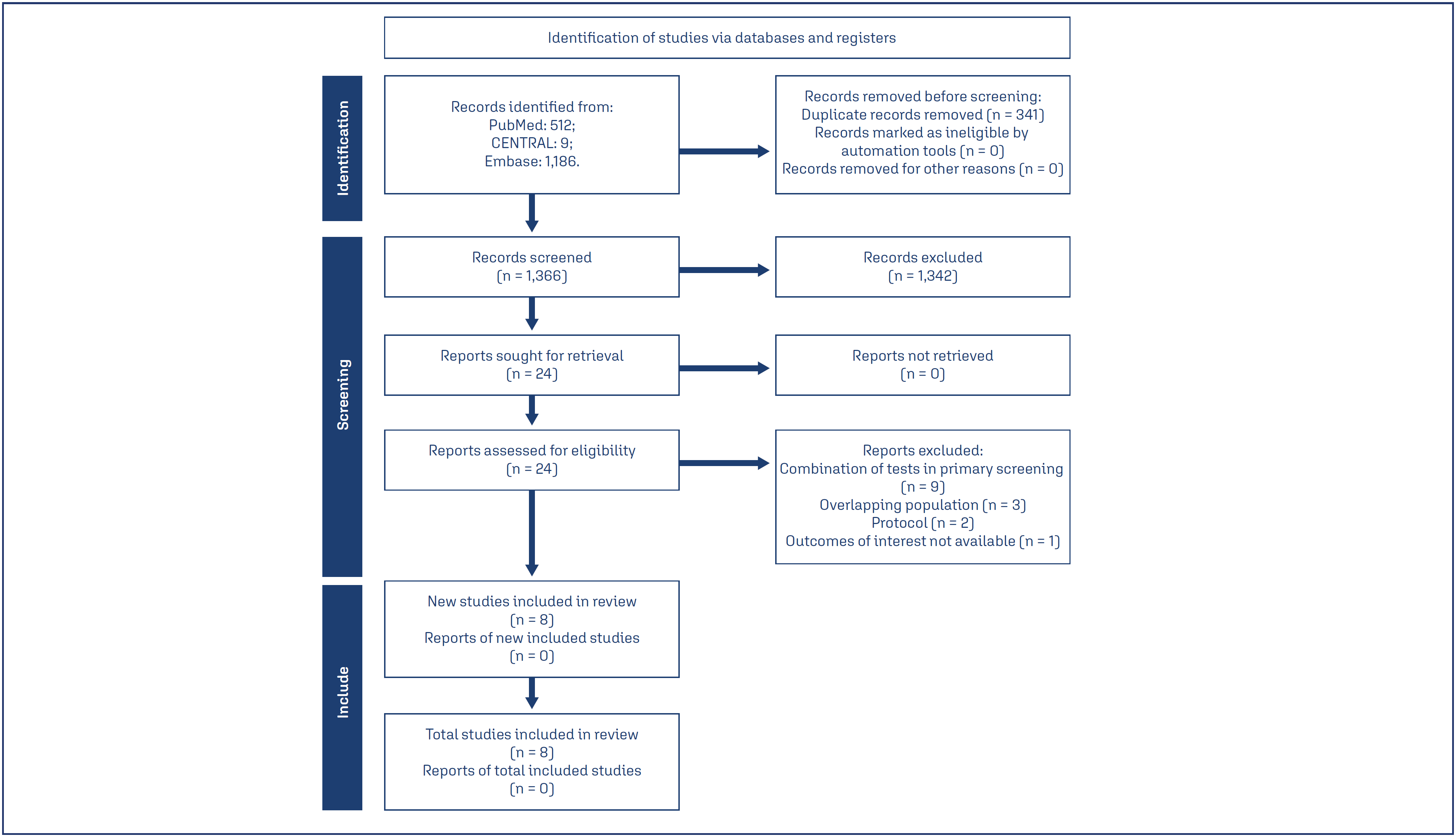
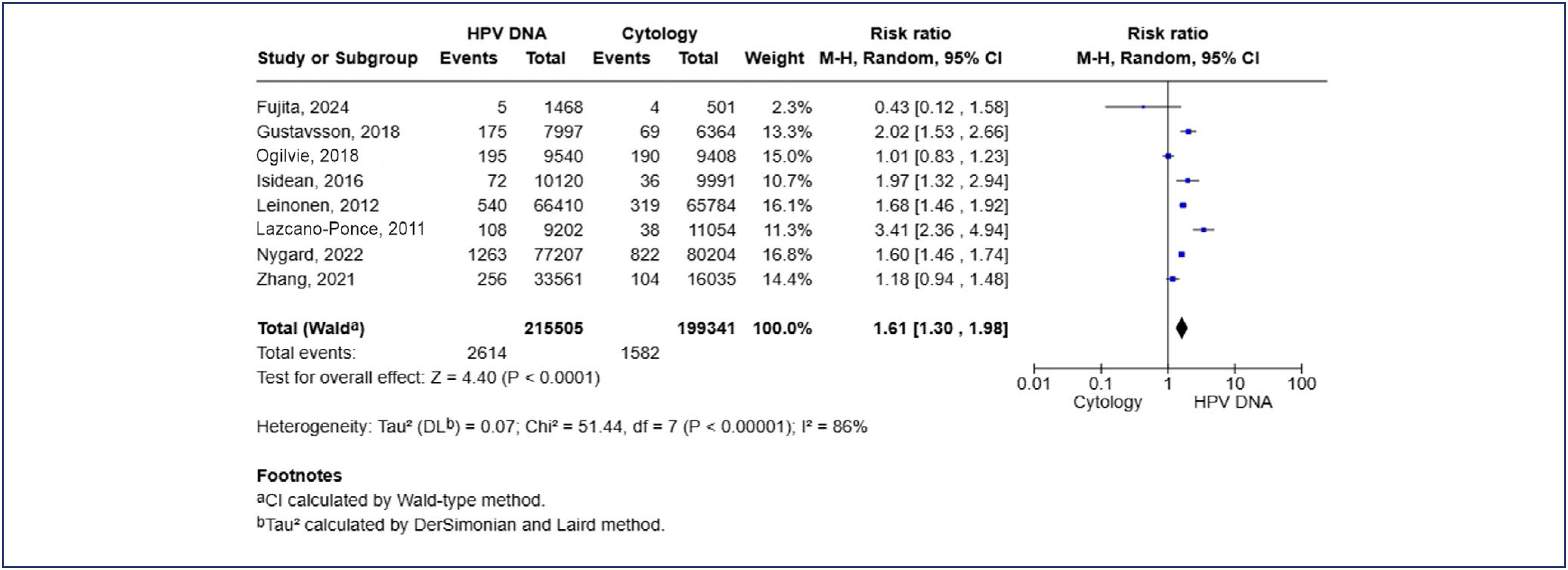
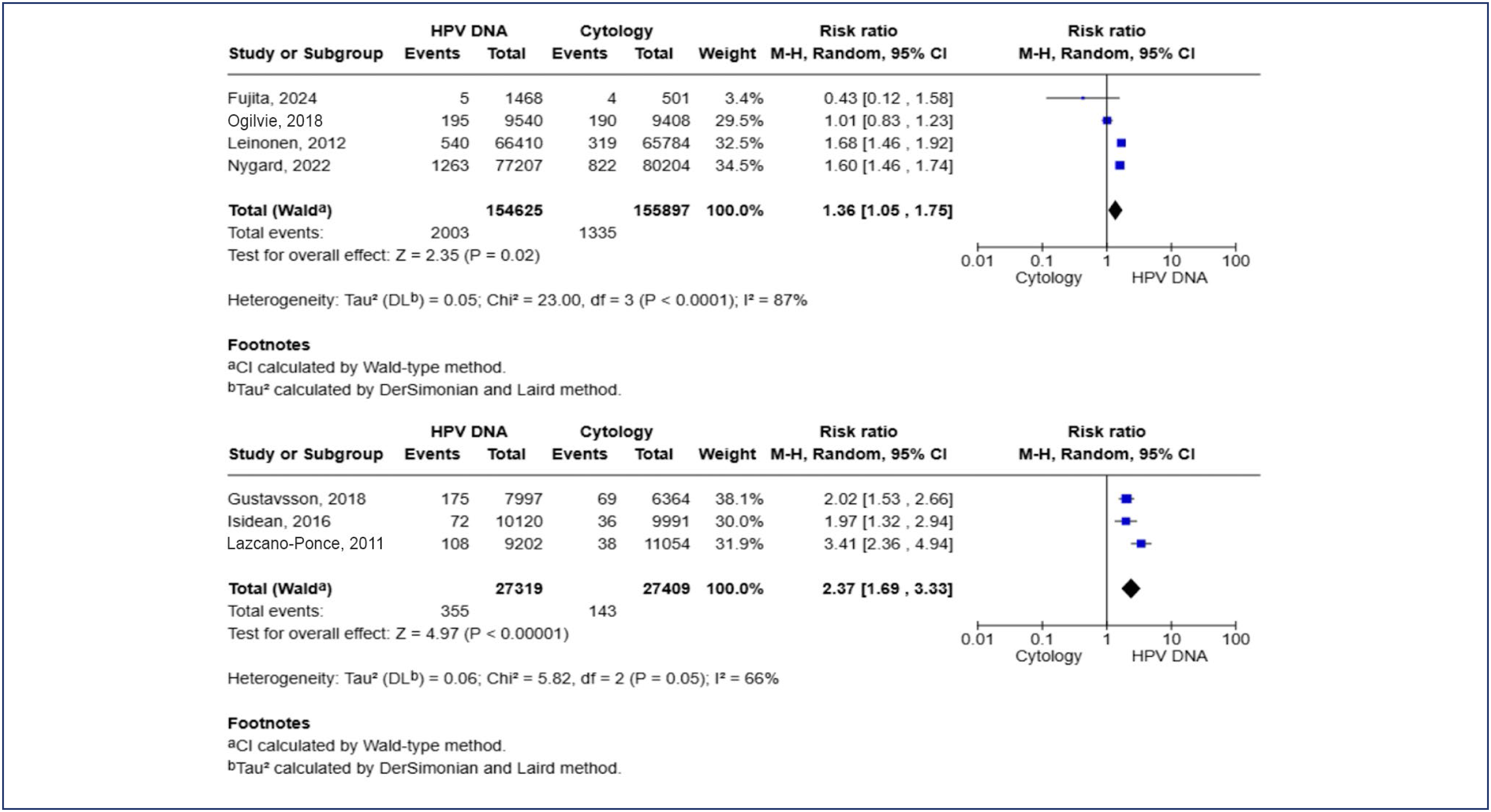
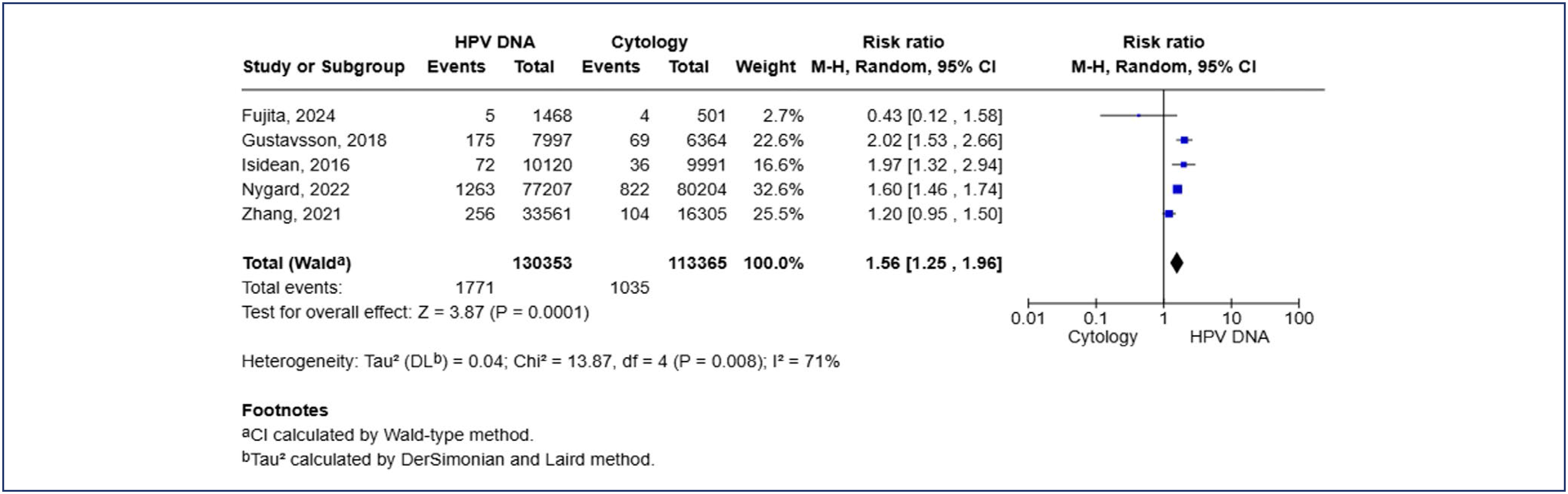
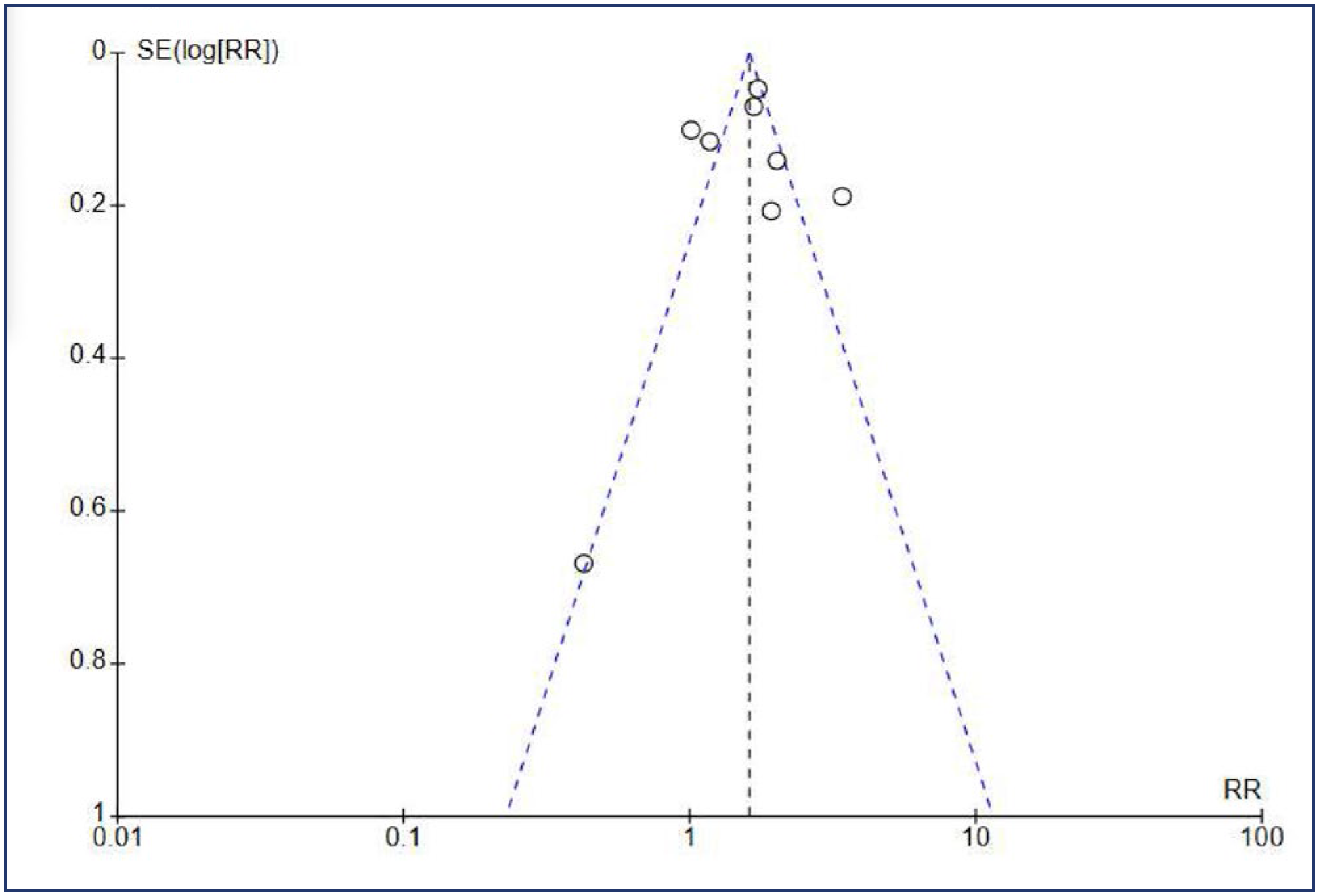
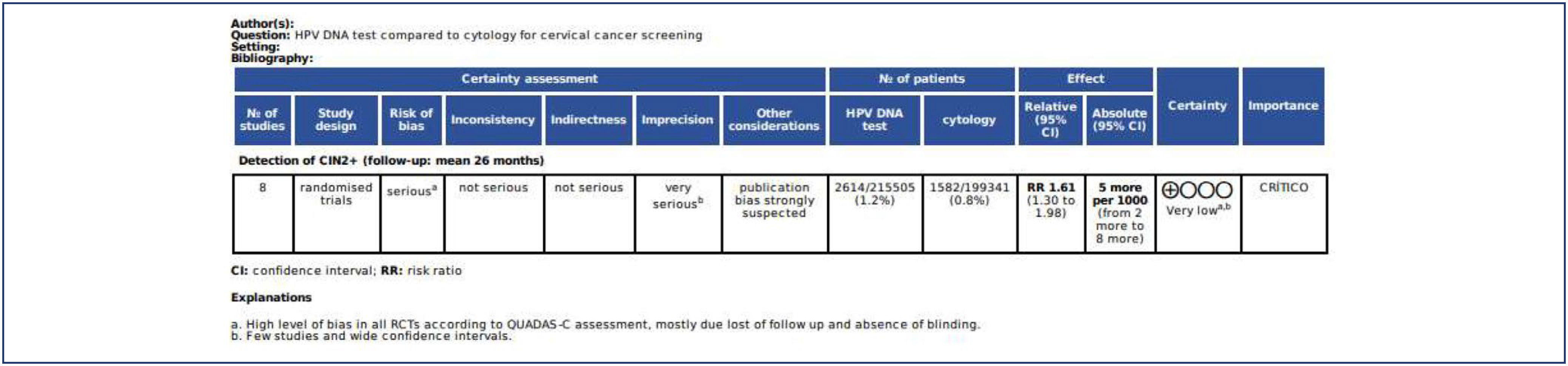
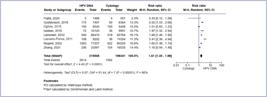
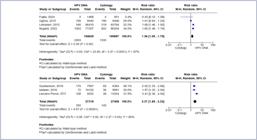
Data synthesis: A total of 1,707 articles were identified. After removing duplicate records and excluding studies according to the pre-established criteria, 24 were selected for full-text review. Finally, eight were included in the statistical analysis, totaling 414,846 patients in a per-protocol assessment. The detection rate of CIN2+ by HPV-based tests was 61% higher compared to conventional or liquid-based cytology [RR 1.61; 95% CI 1.30, 1.98; p < 0.00001]. While our findings demonstrate the superior sensitivity of HPV testing, there are concerns about potential overdiagnosis and overtreatment. The absence of defined management protocols for HPV-positive patients contributes to this challenge. Therefore, risk-stratification strategies, such as HPV DNA genotyping, are essential to optimize clinical care and reduce these risks.
Conclusion: HPV-based screening has a greater capacity to identify cervical neoplasia than cytology. PROSPERO registry: ID CRD420251027259.
Keywords
Human papillomavirus DNA tests; Papanicolaou test; Uterine cervical dysplasia; Early detection of cancer; Public health
 Thumbnail
 Thumbnail
 Thumbnail
 Thumbnail
 Thumbnail
 Thumbnail
 Thumbnail