
 The moderating role of national culture on work-from-home support and remote workers’ job satisfaction: cross-country evidence
Purpose This study examines how national cultural dimensions moderate the relationship between perceived work-from-home-support (WFHS) and job satisfaction (JSAT).
Theoretical framework It draws on self-determination and social exchange theories to explain how WFHS helps create optimal conditions for employees’ sense of productivity, which in turn motivates and enhances JSAT.
Design/methodology/approach We surveyed a convenience sample of 241 employees from a multinational company with subsidiaries in four countries and collected cultural dimension scores from “Hofstede’s Globe” to test each hypothesis separately using PROCESS v3.5.3 for SPSS.
Findings The results show that WFHS enhances JSAT in remote work settings, with culture serving as a significant moderator. Feminine and uncertainty-avoidant societies benefit most from WFHS, while individualistic and long-term oriented societies show no significant effects.
Practical & social implications of research The study bridges the gap between cultural dimensions and organizational support in remote work settings, showing that WFHS affects JSAT differently across cultures. Adapting remote work support to cultural expectations can enhance well-being and optimize organizational outcomes. It guides organizations in designing policies that balance autonomy in individualistic settings with structure and recognition in uncertainty-avoidant ones.
Originality/value This research deepens the understanding of remote work by integrating cultural factors and showing how different national cultures affect the influence of WFHS on JSAT.
Keywords:
Work-from-home support; job satisfaction; cultural dimensions; national culture; remote work
 Thumbnail
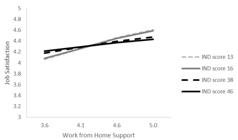 Thumbnail
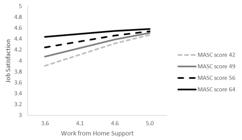 Thumbnail
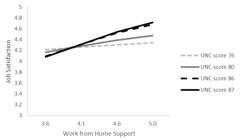 Thumbnail
 Thumbnail
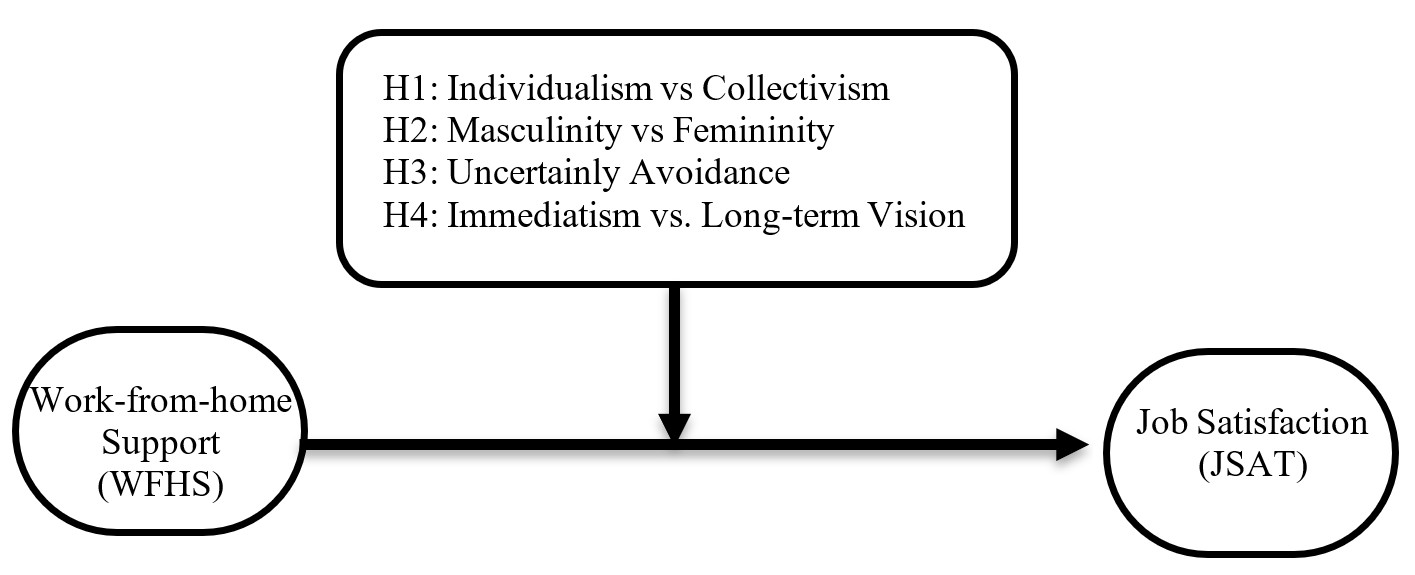 Source: Authors
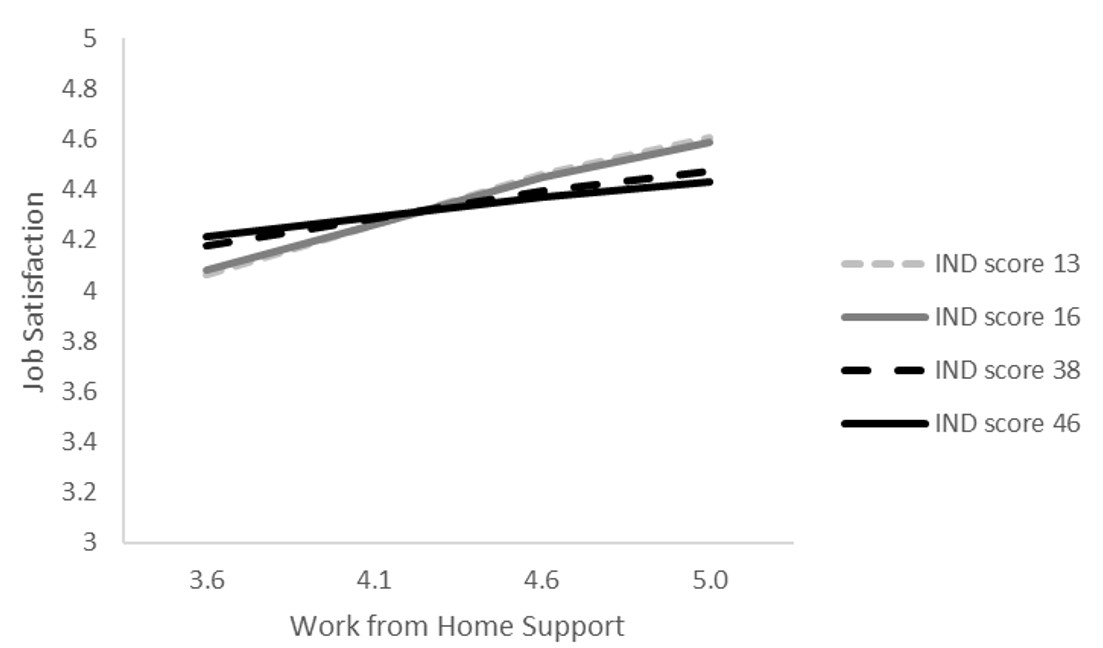 Source: Research data (2022)
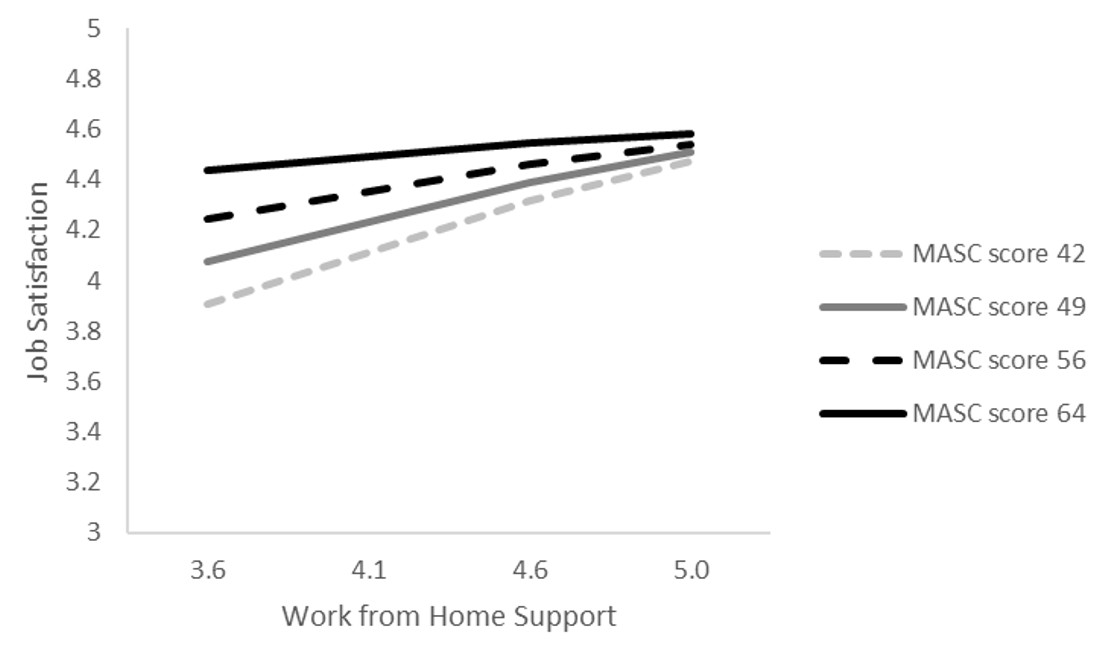 Source: Research data (2022)
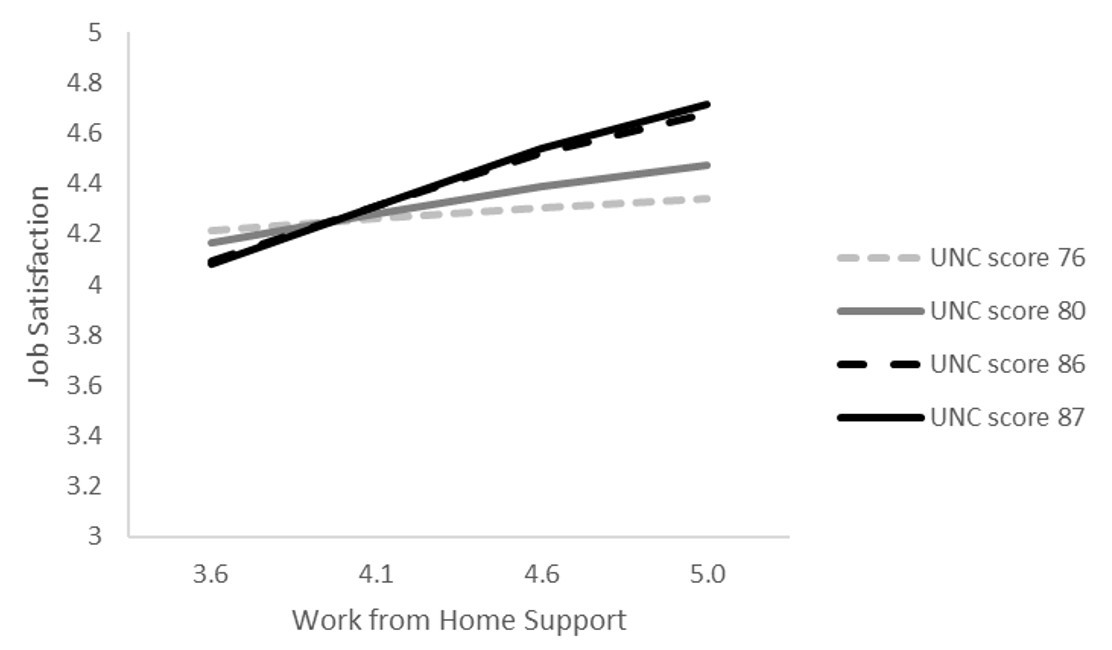 Source: Research data (2022)
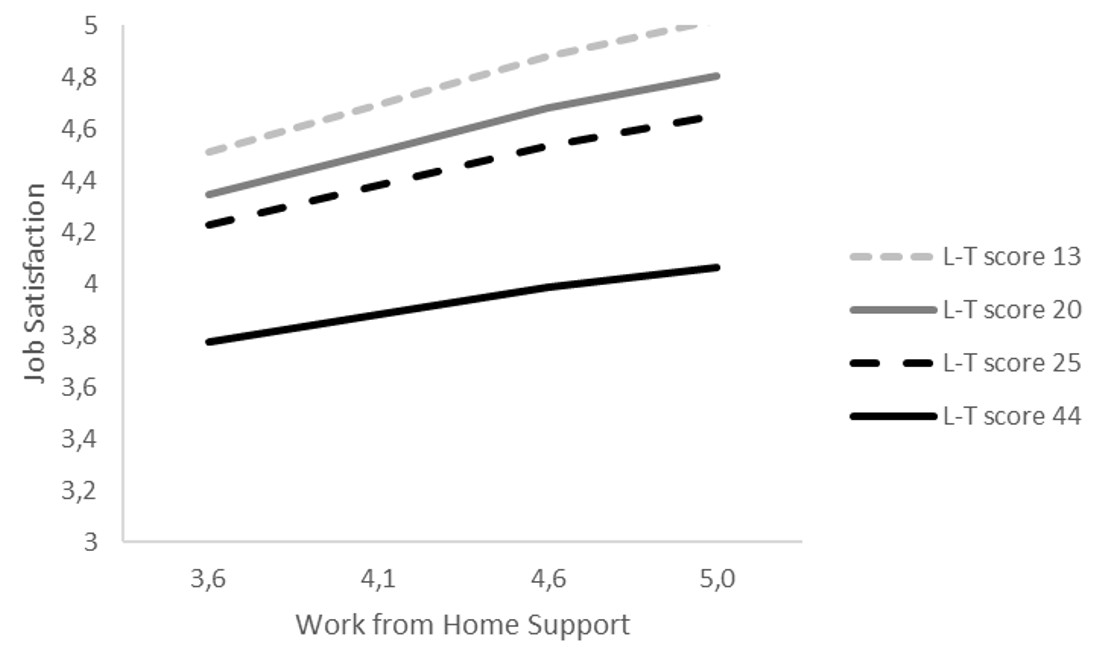 Source: Research data (2022)