 Cosmic rays anisotropy observed by the Global Muon Detector Network
Abstract
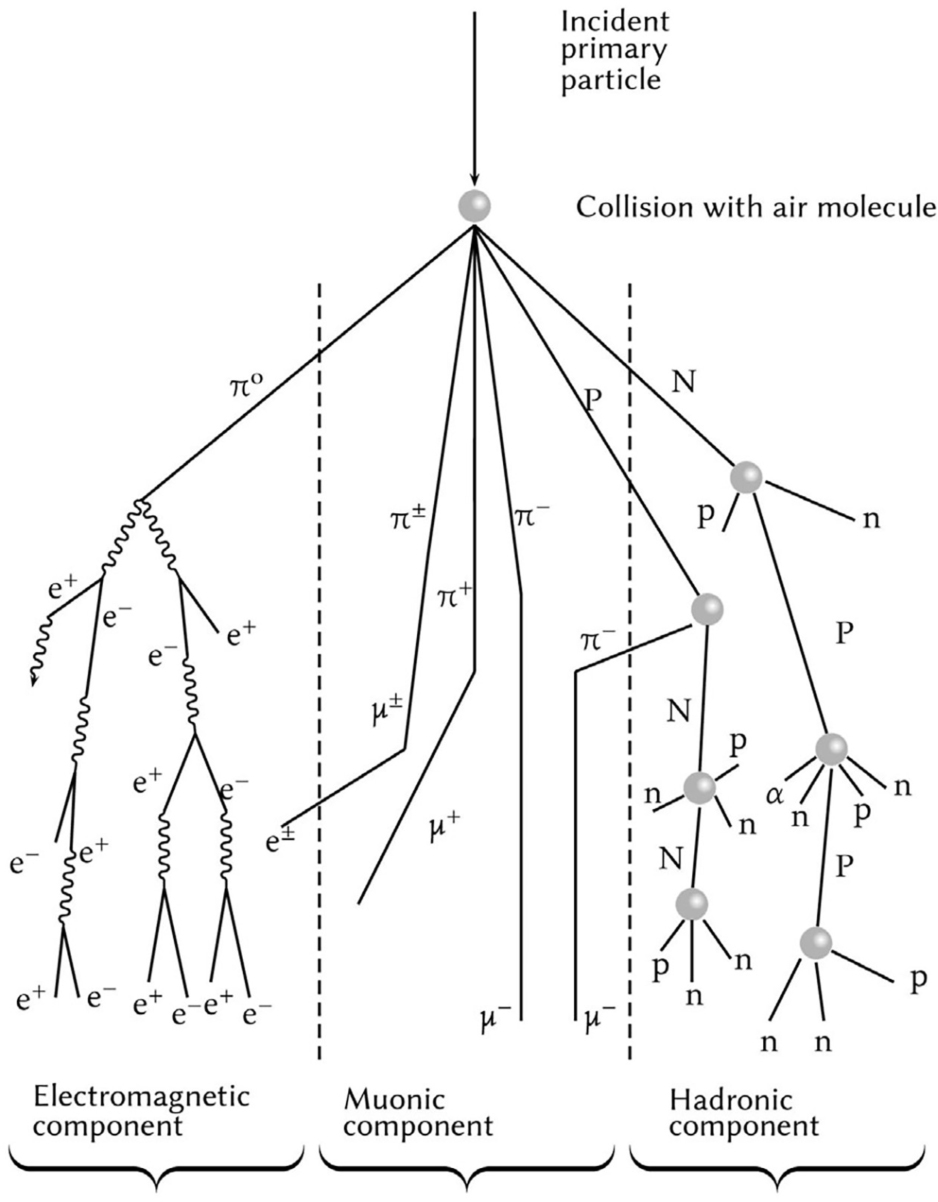
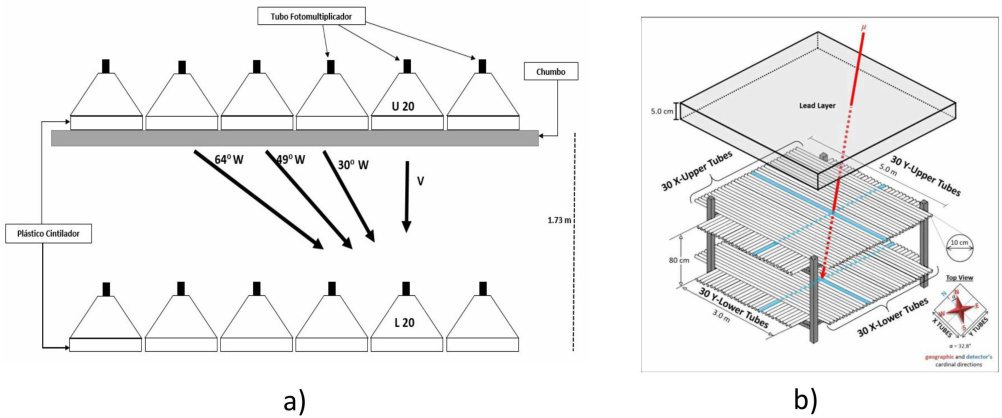
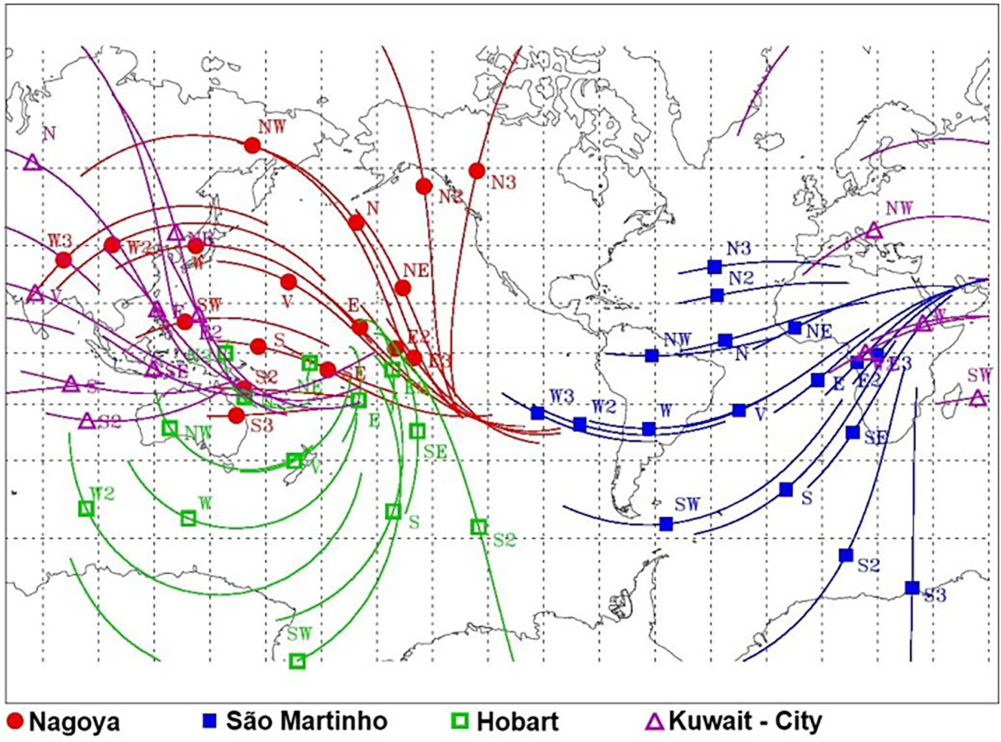
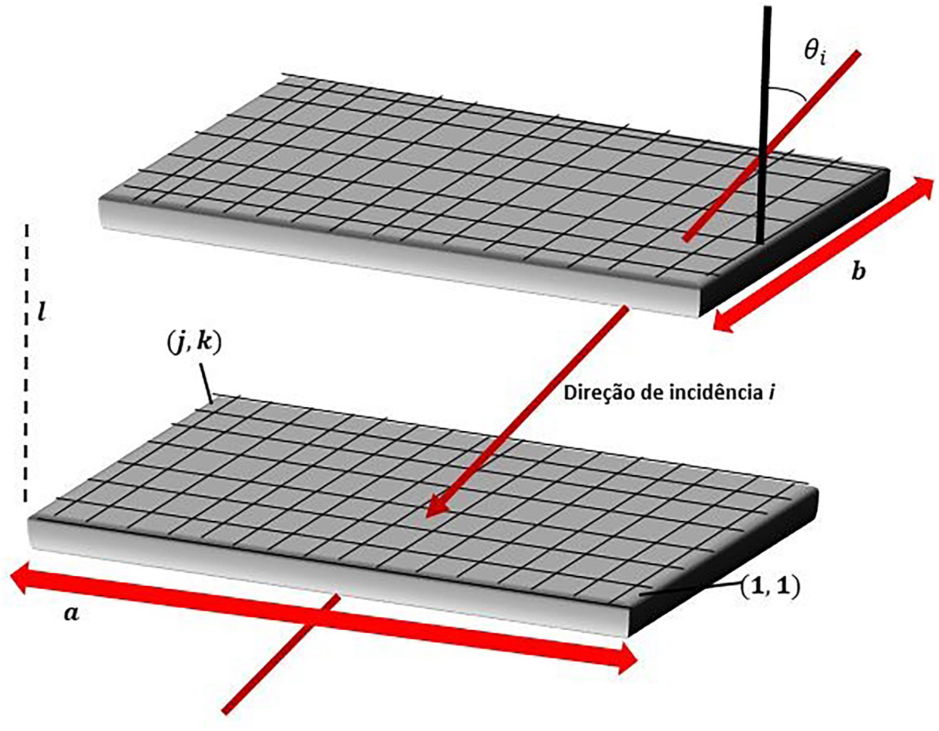
Galactic cosmic rays are charged particles mainly composed by protons, which enter the Heliosphere and get affected by the solar activity. When they enter the earth’s atmosphere and collide with the molecules in the air, they create secondary cosmic rays, divided into three components: hadronic, electromagnetic and muonic. This work uses muon detectors to measure muons generated by protons with average 50 GeV energy, specifically detector of the Global Muon Detector Network (GMDN). One way of studying the Heliospheric modulation of cosmic rays is through their anisotropy, which is calculated using data provided by the GMDN. It depends on spatial and temporal factors as well as atmospheric effects like atmospheric pressure and temperature. The anisotropy is calculated by solving a linear equation using the Least Squares Method.
Keywords:
Cosmic rays; muons; detectors; anisotropy
 Thumbnail
 Thumbnail
 Thumbnail
 Thumbnail
 Thumbnail
 Thumbnail
 Thumbnail