 Theorical-observational and epistemological echos of the Copernican Revolution: A Look at Exoplanets from Kepler’s Laws and Kuhn’s Epistemology
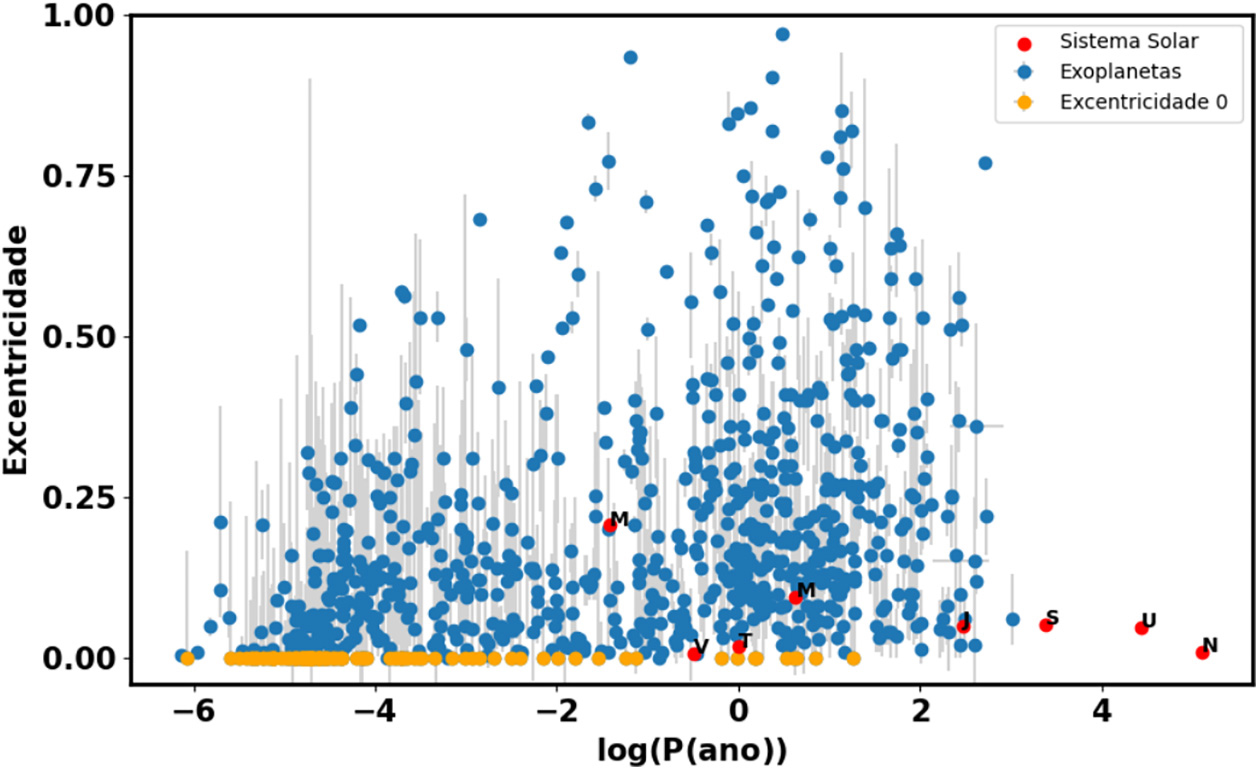
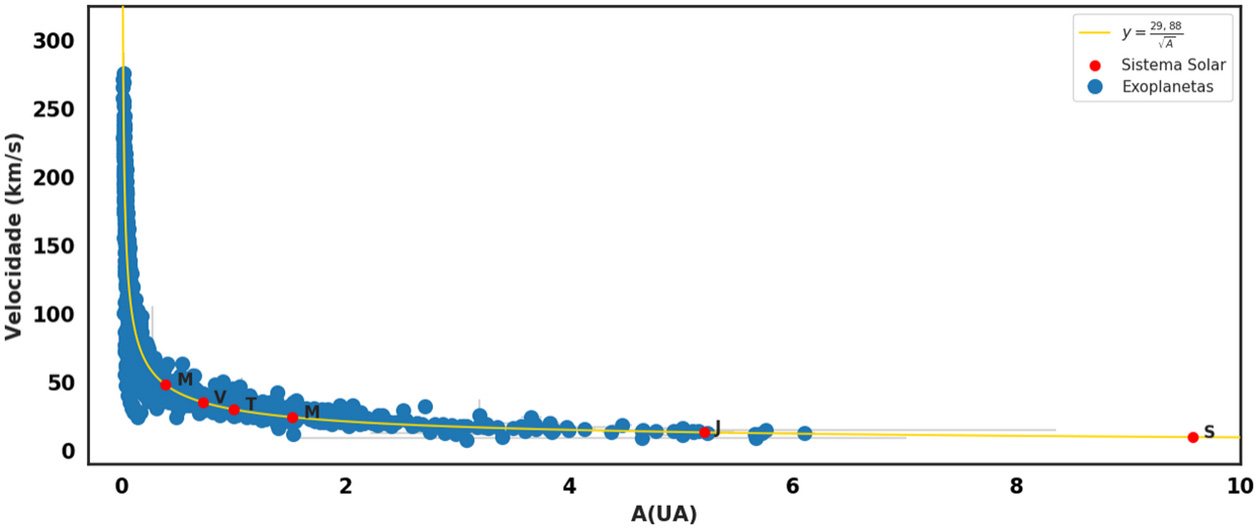
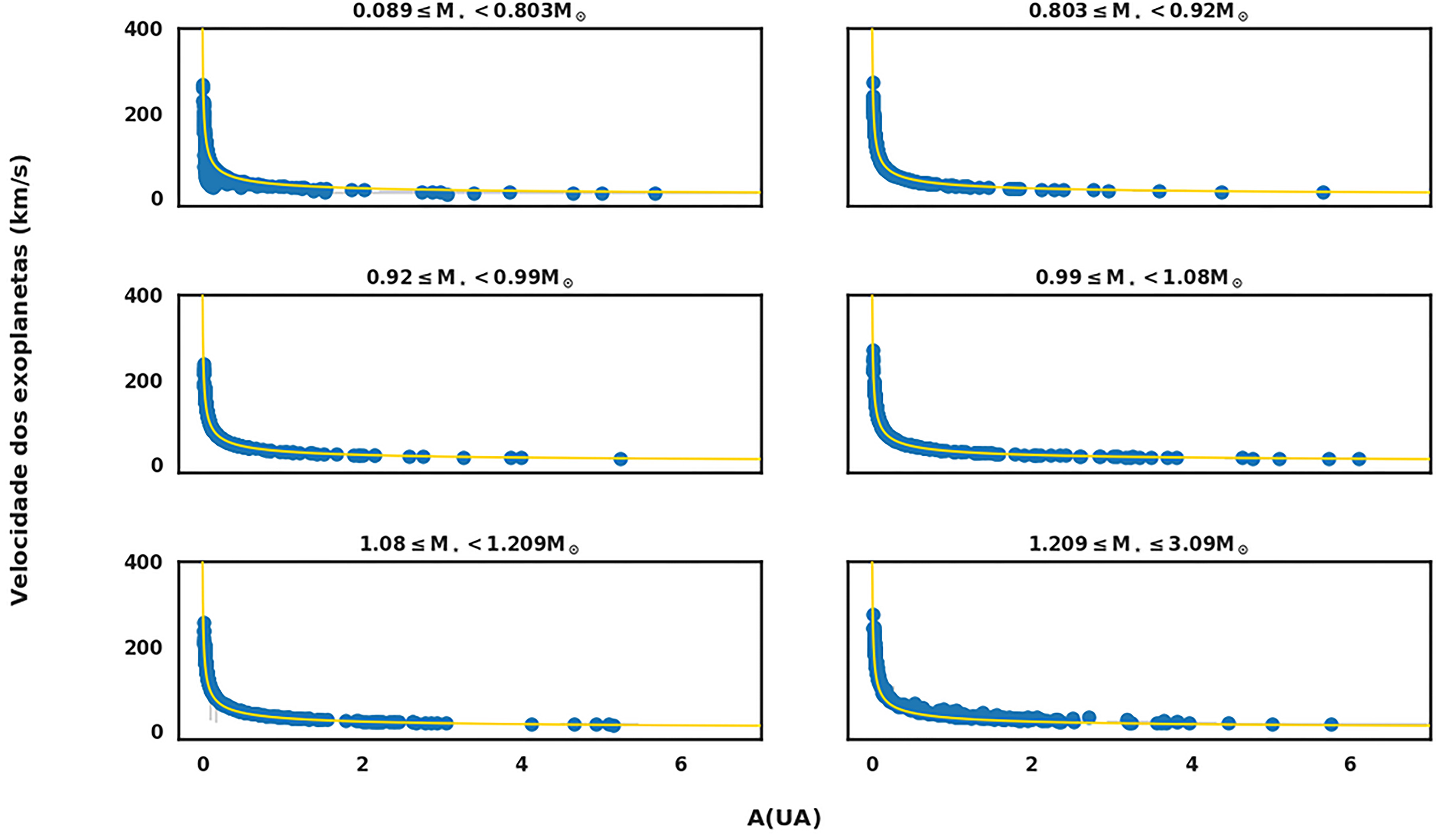
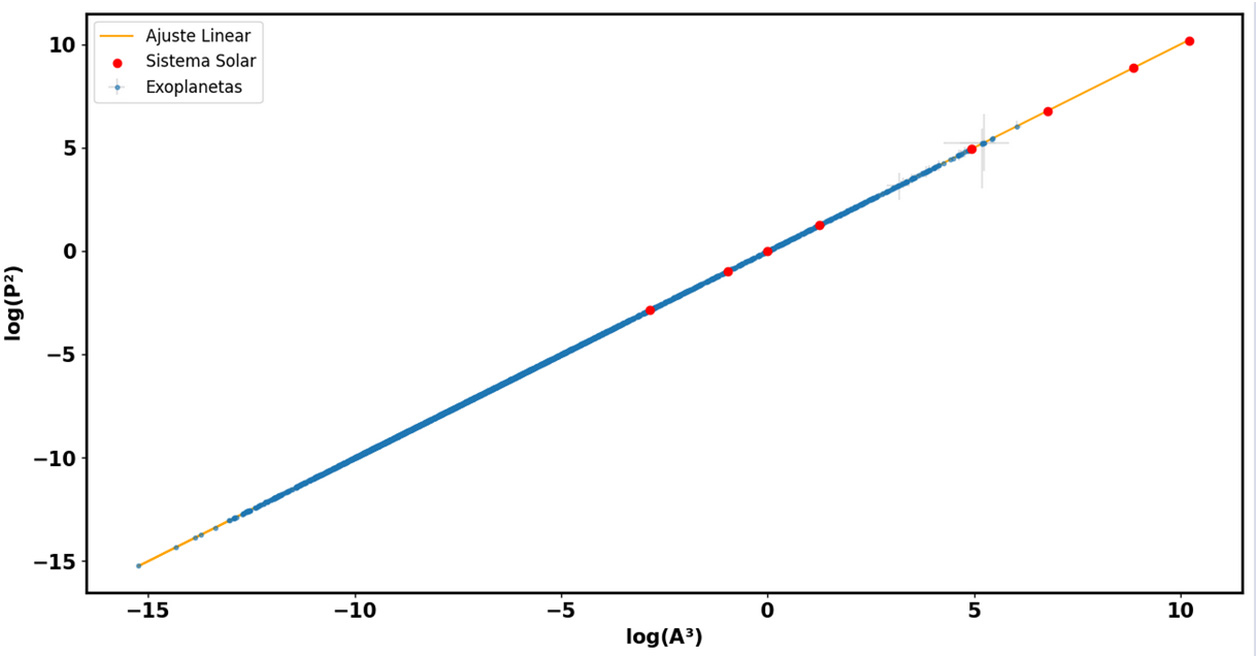
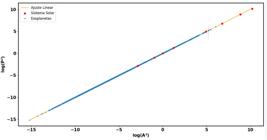
In Physics and Astronomy, Kepler’s Laws, named in honor of the German astronomer and mathematician Johannes Kepler, describe the movements of the planets based on the models where the Sun occupies the center of the Solar System (Heliocentric models). The aim of this work is to present an epistemological and theoretical observational discussion of Kepler’s Three Laws, from the exoplanets research. Methodologically, the research adopts a quantitative and qualitative approach, using observational data from five thousand exoplanets in the Exoplanets Orbit Database, as well as a epistemological analysis of the context in which the three laws were developed. In dialog with the literature, we highlight that there is little discussion about the Kepler’s Three Laws and a gap in connecting the consequences of Kepler’s laws with the study of the exoplanets in the fields of Physics and Astronomy. In this context, we present fundamental questions for the field, with the hope that our findings contribute to the development of the historical, epistemological and theoretical-observational approach in the country’s Physics/Astronomy/Astrophysics courses.
Keywords
Theoretical-Observational Astronomy; Kepler’s Laws; Exoplanets; Kuhn’s Epistemology
 Thumbnail
 Thumbnail
 Thumbnail
 Thumbnail
 Thumbnail
 Thumbnail
 Thumbnail