 A low-cost implementation for the Millikan oil drop experiment with automated computational analysis
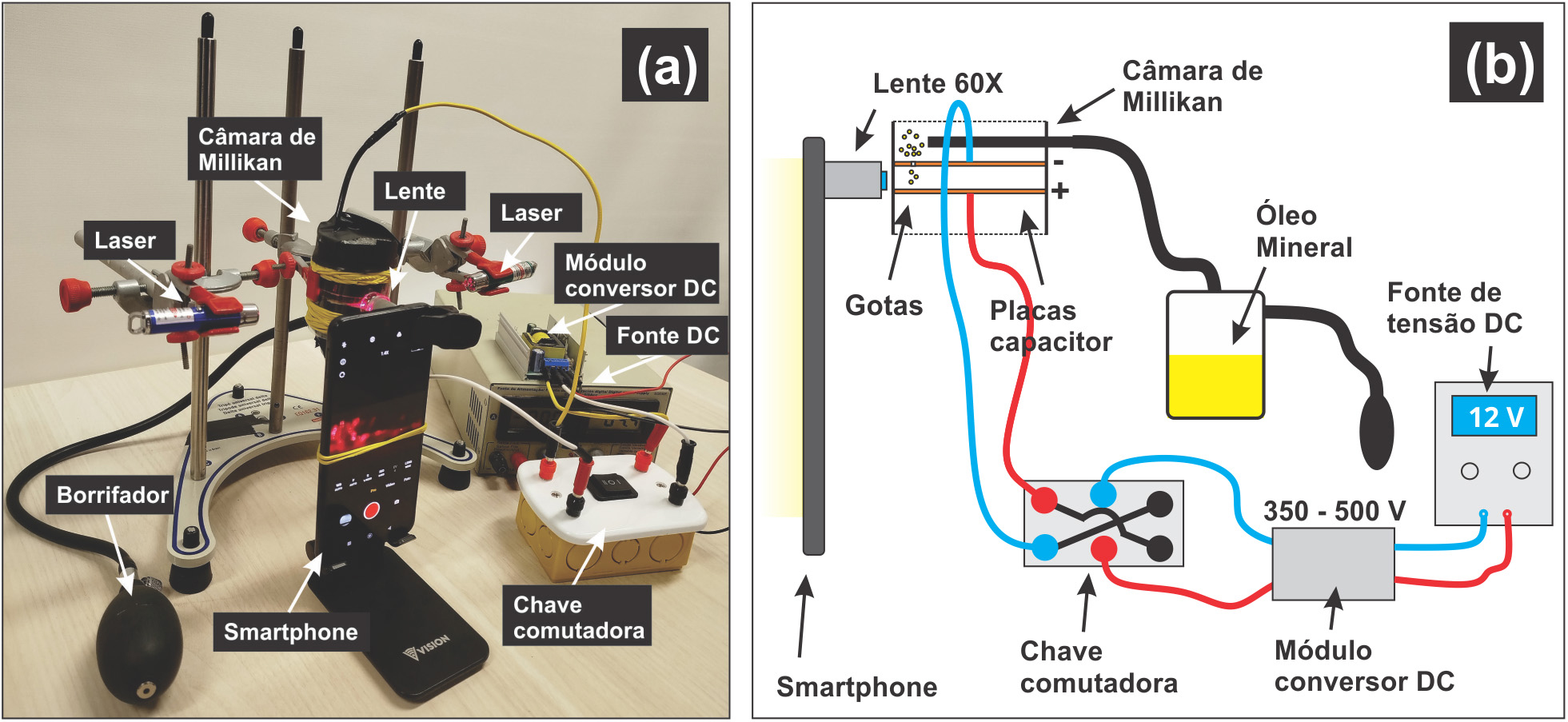
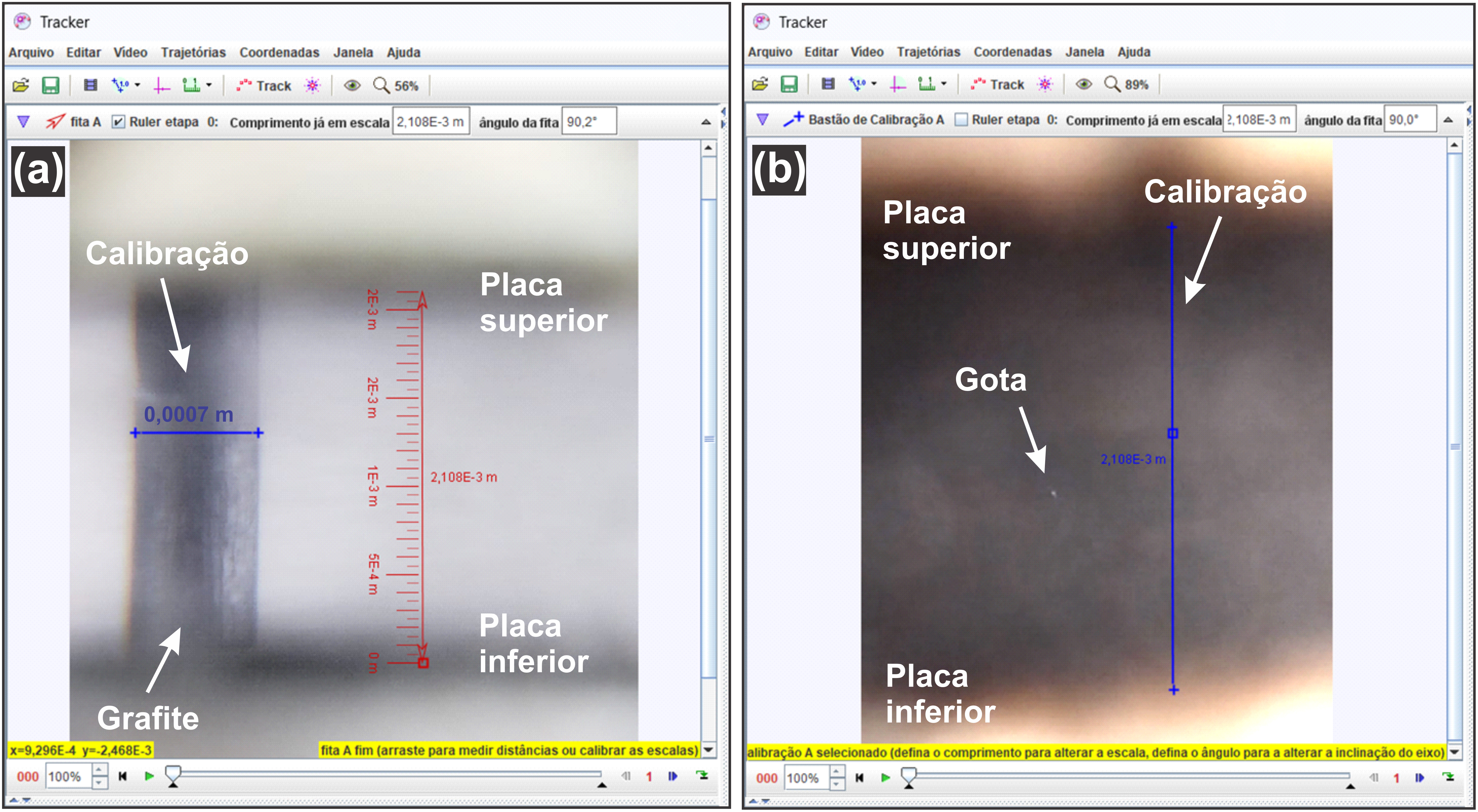
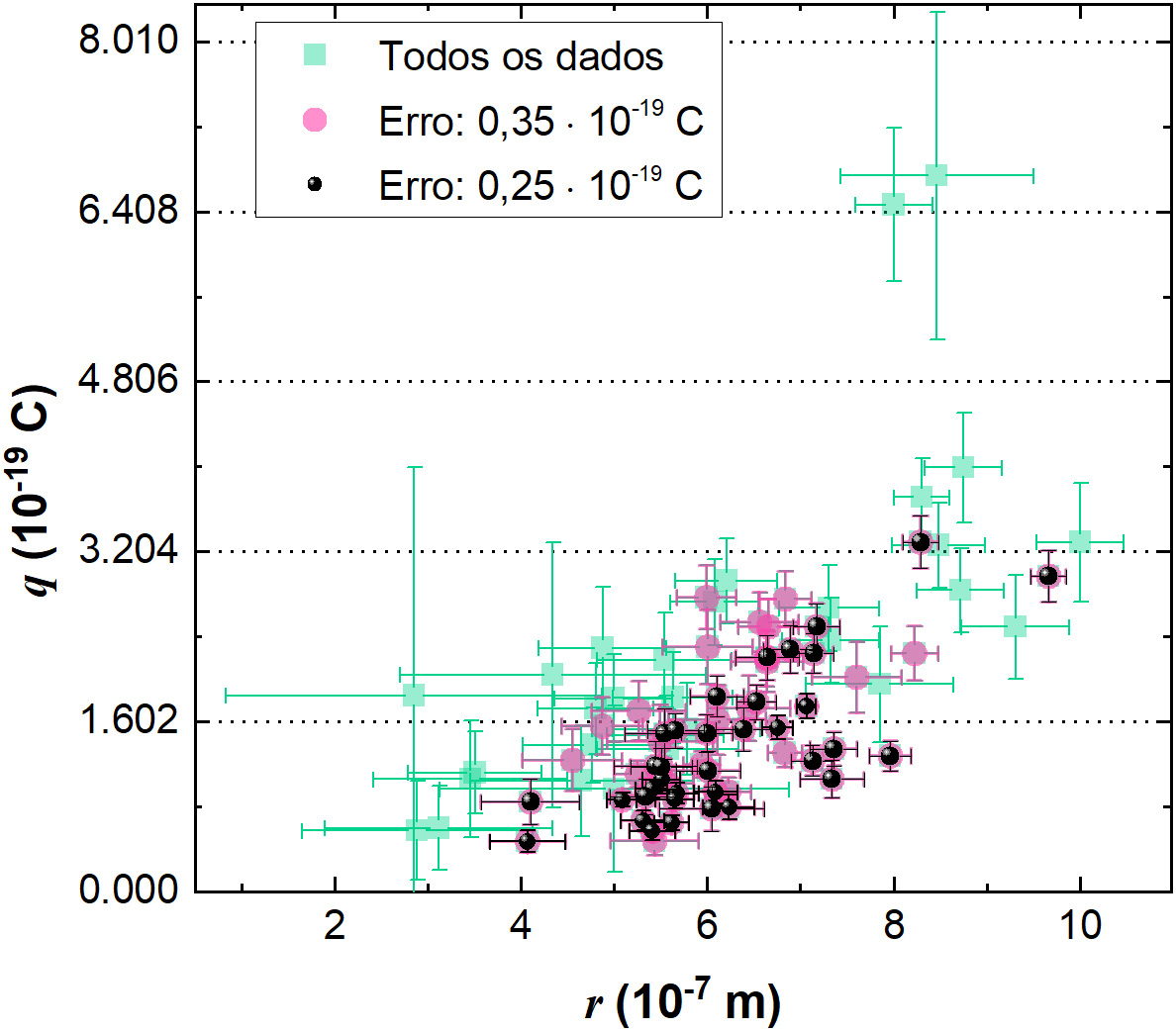
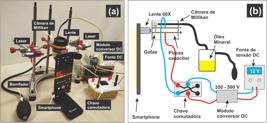
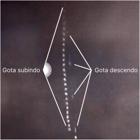
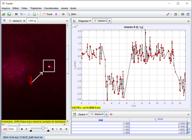
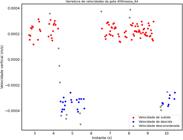
The Millikan oil drop experiment is widely recognized for its historical and conceptual relevance; however, its didactic reproductions often exhibit limited pedagogical impact. In addition, the high cost of commercial apparatus and the scarcity of detailed low-cost alternatives in the literature hinder its broader adoption in educational settings. To address these limitations, this work reports the development of an extremely simple and low-cost experimental setup capable of producing, observing, and controlling electrically charged mineral oil droplets under the action of a uniform electric field. The adopted methodology is based on measuring the rising and falling velocities of charged droplets, recorded using a smartphone equipped with a magnifying lens. The videos were analyzed using the Tracker software. To process the large volume of generated data, specialized software for this experiment, named Facillikan, was developed. It automates the calculation of droplet charges and radii, the propagation of experimental uncertainties, and the construction of q × r plots with histograms. Through systematic tests, data were obtained whose quality is comparable to that of a commercial didactic set. The results are also discussed in terms of potential sources of uncertainty and their implications for didactic applications.
Keywords:
Millikan experiment; Elementary charge; Low-cost experiment; Facillikan
 Thumbnail
 Thumbnail
 Thumbnail
 Thumbnail
 Thumbnail
 Thumbnail
 Thumbnail
 Thumbnail
 Thumbnail
 Thumbnail
 Thumbnail