 Expectancy–value beliefs as predictors of positive–valence emotions and their variation across academic tracks in high school Physics
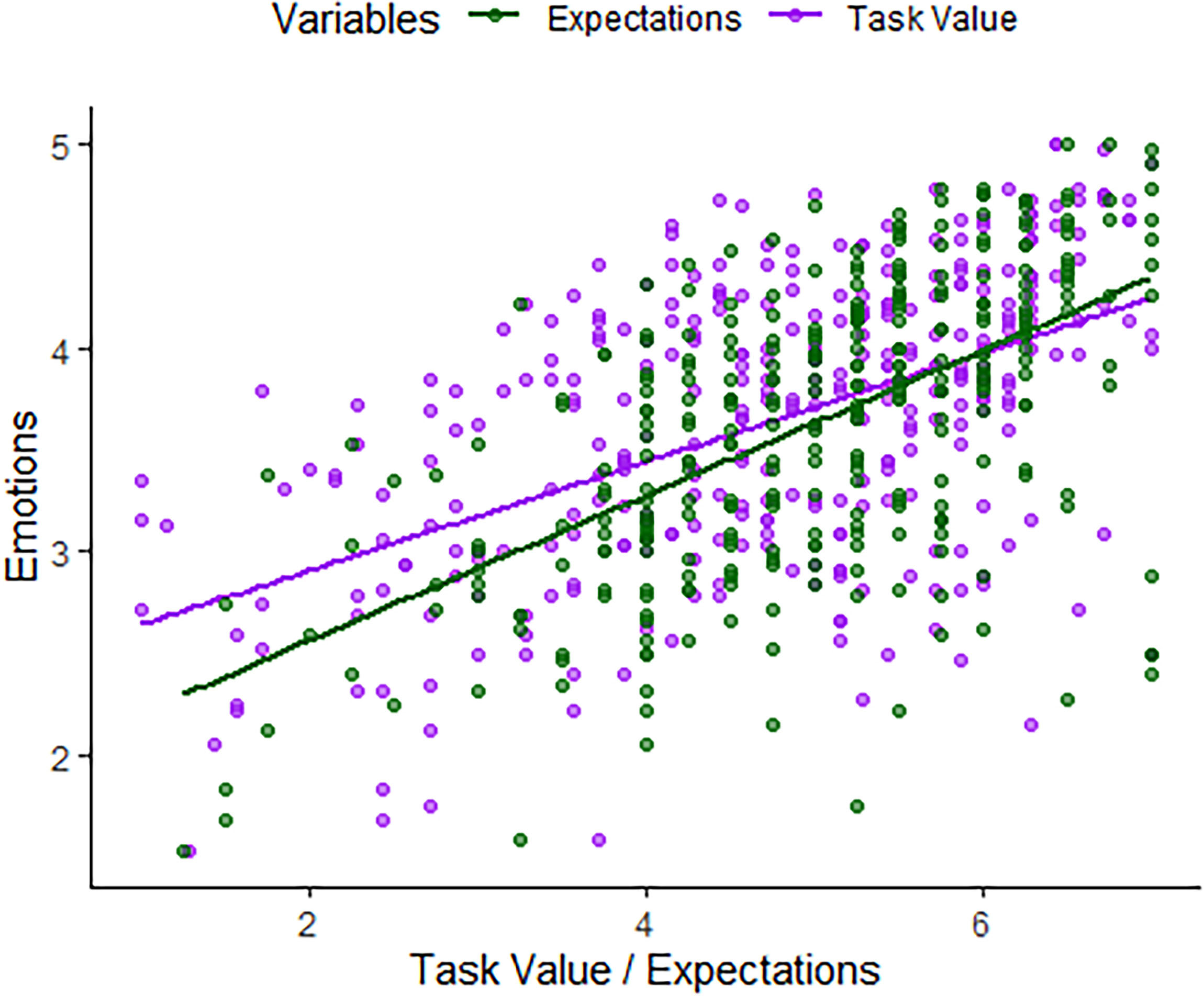
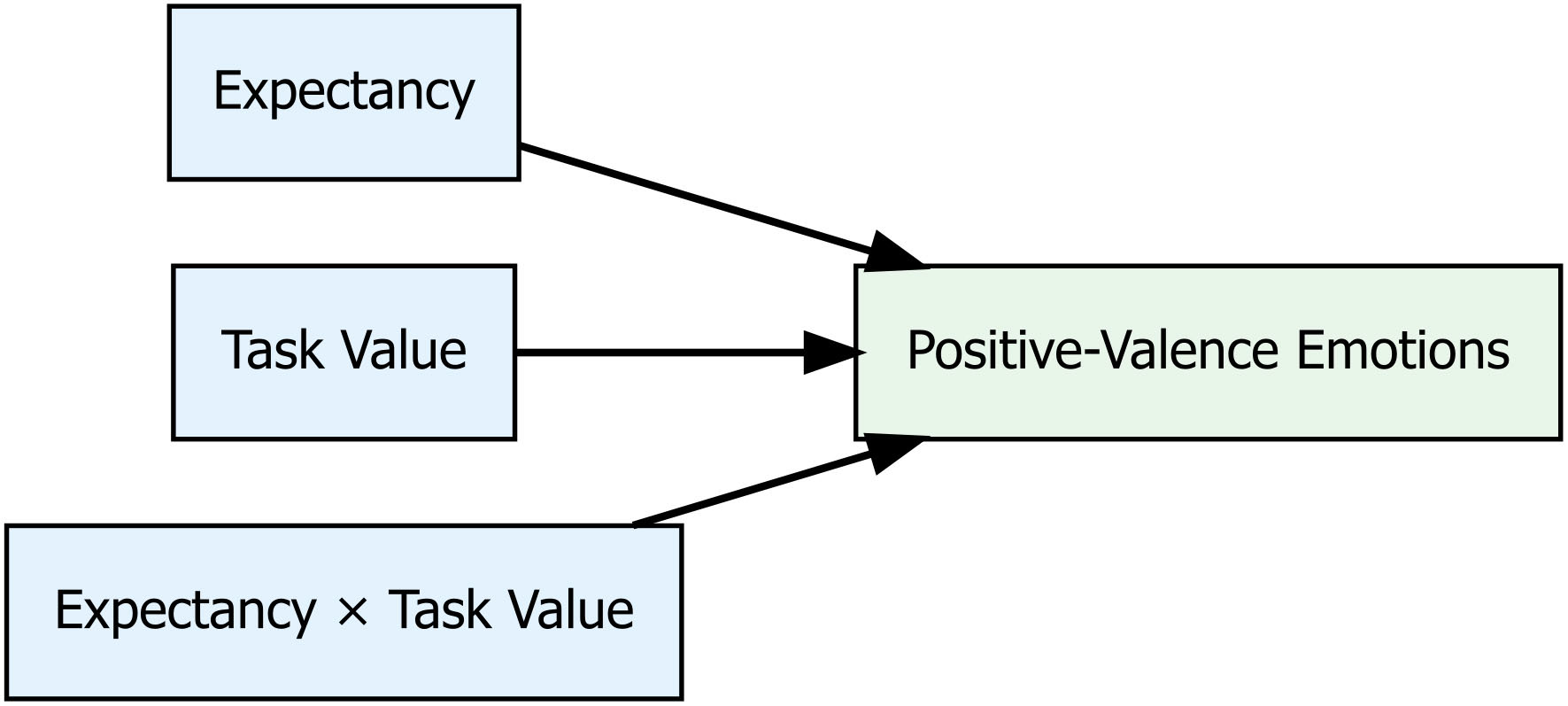
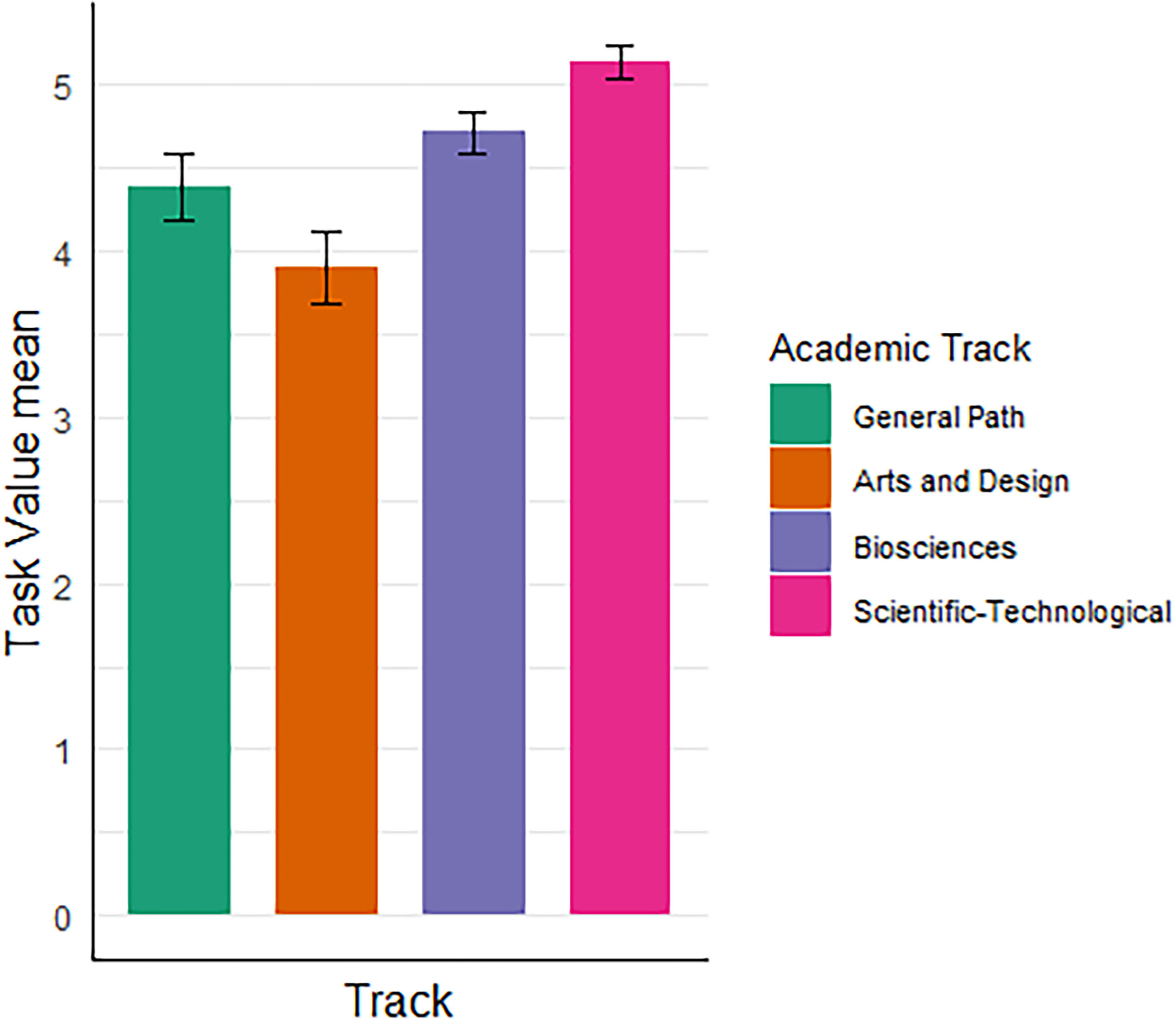
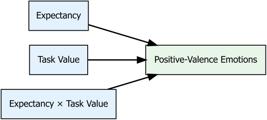
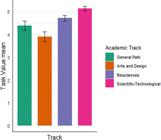
Achievement emotions influence motivation, engagement, and performance, yet less is known about how expectancy–value beliefs jointly relate to positive-valence emotions in high-school Physics classes. This study aimed to (1) examine how task value and expectancy of success predict positive-valence emotions, and (2) explore differences in task value across academic tracks. The sample consisted of 333 Physics students aged 15–18 (Mage = 16.5, SD = 0.96, 42.6% female) from Maldonado, Uruguay. Hierarchical regression analyses with cluster-robust standard errors at the academic-track level indicated that task value and expectancy were significant predictors of positive-valence emotions, with semi-partial coefficients indicating that both expectancy and task value made unique contributions. Exploratory non-parametric comparisons suggested differences in task value across academic tracks, with higher perceived value in scientific–technological and biosciences programs than in arts, design or general tracks. Findings support expectancy–value theory by highlighting the joint role of task value and expectancy of success in adolescents’ positive emotional experiences in Physics classes and underscore the relevance of aligning both classroom practice and curriculum design with students’ motivational beliefs.
Keywords:
Emotions; Motivation; Task Value; Physics Education; Secondary School
 Thumbnail
 Thumbnail
 Thumbnail