 The random laser: fundamentals and applications
Abstract
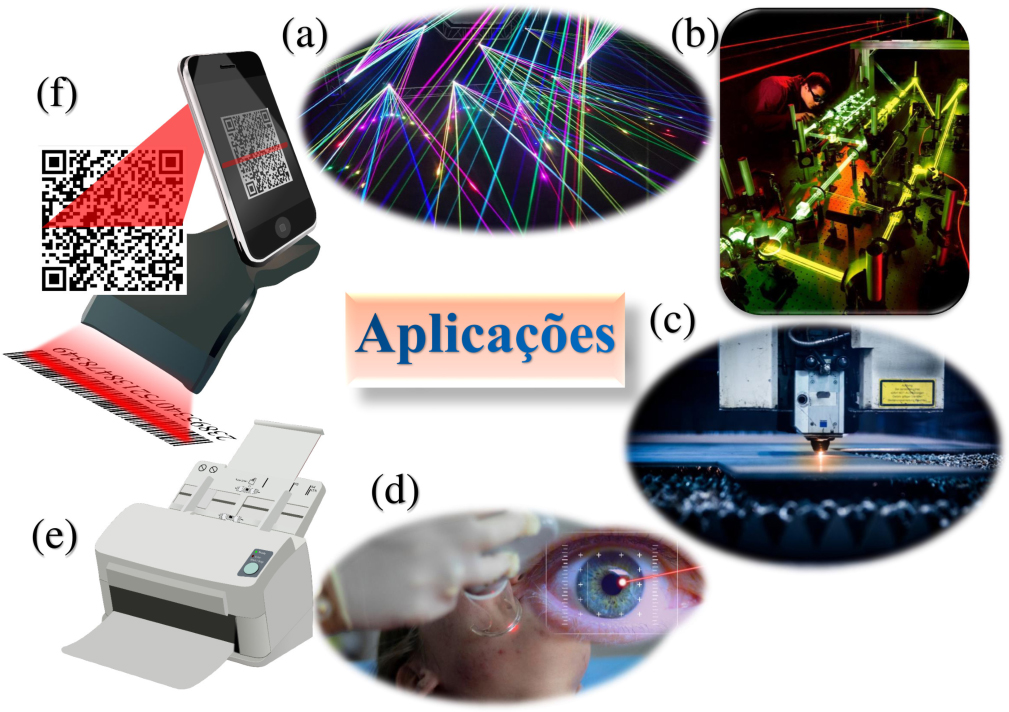
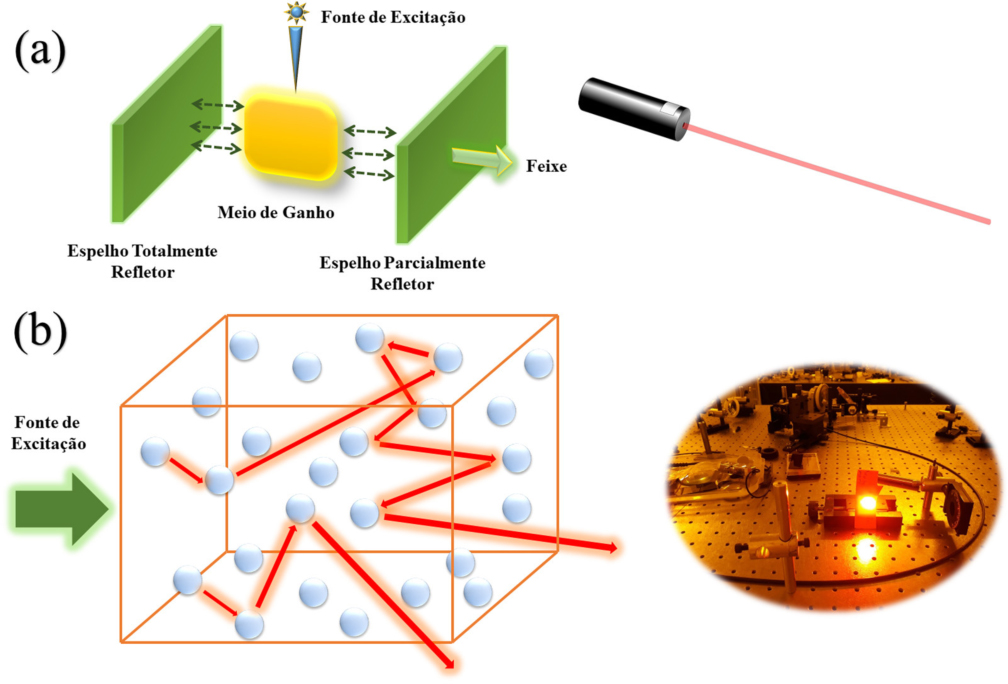
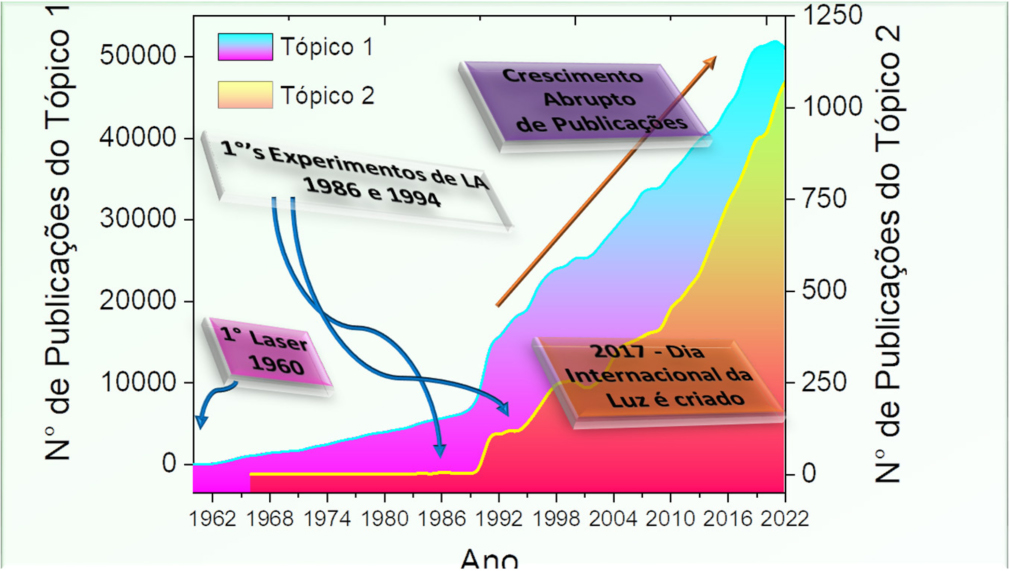
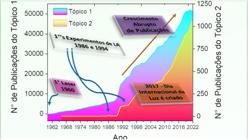
The LASER, an acronym in English for “Light Amplification by Stimulated Emission of Radiation,” is an optical device widely known in society today. Basically, there are two types of lasers: the conventional laser (CL) and the random laser (RL). The conventional laser, commercially available, is extensively used for applications in various fields such as healthcare, communications, industrial processes, and can be found everywhere from supermarkets to ophthalmic clinics. The invention of this laser in 1960 quickly led to a remarkable growth in the number of scientific publications, and currently, many devices in our practical use utilize these lasers. The other type of laser, proposed later in 1968, is called the random laser. Due to the limited availability of introductory texts on random lasers aimed at a broad audience, compared to conventional lasers, this work serves as a review and dissemination on the topic. A novelty presented here is the proposal of exercises and guided computational practice at the end of the text, which can serve as motivation for teachers who wish to present the topic in physics classes, in optics courses, nonlinear optics, statistical physics, or for students who want to delve deeper into the subject.
Keywords:
Laser; Conventional laser; Random laser
 Thumbnail
 Thumbnail
 Thumbnail
 Thumbnail
 Thumbnail
 Thumbnail
 Thumbnail
 Thumbnail
 Thumbnail
 Thumbnail
 Thumbnail