
 Current status and future trends in mechanized harvesting systems for wolfberry (Lycium barbarum L.)
Wolfberry originates from China and is mainly distributed across temperate and subtropical regions. Currently, wolfberry is predominantly harvested manually, which presents significant challenges, such as high labor intensity, low picking efficiency, and high cost. With the advancement of agricultural automation, mechanized wolfberry harvesting has become an inevitable trend and a research hotspot. In recent years, scholars have made numerous innovative attempts to develop wolfberry harvesting machinery, but a systematic review of these technologies and devices is still scarce. Therefore, this review comprehensively examines the cultivation characteristics and harvesting challenges of wolfberries. It categorizes and elaborates on the research status and progress of various mechanized harvesting devices based on their working principles and structural designs. It also discusses the challenges confronting the development of mechanized wolfberry harvesting technology. Finally, it reviews several promising research directions, including vibration-pneumatic hybrid harvesting systems, non-contact harvesting methods utilizing pulsed vortex-ring airflow, and differentiated precision harvesting approaches integrating visual recognition technology. This review aims to provide a crucial reference for the future development of mechanized wolfberry harvesting technology and equipment.
Key words:
mechanical harvesting; vibration systems; pneumatic technology; agricultural automation; selective picking
Mechanisms governing fruit-branch interactions were determined in wolfberry tree during harvesting operations.
Vibration-type, comb-and-brush-type, pneumatic, and hybrid wolfberry harvesting systems were categorized. Proposed novel approaches including vibration-air composite systems and others for selective harvesting.
 Thumbnail
 Thumbnail
 Thumbnail
 Thumbnail
 Thumbnail
 Thumbnail
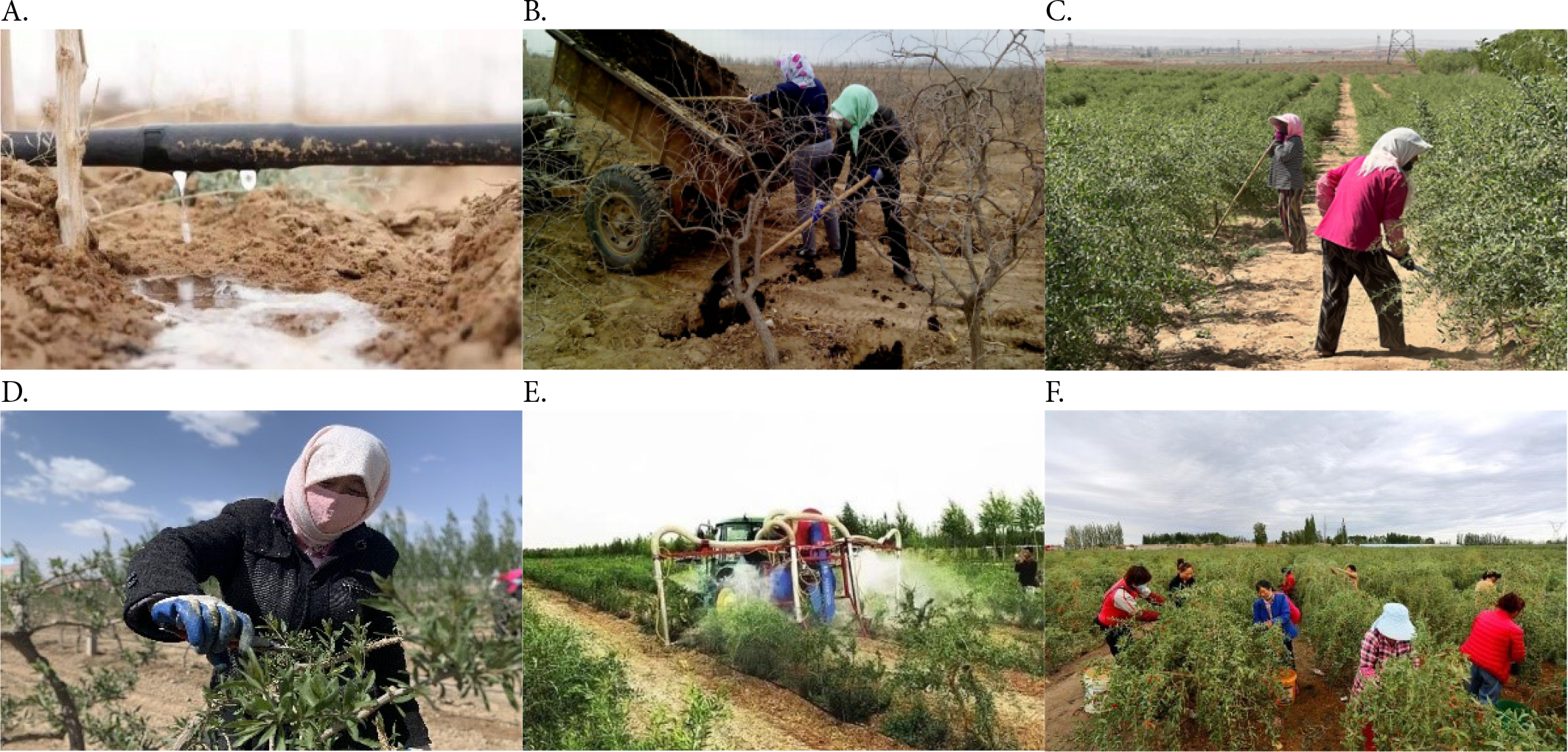
 Thumbnail
 Thumbnail
 Thumbnail
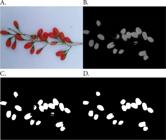
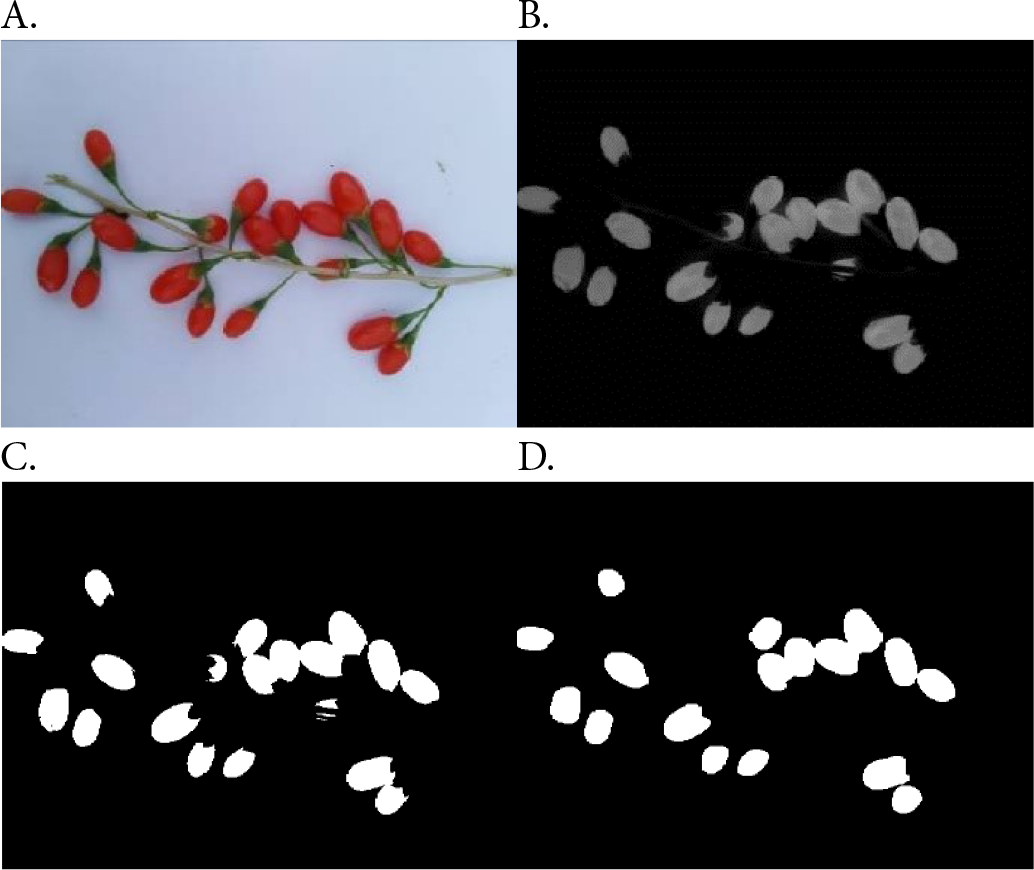 Figures A, B, C, and D - These images are sourced from Northwest A&F University
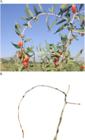
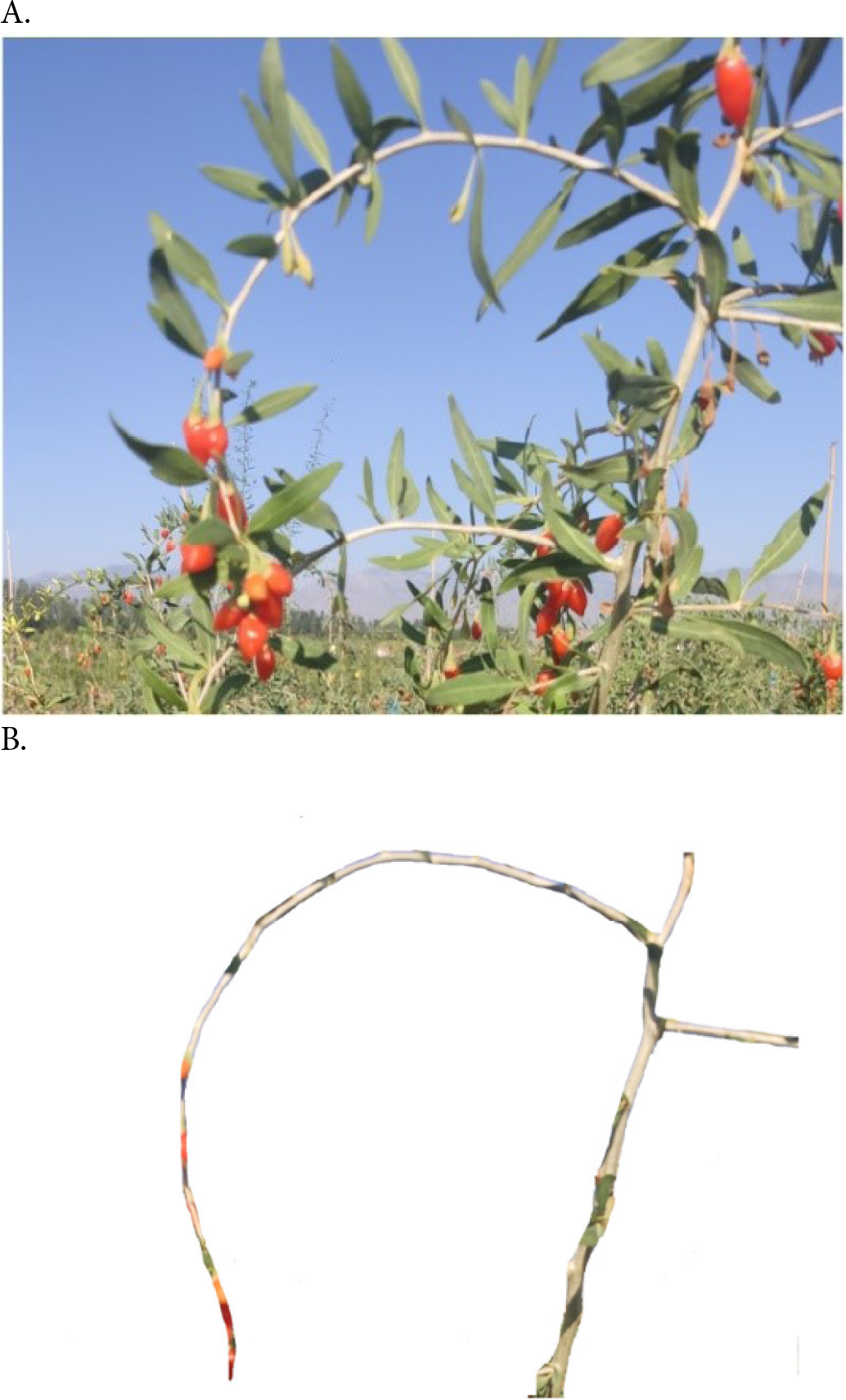 Figures A and B: These images are sourced from Northwest A&F University
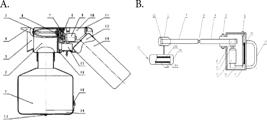
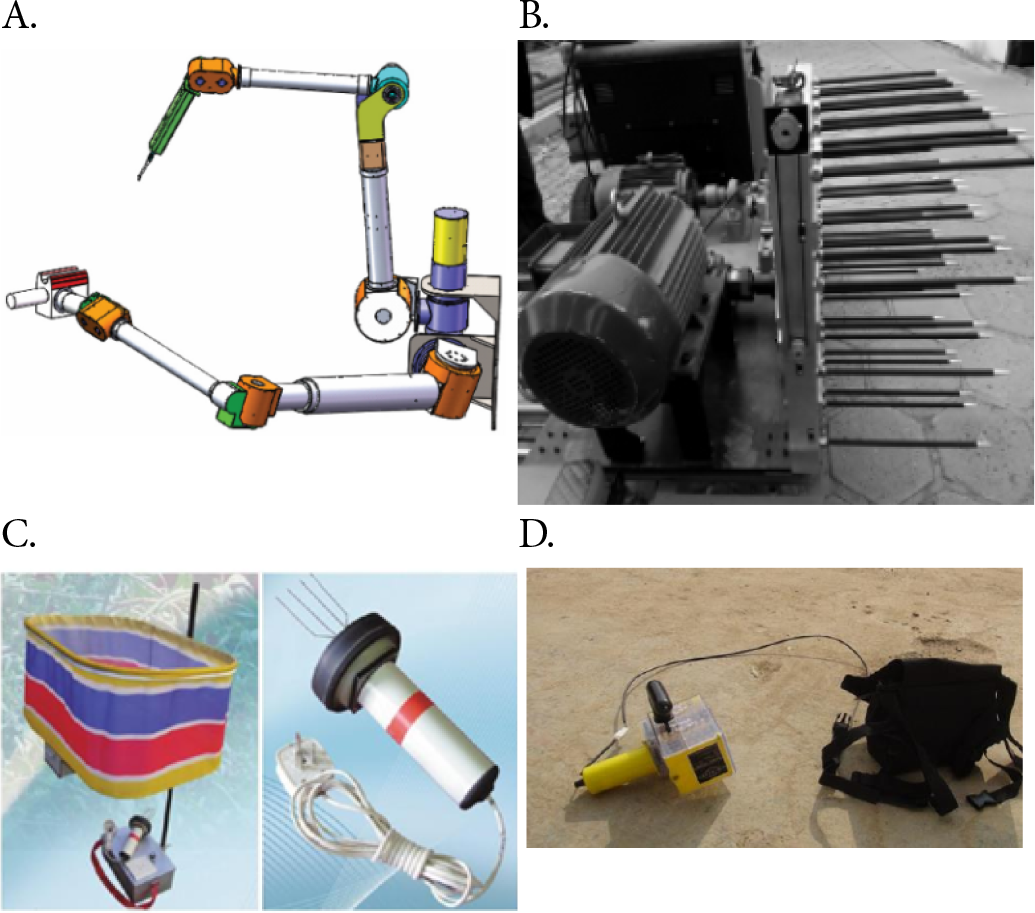 Figure A - Is sourced from the University of Chinese Academy of Sciences; Figure B - Is sourced from the Institute of Intelligent Machines, Chinese Academy of Sciences; Figure C - Is sourced from the Ningxia Wolfberry Engineering Technology Research Center; Figure D - Is sourced from the Agricultural and Animal Husbandry Machinery Extension Station in Haixi Mongol and Tibetan Autonomous Prefecture Qinghai Province
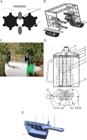
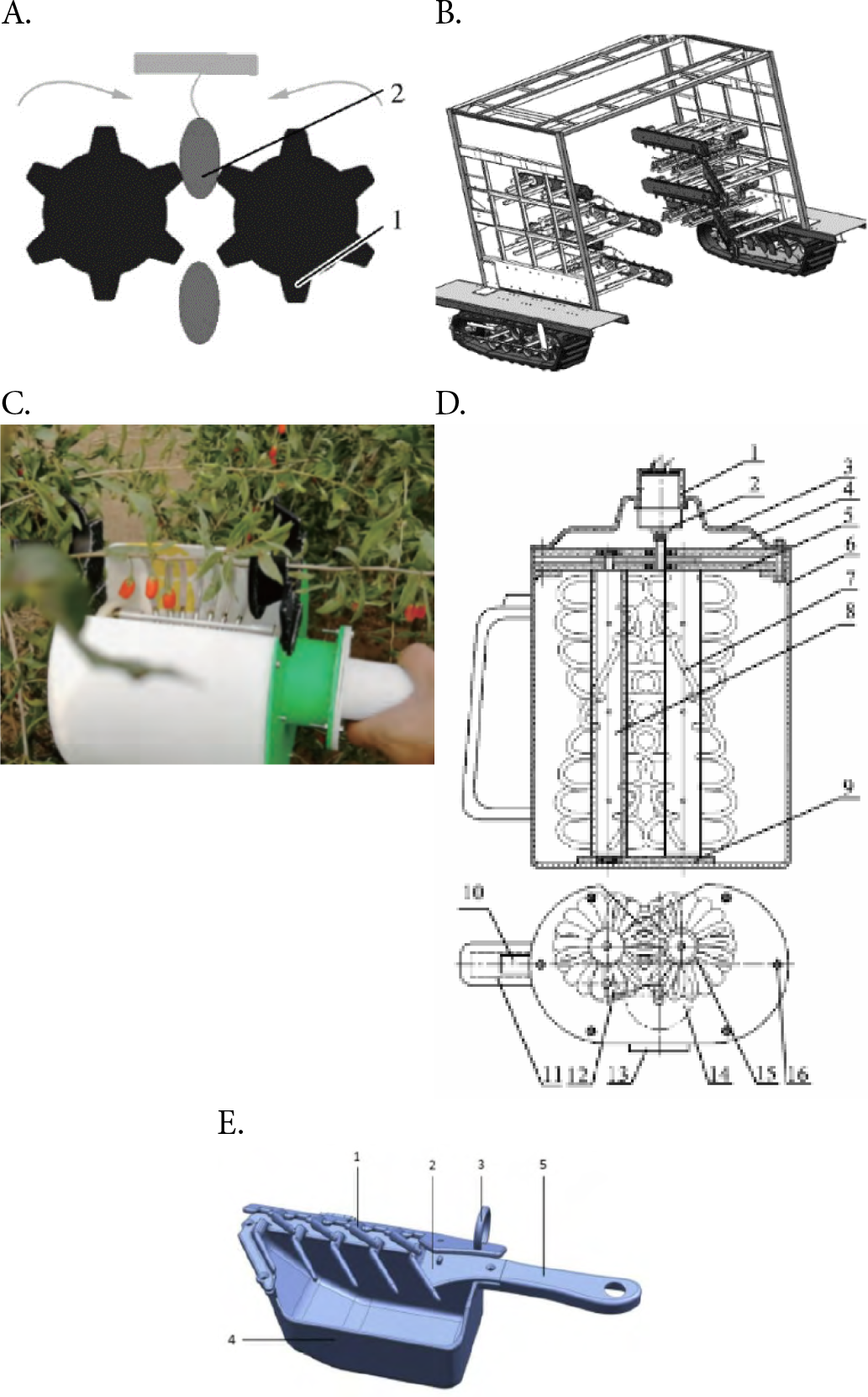 Figures A and B are sourced from the Nanjing Institute of Agricultural Mechanization, Ministry of Agriculture and Rural Affairs of China; Figure C is sourced from China Agricultural University; Figure D is sourced from Liaoning Institute of Mechanical and Electrical Technology; Figure E is sourced from the Ningxia Zhongbang Tiandi Technology and Cultural Innovation Co., Ltd.
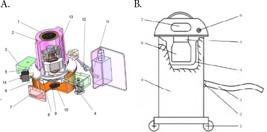
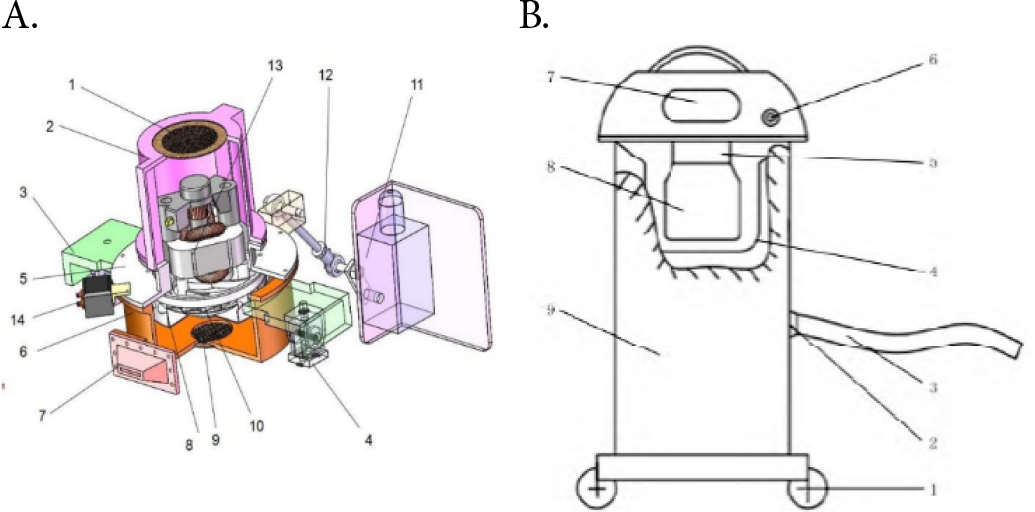 Figure A - Is sourced from Northwest A&F University; Figure B - Is sourced from China Agricultural University
 Figure A - It is sourced from Yinchuan City, Ningxia Hui Autonomous Region; Figure B - It is sourced from Wuwei City, Gansu Province
 Figures A and B - It is sourced from China Agricultural University
 Figures A, B, and D - Are sourced from Northwest A&F University; Figure C - It is sourced from China Agricultural University