
 ARIMA modeling for predicting hair coat temperature in dairy cows under heat stress1
Hair coat temperature is an effective indicator for monitoring heat stress in dairy cows, particularly in tropical regions, as it directly reflects environmental conditions and animal adaptation. Autoregressive Integrated Moving Average models with transfer functions enable dynamic assessment of the relationship between environmental variables and physiological responses. This study evaluated the influence of the temperature-humidity index and ambient temperature on hair coat temperature, as well as its temporal response to heat stress, considering differences related to age and parity. Hair coat temperature was measured at the head, back, udder, and cannon bone of 19 Holstein cows housed in a free-stall system, twice daily over 229 days. The model was fitted to the input series to predict the output series (hair coat temperature). Seasonal conditions significantly affected hair coat temperature, and cross-correlation analysis indicated a rapid thermal response to heat stress with short-term persistence, generally between 24 and 48 hours. Ambient temperature showed a significant causal relationship with hair coat temperature, and the transfer function model demonstrated good predictive performance (Root Mean Square Error = 1.08 °C). Younger cows and those with lower parity were more thermally vulnerable, whereas adult, multiparous cows showed greater thermal stability. Predictive modeling proved to be a promising tool for studying the thermal dynamics of Holstein cows. However, the results are limited to this breed and the local climatic conditions and should not be extrapolated to other production contexts.
Key words:
transfer function; seasons; cross-correlation; lagged response; free stall
ARIMA models accurately predict hair coat temperature in Holstein cows under intense heat stress conditions.
Seasonal factors, such as ambient temperature and the temperature-humidity index, influence bovine coat temperature.
Younger and primiparous cows are more susceptible to heat stress than multiparous cows.
 Thumbnail
 Thumbnail
 Thumbnail
 Thumbnail
 Thumbnail
 Thumbnail
 Thumbnail
 Thumbnail
 Thumbnail
 Thumbnail
 Thumbnail
 Thumbnail
 Thumbnail
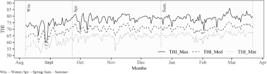
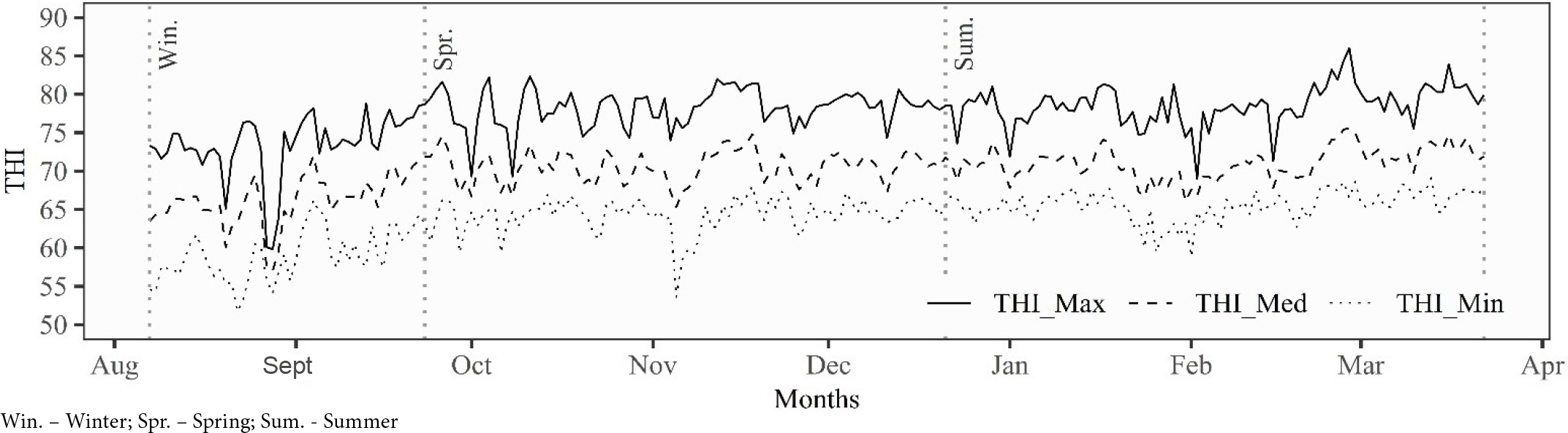 Win. - Winter; Spr. - Spring; Sum. - Summer
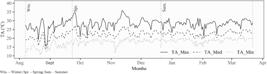
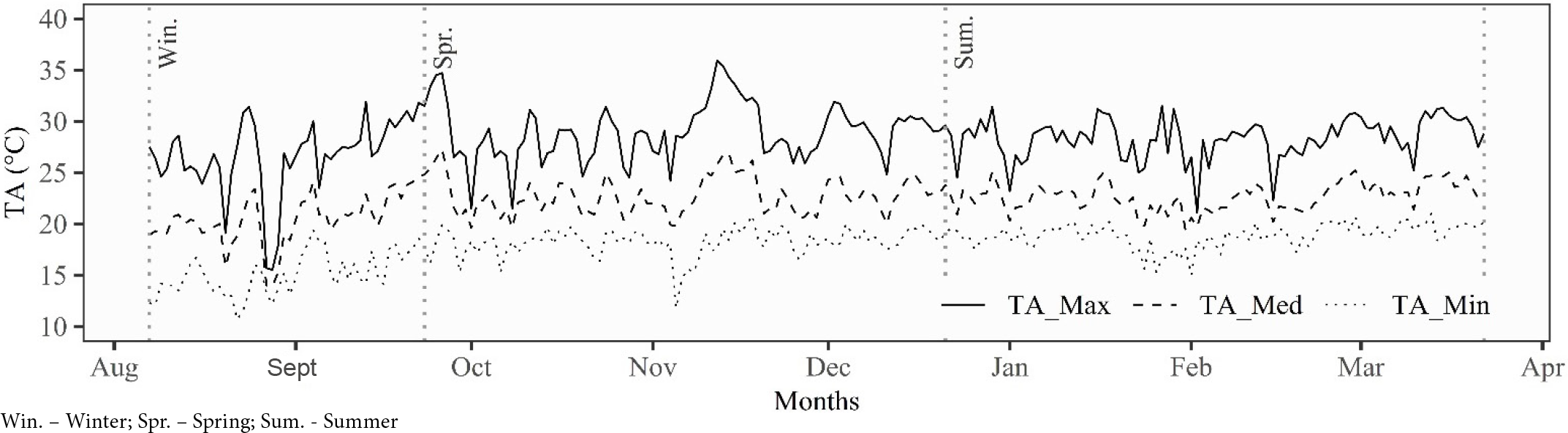 Win. - Winter; Spr. - Spring; Sum. - Summer
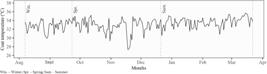
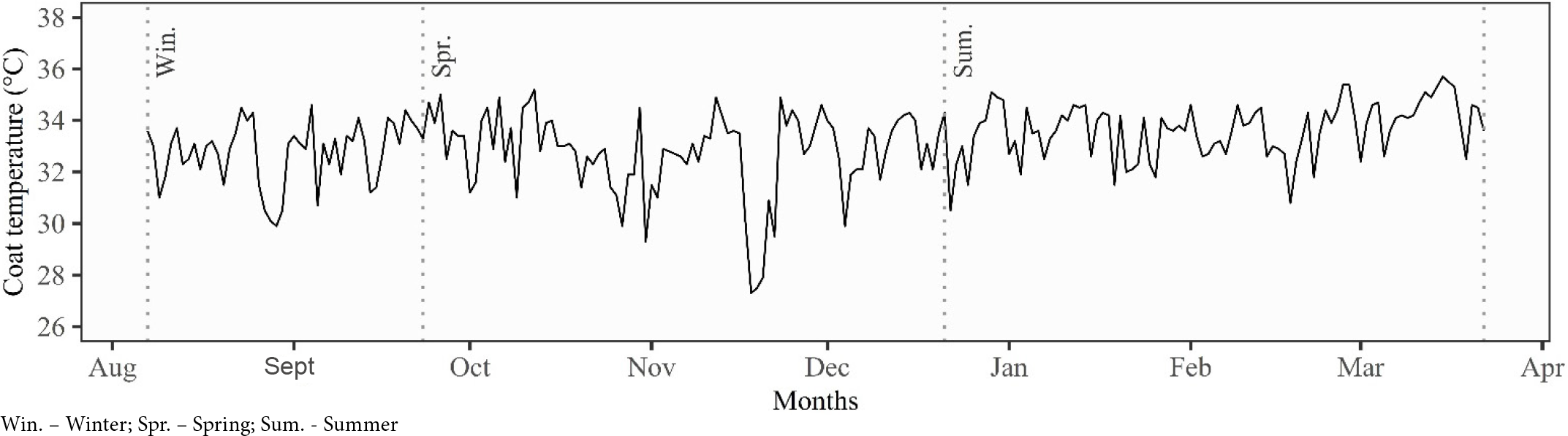 Win. - Winter; Spr. - Spring; Sum. - Summer
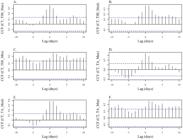
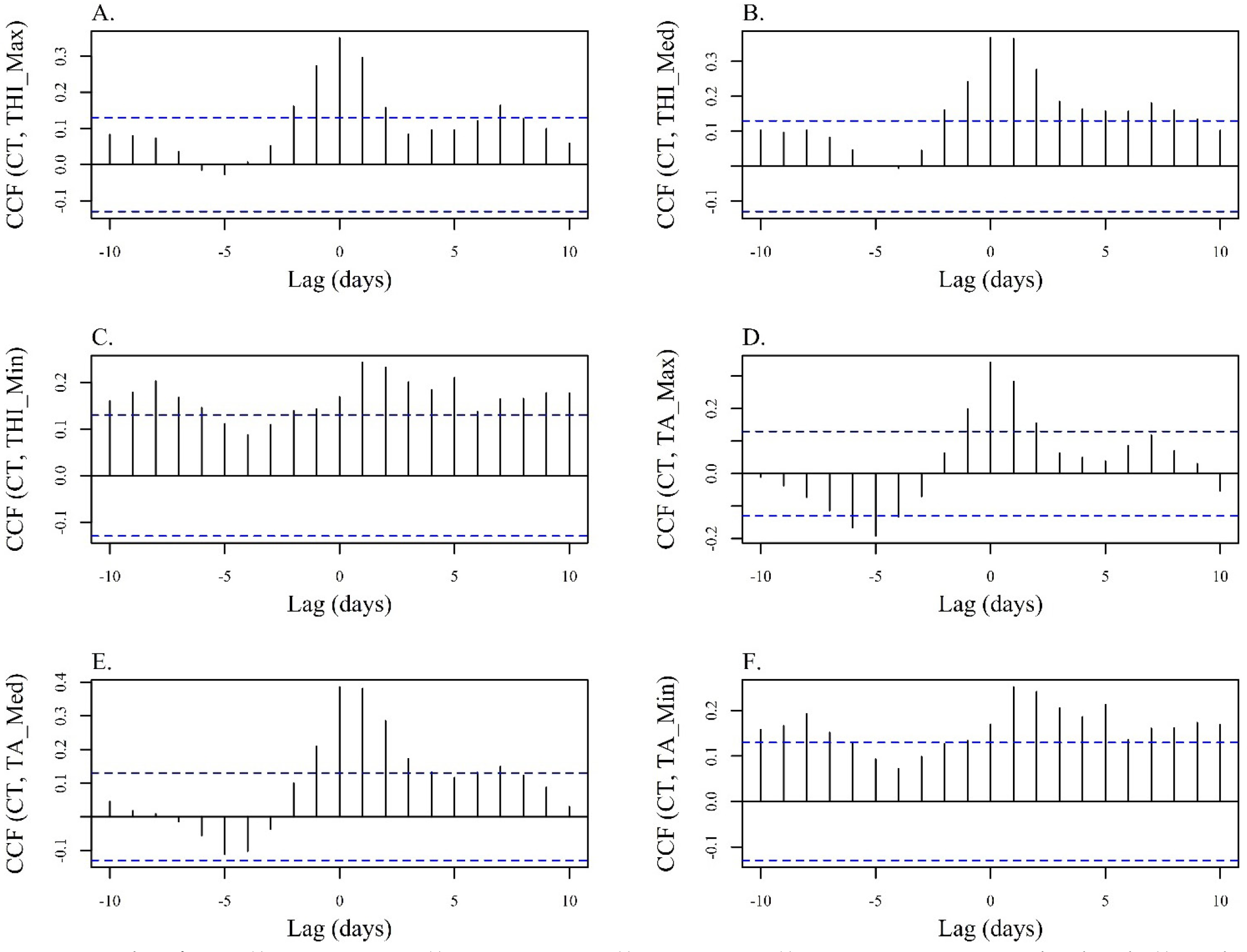 CCF - Cross-correlation function; ITS - Input time series; OTS - Output time series; CT - Coat temperature; THI_Max - Maximum temperature-humidity index; THI_Med - Average temperature-humidity index; THI_Min - Minimum temperature-humidity index; TA_Max - Maximum ambient temperature; TA_Med - Average ambient temperature; TA_Min - Minimum ambient temperature
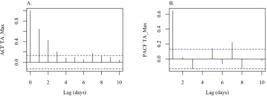
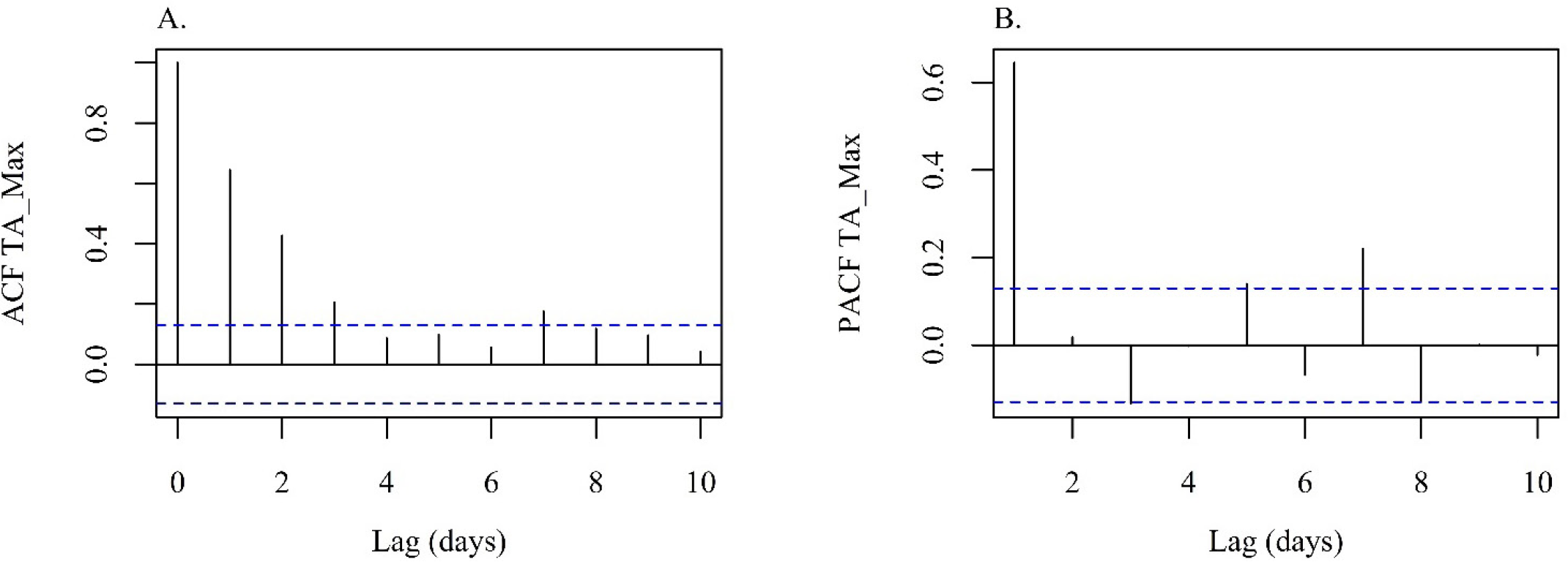 ACF - Autocorrelation function; TA_Max - Maximum ambient temperature; PACF - Partial autocorrelation function; For interpretation, peaks that exceed the dotted lines are considered significant autocorrelations
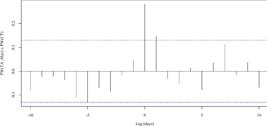
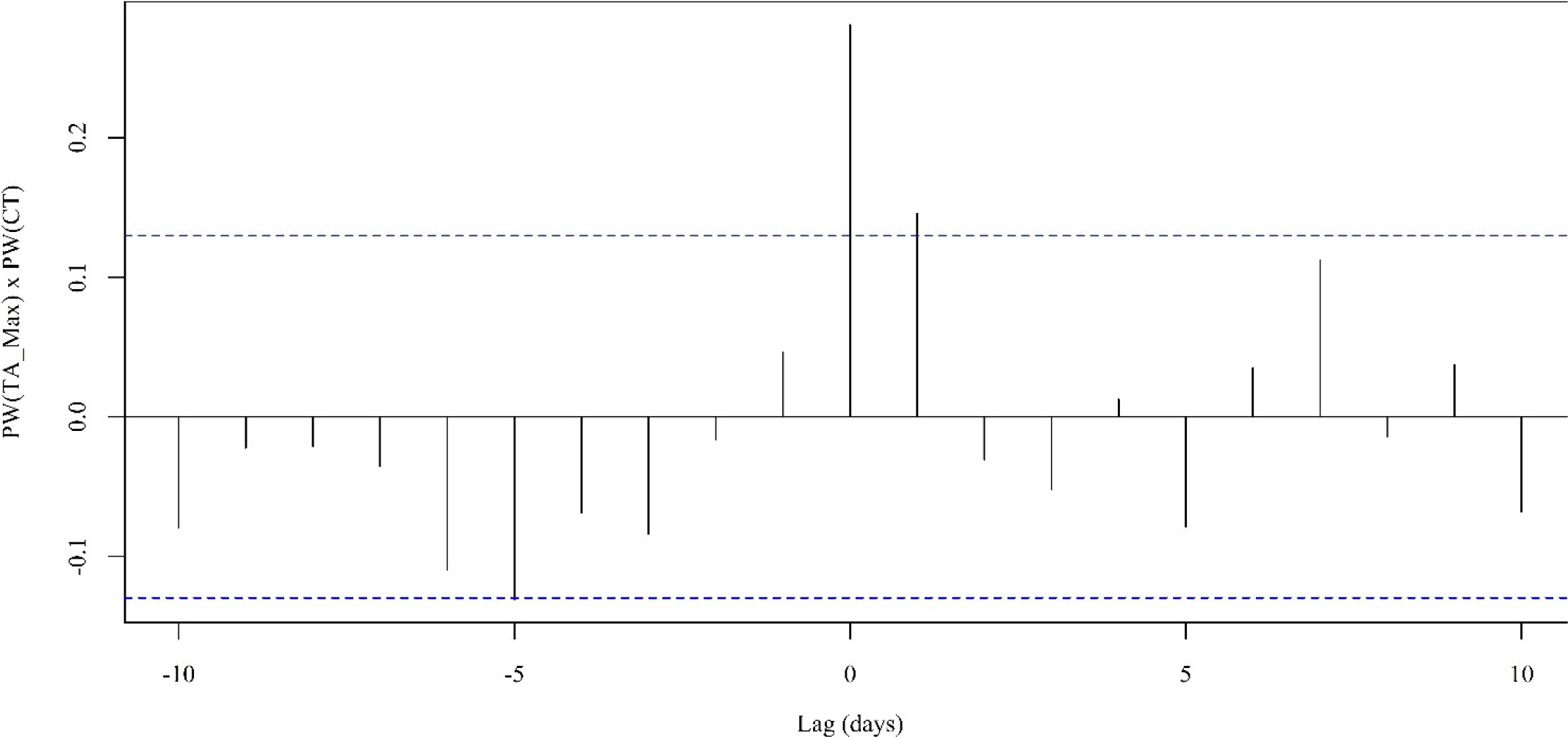 PW-CCF - Pre-whitened cross-correlation function; ITS PW(TA_Max) - Input time series pre-whitened of maximum ambient temperature; OTS PW(CT) - Output time series pre-whitened of coat temperature
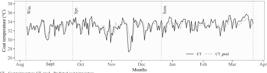
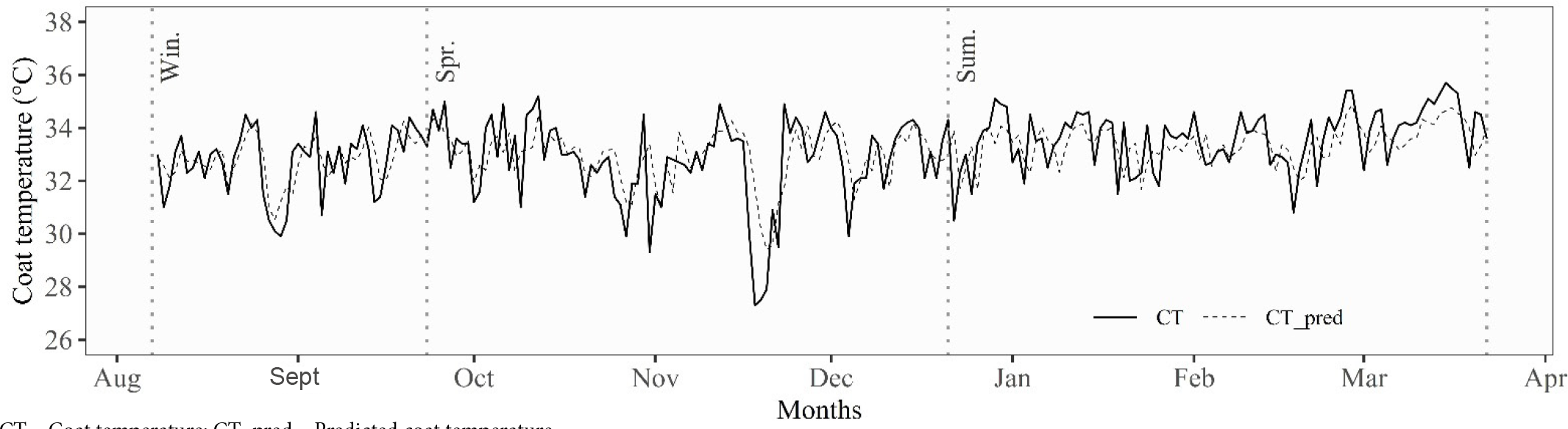 CT - Coat temperature; CT_pred - Predicted coat temperature
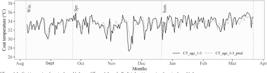
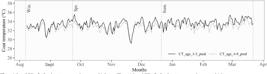
 CT_age_1-3 - Coat temperature for animals aged 1-3 years; CT_age_1-3_pred - Predicted coat temperature for animals aged 1-3 years
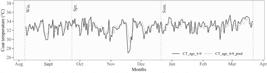
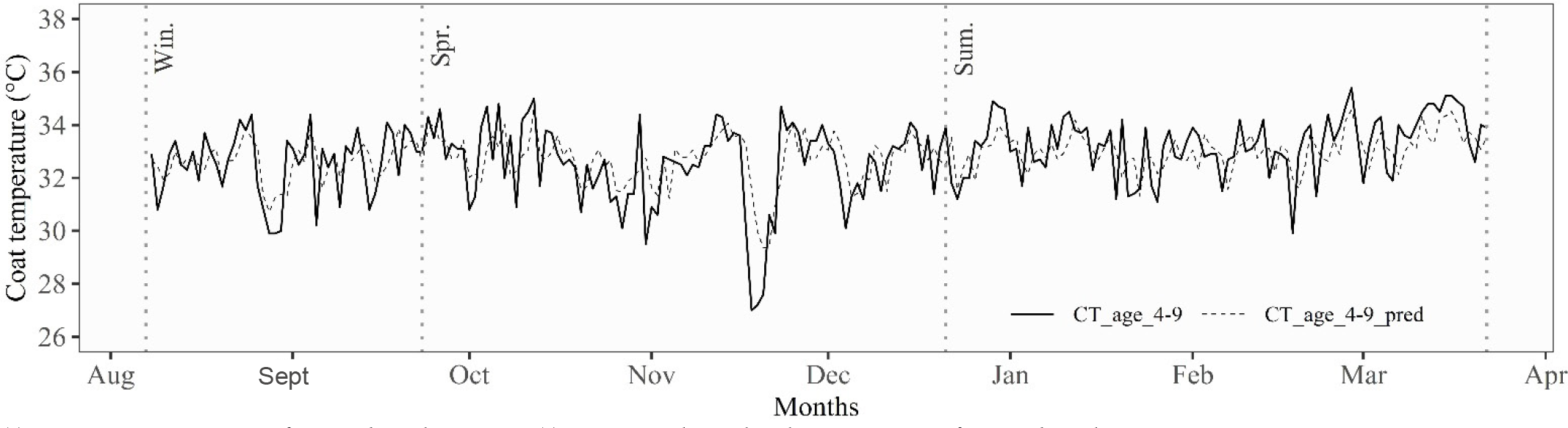 CT_age_4-9 - Coat temperature for animals aged 4-9 years; CT_age_4-9_pred - Predicted coat temperature for animals aged 4-9 years
 CT_age_1-3_pred (°C) - Predicted coat temperature for cows aged 1-3 years; CT_age_4-9_pred (°C) - Predicted coat temperature for cows aged 4-9 years
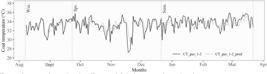
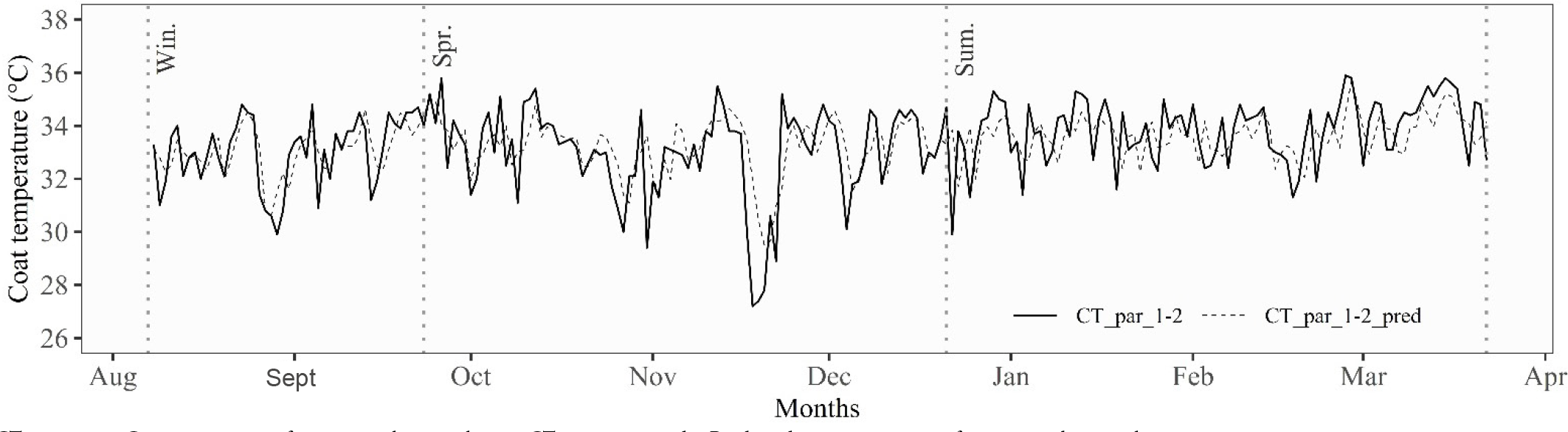 CT_par_1-2 - Coat temperature for cows with 1-2 calvings; CT_par_1-2_pred - Predicted coat temperature for cows with 1-2 calvings
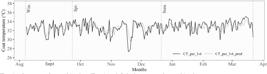
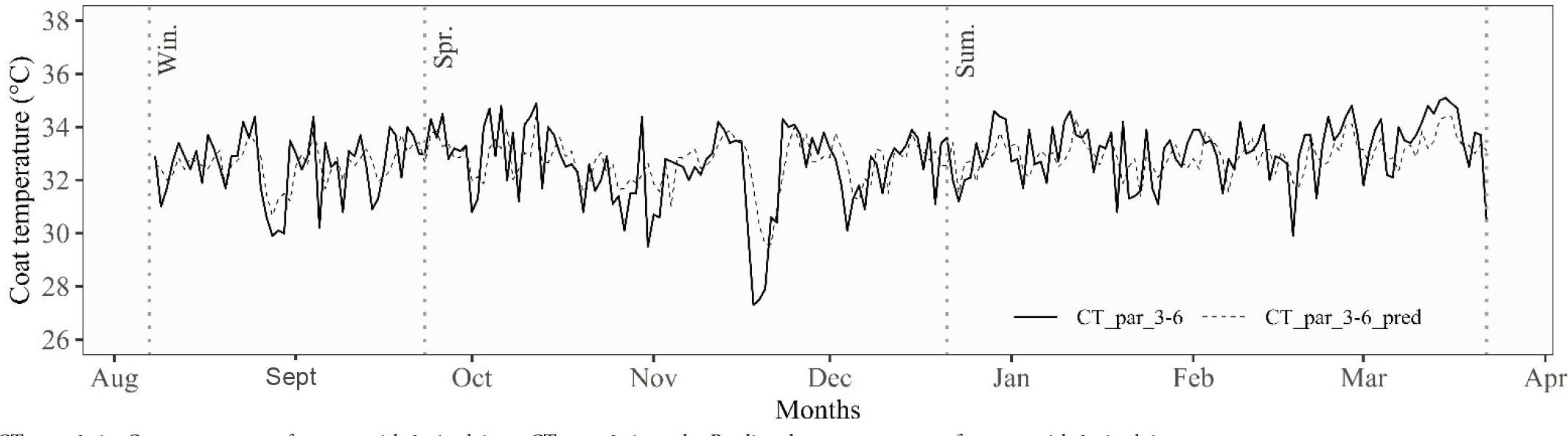 CT_par_3-6 - Coat temperature for cows with 3-6 calvings; CT_par_3-6_pred - Predicted coat temperature for cows with 3-6 calvings
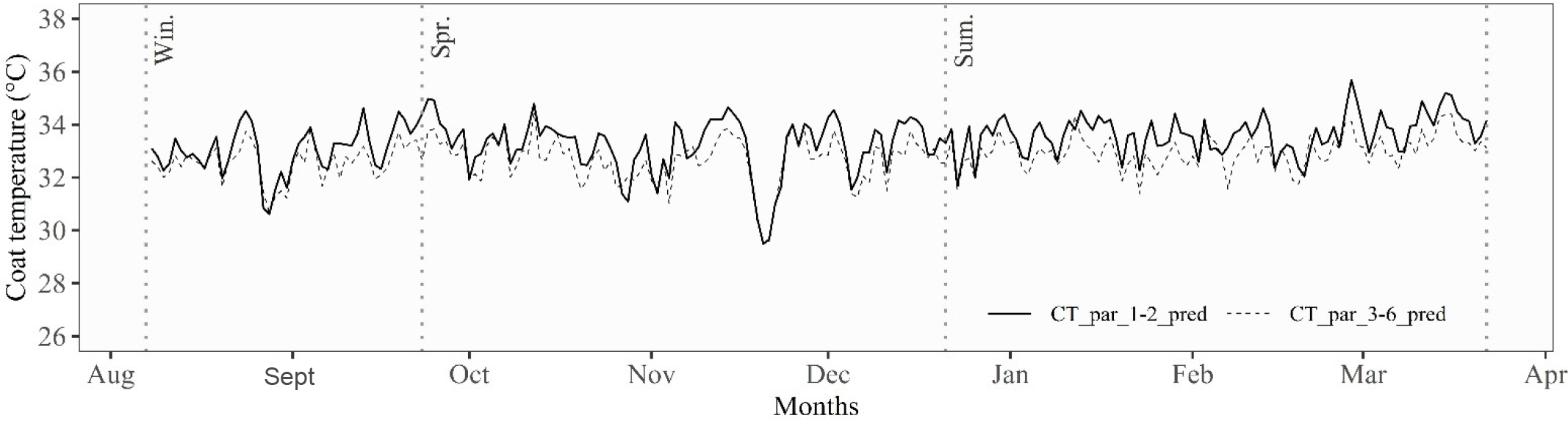 CT_par_1-2_pred - Predicted coat temperature for cows with 1-2 calvings; CT_par_3-6_pred - Predicted coat temperature for cows with 3-6 calvings