
 Fixed shank improves soil properties and common bean performance when sown in the same row
ABSTRACT
Compaction and heterogeneous nutrient concentrations along the soil profile limit crop yield. This study aimed to assess the impact of corn sowing with double disks and fixed shanks combined with phosphate fertilization on soil properties and corn performance, and to evaluate whether re-sowing in the same row affects common bean development. In a randomized block design, the treatments were arranged in a split plot scheme, in which the main plot consisted of the two doses of P and the subplot consisted of the furrow opening mechanisms. Mechanisms for sowing were: double disks, operating at 0.05 m depth; and fixed shanks, operating at 0.05, 0.10 and 0.20 m depths. Triple superphosphate deposition conditions in the sowing furrow were: 1) absence and 2) presence of 200 kg ha-1. Penetration resistance, macroporosity, and phosphorus and calcium concentrations of the soil, as well as the biometric characteristics and yields of corn and common bean were evaluated. Fixed shanks at depths of 0.10 and 0.20 m increased soil macroporosity and phosphorus levels when combined with triple superphosphate. Additionally, re-sowing with double disks along the same cultivation rows previously treated with fixed shanks at 0.20 m depth resulted in higher total dry biomass of common beans. The results indicate that the fixed shanks use improves soil structure and modifies phosphorus stratification, increasing its availability in 0.15-0.20 m soil layer. Re-sowing common beans along the same rows previously cultivated with fixed shanks at 0.20 m depth resulted in greater total biomass in no-tillage system.
Key words:
no-tillage; phosphate fertilizer; soil physics; soil fertility; controlled traffic
HIGHLIGHTS
Fixed shanks operating at 0.20 m depth reduce soil chemical and physical stratification.
Sowing in the same row as the fixed shanks used in the previous crop takes advantage of the residual effects. Sowing along the same row as the previous crop is proposed as a new practice of crop establishment.
RESUMO
Compactação e concentrações heterogêneas de nutrientes ao longo do perfil do solo limitam a produtividade das culturas. Este estudo avaliou o impacto da semeadura com discos duplos e hastes sulcadoras combinados à adubação fosfatada sobre as propriedades do solo e o desempenho do milho, além de verificar se a ressemeadura na mesma linha afeta o desenvolvimento do feijão. Em delineamento em blocos casualizados, os tratamentos foram dispostos em parcelas subdivididas, em que a parcela principal consistiu de duas doses de P e a subparcela dos mecanismos de abertura dos sulcos. Os mecanismos foram: discos duplos a 0,05 m; e hastes fixas, a 0,05, 0,10 e 0,20 m de profundidades. As condições de deposição do superfosfato triplo no sulco de semeadura foram: 1) ausência e 2) presença de 200 kg ha-1. Avaliaram-se resistência à penetração, macroporosidade e teores de fósforo e cálcio do solo, bem como características biométricas e rendimentos de milho e feijão. Hastes fixas a 0,10 e 0,20 m de profundidade aumentaram a macroporosidade do solo e teores de fósforo quando combinados com superfosfato triplo. A ressemeadura com discos duplos nas mesmas linhas cultivadas anteriormente com hastes a 0,20 m de profundidade resultou em maior biomassa seca do feijão-comum. Os resultados indicam que o uso de hastes fixas melhora a estrutura do solo e modifica a estratificação do fósforo, aumentando sua disponibilidade em 0,15-0,20 m. A ressemeadura de feijão-comum nas linhas previamente cultivadas com hastes a 0,20 m de profundidade resultou em maior biomassa em sistemas de plantio direto.
Palavras-chave:
plantio direto; fertilizante fosfatado; física do solo; fertilidade do solo; tráfego controlado
Introduction
No-tillage system (NTS) is widely adopted in subtropical regions, under cover crop management (Spliethoff et al., 2019; Rampim et al., 2020; Pott et al., 2023), due to its ability to reduce soil erosion (Fuentes-Guevara et al., 2024) and preserve organic matter. However, long-term adoption of NTS, especially under intensive cropping systems with high machine traffic (Bareta Junior et al., 2021), has led to significant soil compaction in the surface layer (Trentin et al., 2018), limiting root growth and water infiltration (Bareta Júnior et al., 2022). Under these conditions, alternatives to maintain soil structure are critical to sustain high crop yields.
In the NTS, the absence of soil disturbance, combined with the surface application of fertilizers, commonly performed by mechanisms such as broadcast distributors, double disks, and fixed shanks operating at shallow depths, promotes the vertical stratification of nutrients in the soil profile. This condition favors the accumulation of nutrients in the upper layers (Nunes et al., 2019), especially phosphorus (P) (Rampim et al., 2013; Vicensi et al., 2020), due to its low mobility.
In response to these challenges, fixed-shank furrow openers have been proposed as an alternative that promotes localized soil disturbance (Rampim et al., 2019; Rampim et al., 2020; Milla et al., 2020; Outeiro et al., 2026) and deep placement of fertilizers (Nunes et al., 2019). Operating at depths of 0.10 to 0.20 m, these openers improve physical attributes such as macroporosity and penetration resistance, and also reduce chemical stratification by redistributing nutrients along the soil profile. However, their continuous use is limited by operational constraints, including high energy demand and reduced efficiency in fields with significant crop residue (Mentges et al., 2010; Li et al., 2015).
An emerging strategy to overcome these limitations is the re-sowing of subsequent crops with double disk openers along the same row previously cultivated with fixed shanks, using seeders pulled by tractors guided by georeferencing systems such as Real-Time eXtended (RTX) and Real-Time Kinematic (RTK), which provide centimeter accuracy (Carballido et al., 2014). This approach allows farmers to benefit from the residual effects of deep furrow opening while reducing operational costs and fuel consumption. Despite its potential, this practice remains underexplored in scientific literature and under field conditions.
It is hypothesized that (1) fixed shanks change the soil phosphorus stratification and loosen the soil surface layer and that (2) sowing along the same row of previously cultivated corn favors the performance of subsequent crops under NTS. This study aimed to assess the impact of corn sowing with double disks and fixed shanks combined with phosphate fertilization on soil properties and corn performance, and to evaluate whether re-sowing in the same row affects common bean development.
Material and Methods
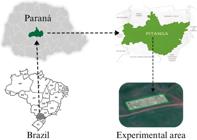
The study was conducted at a farm located in Pitanga, Paraná state, Southern Brazil (24° 46’ 54” S, 51° 51’ 34.19” W, and 1032 m in altitude) (Figure 1), from December 2017 to April 2019. This study was carried out as part of the activities of the Center for Mechanization and Precision Agriculture of UNICENTRO (NMAP). Soil mapping of the state (Bhering et al., 2007) revealed the predominance of very clayey Typic Oxisols (Soil Survey Staff, 2022) in the area. The climate is Cfb - humid mesothermal subtropical, according to Köppen’s classification (Alvares et al., 2013). Rainfall and temperature data were collected from the closest meteorological station (coordinates 25° 23’ 0.63” S, 51° 29’ 38.10” W) of the Instituto de Desenvolvimento Rural do Paraná during the experimental period (Figure 2).

Maximum temperature (T max), minimum temperature (T min), and precipitation per ten-day period in the experimental area from December 2017 to April 2019. Paraná state, Brazil, 2024
Before the experiments were conducted, soil samples were collected from eight random points for chemical analysis and characterization, stratified into the following depths: 0-0.05, 0.05-0.10, 0.10-0.15, and 0.15-0.20 m (Table 1). Soil penetration resistance (PR) was measured up to a depth of 0.50 m using an electronic penetrometer (Falker PLG 1020) at twenty-four random points. The surface volumetric soil moisture at the time of evaluation was 0.29 m3 m-3. A critical limit of 2.0 MPa, which is considered restrictive for root growth, was adopted (Lima et al., 2012).
Soil organic matter (SOM), soil pH, potential acidity at pH 7.0 (H++Al3+), levels of phosphorus (P), exchangeable aluminum (Al3+), potassium (K+), calcium (Ca2+), magnesium (Mg2+), sum of bases (SB), cation exchange capacity (CEC), and base saturation (BS) in the diagnostic layer (0-0.20 m) of the typic Hapludox (Soil Survey Staff, 2022) in 20171
The experiment was conducted in a randomized block design, arranged in a split-plot scheme, in which the main plot consisted of the two doses of P and the subplot consisted of the mechanisms for opening the furrows for sowing (Figure 3), with four replicates and plots measuring 4 × 10 m (40 m2). The treatments were applied solely to the corn crop. The mechanisms for opening the furrows for sowing were: 1) double disks (DD) operating at a soil depth of 0.05 m; 2) fixed shanks (FS) operating at a soil depth of 0.05 m (FS05); 3) fixed shanks operating at a soil depth of 0.10 m (FS10); and 4) fixed shanks operating at a soil depth of 0.20 m (FS20). These treatments were defined based on previous studies that demonstrated the influence of furrow opener type and working depth on soil compaction (Nunes et al., 2019), phosphorus distribution (Nunes et al., 2014), and crop development (Giacomeli et al., 2016) under NTS.

Representation of the randomized block design and illustration of block 1 with the sowing steps for corn (2017) and common bean (2018)
The application of triple superphosphate (TSP) in the sowing furrow had two conditions: 1) absence of TSP (P0) and 2) presence of 200 kg ha-1 of TSP (P1) (Figure 3). The P1 dose was defined based on the recommended dose of P2O5 for a corn yield target of 8.0 t ha-1, according to the Fertilization and Liming Manual for the state of Paraná (NEPAR, 2019).
In the eight consecutive years prior to the experiment, the area was used for rotation of soybean (Glycine max L.) in the summer and wheat (Triticum aestivum L.) in the winter under no-tillage systems. Corn (hybrid BioGene BG7060HR) was sown after the wheat harvest in December 2017, with a row spacing of 0.45 m and four seeds per meter, targeting a stand of 88,889 plants ha-1. For the P1 treatments, fertilization included the application of 200 kg ha-1 triple superphosphate to the sowing furrows (subplot), resulting in 92 kg ha-1 P2O5 and 20 kg ha-1 Ca2+. All treatments received 93 kg ha-1 of KCl, broadcast on the soil surface at planting, supplying 57 kg ha-1 of K2O. Additionally, 150 kg ha-1 of urea was applied at the V5 growth stage of corn, supplying 67.5 kg ha-1 of N. Fertilizer doses were defined based on the recommendations from the Fertilization and Liming Manual for the state of Paraná (NEPAR, 2019), assuming an expected corn yield of 8.0 t ha-1.
Stem diameter was measured 0.05 m above the soil surface when the plants reached the ten-leaf stage (V10). At the silking stage (R1), three leaves were collected from each plot to create composite samples for chemical analysis, following the methodologies outlined by EMBRAPA (2009). Cob height and plant height were measured in ten plants per plot at the dent stage (R5). In June 2018, after the physiological maturity stage (R6), plants from a central area of 15.75 m2 in each plot were manually harvested. From each plot, ten harvested cobs were evaluated for diameter, number of grain rows, and number of grains per row. The cobs were threshed, and the grains were weighed to determine grain yield. Additionally, three subsamples of 100 grains from each plot were weighed to estimate the thousand-grain mass. Grain weight values were adjusted to 13% moisture content, which is recommended for grain storage (Cordeiro et al., 2021).
After harvest, soil penetration resistance (PR) of the corn rows was evaluated at three points per plot via an electronic penetrometer with a conical tip. Readings were taken every 0.01 m up to a depth of 0.50 m. At the time of evaluation, a Moisture Probe Meter (model MPM-160-B) was used to estimate the soil volumetric moisture, which was determined to be 0.29 m3 m-3, corresponding to 73% of the moisture at field capacity. Soil bulk density (Sd) and macroporosity (Ma) were assessed by collecting two undisturbed soil core samples (100 cm3) per plot using a ‘castle’ sampler (Spliethoff et al., 2022) from the corn rows, with one sample taken from each layer (0-0.10 and 0.10-0.20 m). Ma was measured using undisturbed soil samples that were saturated by capillarity for 48 hours and then placed under a tension of -6.0 kPa (EMBRAPA, 2017). Sd was calculated as the ratio of the dry soil mass (dried at 105 °C for 48 hours) to the volume of the soil sample.
Soil samples were collected at three random points within the corn rows of each plot to create composite samples for the following layers: 0-0.05 m, 0.05-0.10 m, 0.10-0.15 m, and 0.150.20 m. The soil concentrations of P (extracted by Mehlich-1) and Ca2+ (extracted by 1 mol L-1 KCl) were analyzed according to the methodologies outlined by Pavan et al. (1992).
The area was covered with ryegrass and oats throughout the winter. In December 2018, common beans (variety BRS Esteio) were sown using double disks in all plots, following the same rows previously used for corn cultivation (Figure 3). This approach represents an innovative agricultural practice, as re-sowing in the exact previous crop rows is still largely unexplored. The sowing rate was nine seeds per meter, with a row spacing of 0.45 m. All plots received fertilization consisting of 250 kg ha-1 of NPK 4-20-20, which provided 10 kg ha-1 of nitrogen (N), 50 kg ha-1 of phosphorus (P2O5), and 50 kg ha-1 of potassium (K2O). Corn and common bean crops were managed using standard agronomic practices, including applications of fungicides and insecticides for pest and disease control.
Common bean performance was evaluated by measuring root dry matter mass (RDM), shoot dry matter mass (SDM), total dry matter mass, pod number (PN), plant height, number of grains per pod, thousand-grain mass, and grain yield at physiological maturity. Root dry matter and shoot dry matter were assessed by collecting ten plants per plot during the physiological maturation stage. The common bean plants were cut at the stem base, and the grains were separated to determine their dry matter. Root samples were collected from a soil monolith of 0.15 × 0.15 m and depth of 0-0.20 m using a cutter shovel during plant physiological maturation. Then, the root samples were washed with water to remove the soil and oven-dried with forced air circulation at 55 °C until mass stabilization (approximately 60 hours). The total dry matter mass was determined by addition of SDM and RDM.
Data were analyzed using analysis of variance (ANOVA, F test, p ≤ 0.05). The means of the treatments were compared using Tukey’s test (p ≤ 0.05) when ANOVA showed a significant difference. All the statistical analyses were performed via R software (R Core Team, 2018).
Results and Discussion
The results indicated a significant interaction effect between the furrow opening mechanisms and phosphorus deposition in the 0-0.10 m layer, which was measured eight months after corn was planted. An increase in Ma and decrease in Sd were observed in the FS10 and FS20 treatments, with the most pronounced effect in FS20 under phosphate fertilization (Table 2). However, even under the condition without phosphate fertilization, FS10 and FS20 showed higher Ma and lower Sd values compared to DD and FS05, indicating that the improvement in soil physical quality is primarily attributed to the mechanical action of the deeper furrow openers, regardless of phosphorus placement. The absence of significant response in the DD and FS05 treatments under both fertilization conditions reinforces that the operating depth of the furrow opener is a key factor in mitigating surface compaction. This behavior can be explained by the ability of deeper shanks to break compacted zones, thereby promoting positive changes in soil physical properties (Nunes et al., 2015; Trentin et al., 2018; Spliethoff et al., 2019; Rampim et al., 2020; Outeiro et al., 2026). The reduction in Sd and the increase in Ma are directly associated with improved soil aeration, greater water infiltration, and enhanced root system development, especially when Ma exceeds the critical threshold of 0.10 m3 m-3 (Bareta Júnior et al., 2022; Pott et al., 2023). In the 0.10-0.20 m layer, there were no significant differences between the treatments for either Ma or Sd. The mean values for Ma and Sd were 0.05 m3 m-3 and 1.24 Mg m-3, respectively.
Macroporosity (Ma) and soil bulk density (Sd) in the 0-0.10 m soil layer under different furrow opening mechanisms and triple superphosphate applied to an Oxisol in August 2018 after corn cultivation
In the 0-0.10 m layer, greater Sd and smaller soil Ma occurred in P1 than in P0 in the FS10 treatment two months after corn harvest (Table 2). Research has shown that phosphorus favors the development of root growth (Müller et al., 2021) and that root growth promotes soil compaction in the rhizosphere (Lucas et al., 2019). In this research, the p-value was 0.048 in the statistical test for Sd, indicating a small variation. It is concluded that phosphorus stimulates corn root growth, causing little variation in Sd. The results obtained in this study are consistent with those of Nunes et al. (2014), who reported that the effects of deep soil mobilization promoted by fixed shanks persist for at least 12 months after corn sowing under NTS. The increases in Ma and Sd promoted by the FS favor water infiltration into the soil. Garcia Neto et al. (2023) observed a positive correlation between soil macroporosity and water infiltration rate, while also finding a negative correlation between water infiltration and soil density. Moreover, greater water infiltration into the soil can reduce surface runoff and soil loss due to erosion, as supported by Fuentes-Guevara et al. (2024). Based on the findings of the present study, it was concluded that FS10 or FS20 are recommended for compacted areas in the surface layer.
The use of DD and FS05 resulted in soil compaction levels above 2 MPa (Figure 4B), showing that theses mechanisms were not sufficient to reduce the initial soil penetration resistance (Figure 4A), thus maintaining mechanical resistance to root growth (Lima et al., 2012). Research results reported in the scientific literature show that machine traffic causes soil compaction in the surface layer in the no-tillage system (Espessato et al., 2017; Girardello et al., 2017; Outeiro et al., 2026). In a study carried out in no-tillage system areas with up to 22 years of cultivation in a soybean/corn succession under Oxisol in the state of Paraná, Brazil, Rosset et al. (2014) reported values of soil density ranging from 1.15 to 1.53 Mg m -3 and penetration resistance of soil at field capacity ranging from 0.69 to 2.09 MPa. Soil density values varying from 1.05 to 1.47 Mg m-3 were also found in areas of no-tillage in the soybean/ corn succession with 5 to 23 years of cultivation in an Oxisol up to 20 cm soil depth in the states of Paraná (Ferreira et al., 2020; Ozório et al., 2020) and Mato Grosso do Sul (Falcão et al., 2020), Brazil. These findings confirm that, under NTS, shallow operation of furrow openers such as DD and FS at 0.05 m is insufficient to alleviate compaction in the surface soil layer.

Mean soil penetration resistance (PR) before the experiment was conducted (A) and soil penetration resistance under different furrow openers every 0.05 m up to 0.5 m soil depth in an Oxisol after corn cultivation (B)
Soil penetration resistance was significantly reduced in the treatments with deeper furrow openers, especially FS20, which showed values below 2.0 MPa down to a soil depth of 0.20 m (Figure 4B), a range considered non-restrictive to root growth (Lima et al., 2012). Both FS10 and FS20 treatments reduced the initial soil penetration resistance in the surface layer (Figures 4A and B). This behavior is due to the compaction relief effect promoted by the fixed shank in the surface layer, as also observed by Becker et al. (2022) and Outeiro et al. (2026). In contrast, the DD and FS05 treatments maintained high PR values, confirming the limitations of using shallow furrow openers in soils with a history of machinery traffic under no-tillage system. The absence of effects in deeper soil layers in the treatments with shanks is explained by the mechanical limitation of the equipment, whose maximum working depth was 0.20 m (Figure 4B).
Phosphorus concentration in the sowing row was analyzed to evaluate the depth of fertilizer deposition from the different furrow opening mechanisms. The phosphorus extracted using the Mehlich-1 method indicated a stratification of P levels throughout the soil profile (Figure 5A) and highlighted the varying depths of phosphorus deposition by fixed-shank openers (Figure 5B). Specifically, the use of fixed shanks operating at a depth of 0.20 m (FS20) increased phosphorus levels in the 0.15-0.20 m layer above the critical threshold of 9.0 mg dm3 (NEPAR, 2019), resulting in lower P levels in the 0-0.15 m layer (Figure 5B). Conversely, the FS10 treatment yielded higher phosphorus concentrations in the layers closer to the operational depth (approximately 0.10 m). In contrast, both the DD and FS05 treatments resulted in phosphorus accumulation above the critical limit only in the top 0-0.05 m layer.

Soil phosphorus concentration without (A) and with (B) triple superphosphate in different furrow openers for sowing in an Oxisol
In the treatment with phosphorus deposition, fixed-shank openers effectively reduce phosphorus stratification in the soil by depositing phosphorus at greater depths. The results of this study indicate that the furrow opening mechanism alone does not diminish stratification in the soil profile, as evidenced by the absence of distinct stratification for the P0 treatment (Figure 5A). However, when triple superphosphate fertilizer was applied, fixed shanks operating at soil depths of 0.10 or 0.20 m significantly decreased phosphorus stratification in the 0.10-0.20 m soil layer (Figure 5B). Nunes et al. (2014) reported that fixed shanks working to a depth of 0.17 m not only improved the physical characteristics of the sowing row but also reduced chemical stratification in an Oxisol profile, particularly for phosphorus and potassium. These findings demonstrate that the deep action of fixed shanks, when used with phosphorus deposition, effectively reduces P stratification in the 0.10-0.20 m layer.
Both DD and FS05 resulted in increased phosphorus concentrations near the soil surface (Figure 5B). This phenomenon can be attributed to the partial deposition of fertilizer on the surface, which tends to concentrate phosphorus and intensify the vertical gradient of chemical fertility in the soil profile over time. Similar findings were reported by Soldat & Petrovic (2007), who studied phosphorus distribution in the soil over five years. They reported significant phosphorus stratification, with higher concentrations in the 0-0.05 m layer following applications of 19, 38, and 72 kg ha-1 P2O5. The accumulation of nutrients near the soil surface occurs due to low soil turning and deposition of fertilizers at the soil surface. In no-till systems, the increased nutrient concentration in the surface layer promotes root stratification within the soil profile, leading to higher root density in the surface layers (Koszalka et al., 2024).
The reduction in P concentration in the 0-0.05 m layer in the FS20 treatment is possibly associated with the soil disturbance promoted by the fixed shanks, which brings soil with low levels of P from the deepest layers to the surface. The high leaf P concentration in the FS20 treatment with the use of triple superphosphate was due to the high soil available P concentration in this treatment in the 0.15-0.20 m layer (Figure 5B). In addition, increased P uptake can be associated with lower penetration resistance (Figure 4B) and increased Ma (Table 2). These conditions stimulate the growth of roots, especially fine roots (Correa et al., 2019), which are more efficient at P uptake. Root growth is highly positively correlated with macropores and available P (Müller et al., 2021). P supplementation increases fine root growth in corn (Zhou et al., 2019). The interaction between higher P availability and a better environment for fine root growth resulted in greater P uptake efficiency by plants.
No significant effects on Ca2+ concentrations were detected for the furrow opener type or for its interaction with fertilizer application. The Ca2+ concentrations extracted with 1 mol L-1 KCl differed statistically for the treatments with and without triple superphosphate deposition. The presence of phosphate fertilizer increased the Ca2+ levels in the soil, except in the 0-0.05 m layer (Figure 6). This behavior is related to the presence of this nutrient (10% Ca2+) in the composition of the fertilizer formulation. The high levels of Ca2+ in the treatments (Figure 6) are related to the high levels of Ca2+ in the experimental area (Table 1).

Calcium (Ca2+) concentration with the application
(Koszalka et al., 2024). of triple superphosphate at the time of sowing in an Oxisol
Phosphorus and calcium concentrations in corn leaves were evaluated to check whether the treatments influenced leaf nutrient concentration. However, no statistically significant differences were observed in calcium concentrations among treatments, with an overall mean of 3.0 g kg-1 (p > 0.05). In the P0 treatment, a 46% increase in the leaf phosphorus concentration was observed in the double disk (DD) treatment compared with the fixed shank at 0.20 m (FS20) (Figure 7A). Additionally, phosphorus concentration in the FS20 treatment, which included triple superphosphate (Figure 7B), was 65.6% greater than that in FS20 without fertilizer (Figure 7A). Treatment with FS20 and phosphorus deposition showed higher phosphorus levels in corn leaf tissue (Figure 7B). This increase in phosphorus uptake is associated with the synergy between greater nutrient availability, higher macroporosity, and lower penetration resistance, which together create a favorable environment for the development of fine roots, responsible for more efficient phosphorus absorption (Correa et al., 2019; Zhou et al., 2019; Müller et al., 2021). These results demonstrate that the combination of fixed shank at 0.20 m and phosphate fertilization enhances phosphorus uptake in corn by improving soil physical conditions and nutrient availability.
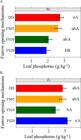
Phosphorus concentration in corn leaf without (A) and with (B) triple superphosphate application under different furrow opening mechanisms for sowing in an Oxisol
Corn variables-cob diameter, cob length, number of rows, grains per row, and stem diameter-did not significantly differ among the treatments (p > 0.05). The mean values of these variables were 0.4765 m for cob diameter, 0.1368 m for cob length, 15.3 rows, 32 grains per row, and 0.0298 m for stem diameter.
No significant interaction between plots and subplots was observed for thousand-grain mass or grain yield; the differences resulted from the main effects of the furrow opening mechanisms. The thousand-grain mass was approximately 7.3% higher in the FS20 treatment than in the FS05 treatment in the corn crop (Figure 8A). Additionally, corn yield was approximately 25% greater in both the DD (7256 kg ha-1) and the FS20 (7333 kg ha-1) treatments compared to FS05 (5695 kg ha-1) and FS10 (5887 kg ha-1) (Figure 8B).

Thousand-grain mass (A) and yield (B) of corn for different furrow opening mechanisms for sowing in an Oxisol
The higher corn grain yield observed in the DD (Figure 8B) is explained by precipitation conditions and nutrient levels in the 0-0.05 m layer. Precipitation was approximately 700 mm during the crop cycle, which was greater than the 600 mm required by the crop (Figure 2). The nutrient concentrations at 0-0.05 m were adequate for crop development (Table 1). Nutrient absorption by the plant is not harmed when there is no water stress (Bista et al., 2018). Plants whose nutrient levels are adequate are more productive (Vicensi et al., 2021). The foliar P concentration of corn was high in the DD treatment (Figure 7), corresponding to the high yield in this treatment. It was concluded that corn yield is high under adequate nutrient levels in the soil and moisture availability.
The yield observed in the FS20 treatment was related to improvements in the physical and chemical properties of the soil (Table 2, Figure 4B, Figure 5). Reduced PR and Sd and greater Ma and P concentrations favor root development (Hansel et al., 2017; Colombi et al., 2018). Research shows that soil decompaction increase corn grain yield and economic return (Xie et al., 2020). Giacomeli et al. (2016), when evaluating a Planosol under NT, found that the use of fixed shanks in compacted soil in surface layers promoted higher corn yield. Greater soybean yields were also achieved using fixed-shank openers (Trentin et al., 2018; Rampim et al., 2020; Coelho et al., 2020; Outeiro et al., 2026).
In this study, high yields were observed with double disks and fixed shanks at 0.20 m soil depth under normal climate conditions. FS20 increased soil Ma, decreased bulk density and penetration resistance, and deposited phosphorus fertilizer more deeply into the soil in the sowing row. Fixed shanks become a more interesting approach for sowing operations in areas where drought is a potential stress, whereas double disks may have uneven results under this condition.
For the common bean crop, the variables grain yield, thousand-grain mass, plant height, and number of grains per pod were not significantly affected by the furrow opening mechanism, the application of phosphate fertilizer, or their interaction (p > 0.05). The means for these variables were 3,187 kg ha-1 for grain yield, 178.6 g for thousand-grain mass, 0.5655 m for plant height, and 5.85 for grains per pod.
The absence of yield response among the treatments is partially explained by the satisfactory precipitation during the crop cycle, which was approximately 560 mm (Figure 2). The maximum and minimum temperatures remained between 17 and 25 °C throughout almost the entire crop cycle, a thermal range considered appropriate for common beans (Figure 2). Favorable climatic conditions caused low water stress during crop cultivation; therefore, the physical and chemical limitations of the soil possibly had little magnitude, and the residual effects of the fixed shanks in the previous crop did not affect common bean yield. Common beans (Phaseolus vulgaris L.) experience substantial decreases in yield in compacted soil where water availability varies more intensely (Montanari et al., 2010).
Fixed shanks operating at a soil depth of 0.20 m had significant effects on total dry matter mass, root dry matter mass, and shoot dry matter mass, with this treatment showing the highest values for these variables (Table 3). The greater root mass observed in this treatment is attributed to the favorable soil physical conditions (Lima et al., 2012; Bareta Júnior et al., 2022), which did not impose restrictions on root system growth. Soil compaction impairs the development of the root system and shoot of common bean, leading to reduced biomass accumulation in these structures (Guimarães et al., 2002). Additionally, a higher number of pods were observed in the FS10 treatment (Table 3). This result may also be associated with improvements in soil physical conditions promoted by the action of the furrow opener shank. These findings highlight the potential interactions between planting techniques and soil management practices in this novel approach.
Root dry matter mass (RDM), shoot dry matter mass (SDM), total dry matter mass (TDM) and number of pods (PP) per common bean plant under different furrow opening mechanisms used for sowing in an Oxisol
The greater RDM, SDM, and TDM observed for FS20 and the higher number of pods for FS10 and FS20 are related to the greater soil Ma (Table 2), lower soil penetration resistance (Figure 4B), and higher phosphorus levels (Figure 5B) in deeper soil layers. Nunes et al. (2015) reported a greater density of corn roots per plant in the 0.05-0.17 m layer when fixed shanks were used at 0.17 m depth than at 0.05 m soil depth. Studies have shown that increasing Sd decreases the root (Giuliani et al., 2024) and shoot biomass of common bean (Rivera et al., 2019). A relatively high root density in the soil enhances a plant’s resistance to water stress by modifying the permanent wilting point (Garcia Neto et al., 2024). Fixed shanks promote improvements in the physical properties that favor common bean performance 12 months after use. Sowing with double disks in the same row alignment and spacing of a previous crop sown with fixed shanks at 0.20 m is an alternative to increase the operational efficiency in the field and reduce fuel costs while benefiting from the previous furrowing. This practice can be performed in the field due to the tools of precision agriculture, such as the georeferencing systems used in current tractors with centimeter accuracy (Carballido et al., 2014), which allow the machine to follow the same previous track. The advantages of this practice were observed for the total dry matter mass (shoot + roots) of common bean sown with double disks in the same row of corn sown in the previous season with fixed shanks at 0.20 m. In this study, no statistically significant difference was observed in common bean yield, possibly due to the adequate and well-distributed precipitation that occurred during its cycle. However, Pott et al. (2023) reported increased common bean yield in areas with higher physical soil quality. The use of fixed shanks to sow common beans in the same row of previously cultivated corn, on the other hand, would cause higher operational costs, and corn residues would cause failures in the plant stand owing to the large amount of straw remaining in the field.
Conclusions
-
1. The use of fixed shanks at soil depths of 0.10 and 0.20 m in corn sowing increase macroporosity and reduce soil bulk density and penetration resistance in superficial layer in the no-tillage system.
-
2. The uses of fixed shanks with phosphate fertilizer modify the vertical distribution of phosphorus in the soil and increase phosphorus concentration in deeper action. The fixed shanks at depth 0.20 m adjusted to deposit phosphorus at a depth of 0.15-0.20 m increase corn leaf phosphorus concentrations.
-
3. Re-sowing common beans along the same rows previously cultivated with different furrow opening mechanisms led to the same grain yield under favorable rainfall conditions, and re-sowing along the same rows of the fixed shanks at 0.20 m resulted in greater total biomass, indicating improved crop development.
-
4. These findings confirm that fixed shanks improve soil physical and chemical properties and improve phosphorus use efficiency in corn, and that maintaining sowing alignment in successive crops contributes to better development of the following crop.
-
1
Research developed at Universidade Estadual do Centro-Oeste, Guarapuava, PR, Brazil
-
Ref. 294408
-
Financing statement:
Conselho Nacional de Desenvolvimento Científico e Tecnológico (CNPq), Coordenação de Aperfeiçoamento de Pessoal de Nível Superior (CAPES), Fundação Araucária and Serviço Nacional de Aprendizagem Rural (SENAR), Seti-PR, and Fundo Paraná.
Acknowledgments:
The authors thank the Center for Mechanization and Precision Agriculture (NMAP), the Soil and Plant Nutrition Laboratory, and the Soil Physics, Management and Conservation Laboratory, all from Universidade Estadual do Centro-Oeste - Paraná (UNICENTRO), for their support in conducting this research.
Data availability statement:
The authors declare that there are no data underlying the text.
Literature Cited
-
Alvares, C. A.; Stape, J. L.; Sentelhas, P. C.; Gonçalves, J. L. M.; Sparovek, G. Köppen’s climate classification map for Brazil. Meteorologische Zeitschrift, v.22, p.711-728, 2013. https://doi.org/10.1127/0941-2948/2013/0507
» https://doi.org/10.1127/0941-2948/2013/0507 -
Bareta Júnior, E.; Genú, A. M.; Rampim, L.; Umburanas, R. C.; Pott, C. A. Critical limits of soil physical attributes for corn and black oat in a Xanthic Hapludox. Revista Ciência Agronômica, v.53. e20207533, 2022. https://doi.org/10.5935/1806-6690.20220003
» https://doi.org/10.5935/1806-6690.20220003 -
Bareta Junior, E.; Rampim, L.; Pott, C. A.; Colecha, K.; Silva, A. A. P.; Sens, T. M. Z. G. Soil physical properties in variable levels of soil compaction. Research, Society And and Development, v.10, e2341028686, 2021. https://doi.org/10.33448/rsd-v10i2.8686
» https://doi.org/10.33448/rsd-v10i2.8686 -
Becker, R. K.; Barbosa, E. A. A.; Giarola, N. F. B.; Kochinski, E. G.; Povh, F. P.; Paula, A. L. D.; Cherubin, M. R. Mechanical intervention in compacted no-till soil in Southern Brazil: soil physical quality and maize yield. Agronomy, v.12, e2281, 2022. https://doi.org/10.3390/agronomy12102281
» https://doi.org/10.3390/agronomy12102281 - Bhering, S. B.; Santos, H. G. dos; Manzatto, C. V.; Bognola, I. A.; Fasolo, P. J.; Carvalho, A. P. de; Potter, R. O.; Curcio, G. R. Mapa de solos do estado do Paraná. Rio de Janeiro: Embrapa Solos, 2007. 73p.
-
Bista, D. R.; Heckathorn, S. A.; Jayawardena, D. M.; Mishra, S.; Boldt, J. K. Effects of drought on nutrient uptake and the levels of nutrient-uptake proteins in roots of drought-sensitive andtolerant grasses. Plants, v.7, p.28, 2018. https://doi.org/10.3390/plants7020028
» https://doi.org/10.3390/plants7020028 -
Carballido, J.; Perez-Ruiz, M.; Emmi, L.; Agüera, J. Comparison of positional accuracy between RTK and RTX GNSS based on the autonomous agricultural vehicles under field conditions. Applied Engineering in Agriculture, v.30, p.361-366, 2014. https://doi.org/10.13031/aea.30.10342
» https://doi.org/10.13031/aea.30.10342 -
Coelho, L. L.; Marchesan, E.; Oliveira, M. L. de; Serafin, A. D.; Schütz, R. P.; Soares, C. F.; Aramburu, B. B. Seeding furrow opening mechanisms and the soybean planting in lowland areas. Ciência Rural, v.50, p.1-10, 2020. http://dx.doi.org/10.1590/0103-8478cr20190870
» http://dx.doi.org/10.1590/0103-8478cr20190870 -
Colombi, T.; Torres, L. C.; Walter, A.; Keller, T. Feedbacks between soil penetration resistance, root architecture and water uptake limit water accessibility and crop growth - A vicious circle. Science of the Total Environment, v.626, p.1026-1035, 2018. https://doi.org/10.1016/j.scitotenv.2018.01.129
» https://doi.org/10.1016/j.scitotenv.2018.01.129 -
Cordeiro, M. W. S.; Ribeiro, D.; Ferrari, R. A.; Dalchiavon, F. C. Corn grain quality at different harvesting times. Revista Brasileira de Engenharia Agrícola e Ambiental, v.25, p.703-709, 2021. https://doi.org/10.1590/1807-1929/agriambi.v25n1p3-9
» https://doi.org/10.1590/1807-1929/agriambi.v25n1p3-9 -
Correa, J.; Postma, A. J.; Watt, M.; Wojciechoswski, T. Soil compaction and the architectural plasticity of root systems. Journal of Experimental Botany, v.70, p.6019-6034, 2019. https://doi.org/10.1093/jxb/erz383
» https://doi.org/10.1093/jxb/erz383 - EMBRAPA - Empresa Brasileira de Pesquisa Agropecuária - Manual de análises químicas de solos, plantas e fertilizantes. 2.ed. Rio de Janeiro, 2009. 627p.
- EMBRAPA - Empresa Brasileira de Pesquisa Agropecuária - Manual de Métodos de análise de solo. 3.ed. Rio de Janeiro, 2017. 577p.
-
Espessato, R. R.; Leite, F.; Guerreiro, J. C.; Del Quiqui, E. M.; Azevedo, A. P.; Aleixo, E. V. Soybean development as a function of traffic of tractor with radial tires. Revista Brasileira Engenharia Agrícola e Ambiental, v.21, p.726-730, 2017. https://doi.org/10.1590/1807-1929/agriambi.v21n10p726-730
» https://doi.org/10.1590/1807-1929/agriambi.v21n10p726-730 -
Falcão, K. S.; Monteiro, F. N.; Ozório, J. M. B.; Souza, C. B.; Farias, P. G.; Menezes, R. S.; Panachuki, E.; Rosset, J. S. Carbon stock and soil aggregation under different use systems in the Cerrado. Revista Brasileira de Ciências Ambientais, v.55, p.1-14, 2020. https://doi.org/10.5327/Z2176-947820200695
» https://doi.org/10.5327/Z2176-947820200695 -
Ferreira, C. R.; Silva Neto, E. C.; Pereira, M. G.; Guedes, J. N.; Rosset, J. S.; Anjos, L. H. C. dos. Dynamics of soil aggregation and organic carbon fractions over 23 years of no-till management. Soil & Tillage Research, v.198, e104533, 2020. https://doi.org/10.1016/j.still.2019.104533
» https://doi.org/10.1016/j.still.2019.104533 -
Fuentes-Guevara, M. D.; Spliethoff, J.; Camilo, E. L.; Garcia Neto, E.; Olanik, C.; Pacheco, A. A.; Ferreira, R.; Rampim, L.; Müller, M. M. L.; Pott, C. A. Mixture of winter cover crops reduces surface runoff and sediment production under no-tillage system for Oxisols. Land Degradation & Development, v.35, p.2145-2156, 2024. https://doi.org/10.1002/ldr.5050
» https://doi.org/10.1002/ldr.5050 -
Garcia Neto, E.; Fuentes-Guevara, M. D.; Rampim, L.; Giarola, N. F. B.; Tormena, C. A.; Pott, C. A. Drought resistance of cover crops and grain crops in oxisols in Southern Brazil. Journal of Soil Science and Plant Nutrition, v.24, p.8046-8055, 2024. https://doi.org/10.1007/s42729-024-02097-x
» https://doi.org/10.1007/s42729-024-02097-x -
Garcia Neto, E.; Umburanas, R. C.; Outeiro, V. H.; Müller, M. M. L.; Rampim, L.; Tormena, C. A.; Pott, C. A. Machinery traffic and cover crop effects on water infiltration rate in a Xanthic Hapludox. Revista Ciência Agronômica, v.54, e20230049, 2023. https://doi.org/10.5935/1806-6690.20230049
» https://doi.org/10.5935/1806-6690.20230049 -
Giacomeli, R.; Marchesan, E.; Sartori, G. M. S.; Donato, G.; Silva, P. R. F.; Kaiser, D. R.; Aramburu, E. B. B. Deep tillage and furrow opener seeders for corn cropping in Planosols. Pesquisa Agropecuária Brasileira, v.51, p.261-270, 2016. https://doi.org/10.1590/S0100-204X2016000300008
» https://doi.org/10.1590/S0100-204X2016000300008 - Girardello, C.; Amado, C.; Jorge, T.; Luis, A.; Lanzanova, E. Soil penetration resistance and soybean root growth under no till with controlled traffic farming. Scientia Agraria, v.18, p.86-96, 2017.
-
Giuliani, L. M.; Hallett, P. D.; Loades, K. W. Effects of soil structure complexity to root growth of plants with contrasting root architecture. Soil and Tillage Research, v.238, e106023, 2024. https://doi.org/10.1016/j.still.2024.106023
» https://doi.org/10.1016/j.still.2024.106023 - Guimarães, C. M.; Stone, L. F.; Moreira, J. A. A. Compactação do solo na cultura do feijoeiro. II: efeito sobre o desenvolvimento radicular e da parte aérea. Revista Brasileira de Engenharia Agrícola e Ambiental, v.6, p.213-218, 2002.
-
Hansel, F. D.; Amado, T. J. C.; Ruiz Diaz, D. A.; Rosso, L. H. M.; Nicoloso, F. T.; Schorr, M. Phosphorus fertilizer placement and tillage affect soybean root growth and drought tolerance. Agronomy Journal, v.109, p.2936-2944, 2017. https://doi.org/10.2134/agronj2017.04.0202
» https://doi.org/10.2134/agronj2017.04.0202 -
Koszalka, V.; Camilo, E. L.; Surkamp, C.; Rampim, L.; Pott, C. A.; Müller, M. M. L. Autumn Cover Crops Increase Deep Root Growth of Soybean in no-Tillage System. Brazilian Archives of Biology and Technology, v.67, e2024230805, 2024. https://doi.org/10.1590/1678-4324-PSSM-2024230805
» https://doi.org/10.1590/1678-4324-PSSM-2024230805 -
Li, Y.; Rui, Z.; Nana, G.; Tao, C.; Quanwei, L.; Dongxing, Z. Performance of no-till corn precision planter equipped with row cleaners. International Journal of Agricultural and Biological Engineering, v.8, p.15-25, 2015. https://doi.org/10.3965/j.ijabe.20150805.1846
» https://doi.org/10.3965/j.ijabe.20150805.1846 -
Lima, C. L. R.; Miola, E. C. C.; Timm, L. C.; Pauletto, E. A.; Silva, A. P. Soil compressibility and least limiting water range of a constructed soil under cover crops after coal mining in Southern Brazil. Soil & Tillage Research, v.124, p.190-195, 2012. https://doi.org/10.1016/j.still.2012.06.006
» https://doi.org/10.1016/j.still.2012.06.006 -
Lucas, M.; Schlüter, S.; Vogel, H. J.; Vetterlein, D. Roots compact the surrounding soil depending on the structures they encounter. Scientific Reports, v.9, p.1-13, 2019. https://doi.org/10.1038/s41598-019-52665-w
» https://doi.org/10.1038/s41598-019-52665-w -
Mentges, M. I.; Reichert, J. M.; Rosa, D. P.; Vieira, D. A.; Rosa, V. T.; Reinert, D. J. Soil physicohydric properties and chisel energy demand in a compacted Alfisol. Pesquisa Agropecuária Brasileira, v.45, p.315-321, 2010. https://doi.org/10.1590/S0100-204X2010000300012
» https://doi.org/10.1590/S0100-204X2010000300012 -
Milla, F.; Rampim, L.; Harmatiuka, P. H.; Maziero, A. L.; Muller, M. M. L.; Faria, V. O.; Pacheco, A. A.; Olanik, C.; Bini, P. E. C. Furrow opener and plant density on canola crop, penetration resistance and subsequent soybean crop. Research, Society and Development, v.1, e6919108679, 2020. https://doi.org/10.33448/rsd-v9i10.8679
» https://doi.org/10.33448/rsd-v9i10.8679 -
Montanari, R.; Carvalho, M. P.; Andreotti, M.; Dalchiavon, F. C.; Lovera, L. H.; Honorato, M. A. O. Aspects of common bean yield with a high technological management level as correlated with soil physical properties. Revista Brasileira de Ciência do Solo, v.34, p.1811-1822, 2010. https://doi.org/10.1590/S0100-06832010000600005
» https://doi.org/10.1590/S0100-06832010000600005 -
Müller, M.; Schneider, J. R.; Klein, V. A.; Silva, E.; Silva Junior, J. P.; Souza, A. M.; Chavarria, G. Soybean root growth in response to chemical, physical, and biological soil variations. Frontiers in Plant Science, v.12, p.272, 2021. https://doi.org/10.3389/fpls.2021.602569
» https://doi.org/10.3389/fpls.2021.602569 - NEPAR - Núcleo Estadual Paraná da Sociedade Brasileira de Ciência do Solo. Manual de adubação e calagem para o Estado do Paraná. 3.ed. Curitiba, 2019. 482p.
-
Nunes, M. R.; Denardin, J. E.; Faganello, A.; Pauletto, E. A.; Pinto, L. F. S. Effect of seed drill with fixed shanks for deep action in soil under no-till. Revista Brasileira de Ciência do Solo, v.38, p.627-638, 2014. https://doi.org/10.1590/S0100-06832014000200027
» https://doi.org/10.1590/S0100-06832014000200027 -
Nunes, M. R.; Denardin, J. E.; Pauletto, E. A.; Faganello, A.; Pinto, L. F. S. Mitigation of clayey soil compaction managed under notillage. Soil & Tillage Research, v.148, p.119-126, 2015. https://doi.org/10.1016/j.still.2014.12.007
» https://doi.org/10.1016/j.still.2014.12.007 -
Nunes, M. R.; Karlen, D. L.; Denardin, J. E.; Cambardella, C. A. Corn root and soil health indicator response to no-till production practices. Agriculture, Ecosystems and Environment, v.285, e106607, 2019. https://doi.org/10.1016/j.agee.2019.106607
» https://doi.org/10.1016/j.agee.2019.106607 -
Outeiro, V. H.; Müller, M. M. L.; Pott, C. A.; Rosset, J. S.; FuentesGuevara, M. D.; Rampim, L. Fixed shanks in the seeder and cover crops improve soil properties and soybean yield in no-tillage system subjected to heavy traffic. Soil and Tillage Research, v.255, e106769, 2026. https://doi.org/10.1016/j.still.2025.106769
» https://doi.org/10.1016/j.still.2025.106769 -
Ozório, J. M. B.; Rosset, J. S.; Schiviano, J. A.; Panachuki, E.; Souza, C. B. S.; Menezes, R. S.; Ximenes, T. S.; Castilho, S. C. P.; Marra, L. M. Carbon stock and soil aggregation under forest fragments in the Atlantic Forest and Cerrado biomes. Revista Brasileira de Ciências Ambientais, v.53, p.97-116, 2020. https://doi.org/10.5327/Z2176-947820190518
» https://doi.org/10.5327/Z2176-947820190518 - Pavan, M. A..; Bloch, M. F.; Zempulski, H. C.; Miyazawa, M.; Zocoler, D. C. Manual de análise química de solo e controle de qualidade. Curitiba: IAPAR, 1992. 38p.
-
Pott, C. A.; Conrado, P. M.; Rampim, L.; Umburana, R. C.; Conrado, A. M. C.; Outeiro, V. H.; Muller, M. M. L. Mixture of winter cover crops improves soil physical properties under no-tillage system in a subtropical environment. Soil & Tillage Research, v.234, e105854, 2023. https://doi.org/10.1016/j.still.2023.105854
» https://doi.org/10.1016/j.still.2023.105854 -
R Core Team. R: A language and environment for statistical computing. Vienna: R Foundation for Statistical Computing, 2018. Available at: < https://www.rproject.org/>. Accessed in: Jun. 2020.
» https://www.rproject.org/ - Rampim, L.; Alba, P. ; Spliethoff, J.; Franca, R.; Outeiro, V. H. Semeadoras: teste de velocidade. Revista Cultivar Máquinas, v.17, p.24-31, 2019.
-
Rampim, L.; Lana, M. do C.; Frandoloso, J. F.Available phosphorus and sulphur, exchangeable aluminum and remaining phosphorus in rhodic eutrudox submitted to gypsum cultivated with wheat and soybean. Semina: Ciências Agrárias, v.34, p.1623-1638, 2013. https://doi.org/10.5433/1679-0359.2013v34n4p1623
» https://doi.org/10.5433/1679-0359.2013v34n4p1623 -
Rampim, L.; Pott, C. A.; Volanin, A. J. D.; Spliethoff, J.; Camilo, E. L.; Camilo, M. L.; Conrado, A. M. C.; Kolling, C. E.; Conrado, P. M.; Garcia Neto, E. Influence of mechanical management and green manure on physical attributes of Oxisol. Research, Society and Development, v.9, e173953258, 2020. https://doi.org/10.33448/rsd-v9i5.3258
» https://doi.org/10.33448/rsd-v9i5.3258 -
Rivera, M.; Polanía, J.; Ricaurte, J.; Borrero, G.; Beebe, S.; Rao, I. Soil compaction induced changes in morpho-physiological characteristics of common bean. Journal of Soil Science and Plant Nutrition, v.19, p.217-227, 2019. https://doi.org/10.1007/s42729-019-0007-y
» https://doi.org/10.1007/s42729-019-0007-y -
Rosset, J. S.; Lana, M. C.; Pereira, M. G.; Schiavo, J. A.; Rampim, L.; Sarto, M. V. M.; Seidal, E. P. Carbon stock, chemical and physical properties of soils under management systems with different deployment times in western region of Paraná, Brazil. Semina: Ciências Agrárias, v.35, p.3053-3072, 2014. https://doi.org/10.5433/1679-0359.2014v35n6p3053
» https://doi.org/10.5433/1679-0359.2014v35n6p3053 - Soil survey staff. Keys to soil taxonomy. 13.ed. Washington, DC: United States Department of Agriculture, Natural Resources Conservation Service, 2022. 410p.
-
Soldat, D. J.; Petrovic, M. A. Soil phosphorus levels and stratification as affected by fertilizer and compost applications. Applied Turfgrass Science, v.4, p.1-6, 2007. https://doi.org/10.1094/ATS-2007-0815-01-RS
» https://doi.org/10.1094/ATS-2007-0815-01-RS -
Spliethoff, J.; Rampim, L.; Pott, C. A. Performance of cover and corn plants in different mechanical and biological management associations. Revista Brasileira de Ciências Agrarias, v.14, p.1-9, 2019. https://doi.org/10.5039/agraria.v14i4a6655
» https://doi.org/10.5039/agraria.v14i4a6655 -
Spliethoff, J.; Rampim, L.; Pott, C. A.; Vidigal, J. C. B.; Neto, E. G. Development and validation of a hydraulic sampler for collection of undisturbed soil samples. Archives of Agronomy and Soil Science, v.68, p.431-446, 2022. https://doi.org/10.1080/03650340.2020.1839057
» https://doi.org/10.1080/03650340.2020.1839057 -
Trentin, R. G.; Modolo, A. J.; Vargas, T. D. O.; Campos, J. R. R.; Adami, P. F.; Baesso, M. M. Soybean productivity in Rhodic hapludox compacted by the action of furrow openers. Acta Scientiarum. Agronomy, v.40, p.1-9, 2018. https://doi.org/10.4025/actasciagron.v40i1.35015
» https://doi.org/10.4025/actasciagron.v40i1.35015 -
Vicensi, M.; Lopes, C.; Koszalka, V.; Umburanas, R. C.; Kawakami, J.; Pott, C. A.; Müller, M. M. L. Gypsum rates and splitting under no-till: Soil fertility, corn performance, accumulated yield and profits. Journal of Soil Science and Plant Nutrition, v.20, p.690-702, 2020. https://doi.org/10.1007/s42729-019-00157-1
» https://doi.org/10.1007/s42729-019-00157-1 -
Vicensi, M.; Umburanas, R. C.; Rampim, L.; Pott, C. A.; Ávila, F.; Müller, V. Black oat (Avena strigosa) forage yield and quality under nitrogen fertilization and long-term gypsum. Crop and Pasture Science, v.72, p.1034-1047, 2021. https://doi.org/10.1071/CP21026
» https://doi.org/10.1071/CP21026 -
Xie, J.; Wang, L.; Li, L.; Coulter, J. A.; Chai, Q.; Zhang, R.; Rao, K. P. C. Subsoiling increases grain yield, water use efficiency, and economic return of maize under a fully mulched ridge-furrow system in a semiarid environment in China. Soil and Tillage Research, v.199, e104584, 2020. https://doi.org/10.1016/j.still.2020.104584
» https://doi.org/10.1016/j.still.2020.104584 -
Zhou, T.; Wang, L.; Li, S.; Gao, Y.; Du, Y.; Zhao, L.; Liu, W.; Yang, W. Interactions between light intensity and phosphorus nutrition affect the P uptake capacity of maize and soybean seedling in a low light intensity area. Frontiers in Plant Science, v.10, e183, 2019. https://doi.org/10.3389/fpls.2019.00183
» https://doi.org/10.3389/fpls.2019.00183
-
Editors:
Ítalo Herbet Lucena Cavalcante & Carlos Alberto Vieira de Azevedo


 DD - Double disks, represented by solid lines; FS05 - Fixed shanks at 0.05 m depth, represented by light dashed lines; FS10 - Fixed shanks at 0.10 m depth, represented by medium dashed lines, and FS20 - Fixed shanks at 0.20 m depth, represented by heavy dashed lines; TSP - Triple superphosphate, 200 kg ha-1; P0 - Without triple superphosphate; P1 - With triple superphosphate
 DD - Double disks; FS05 - Fixed shanks at 0.05 m soil depth; FS10 - Fixed shanks at 0.10 m soil depth, and FS20 - Fixed shanks at 0.20 m soil depth. The dashed vertical bar represents the critical limit of 2 MPa. Horizontal bars indicate the minimum significant difference according to the Tukey test (p ≤ 0.05). The mean soil moisture was approximately 0.29 m3 m-3 at the time of penetration resistance assessment
 DD - Double disks, FS05 - Fixed shanks at 0.05 m soil depth, FS10 - Fixed shanks at 0.10 m soil depth, and FS20 - Fixed shanks at 0.20 m soil depth. Horizontal bars indicate the minimum significant difference according to the Tukey test (p ≤ 0.05)
 P0 - Without triple superphosphate; P1 - With triple superphosphate. Horizontal bars indicate the minimum significant difference according to the Tukey test (p ≤ 0.05)
 DD - Double disks; FS05 - Fixed shanks at 0.05 m soil depth, FS10 - Fixed shanks at 0.10 m soil depth, and FS20 - Fixed shanks at 0.20 m soil depth; P0 - Without triple superphosphate; P1 - With triple superphosphate. Lowercase letters compare means within the same levels of the P doses (main plot), and uppercase letters compare means within the same levels of the furrows for sowing (subplots), according to the Tukey test (p ≤ 0.05). Leaf phosphorus was extracted by vanadate yellow spectrometry. Bars represent the standard deviation
 DD - Double disks; FS05 - Fixed shanks at 0.05 m soil depth, FS10 - Fixed shanks at 0.10 m soil depth, and FS20 - Fixed shanks at 0.20 m soil depth. Different letters indicate significant differences according to the Tukey test (p . 0.05). Bars represent standard deviation