 ALTERATIONS IN THE CHEMICAL PROPERTIES OF DUSKYRED LATOSOL IN INTENSIVE AND LONG DURATION TILLAGE SYSTEMS
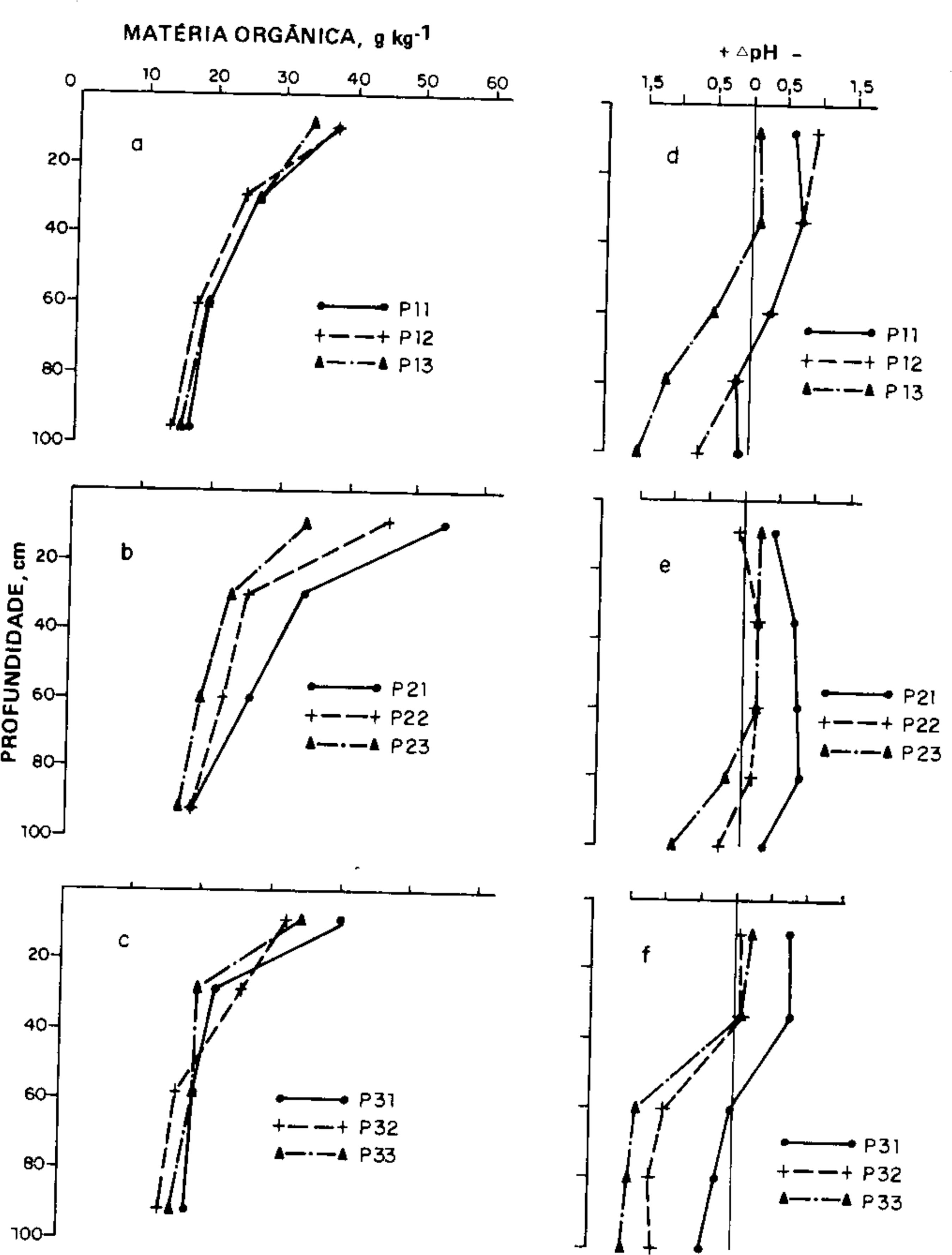
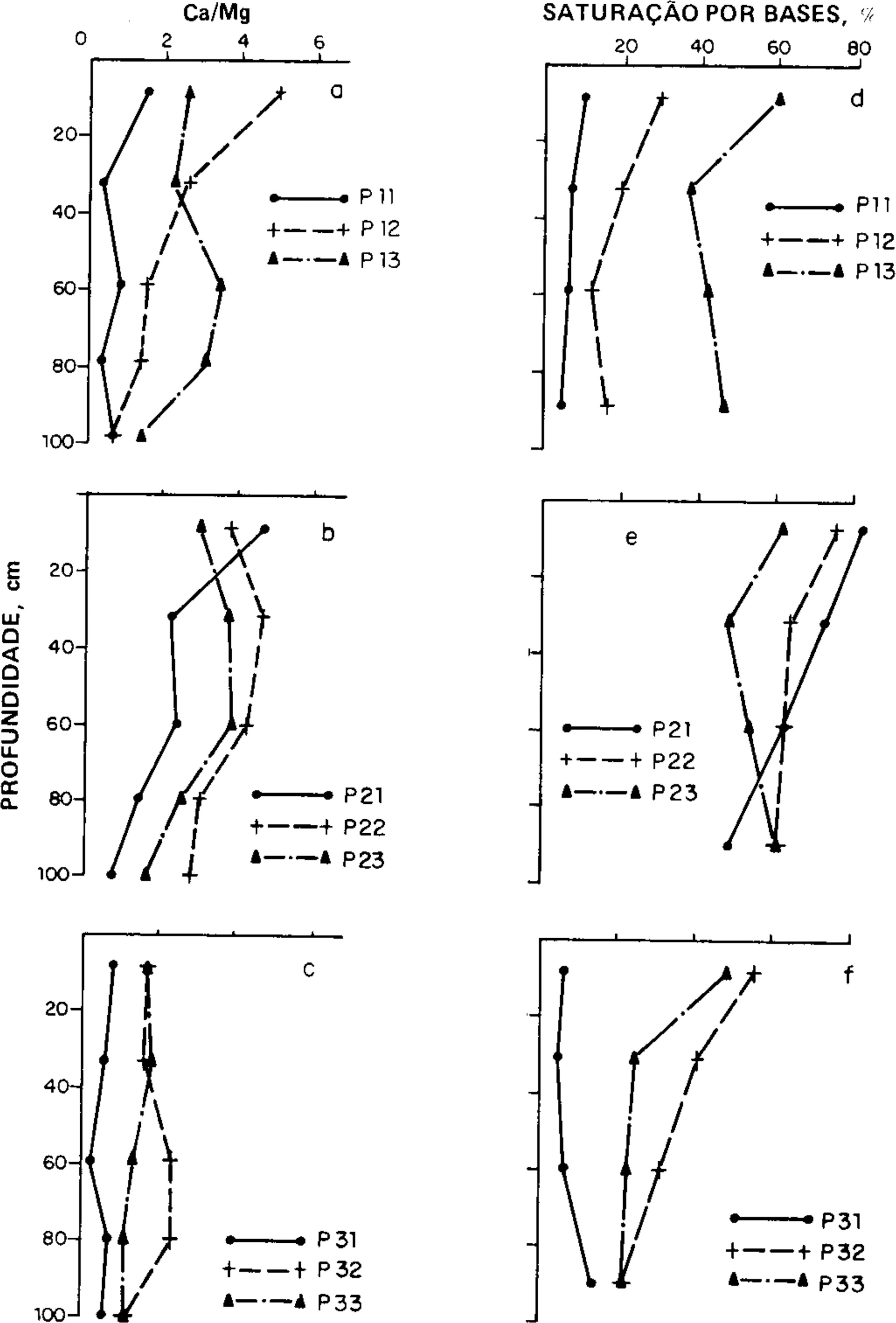
The objective of this study was to evaluate, starting from 1982, alterations in the chemical properties of allic and eutrophic Dusky Red Latosol (eutrudox, hapludox, acrudox) in an intensive and continuously irrigated tillage system. Three areas located in the Guaira region, São Paulo State, Brazil, were chosen. In two of these areas the following conditions of use were selected: natural forest, conventional soil tillage system, conventional soil tillage system with irrigation and direct plantation. The other area was prepared with natural forest, no tillage and no tillage with irrigation. Chemical properties including pH H2O and pH KCl, phosphorus, organic carbon, calcium, magnesium, potassium, manganese, copper and zinc were determined in the soil samples collected in the area. From 1982, the areas started to be intensively cultivated, mainly in the irrigated area with soybean, corn or sorghum and beans, and in the non-irrigated area with soybean and corn or sorghum. The results indicated profound alterations in the chemical properties, with a clear difference between allic and eutrophic soils. A pronounced increase in bases on the surface and subsurface was observed for allic soils, transforming them into dystrophic and epi-eutrophic soils. Slight depletion was observed in the eutrophic Dusky Red Latosol, but the eutrophic character was maintained. Organic matter was more reduced in forest soils than in cerrado soils. The high temperature of the region associated with irrigation tillage are factors contributing to the oxidation of the organic matter. Because of this, delta pH showed the tendency to be more positive at depth. With respect to micronutrients, depletion in Mn and a slight increase in Cu and Zn were observed for all soils.
Index terms
tillage systems; chemical properties; Dusky Red Latosol
 Thumbnail
 Thumbnail
 Thumbnail