 Intergender Anthropometric Comparison of the Nipple-Areola Complex
Introduction The nipple-areola complex (NAC) plays a fundamental role in the esthetic and functional harmony of the thoracic region, with direct implications for procedures such as gender-affirming surgeries, postbariatric breast reconstructions, and gynecomastia treatments. Although the literature contains several reports on female parameters, data on male NAC remain scarce, hindering proper surgical planning.
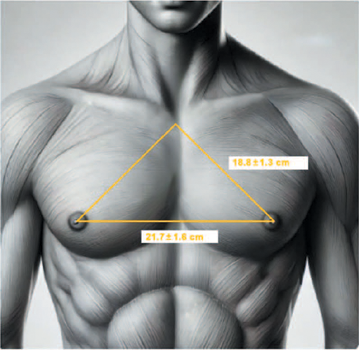
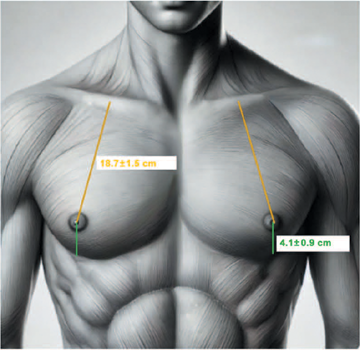
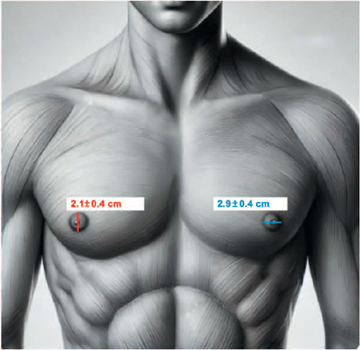
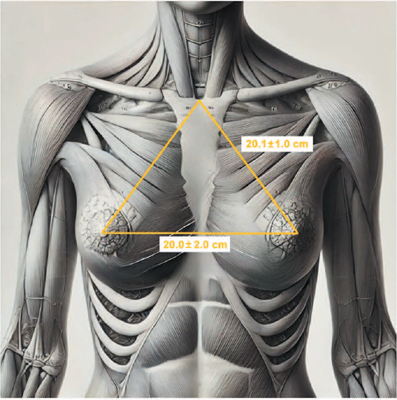
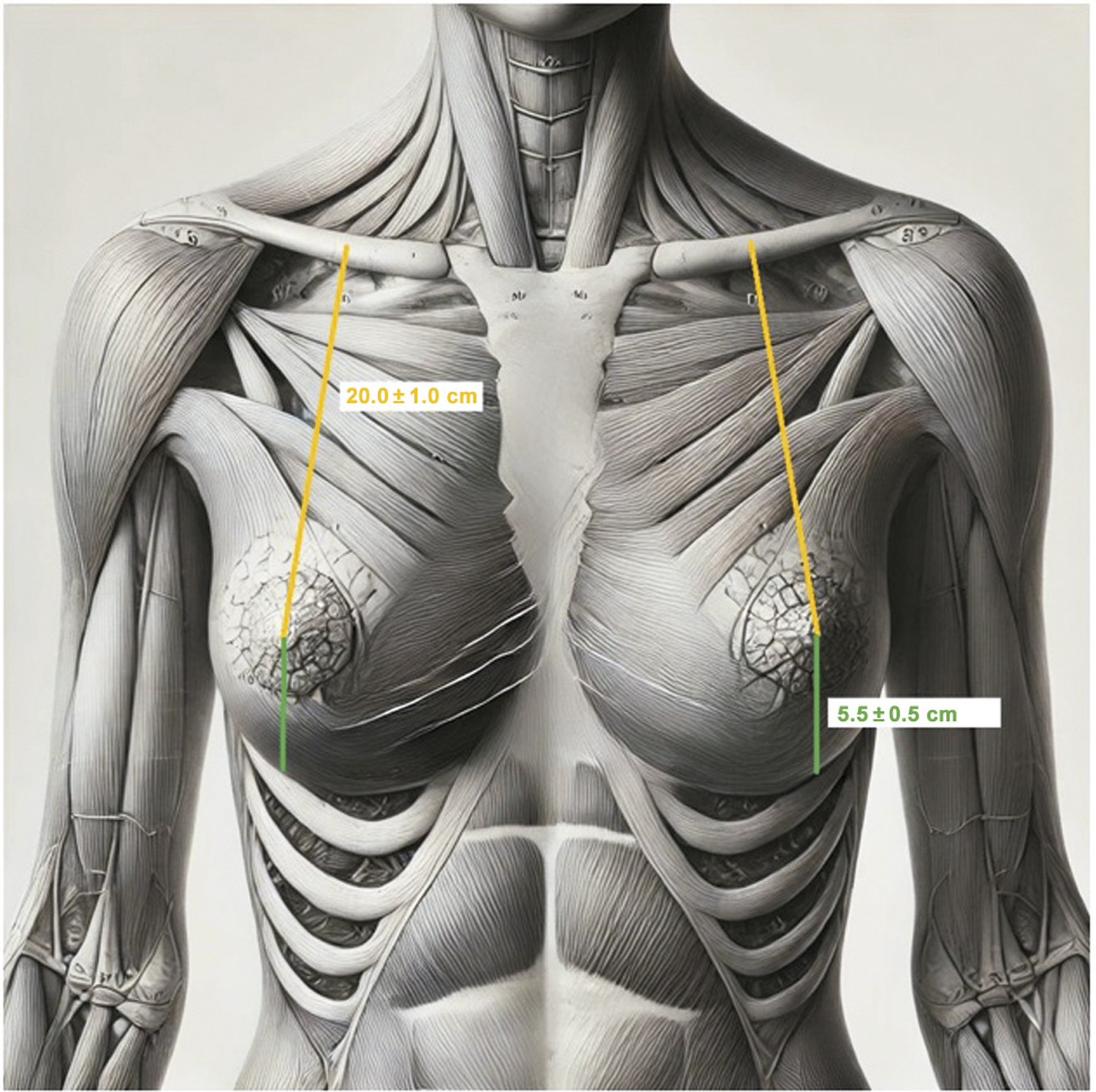
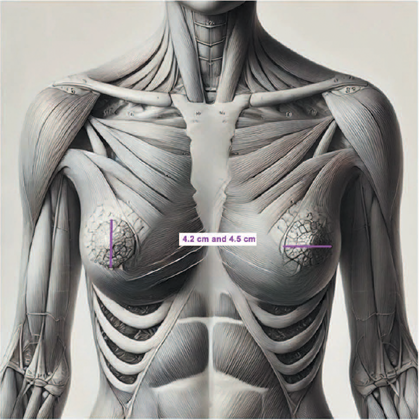
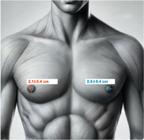
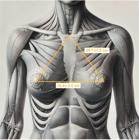
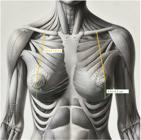
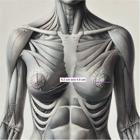
Materials and Methods The present cross-sectional study included 440 male subjects aged 18 to 47 years with a body mass index (BMI) from 18 to 30 kg/m2. The measurements included the internipple distance, the nipple-to-sternal notch distance, the NAC-to-inframammary fold (NAC-IMF) distance, and the horizontal and vertical dimensions of the NAC. We compared the data with the female parameters reported in the literature using descriptive and inferential statistics to assess significant differences.
Results The male NAC exhibited a greater internipple distance and a more inferior and lateralized positioning than the female NAC. The oblong shape of the male NAC contrasted with the circular pattern observed in females. The NAC-IMF distance was shorter in men than in women.
Conclusion The observed differences reinforce that female parameters are not suitable to guide male surgeries. The current study establishes specific guidelines for the male NAC, contributing to more precise and individualized outcomes in gender-affirming surgeries, breast reconstructions, and gynecomastia treatments, offering an innovative foundation for the clinical practice.
Keywords
anthropometry; gender dysphoria; gynecomastia; mammaplasty; transsexualism
 Thumbnail
 Thumbnail
 Thumbnail
 Thumbnail
 Thumbnail
 Thumbnail