 The Versatility of the Lateral Supramalleolar Flap in Covering Lower Limb Injuries: A Case Series
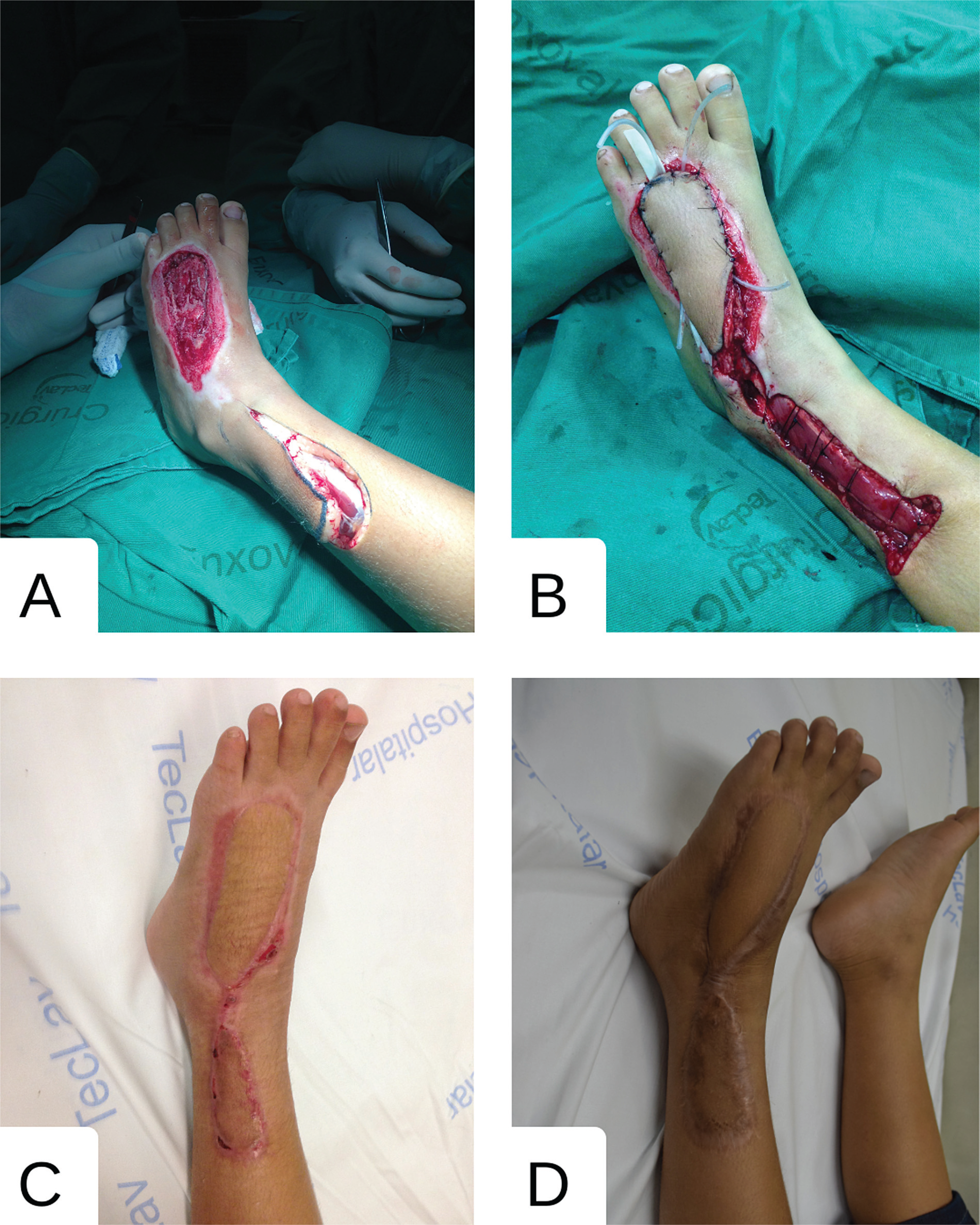
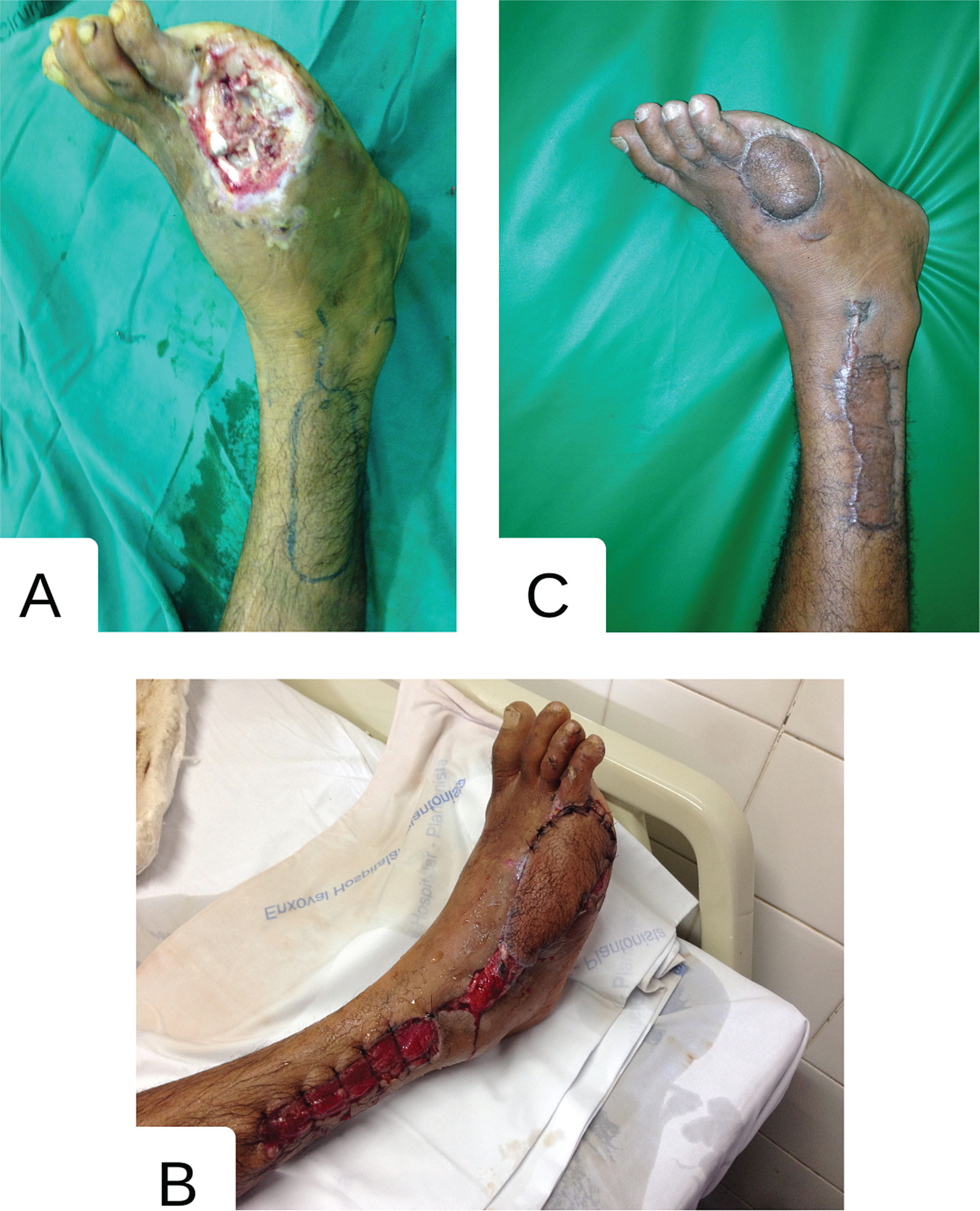
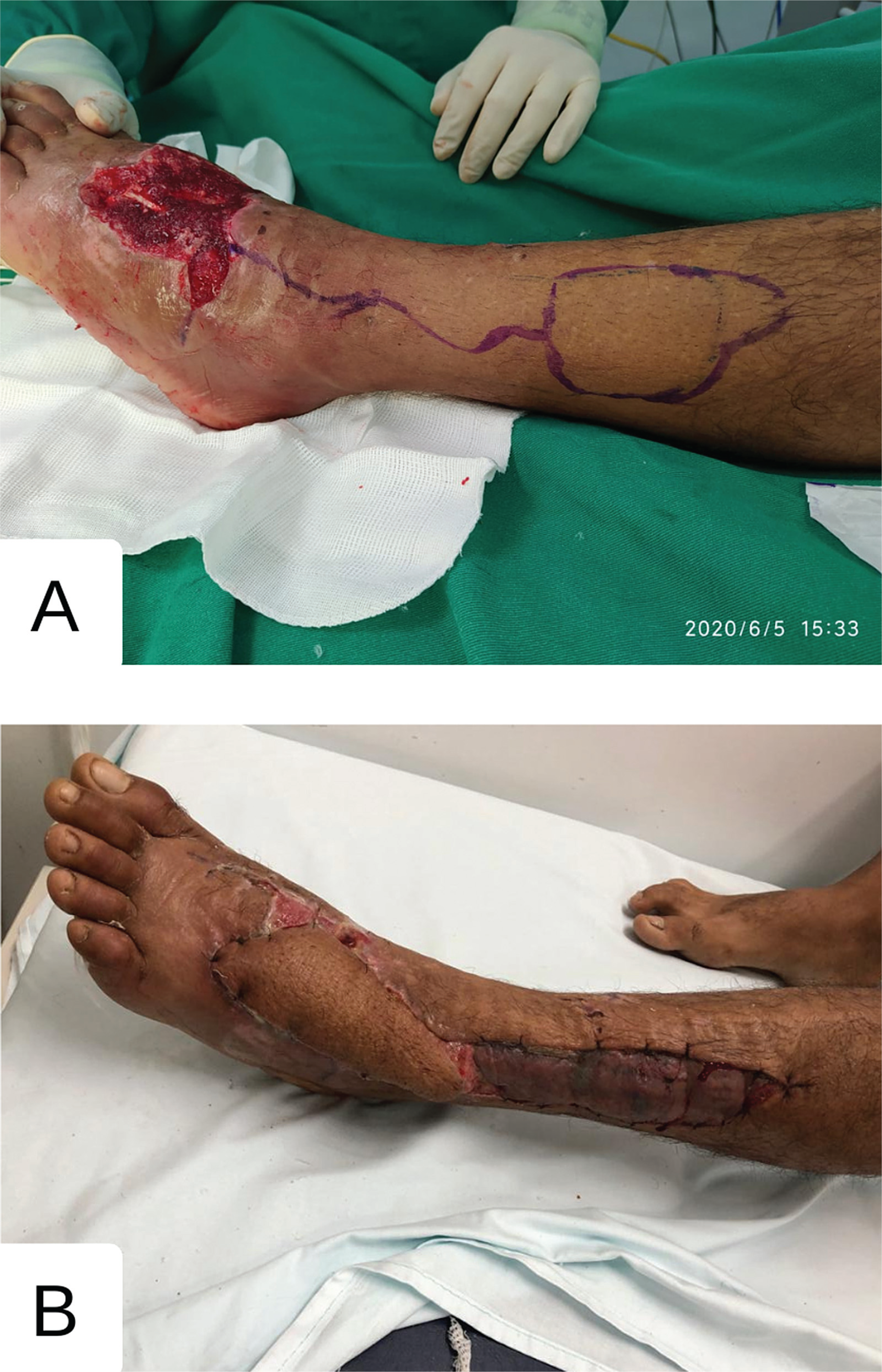
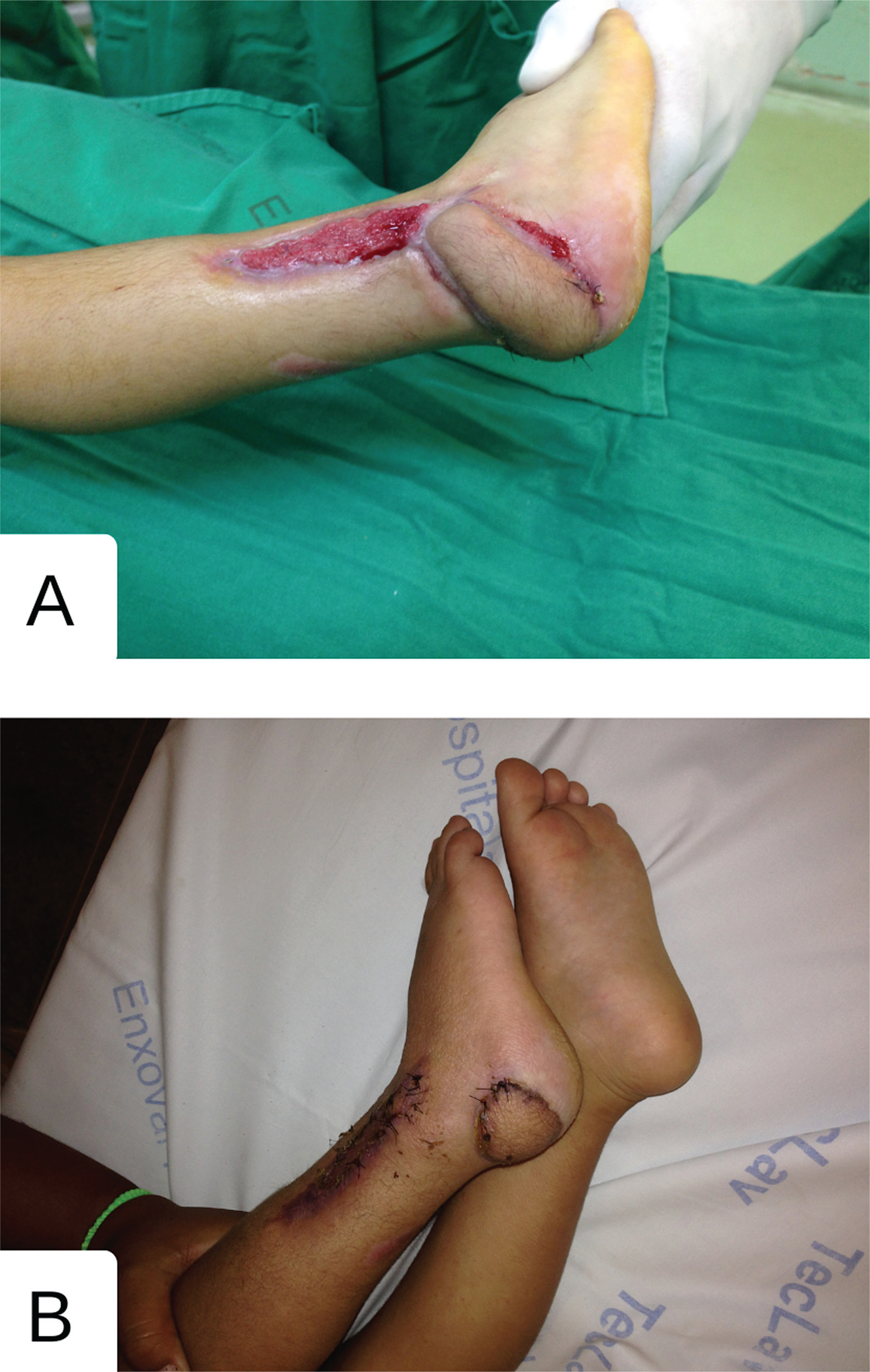
The lateral supramalleolar flap is based on the perforating branch of the peroneal artery. This fasciocutaneous flap covers up to 8 × 6 cm on the dorsal foot and ankle. It receives blood supply from the ankle anastomotic arcade, and it is underutilized in pediatric patients for distal third leg injuries. The present retrospective study assessed 15 patients with complex lower limb wounds treated with the lateral supramalleolar flap at Instituto José Frota. All cases resulted from motorcycle accidents and showed good outcomes with minimal complications, proving the flap's effectiveness in foot and ankle injuries. Patients' ages ranged from 7 to 50 (mean: 28.5) years. Injuries were on the dorsum of the foot (46.6%), forefoot (26.6%), calcaneus (13.3%), lateral foot (13.3%), distal third of the leg (20%), and ankle (13.3%). A mean follow-up of 15 months showed stable coverage in all patients. The average number of preoperative debridements was 1.93 (range: 1–4). We used the standard fasciocutaneous flap dissection technique. The lateral supramalleolar flap is a reliable, simple, and safe option for lower limb injuries, with consistent outcomes and easy reproducibility.
Keywords
amputation, traumatic; lateral ligament, ankle; leg; lower extremity; surgical flaps; wounds and injuries
 Thumbnail
 Thumbnail
 Thumbnail
 Thumbnail