 Oncoplastic Reconstruction of the Contralateral Breast Using the Liacyr Pedicle without Prosthetic Implants
Abstract
Introduction Autologous breast reconstruction is advantageous as it can restore volume and skin defects, in addition to shaping the breast. Furthermore, with this reconstruction, there are no foreign bodies, which avoids patient exposure to risks and presenting a more natural-looking result. In this context, the Liacyr pedicle, a dermolipoglandular flap from the base of the breast, is commonly adopted. The literature praises it for its outcomes, technique, and wide range of applications, both in the reconstructive and esthetic contexts.
Objective To discuss the esthetic and functional outcomes of breast reconstruction using a Liacyr pedicle and no prostheses.
Materials and Methods The current retrospective, observational study is a case series involving 13 female patients submitted to breast reconstruction using Liacyr I or III pedicles. The objective esthetic analysis of the breasts used the “Breast Idea” web application, while the subjective analysis employed a questionnaire based on the BREAST-Q model.
Results In the BREAST-Q assessment, the median value for simplified satisfaction with the breasts was of 71 (range: 0–100). The median psychosocial well-being score was of 87 (range: 0–100), with no significant difference between the groups. The questionnaire regarding satisfaction with the information provided by the medical team yielded positive results, with a median score of 85 (range: 0–100) and a mode of 100 (range: 0–100).
Conclusion Breast reconstruction using autologous tissue is widely available, reproducible, and associated with low complication rates and high satisfaction levels.
Keywords
mammaplasty; quality of life; breast neoplasms; surgery, plastic; surgical flaps
Resumo
Introdução A reconstrução autóloga da mama é vantajosa, pois pode restaurar o volume e os defeitos de pele, além de moldar o formato do seio. Além disso, com essa reconstrução, não há corpos estranhos ao organismo, o que evita a exposição do paciente a riscos e apresenta resultado de aspecto mais natural. Nesse contexto, o pedículo de Liacyr, retalho dermolipoglandular da base da mama, é comumente adotado. Na literatura, é consagrado por seus resultados, técnica e ampla possibilidade de aplicações, tanto no contexto reconstrutor quanto estético.
Objetivo Discutir os resultados estético e funcional da reconstrução mamária com pedículo de Liacyr sem o uso de próteses.
Materiais e Métodos Realizou-se um estudo observacional retrospectivo em uma série de casos de 13 pacientes do sexo feminino submetidas à reconstrução mamária com os pedídulos I ou III de Liacyr. A análise estética objetiva das mamas foi feita por meio do aplicativo da web “Breast Idea”, e, para a análise subjetiva, foi aplicado um questionário desenvolvido a partir do modelo BREAST-Q.
Resultados Na avaliação do BREAST-Q, a mediana de satisfação simplificada com as mamas foi de 71 (variação: 0–100). No questionário sobre bem-estar psicossocial, a mediana foi de 87 (variação: 0–100), sem nenhuma diferença expressiva entre os grupos. O questionário sobre satisfação com a informação fornecida pela equipe médica tiveram os resultados muito positivos, com mediana de 85 (variação: 0–100), sendo a moda 100 (variação: 0–100).
Conclusão A reconstrução de mama com tecido autólogo é altamente disponível e reprodutível, e apresenta baixas taxas de complicação e boas taxas de satisfação.
Palavras-chave
mamoplastia; qualidade de vida; neoplasias da mama; cirurgia plástica; retalhos cirúrgicos
Introduction
Autologous breast reconstruction is advantageous because it can simultaneously restore volume and skin defects.1,2 It also enables sculpting the breast shape and, when successful, it can yield long-lasting outcomes.1 Autologous breast reconstruction is associated with greater longevity and higher success rates in complex cases.1 Furthermore, as it does not involve a foreign body, it offers a more natural esthetic result.1,2
The latissimus dorsi flap, adopted as the first step of the surgical reconstruction discussed in the current article, is a favorable option due to its accessibility and reliable vascular support. It includes skin, fat, muscle, and vascular supply, which contributes to high success rates and graft volume. This flap is safe and robust; however, it has disadvantages related to scarring and asymmetry, especially in cases of unilateral reconstruction.1
Tissue expanders are also suitable alternatives for the first surgical step, although they are more limited than the latissimus dorsi flap. More recent models incorporate surface texturing to prevent malposition and improve capsule quality, in addition to expanding the lower pole to achieve a more natural shape. However, the disadvantages include high cost, poor adherence in some patient groups, and limited volume.3
In this context, the Liacyr pedicle—a dermolipoglandular from the base of the breast—is commonly used to correct tissue insufficiency, and it has the additional advantage of minimizing breast rotation.4 The Liacyr pedicle, with its five categories, is widely accepted and provides excellent outcomes, even when associated with breast implants (Table 1). It holds a prominent position in the literature,4 and it is well established due to its outcomes, technical reliability, and broad range of applications in reconstructive and esthetic contexts.
Despite its high efficacy, its association with implants may increase the risks due to prosthesis-related limitations.4 The most significant complication is implant loss, often with wound dehiscence.
It is worth mentioning the risk of developing breast implant-associated anaplastic large cell lymphoma. Although rare, this complication from textured implants is highly concerning. Other types of implants, such as smooth implants, tend to provide limited esthetic outcomes and may also result in complications.3
Objective
The present study aims to discuss the esthetic and functional outcomes of breast reconstruction using the Liacyr pedicle with no prosthetic implants.
Materials and Methods
The current retrospective observational case series study involved 13 female patients aged 28 to 82 years who underwent surgery from January 2016 to January 2020 at the same institution (Hospital Alcides Carneiro, Petrópolis, Rio de Janeiro, Brazil). All patients had previously undergone mastectomy, with breast reconstruction in two to three surgical steps. Reconstruction initially involved either a latissimus dorsi flap or a tissue expander, followed by contralateral reconstruction with mastopexy without implants, and finalized with nipple reconstruction performed either during the same procedure or in a third step.
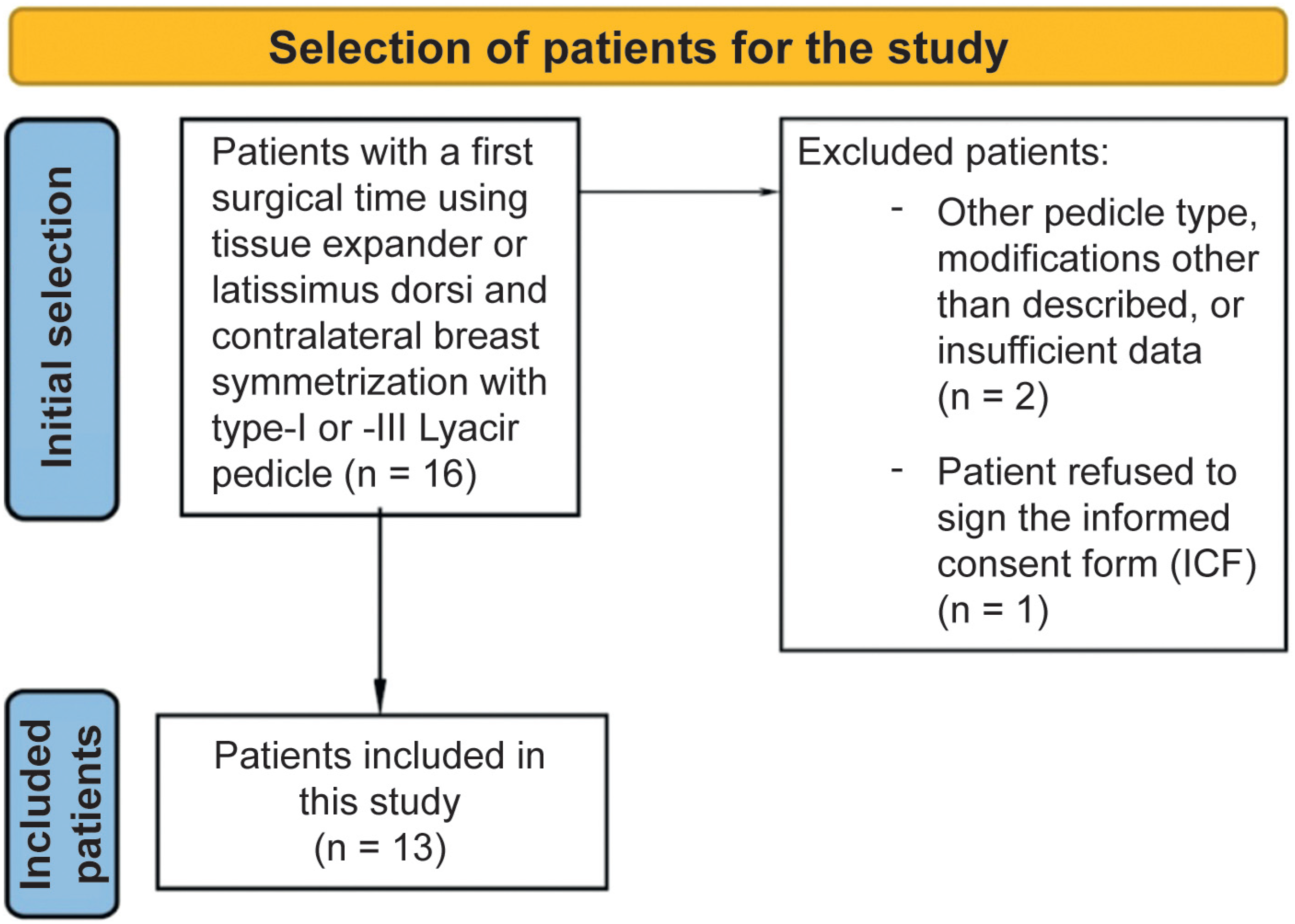
The initial analysis considered all 16 patients who underwent reconstruction with type-I or -III Liacyr pedicles by the same surgical team (principal surgeon and assistant), regardless of tumor histological type. Two patients were excluded due to insufficient data and an inability to establish contact. One patient declined participation by refusing to sign the informed consent form (ICF). As a result, the final study population consisted of 13 women (Fig. 1).
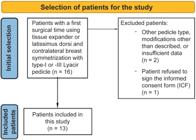
Table 2 presents the variables for analysis, including comorbidities, patient age, and body mass index (BMI). The objective esthetic evaluation of the breasts was performed using the web application “Breast Idea”, based on patient photographs and adopting the quick assessment model.
The subjective analysis was conducted using questionnaires developed from the BREAST-Q model, which were administered between 3 and 5 years after surgery. We used four questionnaires that addressed different areas: physical and personal limitations (Table 3), sexual activity and discomforts such as dry mouth and pain (Table 4), overall satisfaction levels, including satisfaction with the surgeons (Table 5), and a modified version of the Breast-Q that was translated to Portuguese (Table 6).
Results
The mean age of the patients was of approximately 59 years. The sample adopted as representative for discussion in this study had a higher mean age, of 71 years. The group undergoing reconstruction with type-I Liacyr pedicle included 8 patients with a mean age of 59.62 years, 5 of whom underwent initial reconstruction with a latissimus dorsi flap, and 3, with a tissue expander. In the sample involving type-III pedicles, the patients had a mean age of 59.29 years, and 3 out of the 5 patients underwent reconstruction with a latissimus dorsi flap, while the remaining 2 received tissue expanders.
In the BREAST-Q assessment, the median simplified breast satisfaction score was of 71 (range: 0–100). In the group with type-III pedicles, the median score was of 82 (range: 0–100), with a total score ranging from 15 to 16, indicating excellent satisfaction. The median score of the complete breast satisfaction questionnaire was of 67, with minimal differences between the groups.
The median score regarding psychosocial well-being was of 87 (range: 0–100), with no significant differences between the groups. Sexual well-being showed the lowest median score: 62 (range: 0–100).
During the physical evaluation, the latissimus dorsi reconstruction questionnaire was applied exclusively to patients who underwent this technique, as it considers variables and complications specific to this approach. The median score was of 83 (range: 0–100), with consistent satisfaction across most items, except for “appearance of the back scar” and “having to wear specific clothing to conceal back scars.”
The questionnaire assessing satisfaction with the information provided by the medical team yielded highly-positive results, with a median of 85 (range: 0–100) and a mode of 100 (range: 0–100). One of the items showing greater variability concerned guidance on “how surgery could affect future cancer screening (such as self-examination).”
Questionnaires evaluating satisfaction with the medical team (excluding the surgeon) and satisfaction with the surgeon demonstrated the highest median scores: 91 and 100 respectively. The mode for satisfaction with the surgeon was of 100 (range: 0–100), and the mean value was similarly high, with very few patients selecting responses equivalent to “somewhat satisfied” for any item about professional performance.
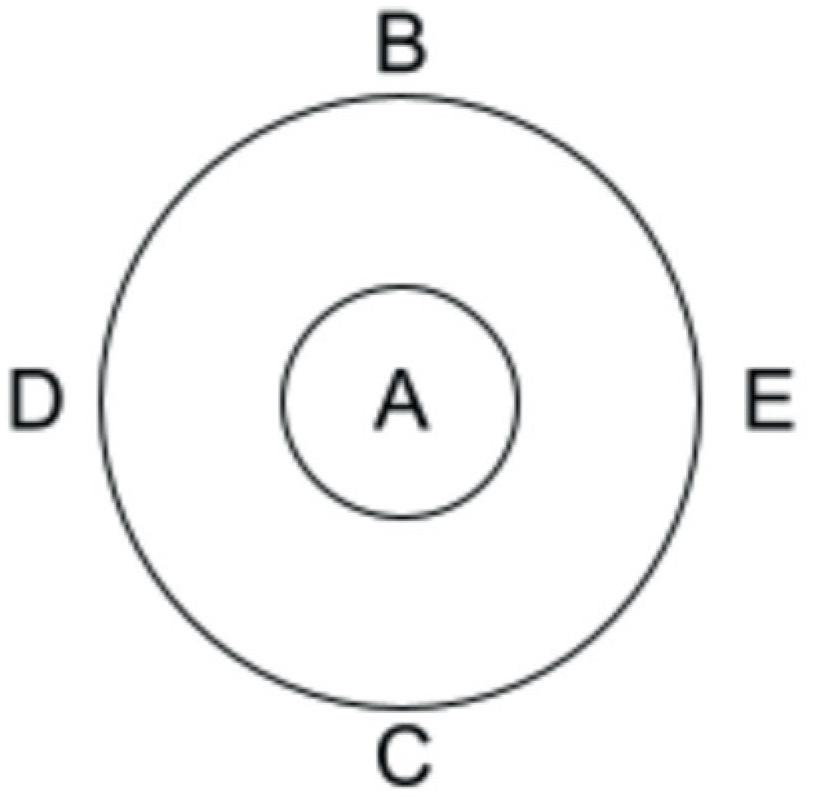
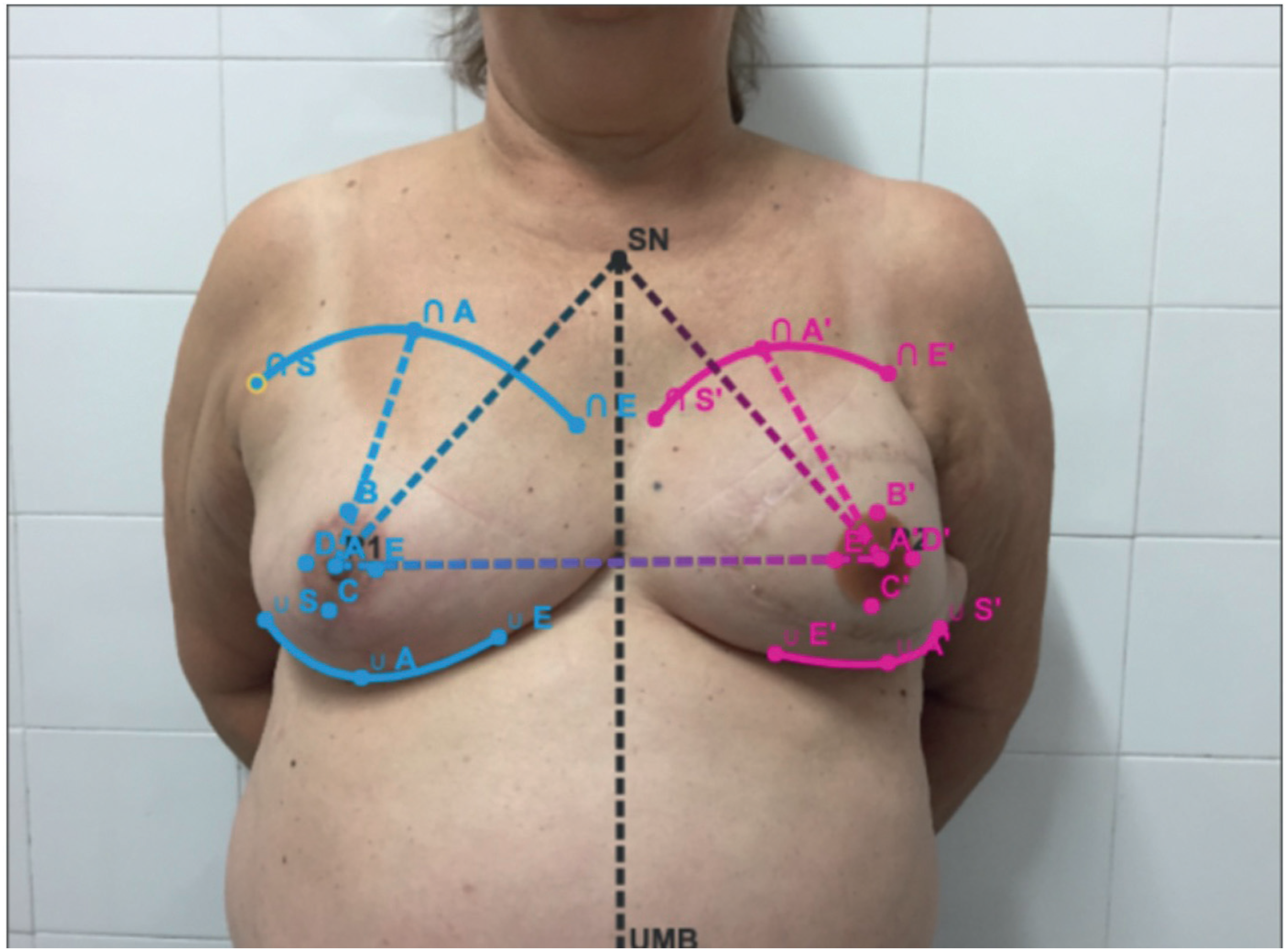
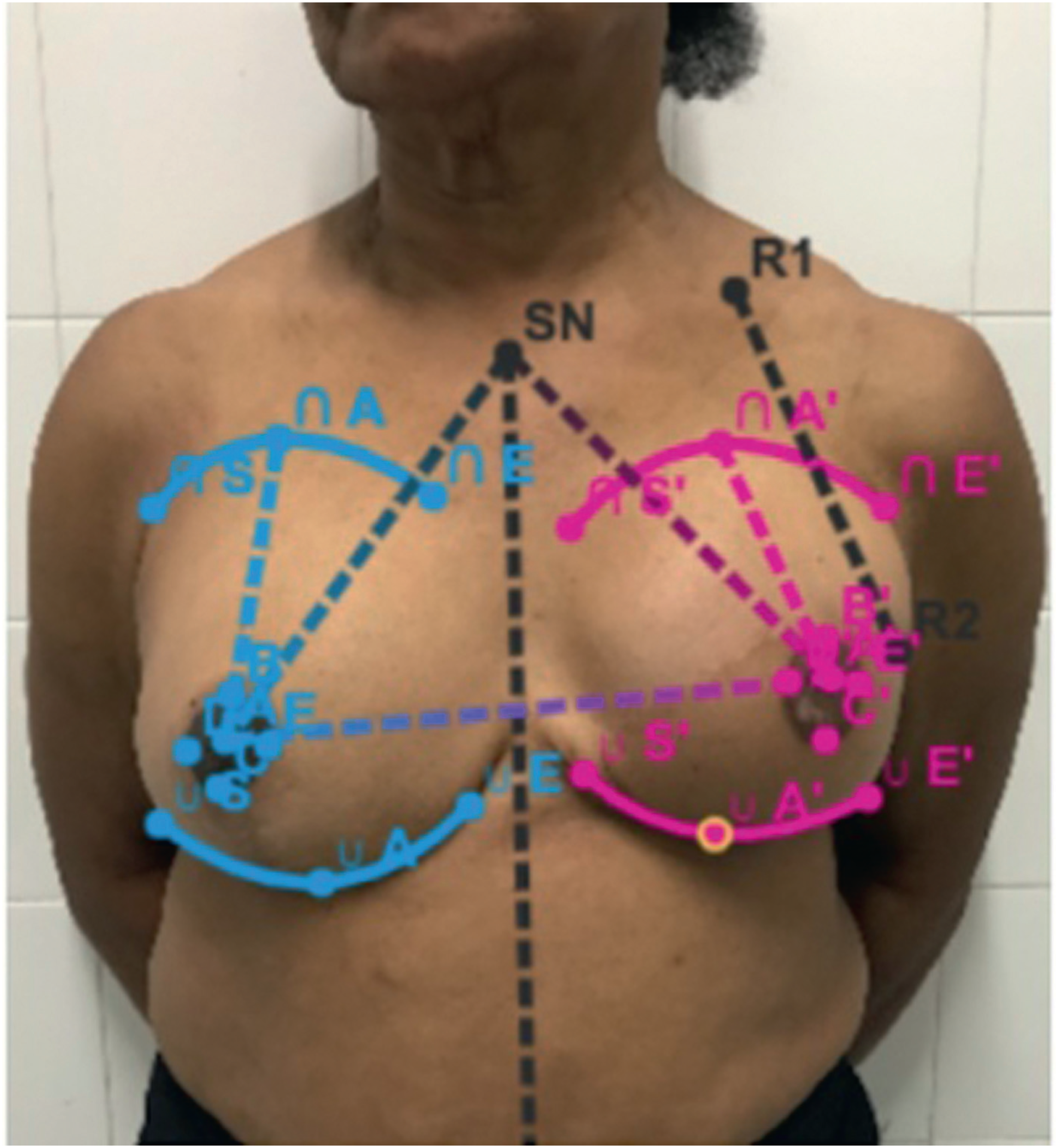
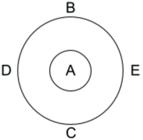
Table 7 presents the mean values regarding symmetry. The greatest difference occurred in the distances between the sternal notch and the nipples, with a mean of 7.8 (range: 2–9) mm. The difference between the levels of the left and right nipples also showed considerable variability, ranging from 2 to 8 (mean: 6.6) mm. In contrast, the difference in the distance between points B and C, as defined by the application, showed less variation, ranging from 2 to 3.5 (mean: 2.5) mm. Similarly, the difference in the distance between points D and E ranged from 2 to 5 (mean: 3) mm (Fig. 2).
Discussion
Breast reconstruction is an essential component of patient care and a legally-guaranteed right. It is provided by the Brazilian Unified Health System (Sistema Único de Saúde, in Portuguese) and financed by insurance companies in Argentina. Breast cancer is the most common malignancy among women in many countries, affecting approximately one in seven women. Fortunately, survival after diagnosis has increased in recent years.
With advances in breast cancer treatment, more patients respond well to therapy and remain disease-free. Therefore, current discussions are no longer limited to curative approaches, but also include measures aimed at promoting a better quality of life for women.
The BREAST-Q is a valuable tool to assess the quality of life of patients undergoing breast reconstruction, addressing aspects such as satisfaction with breasts and psychosocial, sexual, and physical well-being. Recent studies, such as those by Sadok (2023) and Miseré (2021), have demonstrated that patients undergoing autologous reconstruction tend to report greater satisfaction with esthetic outcomes and quality of life compared with those who opt for alloplastic reconstruction.
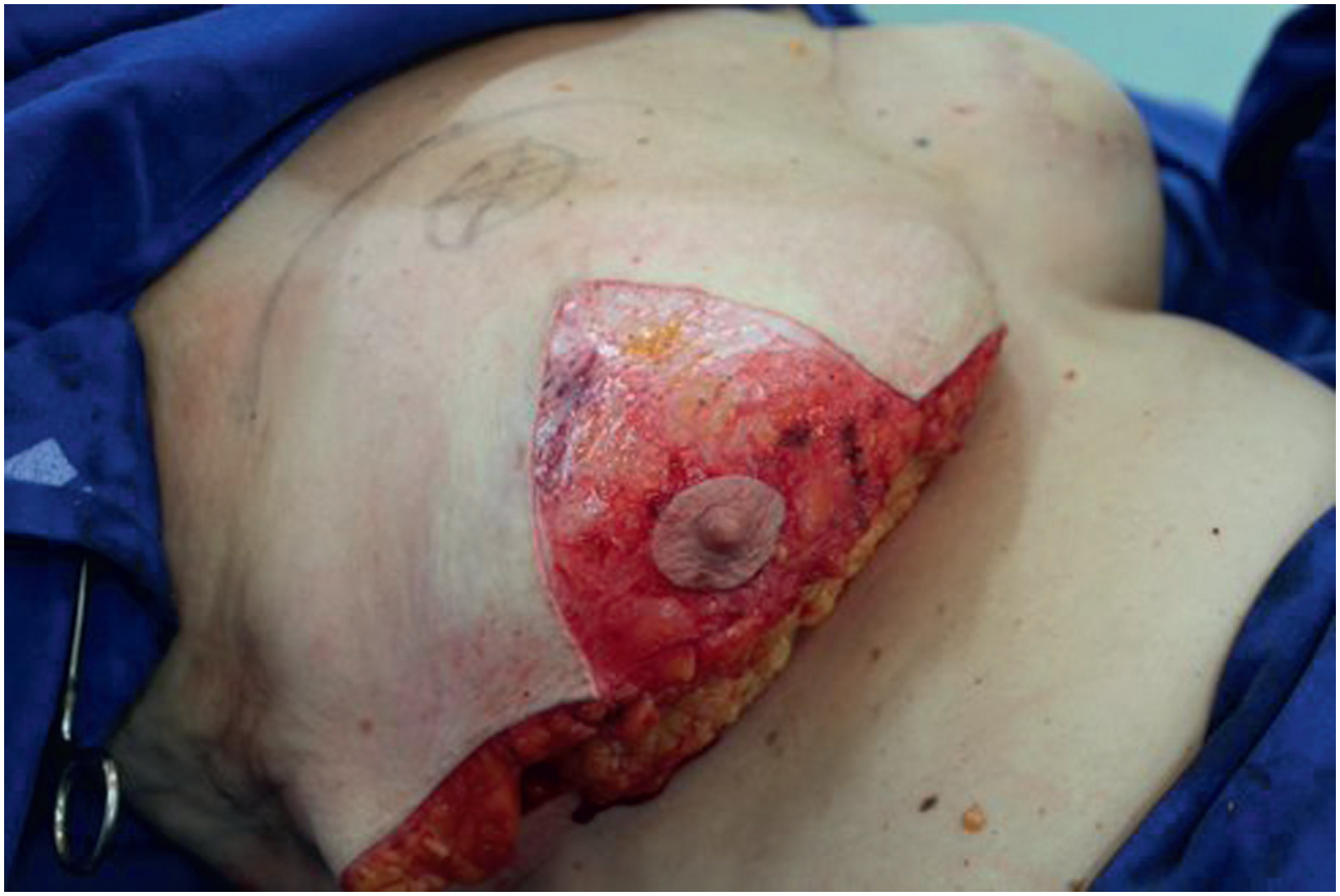
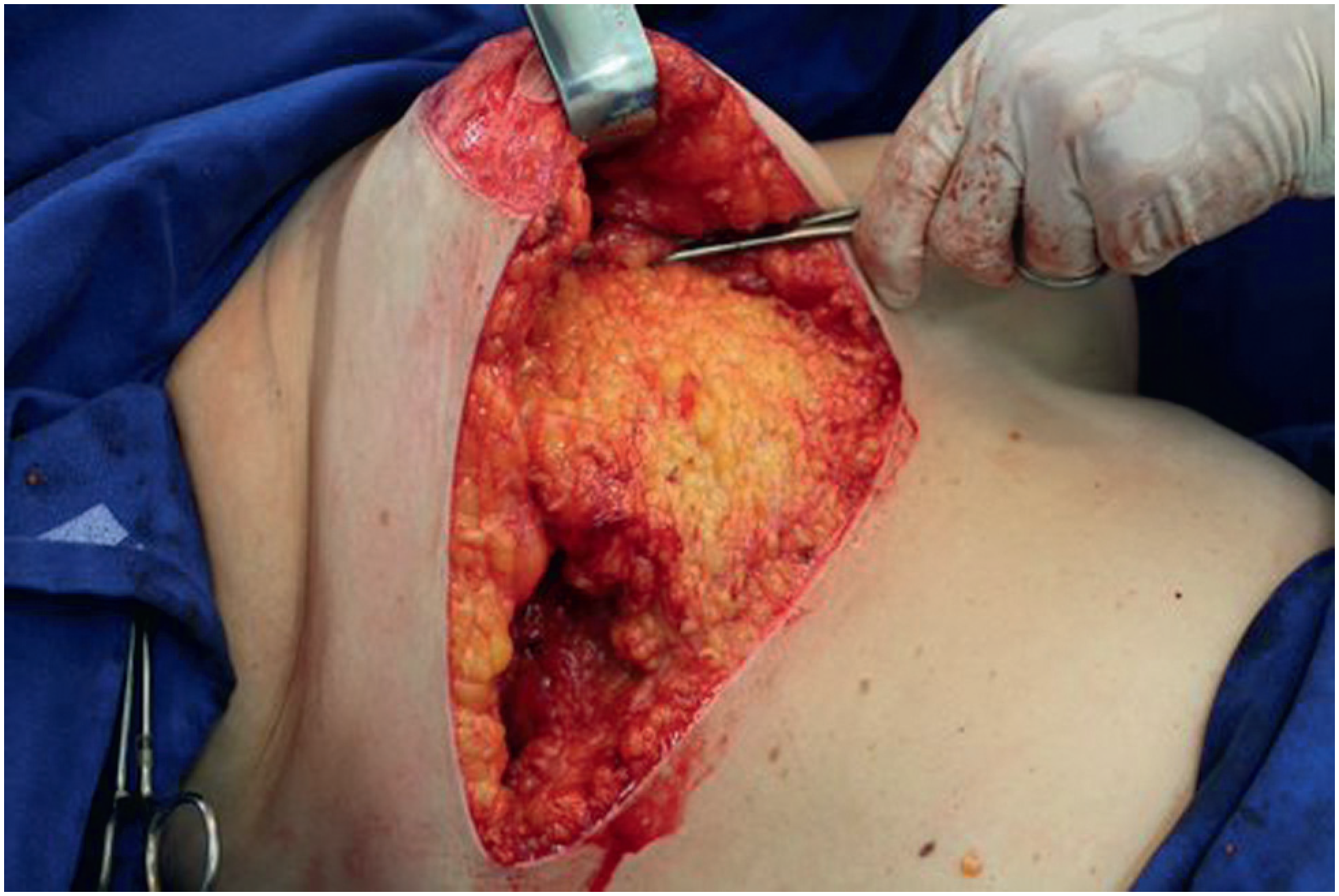
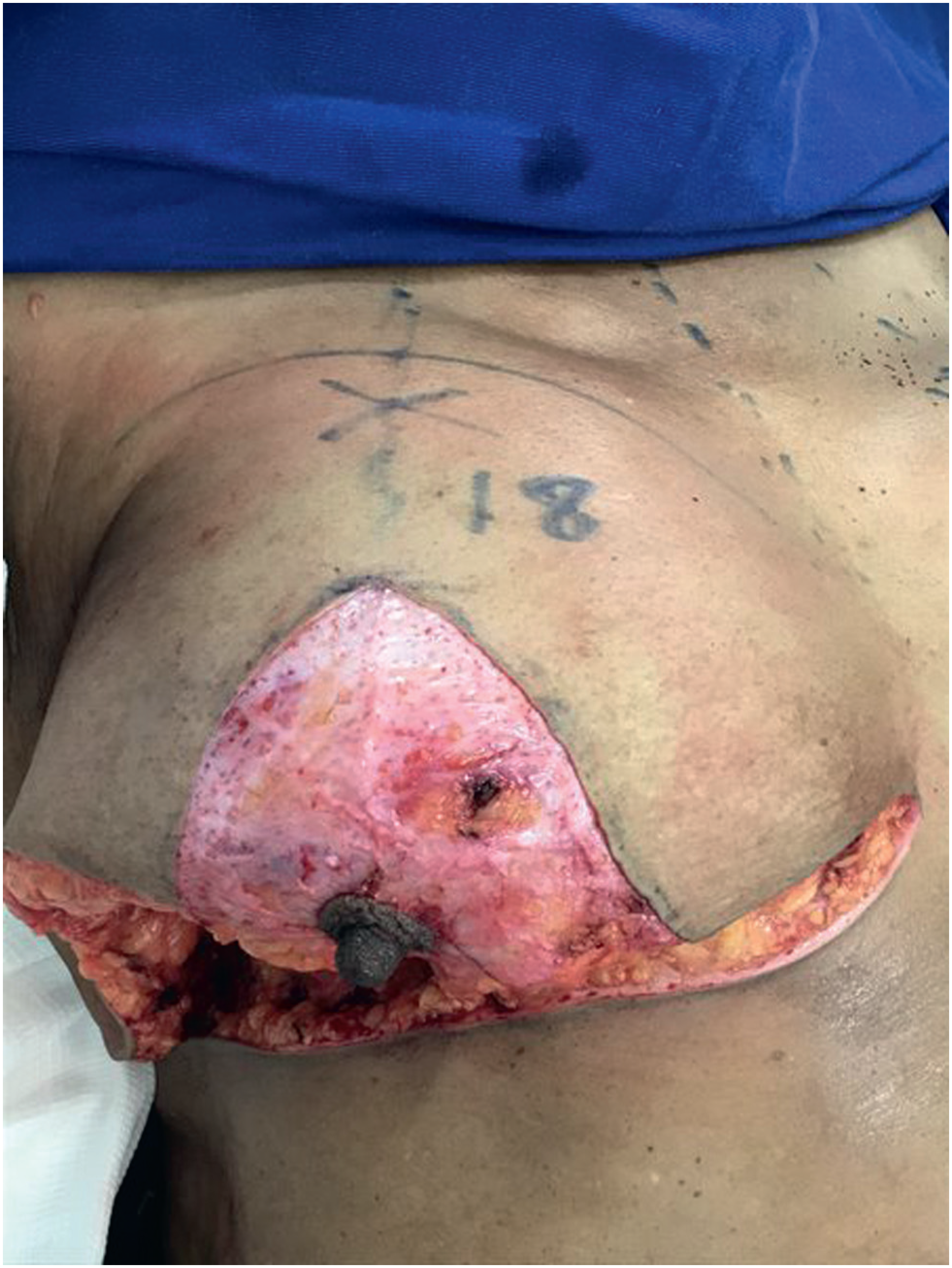
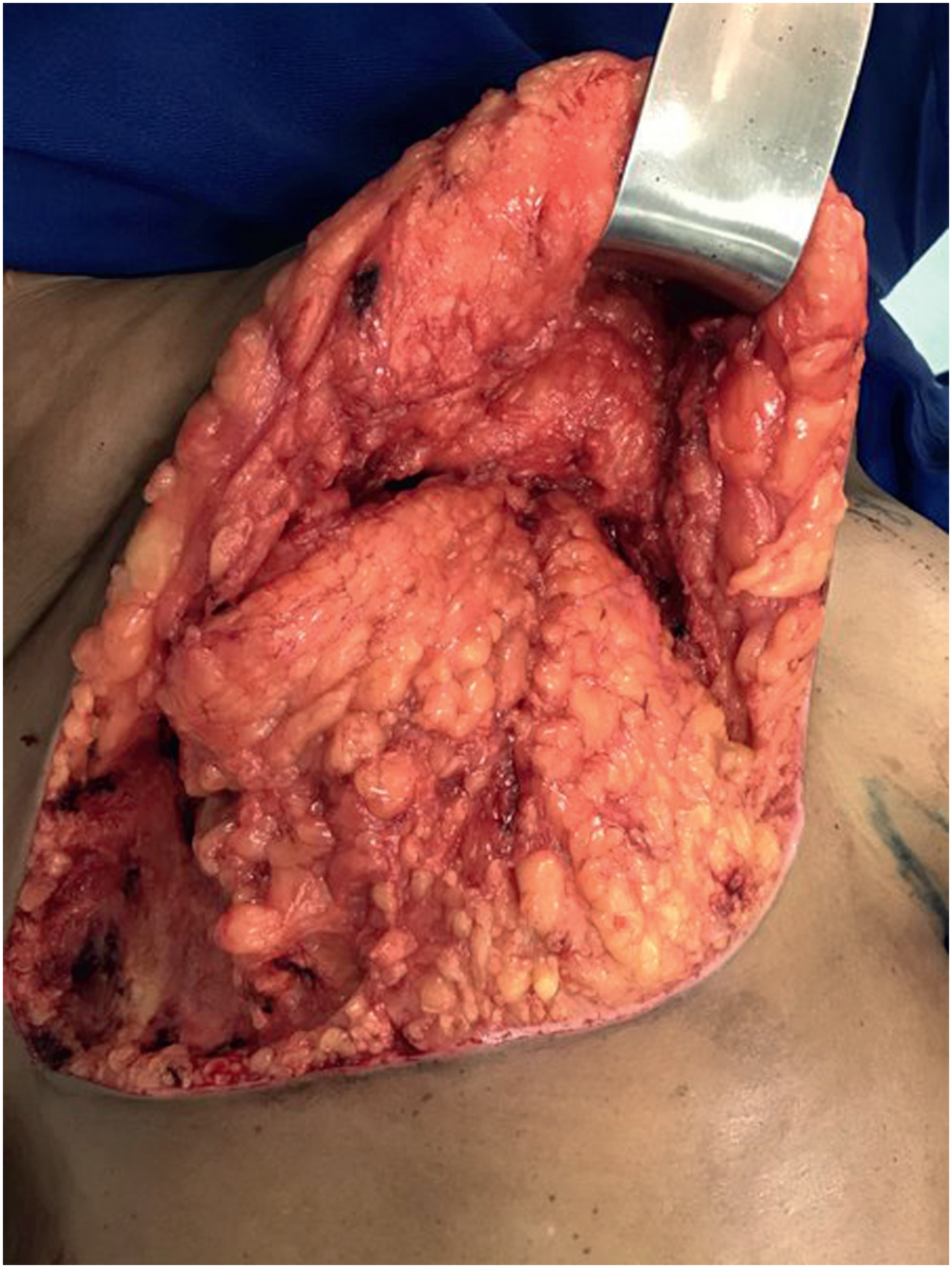
The Liacyr flap used in the current study aligns with breast reconstruction goals, including achieving contralateral breast symmetry, ensuring patient safety, and maintaining quality of life. The different pedicle types enable better adaptation to each patient's individual needs, with type-I being suitable for women with moderate breast volume (Figs. 3-4) and type-III, for patients with low breast volume (Figs. 5-6).
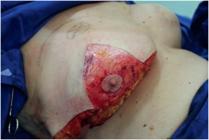

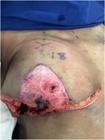
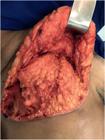
The use of Liacyr type-I and -III flaps in implant-based mammaplasty yields satisfactory esthetic outcomes and lower reoperation rates compared with reconstruction using implants alone. Furthermore, the two-step reconstruction process enhances breast symmetry, resulting in improved esthetic outcomes.
The analysis of reconstructed breast symmetry is fundamental. It can use various parameters, such as size, position, projection, and ptosis (Fig. 7). The surgical technique employed in the present study, combined with symmetry-assessment measures described in the literature, resulted in imperceptible asymmetries or only minor asymmetries in all evaluated patients.
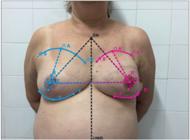
Baseline photograph with measurements evaluated using the Breast Idea app in quick assessment mode. Abbreviations: nA, apex of the upper pole of the right breast; nA', apex of the upper pole of the left breast; SN, sternal notch; SN-A, distance between the sternal notch and the right nipple; SN-A', distance between the sternal notch and the left nipple.
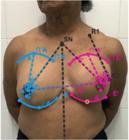
Baseline photograph with measurements evaluated using the Breast Idea app in quick assessment mode. Abbreviations: nA, apex of the upper pole of the right breast; nA', apex of the upper pole of the left breast; SN, sternal notch; SN-A, distance between the sternal notch and the right nipple; SN-A', distance between the sternal notch and the left nipple.
In summary, autologous breast reconstruction using the Liacyr flap proved to be a safe and effective option, providing satisfactory esthetic results and improved quality of life. The use of validated questionnaires, such as the BREAST-Q, and careful analysis of breast symmetry are crucial tools to evaluate and optimize breast reconstruction outcomes.
Conclusion
Breast reconstruction using autologous tissue is highly-available and -reproducible, and it is associated with high patient satisfaction rates. As a result, the functional and esthetic outcomes of this reconstruction validate its status as a viable reconstructive option. It is important to note that the current study, which involved patients operated on by the same surgeons, has a relatively small sample size. Further research, especially matched clinical trials, is needed to determine the best outcomes for each group.
Data Availability
Data will be available upon request to the corresponding author.
References
-
1 Nahabedian MY, Patel K. Autologous flap breast reconstruction: surgical algorithm and patient selection. J Surg Oncol 2016;113 (08):865–874. Doi: 10.1002/jso.24208
» https://doi.org/10.1002/jso.24208 -
2 Homsy A, Rüegg E, Montandon D, Vlastos G, Modarressi A, Pittet B. Breast reconstruction: a century of controversies and progress. Ann Plast Surg 2018;80(04):457–463. Doi: 10.1097/SAP.0000000000001312
» https://doi.org/10.1097/SAP.0000000000001312 -
3 Colwell AS, Taylor EM. Recent Advances in Implant-Based Breast Reconstruction. Plast Reconstr Surg 2020;145(02):421–432. Doi: 10.1097/PRS.0000000000006510
» https://doi.org/10.1097/PRS.0000000000006510 -
4 Castro M, Pessoa M, Accorsi AJ Jr., Ribeiro L, Moreira LF. Mastopexy combined with augmentation: systematic use of Ribeiro's inferiorly-based flaps. Rev Bras Cir Plást 2013;28(03):333–342. Disponível em: https://www.rbcp.org.br/Content/imagebank/pdf/en_v28n3a03.pdf
» https://www.rbcp.org.br/Content/imagebank/pdf/en_v28n3a03.pdf
Edited by
-
Editor-in-chief:
Dov Charles Goldenberg.