
 Inequalities in healthy behaviors during the COVID-19 pandemic in children from public and private schools of Buenos Aires
ABSTRACT
Objective: To compare physical activity (PA), screen time (ST), and sleep behaviors before and during the mandatory preventive social isolation (ASPO, for its acronym in Spanish) due to COVID-19 among children attending public and private primary schools in the Greater Buenos Aires metropolitan area.
Methods: A total of 379 adult caregivers of children attending public and private primary schools completed an online survey on PA, ST, and sleep behaviors before and during ASPO. School type was used as an indicator of socioeconomic status, with private schools’ students considered more privileged than public schools’ students.
Results: For both groups, ASPO resulted in a reduction in PA (-43%) and an increase in ST (79.9%). Children attending private schools had the worst results, since they started with better behaviors (PA pre vs during: 3.5 ± 1.3 vs 1.9 ± 2.0 days/week; ST pre vs during: 2.1 ± 0.6 vs 3.8 ± 1.0 days/week) compared to the children attending public schools (PA pre vs during: 3.1 ± 1.8 vs 1.8 ± 1.5 days/week; ST pre vs during: 2.4 ± 0.9 vs 3.6 ± 1.3 days/week). Sleep increased by 7.6% with a shift towards later bed and wake-up times, with public schools’ students being more affected.
Conclusion: ASPO restrictions led to unfavorable changes in PA, ST and sleep behaviors among children attending public schools and private schools. ASPO evened out the pre-pandemic differences between public schools and private schools’ students in PA and ST behaviors.
Keywords:
Healthy lifestyle; COVID-19; Children’s health.
RESUMEN
Objetivo: Comparar los comportamientos de actividad física (AF), tiempo de pantalla (TP) y sueño antes y durante el aislamiento social preventivo y obligatorio (ASPO) por COVID-19 de los/as niños y niñas que asisten a instituciones de gestión pública y privada de nivel primario del Gran Buenos Aires.
Métodos: Se entrevistaron 379 personas adultas responsables de niños y niñas de escuelas de gestión pública y escuelas de gestión privada, quienes completaron una encuesta en línea sobre comportamientos de AF, TP y sueño antes y durante el ASPO. Se utilizó el tipo de gestión como proxi de nivel socioeconómico, el alumnado de escuelas de gestión privada de nivel más favorecido respecto a escuelas de gestión pública.
Resultados: El ASPO produjo una reducción en ambos grupos en la realización de AF (-43%) y un aumento en el TP (79,9%). Las escuelas de gestión privada tuvieron los peores resultados ya que partían de mejores comportamientos (AF: pre: 3,5 ± 1.3 vs durante: 1,9 ± 2,0 días/sem; TP pre: 2,1 ± 0,6 vs durante: 3,8 ± 1,0 días/sem) respecto a la gestión pública (AF: pre: 3,1 ± 1,8 vs durante: 1,8 ± 1,5 días/sem; TP pre: 2,4 ± 0,9 vs durante: 3,6 ± 1,3 días/sem). El sueño aumentó un 7,6% con un corrimiento hacia horarios más tardes para acostarse y levantarse, viéndose más afectado el alumnado de gestión pública.
Conclusión: Las restricciones del ASPO han producido cambios desfavorables en los comportamientos de AF, comportamiento sedentario y los horarios de sueño en los niños y niñas de escuelas de gestión pública y escuelas de gestión privada. El ASPO igualó las diferencias que existían antes de la pandemia entre el alumnado de escuelas de gestión pública y escuelas de gestión privada en los comportamientos de AF y TP.
Palavras clave:
Estilo de vida Saludable; COVID-19; Salud infantil.
Introduction
Physical activity (PA) during childhood is associated with healthy physical and mental development and growth1. In contrast, prolonged sedentary behavior (SB), particularly in front of screens, as well as inadequate sleep duration, are associated with poor physical and mental health2-4.
According to the 24-hour movement and non-movement behaviors framework, which integrates PA, SB and sleep, the distribution of daily time dedicated to these components is a determining factor in the present and future health of children and adolescents2. For this distribution to be associated with substantial health benefits, it is recommended that children and adolescents perform, each week, at least an average of 60 min/day of moderate to vigorous intensity PA, primarily aerobic. In addition, they should incorporate at least 3 days/week of vigorous-intensity aerobic PA and activities that strengthen muscles and bones. Concerning SB, it is recommended to reduceit by replacing it with PA of any intensity1. According to the Canadian 24-hour movement and non-movement behaviors guidelines, it is also recommended to reduce screen time (ST) to a maximum of 2 hours/day of recreational usage and to comply with 9 to 11 hours of sleep, with consistent bed and wake-up times, for children between 5 and 13 years of age5.
Despite the multiple benefits of being physically active, 81% of the world’s children and adolescents do not reach the aforementioned PA recommendations, and this situation is even worse in socioeconomically disadvantaged countries6. In Argentina, 56.1% of children and 81.3% of adolescents are insufficiently active. Furthermore, 37.3% of children and 74.6% of adolescents spend three or more hours/day of ST and around 40% of children and adolescents do not observe a sufficient sleep duration7.
The high prevalence of insufficient PA, associated with the present and future deterioration of the population’s health, has been considered by some authors as a pandemic8,9. In 2018, the World Health Organization (WHO) launched a global action plan for the promotion of PA, setting the global target of a 15% reduction in insufficient PA by 203010. In 2020, the implementation of this plan was abruptly interrupted by the COVID-19 pandemic11. In particular, the mandatory preventive social isolation (Aislamiento Social Preventivo y Obligatorio - ASPO, for its acronym in Spanish), proposed as a global policy to control the spread of the virus, presented a historic barrier to the realization of PA by limiting opportunities to just the household domain12. This situation has resulted in less physically active and healthy behaviors; it has been reported that children and adolescents have reduced PA, increased ST, and increased sleep during this period13,14. These behaviors are associated with a deterioration in physical15 and mental16 health in children and adolescents. Moreover, ASPO has also deepened pre-existing inequalities, affecting most severely those children and adolescents who are socioeconomically disadvantaged17.
Although there are already some national data showing the negative impact that ASPO had on PA and SB in children and adolescents18, as well as in adulthood19, there has been no research on the integration of behaviors within a 24-hour movement and non-movement behaviors framework, nor on whether this event had a different impact on the behaviorsof those attending public schools and private schools, as a proxy for socioeconomic status20. Therefore, this study aims to describe and compare PA, ST and sleep behaviors, before and during ASPO, of those children attending public schools and those attending private schools at the primary education stage in the Greater Buenos Aires metropolitan area, Argentina. These data would allow a better understanding of the needs of children at different socioeconomic strata in relation to 24-hour movement and non-movement behaviors, and consequently improve the design of multilevel actions to promote physically active and healthy behaviors during childhood.
Methods
In Argentina, the first case of COVID-19 was confirmed on March 3, 2020, and ASPO was declared on March 20, 202021. For this study, data were collected during the months of June and July 2020, still in the period of mandatory quarantine. An online survey was distributed among adults responsible for children attending primary education at two public schools and two private schools located in the southern areaof the Greater Buenos Aires. The questionnaire (Appendix) inquired about two distinct time periods (i.e., before and during ASPO), so the questions were designed taking into account the recommendations for retrospective studies in order to minimize potential measurement errors22. The survey required approximately 10 minutes to complete and included sociodemographic and anthropometric questions, as well as questions about PA, SB, sleep and dietary behaviors. The behavioral questions inquired about compliance with daily recommendations in a typical week during ASPO and before ASPO (i.e., during a typical school week (pre-ASPO), how many days would your child have done PA for a total of at least 60 minutes per day; possible answers were 0, 1, 2, 3, 4, 5, 6, or 7 days). The study was approved by the Research Secretariat of the Universidad de Flores (protocol code 03 and approval date April 22, 2020) and was conducted in accordance with the Declaration of Helsinki. Informed consent was obtained from all subjects prior to participation.
For descriptive statistical analysis, mean and standard deviation were used for continuous variables, and absolute and relative frequencies for categorical variables (unless otherwise specified). For group comparison, Student’s t test, Fisher’s exact test and Pearson’s χ2 test were used, as indicated in each case. All statistical analyses were performed using the R programming language (v4.4.1, The R Foundation for Statistical Computing, Austria) in the RStudio integrated development environment (v2024.04.2+764, Posit Software, USA) considering a significance level
Results
A total of 379 adult caregivers completed the survey, distributed among 4 schools: 2 public schools and 2 private schools. 62% of children attended public schools (36.7% public schools Nº1 and 25.3% public schools Nº2) and 38% attended private schools (29.3% private schools Nº1 and 8.7% private schools Nº2), in the southern Greater Buenos Aires. Comparing the children attending public schools and private schools, no differences were found in relation to age, sex and educational level of the children; however, body mass index, prevalence of overweight, prevalence of having felt hungry and the maximum educational level achieved by the adult caregivers, showed a statistically significant difference detrimental to public schools (Table 1). These data are consistent with the premise that students attending public schools are more socioeconomically disadvantaged than those attending private schools23.
Physical activity
Before ASPO
Regarding the frequency with which children performed at least 60 minutes of moderate to vigorous intensity PA, it is observed that in public schools the mode is 2 days/week, concentrating 49% of the sample, while in private schools it is between 3 and 4 days/ week, concentrating 35% of the sample (Figure 1). Although this variable does not present a normal distribution, the measures of central tendency show a difference in favor of private schools with respect to public schools (Table 2).

The use of active transportation was higher among public school students (3.5 ± 2.4 days/week) than among private school students (2.1 ± 2.3 days/week).
PA opportunities at school also differed between groups, with public schools offering two 50-minute physical education classes per week, whereas private schools offered an additional weekly stimulus (private school Nº1 only for the first three years and private school Nº2 as an optional swimming class).
Weekly frequency of extracurricular PA was found to be higher for private school students (3.3 ± 1.6 days/ week) compared to public school students (2.3 ± 1.6 days/week).
After ASPO
ASPO operated as a barrier to PA, reducing the frequency of achieving 60 minutes/day of moderate to vigorous intensity PA in all groups (-43%), with private schools being more affected (-49.6%) than public schools (-38.4%).
ASPO forbade movement and permanence in public spaces, so active transportation and extracurricular activities were not inquired during this period21. Furthermore, ASPO prohibited the opening of schools; however, due to its fundamental right status, schools continued to guarantee the right to education, albeit with difficulties24. As for physical education (PE) classes, private schools proposed a weekly synchronous physical education class using virtual platforms (i.e., Zoom, Google Meet), while public schools proposed activities to be carried out asynchronously, sending them through an instant messaging service (i.e., WhatsApp) to the registered cell phones of the adult caregivers. Student adherence to these proposals was higher in private schools (92%) than in public schools (62%). In addition, 13% of those who attended public schools reported not having received any PE-related activities, while in private schools the entire student body reported having received PE-related activities.
Screen Time
As shown in Table 2, before ASPO, the average of ST hours per day was higher among students attending public schools compared to private schools. ASPO served as a facilitator of ST with a significant increase in both groups, with private schools being the most affected with an increase of 79.9%, compared to public schools with a 50.9% increase.
Sleep
As shown in Table 2, although the sleep averages of both groups reflect sufficient sleep, private school students had fewer hours of sleep than public school students before ASPO. ASPO resulted in increased sleep duration in both groups, with higher values in public schools than in private schools.
Although sleep duration seems to have improved during ASPO, the same was not true for bedtime and wake-up routines. Both groups, on average, postponed both bed and wake-up times. In the case of private schools, these values ranged from 0 to 5 hours, witha strong concentration in the range of 1 to 3 hours of difference with respect to the pre-ASPO schedule; in the case of public schools, there was a very large heterogeneity, ranging between -2 and 12 hours (i.e., some students shifted their bedtime 2 hours earlier, while others postponed it by half a day).
Compliance with 24-hour movement and nonmovement behaviors guidelines
As can be seen in Figure 2, the percentage of children meeting the PA recommendations went from being very low before ASPO to decreasing further during ASPO, even in the comparative analysis by group.

Regarding ST, before ASPO a high percentage of the sample complied with the recommendations; however, during ASPO this behavior was the most affected of all. Private schools started with the highest compliance values and ended during ASPO with lower values than public schools. Compliance with sufficient sleep recommendations prior to ASPO was high for the entire sample, and was further increased during ASPO. These prevalence rates were higher in private school students than in public school students and, during ASPO, these values increased for both groups.
Combiningthethreeaforementioned behaviors, the percentage of children complying with all 24-hour movement and non-movement behaviors recommendations was very low before ASPO and, during ASPO, was even lower. If analyzed by group, although public schools initially had a higher number of compliant students than private schools, the percentage of compliance was very low and, during ASPO, reached even lower values in public schools and 0% in private schools.
Discussion
The aim of the present study was to describe and compare PA, ST and sleep behaviors, before and during ASPO, of those children attending public schools and those attending private schools at the primary education stage in the Greater Buenos Aires metropolitan area, Argentina.
Although geographically the schools belong to a conurbation that concentrates the highest proportion of people living in poverty in the country25, our sample distinguished between children attending public schools and private schools, showing a significant difference between the groups to the detriment of those attending public schools. These data are consistent with the premise that students attending public schools show a disadvantaged socioeconomic status relative to their private schools counterparts23, which allowed us to identify the impact of ASPO on PA, ST and sleep behaviors under different socioeconomic conditions.
Regarding PA behavior, the average weekly frequency of PA was low for both groups before ASPO compared to international data obtained with the same instrument13, as well as to prevalences derived from national data7. When differences between groups were analyzed, the weekly frequency of PA was higher in private schools, as well as in-school and out-of-school PA, while public schools presented higher frequencies of PA in transportation. These results are consistent with other studies which found that participation in sports is lower in lower socioeconomic stratum26. However, active transportation is more widely used by children from lowand middle-income countries and with greater inequalities27, and for many families it may bea necessity rather than a choice28. Public schools presented higher rates of compliance with PA guidelines than private schools; however, these data do not match with those of the National Nutrition and Health Survey7, where no differences were found by type of school while there were differences in favor of households from higher quintiles (Q5 71.3%) compared to the low, lower-middle and middle quintiles (Q1 50.3%; Q2 54.1% and Q3 52.5%, respectively). These data seem to support the interpretation that there are significant socioeconomic differences between public school and private school students in the Greater Buenos Aires metropolitan area.
ASPO, as observed by other authors13,29, acted as a barrier to PA in both groups, reducing the total amount of PA by 43%. The restrictions that ASPO imposed on the entire population also had the effect of reducing the differences in behavior that existed between groups prior to ASPO. Although schools were present, with asynchronous PE proposals in public schools and synchronous PE proposals in private schools, these activities were not sufficient to keep the weekly frequency of 60 minutes of moderate to vigorous intensity PA per day that some children used to have before ASPO. While the research instrument does not delve into the possible causes, it is likely that a large part of public school students kept using active transportation during ASPO to pick up food provided by public schools30, since this was a well-established behavior prior to ASPO; while extracurricular PA, in which more private school students used to participate, was banned during ASPO21.
In terms of ST, it was observed that prior to ASPO, the public school group had a higher SB in front of screens compared to the private school group. Similarly, Tandon et al.18 found that children from more socioeconomically disadvantaged backgrounds had higher ST than those with a higher socioeconomic level, since the former had more access to media such as TV and DVDs in their bedrooms and were subject to less parental control over the use of these devices, which included sharing more ST with adult caregivers.
ASPO acted as a facilitator to ST, which increased by 72% in both groups, as observed by other authors13,31. As in the case of PA, ASPO caused similar issues in children of both groups, with private schools once again being the most affected. These results may be related to school activities that required ST for their completion. In this regard, private schools directors reported that their schools were able to maintain regular synchronous virtual activities over time, and private school students showed greater adherence than those attending public school. These results are consistent with the findings of other studies, which have reported that private school students have had greater access to electronic devices and internet connectivity, great-er support from adult caregivers in order to complete their homework, and a greater workload related to these types of activities30,32.
Sleep duration before ASPO was on average sufficient in relation to the age-appropriate guidelines, being higher in the public school group. Compliance with adequate sleep duration was the only factor observed to improve during ASPO. These results are consistent with the work of López-Gil et al.13, which used the same questionnaire as this study with samples from Brazil and Spain, and found similar results. However, maintaining bedtime and wake-up routines seems to have been challenging. Public school students were the most affected by this issue, exhibiting greater variability and, in some cases, switching from nighttime sleep to daytime sleep. These results are consistent with other authors’ findings, who have observed that children have delayed bed and wake-up times during the COVID-19 pandemic, related to higher levels of depression and anxiety33. Pang’s34 results showed that students from low-income households presented a greater circadian rhythm shift than their higher-income peers, with increased difficulty in sleep onset.
Considering compliance with all 24-hour movement and non-movement behaviors guidelines, the results are similar to what other studies have reported for different populations, where confinements have been detrimental to compliance with the guidelines for PA, ST and sleep, being worse in those countries with stricter lockdowns31. Thus, although in Argentina the ASPO had a decentralized approach, in the Greater Buenos Aires (where this study was conducted) the restrictions were total. A comparison of our results with those of the Spanish and Brazilian teams, who administered the same questionnaires13, shows that the prevalence of behaviors before and during ASPO is very different between countries. However, when analyzing the changes in compliance with the 24-hour movement and non-movement behaviors guidelines, our results are similar to those of the Spanish group, showing that the proportion of children who maintained healthy behaviors during ASPO is almost non-existent; whereas, for the Brazilian group, 10% still maintained PA, ST and sleep recommendations during ASPO. Similar to the findings of Kharel et al.31, both in Spain and in the Greater Buenos Aires the confinement was strict, while in Brazil the approach was decentralized and, due to the sampling technique used in that study, the sample could have consisted of people with more or less restrictive confinement conditions, resulting in a less marked reduction in compliance with the 24-hour movement and non-movement behaviors.
One of the strengths of the present study is the fact that it is the first publication that has attempted to investigate the differences in the 24-hour movement and non-movement behaviors of students attending public schools and private schools in Argentina. These results allowed us to understand how ASPO impacted different childhoods, highlighting pre-existing inequalities, while also allowing us to consider ways to encourage physically active and healthy behaviors among children living under a variety of circumstances. However, there are several limitations that should be kept in mind when considering the results. First, this study did not use a probabilistic sampling technique, but rather a finalistic nomothetic approach; moreover, only two public schools and two private schools were involved, so any generalization to the rest of the population or comparison with other samples should be made with caution. Second, it should be noted that a retrospective design based on participants accurately recalling pre-ASPO activities and comparing them with those performed during ASPO could reduce the validity of the results (and although most articles conducted during the COVID-19 pandemic presented similar limitations, our study took special measures, as described in the materials and methods section, to minimize this potential source of bias).
Conclusion
This study shows that ASPO restrictions have produced negative changes in terms of compliance with PA and SB guidelines and, although the duration of sleep was adequate for most of the sample, bed and wake-up times were not maintained. Private school students were more adversely affected by ASPO, reducing the differences that existed prior to ASPO with those attending public schools.
The school setting is an appropriate environment to promote healthy behaviors in children and to articulate multisectoral actions with health and education areas. Schools could adapt curricular activities and work on the institutional projects in extracurricular and out-ofschool initiatives to promote PA, reduce ST and improve sleep duration.
-
Funding
This study was fully funded by the Secretariat of Research and Development (Secretaría de Investigación y Desarrollo - SInvestyDes) of the University of Flores (Universidad de Flores - UFLO).
Statement on the use of artificial intelligence tools in the article-writing process
The manuscript did not use artificial intelligence tools for its production.
Availability of research data and other resources
Data are available upon request from referees.
References
-
1 Bull FC, Al-Ansari SS, Biddle S, Borodulin K, Buman MP, Cardon G, et al. World Health Organization 2020 guidelines on physical activity and sedentary behaviour. Br J Sports Med. 2020;54(24):1451-62. doi: https://doi.org/10.1136/bjsports-2020-102955
» https://doi.org/10.1136/bjsports-2020-102955 -
2 Chaput JP, Gray CE, Poitras VJ, Carson V, Gruber R, Olds T, et al. Systematic review of the relationships between sleep duration and health indicators in school-aged children and youth. Appl Physiol Nutr Metab. 2016;41(6 Suppl 3):S266-82. doi: https://doi.org/10.1139/apnm-2015-0627
» https://doi.org/10.1139/apnm-2015-0627 -
3 Tremblay MS, Colley RC, Saunders TJ, Healy GN, Owen N. Physiological and health implications of a sedentary lifestyle. Appl Physiol Nutr Metab. 2010;35(6):725-40. doi: https://doi.org/10.1139/H10-079
» https://doi.org/10.1139/H10-079 -
4 Tremblay MS, LeBlanc AG, Kho ME, Saunders TJ, Larouche R, Colley RC, et al. Systematic review of sedentary behaviour and health indicators in school-aged children and youth. Int J Behav Nutr Phys Act. 2011;8:98. doi: https://doi.org/10.1186/1479-5868-8-98
» https://doi.org/10.1186/1479-5868-8-98 -
5 Tremblay MS, Carson V, Chaput JP, Connor Gorber S, Dinh T, Duggan M, et al. Canadian 24-Hour Movement Guidelines for Children and Youth: An Integration of Physical Activity, Sedentary Behaviour, and Sleep. Appl Physiol Nutr Metab. 2016;41(6 Suppl 3):S311-27. doi: https://doi.org/10.1139/apnm-2016-0151
» https://doi.org/10.1139/apnm-2016-0151 -
6 Guthold R, Stevens GA, Riley LM, Bull FC. Global trends in insufficient physical activity among adolescents: a pooled analysis of 298 population-based surveys with 1·6 million participants. Lancet Child Adolesc Health. 2020;4(1):23-35. doi: https://doi.org/10.1016/S2352-4642(19)30323-2
» https://doi.org/10.1016/S2352-4642(19)30323-2 -
7 Ministerio de Salud. Encuesta Nacional de Nutrición y Salud. 2022; Disponible en: <https://iah.msal.gov.ar/doc/902.pdf> [2025 Febrero].
» https://iah.msal.gov.ar/doc/902.pdf -
8 Kohl HW 3rd, Craig CL, Lambert EV, Inoue S, Alkandari JR, Leetongin G, et al. Lancet Physical Activity Series Working Group. The pandemic of physical inactivity: global action for public health. Lancet. 2012 ;380(9838):294-305. doi: https://doi.org/10.1016/S0140-6736(12)60898-8
» https://doi.org/10.1016/S0140-6736(12)60898-8 -
9 AndersenLB,MotaJ,DiPietroL.Updateon the global pandemic of physical inactivity. Lancet. 2016;388(10051):1255-6. doi: https://doi.org/10.1016/S0140-6736(16)30960-6
» https://doi.org/10.1016/S0140-6736(16)30960-6 -
10 World Health Organization. Global action plan on physical activity 2018-2030: more active people for a healthier world. 2018; Disponible en: <https://www.who.int/publications/i/item/9789241514187> [2025 Febrero].
» https://www.who.int/publications/i/item/9789241514187 -
11 World Health Organization. Coronavirus disease (COVID-19) Pandemic. 2020; Disponible en: <https://www.who.int/emergencies/diseases/novel-coronavirus-2019> [2025 Febrero].
» https://www.who.int/emergencies/diseases/novel-coronavirus-2019 -
12 Hall G, Laddu DR, Phillips SA, Lavie CJ, Arena R. A tale of two pandemics: How will COVID-19 and global trends in physical inactivity and sedentary behavior affect one another? Prog Cardiovasc Dis. 2021;64:108-110. doi: https://doi.org/10.1016/j.pcad.2020.04.005
» https://doi.org/10.1016/j.pcad.2020.04.005 -
13 López-Gil JF, Tremblay MS, Brazo-Sayavera J. Changes in Healthy Behaviors and Meeting 24-h Movement Guidelines in Spanish and Brazilian Preschoolers, Children and Adolescents during the COVID-19 Lockdown. Children (Basel). 2021;8(2):83. doi: https://doi.org/10.3390/children8020083
» https://doi.org/10.3390/children8020083 -
14 Moore SA, Faulkner G, Rhodes RE, Brussoni M, Chulak- Bozzer T, Ferguson LJ, et al. Impact of the COVID-19 virus outbreak on movement and play behaviours of Canadian children and youth: a national survey. Int J Behav Nutr Phys Act. 2020;17(1):85. doi: https://doi.org/10.1186/s12966-020-00987-8
» https://doi.org/10.1186/s12966-020-00987-8 -
15 Saunders TJ, Gray CE, Poitras VJ, Chaput JP, Janssen I, Katzmarzyk PT, et al. Combinations of physical activity, sedentary behaviour and sleep: relationships with health indicators in school-aged children and youth. Appl Physiol Nutr Metab. 2016;41(6 Suppl 3):S283-93. doi: https://doi.org/10.1139/apnm-2015-0626
» https://doi.org/10.1139/apnm-2015-0626 -
16 Sampasa-Kanyinga H, Colman I, Goldfield GS, Janssen I, Wang J, Podinic I, et al. Combinations of physical activity, sedentary time, and sleep duration and their associations with depressive symptoms and other mental health problems in children and adolescents: a systematic review. Int J Behav Nutr Phys Act. 2020;17(1):72. doi: https://doi.org/10.1186/s12966-020-00976-x
» https://doi.org/10.1186/s12966-020-00976-x -
17 Duncan MJ, Riazi NA, Belita E, Amores A, Vanderloo LM, Carsley S, et al. Physical activity and recreational screen time change among adolescents in Canada: Examining the impact of COVID-19 in worsening inequity. Prev Med. 2023;175:107676. doi: https://doi.org/10.1016/j.ypmed.2023.107676
» https://doi.org/10.1016/j.ypmed.2023.107676 -
18 Tandon PS, Zhou C, Sallis JF, Cain KL, Frank LD, Saelens BE. Home environment relationships with children’s physical activity, sedentary time, and screen time by socioeconomic status. Int J Behav Nutr Phys Act. 2012;9:88. doi: https://doi.org/10.1186/1479-5868-9-88
» https://doi.org/10.1186/1479-5868-9-88 -
19 Sadarangani KP, De Roia GF, Lobo P, Chavez R, Meyer J, Cristi-Montero C, et al. Changes in Sitting Time, Screen Exposure and Physical Activity during COVID-19 Lockdown in South American Adults: A Cross-Sectional Study. Int J Environ Res Public Health. 2021;18(10):5239. doi: https://doi.org/10.3390/ijerph18105239
» https://doi.org/10.3390/ijerph18105239 -
20 Arcidiácono M, Cruces GA, Gasparini LC, Vazquez E. La segregación escolar público-privada en América Latina. Serie Políticas Sociales de CEPAL. 2014;195:1-35. Disponible en: <https://repositorio.cepal.org/entities/publication/fa2f8db8-739b-4886-be36-37006217d639> [2025 Febrero].
» https://repositorio.cepal.org/entities/publication/fa2f8db8-739b-4886-be36-37006217d639 -
21 Poder Ejecutivo Nacional. Decreto 297/2020 - Aislamiento social,preventivoyobligatorio.2020;Disponible en: https://www.boletinoficial.gob.ar/detalleAviso/primera/227042/20200320 [2025 Febrero].
» https://www.boletinoficial.gob.ar/detalleAviso/primera/227042/20200320 -
22 Hipp L, Bünning M, Munnes S, Sauermann A. Problems and pitfalls of retrospective survey questions in COVID-19 studies. Surv. Res. Methods. 2020;14(2):109-14. doi: https://doi.org/10.18148/srm/2020.v14i2.7741
» https://doi.org/10.18148/srm/2020.v14i2.7741 -
23 Krüger N. Más allá del acceso: segregación social e inequidad en el sistema educativo argentino. Cuad econ 2014;33(63):513-42. doi: https://doi.org/10.15446/cuad.econ.v33n63.45344
» https://doi.org/10.15446/cuad.econ.v33n63.45344 -
24 Ruiz GR. Marcas de la Pandemia: El Derecho a la Educación Afectado. Rev. int. educ. justicia soc. 2020;9(3):45-59. doi: https://doi.org/10.15366/riejs2020.9.3.003
» https://doi.org/10.15366/riejs2020.9.3.003 -
25 Ministerio de Desarrollo Social de la República Argentina. Nota sobre la evolución de la indigencia y pobreza. 2020; Disponible en: <https://www.argentina.gob.ar/sites/default/files/2018/05/nota_sobre_la_evolucion_de_la_indigencia_y_pobreza_s2_2020.pdf> [2025 Febrero].
» https://www.argentina.gob.ar/sites/default/files/2018/05/nota_sobre_la_evolucion_de_la_indigencia_y_pobreza_s2_2020.pdf -
26 Fairclough SJ, Boddy LM, Hackett AF, Stratton G. Associations between children’s socioeconomic status, weight status, and sex, with screen-based sedentary behaviours and sport participation. Int J Pediatr Obes. 2009;4(4):299-305. doi: https://doi.org/10.3109/17477160902811215
» https://doi.org/10.3109/17477160902811215 -
27 González SA, Aubert S, Barnes JD, Larouche R, Tremblay MS. Profiles of Active Transportation among Children and Adolescents in the Global Matrix 3.0 Initiative:A 49-Country Comparison. Int J Environ Res Public Health. 2020;17(16):5997. doi: https://doi.org/10.3390/ijerph17165997
» https://doi.org/10.3390/ijerph17165997 -
28 Salvo D, Jáuregui A, Adlakha D, Sarmiento OL, Reis RS. When Moving Is the Only Option: The Role of Necessity Versus Choice for Understanding and Promoting Physical Activity in Lowand Middle-Income Countries. Annu Rev Public Health. 2023;44:151-69. doi: https://doi.org/10.1146/annurev-publhealth-071321-042211
» https://doi.org/10.1146/annurev-publhealth-071321-042211 -
29 Guerrero MD, Vanderloo LM, Rhodes RE, Faulkner G, Moore SA, Tremblay MS. Canadian children’s and youth’s adherence to the 24-h movement guidelines during the COVID-19 pandemic: A decision tree analysis. J Sport Health Sci. 2020;9(4):313-21. doi: https://doi.org/10.1016/j.jshs.2020.06.005
» https://doi.org/10.1016/j.jshs.2020.06.005 -
30 Anderete Schwal M. Las desigualdades en la educación secundaria argentina durante la pandemia. Márgenes. 2021;2(2):42-56. doi: 10.24310/mgnmar.v2i2.11638.
» https://doi.org/10.24310/mgnmar.v2i2.11638. -
31 Kharel M, Sakamoto JL, Carandang RR, Ulambayar S, Shibanuma A, Yarotskaya E, Basargina M, Jimba M. Impact of COVID-19 pandemic lockdown on movement behaviours of children and adolescents: a systematic review. BMJ Glob Health. 2022;7(1):e007190. doi: https://doi.org/10.1136/bmjgh-2021-007190
» https://doi.org/10.1136/bmjgh-2021-007190 -
32 Moguillansky M, Duek C. Niñez, educación y pandemia: la experiencia de las familias en Buenos Aires (Argentina). Desidades. 2021;31:120-35. doi: 10.54948/desidades.v0i31.42299.
» https://doi.org/10.54948/desidades.v0i31.42299 -
33 Wesley KL, Cooper EH, Brinton JT, Meier M, Honaker S, et al. A National Survey of U.S. Adolescent Sleep Duration, Timing, and Social Jetlag During the COVID-19 Pandemic. Behav Sleep Med. 2023;21(3):291-303. doi: https://doi.org/10.1080/15402002.2022.2086871
» https://doi.org/10.1080/15402002.2022.2086871 -
34 Pang JCY, Chan ELS, Lau HMC, Reeves KKL, Chung THY, Hui HWL, et al. The impacts of physical activity on psychological and behavioral problems, and changes in physical activity, sleep and quality of life during the COVID-19 pandemic in preschoolers, children, and adolescents: A systematic review and meta-analysis. Front Pediatr. 2023;11:1015943. doi: https://doi.org/10.3389/fped.2023.1015943
» https://doi.org/10.3389/fped.2023.1015943 -
35 de Onis M, Onyango AW, Borghi E, Siyam A, Nishida C, Siekmann J. Development of a WHO growth reference for school-aged children and adolescents. Bull World Health Organ. 2007;85(9):660-7. doi: https://doi.org/10.2471/blt.07.043497
» https://doi.org/10.2471/blt.07.043497
Edited by
-
Editor in Chief
Átila Alexandre Trapé https://orcid.org/0000-0001-6487-8160Universidade de São Paulo, Ribeirão Preto, São Paulo, Brasil.
-
Section editor
Alba Camacho-Cardenosa https://orcid.org/0000-0002-7682-8336Universidad de Granada (UGR), Espanha.
Reviewers’ assessment
AuthorshipSCIMAGO INSTITUTIONS RANKINGSReviewer A
-
Format
-
Does the article meet the manuscript preparation guidelines for submission to the Brazilian Journal of Physical Activity and Health?
Partially
-
The manuscript is well-structured, containing the sections: introduction, methods, results, and discussion (conclusion as part of the discussion)?
Partially
-
Is the language appropriate, is the text clear, precise, and objective?
Yes
-
Was any indication of plagiarism observed in the manuscript?
No
Suggestions/Comments:
-
Study titled “Desigualdades nos comportamentos saudáveis durante a COVID-19 em crianças da Argentina”. The aim of the study was to comparar los comportamientos de actividad física (AF), tiempo de pantalla (TP) y sueño (S) antes y durante el aislamiento social preventivo y obligatorio (ASPO) por COVID-19 de los/as niños y niñas (NN) que asisten a instituciones de gestión pública (EPU) y privada (EPRI) de nivel primario del Gran Buenos Aires (GBA). The article is well-written and organized, addressing a highly relevant topic. However, it primarily offers a descriptive analysis of the data. Here are a few suggestions for enhancement:
-
Title: I suggest including the study design in the title.
Abstract
-
Is the abstract adequate (including: objective, information about study participants, variables studied, main results, and a conclusion) and do they reflect the manuscript’s content?
Yes
Sugestions/Comments:
-
The text is well-structured and informative, clearly presenting the objectives, methods, main findings, and conclusions. It is concise and direct. However, it is important to avoid excessive use of acronyms in the summary to ensure full understanding. Additionally, include information about the questionnaire used and justify the choice of schools involved in the study.
Introduction
-
Was the research problem clearly stated and defined?
Partially
-
Is the research problem adequately contextualized in relation to the current knowledge, moving from general to specific?
Partially
-
Are the reasons justifying (including the authors’ assumptions about the problem) the need for the study well established in the writing?
Partially
-
Are the references used to support the presentation of the research problem current and relevant to the topic?
Partially
-
Was the aim clearly stated?
Yes
Suggestions/Comments:
-
The introduction is well-structured in a funnel format, effectively addressing the key aspects of the article. It provides a solid context for the problem being investigated and adequately justifies the relevance of the study. However, it is recommended to include a more in-depth discussion on socioeconomic inequalities and their impact on access to healthy behaviors, such as physical activity and screen time. Additionally, it would be beneficial to reference more studies that address these inequalities in the context of the pandemic. I suggest updating the references and strengthening the theoretical framework with recent systematic reviews and meta-analyses on the topic, which would further enrich the study’s foundation.
-
Objective: The study objective is clearly defined and aligned with the abstract.
Methods
-
Are the methods appropriate for studying the research problem?
Partially
-
Are the methods sufficiently detailed?
Partially
-
Was the selection and recruitment appropriate and adequately described?
Partially
-
Were the inclusion and/or exclusion criteria for sample participants described and appropriate for the study?
Partially
-
Is the data analysis plan appropriate and adequately described?
Partially
-
Are the inclusion and/or exclusion criteria for the sample participants described and appropriate for the study?
Partially
-
Did the authors provide clarifications about the ethical procedures adopted for conducting the research?
Partially
Suggestions/Comments:
-
The methodology is presented clearly and in detail, with the use of appropriate statistical tools for comparative analysis between the groups. However, the use of retrospective questionnaires may introduce recall bias, and this limitation should be discussed more explicitly. Additionally, it would be beneficial to better justify the selection of public and private schools, explaining how these choices might influence the results. I recommend adding more information, such as the rationale for the chosen data collection period. It would also be helpful to include more details on the participant recruitment process, highlighting how they were selected. It is important to clarify the validity of the questionnaire used by providing information on the validation process, the nature of the questions, and whether the instrument had been previously validated for the study’s context.
Results
-
Is the use of tables and figures appropriate and does it facilitate the proper communication of the study’s results?
Partially
-
Is the number of illustrations in the article in accordance with the guidelines for manuscript submission to the journal?
Yes
-
Are the number of participants at each stage of the study, as well as the number and reasons for losses and refusals, presented in the manuscript?
Partially
-
Are the characteristics of the participants presented and sufficient?
Partially
-
Are the results presented appropriately, highlighting the main findings and avoiding unnecessary repetitions?
Partially
Suggestions/Comments:
-
The results are presented in a detailed manner, supported by tables and graphs, which facilitates data interpretation. The use of means and standard deviations was appropriate for the analysis. However, a deeper analysis of the long-term impact of these changes would be advisable. Suggestion for improvement: It is important to expand the discussion of the results’ implications, particularly regarding the long-term effects on children’s mental and physical health. Additionally, it would be valuable to include more graphical representations, such asa visual comparison of behavior frequencies before and during the ASPO. This would make the results more accessible and help highlight the variations in different variables analyzed, providing a clearer understanding of the observed trends.
Discussion
-
Are the main findings of the study presented?
Partially
-
Are the limitations and strengths of the study presented and discussed?
Partially
-
Are the results discussed in light of the study’s limitations and the existing knowledge on the subject?
Partially
-
Are the potential contributions of the main findings of the study to scientific development, innovation, or intervention in practice discussed by the authors?
Partially
Suggestions/Comments:
-
The discussion is well-founded and appropriately relates the findings to existing literature. However, it would be valuable to explore more deeply the underlying factors contributing to initial disparities, such as access to spaces for physical activity (PA) and technological infrastructure. A more detailed analysis of the causes behind the observed initial differences between public and private schools is needed, as well as suggestions for concrete interventions to improve health behaviors in both groups.
-
Additionally, it would be interesting to include comparisons with studies from other countries, especially in similar contexts, to provide a broader perspective. It is crucial to highlight the study’s relevance even after the pandemic, addressing how current conditions may influence the results.
-
For better clarity and logical sequence, I suggest organizing the paragraphs as follows: present the key findings narratively, correlate them with existing literature, discuss additional outcomes, highlight strengths and weaknesses, interpret the results, and conclude with the study’s main message. Enriching the discussion with national and international references, including meta-analyses, can provide a more comprehensive view.
-
Furthermore, it is important to discuss the study’s limitations in depth, including sample size, questionnaire validity, online questionnaire, and target audience. Emphasizing the study’s importance and novelty will also contribute to a more robust understanding of its implications.
Conclusion
-
Was the conclusion of the study presented appropriately and is it consistent with the study’s objective?
Partially
-
Is the conclusion of the study original?
Partially
Suggestions/Comments:
-
The conclusion is clear and effectively reflects the study’s findings, offering practical implications for health and education policies. However, it would be helpful to suggest specific interventions to mitigate the identified impacts. Additionally, the conclusion could be more concise, focusing directly on how the results address the study’s objective.
References
-
Are the references up to date and sufficient?
Yes
-
Is the majority composed of references to original articles?
Partially
-
Do the references meet the journal’s standards [quantity and format]?
Partially
-
Is the citation in the text appropriate, meaning the statements in the text cite references that truly support those claims?
Partially
Suggestions/Comments:
-
Among the 30 references, 12 are over 11 years old. It is advisable to update them and format them according to the journal’s guidelines.
Decision
-
Major revision
- peer review recommendation: major-revision
Reviewers’ assessment
AuthorshipSCIMAGO INSTITUTIONS RANKINGSReviewer B
This review was originally conducted in Portuguese. This version has been translated using ChatGPT and subsequently reviewed by the Chief Editors.
Format
-
Does the article comply with the manuscript preparation guidelines for submission to the Revista Brasileira de Atividade Física e Saúde?
Yes
-
Regarding formal aspects, is the manuscript well-structured, including the sections: introduction, methods, results, and discussion (with conclusion as part of the discussion)?
Yes
-
Is the language appropriate, and is the text clear, precise, and objective?
Yes
-
Was there any indication of plagiarism in the manuscript?
No
Suggestions/Comments:
No
Abstract
-
Are the abstract and resumo appropriate (including: objective, information about study participants, studied variables, main results, and a conclusion) and do they describe the manuscript’s content?
Yes
Suggestions/Comments:
No
Introduction
-
Is the research problem clearly explained and defined?
Yes
-
Is the research problem adequately contextualized in relation to existing knowledge, progressing from general to specific?
Partially
-
Are the reasons justifying the study (including the authors’ assumptions about the problem) well established in the text?
Partially
-
Are the references used to support the presentation of the research problem current and relevant to the topic?
Yes
-
Is the objective clearly stated?
Yes
Suggestions/Comments:
-
4th paragraph: It would be appropriate to include a paragraph linking physical inactivity and increased screen time to childhood obesity, chronic diseases, and difficulties in motor and cognitive learning. Including epidemiological data on this would strengthen your study.
-
5th paragraph: This would be a good place to highlight the importance of the article. Keep in mind that the objective of the article should not only be to address a topic that has not yet been covered in the literature, but also to serve a broader purpose- such as providing data to support public policy, etc.
Methods
-
Are the methodological procedures generally appropriate to study the research problem?
Yes
-
Are the methodological procedures adopted to carry out the study sufficiently detailed?
Yes
-
Was the procedure for selecting or recruiting participants appropriate to the problem studied and sufficiently, clearly, and objectively described?
Yes
-
Is information provided about the instruments used for data collection, their psychometric qualities (e.g., reproducibility, internal consistency, and validity), and, where relevant, the operational definitions of the variables?
Yes
-
Is the data analysis plan appropriate and adequately described?
Yes
-
Were inclusion and/or exclusion criteria for study participants described and appropriate?
Not applicable
-
Did the authors provide information about the ethical procedures adopted in conducting the study?
Yes
Suggestions/Comments:
No
Results
-
Is the use of tables and figures appropriate and do they help clearly communicate the study results?
Yes
-
Is the number of illustrations in the article in accordance with the journal’s manuscript preparation guidelines?
Yes
-
Is the number of illustrations in the article in accordance with the journal’s manuscript preparation guidelines?
Yes
-
Is the number of participants at each stage of the study, as well as the number and reasons for dropouts and refusals, presented in the manuscript?
Yes
-
Are the characteristics of the participants presented and are they sufficient?
Yes
-
Are the results adequately presented, highlighting the main findings and avoiding unnecessary repetition?
Yes
Suggestions/Comments:
No
Discussion
-
Are the main findings of the study presented?
Yes
-
Are the limitations and strengths of the study presented and discussed?
Partially
-
Are the results discussed in light of the study’s limitations and the existing knowledge on the topic?
Yes
-
Do the authors discuss the potential contributions of the study’s main findings to scientific development, innovation, or practical application?
Yes
Suggestions/Comments:
-
2nd paragraph: Since the economic factor is important, why not include it in the research? Address this issue among your limitations.
-
8th paragraph: You used BMI to characterize the sample, but why didn’t you use it as a variable during the pandemic? Since screen time and physical inactivity are risk factors for diseases, if you have these data, could you relate them to changes in BMI, if any? This could allow at least a correlation with a health indicator preand during the pandemic. Furthermore, a paragraph in the discussion is needed to demonstrate this link between inactivity/screen time and increased childhood obesity and chronic diseases - even if BMI data are not available.
-
9th paragraph: The study’s strength should not be solely based on the lack of previous research on the topic. Try to explore more deeply the potential benefits your study can bring to society and science. Your study seems very important, but you need to make that clear to the reader.
Conclusion
-
Was the study’s conclusion appropriately presented and consistent with the study objective?
Yes
-
Is the study’s conclusion original?
Yes
Suggestions/Comments:
-
The conclusion is embedded in the discussion, according to the journal’s rules.
References
-
Are the references up-to-date and sufficient?
Partially
-
Are most of the references original research articles?
Yes
-
Do the references follow the journal’s standards (quantity and format)?
Partially
-
Are in-text citations appropriate, meaning they actually support the statements made?
Yes
Suggestions/Comments:
-
Format the references according to the journal’s guidelines.
Decision
-
Minor revisions needed
- peer review recommendation: minor-revision

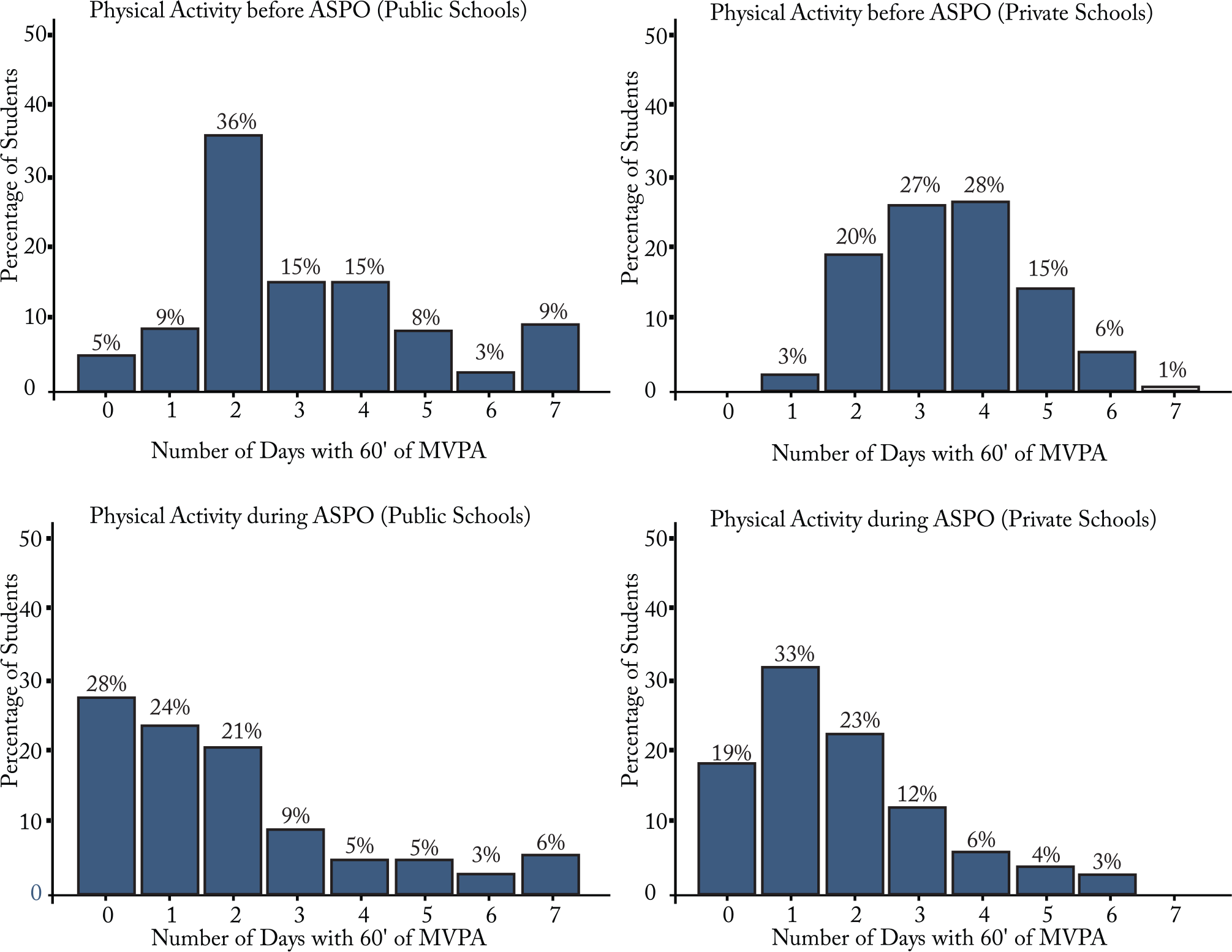 ASPO = Aislamiento Social Preventivo y Obligatorio (mandatory preventive social isolation). MVPA = Moderate-to-vigorous physical activity.
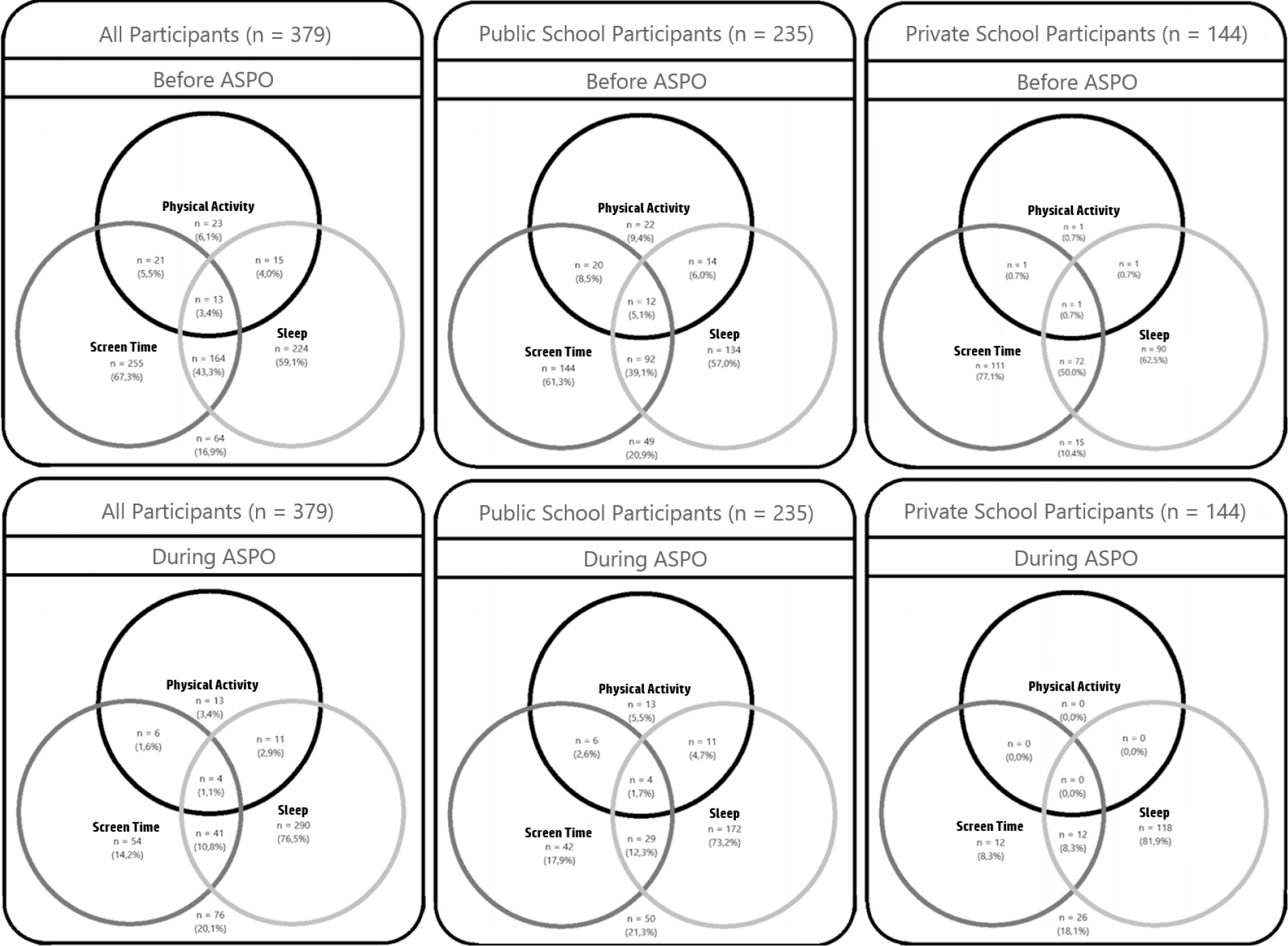 Values expressed as absolute and relative frequencies. ASPO = Aislamiento Social Preventivo y Obligatorio (mandatory preventive social isolation).