
 Use of public spaces for physical activity: An exploratory study in Oeiras, Portugal
Introduction: Previous systematic reviews indicate that easy access to places for walking and exercise favors the practice of physical activity (PA). However, despite the effort and investment in improving structures for PA practice in the municipality of Oeiras, Portugal, no study has been dedicated to identifying the profile of its occupants, health indicators, and their relation with these spaces.
Objective: This exploratory-descriptive study aimed to characterize the users of public parks, describing their PA and sedentary behavior (SB) levels, perception of health, life satisfaction, and the relationship with the spaces used for PA practice.
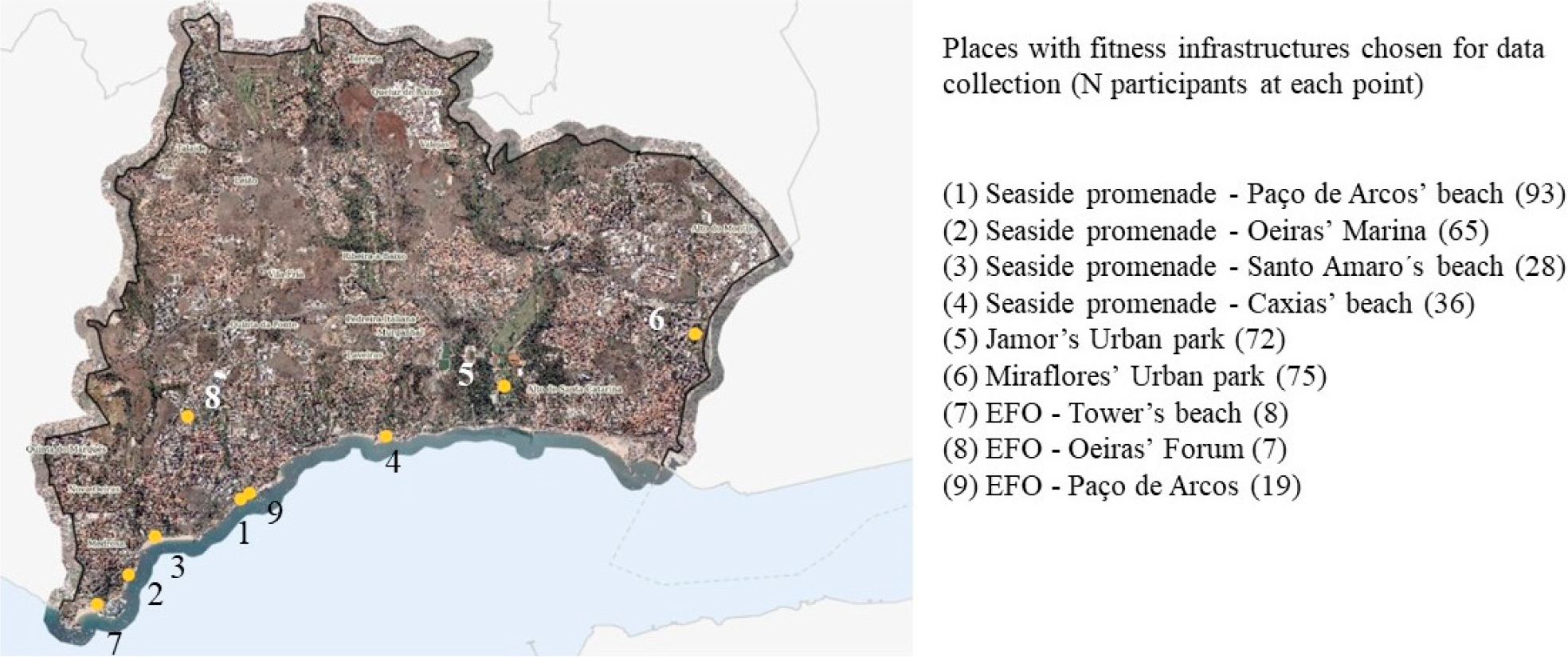
Method: Through a convenience sample, 403 interviews were carried out by questionnaire applied face-to-face in public areas in 9 infrastructures for PA practice, and descriptive analyses were employed.
Results:
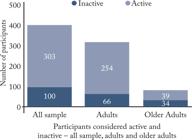
Results indicated that the PA levels of public park users are above those described by other national studies (153 ± 291 min/week of vigorous-intensity PA and 417 ± 657 min/week of moderate-intensity PA). In addition, the participants reported spend-ing an average of 314 ± 164 minutes/day (5.2 hours/day) in SB and had a high life satisfaction (mean = 7.6 - on a scale of 0 to 10). Besides that, they reported that the main reasons for choosing that place were proximity to home (45.7%) and being in contact with nature (22.1%).
Conclusion: Our descriptive study demonstrates that people who attend public parks dedicated to PA practice tend to be more physically active, spend less time in SB, which contributes to reducing physical inactivity.
Keywords:
Physical activity; Sedentary behavior; Public parks; Public health.
 Thumbnail
 Thumbnail
 Thumbnail

 *We fit into the category “other personal reasons” those that had personal characteristics, or of a transitory order, or that do not fit into any public responsibility, for example: “my leg is injured” or “is the first time that I came here”.