 Depression in the workplace: screening and treatment
Abstract
The Guidelines Project, an initiative of the Brazilian Medical Association, aims to combine information from the medical field in order to standardize producers to assist the reasoning and decision-making of doctors.
The information provided through this project must be assessed and criticized by the physician responsible for the conduct that will be adopted, depending on the conditions and the clinical status of each patient.
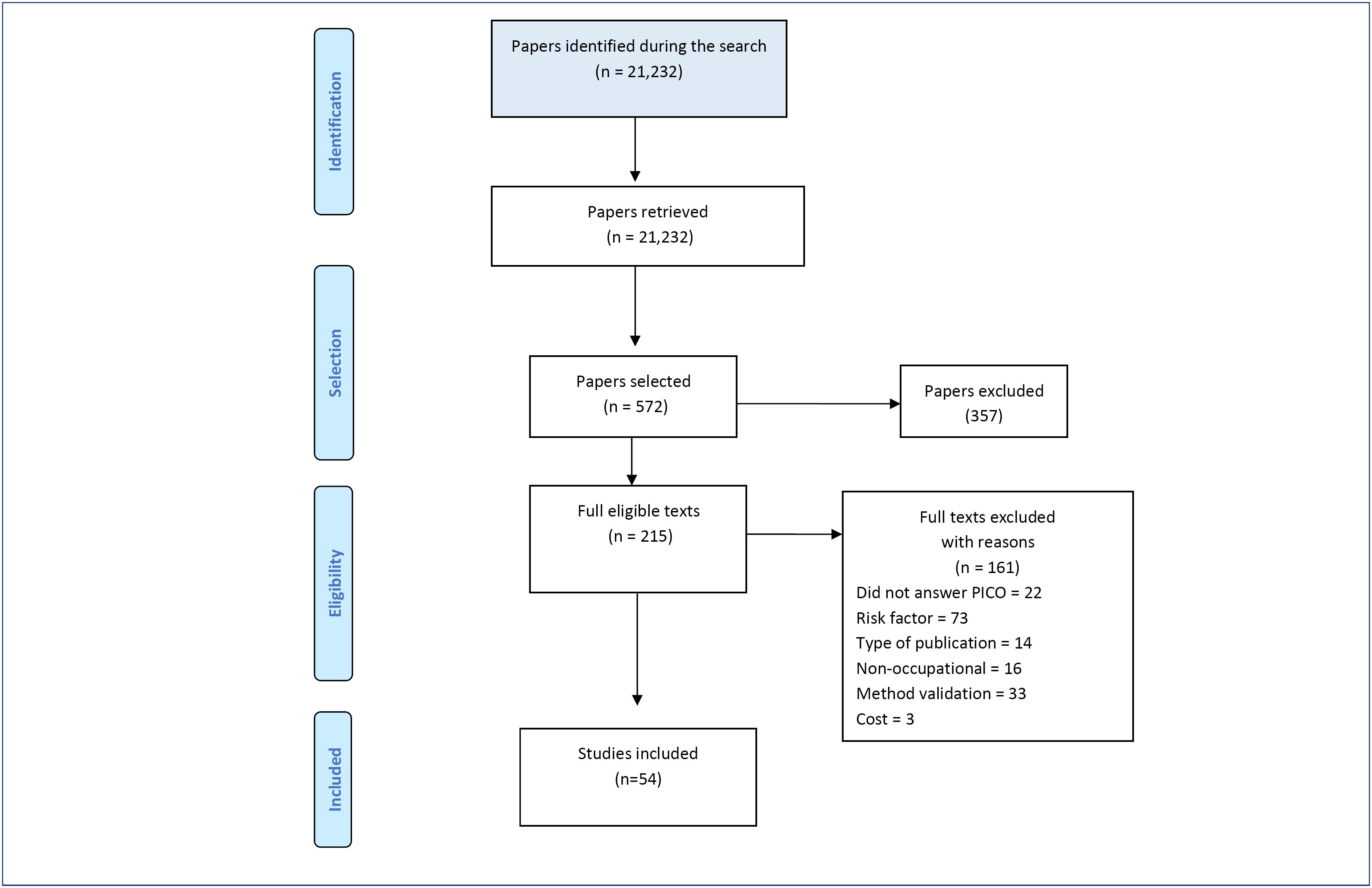
Screening depression in the occupational setting has the potential of diagnosing workers with depression symptoms in different levels of severity. Depression and its treatment have the potential of modifying occupational outcomes of functionality, productivity, absenteeism, presenteeism, return to work, work engagement, unemployment, among others. It was carried out from the systematic review of literature in the medline database, recovering 21,232 papers, 54 (figure 1 – annex I) being selected to answer the clinical questions: is it necessary to screen workers for depression? And is treatment effective and safe? The details of the methodology and the results of this guideline are exposed in annex I.
KEY POINTS
Screening depression in the occupational setting has the potential to diagnose, in impactful prevalence and with acceptable accuracy, workers with symptoms of depression at different levels of severity, knowledge about the disease and volition for adherence to treatment.
Depression and its treatment have the potential to modify occupational outcomes of functionality, productivity, absenteeism, presenteeism, return to work, work engagement, unemployment, among others.
Healthcare teams in the occupational setting have the potential to educate about depression and its treatment, promote adherence to treatment, coordinate and prescribe treatment for depression, just as it happens in studies published in the workplace or in primary care.
Periodic testing is one of the tools for implementing depression screening. Mapping and interventions by electronic means can promote adherence to screening and treatment, and optimize the distribution of educational content.
Interventions involving treatment with antidepressants, interventions based on cognitive behavioral therapy in person or by phone or via the web, multimodal interventions, among others, have potential of positive benefit for both depression symptoms and occupational outcomes, and are implementable in an occupational setting.
INTRODUCTION
Depression is characterized as a mood disorder that affects the way a person feels, thinks, or behaves, leading to impairment in social or occupational functioning.1 A major depressive episode is defined by the presence of five or more of the nine major symptoms of depression over a period of two weeks2. The onset of depression may be triggered by biological, psychosocial or environmental factors, including risk factors present in the workplace. Those who have experienced an episode of depression before are at greater risk of having future episodes3.
The prevalence of depression demonstrates its importance in public health in Brazil. Using data from 2013 to 2014 of the National Health Survey of IBGE, it is estimated that 9.7% of Brazilian adults present some degree of depression and 3.9% present major depression. Among adults with depression, only 27.6% were diagnosed at some point in their lives4. These data are consistent with a Brazilian systematic review of 2014 that estimated an annual prevalence of 8% of depression among adults and of 17% throughout life5. Data from the INSS6 show the importance of mental health problems in disability, and in 2016, mental and behavioral disorders resulted in 10,376 of 212,209 urban accident-related disability pensions, 178,613 of 1,983,708 urban disability pensions and 6,423 of 207,100 rural disability pensions.
A 2017 systematic review gathered evidence of occupational risk factors with common psychiatric diseases, including depression, concluding that there is moderate-level scientific evidence from prospective studies associating high labor demand, low control, effort and reward unbalance, organizational (in)justice, low social support and violence at work with common psychiatric diseases7. These data are consistent with the factors perceived by workers interviewed in the National Health Survey of IBGE8.
Because depression is potentially treatable, there has been an interest in screening patients presenting in primary care settings. The United States Preventive Services Task Force recommends universal screening where there is support to ensure adequate follow-up9. However, this study specifically analyzed clinical outcomes.
In view of the epidemiological importance, pertinence of occupational risk factors and the presence of impact on absenteeism and disability, this guideline seeks to evaluate the scientific evidences that demonstrate the consistency and the effectiveness of the screening of depression in a workplace focused on the modification of occupational outcomes.
RESULTS – EVIDENCE OF SUPPORT TO THE RECOMMENDATIONS
1. Screening and prevalence of depression in workers
Table 1 (Appendix I) summarizes the methodology and results of experiences related to the mapping of depression in the working population. The selected studies illustrate the feasibility and accuracy of mapping in the occupational setting and extend the concept of mapping as a mere cross-sectional diagnostic tool, and can be extended to a prospective analysis of the intensity of symptoms in a population exposed to occupational risk factors of interest, or to primary, secondary or tertiary prevention interventions, including active workers or workers on any sickness leave. The concomitant mapping of suspicious or interest occupational risk factors may guide the design of control measures. The occupational physician can take advantage of the methodology from the studies mentioned in this guideline to implement the mapping in practice. Most of the studies follow a methodology that will reflect in occupational health programs: population mapping of symptoms of depression through a questionnaire or structured interview, stratification of the population regarding the severity of depression symptoms, mapping of demographic indicators and occupational risk factors of interest, evaluation of the association between the depression symptoms and occupational or demographic risk factors of interest, followed, finally, by the implementation of preventive or curative measures.
As an example, the Ahlin10(B) study addressed Swedish workers aged 16-64. Study participants were followed up every two years since 2006 (n = 9,214) or 2008 (n = 9,703) or 2010 (n = 2,572) or 2014 (n = 19,388). In all, 28,672 individuals (70%) responded to at least one follow-up questionnaire by 2016, while 6,387 had responded up to six times. Basically, the participants were evaluated in relation to the presence of depressive symptoms and in relation to occupational components perceived by the workers as high demand, control, social support. In this study, the population was classified according to the severity of the depression symptoms: One group (n = 94, 1.1%) was classified as severe persistent, another group (n = 588, 9.4%) was classified as moderate persistent, and another one (n = 995, 12.6%) represented the group with subclinical to mild symptoms, thus totaling 23.1% of workers with significant depressive symptoms identified. This same study indicated that high demand, low control, and low social support in the workplace increase depressive symptoms over time. With this mapping modality, the study evaluated the association of occupational risk factors with the different severity levels of depression symptoms.
Nakamura-Taira11(B) conducted a study with Japanese workers evaluating the relationship between the presence of depressive symptoms, perceived stress at work and beliefs about mental illness. The study sample involved 3,718 employees (2,660 men, 1,058 women). The presence of depressive symptoms totaled 10.2% of the workers analyzed. In addition, these individuals were more likely to expect depression to improve without treatment and also did not recognize useful sources of support (for example, talking to friends/family, seeing a psychiatrist, taking medication, seeing a counselor) compared with patients without depressive symptoms. In this sense, the underestimation of stress was related to the worst clarification regarding mental health.
Nieuwenhuijsen12(B) carried out a study with Canadian workers, totalizing a sample of 2,219 employee participants analyzed, either by a questionnaire over the telephone (n = 2,145) or by a web-based survey (n = 74). Basically, the participants were evaluated in relation to the presence of depressive symptoms and presence of fatigue associated with the work activity characterized as recovery time required after work activity. In this study, 783 workers (38%) were identified with mild to severe depressive symptoms, based on the score used to screen depression. At the same time, this study identified an association between the presence of depressive symptoms and recovery time after work activity, identifying a risk of depressive symptoms eight times greater in the group of workers with a high need for recovery than workers with less need for recovery.
Wang13(B) carried out a study with male workers. In total, there were 841 participants, including 511 men at high risk of severe depression and 330 with low risk of severe depression. This study identified that male workers classified as high risk for depression were more likely to endorse the importance of accessing health resources online than low-risk men (83.4% vs. 75.0%, respectively; P = 0.01). Of the 17 different characteristics evaluated, the three main ones most used by high-risk men were: “information on how to improve sleep hygiene” (61.3%), “exercise practice to help reduce stress and depression symptoms” (59.5%) and “having access to quality information and resources on occupational stress issues” (57.8%). Qualitative data analysis revealed that privacy issues, disease-related stigma, ease of web tool navigation and lack of personal interaction, time and knowledge were identified as barriers to the use of mental health programs by working men who were at high risk of depression. One of the main results of this study was that 62.7% of participants who were at high risk of depression used the internet to obtain health information in the 12 months prior to the survey. In addition, more than 75% of men at high risk of depression considered that health information online is useful to help them make healthcare decisions and more than 72% would use a mental health program to deal with work-related stress. Since men often delay the search for mental health problems due to stigma and gender norms, results suggest that the privacy inherent in mental health programs makes these programs a promising tool for improving men's mental health.
Volker14(B) carried out a study in the workplace, whose sample consisted of 170 employees with work leave between 4 and 26 weeks. Basically, the purpose of this study was to validate the PHQ-9 questionnaire for depression within a population of employees on sick leave using the Mini International Neuropsychiatric Interview (Mini) as the gold standard. As a result, data from 170 employees were included in the reviews. Of the total of 170 Minis, 36 employees scored positively for depression (prevalence = 21.2%). Regarding the PHQ-9 questionnaire, a cutoff value of 10 resulted in an adequate balance between sensitivity and specificity, determining a sensitivity of 86.1%, specificity of 78.4%, positive predictive value (PPV) of 51.7%, negative predictive value (NPV) of 95.5% and accuracy of 80.0%.
Wada15(B) carried out a study in the workplace where the CES-D (Center for Epidemiologic Studies Depression Scale) questionnaire was sent to all workers who performed the periodic health examination (2,409 individuals). Concomitantly, a version of the Mini International Neuropsychiatric Interview - Mini section that addressed the major depressive episode was administered to all workers. The percentage of participants with a CES-D score above 19 was 9.5%. Sensitivity and specificity were calculated for various CES-D scores. Sensitivity ranged from 95.1% to 85.3% and the specificity ranged from 82.2% to 93.1% in the central range of the curve. With a cutoff point of 16, which is the traditional score in the literature, the sensitivity was 95.1% and the specificity was 85.0%. The appropriate balance cutoff score for depression screening was calculated at 19. The study demonstrated the validity of the CES-D questionnaire for screening depression in working populations.
The analysis of the articles compiled in this subgroup shows relevant points about the screening and prevalence of depression among workers. The prevalence of significant depressive symptoms in workers is high from 9.5% to 38%. The main questionnaires used in the literature in the general population for screening depression may be validated for use in the working population. Screening in the working population allows contact with individuals suffering from symptoms of depression but that are not aware of the disease or do not have volition to seek medical treatment.
IMPACT OF DEPRESSION ON WORKERS
The studies mentioned in Table 2 in Annex I illustrate the high prevalence, the impact of depression on workers’ health, on functionality and productivity, on presenteeism and absenteeism, being these indicators of interest in the practice of occupational medicine both for identification of the population of greater risk and evaluation of the effectiveness of interventions adopted. The instruments or questionnaires used in studies to measure the impact of depression on workers can be used in versions translated, validated and adapted, in whole or in part, in the practice of occupational medicine.
Asami24(B) carried out an observational study with 17,820 workers in Japan. As a primary result, labor productivity was assessed using the validated questionnaire, a six-item instrument consisting of the following metrics: loss of general work productivity (general disability estimate, which is a combination of absenteeism and presenteeism), absenteeism (percentage of work time lost due to illness in the last seven days), presenteeism (percentage of compromise suffered during work in the last seven days due to illness) and impairment of activity (percentage of health-related disability in daily activities in the last seven days). The main independent variables for this project were those based on the self-reported diagnosis of depression and the outcome of the validated questionnaire response for depression screening (PHQ-9). Among workers (n = 17,820), 3.8% were diagnosed with depression within 12 months (n = 678). Among those with a diagnosis, 51.0% (n = 346) presented PHQ-9 scores of 10 and over, while among those without diagnosis, 7.8% (n = 1336) scored 10 and over. In other words, 7.5% among workers (1,336 out of 17,820) reported that they were not diagnosed as depressed, but had PHQ-9 scores of 10 and over. Absenteeism and general analyzes of deterioration of work included 16,906 out of 17,820 workers, while presenteeism included 17,428 workers. In all measures of productivity and work activity, the greatest losses were observed among those diagnosed compared to those undiagnosed. The interaction between PHQ-9 scores and the diagnosis of depression was significant for general work impairment, presenteeism and impairment of the activity (P <0.01). The mean percentage disabilities adjusted by subgroups indicate that the effects of PHQ-9 on productivity were, in all cases, stronger in the undiagnosed than in the diagnosed group. This study demonstrated the impact of the underdiagnosed depression on the work performance of workers and, at the same time, the negative repercussion of the presence of significant depressive symptoms on presenteeism. On this item, the result of this article was corroborated by other studies selected in this guideline that analyzed the relationship between depression and presenteism23,26-29,33,34(B).
Lamichhane18(B) conducted a prospective study in a group of registered workers for health examination at the Department of Occupational and Environmental Medicine at a university hospital who work in 23 small and medium-sized manufacturing enterprises. Thus, the analysis was carried out using data from 2,349 individuals (1,807 men and 542 women). Depressive symptoms were measured using the Center for Epidemiological Studies Depression Scale (CES-D). The dependent variable was whether or not a worker was absent from work due to an accident or illness in the previous year. Those who answered “yes” to (1) “were absent from work due to an accident at work last year?” or (2) “were absent from work due to illness last year?” were included in the absenteeism group. The percentages of workers who scored within the reference range of depressive symptoms (CES-D ≥ 16) and were absent from work due to illness were 16.9% for men and 27.5% for women. Men and women with depressive symptoms at the beginning of the study were more likely to be absent due to the disease at follow-up. Non-adjusted models showed a significant effect of depressive symptoms in absence of disease (OR = 3.67, 95% CI 2.17-6.21 for men and 2.14, 95% CI 1.29-3.56 for women). When gross odds ratios (OR) were calculated for absence due to accidents, men with depressive symptoms showed a statistically significant OR (OR = 2.95, 95% CI, 1.41-6.18). This study demonstrated the significant impact of depression symptoms on absenteeism due to illness or accident in affected workers. The result of this article was corroborated by other studies selected in this guideline that analyzed the relationship between depression and absenteeism19,27,28,32,34(B).
Porru17(B) conducted a prospective study on 5,263 European workers. The mean age was 55.0 years old. The primary outcome in this study was the status in self-reported work. Work status was measured after two and four years. Depressive symptoms were defined according to the validated Euro-D scale. In this study, it was observed that individuals with significant depressive symptoms were more likely to have an impact on their work capacity from long-term leave due to social security benefits with a significant hazard ratio (HR = 2.46, 95% CI 1.68 −3.60). In all, 19% of men and 20% of women who left work being paid through social security benefits had their leave attributed to significant depressive symptoms. This study demonstrated the impact on workers of the presence of significant depressive symptoms on long-term work leave. The result of this article was corroborated by other studies that analyzed the relationship between depression and prolonged leave selected in this guideline21,22,25,26(B).
Weaver16(B) conducted a prospective cohort study with healthcare professionals at four academic hospitals. The analysis included 416 participants who were monitored monthly for six months. In this study, the Patient Health Questionnaire for Anxiety-Depression (PHQ-4) was used to screen anxiety and depression. Adverse safety outcomes included motor vehicle collisions, “near misses”, exposures to potentially infectious materials (occupational exposures), and adverse events to patients. Positive screening for anxiety or depressive symptoms was associated with a 63% increase in the incidence of adverse safety outcomes after multivariate adjustment. Workers with anxiety or depression had 124 adverse safety outcomes with RR = 1,63 (95% CI 1.58-1.69). This study demonstrated the impact on workers of the presence of significant depressive symptoms on accidents with motor vehicles, work accidents with biological material and adverse events for patients.
Newcomb20(B) conducted a study with 205 employees selected for depression using the nine item Patient Health Questionnaire (PHQ-9). Screening for depression was associated with an increased diagnosis of depression compared to the control group (30% versus 4%, P <0.001). There was a significant difference in the need for activity restriction in the workplace, being reduced to 97 days for the screened employees compared to 159 days for the controls (P <0.001). Thus, depression screening was associated with a lower chance of receiving temporary work restrictions with OR = 0.55 (95% CI 0.38-0.78) or permanent restrictions with OR = 0.35 (95% CI 0.23-0.52). This study demonstrated the repercussion in workers of the presence of significant depressive symptoms on the need of activity adaptation in the workplace.
Lexis31(B) carried out an observational study that examined the relationship between the presence of significant depressive symptoms and perceived health. The study was conducted among employees working in a large bank. The screening instrument contained four questions about the results of the health complaint experience and aid in the pursuit of health behavior. Of all the employees who responded to the screening instrument, 13.3% were identified as being at high risk of sick leave in the future and 8.3% were identified as having mild to severe depressive complaints. Of the employees identified as being at high risk of sick leave, 48% reported having complaints about their own health, compared to 20% of employees identified as being without risk. Complaints about their own health among employees identified with depressive complaints were higher (57%), compared with 21% of employees without depressive complaints. This study and others selected30 in this guideline demonstrated the repercussion in workers of the presence of significant depressive symptoms in relation to the perception of health at work.
In this subgroup of articles, the impact of depression on workplace was evaluated in 19 prognostic studies carried out on the working population. In eight studies, the impact of significant depressive symptoms on presenteeism and productivity was evaluated23,24,26-29,33,34(B). In six studies, the impact of depression on absenteeism was analyzed18,19,27,28,32,34(B).
In five studies, the impact of significant depressive symptoms on the long-term absence from work was evaluated17,21,22,25,26(B). In four other studies, the impact of depression on other outcomes such as commute accidents, work accidents, work restriction, perception of health at work and adverse events in patients was analyzed16,20,30,31(B).
The compilation of these studies demonstrates the extent of the repercussion of significant depressive symptoms on occupational outcomes in the workplace, determining the relevant impact on workers in presenteeism, absenteeism, prolonged leave, work accident, commute accident, activity restriction, perception of health at work and adverse events for patients.
SCREENING OF DEPRESSION IN WORKERS ASSOCIATED TO TREATMENT
Selected studies have involved clinical trials or systematic reviews35,45,58(A) of interventions with potential to improve depressive symptoms and other occupational outcomes of interest. The selected studies involved pharmacological treatment with antidepressants35,38,63(A), occupational therapy48,61(A), psychoeducation51,56,62(A), cognitive behavioral therapy or other modalities of psychotherapy with psychotherapist present43,54,55(A) or by phone38,40,47,52,53,57,60(A),59(B), multifaceted interventions49,50,52(A), use of automated online tools with heterogeneous content, generally based on principles of cognitive behavioral therapy, psychoeducation, self-help and other diverse contents such as relaxation or meditation techniques associated with a previous screening of depression symptoms36,37,39,41,42,44,46(A).
Lee35(A) conducted a systematic review published in 2018 of clinical trials that examined the impact of pharmacological treatment of depression on occupational outcomes such as work functionality and absenteeism. The selected papers met the selection criteria defined: adult population with major depression, submitted to pharmacological intervention with antidepressants, in randomized, double-blind, placebo or comparative intervention clinical trials with outcomes of work functionality or absenteeism assessed quantitatively with standardized instruments. The analysis of 13 comparative clinical trials with placebo and four comparative clinical trials with other interventions reported the efficacy of antidepressants on subjective measures of commitment in the workplace. Treatment with antidepressants has improved standardized measures of functioning in the workplace. The study suggests that pharmacological treatment with antidepressants has a positive effect on productivity in the workplace.
Tan45(A) conducted a systematic review published in 2014 that selected randomized clinical trials on workplace interventions that reported outcomes on mental health for individuals with depression. The selected studies compare at least two different intervention groups randomly allocated with at least one being a control group or waiting list. Study participants should be active-age adults (18-65 years old) who belonged to a working group. It was observed that most of the included studies used cognitive behavioral therapy (CBT) techniques. The overall standardized mean difference (SMD) between the intervention and control groups was 0.16 (95% CI 0.07-0.24, P = 0.0002), indicating a positive effect. A separate analysis using only interventions based on cognitive behavioral therapy (CBT) generated a significant difference of 0.12 (95% CI 0.02-0.22, P = 0.01). The results indicate that a number of different intervention programs on depression have positive effects on the workplace. When analyzed separately, universally distributed CBT interventions significantly reduced levels of depressive symptoms among workers. These results demonstrate that appropriate interventions based on psychotherapy in the workplace should be part of efforts to intervene in depression. Other clinical trials selected in this guideline analyzed the application of in-person psychotherapy in the workplace, individually or in groups, alone or in conjunction with other interventions43,48,51,54,55,60,61,62(A), by telephone38,40.47,52.53,57,60(A)59(B), online36,37,39,41,42,44,46(A). These findings are in line with other recent systematic reviews recently published on the subject64-67(A). In a meta-analysis published in 2019 by Nigatu67(A), the benefit of CBT-based and non-CBT-based interventions had small to medium effect size with significant standardized mean differences (SMD) and, respectively, in −0.44 (95% CI −0.61 to −0.26, I2 = 62.1%) and in −0.32 (95% CI −0.59 to −0.06, I2 = 58%).
Martin58(A) conducted a systematic review published in 2009 that selected articles that focused on workplace interventions that reported outcomes in mental health for individuals with depression and anxiety. The primary outcome measures were the composite measure scores of depression, anxiety or mental health used as screening tools for these conditions. The multimodal intervention aimed at mental health, directly or indirectly, through a program to promote mental health in the workplace that acts on a known risk factor for depression or anxiety, such as smoking, chronic illness, substance abuse, obesity, physical inactivity and organizational climate. In total, 22 studies met the inclusion criteria, with a total sample of 3,409 post-intervention employees, 17 of which were included in the meta-analysis. The pooled results indicated small but positive overall effects of interventions in relation to depression symptoms with standardized mean differences (SMD) of SMD = 0.28 (95% CI 0.12-0.44) and anxiety with SMD = 0.29 (95% CI 0.06-0.51). This study suggests that multimodal intervention on work organization that is part of a workplace mental health promotion program improves clinical outcomes in individuals with depression. This finding is consistent with the results of a systematic review published in 2014 on the positive benefit in reducing depression symptoms of occupational interventions based on exercise68(B).
Smith63(A) conducted a clinical trial on the impact of the primary healthcare service on occupational outcomes. The intervention consisted of “optimized care,” in which healthcare providers (physicians and nurses) directed the treatment in accordance with the recommendations of the Agency for Healthcare Research and Quality (AHRQ) guideline. Control consisted of usual care for study participants. Of the 262 patients in the baseline sample eligible for this analysis, 219 (83.6%) were followed up at one year. The occupational outcomes analyzed were employability/turnover and organizational climate. The intervention significantly increased employability with 10.1% (p = 0.04, CI 90% 2.8-17.4%) and reduced unemployment by 4.3% (CI 90% 1.2-7.4 %). In addition, among participants on optimized care, there was a significantly lower probability of reporting workplace conflicts (8.1% vs. 18.9%, p = 0.04). This study suggests that the incorporation of the primary care logic with the training of physicians and nurses improves occupational outcomes in individuals with depression, thus determining the repercussion of the intervention on employability, turnover and organizational climate.
In this sense, the compilation of these studies demonstrates that screening for depression through validated questionnaire can be followed by therapeutic interventions, either in person or at a distance, with benefit on clinical and occupational outcomes, regardless of whether the worker is active or retired, or if they had a previous depressive episode or not. The set of interventions reflects the multifactorial nature of depression and the need for equally comprehensive interventions.
DISCUSSION
In order to assess the importance of screening for depression, specifically of workers (in a workplace), as well as their consequences in effective and safe therapeutic measures, it will be necessary to overcome some barriers and concepts that hinder not only the understanding of the scenario, but also the generation and/or the interpretation of available scientific evidence.
The extrapolation, from data and scientific information, on the screening of depression from the general population to the population of workers, based on the proximity between the prevalence indexes of these two populations, is insufficient. This is because the mechanisms of generation, maintenance and recurrence of depression in workers, although similar, present aspects specific to the occupational sphere and, consequently, the intervention measures present specific nuances. In addition, because of this extrapolation, there is a distinct accommodation of the scientific community in the generation of randomized trials comparing whether or not to screen for depression in the occupational population, which naturally reduces the strength of available evidence, supporting screening among workers.
At the same time, there is an unfounded concern that screening is used as an admission selection measure or to guide cost-centered post-admission actions, producing obvious detriment or reduction of care focused on the worker.
In this sense, in the specific evidence on depression in the workplace there are still biases, for example, the difficult individualization of exclusive populations of depressive and non-depressive patients in the screening, prevention and treatment actions, as well as the presence of other treatments concomitant with the interventions of the studies.
However, it is possible to indirectly build an adequate evaluation of the importance of the screening of depression in workers supported by prevalence data, the impact of depression on occupational outcomes, and response (efficacy and safety) to pharmacological and non-pharmacological treatment modalities in the workplace.
Thus, despite the fact that there are no experimental cohorts (RCTs) comparing screening and not screening worker populations as there is in the non-occupational population, we can see that the available evidence on the management of depression among workers through active screening and treatment offer for those diagnosed can be considered of moderate strength of scientific evidence based on observational cohorts and randomized clinical trials.
Among the recognized interventions, mention is made of pharmacological treatment with antidepressants, psychotherapy (presential or distance), multimodal intervention on work organization and primary care service centered on the worker's care.
Thus, the population of depressive patients among workers is underdiagnosed in an environment in which the worker seeks, with or without psychological attention, to remain in activity without his/her problem being noticed. On the other hand, the supervision of these workers does not notice the indirect or even direct signs of the presence of depression, and if they do notice, since they do not know how to deal with the situation, they do not take intervention measures, thus failing to generate benefits in occupational outcomes such as presenteeism, absenteeism, prolonged leave, work accident, commute accident, activity restriction, health perception and adverse events for patients.
RECOMMENDATION
Screening for depression in workers is recommended because of its high prevalence and underdiagnoses in the workplace. There is evidence that depression in workers has a relevant impact on occupational indicators and on the generation of comorbidities. Therefore, its early diagnosis and identification is recommended, as well as specific interventions, including actions on risk factors for depression at work.
Thus, screening for depression needs to be followed by diagnostic confirmation and pharmacological and non-pharmacological therapeutic measures, with the benefit and safety being verified in occupational outcomes such as presenteeism, absenteeism, prolonged leaves, work accident, commute accident, activity restriction, perception of health and adverse events for patients.
On screening, several instruments for screening or diagnosis of depression already validated for use in the workplace are found. Among the recognized interventions, mention is made of pharmacological treatment with antidepressants, psychotherapy (presential or distance), multimodal intervention on work organization and primary care service centered on the worker's care.
The findings and conclusions of this guideline are in agreement with systematic reviews published on the subject35,45,58,62,63,64.
Final statement
The Guidelines Project, an initiative of the Brazilian Medical Association in conjunction with the Specialty Societies, aims to reconcile medical information in order to standardize behaviors that aid the physician's reasoning and decision making. The information contained in this project should be submitted to the evaluation and critique of the physician responsible for the conduct to be followed, in view of the reality and clinical condition of each patient.
ANNEX I
Clinical question
Is it necessary to screen workers for depression?
Is the treatment effective and safe?
Structures question
The research question was organized according to the acronym PICO (P for population or problem, I for intervention or indicator, C for control or comparison, and O for outcome). From the PICO format, from the descriptors of health science (MeSH terms) and their synonyms, search strategies were defined for each database.
Inclusion
-
Elements of PICO
-
Randomized clinical trials; observational cohort studies; cross-sectional studies; systematic review with or without meta-analysis (the most recent)
-
No restriction on language and period
-
Full text or abstract with data
Exclusion
-
Population outside the workplace or scope
-
Treatment or adherence to treatment of depression
-
Papers assessing risk factors for depression
-
Papers assessing stress, burnout, anxiety, insomnia, mental health
-
Validation of diagnostic instruments
-
Quality assessment of workplace
-
Cost-effective or effectiveness models
Databases
Medline, Embase, Central Cochrane. Manual and gray search.
Research strategy
-
#1
(Depression* OR Depressive OR Depressive disorder) AND (screening OR questionnaire* OR score* OR scale* OR tool* OR survey*) AND (Worker OR Workplace OR Workplaces OR Work OR Job OR Worksite OR Employment OR Occupation* OR Occupational OR Industry OR Occupational diseases) – 19,850 papers.
-
#2
(Depression* OR Depressive OR Depressive disorder) AND (Worker OR Workplace OR Workplaces OR Work OR Job OR Worksite OR Employment OR Occupation* OR Occupational OR Industry OR Occupational diseases)))) AND random* – 4,062 papers.
The selected evidence was graded according to the Oxford Centre for Evidence-based medicine – Levels of Evidence (March 2009)69, with recommendation grades A or B being added to the references.
RESULTS EXTRACTION AND ANALYSIS METHODFrom each evidence included, the necessary data were extracted to support, through a text, the recommendations to answer the clinical question taking into account the characteristics of the patients, the interventions and comparisons, and the outcomes defined in the eligibility criteria.
RESULTSThus, 54 papers were selected to support the guideline, of which 25 were randomized clinical trials, 3 systematic reviews, 12 cross-sectional studies and 14 observational cohort studies. The scientific evidence included to support the recommendations is exposed in three subgroups for didactic purposes of discussion, and the content of each article is not necessarily limited to a single category:
-
Importance of depression in workers based on screening and prevalence (6 papers) 10-15.
-
Importance of depression in workers based on its consequences (19 papers)16-34.
-
Screening for depression aggregated to efficacy and safety of treatment proposals (29 papers)35-63.
For the presentation of the recommendations, the suggestion of conduct was made with the preparation of the recommendations by the authors of the technical guideline, considering the characteristics of the evidence synthesis and being submitted for validation of all the authors participating in the work group. The degree of recommendation comes directly from the available strength of the studies included according to Oxford69 and the use of the Grade70 system.
REFERENCES
-
1 Public Health Agency of Canada Mood disorders. In: The human face of mental health and mental illness in Canada 2006. Ottawa (ON): The Agency; 2006. p. 57?70 Available: www.phac-aspc.gc.ca/publicat/human-humain06/index-eng.php.
» www.phac-aspc.gc.ca/publicat/human-humain06/index-eng.php - 2 American Psychiatric Association Diagnostic and statistical manual of mental disorders. Fourth edition Text revision. Washington (DC): The Association; 2000
- 3 Buckman JEJ, Underwood A, Clarke K, Saunders R, Hollon SD, Fearon P et al. Risk factors for relapse and recurrence of depression in adults and how they operate: A four-phase systematic review and meta-synthesis. Clinical psychology review; 2018
- 4 Barros MBA, Lima MG, Azevedo RCS., Medina LBP, Lopes CS, Menezes PR et al. Depression and health behaviors in Brazilian adults?PNS 2013. Revista de saude publica 2017, 51, 8s.
- 5 Silva MT, Galvao TF, Martins SS, Pereira MG. Prevalence of depression morbidity among Brazilian adults: a systematic review and meta-analysis. Rev Bras Psiquiatr. 2014 Sep;36(3):262-70.
- 6 Anuario Estatistico da Previdencia Social, Ministerio da Fazenda, Secretaria de Previdencia, Empresa de Tecnologia e Informacoes da Previdencia. Anuario Estatistico da Previdencia Social 2016. Brasilia: MF/DATAPREV.
- 7 Harvey SB, Modini M, Joyce S, Milligan-Saville JS, Tan L, Mykletun A et al. Can work make you mentally ill? A systematic meta-review of work-related risk factors for common mental health problems. Occup Environ Med. 2017 Mar;74(4):301-310.
- 8 Oenning NSX, Ziegelmann PK, Goulart BNG, Niedhammer I. Occupational factors associated with major depressive disorder: A Brazilian population-based study. J Affect Disord. 2018 Nov;240:48-56.
- 9 US Preventive Services Task Force recommendation statement Screening for depression in adults. Ann Intern Med 2009;151: 784?92
-
10 Åhlin JK, Rajaleid K, Jansson-Fröjmark M, Westerlund H, Magnusson Hanson LL. Job demands, control and social support as predictors of trajectories of depressive symptoms. J Affect Disord 2018; 235: 535-543. doi: 10.1016/j.jad.2018.04.067. PMID: 29689506.
» https://doi.org/10.1016/j.jad.2018.04.067 -
11 Nakamura-Taira N, Izawa S, Yamada KC. Stress underestimation and mental health literacy of depression in Japanese workers: A cross-sectional study. Psychiatry Res 2018; 262: 221-228. doi: 10.1016/j.psychres.2017.12.090. PMID: 29471260.
» https://doi.org/10.1016/j.psychres.2017.12.090 - 12 Nieuwenhuijsen K, Sluiter JK, Dewa CS. Need for Recovery as an Early Sign of Depression Risk in a Working Population. J Occup Environ Med 2016; 58: e350-e354. PMID: 27820770.
-
13 Wang J, Lam RW, Ho K, Attridge M, Lashewicz BM, Patten SB, et al. Preferred Features of E-Mental Health Programs for Prevention of Major Depression in Male Workers: Results From a Canadian National Survey. J Med Internet Res 2016; 18: e132. doi: 10.2196/jmir.5685. PMID: 27267782.
» https://doi.org/10.2196/jmir.5685 -
14 Volker D, Zijlstra-Vlasveld MC, Brouwers EP, Homans WA, Emons WH, van der Feltz-Cornelis CM. Validation of the Patient Health Questionnaire-9 for Major Depressive Disorder in the Occupational Health Setting. J Occup Rehabil 2016; 26: 237-44. doi: 10.1007/s10926-015-9607-0. PMID: 26377480.
» https://doi.org/10.1007/s10926-015-9607-0 - 15 Wada K, Tanaka K, Theriault G, Satoh T, Mimura M, Miyaoka H, et al. Validity of the Center for Epidemiologic Studies Depression Scale as a screening instrument of major depressive disorder among Japanese workers. Am J Ind Med 2007; 50: 8-12. PMID: 17096372.
-
16 Weaver MD, Vetter C, Rajaratnam SMW, O’Brien CS, Qadri S, Benca RM, et al. Sleep disorders, depression and anxiety are associated with adverse safety outcomes in healthcare workers: A prospective cohort study. J Sleep Res 2018: e12722. doi: 10.1111/jsr.12722. [Epub ahead of print] PMID: 30069960.
» https://doi.org/10.1111/jsr.12722 -
17 Porru F, Burdorf A, Robroek SJW. The impact of depressive symptoms on exit from paid employment in Europe: a longitudinal study with 4 years follow-up. Eur J Public Health 2018. doi: 10.1093/eurpub/cky136. [Epub ahead of print]. PMID: 30052918.
» https://doi.org/10.1093/eurpub/cky136 -
18 Lamichhane DK, Heo YS, Kim HC. Depressive symptoms and risk of absence among workers in a manufacturing company: a 12-month follow-up study. Ind Health 2018; 56:187-197. doi: 10.2486/indhealth.2017-0065. PMID: 29225216.
» https://doi.org/10.2486/indhealth.2017-0065 -
19 Vendrig AA, Schaafsma FG. Reliability and Validity of the Work and Well-Being Inventory (WBI) for Employees. J Occup Rehabil 2018; 28: 377-390. doi: 10.1007/s10926-017-9729-7. PMID: 28887747.
» https://doi.org/10.1007/s10926-017-9729-7 -
20 Newcomb RD, Steffen MW, Breeher LE, Sturchio GM, Murad MH, Wang Z, et al. Screening for depression in the occupational health setting. Occup Med (Lond) 2016; 66: 390-3. doi: 10.1093/occmed/kqw043. PMID: 27154983.
» https://doi.org/10.1093/occmed/kqw043 -
21 van Hoffen MF, Joling CI, Heymans MW, Twisk JW, Roelen CA. Mental health symptoms identify workers at risk of long-term sickness absence due to mental disorders: prospective cohort study with 2-year follow-up. BMC Public Health 2015; 15: 1235. doi: 10.1186/s12889-015-2580-x. PMID: 26655203.
» https://doi.org/10.1186/s12889-015-2580-x -
22 Torske MO, Hilt B, Bjørngaard JH, Glasscock D, Krokstad S. Disability pension and symptoms of anxiety and depression: a prospective comparison of farmers and other occupational groups. The HUNT Study, Norway. BMJ Open 2015; 5: e009114. doi: 10.1136/bmjopen-2015-009114. PMID: 26525724.
» https://doi.org/10.1136/bmjopen-2015-009114 -
23 Rose U, March S, Ebener M, du Prel JB. Cut-off values for the applied version of the Beck Depression Inventory in a general working population. J Occup Med Toxicol 2015; 10: 24. doi: 10.1186/s12995-015-0067-4. PMID: 26191076.
» https://doi.org/10.1186/s12995-015-0067-4 -
24 Asami Y, Goren A, Okumura Y. Work productivity loss with depression, diagnosed and undiagnosed, among workers in an Internet-based survey conducted in Japan. J Occup Environ Med 2015; 57: 105-10. doi: 10.1097/JOM.0000000000000310. PMID: 25563547.
» https://doi.org/10.1097/JOM.0000000000000310 -
25 Ervasti J, Vahtera J, Pentti J, Oksanen T, Ahola K, Kivekäs T, et al. Return to work after depression-related absence by employees with and without other health conditions: a cohort study. Psychosom Med 2015; 77: 126-35. doi: 10.1097/PSY.0000000000000138. PMID: 25675157.
» https://doi.org/10.1097/PSY.0000000000000138 -
26 Wang YP, Gorenstein C. Attitude and impact of perceived depression in the workplace. Int J Environ Res Public Health 2014; 11: 6021-36. doi: 10.3390/ijerph110606021. PMID: 24914639.
» https://doi.org/10.3390/ijerph110606021 -
27 Jain G, Roy A, Harikrishnan V, Yu S, Dabbous O, Lawrence C. Patient-reported depression severity measured by the PHQ-9 and impact on work productivity: results from a survey of full-time employees in the United States. J Occup Environ Med 2013; 55: 252-8. doi: 10.1097/JOM.0b013e31828349c9. PMID: 23439268.
» https://doi.org/10.1097/JOM.0b013e31828349c9 -
28 Woo JM, Kim W, Hwang TY, Frick KD, Choi BH, Seo YJ, et al. Impact of depression on work productivity and its improvement after outpatient treatment with antidepressants. Value Health 2011; 14: 475-82. doi: 10.1016/j.jval.2010.11.006. PMID: 21669372.
» https://doi.org/10.1016/j.jval.2010.11.006 -
29 Harvey SB, Glozier N, Henderson M, Allaway S, Litchfield P, Holland-Elliott K, et al. Depression and work performance: an ecological study using web-based screening. Occup Med (Lond) 2011; 61: 209-11. doi: 10.1093/occmed/kqr020. PMID: 21525074.
» https://doi.org/10.1093/occmed/kqr020 -
30 Munir F, Burr H, Hansen JV, Rugulies R, Nielsen K. Do positive psychosocial work factors protect against 2-year incidence of long-term sickness absence among employees with and those without depressive symptoms? A prospective study. J Psychosom Res 2011; 70: 3-9. doi: 10.1016/j.jpsychores.2010.09.014. PMID: 21193095.
» https://doi.org/10.1016/j.jpsychores.2010.09.014 -
31 Lexis MA, Jansen NW, Stevens FC, van Amelsvoort LG, Kant I. Experience of health complaints and help seeking behavior in employees screened for depressive complaints and risk of future sickness absence. J Occup Rehabil 2010; 20: 537-46. doi: 10.1007/s10926-010-9244-6. PMID: 20467796.
» https://doi.org/10.1007/s10926-010-9244-6 -
32 Lexis MA, Jansen NW, van Amelsvoort LG, van den Brandt PA, Kant I. Depressive complaints as a predictor of sickness absence among the working population. J Occup Environ Med 2009; 51: 887-95. doi: 10.1097/JOM.0b013e3181aa012a. PMID: 19625974.
» https://doi.org/10.1097/JOM.0b013e3181aa012a - 33 Wang PS, Beck AL, Berglund P, McKenas DK, Pronk NP, Simon GE, et al. Effects of major depression on moment-in-time work performance. Am J Psychiatry 2004; 161: 1885-91. PMID: 15465987.
- 34 Druss BG, Schlesinger M, Allen HM Jr. Depressive symptoms, satisfaction with health care, and 2-year work outcomes in an employed population. Am J Psychiatry 2001; 158: 731-4. PMID: 11329394.
-
35 Lee Y, Rosenblat JD, Lee J, Carmona NE, Subramaniapillai M, Shekotikhina M, et al. Efficacy of antidepressants on measures of workplace functioning in major depressive disorder: A systematic review. J Affect Disord 2018; 227: 406-415. doi: 10.1016/j.jad.2017.11.003. PMID: 29154157.
» https://doi.org/10.1016/j.jad.2017.11.003 -
36 Beiwinkel T, Eißing T, Telle NT, Siegmund-Schultze E, Rössler W. Effectiveness of a Web-Based Intervention in Reducing Depression and Sickness Absence: Randomized Controlled Trial. J Med Internet Res 2017; 19: e213. doi: 10.2196/jmir.6546. PMID: 28619701.
» https://doi.org/10.2196/jmir.6546 -
37 Hirsch A, Luellen J, Holder JM, Steinberg G, Dubiel T, Blazejowskyj A, et al. Managing Depressive Symptoms in the Workplace Using a Web-Based Self-Care Tool: A Pilot Randomized Controlled Trial. JMIR Res Protoc 2017; 6: e51. doi: 10.2196/resprot.7203. PMID: 28377368.
» https://doi.org/10.2196/resprot.7203 - 38 Sarfati D, Stewart K, Woo C, Parikh SV, Yatham LN, Lam RW. The effect of remission status on work functioning in employed patients treated for major depressive disorder. Ann Clin Psychiatry 2017; 29: 11-16. PMID: 27901522.
-
39 Imamura K, Kawakami N, Furukawa TA, Matsuyama Y, Shimazu A, Umanodan R, et al. Does Internet-based cognitive behavioral therapy (iCBT) prevent major depressive episode for workers? A 12-month follow-up of a randomized controlled trial. Psychol Med 2015; 45:1907-17. doi: 10.1017/S0033291714003006. PMID: 25562115.
» https://doi.org/10.1017/S0033291714003006 -
40 Lerner D, Adler DA, Rogers WH, Chang H, Greenhill A, Cymerman E, et al. A randomized clinical trial of a telephone depression intervention to reduce employee presenteeism and absenteeism. Psychiatr Serv 2015; 66: 570-7. doi: 10.1176/appi.ps.201400350. PMID: 25726984.
» https://doi.org/10.1176/appi.ps.201400350 -
41 Volker D, Zijlstra-Vlasveld MC, Anema JR, Beekman AT, Brouwers EP, Emons WH, et al. Effectiveness of a blended web-based intervention on return to work for sick-listed employees with common mental disorders: results of a cluster randomized controlled trial. J Med Internet Res 2015; 17: e116. doi: 10.2196/jmir.4097. PMID: 25972279.
» https://doi.org/10.2196/jmir.4097 -
42 Imamura K, Kawakami N, Furukawa TA, Matsuyama Y, Shimazu A, Umanodan R, et al. Effects of an internet-based cognitive behavioral therapy intervention on improving work engagement and other work-related outcomes: an analysis of secondary outcomes of a randomized controlled trial. J Occup Environ Med 2015; 57: 578-84. doi: 10.1097/JOM.0000000000000411. PMID: 25749132.
» https://doi.org/10.1097/JOM.0000000000000411 -
43 Kröger C, Bode K, Wunsch EM, Kliem S, Grocholewski A, Finger F. Work-related treatment for major depressive disorder and incapacity to work: preliminary findings of a controlled, matched study. J Occup Health Psychol 2015; 20: 248-58. doi: 10.1037/a0038341. PMID: 25402222.
» https://doi.org/10.1037/a0038341 -
44 Geraedts AS, Kleiboer AM, Twisk J, Wiezer NM, van Mechelen W, Cuijpers P. Long-term results of a web-based guided self-help intervention for employees with depressive symptoms: randomized controlled trial. J Med Internet Res 2014; 16: e168. doi: 10.2196/jmir.3539. PMID: 25008127.
» https://doi.org/10.2196/jmir.3539 -
45 Tan L, Wang MJ, Modini M, Joyce S, Mykletun A, Christensen H, Harvey SB. Preventing the development of depression at work: a systematic review and meta-analysis of universal interventions in the workplace. BMC Med 2014; 12: 74. doi: 10.1186/1741-7015-12-74. PMID: 24886246.
» https://doi.org/10.1186/1741-7015-12-74 -
46 Phillips R, Schneider J, Molosankwe I, Leese M, Foroushani PS, Grime P, et al. Randomized controlled trial of computerized cognitive behavioural therapy for depressive symptoms: effectiveness and costs of a workplace intervention. Psychol Med 2014; 44: 741-52. doi: 10.1017/S0033291713001323. PMID: 23795621.
» https://doi.org/10.1017/S0033291713001323 -
47 Lam RW, Parikh SV, Ramasubbu R, Michalak EE, Tam EM, Axler A, et al. Effects of combined pharmacotherapy and psychotherapy for improving work functioning in major depressive disorder. Br J Psychiatry 2013; 203: 358-65. doi: 10.1192/bjp.bp.112.125237. PMID: 24029535.
» https://doi.org/10.1192/bjp.bp.112.125237 -
48 Hees HL, de Vries G, Koeter MW, Schene AH. Adjuvant occupational therapy improves long-term depression recovery and return-to-work in good health in sick-listed employees with major depression: results of a randomised controlled trial. Occup Environ Med 2013; 70: 252-60. doi: 10.1136/oemed-2012-100789. PMID: 23117218.
» https://doi.org/10.1136/oemed-2012-100789 -
49 Vlasveld MC, van der Feltz-Cornelis CM, Adèr HJ, Anema JR, Hoedeman R, van Mechelen W, et al. Collaborative care for sick-listed workers with major depressive disorder: a randomised controlled trial from the Netherlands Depression Initiative aimed at return to work and depressive symptoms. Occup Environ Med 2013; 70: 223-30. doi: 10.1136/oemed-2012-100793. PMID: 23112266.
» https://doi.org/10.1136/oemed-2012-100793 -
50 Raiskila T, Blanco Sequeiros S, Kiuttu J, Kauhanen ML, Läksy K, Vainiemi K, et al. The Impact of an Early Eclectic Rehabilitative Intervention on Symptoms in First Episode Depression among Employed People. Depress Res Treat 2013; 2013: 926562. doi: 10.1155/2013/926562. PMID: 24324883.
» https://doi.org/10.1155/2013/926562 -
51 Ahola K, Vuori J, Toppinen-Tanner S, Mutanen P, Honkonen T. Resource-enhancing group intervention against depression at workplace: who benefits? A randomised controlled study with a 7-month follow-up. Occup Environ Med 2012; 69: 870-6. doi: 10.1136/oemed-2011-100450. PMID: 22718708.
» https://doi.org/10.1136/oemed-2011-100450 -
52 Lerner D, Adler D, Hermann RC, Chang H, Ludman EJ, Greenhill A, et al. Impact of a work-focused intervention on the productivity and symptoms of employees with depression. J Occup Environ Med 2012; 54: 128-35. doi: 10.1097/JOM.0b013e31824409d8. PMID: 22252528.
» https://doi.org/10.1097/JOM.0b013e31824409d8 -
53 Furukawa TA, Horikoshi M, Kawakami N, Kadota M, Sasaki M, Sekiya Y, et al. Telephone cognitive-behavioral therapy for subthreshold depression and presenteeism in workplace: a randomized controlled trial. PLoS One 2012; 7: e35330. doi: 10.1371/journal.pone.0035330. PMID: 22532849.
» https://doi.org/10.1371/journal.pone.0035330 -
54 Sandahl C, Lundberg U, Lindgren A, Rylander G, Herlofson J, Nygren A, et al. Two forms of group therapy and individual treatment of work-related depression: a one-year follow-up study. Int J Group Psychother 2011; 61: 539-55. doi: 10.1521/ijgp.2011.61.4.538. PMID: 21985258.
» https://doi.org/10.1521/ijgp.2011.61.4.538 -
55 Lexis MA, Jansen NW, Huibers MJ, van Amelsvoort LG, Berkouwer A, Tjin A Ton G, et al. Prevention of long-term sickness absence and major depression in high-risk employees: a randomised controlled trial. Occup Environ Med 2011; 68: 400-7. doi: 10.1136/oem.2010.057877. PMID: 20924024.
» https://doi.org/10.1136/oem.2010.057877 -
56 Farzanfar R, Locke SE, Heeren TC, Stevens A, Vachon L, Thi Nguyen MK, et al. Workplace telecommunications technology to identify mental health disorders and facilitate self-help or professional referrals. Am J Health Promot 2011; 25: 207-16. doi: 10.4278/ajhp.100118-QUAN-14. PMID: 21192751.
» https://doi.org/10.4278/ajhp.100118-QUAN-14 -
57 Bee PE, Bower P, Gilbody S, Lovell K. Improving health and productivity of depressed workers: a pilot randomized controlled trial of telephone cognitive behavioral therapy delivery in workplace settings. Gen Hosp Psychiatry 2010; 32: 337-40. doi: 10.1016/j.genhosppsych.2010.01.006. PMID: 20430241.
» https://doi.org/10.1016/j.genhosppsych.2010.01.006 - 58 Martin A, Sanderson K, Cocker F. Meta-analysis of the effects of health promotion intervention in the workplace on depression and anxiety symptoms. Scand J Work Environ Health 2009; 35: 7-18. PMID: 19065280.
- 59 Nakao M, Nishikitani M, Shima S, Yano E. A 2-year cohort study on the impact of an Employee Assistance Programme (EAP) on depression and suicidal thoughts in male Japanese workers. Int Arch Occup Environ Health 2007; 81: 151-7. PMID: 17492306.
- 60 Wang PS, Simon GE, Avorn J, Azocar F, Ludman EJ, McCulloch J, Petukhova MZ, et al. Telephone screening, outreach, and care management for depressed workers and impact on clinical and work productivity outcomes: a randomized controlled trial. JAMA 2007; 298: 1401-11. PMID: 17895456.
- 61 Schene AH, Koeter MW, Kikkert MJ, Swinkels JA, McCrone P. Adjuvant occupational therapy for work-related major depression works: randomized trial including economic evaluation. Psychol Med 2007; 37: 351-62. PMID: 17112401.
- 62 Mino Y, Babazono A, Tsuda T, Yasuda N. Can stress management at the workplace prevent depression? A randomized controlled trial. Psychother Psychosom 2006; 75: 177-82. PMID: 16636633.
- 63 Smith JL, Rost KM, Nutting PA, Libby AM, Elliott CE, Pyne JM. Impact of primary care depression intervention on employment and workplace conflict outcomes: is value added? J Ment Health Policy Econ 2002; 5: 43-9. PMID: 12529569.
- 64 Yunus WMAWM, Musiat P, Brown JS. (2018). Systematic review of universal and targeted workplace interventions for depression. Occup Environ Med, 75(1), 66-75.
- 65 Joyce S, Modini M, Christensen H, Mykletun A, Bryant R, Mitchell PB, et al. (2016). Workplace interventions for common mental disorders: a systematic meta-review. Psychological medicine, 46(4), 683-697.
- 66 Carolan S, Harris PR, Cavanagh K. (2017). Improving employee well-being and effectiveness: systematic review and meta-analysis of web-based psychological interventions delivered in the workplace. Journal of medical Internet research, 19(7).
- 67 Nigatu YT, Huang, J, Rao S, Gillis K, Merali Z, Wang J. (2019). Indicated Prevention Interventions in the Workplace for Depressive Symptoms: A Systematic Review and Meta-analysis. American journal of preventive medicine, 56(1), e23-e33.
- 68 Chu AHY, Koh D, Moy FM, Müller-Riemenschneider F. (2014). Do workplace physical activity interventions improve mental health outcomes? Occupational Medicine, 64(4), 235-245.
-
69 Oxford Centre for Evidence-based medicine – Levels of Evidence (March 2009). Disponível em: Levels of Evidence and Grades of Recommendations - Oxford Centre for Evidence Based Medicine. Disponível em URL: http://cebm.jr2.ox.ac.uk/docs/old_levels.htm
» http://cebm.jr2.ox.ac.uk/docs/old_levels.htm - 70 Goldet G, Howick J. Understanding GRADE: an introduction. J Evid Based Med 2013; 6:50-4