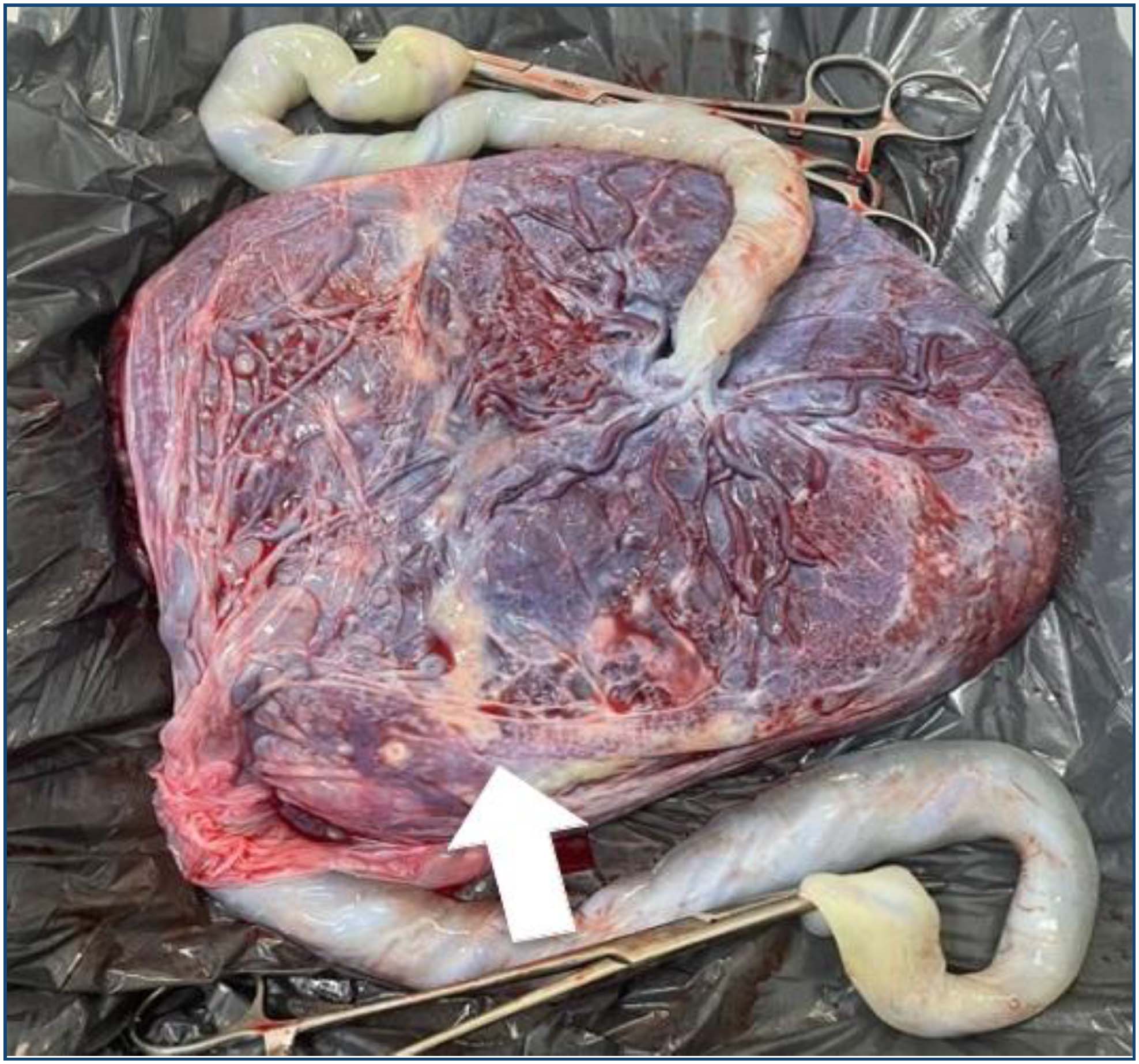
 Perinatal outcomes after laser photocoagulation of anastomoses in monochorionic pregnancies
OBJECTIVE: To describe the perinatal outcomes of monochorionic pregnancies complicated with twin-to-twin transfusion syndrome, laser photocoagulation of placental anastomoses was presented as an initial experience in a reference center in South Brazil.
METHODS: Case series between October 2020 and March 2024, including monochorionic twin/triplet pregnancies complicated with twin-to-twin transfusion syndrome. This syndrome was classified according to Quintero's stage. The maternal and surgical characteristics, as well as the perinatal outcomes were assessed.
RESULTS: Of the 17 pregnant women diagnosed with twin-to-twin transfusion syndrome, 11 (64.7%) were treated at our center, including 9 monochorionic-diamniotic, 1 dichorionic-triamniotic, and 1 monochorionic-diamniotic triplet. Of the 9 laser ablations of placental anastomoses included in the study, 8 (88.9%) had 2 or more live births, and 1 (11.1%) had no live births. The mean gestational age at surgery was 21.9 weeks. Regarding Quintero stage at the time of surgery, 2 were stage I, 3 were stage II, and 4 were stage IV. The interval between surgery and delivery was 10.8 weeks, with a mean gestational age at delivery of 32.7 weeks. The mean birth weight of the recipient was 1,845 g, and that of the donor was 1,667.8 g.
CONCLUSION: Our initial experience with laser ablation of placental anastomoses in monochorionic pregnancies complicated by twin-to-twin transfusion syndrome showed good perinatal outcomes with lower complication rates.
KEYWORDS:
Twin pregnancy; Twin-to-twin transfusion syndrome; Fetal therapies
 Thumbnail