
 Effluvia of gamonalism: the resilience of the symbolic world of the hacienda in the Andes of Ecuador
This text is exploratory based on the experience of three decades of research in the Andes of Ecuador. It explores the presence of a series of symbolic elements of the world known as “gamonalismo” decades after the agrarian reform and the disappearance of the latifundism that sustained it. The argument of the text is that this ancient and long-lived regime of exploitation, insofar as it constituted a hegemonic system of power, generated habits and cognitive structures that were resignified in the post-reformist world that was constituted later. All this is reflected in the ways of understanding hierarchies of power, in the ways in which conflicts between communities are conveyed, and even in the redefinition of ancient lineages of power within the Kichwa world. The article defines the structuring features of what I denominate as the “hacienda cultural matrix”.
KEYWORDS
Andes; Ecuador; latifundism; agrarian reform; peasantry
 Thumbnail
 Thumbnail
 Thumbnail
 Thumbnail
 Thumbnail
 Fuente:
 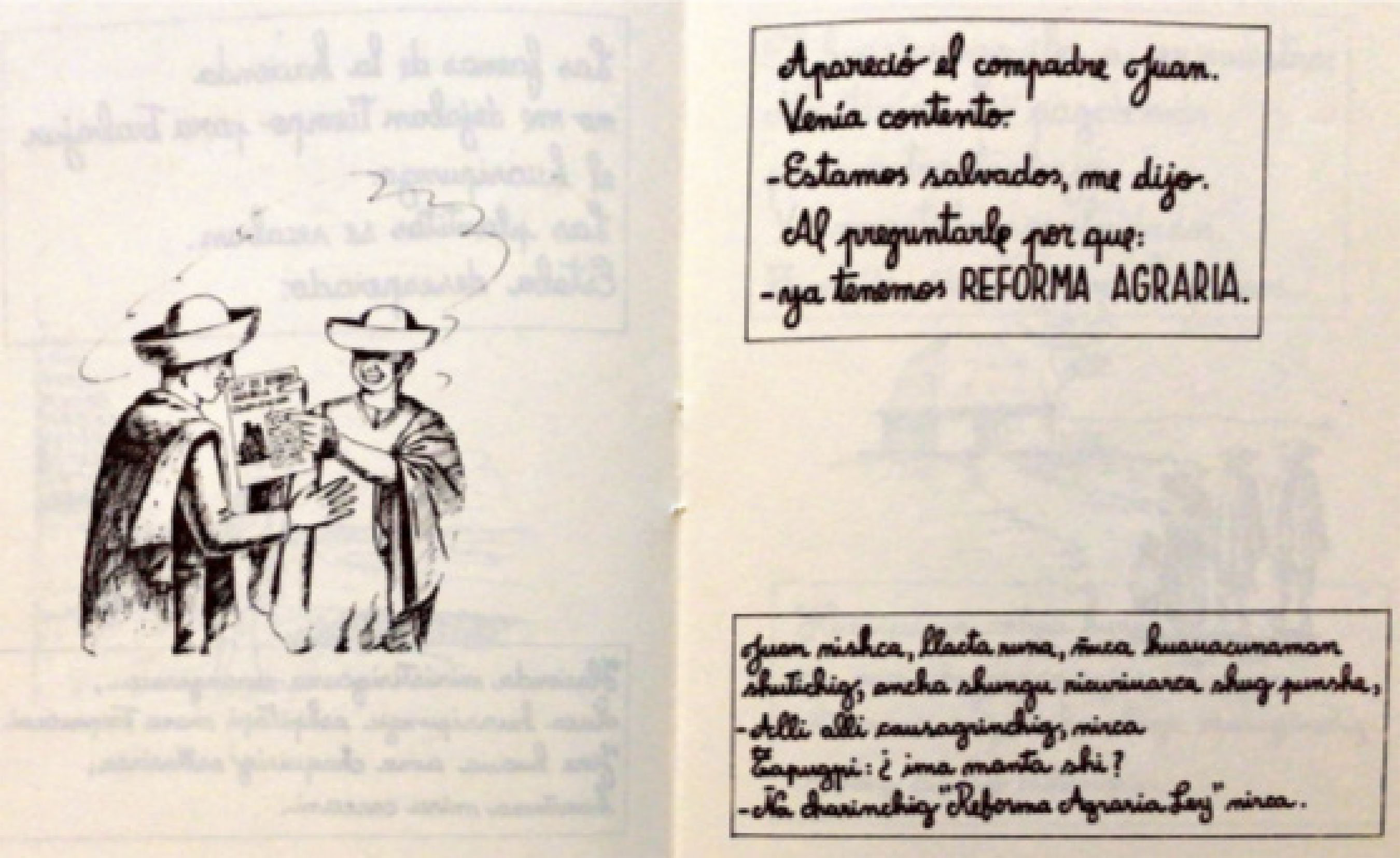 Fuente: The Library of Texas at Austin.
 Fuente: Foto del autor (2013).
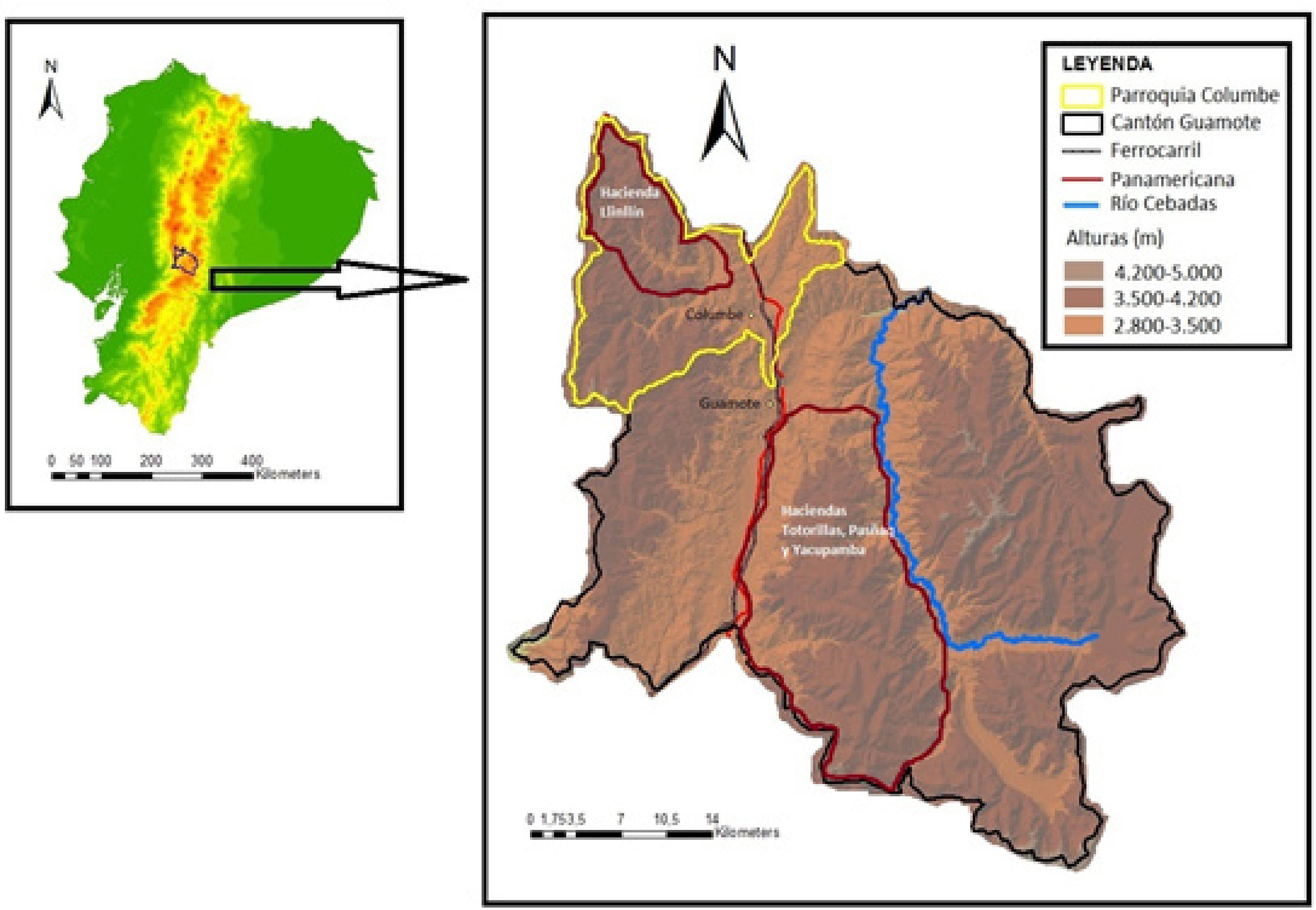 Fuente: Georreferenciado sobre el terreno. Elaboración gentileza de Javier Martínez Sastre.
 Fuente: Foto del autor (2014).