 DIGITAL IMAGE PROCESSING AND MACHINE LEARNING AS AN ENHANCEMENT OF THE SCOTT TEST
Abstract
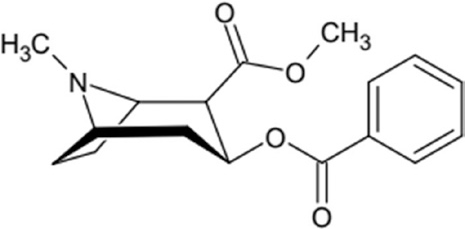
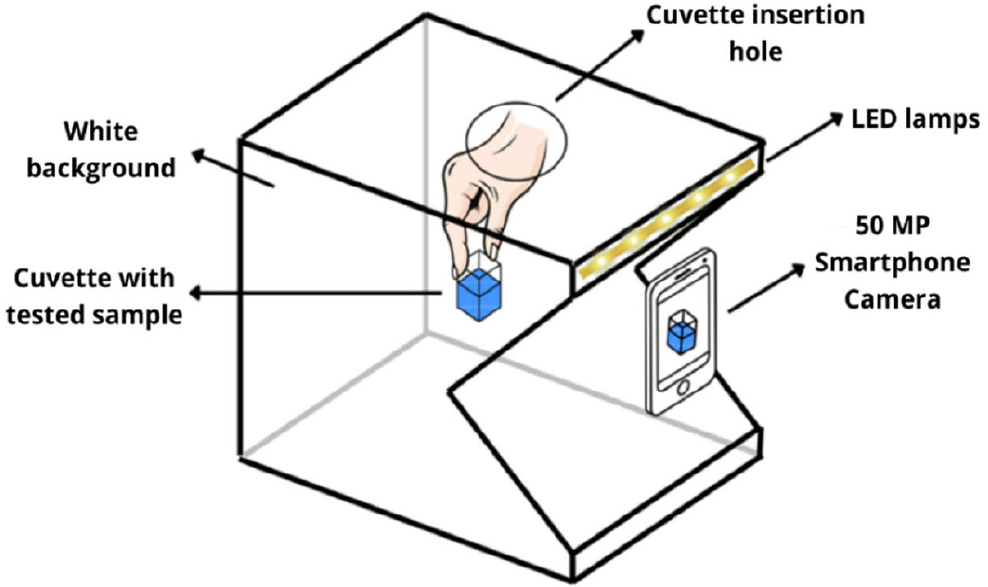
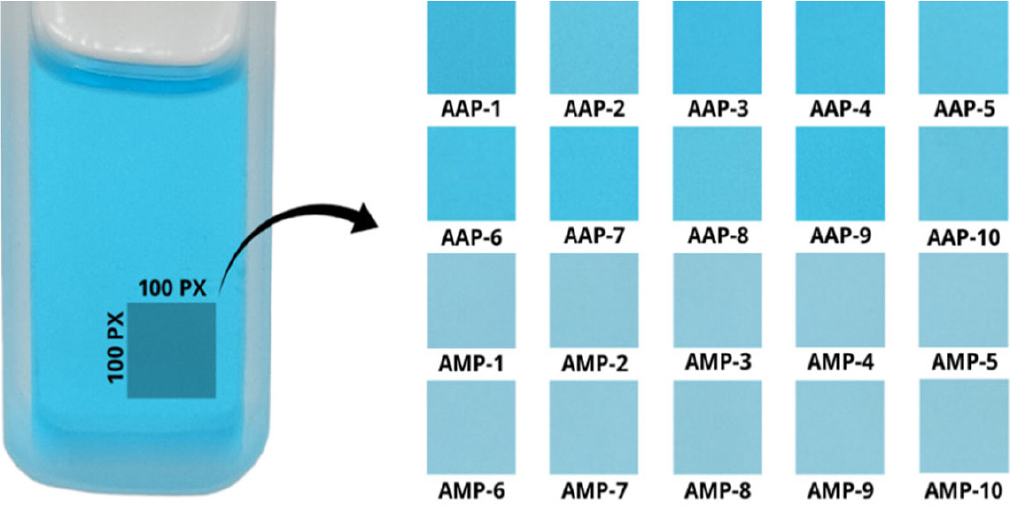
The consumption of cocaine represents a significant challenge for public health and safety, given its impact on brain functionality and its direct connection to drug trafficking and the strengthening of organized crime. The Scott test, developed by L. J. Scott Jr. in 1973, offers a practical and rapid alternative for the on-site identification of cocaine, although it has low selectivity regarding the purity of the substance. This study aimed to classify high and medium purity cocaine samples, provided by the Scientific Police, through digital image conversion, utilizing machine learning algorithms: Naive Bayes, support vector machines (SVM), logistic regression, K-nearest neighbors (KNN), decision tree, random forest, and extreme gradient boosting (XGBoost). The results were satisfactory, with most algorithms achieving accuracy values of 90% or higher in classifying the samples, except for Naive Bayes, which showed an accuracy of 86%. The KNN and XGBoost algorithms stood out, achieving performances of 94 and 93%, respectively. The classification models generated by these algorithms proved effective in characterizing seized cocaine samples, providing a valuable tool to guide public policies and enhance police intelligence through the monitoring of these substances.
Keywords:
cocaine; algorithms; forensic chemistry; RGB color space; classification model.
 Thumbnail
 Thumbnail
 Thumbnail