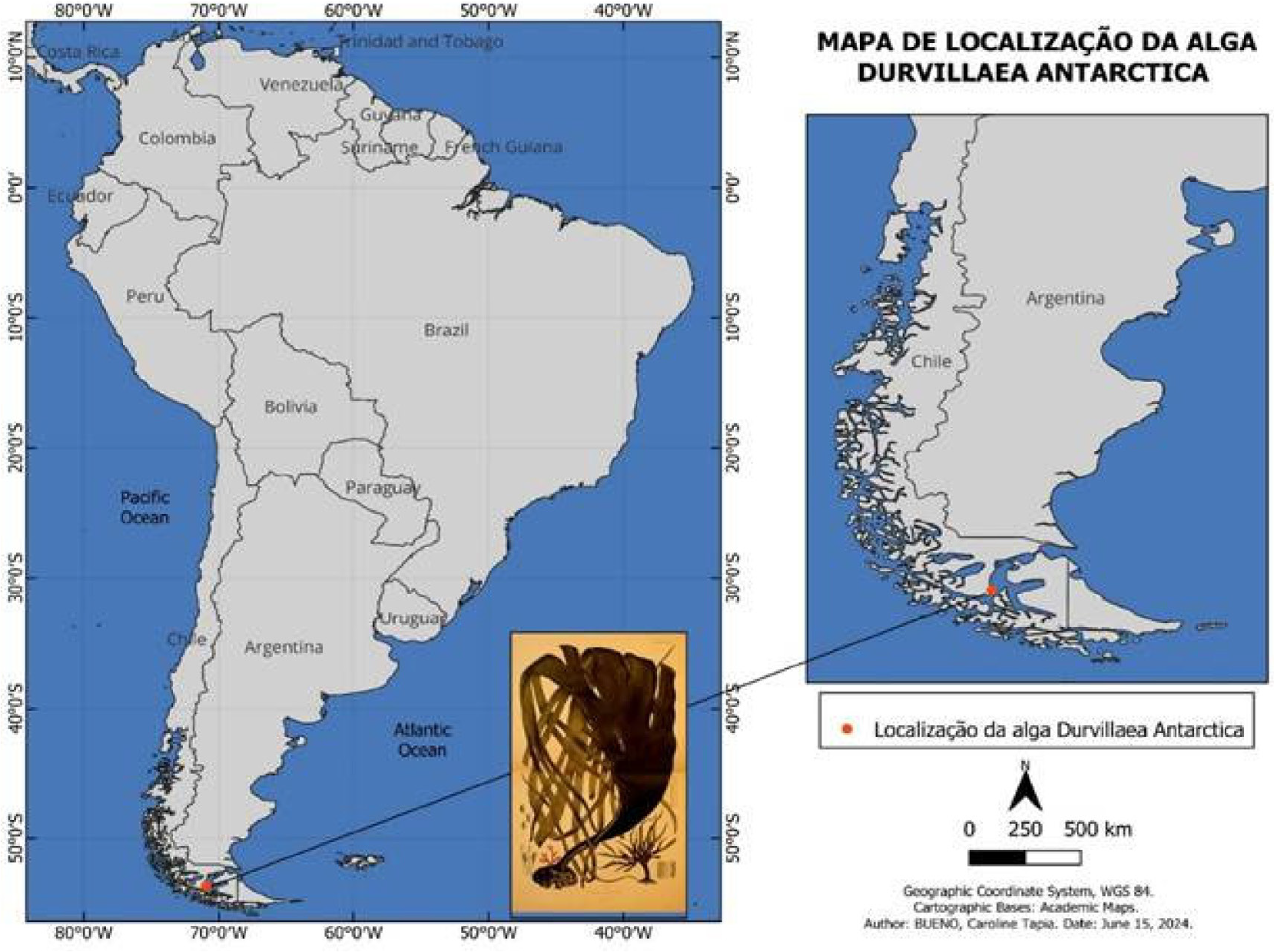
 EXPLORANDO A MACROALGA SUBANTÁRTICA Durvillaea antarctica: EXTRAÇÃO E CARACTERIZAÇÃO DE ALGINATO E FUNCOIDANA
Resumo
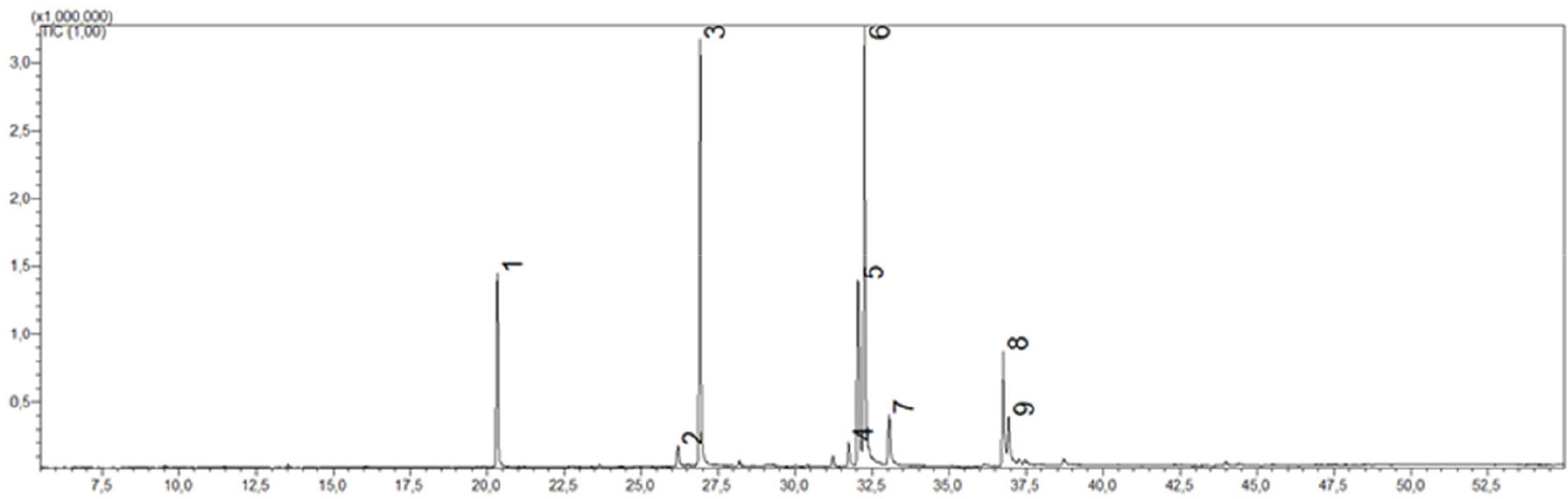
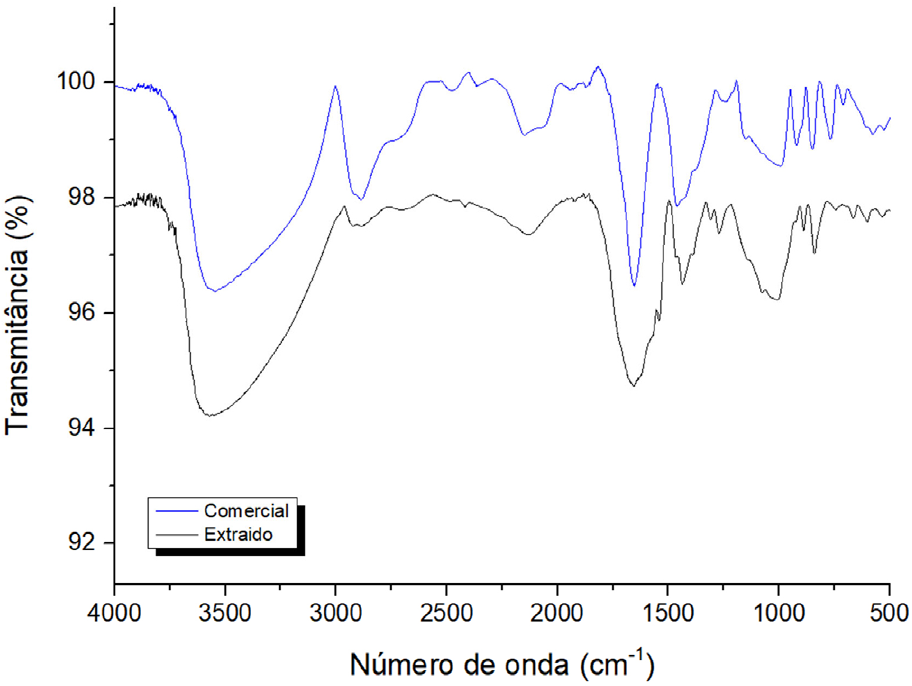
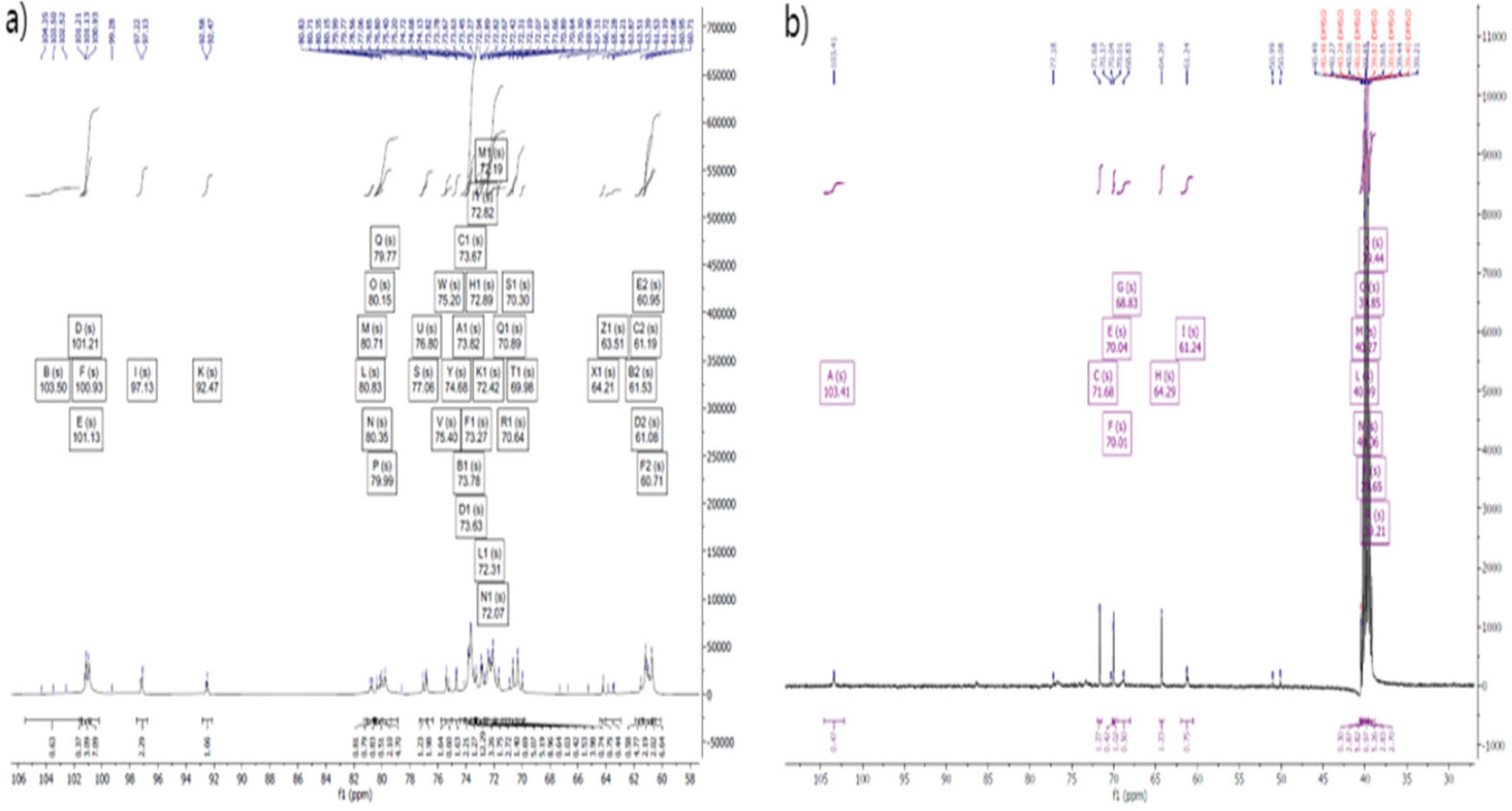
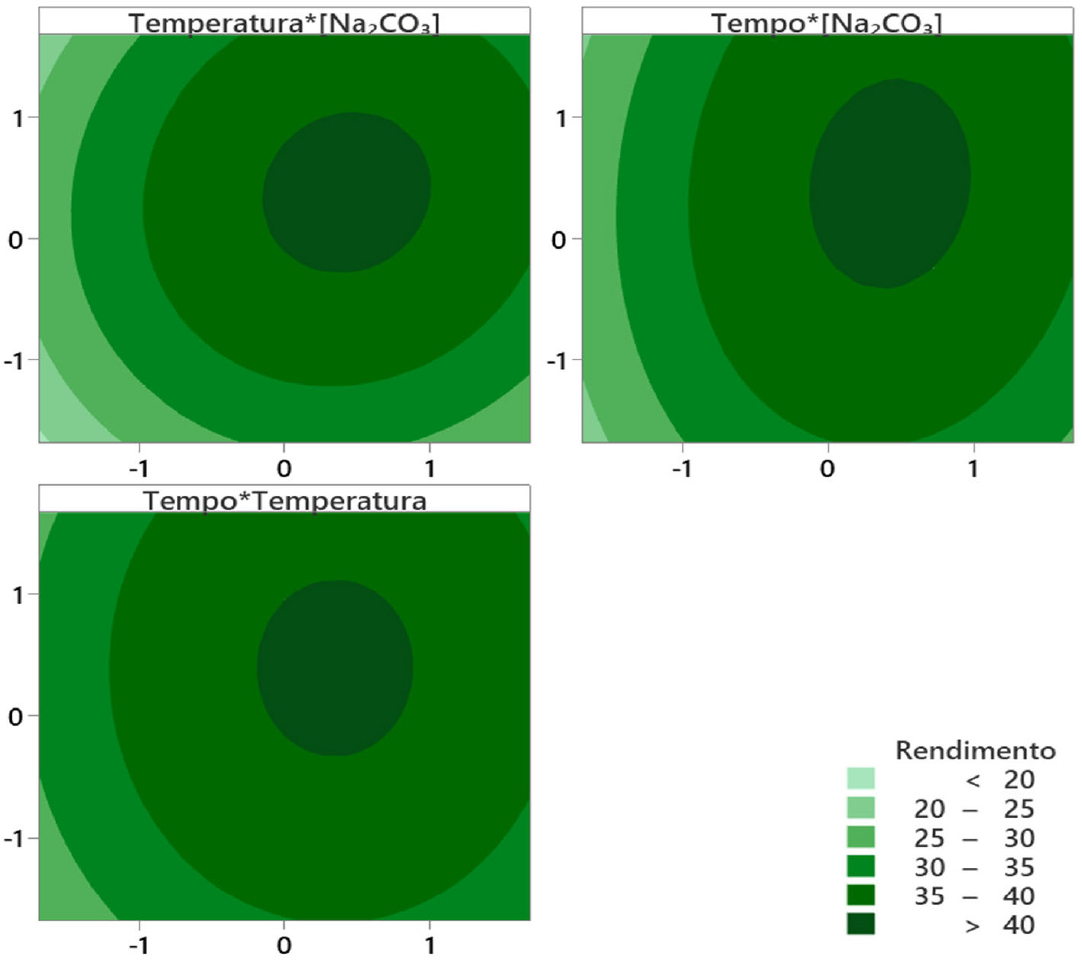
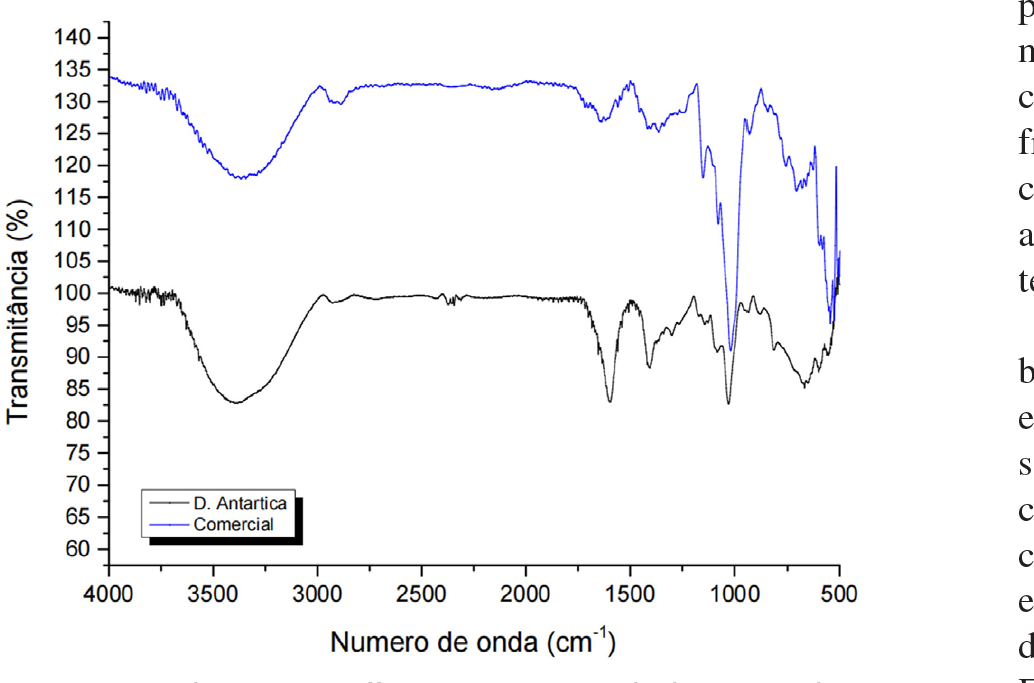
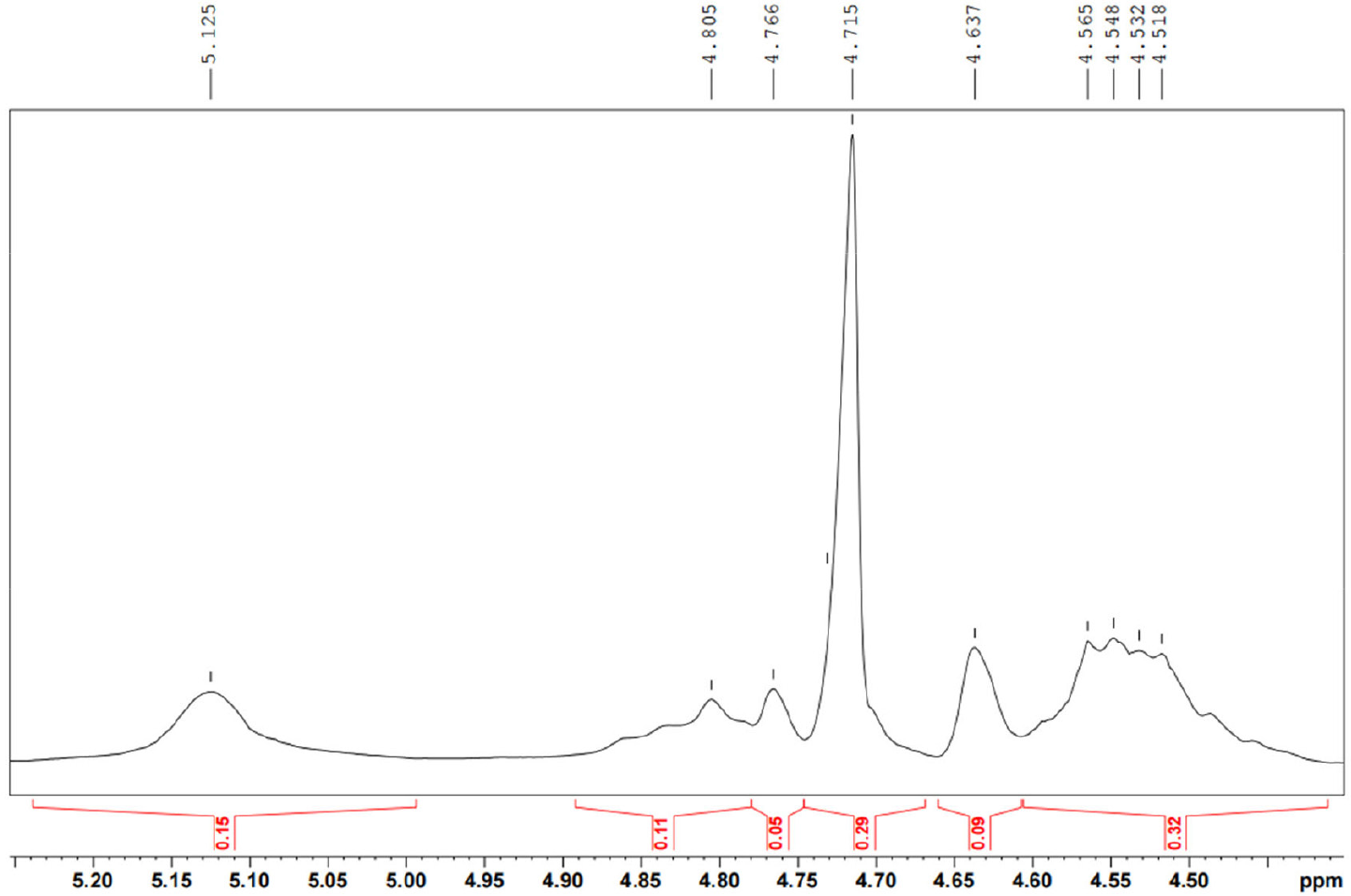
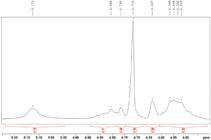
Durvillaea antarctica is a brown macroalga of significant economic and biotechnological importance in Chile, notable for its composition of valuable biopolymers such as alginate and fucoidan, in addition to essential minerals and unsaturated fatty acids. This study aimed to optimize the alginate extraction method using a full-factorial design to maximize polysaccharide yield. The macroalgae and its extracts were characterized using established analytical techniques, including Kjeldahl (protein), Bligh and Dyer (lipids), gravimetry (ash and moisture), Fourier transform infrared spectroscopy (FTIR), and chromatography. The results demonstrated an alginate extraction yield of 40.9% with a mannuronic-to-guluronic acid ratio (M/G) of 4.57 under optimized conditions, highlighting the efficiency of the established protocol. The presence of omega-3 and omega-6 fatty acids, as well as Fe, Na, and K, was confirmed, together with a low lipid content (0.74%). FTIR and NMR (nuclear magnetic resonance) analyses indicated the successful extraction of alginate and fucoidan, with spectral features consistent with those reported in the literature for these biopolymers, confirming their spectroscopic compatibility rather than strict analytical identity. Overall, this work reinforces the potential of D. antarctica as a sustainable source of high-value compounds and provides a reproducible approach for efficient alginate extraction.
 Thumbnail
 Thumbnail
 Thumbnail
 Thumbnail
 Thumbnail
 Thumbnail
 Thumbnail