 CARACTERIZAÇÃO, ANÁLISE QUIMIOMÉTRICA E ENSAIOS PRELIMINARES DE ADSORÇÃO DE CORANTES TÊXTEIS EM CELULOSE BACTERIANA: UMA TECNOLOGIA PARA TRATAMENTO DE EFLUENTES COM PROPOSTA PARA DESENVOLVIMENTO DE ECONOMIA SUSTENTÁVEL
Resumo
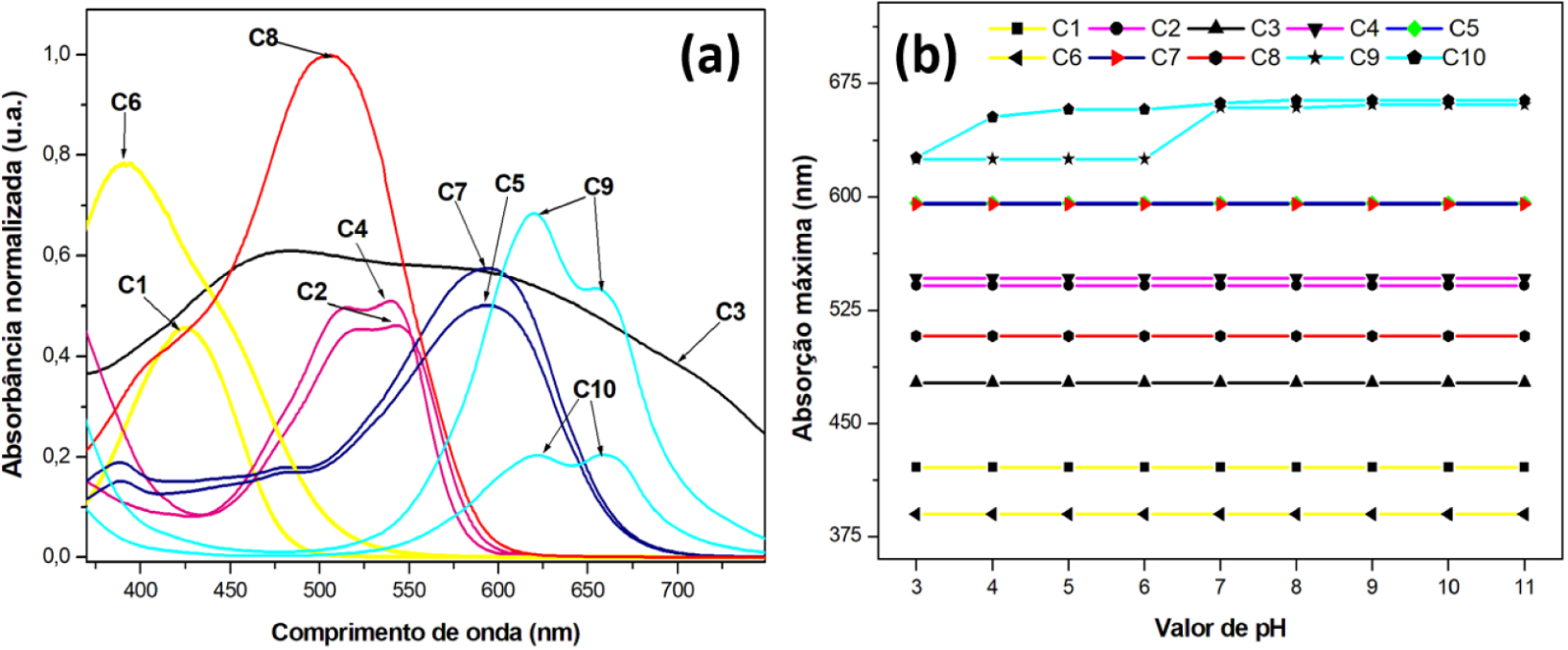
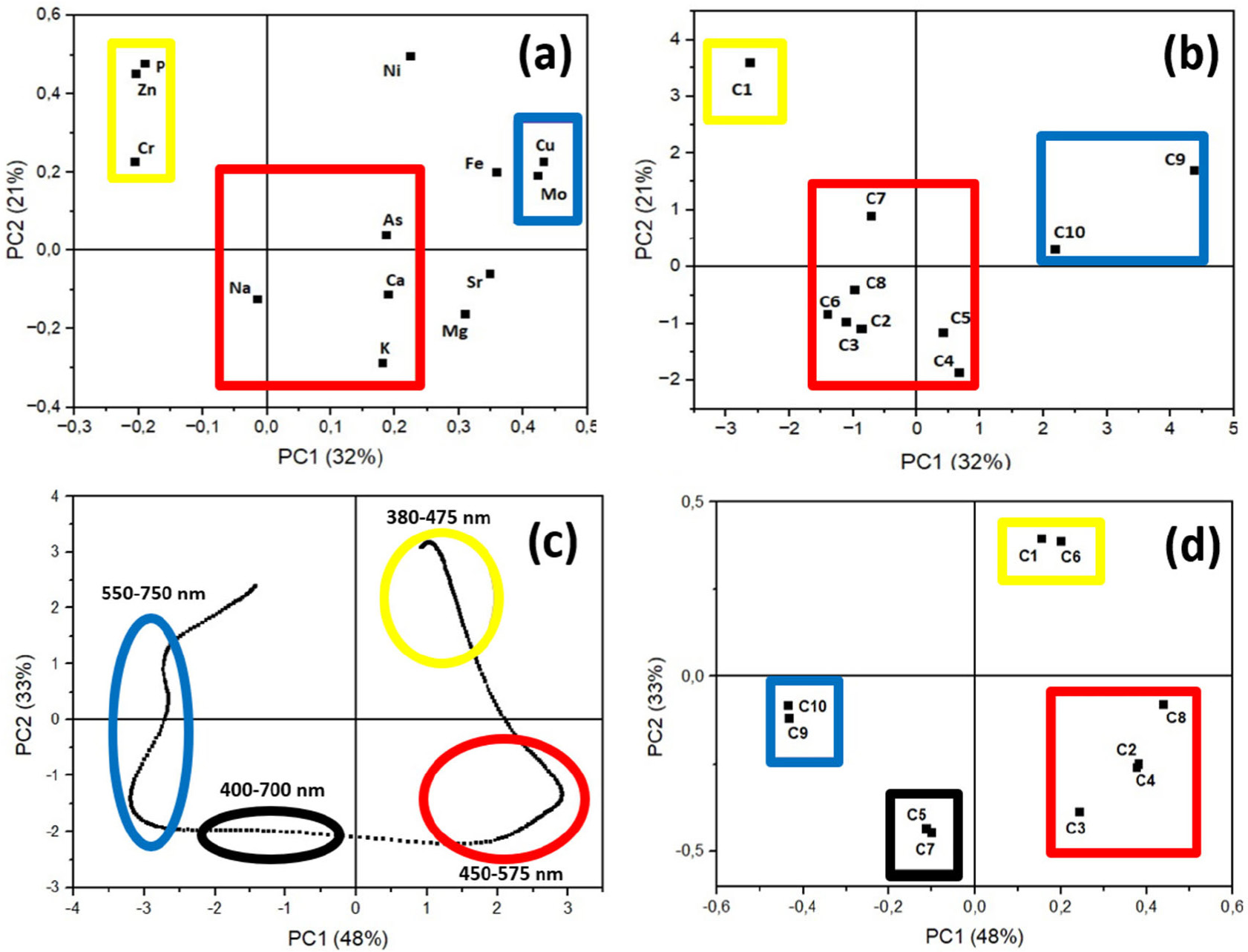
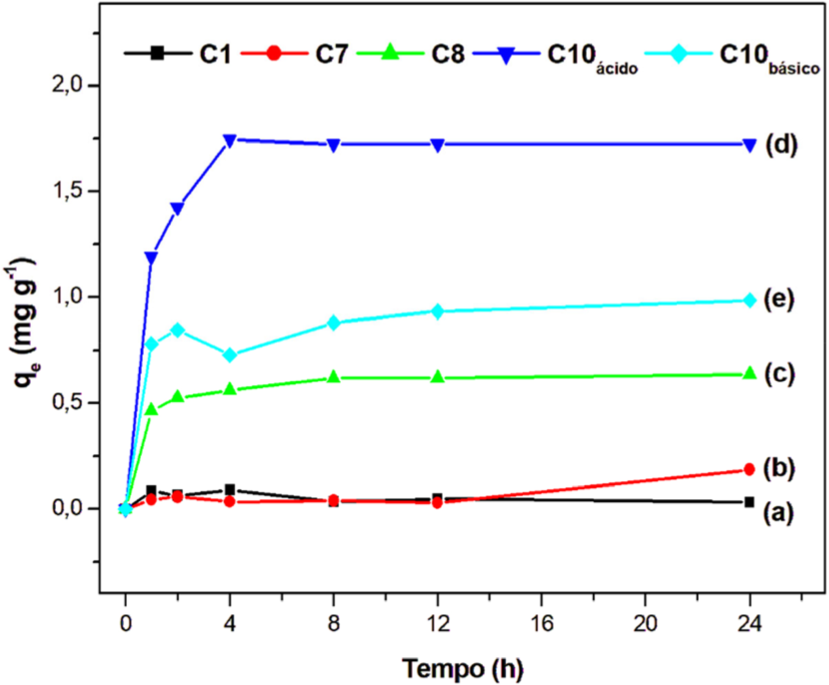
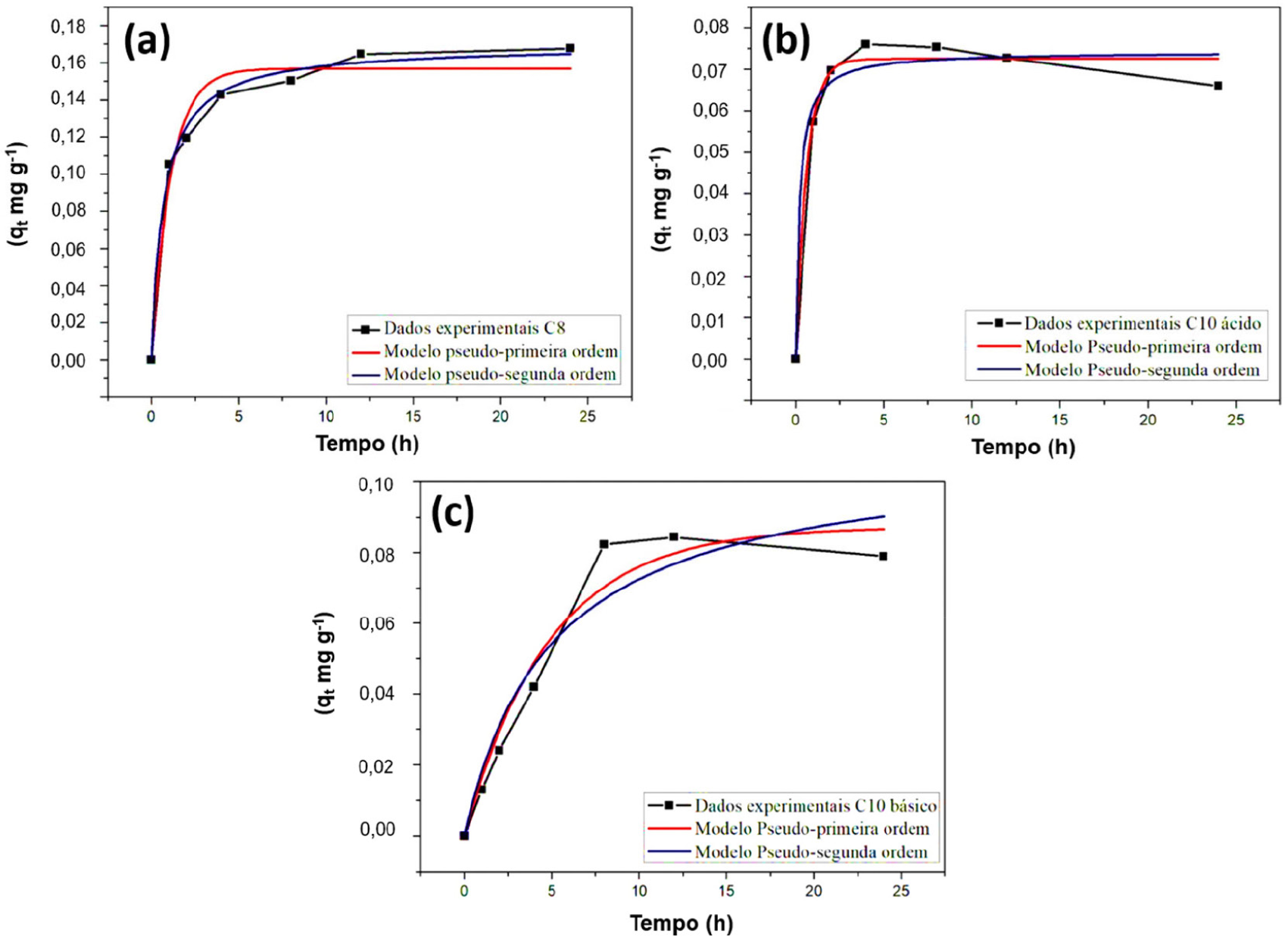
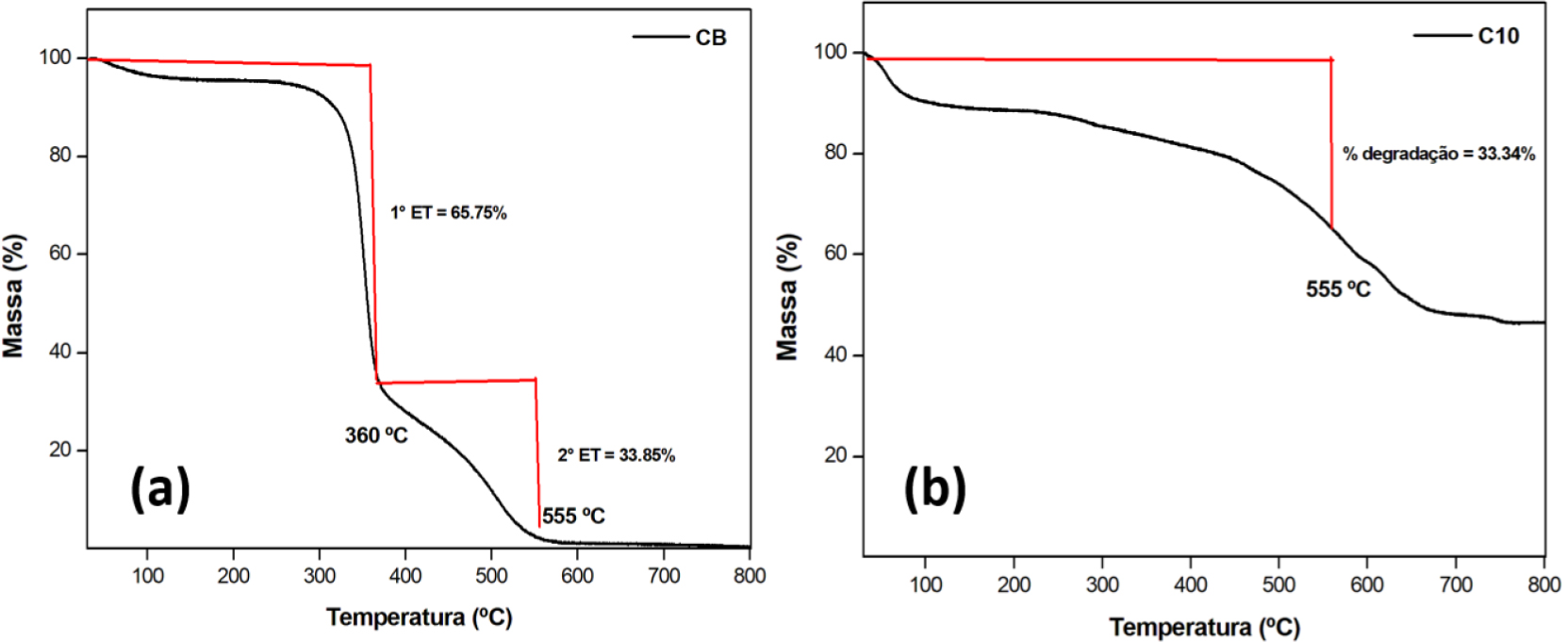
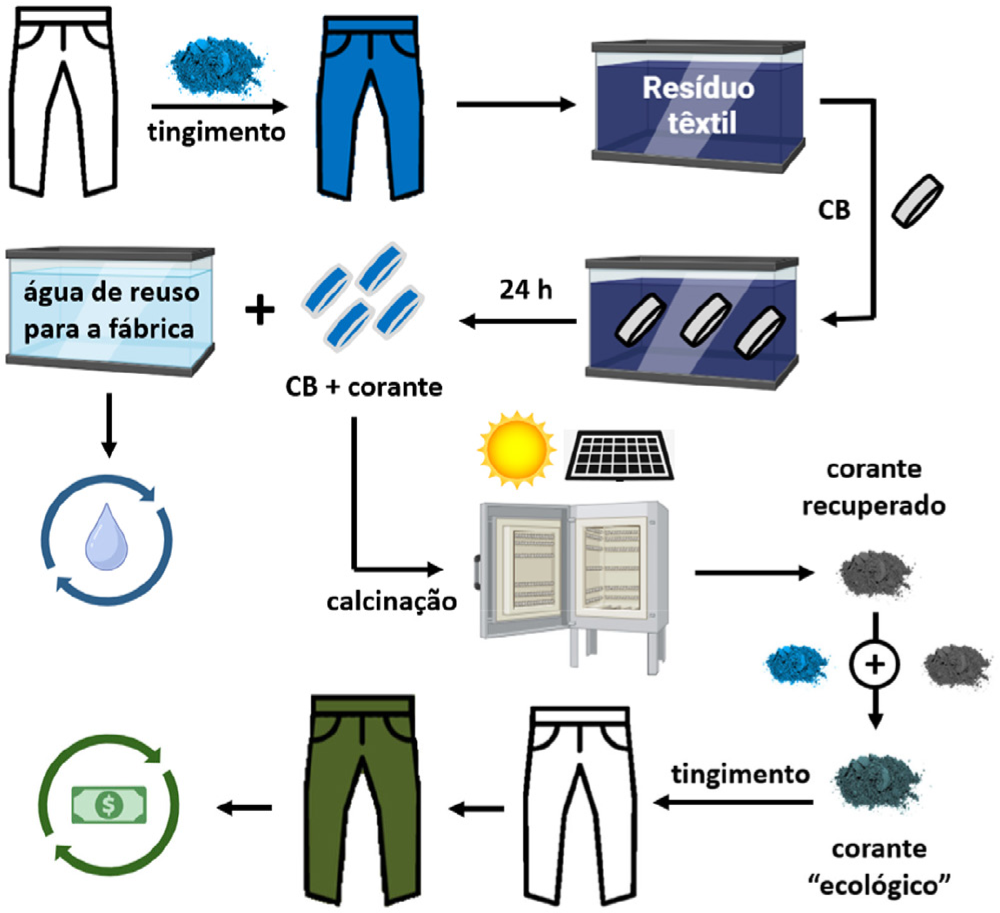
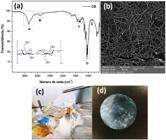
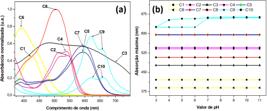
To mitigate the environmental impacts of dyes in the textile industry, this research sought to investigate the removal potential of a bacterial cellulose (BC) produced by Komagataeibacter xylinus. The BC was produced under controlled conditions and then the physicochemical, structural, and morphological properties of the biosorbent were characterized using Fourier transform infrared spectroscopy (FTIR), scanning electron microscopy (SEM), and thermogravimetry (TG). Ten dye samples were collected from the textile laundries in Pernambuco to carry out the adsorption studies. The chemical composition of the dyes was assessed by electronic absorption spectroscopy (UV-Vis), inductively coupled plasma optical emission spectroscopy (ICP-OES), and TG. They were also statistically analyzed using principal component analysis (PCA). The treatment tests were conducted in a 24-h adsorption system using ∼ 100 mg of BC and 20.0 mg L-1 of dyes. The most satisfactory response was for phthalocyanine class dyes, with qe (amount of analyte adsorbed at equilibrium) of 1.7234 mg g-1 under acid conditions. In the thermal analysis, it was defined that degradation of CB at 555 °C allowed recovery of approximately 65% of C10 dye (reactive blue 21) for the impregnated material. A hypothesis was also formulated as an approach to treat textile water waste, to produce an ‘‘eco-dye’’.
 Thumbnail
 Thumbnail
 Thumbnail
 Thumbnail
 Thumbnail
 Thumbnail
 Thumbnail