 THERMOPLASTIC STARCH-UCUUBA BIOCOMPOSITES: EFFECT OF BURITI PULP OIL ON LIGNOCELLULOSIC FIBER DISPERSION
Abstract
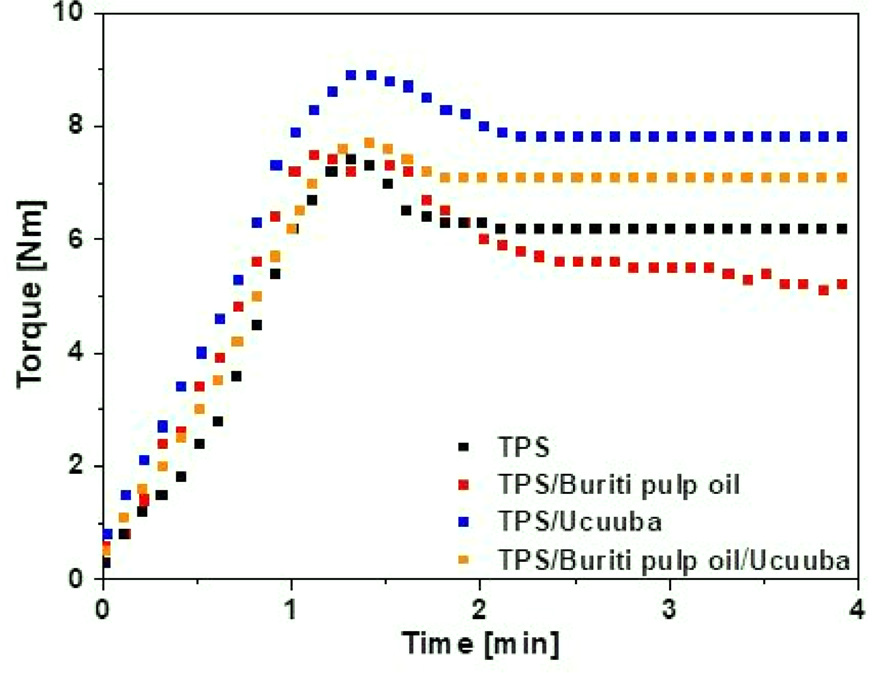
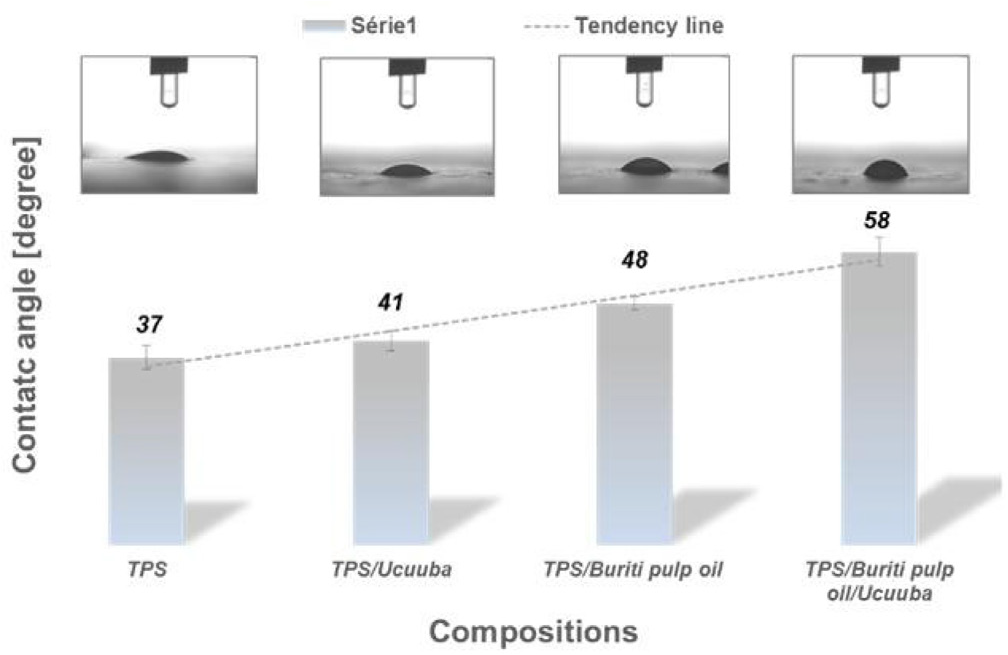
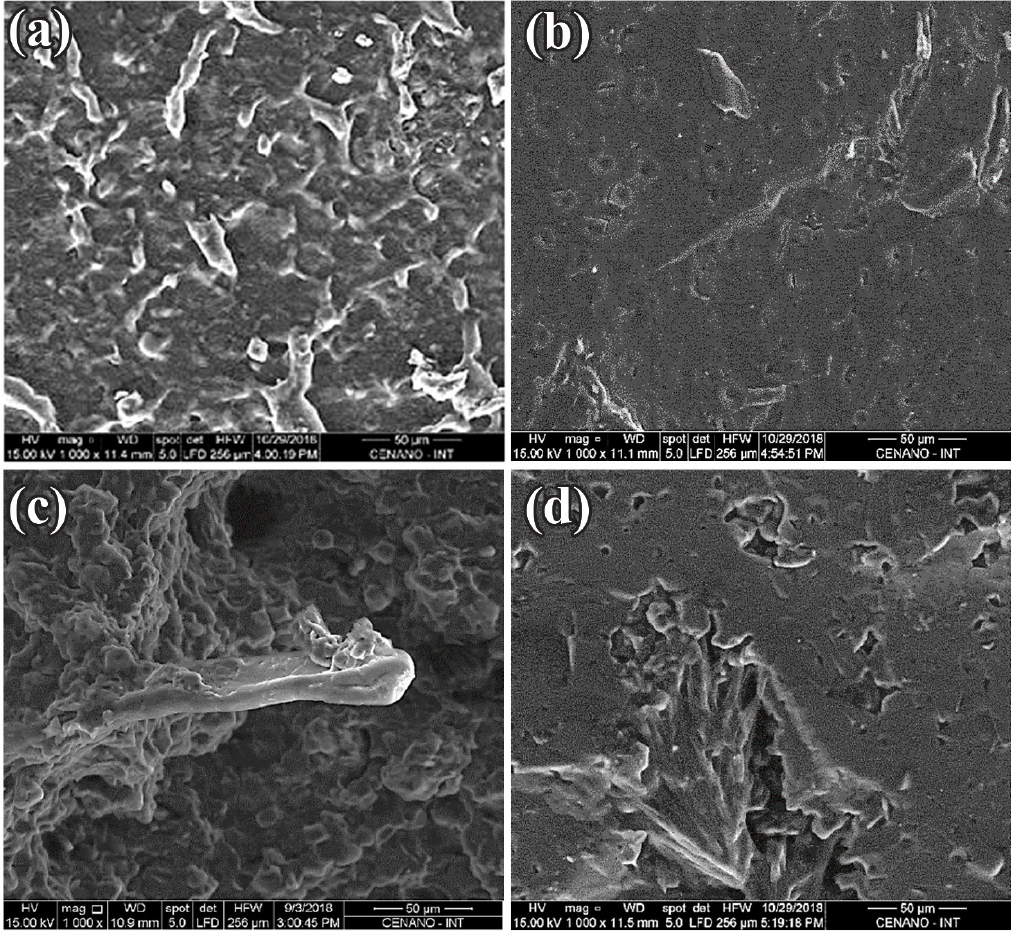
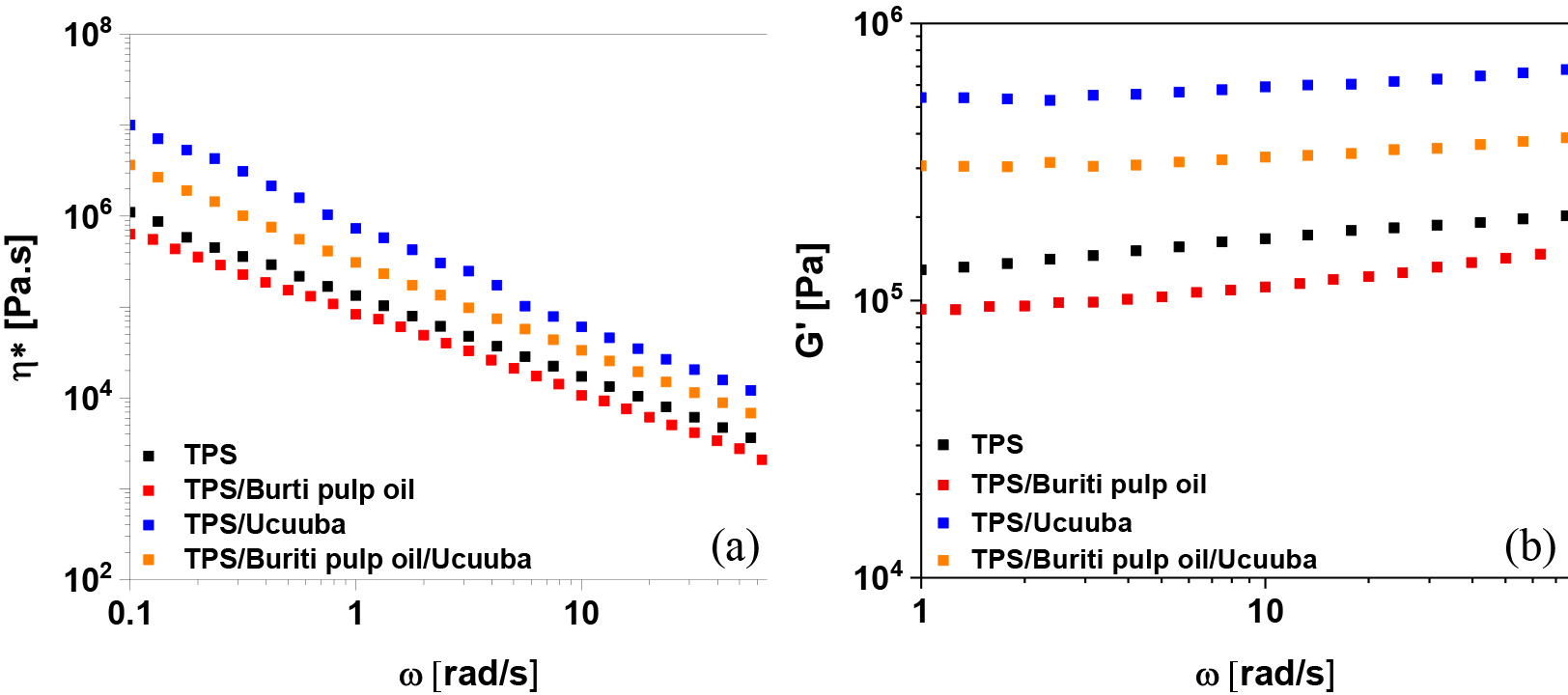
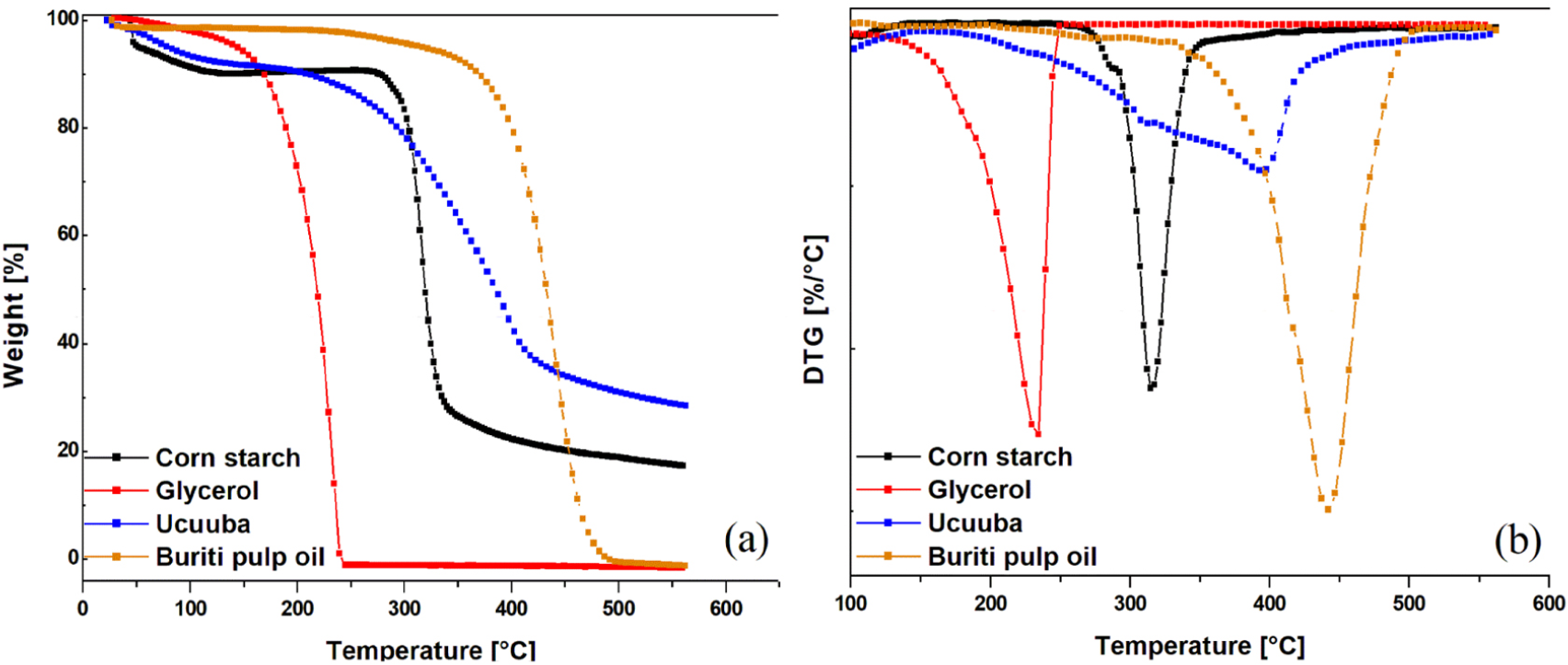
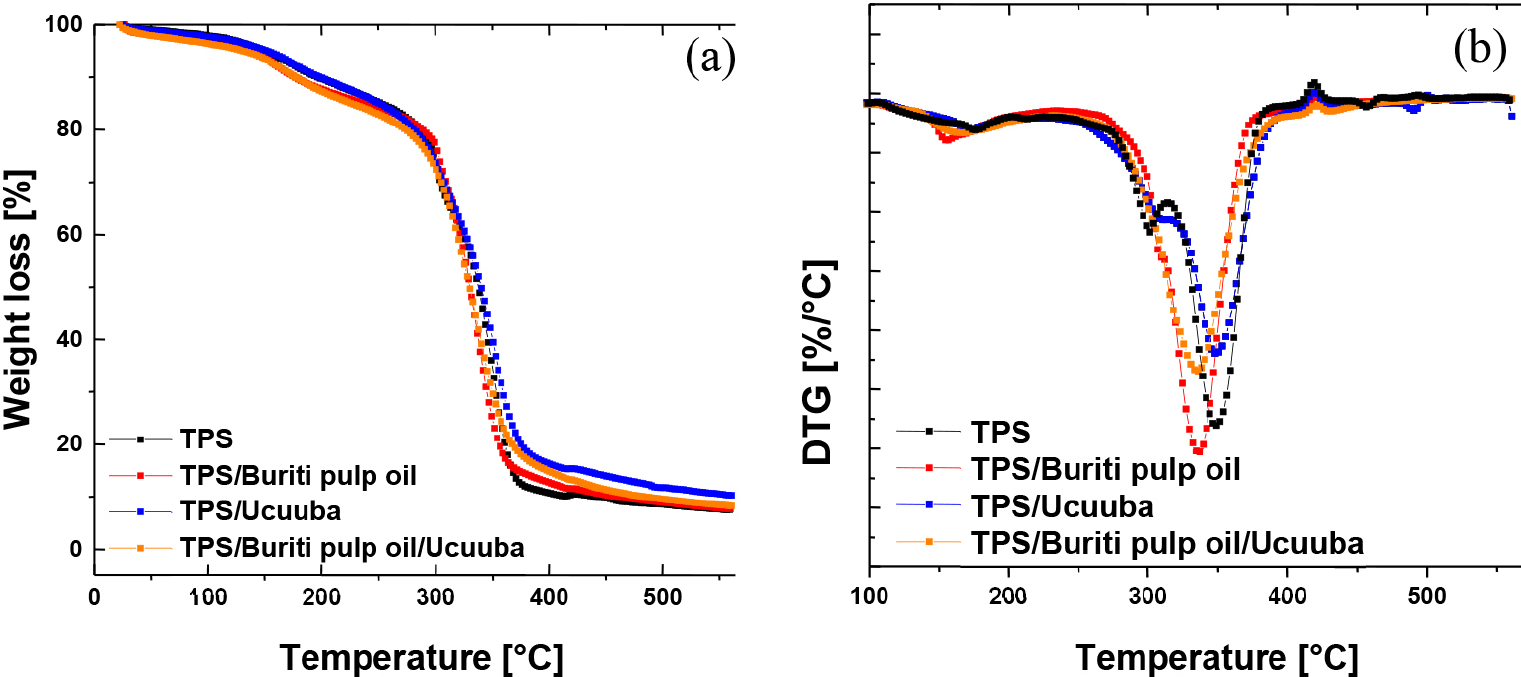
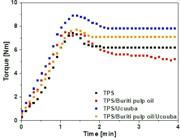
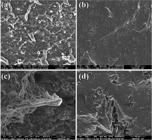
The use of residual biomass in biocomposite production aligns with environmental goals set by solid waste policies. Starch, a low-cost and renewable natural polymer, often faces challenges with mechanical strength and water vapor permeability. Ucuuba cake, an Amazonian agro-industrial byproduct, offers fiber reinforcement to enhance thermoplastics. Buriti pulp oil, also from the Amazon, acts as a processing aid, improving thermal stability and reducing hydrophilicity. This study explores buriti oil as a partial substitute for glycerol in thermoplastic starch (TPS) biocomposites with ucuuba fibers. Characterization showed that buriti pulp oil, rich in oleic and palmitic acids, enhances hydrophobicity, reducing water absorption. It also lowered final torque during processing, facilitating flow and homogeneity. Mechanical tests indicated a marginal increase in strength but decreased elongation at break. Scanning electron microscopy (SEM) revealed smoother surfaces and better fiber adhesion. Rheological and thermal analyses confirmed the role of buriti pulp oil as a processing aid and thermal stabilizer. This research underscores the potential of renewable resources and industrial residues in sustainable polymer development.
Keywords:
thermoplastic starch; biocomposites; ucuuba fiber; buriti oil; sustainability
 Thumbnail
 Thumbnail
 Thumbnail
 Thumbnail
 Thumbnail
 Thumbnail