 Bluetongue in sheep in the state of Santa Catarina, Brazil: seroepidemiologic, clinical, and pathological findings
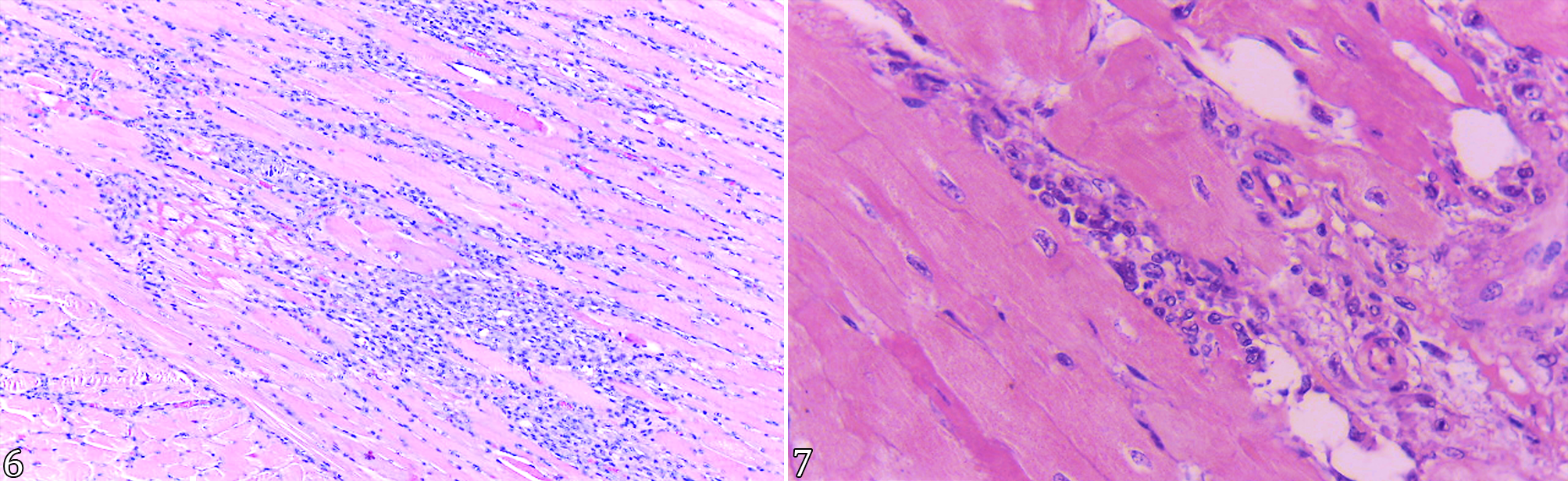
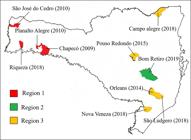
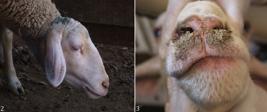
This study aimed to investigate the circulation of bluetongue virus (BTV) in sheep throughout different regions of the state of Santa Catarina by the serologic agar gel immunodiffusion (AGID) assay and to describe the clinical, pathological, and epidemiologic aspects of seven outbreaks and three isolated cases, which occurred between 2009 and 2019. The state was divided into three regions for research into antibodies. The average annual temperatures and altitudes of the regions were described or tabulated. Blood samples were collected from sheep on 24 properties in 16 municipalities distributed throughout the three aforementioned regions. Of the 388 blood samples collected from the sheep, 250 were seropositive (64.4%) in the AGID test. Antibodies against BTV were detected in the three regions. The disease was diagnosed through clinical signs and macroscopic lesions and confirmed by the reverse transcription polymerase chain reaction (RT-PCR) technique. The affected sheep developed ulcerations in the nostrils, lips, and oral mucosa with crusting, locomotor difficulties, black diarrhea, coughing, and regurgitation, followed by death. The necropsy showed multiple ulcers in the palate and rumen, petechial hemorrhages in the serosa of the esophagus near the esophageal hiatus, and focal hemorrhages in the pulmonary artery. In Santa Catarina, bluetongue in sheep is a seasonal disease that occurs mainly during the hot, rainy seasons (December to April). Seasonality coincides with the time of year when Culicoides vectors have the highest population and metabolic activity.
INDEX TERMS:
Arboviral disease; bluetongue virus; epidemiology; pathology
 Thumbnail
 Thumbnail
 Thumbnail
 Thumbnail