 Ozonized oil with sugar in the topical treatment of a skin lesion in a crab-eating fox cub (Cerdocyon thous)
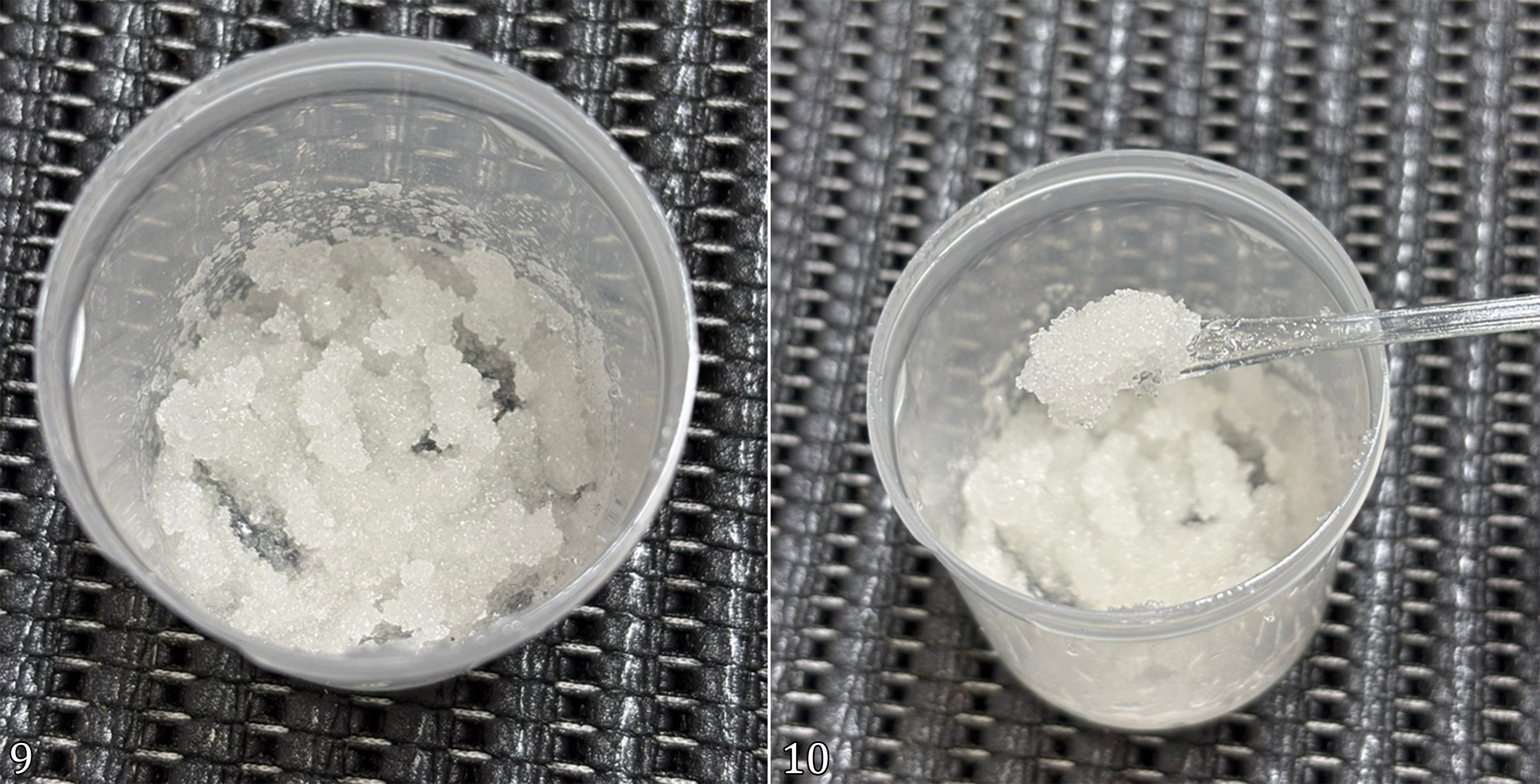
The number of free-ranging wild animals seen in routine wildlife veterinary practice has increased in recent years. One factor underlying this observation is the greater proximity between forest areas and urban areas due to the advance of urbanization. Therefore, knowledge of these animals is essential for veterinarians. The crab-eating fox (Cerdocyon thous) is a small wild canid, a species that often requires veterinary care, mainly due to accidents related to territory disputes, predation, sport hunting, and being run over. Skin lesions occur frequently in this species and require either simple or complex treatment, depending on the degree and extent of the lesion, as well as the general condition of the patient when they are rescued. Wound management includes systemic therapies, with the use of antibiotics, and local therapies, with ointments, dressings, debridement procedures, tissue grafting, or a combination of the latter, depending on the type of injury. Complementary therapies have shown excellent results in wound healing, including ozone therapy, which exerts antimicrobial activity when used topically and stimulates tissue cell proliferation and remodeling. This study seems to be the first to report the treatment of a skin lesion in a crab-eating fox cub using a mixture of ozonized sunflower oil and granulated sugar for topical treatment associated with systemic therapy, which yielded beneficial outcomes. Our findings might contribute to the field of complementary therapies for wild animals.
INDEX TERMS:
Healing; complementary therapies; ozone therapy; canids
 Thumbnail
 Thumbnail