
 Critical Quantitative Methods: Reflections and Proposals for a Just and Intersectional Psychology
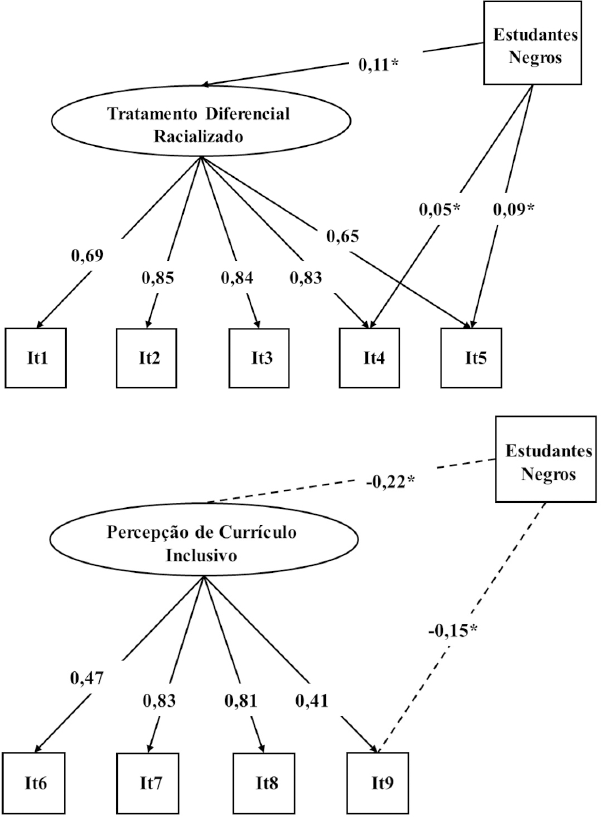
This study revisits quantitative methods in psychology by the lens of three critical theoretical approaches that propose redirecting research toward a commitment to social justice, anti-racism, and intersectionality. It discusses the following: (1) critical race theory, emphasizing the centrality of structural racism and critiques of the presumed neutrality of data and researchers; (2) the critical quantitative methods movement, which defends measurement practices that are sensitive to social inequalities; and (3) the validity for justice and antiracism framework, which repositions validity as a political and situated construct. Finally, it describes the use of the multiple indicators, multiple causes as an example of the practical application of these critical perspectives, showing how statistical modeling can incorporate structural variables such as race/ethnicity, gender, and social class to show the effects of inequalities and intersectionalities in psychological measurement, generating knowledge and supporting actions committed to social transformation. This proposal aims to foster critical reflection on the production of quantitative data in psychology, promoting more context-sensitive and ethically grounded research practices and intervention frameworks that commit themselves to social justice.
Keywords:
Social Justice; Validity; Psychometrics; Psychological Assessment; MIMIC Model
 Thumbnail
 Thumbnail
 Thumbnail
 Thumbnail

 Nota. Adaptado de
  Nota. Adaptado de
  Nota. Adaptado de