
 Factors Associated with Access to Oral Health Care in Primary Health Care: Data from the 3rd PMAQ-AB Cycle
ABSTRACT
Objective: To identify characteristics of the work processes of oral health teams (eSB) associated with users’ access to oral health services within primary health care (PHC) in Brazil and its geographic regions, based on data from the 3rd cycle of Brazilian National Program for Improving Primary Care Access and Quality (Programa para Melhoria do Acesso e da Qualidade da Atenção Básica, PMAQ-AB).
Material and Methods: This cross-sectional study used data from Module III, which collected users' responses on oral health care, and Module VI, which collected data on the work processes of eSBs. The analysis focused on variables related to "Territorialization and Assigned Population," "Support Matrix," and "Schedule Management and Service Delivery by the Team." Descriptive and inferential analyses were performed using logistic regression (α = 0.05).
Results: In Brazil, 40.9% of PHC users reported having access to dental care. Among the regions, the Northeast had the highest proportion of users able to schedule dental appointments (48.4%), while the Southeast had the lowest (33.9%). Several characteristics of eSB work processes were found to influence access to oral health services positively. These include: the eSB being assigned to a single Family Health Team (eFS); the eSB not relying on the Dental Specialty Center for managing complex cases; integration of eSB actions with other services in the territory; assessment of users' health needs and provision of clinical care during the initial encounter; risk/vulnerability-based prioritization of users over first-come, first-served approaches; eSB professionals trained to assess and classify risk and vulnerability; initial dental appointments scheduled at the primary care reception desk; and follow-up appointments scheduled at the end of current consultation.
Conclusion: Some aspects of the eSB workflow hinder user access to oral health care, underscoring the need to reorganize processes and fully implement national guidelines to ensure effective service delivery within the PHC framework.
Keywords:
Primary Health Care; Health Services Research; Health Care Quality; Access; and Evaluation.
Introduction
In recent years, Brazil has implemented several initiatives and evaluation strategies in primary health care (PHC) to improve its health policies [1,2]. Among these initiatives, the Brazilian National Program for Improving Primary Care Access and Quality (Programa para Melhoria do Acesso e da Qualidade da Atenção Básica, PMAQ-AB) stands out. PMAQ-AB was established by Ordinance No. 1,654 GM/MS on July 19, 2011 [3]; it was discontinued in 2019 after completing its third evaluation cycle.
The main goal of PMAQ-AB was to promote expanded access and improved quality of PHC by ensuring a standard of care that could be assessed at national, regional, and local levels. The program sought to measure the potential impacts of health policies to support decision-making, ensure transparency in the management processes of Brazil's Unified Health System (Sistema Único de Saúde, SUS), and strengthen both social accountability and a user-centered approach in the health care system [3].
Evaluating work processes in PHC through data from the different PMAQ-AB cycles (1st cycle in 2011/2012, 2nd cycle in 2013/2014, and 3rd cycle in 2017/2018) has been the focus of several studies in Brazil. These evaluations have generated strategic information to identify existing problems and promote improvements in the development of health care actions. Several studies [4-9] have shown the presence of different levels of organizational structure and improvements in work processes. However, they also highlight the persistence of fragmented, top-down practices and ongoing organizational barriers.
Evaluating the work processes of oral health teams (equipes de saúde bucal, eSB) within the scope of PHC based on data from the different PMAQ-AB cycles is essential to characterize the quality of oral health actions and care provided in Brazil.
The present study aimed to assess whether the organization of eSB work processes is associated with users’ access to oral health services in Brazil and its geographic regions by using data from the 3rd PMAQ-AB cycle.
Material and Methods
Study Design and Data Collection
This cross-sectional study used secondary data from the Brazilian Ministry of Health, obtained from the 3rd cycle of the PMAQ-AB External Evaluation, conducted between 2017 and 2018. These data include responses from all PHC teams that were officially part of PMAQ-AB and were collected using the "External Evaluation Tool: Health Closer to You," applied by researchers and/or faculty members from Brazilian universities and research institutions.
In this cycle, the External Evaluation Tool was organized into six modules based on the data-collection method. This study used data from Module III - Interviews with users at the PHC Unit (UBS) - and Module VI - Interviews with eSB professionals and document verification at the UBS.
The Module III questionnaire was standardized using the PMAQ-AB and administered to four users present at the UBS on the day of the External Evaluation. The Module VI questionnaire was directed to the dentist (preferably), or to another eSB member, such as a dental assistant or dental technician. The dependent variable in this study was based on the user's reported access to dental care at the UBS, specifically question III.18.1 from Module III: "Are you able to schedule a dental appointment at this primary health care Unit?"
For eSB work processes, the independent variables were selected from Module VI. They included the following sub-items: "Territorial Assignment and Reference Population of the Oral Health Team," "Support Matrix for the Oral Health Team," and "Schedule Management and Service Provision by the Team." These variables were selected because they may be associated with users’ access to dental appointments at the UBS and are presented in Table 1.
Selected independent variables from Module VI related to the work processes of Oral Health Teams.
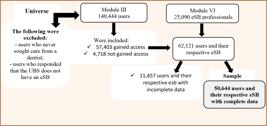
After variable selection, exploration of datasets revealed, through descriptive analysis, that 140,444 users were interviewed in UBS facilities as part of Module III. Applying the access availability criterion, users who reported being able to access dental care (n = 57,403) and those who reported not being able to access it (n = 4,718) were included in the analysis. Regarding Module VI, which involved interviews with 25,090 eSB professionals, it was verified which eSBs had responding professionals whose users were either able or unable to access dental services. Users were then matched to the responses of professionals from their respective eSBs using the National Team Identification (INE) and the National Registry of Health Facilities (CNES), both of which were available in the two datasets.
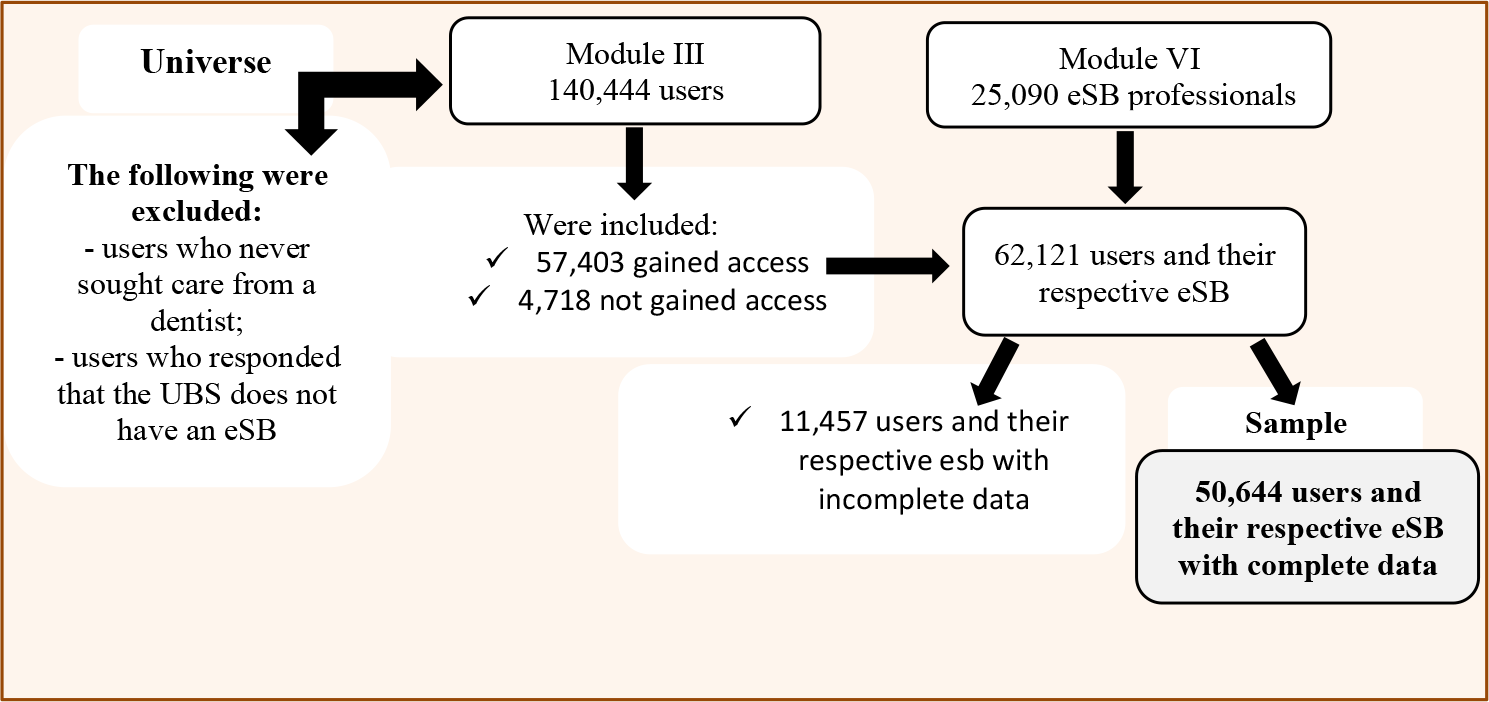
More than one user per team had accessed dental services, resulting in repeated data from eSB professional responses. eSBs were excluded if all associated users reported not having accessed dental services, either because they had never sought care or because no eSB was available at the UBS. After this linkage process, a final sample of 50,664 users and professionals with complete data was obtained (Figure 1).
Data Analysis
Binary logistic regression was used for inferential analysis. Regression models were fitted using data from Brazil as a whole and from its five geographic regions (North, Northeast, Midwest, Southeast, and South) to identify characteristics of the eSB work process that may be associated with access. The outcome of interest was users' access to oral health services at PHCs, categorized as having access (Y = 1) or not (Y = 0).
Variables with p-values < 0.20 in the bivariate analysis were included in the initial model. The model was then refined using the Stepwise Backward method to obtain the final model, with a 5% significance level used for the final analysis.
To facilitate understanding of findings, graphs were created to present the interpretation of odds ratios (OR) as percentages for each category of variables that remained statistically significant after model adjustment, both for Brazil as a whole and for its regions. The OR is interpreted as the estimated increase or decrease in the probability of success - in this study, the likelihood of obtaining access to oral health services - resulting from a one-unit change in the independent variable. To calculate the percentage change in odds associated with a one-unit increase or decrease in the predictor variable, the formula [(OR - 1) × 100%] was used [10]. A positive percentage in the graphs indicates that the category increases the user’s chances of accessing oral health care, while a negative percentage indicates a decrease in those chances.
To assess model fit, deviance analysis was performed using the classification matrix (with a cutoff point that maximized sensitivity and specificity) and the Receiver Operating Characteristic (ROC) curve. All statistical analyses were conducted by using SPSS Statistics for Windows, version 25.0 (SPSS Inc., Chicago, Ill., USA).
Ethical Clearance
The external evaluation of the 3rd PMAQ-AB cycle was submitted to and approved by the Research Ethics Committee of the School of Medicine, Universidade Federal de Pelotas, under Opinion No. 2,453,230 issued on December 27, 2017. All participants signed an informed consent form.
Results
In Brazil, 40.9% of users reported being able to schedule a dental appointment at UBS. The Northeast (NE) region had the highest proportion of users who could schedule this type of appointment (48.4%), followed by the South (SU) region (41.2%). The Southeast (SE) region had the lowest proportion, with only 33.9% of users reporting access to dental appointments (Table 2).
Frequency distribution of responses from users of UBS facilities participating in the 3rd cycle of PMAQ-AB external evaluation, in Brazil and its regions, regarding the ability to schedule a dental appointment at the UBS.
Analyzing the work processes of eSB in Brazil, 85.1% of eSBs operate within a single PHC team (equipe de atenção básica, eAB), and 85.2% receive support from other services to manage more complex cases, such as from Dental Specialty Centers (Centro de Especialidades Odontológicas, CEO), which account for 60.4% of these support instances. Among regions, the Midwest (MW) has the highest proportion of eSBs working with a single eAB (87.5%), while the Southeast (SE) has the lowest (68.2%) (Table 3).
Frequency distribution of responses from eSB professionals in the 3rd cycle of PMAQ-AB external evaluation in Brazil and its regions, according to variables related to work routine, support matrix, and schedule management and service delivery by the eSB.
Nationwide, 89.9% of eSBs ensure both scheduled/programmed appointments and walk-in (spontaneous demand) services. Across the regions, the percentage distribution between these two forms of care tends to be similar. Specifically, 89.9% of eSBs provide scheduled/programmed appointments in both the Northeast (NE) and Southeast (SE). In comparison, spontaneous demand services are most frequently ensured in the North (NO) (87.3%), Midwest (92.8%), and South (SU) (90%) (Table 3).
In Brazil, 90.7% of eSBs listen to users’ complaints and assess their health needs during the initial encounter. In the Northeast, 81.5% of eSBs conduct this welcoming process jointly with the eAB. In contrast, the North has the lowest proportion of eSBs that use protocols or criteria to guide actions during the welcoming process (63.6%).
Nationwide, 81.6% of eSBs use a risk-and-vulnerability approach to welcome users. This was the predominant approach in all regions, with the highest rates in the Northeast (85.1%) and the Midwest (82%). Regarding training, 76.2% of eSBs in Brazil provide professional training for their teams. Among the regions, the Southeast had the highest proportion of trained eSB professionals (78.3%), while the South had the lowest (64.6%).
For 47.6% of eSBs in Brazil, the first dental appointment is primarily scheduled directly at the dental office. This was the most common scheduling method across all regions, with the highest frequency observed in the South (56.9%). As for continuity of care, most eSB professionals in Brazil reported that the next dental appointment is scheduled at the end of the previous consultation (74.2%), a trend consistent across regions, especially in the Midwest (84.8%).
Table 4 presents the adjusted logistic models based on data from Brazil and its geographic regions, using Modules III and VI of the PMAQ-AB External Evaluation Instrument. The variables found to be associated with users being able to schedule a dental appointment at the UBS were: In daily work routines, whether the eSB operates within one, two, or three or more eABs (BR, NE, MW, SE, S); whether the eSB receives support from a CEO (BR, N, NE, MW, SE, S); whether the eSB carries out joint actions with other social services in the territory (BR, N); whether time slots are reserved in the eSB schedule for users to return to review test results (BR, N), clarify questions, or discuss progress (SE). For walk-in services, variables included whether the eSB provides urgent care (BR, MW), prescribes medications (S); and during the welcoming process, whether the eSB assesses the user’s health needs (BR, SE), schedules follow-up appointments for a different day or shift (BR), and provides clinical care (BR, N, SE); whether the eSB conducts the welcoming jointly with the eAB (BR, NE); and whether the eSB uses protocols and criteria to guide the welcoming process (NE). Main approaches to welcoming users included first-come, first-served (BR, NE, SE, S); identifying users at greater risk or vulnerability (BR, NE, MW); and order of arrival (MW). Other relevant variables included whether eSB professionals involved in the welcoming process are trained to identify risk and vulnerability (BR, NE); whether the primary method of scheduling the first dental appointment is directly at the dental office (BR, NE, MW, S) or through the Community Health Agent (BR, MW, S); and whether follow-up dental appointments are scheduled directly by the eSB and later communicated to the user (BR, N), or by other scheduling methods (BR).
Figures 2 to 11 display the percentage interpretations of the ORs for each variable category that remained statistically significant after model adjustment for Brazil and its different geographic regions.

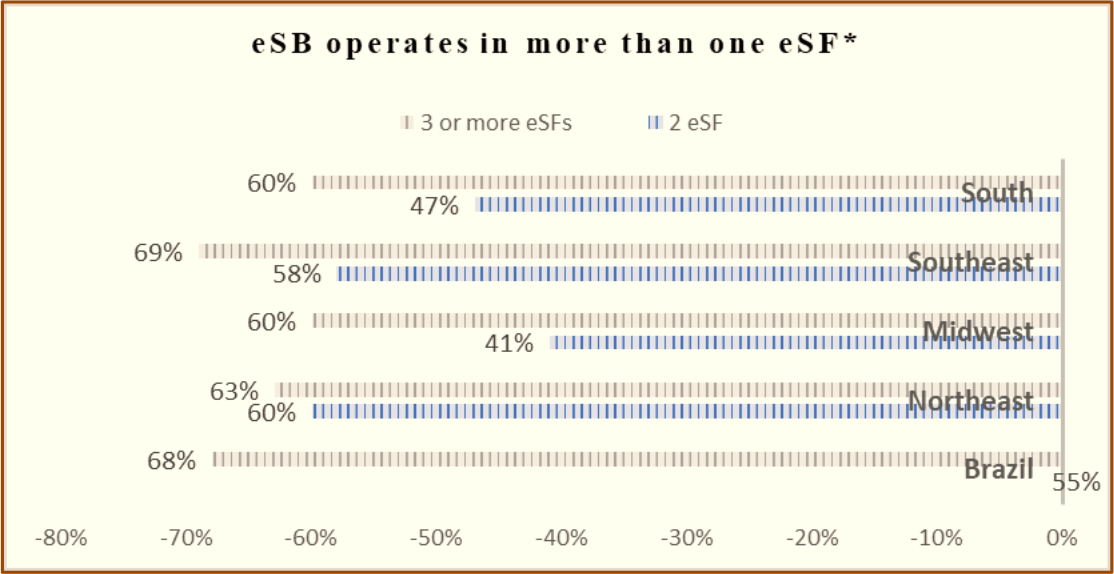
Percentage interpretation of OR for the variable “In the daily work routine, in how many Primary Health Care Teams does the Oral Health Team operate?”.
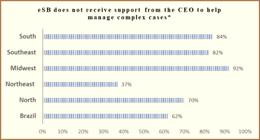
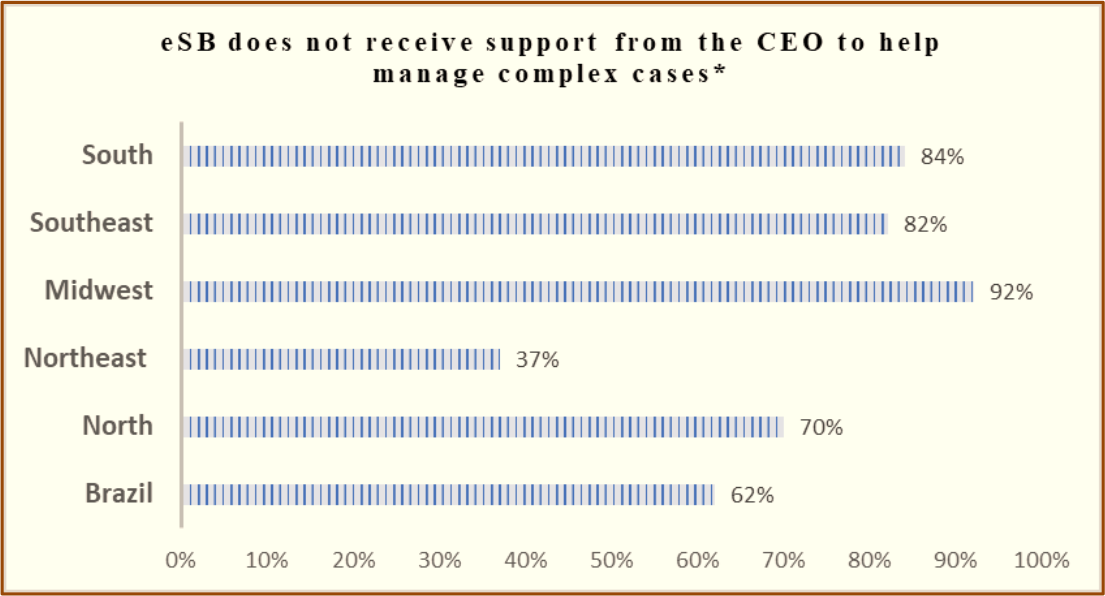
Percentage interpretation of OR for the variable “Does the Oral Health Team receive support from the CEO for managing complex cases?”.
Figure 2 shows that the greater the number of family health teams (equipe de saúde da família, eSF) in which the eSB operates, the lower the likelihood that users will gain access to oral health care. At the national level, working within three or more eSFs, compared to working within a single eSF, reduces the user's chances of accessing oral health care by 68% and 55%, respectively.
Figure 3 shows that, in Brazil and its regions, when the eSB does not receive support from the Dental Specialty Center (Centro de Especialidades Odontológicas, CEO) for managing complex cases, the user's likelihood of gaining access increases compared to when the eSB does receive support from the CEO. This effect is strongest in the Midwest, where the probability increases by 92%, and weakest in the Northeast, where it increases by 37%.
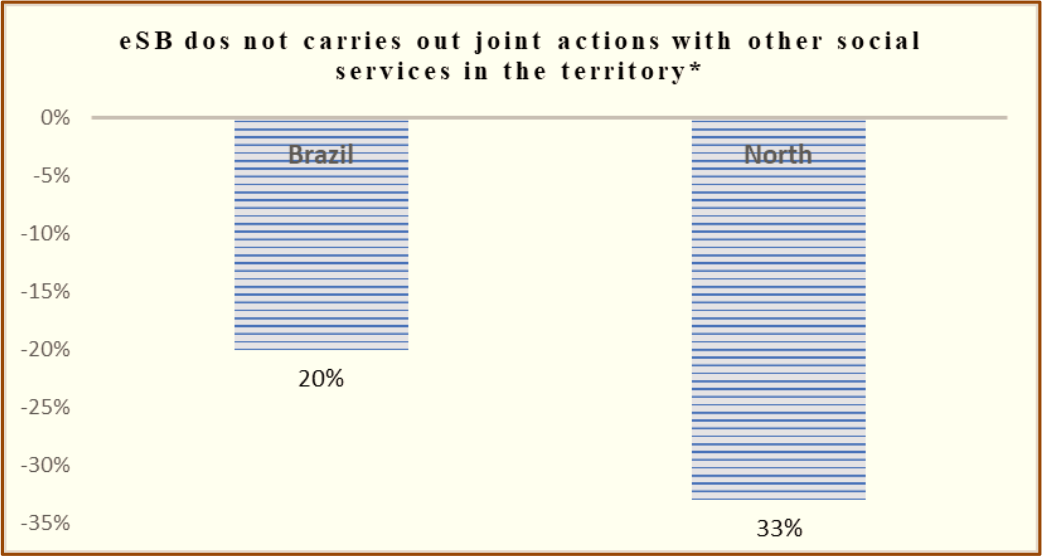
When the eSB does not perform joint actions with other social services in the territory, a reduction in the likelihood of access to oral health care was observed, by 20% in Brazil and 33% in the North region (Figure 4).
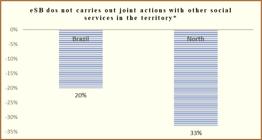
Percentage interpretation of OR for the variable “Does the Oral Health Team carry out joint actions with other social services in the territory?”.
When the eSB does not assess the user’s health needs, the likelihood of access to oral health care decreases by 42% in Brazil and 62% in the Southeast region (Figure 5).
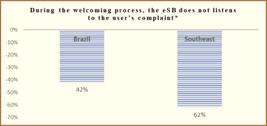
Percentage interpretation of OR for the variable “During the welcoming process, does the Oral Health Team assess the user’s health needs?”.
Figure 6 shows that, in Brazil and in the North and Southeast regions, when the eSB does not provide clinical care during the welcoming process, the likelihood of users gaining access decreases by 43%, 62%, and 48%, respectively.
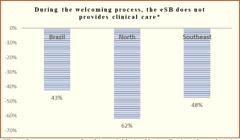
Percentage interpretation of OR for the variable “During the welcoming process, does the Oral Health Team provide clinical care?”.
When the main approach to user welcoming is not through arriving early, waiting in line, and taking a number, the likelihood of access to oral health care increases by 9% in Brazil, 14% in the Northeast, 30% in the Southeast, and 34% in the South (Figure 7).
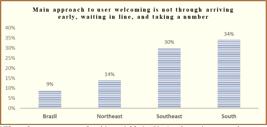
Percentage interpretation of OR for the variable “Is the main approach to user welcoming through arriving early, waiting in line, and taking a number?”.
Figure 8 shows that, in Brazil and in the Midwest and Northeast regions, when the main approach to user welcoming is not based on identifying users at greater risk or vulnerability, the likelihood of access to oral health care decreases by 17%, 32%, and 36%, respectively.

Percentage interpretation of OR for the variable “What is the main approach to user welcoming?”.
When the eSB professionals responsible for user welcoming have not been trained to identify users at greater risk and/or vulnerability, there is a decrease in the likelihood of access to oral health care, by 13% in Brazil and 24% in the Northeast region (Figure 9).

Percentage interpretation of OR for the variable “Have the Oral Health Team professionals responsible for user welcoming been trained in risk and vulnerability assessment and classification?”.
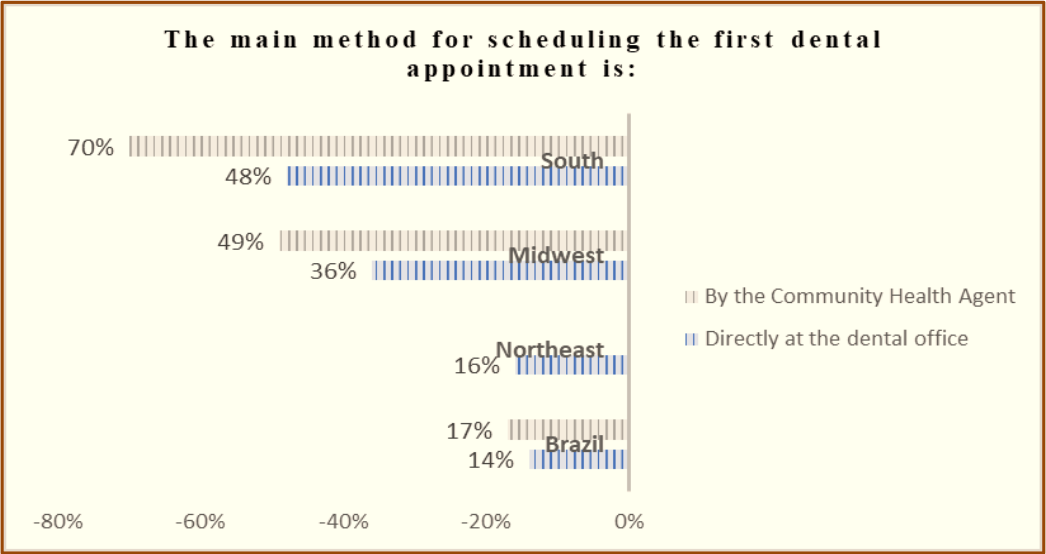
Figure 10 shows that when the main method for scheduling the first dental appointment is through the CHA or by the eSB directly at the dental office, the user's likelihood of accessing oral health services decreases compared to when the appointment is scheduled at the UBS reception. This reduction is most pronounced in the South region - 70% for scheduling through the CHA and 48% for scheduling at the dental office.
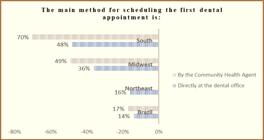
Percentage interpretation of OR for the variable: "What is the main method for scheduling the first dental appointment?"
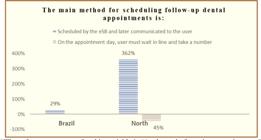
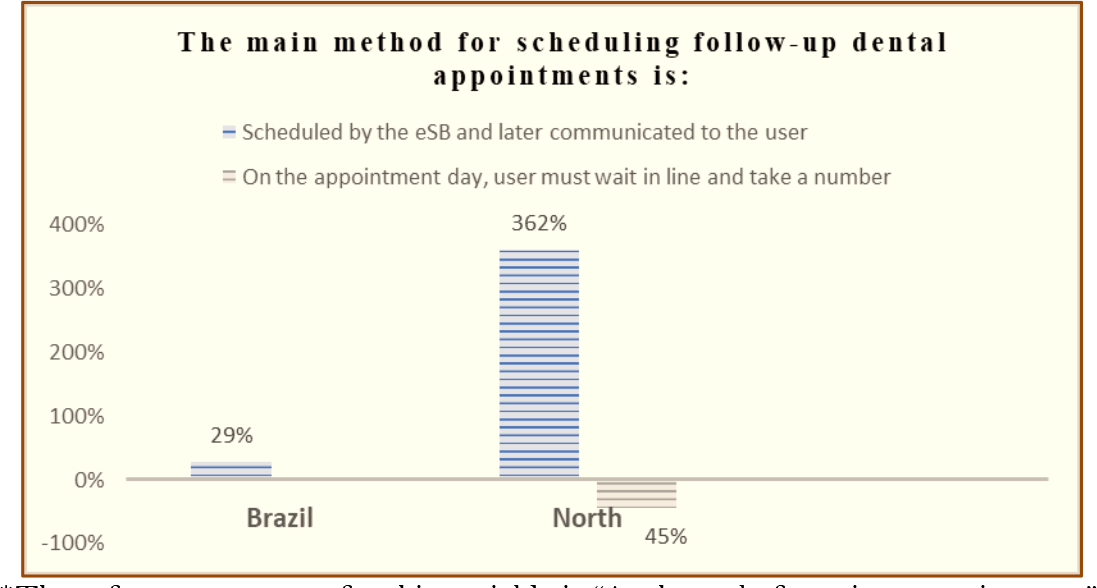
Percentage interpretation of OR for the variable “What is the main method for scheduling follow-up dental appointments?”.
When the main method for scheduling follow-up dental appointments is for the eSB to schedule the appointment and later inform the user, the likelihood of access increases by 29% in Brazil and by 362% in the North region. Conversely, when users must wait in line and take a number to schedule their follow-up appointment, the likelihood of access in the North region decreases by 45% (Figure 11).
Regarding the assessment of model fit for Brazil and its geographic regions, the results are shown in Table 5. In all geographic scenarios, the deviance function was lower than the chi-square distribution, indicating that the models are statistically acceptable. The area under the curve (AUC) was approximately 0.70 in all cases, suggesting moderate performance.
Discussion
This study, based on national data from the 3rd cycle of PMAQ-AB, identified characteristics of the eSB work process associated with users' access to dental care within PHCs. Given Brazil's vast territory and the diversity and uniqueness of its health services and population across different geographic regions, it is strategically important to identify, at both national and regional levels, aspects of work process organization that facilitate or hinder access to oral health care.
According to this study, in Brazil and most of its geographic regions, when the eSB operates within two or three or more eABs - as compared to a single eAB - the likelihood that users will access oral health care decreases. Therefore, assigning the eSB to a single eAB may provide broader coverage and greater access to oral health care for the population within its designated territory. Moreover, the literature indicates that a disproportionate ratio of one eSB to two eSFs prioritizes curative procedures and hampers the implementation of preventive and health promotion activities in oral health [11]. This imbalance also increases professionals' workload, leads to frustration [12], contributes to a backlog in service demand and overcrowding in UBS facilities, and forces users to seek care elsewhere [13]. Notably, the demand for dental appointments is higher when eSBs are assigned to a single eSF [14]. The National Primary Health Care Policy [15] establishes that, “regardless of the adopted model, eSB professionals must be linked to one eAB or eSF team, share in the team’s management and work processes, and bear responsibility for the same population and assigned territory as the AB or eSF team to which they belong.” Therefore, efforts should be made to ensure a proportional alignment between the number of eSBs and eSFs.
Regarding support from other levels of care to the eSB, the study found that when the eSB does not receive support from the CEO in managing complex cases, the likelihood of users accessing care increases in Brazil and in the Midwest and Northeast regions. Organizational factors may help explain these results, particularly in municipalities where PHC is the only level of care available. In such settings, eSBs are likely to rely on the broadest possible range of available technologies and resources to address users' oral health needs within this first level of care.
In this regard, a study analyzing specialized dental care in terms of access, demand, and work processes offered by CEOs - using secondary data from the PMAQ-CEO cycles - found that specialized dental care provided by CEOs in Brazil has expanded and improved. However, the authors also identified inequalities in the distribution of these specialized services, with significant unmet demand and care gaps, especially in the North region [16].
In the present study, it was found that when the eSB engages in joint actions with other social services in the territory, users’ access to care is improved. In Brazil and the North region, when the eSB does not perform these actions, the likelihood of accessing oral health care decreases. This association was not observed in the other geographic regions. Developing joint actions with services relevant to the community is essential for integrating initiatives and social support networks to strengthen comprehensive health care for the population [15]. However, some studies evaluating the organization of teamwork processes in PHC have identified challenges in implementing intersectoral actions. These include low team engagement in shared management efforts and shortcomings in communication and coordination across sectors [17-20]. Thus, intersectoral collaboration in the health sector still faces significant weaknesses and is not yet fully consolidated, compromising the delivery of comprehensive care to users and the community.
Regarding the organization of the eSB schedule, the study found that in Brazil and in the North region, when the eSB does not reserve accessible time slots for users to return and present test results, the likelihood of accessing oral health services decreases. The planning and organization of the team's schedule should include both scheduled appointments and time slots for walk-in visits identified during the welcoming process that require same-day attention, as well as opportunities to actively listen to users [21]. Therefore, organizing the team's schedule not only enhances user access to services but also improves the quality of care and reduces the workload on health professionals. The schedule is a key tool for optimizing time, prioritizing care, and planning services based on the population's oral health needs. It can contribute to reorganizing team workflows and help ensure equity and comprehensive care delivery [22].
As observed in this study, schedule organization has also been analyzed in other studies conducted across different regions of Brazil, with findings indicating that most eSBs schedule both programmed appointments and walk-in (spontaneous demand) care [23-26].
Regarding care for spontaneous demand, this study shows that when the eSB does not provide urgent care, the likelihood of accessing care decreases in Brazil and the Midwest. Many users still do not prioritize preventive dental care, often seeking treatment only when experiencing acute oral health conditions [27,28].
In health care work processes, the welcoming approach is not meant to be a bureaucratic step but rather a personalized way to welcome each user, ensure access to services, and enable comprehensive and continuous care by fostering a user-professional bond [29]. This study found that when the eSB does not assess users' health needs during the welcoming process, the likelihood of accessing oral health care decreases in Brazil and in the Southeast region. Incorporating a welcoming approach into the daily routine of health services is complex. It must be carried out in a humanized manner, with active, qualified listening to address users' diverse demands. Implementing the welcoming process brings significant and sustainable changes, with impacts on both management and care within PHC [30]. It contributes to strengthening bonds, reducing waiting times, and resolving demands [31].
This study also found that when the eSB does not provide clinical care during the welcoming process, the likelihood of accessing oral health care decreases in Brazil, particularly in the Southeast and the North. Welcoming practices vary by location, as they take into account the specific characteristics of each territory, including users' lifestyles and socioeconomic and cultural conditions. This form of care must be organized to address spontaneous demand, manage urgent cases, and effectively meet users' health needs [32,33].
Another important factor in strengthening PHC is the multidisciplinary team's participation in the UBS's welcoming process. This study found that when eSB professionals do not conduct the welcoming process jointly with the eAB, the likelihood of user access decreases in Brazil and in the Northeast region. These findings reinforce that welcoming practices by the eSB - along with professionals' availability to discuss users' doubts, concerns, and oral health problems - have a significant impact on the quality of care and users' access to health services [34]. Because multidisciplinary work requires collective decision-making, teams need to discuss and define how different professionals will take part in the welcoming process. In this model, knowledge is specific to each profession, but responsibilities are equal and shared [35].
Still, regarding the welcoming process, the present study shows that when the main approach to welcoming users is not based on arriving early and waiting in line to receive a number, the likelihood of accessing oral health care increases in Brazil. Regionally, this alternative approach increases access in the Northeast, Southeast, and South regions. These findings are consistent with those of Giordani et al. [36], who, using data from the 1st cycle of PMAQ-AB, evaluated the prevalence of welcoming practices carried out by teams in PHC across Brazil's macro-regions and found an unequal distribution of these practices across the country.
This study also found that when the main approach to user welcoming is not based on order of arrival at the UBS, the likelihood of accessing oral health services decreases in the Midwest region. In this region, access barriers are part of the daily routine in health services, where the first-come, first-served logic prevails, often requiring users to arrive early at the UBS to schedule an appointment [37].
From the perspective of implementing welcoming practices by eSBs within PHC, this study found that when the main approach to welcoming is not based on identifying users at greater risk or vulnerability, the likelihood of accessing oral health care decreases in Brazil and in the Midwest and Northeast regions. The study also showed that when eSB professionals responsible for welcoming are not trained to identify users at greater risk and vulnerability, the likelihood of user access decreases in Brazil and in the Northeast region.
These results highlight the importance of ensuring that welcoming is carried out by professionals who are well-trained, guided, and sensitive to users’ health needs, so that the practice can be fully implemented in all its dimensions - ultimately ensuring both access and quality care.
Not all users who seek care at the UBS require clinical treatment. Often, users believe that their needs can be met simply by being heard. It is during the welcoming process - through identifying user needs - that the professional can guide them toward the most appropriate type of care [37].
Another aspect analyzed in this study was the main method for scheduling the first dental appointment at the UBS. When appointments are primarily scheduled by the Community Health Agent (CHA), the likelihood of user access decreases in Brazil, with an even greater reduction in the South region. When users go directly to the UBS, they participate in the team's welcoming process, enabling better care coordination and the resolution of their needs. The CHA should primarily assist with scheduling in specific situations - particularly for users who, due to certain conditions, are unable to visit the UBS for this purpose.
Still, regarding the main method for scheduling the first dental appointment, this study showed that when the appointment is scheduled directly at the dental office by the eSB, the likelihood of user access decreases in Brazil, and even more markedly in the South region. Implementing an effective appointment scheduling system improves team workflows, enhances the quality of care, increases patient safety, and ensures timely access to health care services [38,39].
This study also analyzed the main method for scheduling follow-up dental appointments. When the eSB schedules follow-up appointments and later communicates with the user, the likelihood of accessing care increases in Brazil and in the North region. In contrast, when users must wait in line and take a number on the scheduling day for oral health care, access decreases in the North region. These results may be related to the geographic characteristics of this region, where certain localities face logistical challenges related to transportation, making it difficult for users to visit the UBS multiple times. Similar findings were reported by Guimarães et al. [40], who observed that riverside populations tend to seek care more frequently at hospitals, with scheduling difficulties identified as a main barrier to accessing services at the UBS.
Based on study findings, the following practical actions for PHC managers could facilitate access to oral health care: 1) adjust the eSB:eSF ratio, ensuring that each eSB is responsible for only one eAB; 2) strengthen user embracement, guaranteeing qualified listening, risk and vulnerability assessment, clinical care when needed; 3) improve scheduling processes, prioritizing the scheduling at the PHC reception desk, transparent and equitable criteria, elimination of first-come, first-served systems; 4) reserve dedicated time slots for follow-up visits, such as returning with test results or clarifying doubts; 5) expand professional training on risk stratification, embracement, and interprofessional communication; 6) strengthen integration between PHC units and CEOs, establishing clear referral and counter-referral flows.
Due to its nationwide scope, the PMAQ-AB provides broad, valuable, and highly accurate information. However, the present study has several limitations. These include the use of secondary data, which may introduce measurement bias due to potential inaccuracies in data recording by interviewers during collection; the possibility of selection bias, given the nonrandom selection of users who responded to Module III of PMAQ-AB; and the potential for information bias due to the length and complexity of data collection instruments used in the PMAQ-AB External Evaluation, since data quality depends on respondent comprehension. Another point worth highlighting is the high proportion of positive responses from eSBs regarding their work processes, which may be influenced by performance-based certification and, consequently, the financial incentives transferred to municipal management. Because the program was linked to performance evaluations and financial incentives, teams may have overreported positive behaviors, resulting in positive response bias. At last, the exclusive reliance on quantitative data is another limitation. Without qualitative insights, it is not possible to understand the nuances of daily work processes, professionals' perceptions, or underlying systemic barriers.
Despite these limitations, this study's findings provide valuable insights into users' access to dental care. They identify specific characteristics of eSB work processes in Brazil and its geographic regions that hinder access and may compromise both the continuity of care and the resolution of oral health problems within the PHC framework.
Finally, future research should include qualitative studies to examine how embracement practices, scheduling procedures, and team dynamics are operationalized in daily work routines. It would also be valuable to conduct longitudinal investigations to assess changes over time resulting from organizational or policy modifications, as well as to evaluate the impact of discontinuing PMAQ-AB on the structure and quality of oral health teams. Additionally, studies should explore the integration between PHC and specialized dental care, particularly the performance of CEOs and the functioning of referral and counter-referral flows.
Conclusion
Some characteristics of eSB work processes hinder users’ access to oral health care and call for a reorganization of practices, along with the effective implementation of national guidelines that govern service delivery within PHC. Although regional differences exist across Brazil, several factors stand out as essential to improving access. These include aligning the number of eSBs with eSFs, ensuring support from secondary-level oral health care, adopting standardized care protocols and service flows, and implementing more effective methods for scheduling dental appointments.
Financial Support
Data Availability
The data used to support the findings of this study can be made available upon request to the corresponding author.
References
-
[1] Pinto LF, Hartz ZMA. Primary care experiences in 25 years of Journal Ciência & Saúde Coletiva: A review of the scientific literature. Cien Saude Colet 2020; 25(12):4917-4932. https://doi.org/10.1590/1413-812320202512.24882020
» https://doi.org/10.1590/1413-812320202512.24882020 -
[2] Vilasbôas ALQ, Nedel FB, Aquino R, Batista SRR, Almeida APSC, Cury GC, et al. Institutionalizing the evaluation and monitoring of Primary Health Care in the SUS: Contributions to a strategic research agenda. Saúde Debate 2024; 48(spe2):e9249. https://doi.org/10.1590/2358-28982024E29249P
» https://doi.org/10.1590/2358-28982024E29249P -
[3] Brasil. Ministério da Saúde. Secretaria de Atenção à Saúde. Departamento de Atenção Básica. Programa Nacional de Melhoria do Acesso e da Qualidade da Atenção Básica (PMAQ) - Manual Instrutivo para as Equipes de Atenção Básica e NASF - 3º Ciclo (2015 - 2017). Brasília, DF, 2017. Available from: https://www.gov.br/saude/pt-br/composicao/saps/pmaq/ciclos-do-pmaq-ab/3o-ciclo/manuais-pmaq/manual_instrutivo_3_ciclo_pmaq.pdf [Accessed on April 15, 2021]. [In Portuguese].
» https://www.gov.br/saude/pt-br/composicao/saps/pmaq/ciclos-do-pmaq-ab/3o-ciclo/manuais-pmaq/manual_instrutivo_3_ciclo_pmaq.pdf -
[4] Baldani MH, Ribeiro AE, Gonçalves JRSN, Ditterich RG. Oral health work process in Primary Health Care: intermunicipal inequalities highlighted by the PMAQ-AB. Saúde Debate 2018; 42(1):145-162. https://doi.org/10.1590/0103-11042018S110
» https://doi.org/10.1590/0103-11042018S110 -
[5] Neves M, Giordani JMDA, Hugo FN. Primary dental healthcare in Brazil: The work process of oral health teams. Cien Saude Colet 2019; 24(5):1809-1820. https://doi.org/10.1590/1413-81232018245.08892017
» https://doi.org/10.1590/1413-81232018245.08892017 -
[6] Ribeiro AGA, Martins RFM, Vissoci JRN, da Silva NC, Rocha TAH, Queiroz RCS, et al. Progress and challenges in potential access to oral health primary care services in Brazil: A population-based panel study with latent transition analysis. PLoS One 2021; 16(3):e0247101. https://doi.org/10.1371/journal.pone.0247101
» https://doi.org/10.1371/journal.pone.0247101 -
[7] Alencar MAS, Protasio APL, Macambira AFUS, Valença AMG. Access to primary dental care and the work process of oral health teams: An analysis of the 3rd phase of the PMAQ-AB program. Pesqui Bras Odontopediatria Clín Integr 2021; 21:e0261. https://doi.org/10.1590/pboci.2021.140
» https://doi.org/10.1590/pboci.2021.140 -
[8] Machado PMO, Lacerda JT, Colussi CF, Calvo MCM. Structure and work process for food and nutrition actions in Primary Health Care in Brazil, 2014. Epidemiol Serv Saude 2021; 30(2):e2020635. https://doi.org/10.1590/S1679-49742021000200015
» https://doi.org/10.1590/S1679-49742021000200015 -
[9] Picanço L, Dutra RP, Saes MO. Temporal trend in the evaluation of adequate management for diagnosis and treatment of tuberculosis in primary health care in Brazil (2012-2018). Cad Saude Publica 2024; 40(3):e00087723. https://doi.org/10.1590/0102-311XPT087723
» https://doi.org/10.1590/0102-311XPT087723 - [10] Gujarati DN, Porter DC. Econometria Básica. 5th. ed. Porto Alegre: McGraw Hill Brasil, 2011. 924p. [In Portuguese].
- [11] Pires LC. Acesso aos serviços de saúde bucal na atenção básica: Revisão Integrativa. Trabalho de Conclusão de Curso (Residência Multiprofissional e Uniprofissional em Saúde) - Universidade Federal de Santa Catarina, Florianópolis; 2020. [In Portuguese].
- [12] Araújo PC. Trabalho em equipe multiprofissional na Estratégia de Saúde da Família: A interface entre a equipe de Saúde Bucal e a equipe de Saúde da Família. Dissertação (Mestrado Profissional em Saúde Pública) - Escola Nacional de Saúde Pública Sergio Arouca, Fundação Oswaldo Cruz, Rio de Janeiro; 2013. [In Portuguese].
-
[13] Rodrigues AAAO, Oliveira MQ, Santos MHA, Júnior AJ, Silva AKP. Quality of care in oral health: Obstacles that hinder the practice of Oral Health Teams in the Family Health Strategy. Rev APS 2019; 22(4):895-919. https://doi.org/10.34019/1809-8363.2019.v22.15958
» https://doi.org/10.34019/1809-8363.2019.v22.15958 -
[14] Melo EA, Probst LF, Guerra LM, Tagliaferro EPDS, De-Carli AD, Pereira AC. Indicators for dental appointment scheduling in primary health care: A national cross-sectional study. BMC Public Health 2021; 21(1):2234. https://doi.org/10.1186/s12889-021-12319-x
» https://doi.org/10.1186/s12889-021-12319-x -
[15] Brasil. Ministério da Saúde. Portaria nº 2.436, de 21 de setembro de 2017. Aprova a Política Nacional de Atenção Básica, estabelecendo a revisão de diretrizes para a organização da Atenção Básica, no âmbito do Sistema Único de Saúde (SUS). Diário Oficial da República Federativa do Brasil. 2017. Available from: http://189.28.128.100/dab/docs/publicacoes/geral/pnab.pdf [Accessed on May 07, 2021]. [In Portuguese].
» http://189.28.128.100/dab/docs/publicacoes/geral/pnab.pdf -
[16] Trezena S, Oliveira FES, Dias VO, Martelli PJL, Martelli DRB, Martelli Júnior H. Specialized dental care in the Brazilian Unified National Health System (SUS). Pesqui Bras Odontopediatria Clín Integr 2023; 23:e220122. https://doi.org/10.1590/pboci.2023.051
» https://doi.org/10.1590/pboci.2023.051 -
[17] Dias MAS, Parente JRF, Vasconcelos MIO, Dias FAC. Intersectoriality and the Family Health Strategy: Highly relevant or almost irrelevant?. Cien Saude Colet 2014; 19(11):4371-4382. https://doi.org/10.1590/1413-812320141911.11442014
» https://doi.org/10.1590/1413-812320141911.11442014 -
[18] Cavalcanti AD, Cordeiro JC. Intersectoral actions in Family Health Strategy: A study of the representation of health and its practices in primary care. Rev Bras Med Fam Comunidade 2015; 10(37):1-9. https://doi.org/10.5712/rbmfc10(37)1059
» https://doi.org/10.5712/rbmfc10(37)1059 -
[19] Souza LB, Arcêncio RA, Cândido FCA, Campoy LT, Cartagena-Ramos DA, Fiorati RC. Social iniquities in primary healthcare and intersectoral action: A descriptive study. Rev Bras Enferm 2020; 73(6):e20190196. https://doi.org/10.1590/0034-7167-2019-0196
» https://doi.org/10.1590/0034-7167-2019-0196 -
[20] Macedo MS, Saldanha JHS, Tavares LRC, Ribeiro KSQS, Silva SLA, Ferrari FP, et al. Primary health organization models and care practices for people with disabilities in Brazil. Cien Saude Colet 2025; 30(2):e16312023. https://doi.org/10.1590/1413-81232025302.16312023
» https://doi.org/10.1590/1413-81232025302.16312023 - [21] Savassi FM. Organização da agenda dos profissionais de saúde da unidade básica de saúde Antônio Caetano Laranjeiras - Betim. Lagoa Santa: Universidade Federal de Minas Gerais, 2013: Trabalho de Conclusão de Curso (Especialização em Saúde da Família). 2013. [In Portuguese].
-
[22] Brasil. Ministério da Saúde. Secretaria de Atenção à Saúde. Departamento de Atenção Básica. Programa Nacional de Melhoria do Acesso e da Qualidade da Atenção Básica (PMAQ): Manual instrutivo. Brasília, DF, p. 62, 2012. Available from: http://189.28.128.100/dab/docs/publicacoes/geral/manual_instrutivo_pmaq_site.pdf [Accessed on May 08, 2021]. [In Portuguese].
» http://189.28.128.100/dab/docs/publicacoes/geral/manual_instrutivo_pmaq_site.pdf -
[23] Zenun DTBS, Costa ABMV, Gomes HS, Lima DC, Pereira AAP. Evaluating the organization of dental care demand within the Family Health Strategy in a municipality in Southern Minas Gerais. Braz J Dent Educ 2025; 25:2374. https://doi.org/10.30979/BrazJDentEduc.v25.2374
» https://doi.org/10.30979/BrazJDentEduc.v25.2374 -
[24] Amaral Júnior OL, Fagundes MLB, Menegazzo GR, Torres LHN, Giordani JMA. Avaliação dos serviços de saúde bucal na atenção primária à saúde: Perspectivas regionais com base no PMAQ. Tempus Actas Saúde Colet 2020; 14(1):143-159. https://doi.org/10.18569/tempus.v14i1.2618 [In Portuguese].
» https://doi.org/10.18569/tempus.v14i1.2618 -
[25] Pires HF, Limão NP, Protasio APL, Valença AMGV. Factors associated with users’ satisfaction with oral health care in Paraíba, 2014. Saúde Debate 2020; 44(125):451-464. https://doi.org/10.1590/0103-1104202012513
» https://doi.org/10.1590/0103-1104202012513 -
[26] Ribeiro AGA, Martins RFM, Vissoci JRN, Silva NC, Rocha TAH, Queiroz RCS, et al. Progress and challenges in potential access to oral health primary care services in Brazil: A population-based panel study with latent transition analysis. PLoS One 2021; 16(3):e0247101. https://doi.org/10.1371/journal.pone.0247101
» https://doi.org/10.1371/journal.pone.0247101 - [27] Tavares RP, Costa GC, Falcão MLM, Cristino PS. The organization of the access to dental health services within the family healthcare strategy in a municipality in Bahia. Saúde Debate 2013; 37(99):628-635.
-
[28] Viana IB, Moreira R S, Martelli PJL, Oliveira ALS, Monteiro IS. Evaluation of the quality of oral health care in Primary Health Care in Pernambuco, Brazil, 2014. Epidemiol Serv Saúde 2019; 28(2):e2018060. https://doi.org/10.5123/S1679-49742019000200015
» https://doi.org/10.5123/S1679-49742019000200015 -
[29] Martins ACT, Paula AP, Cardoso JR, Borges MIG, Botelho MB. The AcolheSUS Project in Primary Health Care in Brazil’s Federal District. Cien Saude Colet 2019; 24(6):2095-2103. https://doi.org/10.1590/1413-81232018246.08492019
» https://doi.org/10.1590/1413-81232018246.08492019 -
[30] Melo MVS, Forte FDS, Brito GEG, Pontes MLF, Pessoa TRRF. User Embracement in the Family Health Strategy: Analysis of implementation in a large municipality of Northeast Brazil. Interface 2022; 26(Supl 1):e220508. https://doi.org/10.1590/interface.220508
» https://doi.org/10.1590/interface.220508 -
[31] Lima Barros LO, Nunes Diniz GT, Silva FB, Araújo Oliveira SR. Evaluating the implementation of user embracement in the healthcare system of Jaboatão dos Guararapes city, Brazil. Int J Health Plann Manage 2022; 37(Suppl 1):187-203. https://doi.org/10.1002/hpm.3572
» https://doi.org/10.1002/hpm.3572 -
[32] Silva TF, Romano VF. About the reception: Discourse and practice in the Basic Health Units in the city of Rio de Janeiro. Saúde Debate 2015; 39(105):363-374. https://doi.org/10.1590/0103-110420151050002005
» https://doi.org/10.1590/0103-110420151050002005 -
[33] Lima AIC, Silva MVS, Silva JKF, Pacheco TCS. Contributions of the oral health team for receptivity in a Family Health Unit. Tempus Actas Saúde Colet 2020; 13(3):201-209. https://doi.org/10.18569/tempus.v13i3.2540
» https://doi.org/10.18569/tempus.v13i3.2540 -
[34] Moimaz SAS, Bordin D, Fadel CB, Santos CB, Garbin CAS, Saliba NA. Qualification of care in oral health services. Cad Saúde Colet 2017; 25(1):1-6. https://doi.org/10.1590/1414-462X201700010239
» https://doi.org/10.1590/1414-462X201700010239 -
[35] Costa AB, Gouvea PB, Rangel RCT, Scnheider P, Alves TF, Acosta AS. Percepción de los enfermeros sobre la acogida y clasificación de riesgo en la atención primaria a la salud. Enferm Actual Costa Rica 2018; 27(35):103-115. https://doi.org/10.15517/revenf.v0i35.32113 [In Spanish].
» https://doi.org/10.15517/revenf.v0i35.32113 -
[36] Giordani JMDA, Amaral Júnior OLD, Hugo FN, Hilgert JB. Factors associated with service user embracement by Primary Health Care teams in Brazil, 2012: A cross-sectional study. Epidemiol Serv Saude 2020; 29(5):e2019468. https://doi.org/10.1590/S1679-49742020000500017
» https://doi.org/10.1590/S1679-49742020000500017 -
[37] Camelo MS, Lima LR, Volpe CRG, Santos WS, Rehem TCMSB. Welcoming in primary health care from the viewpoint of nurses. Acta Paul Enferm 2016; 29(4):463-468. https://doi.org/10.1590/1982-0194201600063
» https://doi.org/10.1590/1982-0194201600063 - [38] Knight A, Lembke T. Appointments 101--how to shape a more effective appointment system. Aust Fam Physician 2013; 42(3):152-156.
-
[39] Vidal TB, Rocha SA, Harzheim E, Hauser L, Tesser CD. Scheduling models and primary health care quality: A multilevel and cross-sectional study. Rev Saude Publica 2019; 53:38. https://doi.org/10.11606/S1518-8787.2019053000940
» https://doi.org/10.11606/S1518-8787.2019053000940 -
[40] Guimarães AF, Barbosa VLM, Silva MP, Portugal JKA, Reis MHS, Gama ASM. Access to health services for riverside residents in a municipality in Amazonas State, Brazil. Rev Pan-Amaz Saude 2020; 11:e202000178. https://doi.org/10.5123/S2176-6223202000178
» https://doi.org/10.5123/S2176-6223202000178

 *The reference category for this variable is the eSB operating within one eSF.
 *The reference category for this variable is “Yes” - the eSB receives support from the CEO to assist in managing complex cases.
 *The reference category for this variable is “Yes” - the eSB performs joint actions with other social services in the territory.
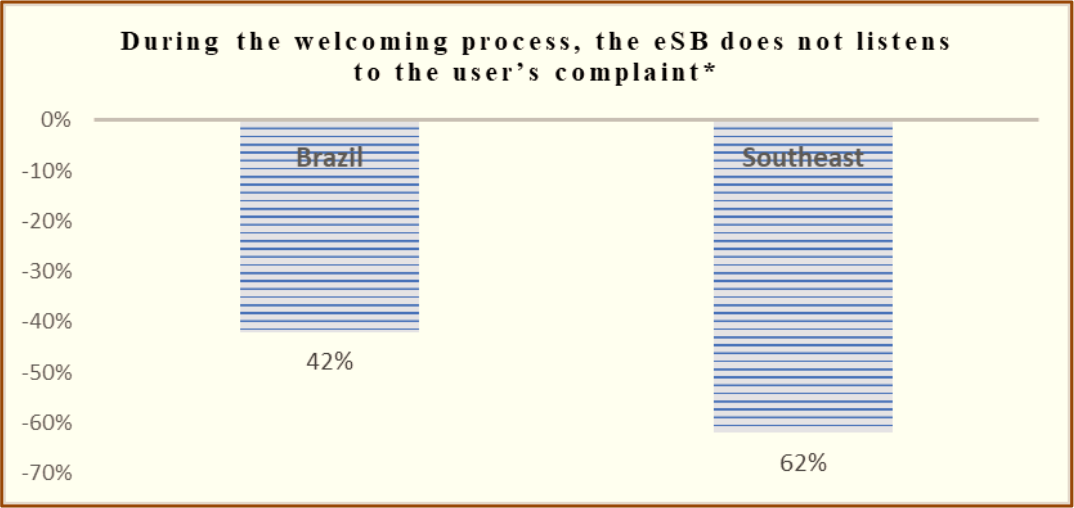 *The reference category for this variable is “Yes” - During the welcoming process, the eSB assesses the user’s health needs.
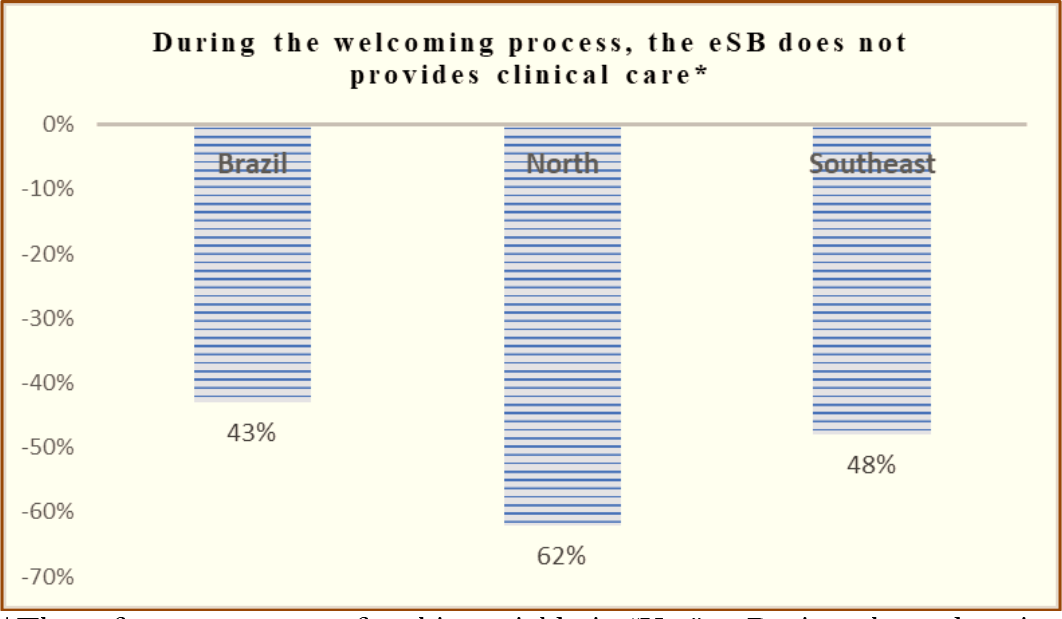 *The reference category for this variable is “Yes” - During the welcoming process, the eSB provides clinical care.
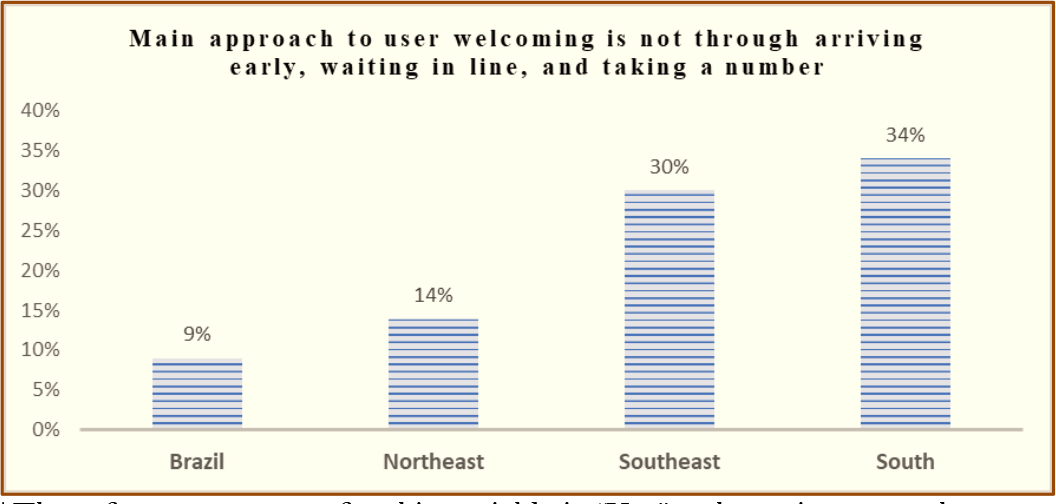 *The reference category for this variable is “Yes” - the main approach to user welcoming is through arriving early, waiting in line, and taking a number.
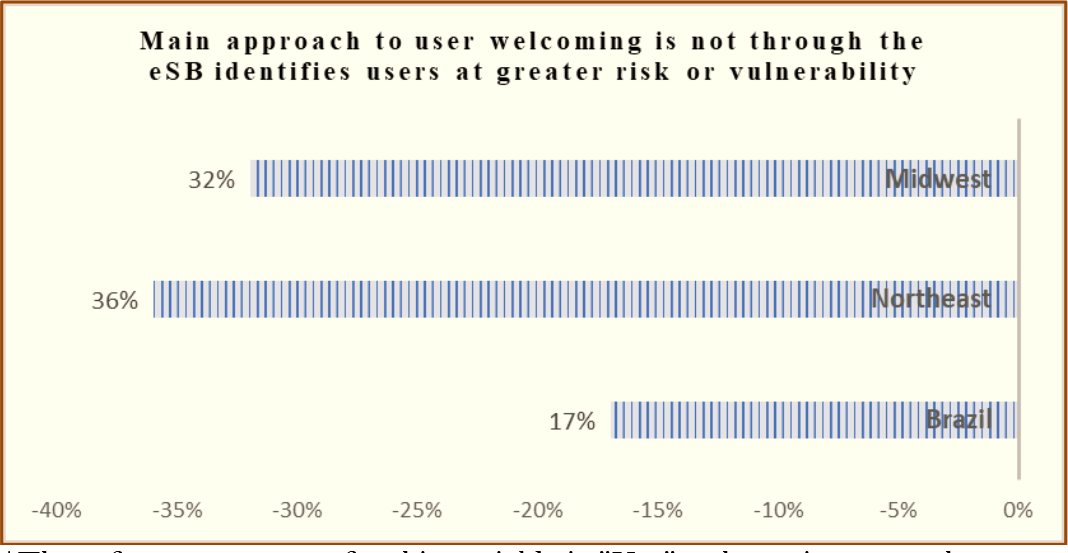 *The reference category for this variable is "Yes" - the main approach to user welcoming is the eSB, which identifies users at greater risk or vulnerability.
 *The reference category for this variable is “Yes” - the Oral Health Team professionals responsible for user welcoming have been trained in risk and vulnerability assessment and classification.
 *The reference category for this variable is “At the UBS reception.”
 *The reference category for this variable is “At the end of previous appointment”.