 Parents’ Knowledge about Emergency Management of Avulsed Teeth in Turkey: A Questionnaire Cross‑Sectional Survey
ABSTRACT
Objective: To evaluate parents' knowledge about emergency management of avulsed teeth.
Material and Methods: This cross-sectional study was conducted in Turkey between March and June 2022. A total of 1328 parents aged 18 or older (35.38 ± 8.41 years) with at least one child aged 0-13 years participated. Data were collected using a self-administered questionnaire, including sociodemographic characteristics, knowledge of tooth avulsion, and awareness. Knowledge was scored with responses assigned 0:incorrect, 1:correct, 2:ideal, for a total score (range 0 - 27). The data were analyzed with a significance level of 0.05% using the Kolmogorov-Smirnov, Mann-Whitney U, Kruskal-Wallis tests, and multiple linear regression analysis.
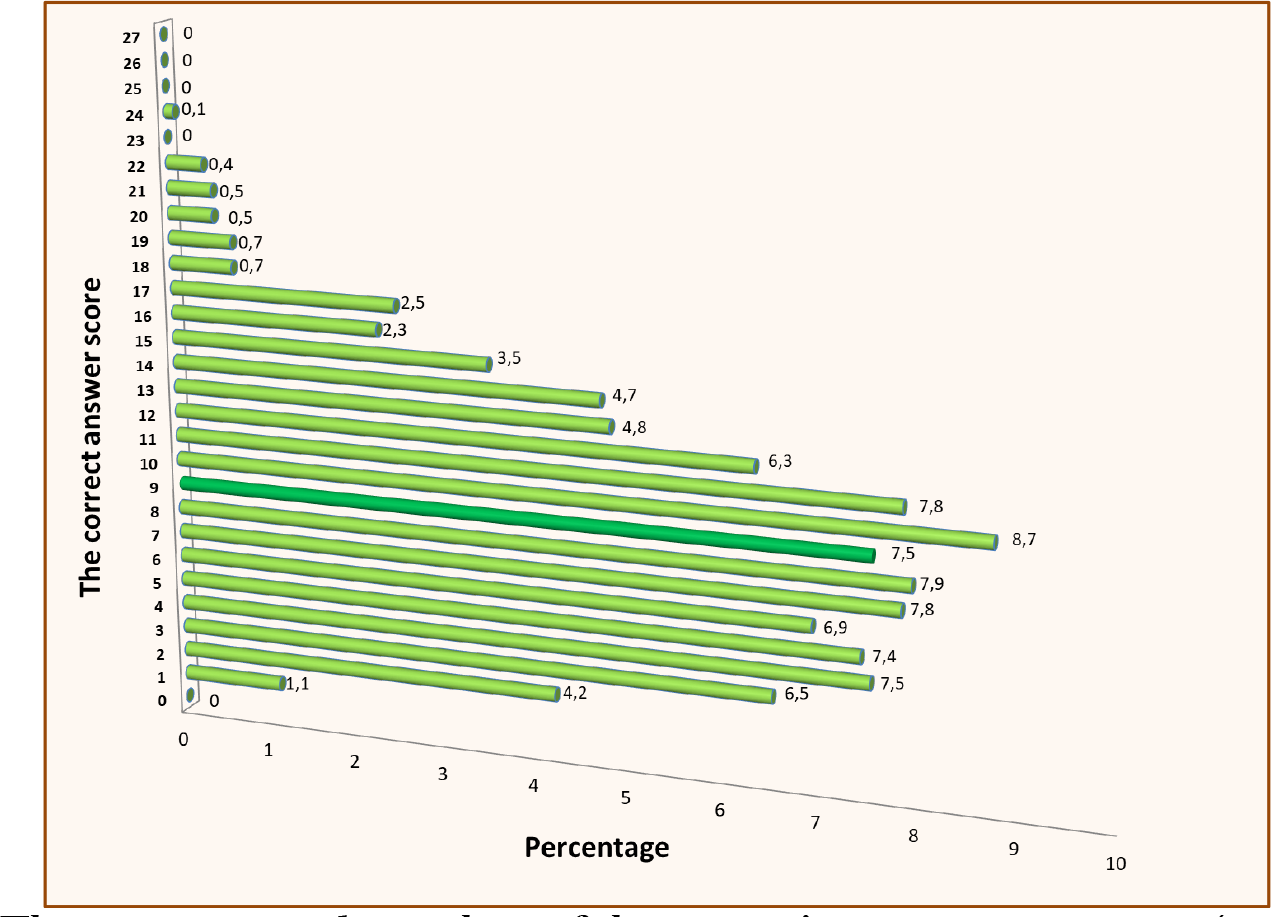
Results: Parents' knowledge score showed that 56.6% were in the 0 - 9 range, 41.3% in the 10 - 18 range, and 2% in the 19 - 27 range. The mean correct score was 8.85 ± 4.39 (median [min - max]: 9 [1 - 24]). 94.8% of parents recognized the importance of dental trauma information, only 67.4% were willing to participate in training, with seminars (42.1%) and short films (38.2%) being the most preferred methods.
Conclusion: It is imperative that nationwide training be increased and maintained so that parents can manage the emergency treatment of an avulsed tooth correctly without panicking in the event of an accident.
Keywords:
Emergencies; Tooth Avulsion; Tooth Injuries; Parents.
Introduction
Avulsion of teeth is a severe form of traumatic dental injuries (TDIs) characterized by the complete displacement of the tooth from its socket, resulting in ischemic damage to the pulp and periodontal ligament (PDL) tissues [1,2]. Avulsion of permanent teeth accounts for approximately 0.5% to 16% of all TDIs [3]. According to the guideline established by the International Association of Dental Traumatology (IADT), the optimal initial response to a permanent tooth avulsion is immediate replantation at the site of the accident. If the replantation is not possible, it is crucial to preserve the avulsed tooth in an appropriate storage medium and seek professional dental care without delay. It is important to emphasize that the prognosis of an avulsed tooth depends heavily on the accuracy and timeliness of emergency measures taken at the time of the incident [4].
Given that approximately 41% of dental avulsion incidents occur at home, parents are often the first individuals to encounter a child with such an injury [5]. This positions parents as the initial responders in emergency situations, making their level of knowledge a critical determinant of the injury's outcome. The primary aim of this study is to assess the level of emergency knowledge among parents in Turkey concerning the management of permanent tooth avulsion. In addition, this study aims to examine multiple sociodemographic and experiential determinants of knowledge by including a large sample of parents.
A prior study conducted in Turkey highlighted the notably low rate of parental education on dental trauma and reported that participants who had received such education demonstrated significantly higher levels of knowledge [6]. However, this study was limited in representing the national population due to its sample size and did not explore which sources parents preferred to access information or their awareness of digital tools such as mobile health applications.
The secondary objective of this study is to expand upon the previous research by evaluating parents’ preferred sources of information and their awareness of the “ToothSOS” mobile application developed by the International Association of Dental Traumatology (IADT) [7]. With these innovative aspects, the study provides a more comprehensive and up-to-date understanding of Turkish parents’ preparedness in managing dental avulsion emergencies and highlights potential pathways for future educational programs.
The null hypotheses (H0) of this study were as follows: (i) Turkish parents generally demonstrate inadequate knowledge regarding the emergency management of avulsed teeth; and (ii) Sociodemographic characteristics and previous trauma experiences of parents appear to have no significant impact on their level of knowledge related to the emergency management of avulsed teeth.
Material and Methods
Study Design and Ethical Clearance
This cross-sectional study received approval from Inönü University Health Sciences Non-Interventional Clinical Research Ethics Committee (2022/3192).
Sample and Data Collection
Considering the previous study [2], the minimum sample size required to detect a significant difference in the median total knowledge score of the parents should be at least 1229 participants, considering type I error (alpha) of 0.05, power (1-beta) of 0.8, effect size of 0.08, and two-sided alternative hypothesis (H1).
This study was conducted between March and June 2022. The study included parents aged 18 or older with at least one child aged 0-13 years who volunteered to participate. Parents who were illiterate or did not provide voluntary consent were excluded. The purpose and content of the questionnaire were explained to the participants beforehand, and no guidance or time restrictions were imposed during its completion. Data were collected using a self-administered, paper-based questionnaire completed by the participants.
The questionnaire was created and divided into three sections. The sections were about personal information (1st), emergency management of avulsed teeth (2nd), and the parents’ personal views on training, awareness, etc. (3rd). A picture of an avulsed tooth and a description were placed to the first page of the questionnaire.
The content validity based on expert judgments was established. The questionnaire was sent to six experts (two pediatric dentists, one endodontist, one oral and maxillofacial surgeon, one general dentist, and one biostatistician). As a result of the experts’ comments, the necessary changes were made in the questionnaire. For example, one more option (family physician) was added to Q4 in section 2, and some sentences were simplified to make them easier to understand. Then, the questionnaire was sent to four different pediatric dentists for a second evaluation, and the current version of the survey was approved by these experts. The language corrections were made by a linguist to improve the clarity of the questionnaire. The reliability based on section 2 of the questionnaire was done with internal consistency and test-retest reliability using Cronbach’s alpha coefficient and Cohen's Kappa, respectively. For the reliability assessment, 30 parents joined in the questionnaire twice, one week apart. The final questionnaire contained 32 questions (46 items): 1st section - 14 questions; 2nd section - 9 questions (23 items); 3rd section - 9 questions.
The parents’ level of knowledge on emergency management of avulsed teeth was calculated according to the 2nd section. The correct answers were determined with reference to the 2020 avulsion guideline of the IADT [7]. Each item was scored as “zero” for incorrect answers, “one” for correct answers, and “two” for ideal correct answers. The study team was in consensus on the scoring. So, the parents' total correct answer scores were calculated on a scale of 0 to 27.
Statistical Analysis
The data obtained were analyzed using IBM SPSS V22 (SPSS Inc., Chicago, IL, USA). Internal consistency and test-retest reliability were used to assess the questionnaire's reliability, with Cronbach’s alpha and Cohen's kappa, respectively. The data were first tested for normality using the Kolmogorov-Smirnov test; as a result, non-parametric tests were used to determine statistical differences. The Mann-Whitney U and Kruskal-Wallis tests were used to compare correct answer scores based on parents' personal data and experiences with the subject. Multiple linear regression analysis was used to estimate the relative eleven parameters of the knowledge score of emergency management (“gender”, “age”, “healthcare worker”, “educational status”, “income”, “place of residence”, “number of children owned”, “having a dentist in the family”, “receiving information”, “having encountered tooth avulsion before”, and “self-assessment of knowledge”). The significance level was accepted as p < 0.05.
Results
For the questionnaire, the kappa coefficient was 0.926, and Cronbach’s alpha was 0.914. Of 1500 parents, 1328 participated in this study (response rate; 88.5%). The mean age was 39.60±7.59 years (range 20 - 67). Of the respondents, 686 (51.7%) were female, and 642 (48.3%) were male.
The mean age and distributions by sex, education, profession, income, place of residence, number of children the parents have, having a dentist in the family, previous TDIs experience, training received about the subject, and self-assessment of knowledge about tooth avulsion are presented in Table 1.
The percentages of parents' responses regarding the management of dental avulsion are shown in Table 2. Only 19.3% of the parents preferred milk as the transport medium, while the majority preferred sponge (58.8%). The mean correct knowledge score was 8.85 ± 4.39, and the median score (min - max) was 9 (1 - 24) (range 0 to 27). The percentage column chart of the parents' correct answer score is presented in Figure 1. According to the median score, 49.2% of the parents’ level of knowledge was low (scores < 9), 7.5% of theirs was moderate (scores = 9), and 43.4% of theirs was high (scores > 9). According to the correct score on a scale of 0 to 27, 56.6% of parents’ scores were in the range of 0 - 9, 41.3% were in the range of 10 - 18, and 2% were in the range of 19 - 27.
Responses of the participants to the questions about the emergency intervention of avulsed teeth (9 questions - 23 items).

The values of the parents’ level of knowledge and the statistical comparisons are shown in Table 3. The knowledge level of the healthcare workers was higher than that of the non-healthcare workers (p < 0.001). The parents’ educational level was statistically significant for knowledge level (p < 0.05). The level of knowledge among parents with a dentist in their family was higher than among others (p < 0.05). In addition, the level of knowledge among parents who received training on the subject was higher than among those who did not (p < 0.001). The parents who stated their level of knowledge as “comprehensive” had the highest knowledge score (13.58 ± 5.48) (p < 0.001).
The mean (SD) and median (min. - max.) values of the correct answer scores on dental avulsion management according to the parents’ characteristics.
The sociodemographic and previous dental trauma experience variables included in the regression model explain 13% of the variance in parents' correct answer scores (Table 4). The multivariate regression model showed that the variables of healthcare worker, education level, receiving information, and "self-reported knowledge were positively associated with the correct answer score (OR = 0.099; p = .000; OR = 0.088; p = .005; OR = 0.076; p = .004; OR = 0.298; p = .000, respectively). The "self-reported knowledge" variable had the most explanatory power (OR = 0.298; p < 0.001).
The predictive power on the correct answer scores of the independent variables in the multiple regression model.
Discussion
Tooth avulsion often occurs in areas such as home and school, where professional dental care cannot be provided. Teachers and parents, who are the first people to encounter the child after tooth avulsion, do not have enough information about emergency intervention, which negatively affects the prognosis of the teeth [8-10].
The 2020 IADT guideline recommends holding an avulsed permanent tooth by the crown, gently rinsing it in the patient's saliva, milk, or saline if dirty, and placing it in its original socket [4]. In this study, 38.3% of parents reported that an avulsed permanent tooth should be held by the crown. This percentage was higher in the studies by Alyahya et al. [2] (69%) and lower in the study by Alzahrani and Almaqboul [11] (37%). On the other hand, the knowledge level of the participants in the present study was observed to be considerably lower than that reported in previous studies conducted in Turkey by Elbay et al. [6] (46.4%) and Gümüşboğa and Duruk [12] (51.2%).
Furthermore, most parents lack sufficient knowledge regarding the cleaning of a contaminated avulsed tooth [1,11,13-15]. In the current study, the majority of parents (50.2%) believed that saline, one of the alternatives recommended by the IADT guidelines [4], was appropriate for tooth cleaning. However, in contrast to this finding, studies by Alzahrani and Almaqboul [11] (29%), Świątkowska et al. [13] (32.3%), and Santos et al. [16] (64%) reported that tap water was the most commonly chosen option for cleaning an avulsed tooth.
In the current study, 21.2% of the parents stated that an avulsed permanent tooth should be replanted. In the studies conducted by Alzahrani and Almaqboul [11], Alharbi et al. [15], Jain et al. [1], and Değirmenci and Değirmenci [14], the results were reported as 58%, 35.37%, 57.8% and 30.59%, respectively.
Only 11.2% of the parents said they would replant an avulsed tooth; if they could not, they would bring it to the dentist in an appropriate transport medium, which is similar to data from other studies conducted in Turkey [6,14]. In studies conducted by Alyahya et al. [2] (27.8%), Loo et al. [17] (27.6%), and Świątkowska et al. [13] (19.5%), participants were more courageous about replantation. The fact that the number of parents who had previously received training on dental trauma in this study was lower than in other studies may also be a reason for the hesitancy regarding replantation.
In addition, the IADT explicitly states that replantation should never be considered a treatment option for avulsed primary teeth [18]. In this study, 54.1% of the parents reported that they would not replant if the primary teeth were avulsed. This percentage was 71.5% and 81.89% in the studies conducted by Świątkowska et al. [13] and Değirmenci and Değirmenci [14], respectively.
The IADT guideline clearly states that if an avulsed permanent tooth cannot be replanted at the accident scene, it should be stored in an appropriate medium and transported to a dental professional as soon as possible [4]. As in other studies conducted in Turkey, the most commonly preferred storage method in this study was dry storage [6,14]. However, recent evidence has shown that when the extraoral dry time of an avulsed tooth exceeds 30 minutes, the viability of PDL cells is significantly compromised [19]. Therefore, milk remains one of the most recommended storage media due to its easy accessibility, low cost, and ability to preserve PDL cell vitality for up to 2-6 hours [20,21]. Despite this, only 19.3% of the parents in this study were aware of this information. Other studies have reported similar or lower rates: 21% [11], 27.7% [15], 14.2% [1], and 7.5% [13]. These findings suggest a widespread lack of awareness among parents worldwide regarding proper storage media for avulsed teeth.
The majority of parents (72.4%) preferred to go to the dentist first when they encountered an avulsed tooth. This attitude is similar to that of the participants in other studies [1,2,11,15,22]. However, only a small proportion of parents (%28.7%) affirmed that they would seek professional help for treatment immediately after the avulsion injury, and 13.4% were reported it within the first hour. However, this ratio was found to be lower than the other studies: within the first hour-18.3% [13],immediately after-60.3% [6,23], within 30 minutes-27% and within 60 minutes-15% [11], immediately after-87.2% [22], immediately after-29.2% [2], immediately after-40% and within 60 minutes-22.9% [1]. Despite this, only 19.3% of parents in this study were aware of this information. Other studies have reported similar or lower rates: 21% [11], 27.7% [15], 14.2% [1], and 7.5% [13]. These findings suggest a widespread lack of awareness among parents worldwide regarding proper storage media for avulsed teeth.
In this study, an association between the parents' level of education and their level of knowledge on emergency management of tooth avulsion was found, similar to the studies conducted by Alzahrani and Almaqboul [11], Alharbi et al. [15], Świątkowska et al. [13], and Kebriaei et al. [24]. On the contrary, Elbay et al. [6], Santos et al. [16], and Alyahya et al. [2] did not find any association between these two parameters.
Alyahya et al. [2] stated that the parents’ median value of the knowledge score was 3 (range 0 to 8). Of the parents, 267 (48.2%) showed a high level of knowledge, while 287 (51.8%) showed a low level of knowledge [2]. In this study, the median score was 9 (range 0 to 27). According to the median score, 49.2% of parents had a high level of knowledge, 7.5% had a moderate level, and 43.4% had a low level.
In studies conducted in Turkey, Elbay et al. [6] reported a median knowledge score of 4.6 on a scale ranging from 0 to 12. Gümüşboğa and Duruk [12] reported mean knowledge scores of 7.76 ± 4.00, 5.47 ± 4.71, and 7.38 ± 2.96 in three different sample groups, on a scale ranging from 0 to 21. When these findings are considered alongside the median score obtained in the present study, it is noteworthy that a considerable proportion of participants nationwide still have a low level of knowledge. This highlights the educational gap in the country and underscores the necessity of implementing awareness-raising training programs.
In this study, only 7.1% of parents had received training in managing TDIs; the main sources of information were identified as consulting a dentist (25%) and first aid course (68.8%). In a study conducted by Elbay et al. [6] in a different region of Turkey, the rate of parents who had previously received training on TDIs was found to be 10.1%, and it was reported that parents who had received training had a higher score than those who did not, a result that was also supported by the current study. The training on emergency management of avulsed teeth is of great importance and helps laypeople prepare the necessary conditions to improve the prognosis of the tooth. However, when the overall picture is examined, it can be concluded that knowledge of the subject is low and that training on dental trauma in Turkey is insufficient and needs to be increased.
While 94.8% of parents stated that it was important to get information about dental traumas; 67.4% stated that they would participate in the training. As a training tool, parents mostly preferred seminars (42.1%) and short films (38.2%). The vast majority of parents (95.6%) were unaware of an app that provided information about TDIs. It was learned that 92.8% of the parents had a smartphone, and 65.5% of them agreed to download the ToothSOS app to their phones after being informed about it. The main reason for those who refused to download the program was that they did not want to download an app they did not know about.
Consistent with the literature, this study found that correct answer scores were higher among parents who reported comprehensive knowledge of the subject [25]. The limitation of the study is that, as a single-center study, the data obtained do not represent the entire country. In addition, the use of self-reported questionnaires introduces the possibility of recall and social desirability bias, as participants might misremember information or respond in ways they deem favorable. Although the questionnaire was pre-tested and validated, some participants may still have misunderstood certain items. However, the strength of this study is that it successfully reflects the knowledge level of a specific population using a large sample, and identifies parents' perspectives on training on the subject. Future multicenter studies are recommended to overcome these limitations and provide more robust evidence.
Conclusion
The findings indicate that parents in Turkey possess insufficient knowledge regarding the emergency management of tooth avulsion. Participants with higher educational levels and those who had previously received training on dental trauma demonstrated significantly greater knowledge. These results highlight the crucial role that future educational programs may play in improving public awareness and preparedness in such situations.
Furthermore, the study revealed that parents preferred to obtain information primarily through seminars and short films. Therefore, producing a public awareness short film and disseminating it through platforms such as social media and television may be an effective strategy to improve public knowledge. Moreover, the ToothSOS app, a current information tool, should be promoted more by dentists via the internet and television and should be ensured to reach larger audiences. Including the subject of emergency management of avulsed teeth in the curriculum of first aid courses will be useful for informing many adults.
-
Financial SupportNone.
Acknowledgements
The authors wish to thank all participants for their invaluable contribution to this study.
Data Availability
The data used to support the findings of this study can be made available upon request to the corresponding author.
References
-
[1] Jain A, Kulkarni P, Kumar S, Jain M. Knowledge and attitude of parents towards avulsed permanent tooth of their children and its emergency management in Bhopal city. J Clin Diagn Res 2017; 11(5):ZC40-ZC44. https://doi.org/10.7860/JCDR/2017/24953.9855
» https://doi.org/10.7860/JCDR/2017/24953.9855 -
[2] Alyahya L, Alkandari SA, Alajmi S, Alyahya A. Knowledge and sociodemographic determinants of emergency management of dental avulsion among parents in Kuwait: A cross-sectional study. Med Princ Pract 2018; 27(1):55-60. https://doi.org/10.1159/000486095
» https://doi.org/10.1159/000486095 -
[3] Chappuis V, von Arx T. Replantation of 45 avulsed permanent teeth: A 1-year follow-up study. Dent Traumatol 2005; 21(5):289-96. https://doi.org/10.1111/j.1600-9657.2005.00330.x
» https://doi.org/10.1111/j.1600-9657.2005.00330.x -
[4] Fouad AF, Abbott PV, Tsilingaridis G, Cohenca N, Lauridsen E, Bourguignon C, et al. International Association of Dental Traumatology guidelines for the management of traumatic dental injuries: 2. Avulsion of permanent teeth. Dent Traumatol 2020; 36(4):331-342. https://doi.org/10.1111/edt.12573
» https://doi.org/10.1111/edt.12573 -
[5] Bücher K, Neumann C, Hickel R, Kühnisch J. Traumatic dental injuries at a German University Clinic 2004-2008. Dent Traumatol 2013; 29(2):127-133. https://doi.org/10.1111/j.1600-9657.2012.01149.x
» https://doi.org/10.1111/j.1600-9657.2012.01149.x -
[6] Elbay US, Elbay M, Can K, Güleryüz CU, Uçar G. Evaluation of knowledge and awareness of parents about emergency management of traumatic dental injuries. Selcuk Dent J 2022; 9(2):409-416. https://doi.org/10.15311/selcukdentj.910124
» https://doi.org/10.15311/selcukdentj.910124 -
[7] International Association of Dental Traumatology. IADT ToothSOS Mobile App. Available from: https://iadt-dentaltrauma.org/for-patients/ [Accessed on January 8, 2024].
» https://iadt-dentaltrauma.org/for-patients/ - [8] Addo M. Textbook and color atlas of traumatic injuries to the teeth (4th edition). British Dent J 2007; 203(10):615.
-
[9] Pacheco LF, Filho PFG, Letra A, Menezes R, Villoria GEM, Ferreira SM. Evaluation of the knowledge of the treatment of avulsions in elementary school teachers in Rio de Janeiro, Brazil. Dent Traumatol 2003; 19(2):76-78. https://doi.org/10.1034/j.1600-9657.2003.00109.x
» https://doi.org/10.1034/j.1600-9657.2003.00109.x -
[10] Duruk G, Gündoğdu Özdal TP. Knowledge and attitudes about emergency management of avulsed teeth among primary and middle school teachers in Malatya, Turkey. J Oral Health Oral Epidemiol 2022; 11(3):156-163. https://doi.org/10.34172/johoe.2022.06
» https://doi.org/10.34172/johoe.2022.06 -
[11] Alzahrani MS, Almaqboul FA. Parents' awareness and attitude toward urgent management of avulsed permanent tooth in AL-Baha city. Saudi Endod J 2019; 9(2):82-87. https://doi.org/10.4103/SEJ.SEJ_88_18
» https://doi.org/10.4103/SEJ.SEJ_88_18 -
[12] Gümüşboğa ZŞ, Duruk G. Comparison of effectiveness of different training tools on the level of knowledge about emergency management of avulsed teeth in non-dentists. Digit Health 2023; 9:20552076231192148. https://doi.org/10.1177/20552076231192148
» https://doi.org/10.1177/20552076231192148 -
[13] Świątkowska M, Kargol J, Turska-Szybka A, Olczak-Kowalczyk D. What do polish parents know about dental trauma and its management in children’s treatment? A questionnaire study. Acta Odontol Scand 2018; 76(4):274-278. https://doi.org/10.1080/00016357.2017.1420225
» https://doi.org/10.1080/00016357.2017.1420225 -
[14] Değirmenci BÜ, Değirmenci A. The knowledge level of families living in Van about dental trauma and its treatment. East J Med 2019; 24(4):463-471. https://doi.org/10.5505/ejm.2019.07830
» https://doi.org/10.5505/ejm.2019.07830 -
[15] Alharbi R, Aboalshamat K, Alrabghi K, Alassiri A, Bashammakh A, Alghamdi A, et al. Assessment of parents’ knowledge and attitudes on emergency management of permanent avulsed teeth in Western Saudi Arabia. Open Dent J 2020; 14(1):396-402. https://doi.org/10.2174/1874210602014010396
» https://doi.org/10.2174/1874210602014010396 -
[16] Santos MESM, Habecost APZ, Gomes FV, Weber JBB, De Oliveira MG. Parent and caretaker knowledge about avulsion of permanent teeth. Dent Traumatol 2009; 25(2):203-208. https://doi.org/10.1111/j.1600-9657.2008.00620.x
» https://doi.org/10.1111/j.1600-9657.2008.00620.x -
[17] Loo TJ, Gurunathan D, Somasundaram S. Knowledge and attitude of parents with regard to avulsed permanent tooth of their children and their emergency management-Chennai. J Indian Soc Pedod Prev Dent 2014; 32(2):97-107. https://doi.org/10.4103/0970-4388.130781
» https://doi.org/10.4103/0970-4388.130781 -
[18] Day PF, Flores MT, O'Connell AC, Abbott PV, Tsilingaridis G, Fouad AF, et al. International Association of Dental Traumatology guidelines for the management of traumatic dental injuries: 3. Injuries in the primary dentition. Dent Traumatol 2020; 36(4):343-359. https://doi.org/10.1111/edt.12576
» https://doi.org/10.1111/edt.12576 -
[19] de Gregorio C, Tewari N. Management of complications in dental traumatology. Dent Traumatol 2025; 41(Suppl 1):64-71. https://doi.org/10.1111/edt.13018
» https://doi.org/10.1111/edt.13018 -
[20] Hiltz J, Trope M. Vitality of human lip fibroblasts in milk, Hanks balanced salt solution and Viaspan storage media. Endod Dent Traumatol 1991; 7(2):69-72. https://doi.org/10.1111/j.1600-9657.1991.tb00187.x
» https://doi.org/10.1111/j.1600-9657.1991.tb00187.x -
[21] Adnan S, Lone MM, Khan FR, Hussain SM, Nagi SE. Which is the most recommended medium for the storage and transport of avulsed teeth? A systematic review. Dent Traumatol 2018; 34(2):59-70. https://doi.org/10.1111/edt.12382
» https://doi.org/10.1111/edt.12382 -
[22] Benkirane L, Chlyah A, Hamza M, Oumlil R, Boujemla L, El Arabi S. Emergency management of avulsed permanent incisors: knowledge and attitude of primary school teachers and parents in Casablanca. J Pediatr Dent 2021; 7(2):58-64. https://doi.org/10.14744/JPD.2021.04_40
» https://doi.org/10.14744/JPD.2021.04_40 -
[23] Babaji P, Melkundi M, Devanna R, Suresh B, Chaurasia VR, Gopinath P. In vitro comparative evaluation of different storage media (hank's balanced salt solution, propolis, Aloe vera, and pomegranate juice) for preservation of avulsed tooth. Eur J Dent 2017; 11(01):71-75. https://doi.org/10.4103/ejd.ejd_101_16
» https://doi.org/10.4103/ejd.ejd_101_16 -
[24] Kebriaei F, Attarzadeh H, Sadri L, Foroughi E, Taghian M, Sadri S. Knowledge of Iranian parents of elementary school children about traumatic dental injuries and its management. J Dent 2020; 21(3):202-208. https://doi.org/10.30476/DENTJODS.2020.84483.1085
» https://doi.org/10.30476/DENTJODS.2020.84483.1085 -
[25] Duruk G, Erel ZB. Assessment of Turkish dentists’ knowledge about managing avulsed teeth. Dent Traumatol 2020; 36(4):371-381. https://doi.org/10.1111/edt.12543
» https://doi.org/10.1111/edt.12543
Edited by
-
Academic Editor: Catarina Ribeiro Barros de Alencar