
 Resolution of Endodontic Treatments in Municipalities with Brazilian Dental Specialty Centers - CEO: Ecological Study
ABSTRACT
Objective: To identify the factors associated with the resolution of endodontic treatments in Brazilian municipalities with Brazilian Dental Specialty Centers (CEO).
Material and Methods: Ecological study with 684 municipalities participating in the second cycle of the National Program for Improving Access and Quality of Specialty Dental Centers (PMAQ‑CEO) in 2018. Data were obtained from the health information systems of the Brazilian Unified Health System (SUS), the PMAQ-CEO, and additional sources. The dependent variable, resolution, was the ratio of completed endodontic treatments to endodontic access procedures. For the bivariate analysis, Pearson's chi-square test was applied, considering contextual and health system-related municipal factors as independent variables. These included the Municipal Human Development Index (MHDI), resident population size, national macro-region, dental insurance coverage, oral health team coverage, number of dentists affiliated with the SUS, coverage of initial dental consultations, existence of an Urgent Care Center, number of CEO, and PMAQ-CEO certification. Multivariate analysis was performed using ordinal logistic regression, adopting a two-level hierarchical model.
Results: The median of the dependent variable was 0.33; that is, for every 10 teeth opened for pain relief due to deep dental caries, approximately 3 teeth had completed endodontic treatment. The adjusted analysis showed greater chance of resolution in municipalities with the following characteristics: Northeastern region (OR=1.9; 1.1-3.4); medium population size (OR=2.0; 104-2.9); second HDI-M quartile (OR=2.5; 1.6-4.0); lower dental plan coverage (OR=2.4; 1.5-4.0); classified as good, very good or excellent in the PMAQ-CEO certification (OR=1.4; 1.1-1.9).
Conclusion: There was low resolution in endodontic treatments performed in SUS. Municipalities of both small and large sizes demonstrate greater fragility in care continuity, as reflected in a low proportion of completed endodontic treatments within the SUS.
Keywords:
Secondary Health Care; Endodontics; Public Health Dentistry.
Introduction
Untreated dental caries is a disease with high prevalence and social implications, affecting almost half of the world's population and negatively impacting quality of life. To treat dental caries, it is necessary to develop a comprehensive oral health care network to ensure adequate dental care services [1].
In Brazil, within the scope of the Unified Health System, immediate relief of the user's suffering through root access is the responsibility of dentists and Brazilian Oral Health Teams (eSB) who work in Primary Health Care (PHC) or emergency care services. Subsequently, the referral to the CEO [2] is performed, so that the treatment can be completed in specialized endodontic care. However, due to difficulty in access or care discontinuity, some treatments are not completed [3], compromising their resolution.
Studies indicate that municipalities with a consolidated Oral Health Care Network have better performance in the provision of dental care [4-7]. However, most studies [3,8-12] that evaluated the performance of specialized endodontic services in dental care centers focused on one or two components or elements restricted to specialized care, without considering their relationship with other services in the care network. In the logic of health care networks, case resolution can be assessed by the service's ability to meet demand and refer cases that require more specialized care [13,14].
Given the complexity of explaining the factors that influence the resolution of health services, it is necessary to conduct analyses that integrate the levels of care required for oral health care continuity. In this context, using a wide range of indicators, this study aimed to identify factors associated with the resolution of endodontic treatment in Brazilian municipalities with CEO. The hypothesis to be examined in this study is that municipalities in a more favorable social context and with better health system characteristics achieve better completion rates for endodontic treatments.
Material and Methods
Study Design
This is an ecological study at the municipal aggregation level, with analysis of secondary data from SUS information systems [15] and the external evaluation of the second cycle of the National Program for Improving Access and Quality in Specialized Dental Centers (PMAQ‑CEO) [16].
Data Collection
Cities with at least one CEO implemented during the period of the external evaluation of the second cycle of PMAQ-CEO that had joined the aforementioned program and that had complete data regarding Modules I, II, and III of the external evaluation instrument [16] were included. Municipalities that joined the second cycle of PMAQ-CEO but did not participate in the external evaluation, and those that did not receive certification from the Ministry of Health, were excluded.
The study has the resolution of endodontic treatments in SUS as the dependent variable, measured by the ratio of completed endodontic treatments to endodontic access procedures performed by the dentist. To calculate this ratio, the sum of the following endodontic procedures was considered as the numerator, according to the SIA/SUS database: filling of deciduous teeth (0307020037); filling of permanent teeth with two roots (0307020045); filling of permanent teeth with three or more roots (0307020053); filling of permanent teeth with one root (0307020061); endodontic retreatment in a permanent tooth with two roots (0307020088); endodontic retreatment in a permanent tooth with three or more roots (0307020096); and endodontic retreatment in a permanent tooth with one root (0307020100). The denominator corresponded to the number of procedures for accessing the dental pulp and administering medication (per tooth) (0307020010) performed by the dentist at the same location and during the same period. Municipalities that exceeded the ratio of 1 were excluded (Table 1).
Contextual factors and health system characteristics were considered as independent variables. The contextual factors included were: national macroregion (Northeastern; Northern; Mid-Western; Southern and Southeastern); population size of the municipality (less than or equal to 50 thousand inhabitants; between 50,001 and 100 thousand inhabitants; and more than 100 thousand inhabitants) [17]; municipal human development index (HDI-M) (quartiles - up to 0.641; between 0.642 and 0.722; between 0.723 and 0.761; and equal to or greater than 0.762) [17] (Table 2).
The Health System characteristics considered were: dental plan coverage (less than 2%; 2 to 9% and 10% and more coverage); oral health team coverage; proportion of dentists linked to SUS per 100,000 inhabitants (less than 30; between 30 and 49.9; equal to or greater than 50) [17]; first dental consultation coverage: proportion of first dental consultation in relation to the registered population (less than 8.3%; equal to or greater than 8.3%) [18,19]; existence of Urgent Care Center (yes/no); number of CEO: number of CEO certified by the Ministry of Health (less than two; equal to or more than two); PMAQ-CEO classification: performance classification according to the second cycle of PMAQ-CEO certification by the Ministry of Health (low financial incentive; high financial incentive) [16] (Table 2).
This last variable, derived from the PMAQ-CEO certification, was generated through the financial incentive received by the CEO, according to Ministry of Health Ordinance No. 307 of February 28, 2020, resulting in the following classification: disqualified; poor; regular; good; very good; and excellent. In municipalities with more than one CEO, certification was obtained through the classification method in each municipality. For data analysis, this variable was dichotomized into low financial incentive (disqualified/poor/regular) and high financial incentive (good/very good/excellent) - (Table 2).
As a data source, in addition to the external evaluation of the second cycle of PMAQ-CEO [20], the study used information from the Brazilian Institute of Geography and Statistics (IBGE) [21], data from e-manager and the National Registry of Health Establishments (CNES), data from the Brazilian National Supplementary Health Agency (ANS), indicators monitored and evaluated through the SIA/SUS database [15], a system available for feeding and monitoring the outpatient production of municipalities, composing a set of simple and composite indicators that seek to make a contextualized assessment of the SUS performance based on its principles and guidelines according to the proposed study model.
The data used refer to 2018, when the external evaluation of the second cycle of PMAQ-CEO was carried out. The other secondary data used corresponded to the same year or the closest year in which data were available.
Data Analysis
Microsoft Excel (Microsoft Corp., Redmond, WA, USA) software was used to organize the database, and the analysis was performed using STATA (StataCorp LLC, College Station, TX, USA), version 13.1. For descriptive analysis, simple and relative frequencies were calculated. To analyze the factors associated with the resolution of endodontic treatment in SUS in Brazilian municipalities, the outcome was categorized into quartiles, and ordinal logistic regression (proportional odds model) was performed, with statistical significance assessed using the Wald test.
The adjusted analysis used a hierarchical model with two levels: distal (contextual factors) and proximal (health system characteristics). At each hierarchical level, "backward" regression was performed, with all level variables entered, and those with p>0.20 were removed from the model. For all analyses, 5% significance level was considered.
Results
Of the 5,570 Brazilian municipalities, 914 (16.4%) implemented a CEO during the second cycle of PMAQ-CEO, and of these, 859 (94%) met the inclusion criteria. Excluding those that exceeded the value of 1 in the outcome variable (n=124; 14.4%) and those that did not receive certification from the Ministry of Health (n=51; 5.9%), the sample consisted of 684 municipalities.
Most municipalities in the sample are from the Southeastern region (38.2%) and are small or medium-sized municipalities (67.4%), with up to 100,000 inhabitants. According to the HDI-M distribution, the median (2nd quartile) was 0.722 (Table 3).
Sample description, according to contextual characteristics and oral health services in Brazilian municipalities.
Most municipalities have less than 10% dental plan coverage (62.6%), and the median oral health coverage in the Brazilian Family Health Strategy (FHS) was 59.6%. Most municipalities (86.6%) do not have an Urgent Care Center. 23.1% of municipalities have 50 or more dental surgeons in SUS per 100,000 inhabitants, and 39% of municipalities achieved first dental consultation coverage in SUS of 8.3% or more. A higher frequency of municipalities with a CEO (89%) and a higher financial incentive in the assessment of access and quality, according to PMAQ-CEO certification (59.2%), was identified (Table 3).
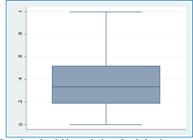
The median ratio of completed endodontic treatments to endodontic access procedures performed in SUS municipalities was 0.33; that is, for every 10 teeth opened for pain relief due to deep dental caries, approximately three teeth had their endodontic treatment completed (Figure 1).
In the crude and adjusted analyses, the Northeastern region stood out, with nearly twice the likelihood of greater resolution than the Southern region. With increases in population size and HDI-M, the resolution of endodontic treatments decreased. In the adjusted analysis, medium-sized municipalities had twice the chance as larger municipalities, and municipalities in the second quartile of HDI-M had 2.5 times the chance as those in the highest HDI quartile (Table 4).
Crude and adjusted analysis of the resolution of endodontic treatments in SUS according to contextual variables and characteristics of oral health services in Brazilian municipalities.
The resolution rate of endodontic treatments was significantly higher in municipalities with lower dental plan coverage, with municipalities with coverage below 2% having a 2.4 times greater chance than municipalities with coverage equal to or greater than 10%. Regarding oral health coverage in the FHS, although municipalities with greater coverage had a higher resolution rate in the crude analysis, this association did not persist in the adjusted analysis. The same occurred with the existence of the Urgent Care Center, a greater number of dentists per 100,000 inhabitants, and greater first dental consultation coverage. Municipalities classified as very good or excellent in the PMAQ-CEO certification had a 40% higher resolution rate than those with worse classifications (Table 4).
Discussion
The results of this study indicate that greater resolution of endodontic treatments in SUS was associated with municipalities in the Northeastern region, with medium-sized populations, intermediate HDI-M, lower dental plan coverage, and better performance in the second cycle of PMAQ-CEO.
Despite the progress in the implementation and provision of specialized care in Brazil, notably in endodontics [3,11,12], the present study shows that in half of the Brazilian municipalities, for every ten open teeth, at least seven do not have endodontic treatment resolved in SUS. This demonstrates that the resolution of this treatment in the Brazilian public system remains low, reflecting lower access to dental specialties than to Primary Health Care.
However, in Brazil, the increase in oral health team coverage in FHS since the 2000s has not been accompanied by the same rate of expansion in access to specialized care, compromising the principle of SUS comprehensiveness and, consequently, the resolution of treatment [22-26].
Since the implementation of the Brazilian Oral Health Policy (PNSB), studies [3,11,12,24-26,28] have evaluated the performance of specialized care in the SUS using various criteria. Regarding performance by region, there is divergence in results. A study analyzing the fulfillment of CEO goals found better performance in the Southeastern region and worse performance in the Southern and Northeastern regions [24]. In another study, based on the average number of procedures, the Southeastern, Northeastern, and Southern regions had a higher proportion of CEO with poor/regular evaluation [11]. In the present study, the Northeastern region presented the most satisfactory result. An ecological study [27] evaluated structural indicators in the Health Units that participated in the second and third cycles of the Primary Care Access and Quality Improvement Program (PMAQ-AB), indicating that the Northeastern region had the most participating teams and the lowest percentage of health units with worsening indicators. The authors suggest that the region's positive results may have been influenced by investments in primary care and by the region's historical preference for the family health care model. It is noteworthy that each study evaluated health services using different measures, making comparisons of the findings difficult. To our knowledge, this is the only study to evaluate oral health care using an indicator that integrates two levels of care: Specialized Dental Care and Primary Health Care.
Regarding size and HDI-M, although studies carried out with data from the first cycle of PMAQ-CEO, based on the achievement of goals per specialized procedure show better performance of CEO in municipalities with larger populations and better human development index [11,12,26], this study demonstrated that when data are analyzed in an integrated manner with Primary Health Care, there is less treatment continuity in these municipalities. Another study on the availability of specialized services also found more satisfactory results in smaller municipalities with lower HDI-M scores than in more socially developed locations with larger populations [3]. These findings demonstrate the relevance of the Brazilian Oral Health Policy (PNSB), especially in smaller and less developed municipalities, and evidence its effect on the expansion and qualification of secondary care, particularly in vulnerable municipalities [28]. The greater resolution of endodontic treatment in SUS, linked to the higher PMAQ-CEO certification score, also highlights the importance of this program in reducing inequities and improving team performance. These results are very relevant, considering their potential to support policies aimed at improving the treatment of dental caries and their significance in achieving more equitable conditions for the population using public oral health services in Brazilian municipalities. Other studies have also demonstrated the program's effect on Primary Health Care, showing greater improvement in the average performance of PMAQ-AB in poorer municipalities across the three cycles, as well as an association between better structure and work processes in public oral health services and better performance [27,29].
Given the nature of the data source used to measure the study outcome, which includes only outpatient procedures performed in SUS, its results only allow for the evaluation of treatments completed in the public system, and it is not possible to include treatments that were initiated in SUS but were completed in the private system and vice versa. This helps explain the association between greater resolution of endodontic treatments in SUS and lower dental plan coverage. It could be inferred that municipalities with greater dental plan coverage may have a higher number of treatments completed outside the SUS, thereby reducing the ratio of completed endodontic treatments to endodontic access procedures performed in the SUS.
In summary, the study's initial hypothesis was partially confirmed, showing greater resolution of endodontic treatments in SUS in municipalities with an intermediate social context but favorable health system characteristics, as demonstrated by superior performance in the PMAQ-CEO outcomes. Given the persistent challenges in the provision and effectiveness of endodontic treatments within Brazil's Unified Health System (SUS), the literature highlights strategic pathways to improve service quality and expand resolvability. Continuous professional development of primary care oral health teams is essential, enabling them to perform low-complexity endodontic procedures with appropriate technologies and well-defined clinical protocols [2,30]. At the same time, the consolidation of integrated care flows between primary care and CEO must be supported by regulation mechanisms based on clinical criteria to ensure the rational use of specialized services [30,31]. The incorporation of specific performance indicators - such as treatment completion rates, waiting times, and retreatment rates - should guide the monitoring and evaluation processes, providing evidence for decision-making by managers and policymakers [31,32]. In this context, increasing the resolvability of endodontic treatments in the SUS requires not only broader access but also strengthened management, clinical quality, and analytical capacity within oral health services [30].
The study's limitations are inherent to its nature: it is an ecological study based on secondary data, which is subject to inaccuracies and limitations in the quality and availability of the information needed to better explain the phenomenon under study. In addition, the causal interpretation of the relationships between variables should be avoided. Another point worth highlighting is that compliance with the inclusion criteria may have excluded municipalities with less-organized health systems (as evidenced by non-adherence to the PMAQ-CEO and the low quality of reported data). This may have overestimated the median of the ratio of completed endodontic treatments to endodontic access procedures performed by the dentist. On the other hand, the national scope and the use of an indicator that integrates two levels of care in the oral health assessment can be considered strengths of the study.
Conclusion
Factors associated with a greater chance of resolution were municipalities in the Northeastern region, of medium size, with medium HDI-M, lower dental plan coverage, and better performance in the PMAQ-CEO. Municipalities of all sizes demonstrate greater fragility in care continuity, as reflected in a low proportion of completed endodontic treatments within the Brazilian Unified Health System. These results indicate the need for future research to investigate the underlying reasons for this finding.
-
Financial Support
None.
Data Availability
The data used to support the findings of this study can be made available upon request to the corresponding author.
References
-
[1] Bernabe E, Marcenes W, Hernandez CR, Bailey J, Abreu LG, Alipour V, et al. Global, regional, and national levels and trends in burden of oral conditions from 1990 to 2017: A systematic analysis for the Global Burden of Disease 2017 Study. J Dent Res 2020; 99(4):362-373. https://doi.org/10.1177/0022034520908533
» https://doi.org/10.1177/0022034520908533 - [2] Brasil. Ministério da Saúde. Secretaria de Atenção à Saúde. Departamento de Atenção Básica. Coordenação Nacional de Saúde Bucal. Diretrizes da Política Nacional de Saúde Bucal. Brasília: Ministério da Saúde; 2004. 16p. [In Portuguese].
-
[3] Galvão MHR, Roncalli AG. Performance of Brazilian municipalities in the supply of specialized oral health services. Cad Saúde Pública 2021; 37(1):e00184119. https://doi.org/10.1590/0102-311X00184119
» https://doi.org/10.1590/0102-311X00184119 -
[4] Stein C, Santos KW, Condessa AM, Celeste RK, Hilgert JB, Hugo FN. Presence of Specialized Dentistry Centers and the relationship with dental extractions in the oral healthcare network in Brazil. Cad Saúde Pública 2020; 36(1):e00054819. https://doi.org/10.1590/0102-311X00054819
» https://doi.org/10.1590/0102-311X00054819 -
[5] Queiroz RCS, Ribeiro AGA, Tonello AS, Pinheiro ACM, Júnior JA, Rocha TAH, et al. Is there a fair distribution of the structure of dental services in the capitals of the Brazilian Federative Units? Int J Equity Health 2019; 18(1):5. https://doi.org/10.1186/s12939-018-0899-5
» https://doi.org/10.1186/s12939-018-0899-5 -
[6] Mattos GCM, Ferreira EFE, Leite ICG, Greco RM. The inclusion of the oral health team in the Brazilian Family Health Strategy: Barriers, advances and challenges. Ciênc Saúde Coletiva 2014; 19(2):373-382. https://doi.org/10.1590/1413-81232014192.21652012
» https://doi.org/10.1590/1413-81232014192.21652012 -
[7] Silva HEC, Gottems LBD. The interface between primary and secondary care in dentistry in the Unified Health System (SUS): An integrative systematic review. Ciênc Saúde Coletiva 2017; 22(8):2645-2657. https://doi.org/10.1590/1413-81232017228.22432015
» https://doi.org/10.1590/1413-81232017228.22432015 -
[8] Magalhães MBP, Oliveira DV, Lima RF, Ferreira EF, Martins RC. Evaluation of secondary care in endodontics at a Dental Specialties Center (DSC). Ciênc Saúde Coletiva 2019; 24(12):4643-4654. https://doi.org/10.1590/1413-812320182412.04112018
» https://doi.org/10.1590/1413-812320182412.04112018 -
[9] Carrer F, Cayetano M, Gabriel M, Melani A, Martins J, Araujo M. Situation of endodontics in the public health service in Brazil through the Access and Quality Improvement Program (PMAQ-CEO). Pesqui Bras Odontopediatria Clin Integr 2018; 18(1):e3198. https://doi.org/10.4034/PBOCI.2018.181.54
» https://doi.org/10.4034/PBOCI.2018.181.54 -
[10] Pinto RS, Lucas SD, Goes PSA, Silva SL, Neves ÉSM, Zina LG, et al. Contextual and local determinants associated with the achievement of goals in the endodontics specialty in Brazilian dental speciality centres: A multilevel analysis. Community Dent Oral Epidemiol 2022; 50(1):74-82. https://doi.org/10.1111/cdoe.12722
» https://doi.org/10.1111/cdoe.12722 -
[11] Cortellazzi KL, Balbino EC, Guerra LM, Vazquez FL, Bulgareli JV, Ambrosano GMB, et al. Variables associated with the performance of Centers for Dental Specialties in Brazil. Rev Bras Epidemiol 2014; 17(4):978-988. https://doi.org/10.1590/1809-4503201400040015
» https://doi.org/10.1590/1809-4503201400040015 -
[12] Machado FCA, Silva JV, Ferreira MÂF. Factors related to the performance of Specialized Dental Care Centers. Ciênc Saúde Coletiva 2015; 20(4):1149-1163. https://doi.org/10.1590/1413-81232015204.00532014
» https://doi.org/10.1590/1413-81232015204.00532014 -
[13] Turrini RNT, Lebrão ML, Cesar CLG. Case-resolving capacity of health care services according to a household survey: Users' perceptions. Cad Saúde Pública 2008; 24(3):663-674. https://doi.org/10.1590/S0102-311X2008000300020
» https://doi.org/10.1590/S0102-311X2008000300020 -
[14] Esposti CDD, Santos-Neto ET, Oliveira AE, Travassos C, Pinheiro RS. Social and geographical inequalities in the performance of prenatal care in a metropolitan area of Brazil. Ciênc Saúde Coletiva 2020; 25(5):1735-1750. https://doi.org/10.1590/1413-81232020255.32852019
» https://doi.org/10.1590/1413-81232020255.32852019 -
[15] Brasil. Ministério da Saúde (BR). TabNet Win32 3.0: População Residente - Espírito Santo. Brasília: DATASUS; 2025. Available from: http://tabnet.datasus.gov.br/cgi/tabcgi.exe?ibge/cnv/popes.def [Accessed on July 30, 2022]. [In Portuguese].
» http://tabnet.datasus.gov.br/cgi/tabcgi.exe?ibge/cnv/popes.def -
[16] Goes P, Figueiredo N, Martelli P, Luvison I, Werneck M, Ribeiro M, et al. Theoretical and methodological aspects of the external evaluation of the Improvement, Access and Quality of Centers for Dental Specialties Program. Pesqui Bras Odontopediatria Clin Integr 2018; 18(1):e3433. https://doi.org/10.4034/PBOCI.2018.181.60
» https://doi.org/10.4034/PBOCI.2018.181.60 -
[17] Calvo MCM, Lacerda JT, Colussi CF, Schneider IJC, Rocha TAH. Municipalities Stratification for Health Performance Evaluation. Epidemiol Serv Saúde 2016; 25(4):767-776. https://doi.org/10.5123/S1679-49742016000400010
» https://doi.org/10.5123/S1679-49742016000400010 -
[18] Leme PAT, Seiffert OMLB. Oral health indicators in the context of Brazilian oral health policy: An integrative review. Physis 2021; 31(2):e310211. https://doi.org/10.1590/S0103-73312021310211
» https://doi.org/10.1590/S0103-73312021310211 -
[19] França MASA, Freire MCM, Pereira EM, Marcelo VC. Indicators proposed by the Brazilian Ministry of Health for monitoring and evaluating oral health actions in the National Health System: documentary research, 2000-2017. Epidemiol Serv Saúde 2020; 29(1):e2018406. https://doi.org/10.5123/S1679-49742020000100002
» https://doi.org/10.5123/S1679-49742020000100002 - [20] Brasil. Ministério da Saúde (BR). Relatório do 2º Ciclo da Avaliação Externa do Programa de Melhoria do Acesso e da Qualidade dos Centros de Especialidades Odontológicas PMAQ-CEO. São Paulo: FOUSP; 2021. [In Portuguese].
- [21] Instituto Brasileiro de Geografia e Estatística. Censo Brasileiro de 2010. Brasília: IBGE; 2012. [In Portuguese].
-
[22] Chaves SCL, Cruz DN, Barros SG, Figueiredo AL. Assessing the supply and use of secondary care in specialized dental clinics in Bahia State, Brazil. Cad Saúde Pública 2011; 27(1):143-154. https://doi.org/10.1590/S0102-311X2011000100015
» https://doi.org/10.1590/S0102-311X2011000100015 -
[23] Herkrath FJ, Vettore MV, Werneck GL. Contextual and individual factors associated with dental services utilisation by Brazilian adults: A multilevel analysis. PLoS One 2018; 13(2):e0192771. https://doi.org/10.1371/journal.pone.0192771
» https://doi.org/10.1371/journal.pone.0192771 -
[24] Martins RC, Reis CMR, Machado ATGM, Amaral JHL, Werneck MAF, Abreu MHNG. Relationship between primary and secondary dental care in public health services in Brazil. PLoS One 2016; 11(10):e0164986. https://doi.org/10.1371/journal.pone.0164986
» https://doi.org/10.1371/journal.pone.0164986 -
[25] Goes PSA, Figueiredo N, Neves JC, Silveira FM, Costa JFR, Pucca Júnior GA, et al. Evaluation of secondary care in oral health: A study of specialty clinics in Brazil. Cad Saúde Pública 2012; 28(Suppl): S81-S89. https://doi.org/10.1590/S0102-311X2012001300009
» https://doi.org/10.1590/S0102-311X2012001300009 -
[26] Andrade FB, Pinto RS, Antunes JLF. Trends in performance indicators and production monitoring in Specialized Dental Clinics in Brazil. Cad Saúde Pública 2020; 36(9):e00162019. https://doi.org/10.1590/0102-311X00162019
» https://doi.org/10.1590/0102-311X00162019 -
[27] Galhardo VF, Meneghin MC, Leme PAT. Comparison of health unit structure indicators between the 2013-2018 cycles of the PMAQ. Saúde Pesqui 2023; 16(2):1-18. https://doi.org/10.17765/2176-9206.2023v16n2.e11245
» https://doi.org/10.17765/2176-9206.2023v16n2.e11245 -
[28] Santos JL, Ferreira RC, Amorim LP, Santos ARS, Chiari APG, Senna MIB. Oral health indicators and sociodemographic factors in Brazil from 2008 to 2015. Rev Saúde Pública 2021; 55:25. https://doi.org/10.11606/s1518-8787.2021055002763
» https://doi.org/10.11606/s1518-8787.2021055002763 - [29] Kovacs R, Maia Barreto JO, Silva EN, Borghi J, Kristensen SR, Costa DRT, et al. Socioeconomic inequalities in the quality of primary care under Brazil’s national pay-for-performance programme: A longitudinal study of family health teams. Lancet Glob Health 2021; 9(3):e331-339.
-
[30] Laroque MB, Fassa AG, Castilhos ED. Evaluation of secondary dental health care at the Dental Specialties Center, Pelotas, Rio Grande do Sul, Brazil, 2012-2013. Epidemiol Serv Saude. 2015;24(3):421-430. https://doi.org/10.5123/S1679-49742015000300008
» https://doi.org/10.5123/S1679-49742015000300008 -
[31] Lippert AO, Mendonça FF, Carvalho BG, Caldarelli PG. The Dental Specialties Center as a point of attention in the Oral Health Care Network in a region of Paraná. Braz J Oral Sci 2020; 19:e209984. https://doi.org/10.20396/bjos.v19i0.8659984
» https://doi.org/10.20396/bjos.v19i0.8659984 -
[32] Melgaço-Costa JLB, Martins RC, Ferreira EF, Ribeiro Sobrinho AP. Evaluation of endodontic productivity in oral public healthcare services in Minas Gerais, Brazil. Res Soc Dev 2023; 11(2):25484. https://doi.org/10.33448/rsdv11i2.25484
» https://doi.org/10.33448/rsdv11i2.25484
Edited by
-
Academic Editor:
Wilton Wilney Nascimento Padilha

