 Yield, water-use efficiency and seed oil content in irrigated canola under a tropical high-altitude environment1
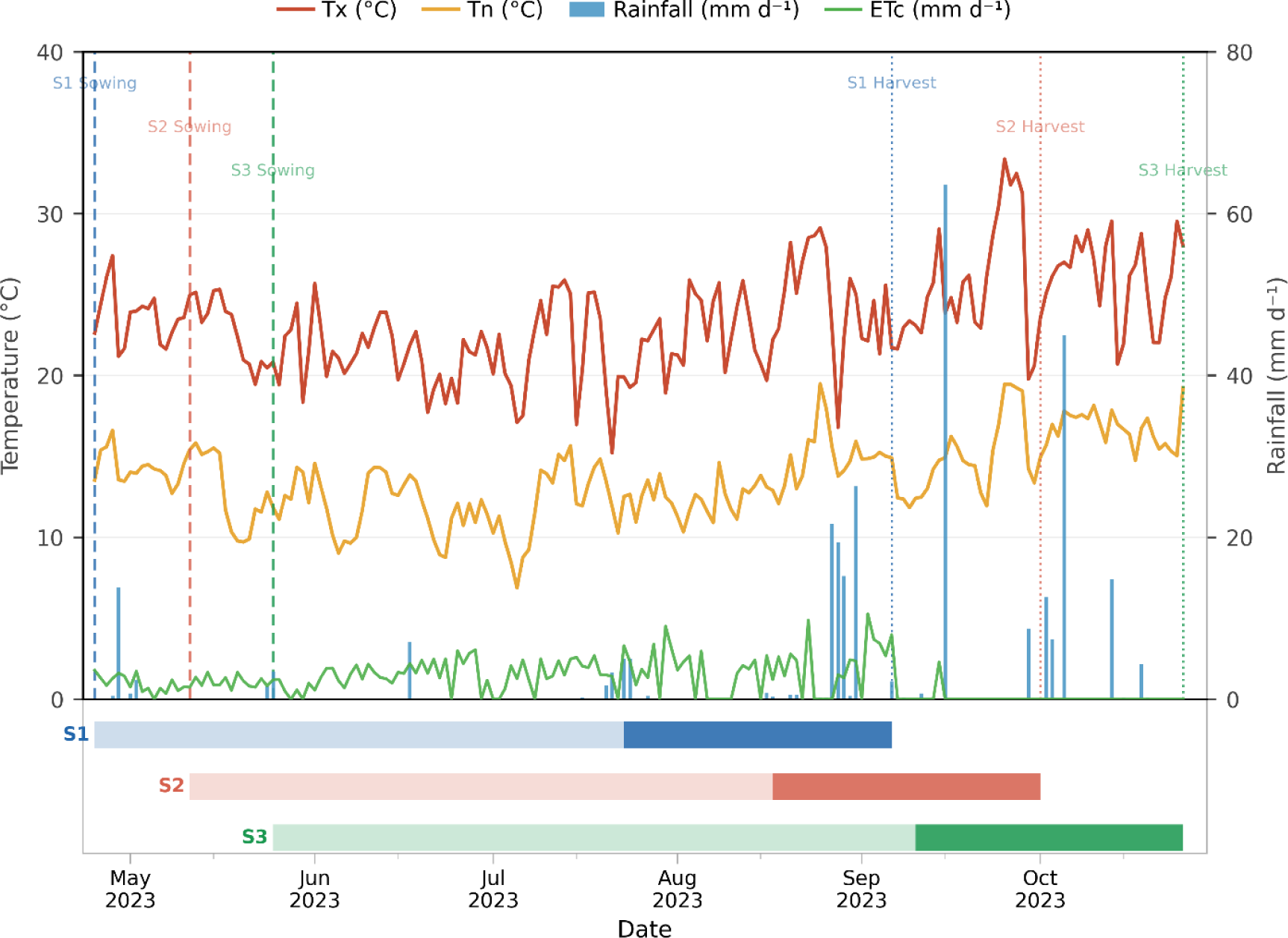
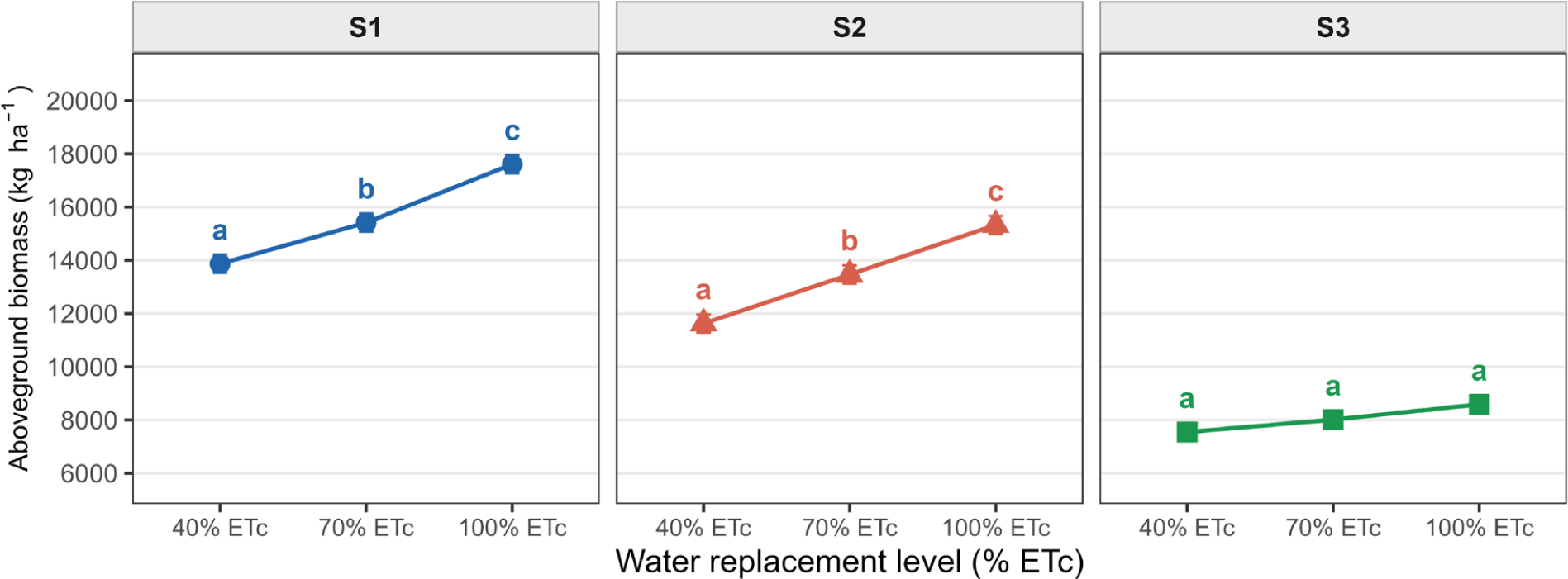
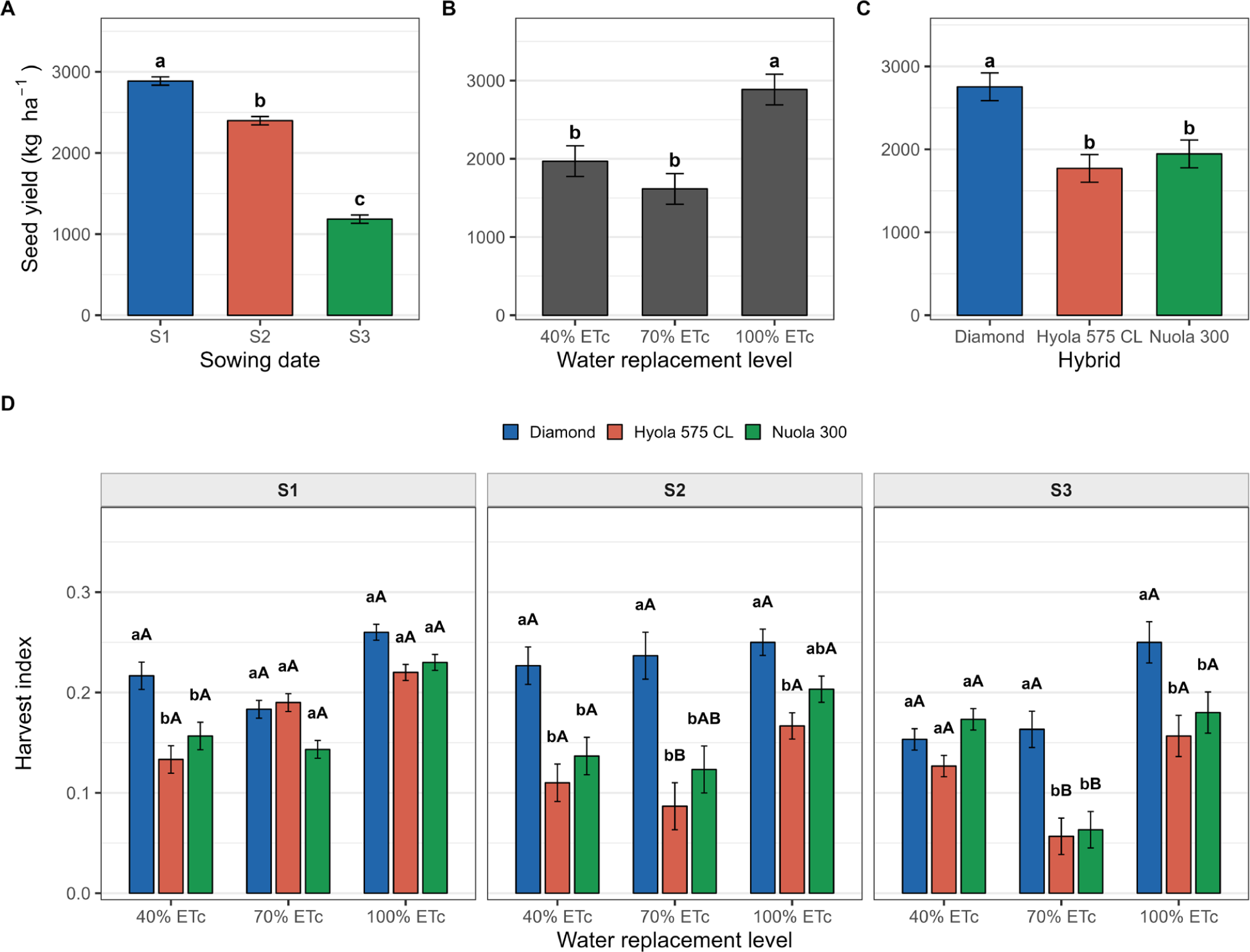
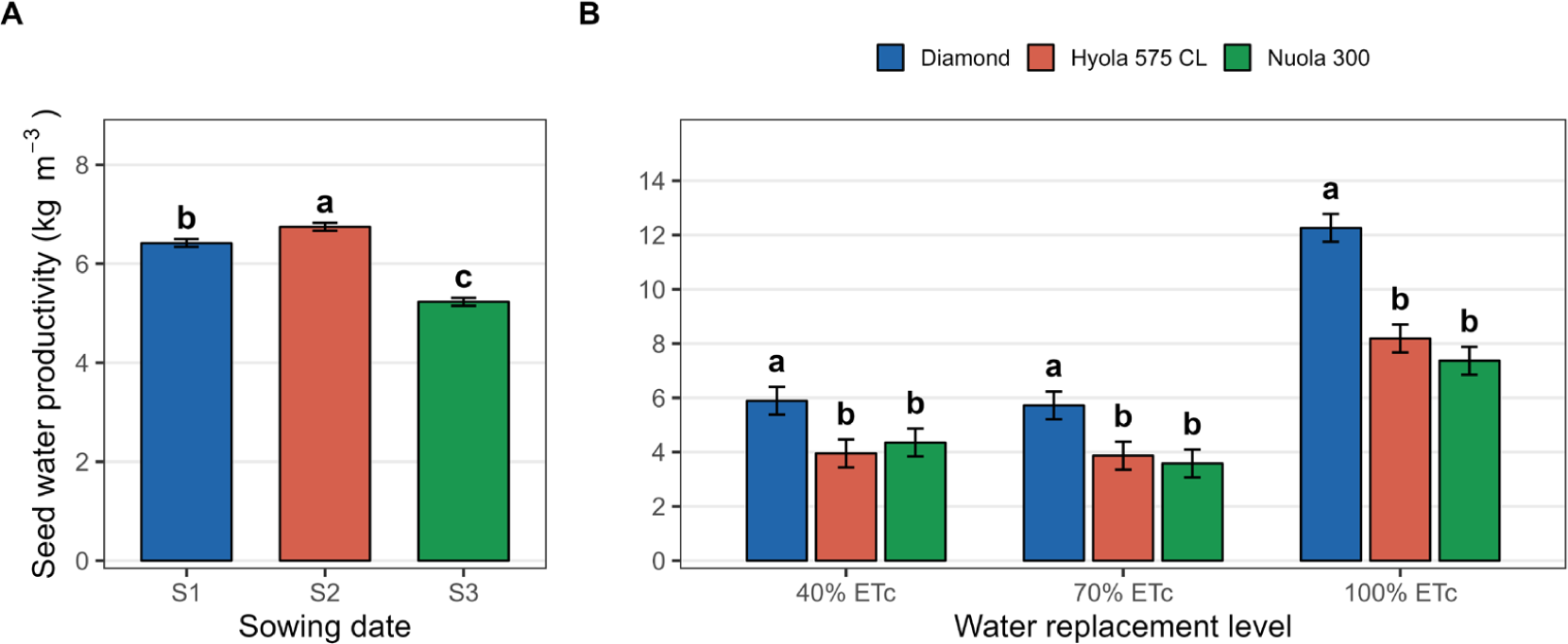
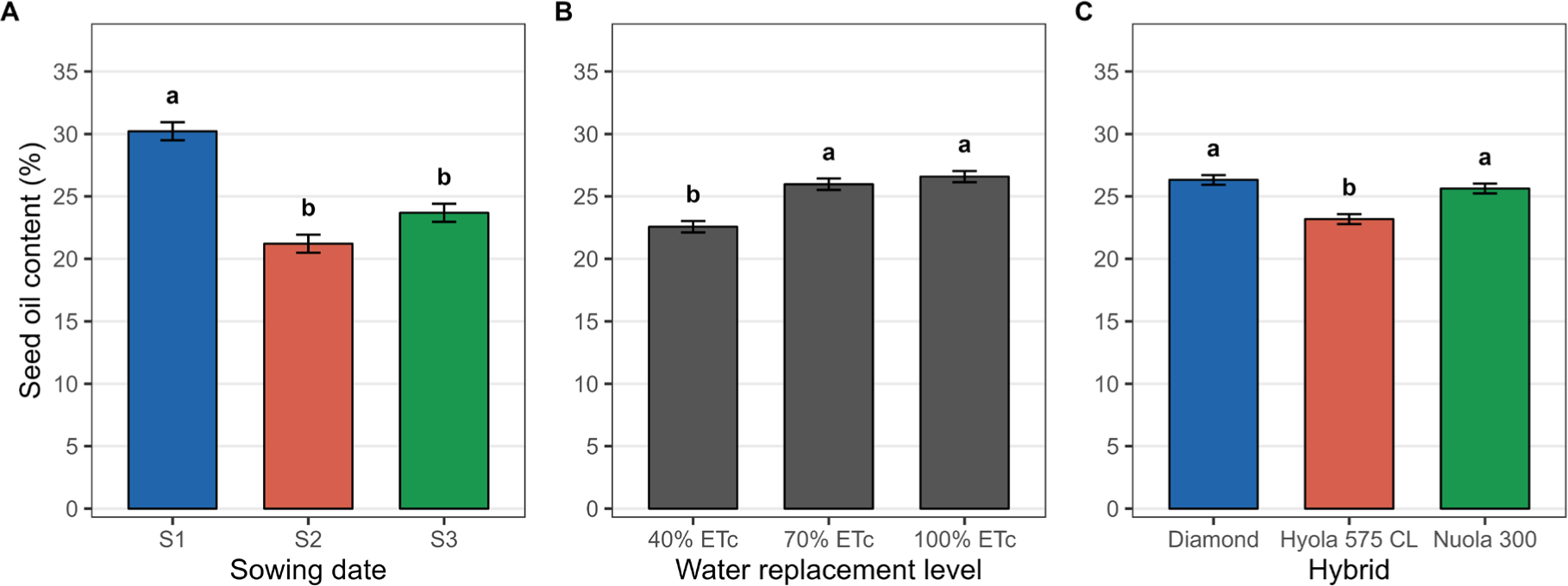
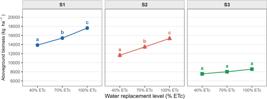
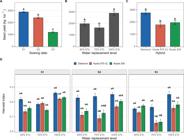
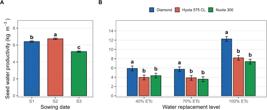
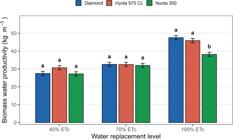
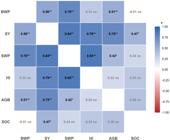
The expansion of canola into tropical regions requires an understanding of the relationships among yield, water-use efficiency, and oil content under irrigated conditions. This study aimed to evaluate the effects of sowing date, water replacement level, and genotype on the performance of irrigated canola. The experiment was conducted using a randomized complete block design, involving three sowing dates (April 25, May 11 and 25), three water replacement levels (100, 70, and 40 % of the crop evapotranspiration - ETc), and three hybrids. The aboveground biomass, seed yield, harvest index, water productivity, and oil content were evaluated. Sowing date was the main factor determining crop performance. The mean maximum temperatures during the last 45 days of the crop cycle increased from 24.0 to 26.6 °C between the earliest and latest sowing dates. Sowing on April 25 resulted in a greater biomass (15.6 Mg ha-1), seed yield (2.89 Mg ha-1), and oil content (30.2 %), whereas sowing on May 25 reduced the seed yield by nearly 60 %. The full ETc replacement maximized the seed yield, whereas the severe water deficit (40 % ETc) reduced the biomass and oil content. The seed water productivity ranged from 5.23 to 6.75 kg m-3, with the highest value observed at the intermediate sowing date. Diamond showed a greater yield, water productivity, and harvest index. The early sowing associated with the adequate water replacement maximized the yield and oil content.
KEYWORDS:
Brassica napus L.; water productivity; irrigation deficit
 Thumbnail
 Thumbnail
 Thumbnail
 Thumbnail
 Thumbnail
 Thumbnail
 Thumbnail