Music and Ergonomics: A State-of-the-Art Review of Brazilian Bibliographic Production
Abstract
This study provides a comprehensive state-of-the-art review of Brazilian research at the intersection of music and ergonomics. Based on a survey and analysis of doctoral theses and master’s dissertations with no restriction on publication date, as well as peer-reviewed scientific articles published between 2012 and 2022, this analysis identifies predominant themes, emerging trends, and persistent gaps in the academic discourse within these domains. The results reveal a perspective largely centered on health across much of the literature, with particular emphasis on musculoskeletal complaints, occupational disorders, and associated risks. Notably, studies originating within the field of music tend to propose more specific and concrete ergonomic interventions for musicians. The scarcity of proposed ergonomic interventions especially in studies conducted outside the field of music, points to a critical gap that requires further attention in future research. This overview advocates interdisciplinary collaboration between ergonomics specialists and scholars with deep expertise in musical performance to bridge this gap and develop evidence-based, context-specific ergonomic interventions. By clarifying the current theoretical landscape, the article aims to inform future studies, particularly in piano performance, and to encourage focused investigation of aspects that require deeper examination.
Keywords:
Music; Ergonomics; Musical performance
Resumo
Esta pesquisa fornece um panorama do estado da arte da produção bibliográfica brasileira na intersecção das áreas de música e ergonomia. Com o levantamento e análise de teses de doutorado e dissertações de mestrado sem limite de data de publicação, e artigos científicos revisados por pares produzidos na década 2012-2022, identificou-se, naqueles domínios, temas predominantes, tendências emergentes e lacunas persistentes no discurso acadêmico. Os resultados revelam uma perspectiva predominante centrada na saúde em grande parte da literatura, enfatizando queixas musculoesqueléticas, doenças ocupacionais e riscos associados. Notavelmente, estudos provenientes diretamente da área da música tendem a propor intervenções ergonômicas mais específicas e concretas aos músicos. A escassez de ações ergonômicas propostas, principalmente em estudos fora da área da música, aponta para uma lacuna crítica que requer atenção em pesquisas futuras. Nesta investigação defende-se a colaboração interdisciplinar entre especialistas em ergonomia e acadêmicos com um profundo conhecimento em performance musical para preencher essa lacuna com o objetivo de propor intervenções ergonômicas baseadas em evidências e contexto-específicas. Ao esclarecer o panorama teórico existente, pretende-se informar estudos futuros, especificamente na performance pianística, incentivando uma exploração focada em aspectos específicos que requerem uma investigação mais profunda.
Palavras-chave:
Música; Ergonomia; Performance musical
Practicing a musical instrument is an essential component of a musician’s professional practice. Like other instrumentalists, pianists employ a combination of strategies to organize their work and realize a musical idea. Whether or not musicians are consciously aware of the processes involved, the organization and execution of their practice play a critical role in determining its effectiveness. Investigating the organization of instrumental practice has the potential to provide strategies for optimizing the “system” that is, achieving the intended sound result efficiently, while reducing the necessary practice time.
Analyzing the processes involved in piano practice is inherently interdisciplinary, given the complexity of the practice itself and the variety of approaches adopted by musicians of different styles and backgrounds. Since the late nineteenth century, research has increasingly addressed piano practice from an interdisciplinary perspective, seeking to deepen understanding and propose strategies for optimizing instrumental performance process (Fink, 1992; Jaëll, 1897; Kaplan, 1987; Kochevitsky, 1995; Póvoas 1999; Richerme, 1996). Examining the processes involved in piano practice requires investigating the relationship between humans and work, since musical training entails systematic, and prolonged engagement with the instrument. This is precisely the domain of ergonomics (or human factors), a field that studies the interaction of humans with work “with the aim of improving human well-being and the overall performance of the system”1 (Dul; Weerdmeester, 2012, p. 13).
The term ergonomics originates from the Greek words ergon (work) and nomos (rules or natural laws). As the science of work, it is the discipline that studies the interactions between humans and their work, inevitably encompassing equipment and the environment. The term was coined in 1950, and the field became more formally established with the founding of the British Ergonomics Research Society in the same year. Prior to this date, related areas existed under the labels “work physiology,” “work psychology,” and “human factors,” which were later largely replaced by the term ergonomics, although in the United States the term human factors persisted and is understood as synonymous with ergonomics (Iida, 2005).
The study of ergonomics is commonly divided into three domains: physical, cognitive, and organizational ergonomics. Physical ergonomics addresses anatomical, anthropometric, physiological, and biomechanical factors related to work and how these interact with the physical activities performed. Topics within physical ergonomics may include postural aspects, object handling, repetitive movements, and musculoskeletal disorders, as well as factors associated with the workplace, worker safety, and health. Cognitive ergonomics involves mental processes, such as decision-making, memory, and motor response, and how these relate to other elements of the system. It addresses issues such as mental workload, decision-making, skill performance, stress, human-computer interaction, and training. Organizational ergonomics encompasses the optimization of sociotechnical systems, including organizational structures, policies, and processes. It investigates aspects such as communication, team management, work design, work scheduling, teamwork, participatory design, and quality control, among others (IEA, 2000).
Despite the relatively recent establishment of the field of ergonomics in the mid-twentieth century, its main concerns the improvement of overall performance and workers’ well-being are closely related to those of musical performance. Interest in biomechanical and postural aspects of piano technique can be traced back to the earliest theoretical works on instrumental practice.
For example, Frei Tomás de Santa Maria (ca. 1510–1570), in Arte de Tañer Fantasía (1565), emphasized correct hand placement and key striking, recommending a hand position in which the wrist remains level with the curved fingers. In the early eighteenth century, Jean-Philippe Rameau (1683–1764) further explored finger mechanics and advocated economical movement based on natural finger curvature and flexible wrists. The eighteenth and nineteenth centuries saw the proliferation of technical exercises in the pedagogical works of composers such as Clementi, Cramer, and Czerny, aimed at developing finger independence and muscular control. With the piano’s evolution and heavier key mechanisms, attention increasingly turned to physical conditioning, exemplified by Henri Herz’s Dactylion device. While anatomical studies began to intersect with musical practice, early attempts often led to recommendations that could be physiologically harmful. Notably, Frédéric Chopin emphasized respect for individual finger characteristics, advocating hand positions and techniques that leveraged arm weight and wrist flexibility for sound production. This approach reflects an empirical awareness of anthropometric and biomechanical principles long before these were scientifically validated (Chiantore, 2001).
By the late nineteenth and twentieth centuries, systematic approaches to piano technique increasingly integrated anatomical, physiological, and cognitive considerations. Ludwig Deppe introduced the coordinated use of arm, wrist, and finger movements, while Marie Jaël applied a physiologically analytical perspective to technical execution, linking finger movements to intended sound outcomes (Póvoas, 1999). The so-called anatomic-physiological and psycho-technical schools further reflected the interdisciplinary concern with optimizing performance without compromising health (Kochevitsky, 2016; Fink, 1992). In Brazil, Kaplan (1987) and Richerme (1996) incorporated motor learning, muscle coordination, and ergonomic principles into piano pedagogy, emphasizing both physical and psychological well-being. These historical and modern perspectives collectively illustrate a longstanding and evolving concern with “ergonomic” considerations in piano pedagogy, including efficient movement, injury prevention, and the holistic development of the pianist (Chiantore, 2001; Barros, 2008; Póvoas, 1999, 2006, 2017; Póvoas & Andrade, 2010).
Given this longstanding historical concern with optimizing both technique and well-being, it is reasonable to expect that interdisciplinary studies integrating ergonomics and piano practice would gradually emerge.
This paper provides a comprehensive state-of-the-art review of Brazilian research applying ergonomic concepts to the field of music. Its main objective is to outline the contemporary panorama of this body of research. To achieve this goal, the study pursues three specific objectives: (1) to identify prevalent themes and emerging trends within the existing body of knowledge; (2) to explore persistent gaps in the academic discourse; and (3) to provide a theoretical foundation for future ergonomics-oriented research in musical performance, with particular emphasis on the piano. Together, these objectives offer a structured approach to understanding the intersection between ergonomics and musical performance.
With regard to the first objective, this study examines the corpus of Brazilian academic works to identify emerging trends and predominant themes in the application of ergonomics in music. The results reveal a discourse centered on musculoskeletal complaints, organizational influences, and the delineation of effective ergonomic practices. Mapping these trajectories provides a foundation for understanding the occupational risks associated with the profession and the ways in which ergonomic interventions may optimize musicians’ practice and performance while enhancing their well-being.
The second objective focuses on identifying gaps in the existing body of knowledge within this field. While acknowledging the considerable volume of academic output, the analysis seeks to highlight areas that require further investigation. In particular, the study identifies a scarcity of comprehensive ergonomic interventions proposed in the literature. This research therefore aims to shed light on potential pathways for addressing this gap, including the possible lack of specialized musical knowledge among researchers, which may contribute to the limited development of effective ergonomic recommendations, especially in relation to musical practice.
By examining Brazilian doctoral theses and master’s dissertations2 (with no publication date restriction) as well as peer-reviewed journal articles published between 2012 and 2022, this study aims to clarify the current landscape. The findings are intended to inform future studies, particularly in piano performance, thereby encouraging more focused exploration of aspects that require deeper investigation. The insights derived from this analysis have practical relevance for musicians, educators, and health professionals, providing a foundation for the development of evidence-based ergonomic practices applicable to daily musical routines.
1. Methods
To conduct this systematic investigation and identify the current Brazilian body of academic production at the intersection of music and ergonomics, we analyzed doctoral theses, master’s dissertations and peer-reviewed journal articles that address these two areas of knowledge. Theses and dissertations were analyzed without any restriction on publication date, whereas journal articles were limited to a ten-year publication period (2012-2022). This choice was intended to capture recent academic discourse while also providing a broader perspective on the development of these themes in Brazil. Because theses and dissertations are typically more extensive works, and because an ergonomics-oriented perspective on music is relatively recent, we expected to identify relatively few such studies, while anticipating a larger number of peer-reviewed journal articles. By adopting this broad scope, the study seeks to understand the development of research and the progression of the intersection between ergonomics and music. The ten-year time frame for journal articles was established to assess the relevance of the topic in recent research.
The databases selected for this search are among the most relevant resources provided by Brazilian government agencies. For the search of theses and dissertations, we used the BTDT (Brazilian Digital Library of Theses and Dissertations3), maintained by IBICT (Brazilian Institute of Information in Science and Technology4), and the CAPES (Coordination for the Improvement of Higher Education Personnel5) Theses and Dissertations Catalog. For the search of peer-reviewed journal articles, we used the CAPES Periodical Portal, which provides access to national and international publications from more than 39,000 periodicals and 396 databases6.
The field of ergonomics is relatively recent, having been formally established in the 1950s. However, because the pursuit of greater efficiency and the maintenance of human well-being, central concerns of ergonomics, are intrinsic to the study of piano technique research engaging both fields naturally. Ergonomics is itself interdisciplinary in nature, and therefore contributions from diverse areas were expected.
A preliminary search was conducted to test combinations of keywords. Because the initial results revealed a limited number of works, the keywords were defined as broadly as possible, using terms “music” and “ergonomics” combined with the Boolean operator AND.
The searches were conducted in March 2023. The retrieved publications were initially screened through a review of their titles and abstracts. The evaluation process first prioritized the removal of duplicates, followed by the exclusion of works not aligned to the proposed theme. Because the objective of this study was to provide a panoramic overview of academic contributions related to music and ergonomics, a broad inclusion threshold was adopted, excluding only works not directly related to either field.
Subsequently, the full texts of the remaining publications were retrieved and examined in order to identify their main contributions, map emerging trends and persistent themes, and identify gaps in the existing body of knowledge.
2. Results
Table 1 presents an overview of the selection process for the bibliographic corpus analyzed in this study. Although the initial search retrieved 42 publications a substantial reduction occurred during the screening and eligibility stages, resulting in 17 studies that met the inclusion criteria.
The BTDT search yielded 17 results, comprising 13 dissertations and 4 theses. After reviewing the abstracts, 5 dissertations showed no adherence to the theme, and after further examination of the texts, an additional dissertation was deemed irrelevant to the bibliographic portfolio, leaving a total of 7 dissertations and 4 theses.
The search in the CAPES Theses and Dissertations Catalog returned 14 results, including 12 dissertations and 1 thesis. After reviewing titles and abstracts, 3 dissertations and 1 thesis were identified as duplicates of works already found in the BDTD search, and seven dissertations were excluded because they were not relevant to the research topic. This process resulted in the inclusion of three dissertations.
Therefore, the combined results of these two searches yielded a total of ten dissertations and four theses. The full text of two dissertations could not be obtained. Although they are included in the overall count of Brazilian academic production, they were not included in the bibliographic portfolio analyzed in this study.
Regarding the dissertations and their areas of concentration, four are in the field of music (40%), two in production engineering (20%), two in psychology (20%), one in medicine (10%), and one in public health (10%). Thus, 40% of the dissertations have music as their primary area of concentration, while 60% originate from other areas.
With respect to the instrumental focus of the dissertations, three address orchestral musicians (30%), two focus on the piano (20%), one the cello (10%), one on the guitar (10%), one on the saxophone (10%), and one on percussion instruments (10%). One dissertation does not focus on a specific instrument but instead examines a music school as its research object (10%). Overall, only 20% of the studies focus on the piano as the main research subject, while 80% address other instruments or broader contexts.
Regarding the theses and their areas of concentration, two are in psychology (50%), one in production engineering (25%), and one in music (25%), meaning that 75% of the theses originate outside field of music. Concerning instrumental focus, two examine orchestral musicians (50%), one focuses on the piano (25%), and one does not address a specific instrument but instead investigates university music students more generally (25%). This indicates that 75% of the theses do not specifically focus on the piano.
For the retrieval of journal articles, a search was conducted using the terms music and ergonomics in the CAPES Periodicals Portal, limited to peer-reviewed articles published during the ten-year period between 2012 and 2022. Despite the initial expectation that more articles would be found than theses and dissertations, the search yielded a total of 11 articles, of which eight were excluded after reviewing titles and abstracts because they were not relevant to the research topic. The three remaining articles (100%) originate from health sciences and address issues related to musculoskeletal complaints and disorders among musicians. One article (33%) discusses injuries in classical guitarists, one presents a literature review on musculoskeletal disorders in musicians (33%), and one investigates musculoskeletal complaints among university music students (33%).
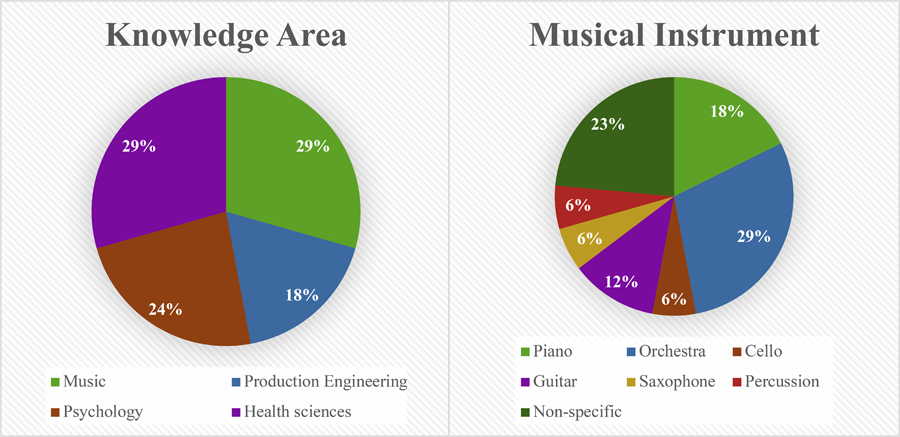
Figure 1 presents an overview of the distribution of knowledge areas and musical instruments analyzed in this study, including all theses, dissertations, and peer-reviewed articles identified throughout the bibliographic review. For the purposes of this synthesis, publications originally categorized under Medicine and Public Health were grouped together as Health Sciences, while Psychology was maintained as a separate field due to the specificity of its theoretical and methodological frameworks.
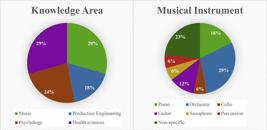
The distribution of knowledge areas shows that research produced within the field of music represents 29% of the total output, while 71% originates from other disciplines. The second chart displays the distribution of publications according to their primary research object, distinguishing studies by instrument or group. In this categorization, orchestral contexts account for 29% of the publications, while studies focused on piano performance the central object of this research represent 18%. Additionally, 23% of the literature adopts a non-specific approach, addressing broader populations such as musicians or students in general.
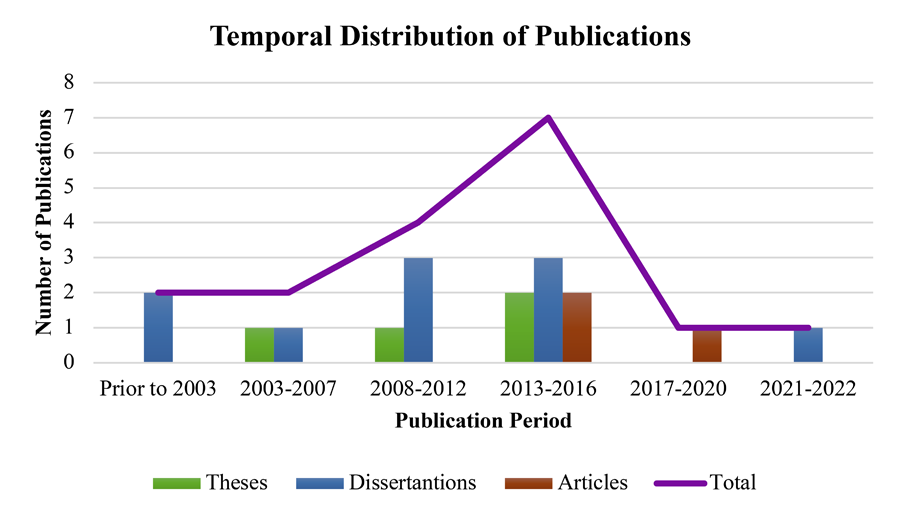
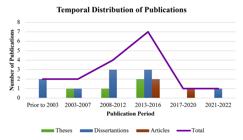
Figure 2 illustrates the temporal distribution of academic production in music and ergonomics, including two additional works published prior to 2003 whose full texts were unavailable, but whose abstracts met the selection criteria. The data reveal a sparse early presence of studies prior to 2003, followed by a gradual increase in research activity between 2003 and 2012. The period from 2013 to 2016 stands out as the most prolific, encompassing the highest number of theses, dissertations, and articles, while subsequent years show a marked decline in academic output. The inclusion of pre-2003 works allows for a more complete view of the field’s development, suggesting that early discussions on ergonomics and music performance already existed but gained greater methodological and disciplinary maturity only after 2010.
The following subsections present the bibliographic production identified in this study, highlighting each work’s area of study, objectives, methodology, and relevant findings. The first subsection discusses theses and dissertations while the second addresses peer-reviewed articles, with both organized by publication date.
2.1 Theses and Dissertations
Costa’s (2003) dissertation, from the field of psychology and one of the pioneering works in this area, conducts an ergonomic work analysis (EWA) of orchestral violists, focusing on pain complaints related to instrumental practice. The study integrates the physical, cognitive, and psychological dimensions of work, seeking to relate the characteristics of instrumental practice to the onset of pain. Costa investigates risk factors in musicians’ work activity and explores the strategies violists employ to minimize pain. This is achieved through a case study based on the methodological principles of EWA, involving six violists from a professional symphony orchestra.
The author highlights that the use of pain management strategies by violists indicates the normalization of pain as part of the profession. Addressing aspects of organizational ergonomics, the study suggests that discrepancies between prescribed tasks and actual work activity leave little room for minimizing the occurrence of pain. Factors identified in the study, such as peak workload demands, lack of rest periods, and the absence of temporal flexibility for learning new repertoire, align with findings in the literature, “especially regarding the role of work organization and its likely interference in workers’ health”7 (Costa, 2003, p. 122).
From the perspective of production engineering, Dimatos’ (2007) thesis presents a case study describing the working conditions and occupational health of 11 violinists from the orchestra Camerata Florianópolis. As exploratory research with a theoretical-empirical design, the study employs well-being inventories, Corllet diagrams, and kinematic analysis. The results reveal signs of stress, pains, and upper limb disorders among musicians, indicating difficulties in time management and a sense of acceleration and anxiety related to work demands. Kinematic analysis identified constraints on the upper limbs resulting from forced postures arising associated with the postural asymmetry required for violin playing. Dimatos suggests that “poor physical habits (inappropriate postures), lack of exercise, and poorly executed movements create a favorable environment for the faulty functioning of certain types of muscle, contributing to the emergence of painful syndromes”8 (2007, p. 117). Regular physical activity is therefore recommended as a preventive measure against pathological effects associated with work.
In the field of music, Pontes’ (2010) dissertation investigates the applicability of ergonomic principles related to postural behavior in the performance of extended techniques and their relationship to piano performance. Through a systematic procedure, this applied research draws on ergonomic principles to propose strategies that may enhance piano performance and assist in the execution of specific extended techniques. Pontes identifies body points prone to mechanical stress and technical situations in which pianists must adopt postures classified as abnormal. Recommendations include maintaining proper alignment of body segments, limiting the duration of inappropriate postures and taking regular breaks during practice. Pontes suggests that “ergonomic principles, such as seeking conditions of comfort, safety, and efficiency in the performance of the system (or set of subsystems), can support piano practice”9 (2010, p. 108).
Feitosa’s (2010) dissertation, in the field of psychology, examines the relationship between the working conditions in the Symphony Orchestra of Teresina (Piaui) and musicians’ quality of life at work. This mixed-methods study uses the ergonomic activity approach to quality of life at work, conducting both a macro-level diagnosis and a microergonomic analysis. The author concludes that musicians perceive the quality of life at work as crucial for both good performance and well-being. However, maintaining these conditions depends on adequate infrastructure, positive relationships with peers and leadership, and musicians’ professional commitment, highlighting the interrelational dimension of work composed of normative, material, and social elements.
Within the field of production engineering, Teixeira’s (2012) thesis seeks to identify factors associated with musculoskeletal complaints among string players within the broader context of health and work, considering organizational, cognitive, and physical ergonomics perspectives. The descriptive-exploratory study identifies gender and age as relevant factors, indicating that female musicians and those aged 28 or older are more affected by musculoskeletal symptoms. From the organizational perspective, musicians engaged in more than one performance activity reported more physical problems, while factors such as the number of performances, repertoire type, and performance level were also identified as influencing variables. The author further suggests that practice time may be directly associated with complaints of pain and discomfort. Instrumentalists practicing for more than 21 hours per week reported musculoskeletal complaints, highlighting the lack of breaks during individual practice as a potential contributor to health problems and physical strain. Physical activity was also identified as a relevant factor, as musicians who did not engage in regular exercise reported higher levels of pain and discomfort. The neck, shoulders, wrists, and hands were identified as the body regions with the highest incidence of complaints. Teixeira concludes that:
Recovery intervals should be taken according to the intensity and amount of instrumental practice. Because the movements performed by instrumentalists require pressure, strength, speed, and precision, maintaining muscle conditioning through physical exercise is important for sustaining a physically active lifestyle that can act as a preventive factor. In this context, training in activities that develop localized muscle endurance and strength is fundamental for work activities involving the instrument10 (2012, p. 208).
Also from the field of production engineering, Luz’s (2012) dissertation examines the relationship between sound production at the School of Music at UFMG11 and its potential impacts on administrative and teaching and learning activities. Using the Ergonomic Work Analysis (EWA) methodology to account for the singularities of specific situations and relate them to individuals’ activities, the study shows that exposure to noise in this context is harmful and may generate physical and mental health problems in the long term. However, the development of strategies to mitigate discomfort is limited, as it is not possible to fully control exposure to sound.
Positioned within the medical field, Almeida’s (2013) dissertation describes the working conditions of the women’s percussion band Banda Didá (Salvador, Bahia), evaluating the sound pressure levels to which the musicians are exposed and analyzing ergonomic aspects of their work. This mixed-methods study argues that the noise generated during the Salvadoran Carnival affects the quality of life of spectators, residents, and festival workers, particularly musicians. The author highlights the complexity of determining the health risks to which Banda Didá percussionists are exposed, given the multiplicity of activities they perform and the significant variation in demands during peak and off-peak periods.
Drawing a parallel with industrial contexts, the author suggests reducing the noise source as a possible preventive measure. However, due to the specific characteristics of percussion performance and musicians’ habitual exposure to loud sound, implementing this measure is complex and would require intensive technical and educational efforts. Another recommendation involves adopting administrative or work organization control measures to reduce exposure time to noise. The study also emphasizes the importance of raising awareness about the use of personal protective equipment (PPE), particularly hearing protection, aswell as the application of legal instruments such as PPRA, PCA, and PCMSO12 to help improve working conditions.
In the field of public health, Teixeira’s (2014) dissertation presents an ergonomic study of the work of musicians in a symphony orchestra, focusing on biomechanical risk factors and work organization. This observational, cross-sectional, mixed-methods study employed the Strain Index and Sue Rodgers methods to evaluate biomechanical risks, in addition to observational and a semi-structured questionnaire for work organization analysis. Results indicate that targeted and specific ergonomic interventions are necessary to reduce risks and prevent injuries, as the analyzed workstations present biomechanical risk factors. Since it is not possible to propose changes in the design of the primary tools, the musical instruments themselves, or in the general manner in which they are played, “the intervention must respect this rule, either through modifications to furniture, postural reeducation, the insertion of occupational gymnastics, or the encouragement of physical activity”13 (Teixeira, 2014, p. 139).
Within the field of music, Santos’s (2014) dissertation investigates the bodily dynamics of saxophone students, observed by a panel of professionals from the fields of Health, Physical Education, and Music. The study examines how a Physical Education professional can contribute to the physical dimension of musical performance. It observes that the activities performed by saxophonists require coordinated static and dynamic actions. However, the participants in the study do not engage in targeted physical exercise related to their instrumental practice, which supports the proposed intervention of a Physical Education professional as a means of promoting musicians’ well-being. Three possible approaches from the perspective of Physical Education are presented as contributions to saxophone practice: body education focused on instrument practice, regulation of practice load, and strength training specifically oriented toward the activity.
From the perspective of production engineering, Marques’ (2015) dissertation analyzes the training of violinists at the Music School at UFRN14, identifying critical situations that may contribute to the development of musculoskeletal disorders, namely RSI/WMD15. The author points out factors such as long practice hours, intense repetition, high performance demands, and expectations of excellence, combined with the lack of programmatic content and systematic instruction on RSI/WMD prevention, contribute to anxiety among students and encourage asymmetric body postures, creating a risk scenario for health problems. Marques notes that “such scenarios mobilize the adoption, by the student, of operational methods that ignore physiological limits, putting their health and performance at risk”16 (Marques, 2015, p. 93).
In the field of psychology, Subtil’s (2016) thesis investigates body self-awareness among university music students and its relationship to the prevention or onset of neuromusculoskeletal injuries associated with musical practice. The study employs quantitative data collection procedure and an uncontrolled clinical trial within a mixed-methods approach. As an epidemiological investigation, the research reveals a high prevalence of complaints of body discomfort, as well as mistaken beliefs about musicians’ health and normalization of pain as an inherent condition of the profession.
For Subtil, “by improving their body self-awareness, musicians understand that injury prevention aspects can be better experienced and implemented in their daily musical practices”17 (2016, p. 118). Work aimed at developing body awareness shows positive effects on aspects related to posture during instrumental practice and ergonomic adjustments to musical performance, particularly regarding furniture and body positioning during performance, significantly reducing rates of pain and discomfort.
Within the field of music Santos’s (2021), dissertation examines the contributions of a session of physical exercises, including mobility, flexibility, and strength training, to the postural, technical, and interpretative aspects of pianists’ performance. Through observation conducted by a panel of experts, predominantly positive changes were identified following the intervention, including improved postural conditions, more favorable technical execution, and greater expressiveness in musical interpretation.
Regarding subjective perceptions, pianists reported more balanced muscular activation, improved postural alignment, relief of tensions in the shoulder girdle region, disappearance of fatigue in the arms and forearms, greater confidence and freedom of movement, more precise key touch, and increased agility and control of the hands and fingers.
2.2 Peer-Reviewed Scientific Articles
The article by Sanchez-Padilla et al. (2013) investigates the incidence of injuries in the professional practice of classical guitar through a descriptive analytical study. Among the participants analyzed, 67.5% reported having experienced some type of injury within the previous five years. Of these, 40.7% did not seek assistance from a healthcare professional, and 59.3% of the injuries became chronic. The high rate of injuries becoming chronic, combined with the limited demand for healthcare assistance, indicates the need for greater attention to preventive aspects in classical guitar instruction. The authors recommend the adoption of muscle warm-up and cool-down routines to prevent injury and emphasize the importance of acquiring basic knowledge of anatomical, physiological, ergonomic, and postural aspects, which are essential for preventing injuries and improving the quality of life and performance of musicians.
Subtil and De Souza (2017) investigates the frequency of musculoskeletal complaints among university music students and the relationship between occupational health aspects and the prevention and/or onset of neuromusculoskeletal injuries related to playing. The authors report a high rate of pain complaints both among professional musicians and music students. In the study conducted, 55.9% of students reported experiencing pain.
The high index of complaints is hypothesized to be associated with excessive hours of study involving repetitive movements, inappropriate postures, lack of regular guidance on ergonomics and musicians’ health, and insufficient physical conditioning. These situations are further exacerbated by a culture that normalizes pain, in which musicians tolerate painful symptoms and continue practicing under the same workload and working conditions.
A strong correlation was observed between the location of pain and the instrument played. For example, shoulder, wrist, hand, and finger regions were frequently affected among string and percussion instrumentalists (including pianists) while wind instrumentalists reported pain in the temporomandibular joint.
Regarding rest periods, 69% of musicians reported taking breaks frequently during their musical practice, however, this appears insufficient to prevent pain and may be associated with factors such as sedentary lifestyle, long hours of daily practice, lack of regular stretching, and insufficient ergonomic guidance. The study also found that the discomfort index was higher in female musicians.
The author suggests that interdisciplinary initiatives addressing occupational risks and the demands inherent to musician training may act as transformative agents in the way musical practices are conceived and executed, potentially reducing the likelihood of health problems.
With a different approach, Cavalcante et al. (2020) conducted a literature review aimed at examining the prevalence and characteristics of musculoskeletal disorders among musicians. The authors argue that musicians, due to professional demands placed on musicians expose them to a high risk of developing health problems, particularly musculoskeletal disorders. They identify factors such as excessive strain on the musculoskeletal system, lack of adequate breaks, and insufficient time for physical recovery as contributing to the development of physical problems.
The authors also highlight musicians’ resistance to seeking healthcare and a tendency to mask physical symptoms, not only for economic reasons but also out of concern about jeopardizing their careers, since any absence may result in the loss of professional opportunities. They emphasize the need to propose strategies to adapt the musicians’ working conditions, such as adjustments to furniture, scheduled breaks for relaxation and rest, reduction of working hours, adoption of proper postures, and the implementation of occupational exercise programs, among others.
3. Discussion
The synthesis of this investigation reveals a rich and diverse body of Brazilian research spanning multiple disciplinary areas, while also bringing to light overarching patterns and gaps that shape the current discourse. The theses and dissertations analyzed demonstrate a fertile field for the application of ergonomics principles and analytical approaches to music, encompassing both health-oriented and music-centered perspectives. However, despite the breadth of applications and concepts found in theses and dissertations, the search for peer-reviewed scientific articles revealed a surprisingly limited academic output in the last decade. An observational approach predominates in much of the research, with a strong emphasis on health issues, occupational diseases and associated risks.
The distribution patterns presented in Figure 1 highlight a structural imbalance in the field. The fact that more than two-thirds of the literature originates from outside the music domain indicates that discussions of ergonomics in music performance have been largely framed by external disciplines, which tend to emphasize clinical, psychological, or occupational dimensions rather than the situated realities of artistic practice. As a result, the field often speaks about musicians rather than from within music itself, limiting the integration of ergonomic knowledge with interpretative, technical, and pedagogical concerns.
From a pianistic perspective, the predominance of orchestral or non-specific approaches has constrained the development of detailed, instrument-oriented insights, leaving critical gaps in the understanding of the biomechanical, technical, and expressive demands unique to piano performance. This scenario points to the need for deeper, more specialized investigations led by scholars within the field of music, as well as for ergonomic approaches that respond directly to the specificities of pianistic practice and performance.
The temporal pattern shown in Figure 2 reflects an uneven and discontinuous evolution of Brazilian academic engagement with the music–ergonomics interface. The early, isolated works published prior to 2003 indicate an initial exploratory phase, characterized by sporadic attention to the topic and the absence of consolidated methodological frameworks. The sharp growth from 2008 to 2016 suggests a period of convergence, during which multiple disciplines, particularly production engineering, health sciences, and music, began to integrate ergonomic perspectives into performance research. However, the subsequent reduction in production after 2016 reveals the absence of sustained research programs or institutional continuity in the field. This stagnation may be associated with limited funding, the predominance of isolated postgraduate initiatives, and the lack of specialized research groups linking ergonomics directly to instrumental performance, especially piano studies. In this sense, the figure underscores both the potential for interdisciplinary development and the fragility of the current research structures sustaining the field.
The prevailing health-centered perspective evident in a substantial portion of the examined literature is undoubtedly crucial. Studies such as Dimatos’ (2007) examination of the occupational conditions of violinists and Teixeira’s (2014) ergonomic analysis of orchestral musicians shed light on the prevalence of musculoskeletal complaints and the biomechanical risks to which musicians are exposed. Such research is essential for identifying the occupational diseases musicians may encounter, the factors contributing to their development, and the risks associated with their profession.
Costa’s (2003) exploration of the ergonomics of violists’ orchestral activities was exemplary in bringing to light the normalization of pain as a cultural aspect among professional musicians. The study shows how the organizational dimension of work, including peak demands, lack of rest periods, and limited flexibility in learning new repertoire, contributes to musicians’ experience of pain and exposure to occupational risks, thereby emphasizing the multifaceted role of organizational factors in musicians’ health.
From another health-centered perspective, Teixeira’s (2012) investigation, encompassing organizational, cognitive, and physical domains of ergonomics, identified critical factors associated with musculoskeletal complaints among string instrument players. The study highlights the importance of considering variables such as the performer’s gender, age, and involvement in multiple performance activities when examining the occurrence of physical problems. Similarly, Subtil and De Souza’s (2017) exploration of the frequency of musculoskeletal complaints among music students provides valuable insights into the early stages of musicians’ careers. Their findings, which indicate a high prevalence of complaints among music students, emphasize the need for early interventions and the development of healthy habits in instrumental practice and training.
While these health-centered perspectives undoubtedly contribute to deepening the understanding of the challenges musicians face, a notable deficiency emerges when it comes to proposed ergonomic interventions. The majority of the studies, although identifying health issues and occupational risks, offer few concrete, specific, and actionable ergonomic strategies that could be implemented to mitigate these challenges.
For example, Dimatos’ (2007) study, while acknowledging the impact of physical habits on musicians’ well-being, emphasizes the importance of regular physical activity as a preventive measure. However, the concrete ergonomic strategies that could be incorporated into musicians’ daily routines remain somewhat limited.
Similarly, Teixeira’s (2014) examination of orchestral musicians, although recognizing the need for ergonomic interventions, primarily advocates changes in furniture, postural reeducation, and the inclusion of physical exercise in musicians’ routines. While these proposals are certainly valid, the study does not explore in detail how such recommendations could be practically implemented and sustained within the context of musicians’ demanding schedules.
A critical factor contributing to this limitation in proposing effective ergonomic actions lies in the apparent gap in expertise within this research community. The majority of the studies reviewed originate from disciplines such as ergonomics, engineering, psychology, medicine, and public health, with only a minority emerging directly from the field of music performance. Although this interdisciplinary approach provides diverse perspectives and insights, it may overlook certain specificities of musical practice. Musicians’ technical demands, daily routines, practice regimens, and performance contexts are highly specialized and require a deep understanding of the unique challenges inherent in music performance. The lack of direct expertise in the field of music among researchers from other disciplines may therefore limit their ability to propose targeted and practical ergonomic solutions tailored to musicians’ specific needs. One indication of this limitation can be observed in the conclusion presented by Teixeira while acknowledging the necessity of ergonomic interventions among symphony orchestra musicians:
The results indicate the need for targeted and specific ergonomic intervention aimed at reducing risks and preventing injuries and complaints among musicians in a symphonic orchestra. It is not possible to introduce changes to the shape of the instruments or to the general way of playing them, therefore any intervention must respect this condition, whether through modifications to furniture, postural reeducation, the inclusion of workplace exercise programs, or the encouragement of physical activity18 (2014, p. 139, emphasis added).
While the well-established standard shapes and mechanisms of musical instruments, especially in classical music, may limit or preclude design changes to the instruments themselves, the “general way of playing them” may vary due to the diversity of technical approaches. Additionally, the organization of work, the ways of practicing, and the strategies employed by performers during preparation stages have a direct impact on risk and injury management, since most of a musician’s work consists of performance preparation rather than the performance itself. Therefore, this example of a misconception about the context of musical performance, arising from the lack of direct expertise in the field, illustrates the limitations in providing targeted and practical ergonomic interventions that adequately address the specificities of musicians’ work.
In this context, the studies by Pontes (2010), Santos (2014), Marques (2015), and Santos (2021) stand out as notable exceptions. Santos’s (2014) examination of saxophonists and the potential benefits of interventions from a physical education perspective presents three possible approaches: body education focused on instrumental practice, regulation of practice load, and strength training specifically directed toward the activity. Santos’s (2014) research represents an interesting example of interdisciplinary collaboration and demonstrates the benefits of cooperation between specialists from different areas, as the author himself has an academic background in both music performance and physical education. Moreover, the panel of specialists who contributed to the study included experts from medicine, physiotherapy, the Alexander technique, physical education, and music (saxophone).
Pontes’s (2010) investigation into the applicability of ergonomic principles to pianistic performance emphasizes maintaining the alignment of bodily segments, physical adaptation, and limiting the duration of inappropriate posture during practice. Marques’s (2015) analysis of the training of violinists, although predominantly situated within an engineering perspective, identifies critical issues such as the lack of systematic curricular content for preventing musculoskeletal disorders and the influence of academic pressures on students’ well-being. Santos’s (2021) investigation into the contributions of a session of physical exercises for pianists directly engages with the field of music, employing a panel of specialists to observe and evaluate the impact of physical exercises on pianists’ posture, technical aspects, and interpretive qualities.
Although the studies originating from the field of music tend to adopt a more practical approach by proposing and analyzing strategies with the potential to optimize performance preparation and musicians’ overall well-being, these studies appear comparatively less theoretically grounded in ergonomics. While these music-centered investigations offer practical solutions that directly address the demands of musicians, they often lack the depth of theoretical grounding and methodological rigor characteristic of ergonomics research observed in studies from disciplines such as engineering, psychology, medicine, and public health.
To bridge this gap, future research should prioritize collaboration between ergonomics specialists and scholars with a deep understanding of the complexities of music performance. A symbiotic relationship between these domains could facilitate the development of ergonomic interventions grounded in the practical realities of musicians’ professional contexts.
Additionally, the surprisingly small number of peer-reviewed scientific articles, only three that met the search criteria, indicates a largely unexplored field of research. All the articles reviewed originate from areas outside music and focus primarily on assessing musculoskeletal complaints or disorders, without proposing concrete and feasible ergonomic interventions. Within the current Brazilian body of research, however, several concepts emerge that could serve as objects of further investigation through case studies and experimental research.
From the perspective presented in this overview of Brazilian bibliographic production on music and ergonomics, the trajectory of future research would benefit significantly from collaboration and interdisciplinary exploration. Effective ergonomic interventions must be both evidence-based and context-specific, and there remains substantial potential for experimental research. Incorporating the expertise of musicians, music educators, and practitioners directly into the research process can enrich the discourse and help ensure that proposed interventions are feasible and sustainable within the unique demands of the musical profession.
4. Conclusion
This comprehensive exploration of Brazilian bibliographic production at the intersection of music and ergonomics reveals a multifaceted landscape. The findings shed light on prevalent themes, emerging trends, and persistent gaps within the academic discourse.
The identification of predominant themes revealed three recurring orientations: health-related and postural studies focused on musicians’ physical demands; ergonomic analyses of performance activities aimed at describing working conditions; and pedagogical or preventive approaches that incorporate ergonomic reasoning into training and education. These orientations are not equally represented. Studies grounded in health sciences and psychology clearly outnumber those produced within the field of music itself, confirming the persistence of external disciplinary influence in the analysis of musicians’ activities. Rather than emphasizing experimental or intervention-oriented perspectives, most publications rely on descriptive and diagnostic methods that document risk factors and symptoms.
With regard to temporal tendencies, the data indicate a discontinuous and irregular trajectory. The concentration of works between 2008 and 2016 represents the most productive phase identified in this mapping, during which different disciplinary perspectives—particularly from health sciences, psychology, and production engineering—converged in the study of musicians’ activity. This period appears to reflect a temporary intensification of interest rather than a sustained trend of growth. The decline observed after 2016 suggests a lack of continuity in research production, as most studies remain in the format of dissertations and theses, with comparatively fewer works published as peer-reviewed articles. This distribution indicates that, although academically relevant, the topic has yet to achieve broader circulation and consolidation as a sustained line of research. Overall, the temporal pattern reveals a field characterized by sporadic advances rather than consistent expansion.
Regarding the master’s dissertations identified, 40% originate from the field of music, while 60% come from other disciplines. Only 20% of these studies focus specifically on the piano, whereas 80% address other instruments or broader musical contexts. Among the doctoral theses, 25% originate from music and 75% from other areas. Similarly, 75% of the theses do not focus specifically on piano performance. All peer-reviewed articles identified (100%) originate from the health sciences field and address musculoskeletal complaints and disorders among musicians.
The limited number of relevant peer-reviewed articles indicates a largely unexplored research domain. The articles reviewed, originating exclusively from non-musical disciplines, primarily investigate musculoskeletal complaints without proposing concrete or feasible ergonomic interventions. This gap between the published articles and the broader body of Brazilian research found in theses and dissertations highlights significant potential for further exploration, particularly through case studies and experimental research building on concepts introduced in these broader investigations.
The predominance of a health-centered perspective across much of the literature underscores the importance of understanding and mitigating the occupational risks and musculoskeletal complaints faced by musicians. However, the limited number of specific ergonomic interventions proposed in the literature, particularly in studies conducted outside the music field, reveals a critical gap that requires further attention. While identifying health issues and occupational risks is essential, the effectiveness of ergonomic interventions ultimately depends on their specificity, feasibility, and sustainability within the practical demands of musicians’ work. Collaborative efforts between ergonomics specialists and scholars with expertise in music performance are therefore essential for developing interventions grounded both in scientific evidence and in the practical realities of music practice.
One important finding of this investigation concerns the practical contributions of studies originating directly from the field of music. These investigations often propose specific and concrete ergonomic strategies tailored to musicians’ activities. However, they may present limitations in terms of theoretical development and the methodological application of ergonomics. This observation highlights the need for a more integrated approach that combines the specificity of musical expertise with the theoretical and methodological rigor characteristic of ergonomics research. By fostering a productive dialogue between these fields, future research may advance both theoretical understanding and the development of effective ergonomic strategies for musicians.
Among the limitations of this study, it should be noted that the restriction of peer-reviewed articles to the period between 2012 and 2022, as well as the deliberate selection of databases, may have influenced the breadth of the literature reviewed. Nevertheless, the inclusion of doctoral theses and master’s dissertations without publication date restrictions provides a broader perspective on the evolution and trends in the application of ergonomics within the Brazilian musical context.
Finally, the identification of prevalent themes and emerging trends in this research provides a foundation for future ergonomic investigations and practices that may be integrated into musicians’ daily routines. By highlighting gaps in the existing body of knowledge, this study contributes to guiding future research efforts, which would benefit from prioritizing collaborative and interdisciplinary approaches. Strengthening partnerships between ergonomics specialists and scholars in music performance will help ensure a more integrated understanding of the challenges musicians face and support the development of effective, context-sensitive ergonomic solutions.
Referências
- ALMEIDA, Camilla Lessa de. As condições de trabalho das percussionistas da Banda Didá. Dissertação (Mestrado em Saúde, Ambiente e Trabalho). Universidade Federal da Bahia, Salvador, 2013.
- CAVALCANTE, Michelly Siqueira, PANJWANI, Camila Maria Beder Ribeiro Girish, SILVA JÚNIOR, Marcos André Rodrigues da, ARAUJO, Hilda Maria Pereira, ABREU, Silvio Romero de Oliveira. (2020). Distúrbios osteomusculares em músicos: revisão de literatura. Diversitas Journal, Santana do Ipanema/AL, Brasil, v.5, n. 4, p. 2839-2848, out./dez. 2020.
-
CAPES, Portal periódicos. Quem somos. Disponível em: https://www-periodicos-capes-gov-br.ez74.periodicos.capes.gov.br/index.php/sobre/quem-somos.html Acesso em: 16 nov. 2023.
» https://www-periodicos-capes-gov-br.ez74.periodicos.capes.gov.br/index.php/sobre/quem-somos.html - CHIANTORE, Luca. Historia de la técnica pianística: un estudio sobre los grandes compositores y el arte de la interpretación en busca de la Ur-Technik. [s.l.] Alianza Editorial Sa, 2001. v. 77
- COSTA, Cristina Porto. Quando tocar dói: análise ergonômica do trabalho de violistas de orquestra. Dissertação (Mestrado em Psicologia Social, do Trabalho e das Organizações). Universidade de Brasília, Brasília, 2003.
- DIMATOS, Anna Maria Massad. Condições de saúde e trabalho de violinistas da Camerata Florianópolis: um estudo de caso. Tese (Doutorado em Engenharia de Produção). Universidade Federal de Santa Catarina, Florianópolis, 2007.
- DUL, Jan, WEERDMEESTER, Bernard. Ergonomia Prática Tradução: Itiro Iida. 3 a ed. São Paulo: Edgard Blücher Ltda, 2012.
- FEITOSA, Lígia Rocha Cavalcante. E se a orquestra desafinar? Contexto de produção e qualidade de vida no trabalho dos músicos da Orquestra Sinfônica de Teresina/PI. Dissertação (Mestrado em Psicologia Social). Universidade de Brasília, Brasília, 2010.
- FINK, Seymour. Mastering piano technique: A guide for students, teachers, and performers. [s.l.] Hal Leonard Corporation, 1992.
-
IEA. What Is Ergonomics? The International Ergonomics Association is a global federation of human factors/ergonomics societies, registered as a nonprofit organization in Geneva, Switzerland, 2000. Disponível em: https://iea.cc/what-is-ergonomics/ Acesso em: 28 jul. 2022
» https://iea.cc/what-is-ergonomics/ - IIDA, Itiro. Ergonomia: projeto e produção. [s.l.] Blucher, 2005.
- JAËLL, Marie. Le mécanisme du toucher: l'étude du piano par l'analyse expérimentale de la sensibilité tactile. [s.l.] Armand Colin, 1897.
- KAPLAN, José Alberto. Teoria da aprendizagem pianística. edição. 2 a. ed. Porto Alegre: Editora Movimento, 1987.
- KOCHEVITSKY, George. The art of piano playing: A scientific approach. [s.l.] Alfred Music, 1995.
- LUZ, Taciana Ramos. A produção e propagação dos sons em uma escola de música e a penosidade das situações de ensino-aprendizagem. Dissertação (Mestrado em Engenharia de Produção). Universidade Federal de Minas Gerais, Belo Horizonte, 2012.
- MARQUES, Bruno Dessoles. O fazer musical: uma análise da atividade de formação de violonistas e o desencadeamento de possíveis distúrbios osteomusculares. Dissertação (Mestrado em Engenharia de Produção). Universidade Federal do Rio Grande do Norte, Natal, 2015.
- PONTES, Vânia Eger. Técnicas expandidas-um estudo de relações entre comportamento postural e desempenho pianístico sob o ponto de vista da ergonomia. Dissertação (Mestrado em Música). Universidade Estadual de Santa Catarina, Florianópolis, 2010.
- PÓVOAS, Maria Bernardete Castelan. Controle do movimento com base em um princípio de relação e regulação do impulso-movimento: possíveis reflexos na otimização da ação pianística. Tese (Doutorado em Música). Universidade Federal do Rio Grande do Sul, Porto Alegre, 1999.
- RICHERME, Cláudio. A técnica pianística: uma abordagem científica. São João da Boa Vista, SP: AIR Musical Editora, 1996.
- SANCHEZ-PADILLA, Maider, BAYO-TALLÓN, Vanessa, ESQUIROL-CAUSSA, Jordi, GUERRERO-FORTEZA, E., LÓPEZ-IGLESIAS, I., SALAS-GÓMEZ, D. Incidencia de lesiones en profesionales de la guitarra clásica. Fisioterapia, [s.l.], v. 35, n. 6, p. 243-251, 2013.
- SANTOS, Alexandre Vianna Meireles dos. Dinâmicas corporais de estudantes de saxofone e considerações de um profissional da educação física para a prática do instrumento. Dissertação (Mestrado em Música). Universidade Federal de Minas Gerais, Belo Horizonte, 2014.
- SANTOS, Alexandre Vianna Meireles dos. Contribuições de uma Sessão de Exercícios Corporais para as Qualidades Posturais, Técnicas e Interpretativas de Pianistas. Tese (Doutorado em Música). Universidade Federal de Minas Gerais, Belo Horizonte, 2021.
- SUBTIL, Marina Medici Loureiro. Autoconsciência Corporal em Estudantes de Música: Avaliação e Intervenção. Tese (Doutorado em Psicologia). Universidade Federal do Espírito Santo, Vitória, 2016.
- SUBTIL, Marina Medici Loureiro, DE SOUZA, Mariane Lima. O corpo e a arte: a frequência de queixas musculoesqueléticas em estudantes universitários de música. Revista de Ciências da Saúde Nova Esperança, v. 15, n. 2, p. 57-66, 2017.
- TEIXEIRA, Clariana Lia. Estudo ergonômico do trabalho dos músicos de uma orquestra sinfônica. Dissertação (Mestrado em Saúde Coletiva). Universidade Estadual de Campinas, Campinas, 2014.
- TEIXEIRA, Clarissa Stefani. Fatores associados às queixas musculoesqueléticas no contexto das condições de saúde e trabalho de instrumentistas de corda, considerando a ergonomia organizacional, cognitiva e física. Tese (Doutorado em Engenharia de Produção). Universidade Federal de Santa Catarina, Florianópolis, 2012.
-
Data availability:
Data will be available upon request.
-
Evaluation method:
Double-blind peer review.
-
1
Original text: “Com o objetivo de melhorar o bem-estar humano e o desempenho global do sistema” (Dul; Weerdmeester, 2012, p. 13)
-
2
Although the thesis and dissertations are used differently in many English-speaking countries, in Brazil a dissertação refers to a master’s degree research work, while a tese refers to a doctoral research work. In this article, the original Brazilian terminology maintained.
-
3
“Biblioteca Digital Brasileira de Teses e Dissertações”
-
4
“Instituto Brasileiro de Informação em Ciência e Tecnologia”
-
5
“Coordenação de Aperfeiçoamento Pessoal de Nível Superior”
-
6
“Portal periódicos CAPES - Quem somos”, [s.d.]
-
7
Original text: “Especialmente no tocante ao papel da organização do trabalho e sua provável interferência no adoecimento dos trabalhadores” (Costa, 2003, p. 122)
-
8
Original text: “Os maus hábitos físicos (posturas inadequadas), a falta de exercícios e os movimentos mal realizados criam um terreno favorável ao funcionamento defeituoso de certos tipos de músculos, contribuindo para o surgimento de síndromes dolorosas” (Dimatos, 2007, p. 117).
-
9
Original text: “Preceitos advindos da ergonomia, como buscar condições de conforto, segurança e eficiência no desempenho do sistema (ou conjunto de subsistemas) são auxiliares à prática pianística” (Pontes, 2010, p. 108).
-
10
Original text: “Os intervalos recuperativos devem ser realizados conforme a intensidade e volume das práticas junto ao instrumento. Como os movimentos desenvolvidos pelos instrumentistas demandam de pressão força, velocidade e precisão é importante a manutenção da musculatura esquelética por meio de exercícios físicos, garantindo um estilo de vida fisicamente ativo e que venha a agir como fator preventivo. Neste ínterim, práticas em modalidades que proporcionem resistência muscular localizada e força são fundamentais para as atividades de trabalho junto ao instrumento” (Teixeira, 2012, p. 208).
-
11
Federal University of Minas Gerais (Universidade Federal de Minas Gerais).
-
12
PPRA, PCA, and PCMSO are occupational health programs and reulatory instruments used in Brazil: PPRA—Environmental Risk Prevention Program (Programa de Prevenção de Riscos Ambientais); PCA—Hearing Conservation Program (Programa de Conservação Auditiva); and PCMSO—Occupational Health Medical Control Program (Programa de Controle Médico de Saúde Ocupacional).
-
13
Original text: “A intervenção deve respeitar essa regra seja nas modificações no mobiliário, reeducação postural, inserção de ginástica laboral, no incentivo à atividade física” (Teixeira, 2014, p. 139).
-
14
Federal University of Rio Grande do Norte (Universidade Federal do Rio Grande do Norte).
-
15
RIS meaning Repetitive Strain Injury, and WRULD meaning work-related muscular skeletal disorder.
-
16
Original text: “Tais cenários mobilizam a adoção, por parte do aluno, de modos operatórios que ignoram os limites fisiológicos, colando a saúde e a performance deles em risco” (Marques, 2015, p. 93).
-
17
Original text: “Ao melhorar sua autoconsciência corporal, o músico entende que os aspectos de prevenção de lesões podem ser melhor vivenciados e implementados em suas práticas musicais diárias” (Subtil, 2016, p. 118).
-
18
Original text: “Os resultados encontrados apontam para a necessidade de intervenção ergonômica direcionada e específica, com o objetivo de reduzir os riscos e prevenir lesões e queixas dos músicos de uma Orquestra Sinfônica. Não são possíveis quaisquer alterações na forma dos instrumentos e na forma geral de executá-los, portanto a intervenção deve respeitar essa regra seja nas modificações no mobiliário, reeducação postural, inserção de ginástica laboral, no incentivo à atividade física.” (Teixeira, 2014, p. 139).
Edited by
-
Editor Responsável:
Dr. Vinícius Eufrásio.
Data will be available upon request.