Microplastics invading corals: first scientific evidence from the Philippine Coral Triangle
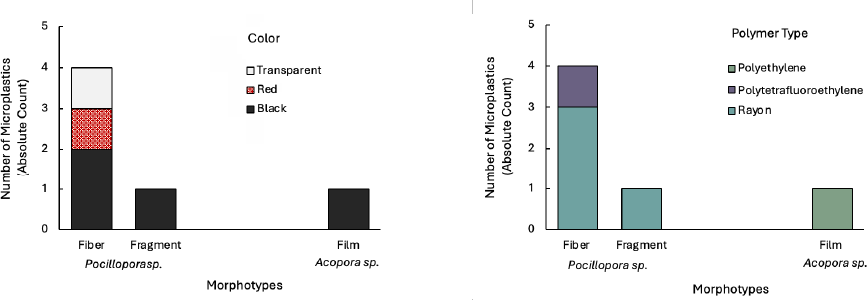
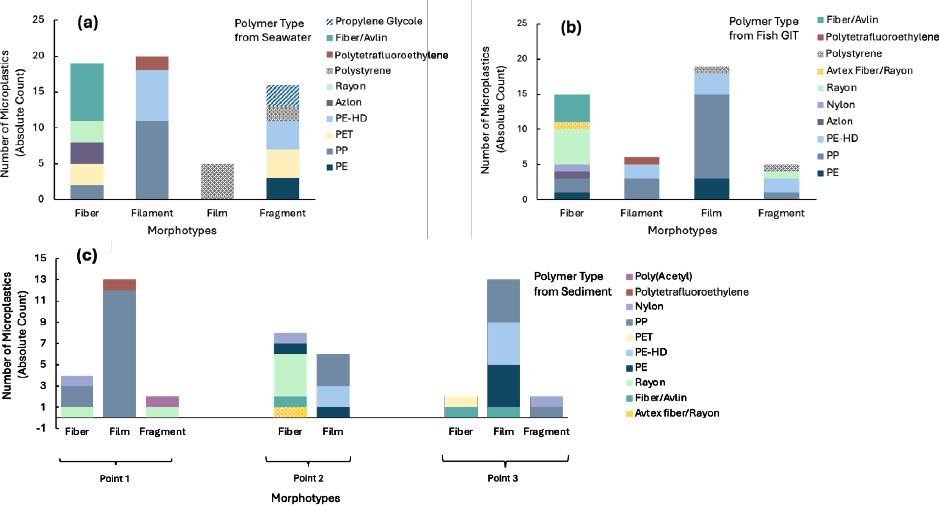
Microplastic pollution has become an urgent threat to marine ecosystems, but its effects on coral reefs, especially in highly biodiverse areas such as the Philippines remain largely unknown. This is the first report on the microplastic contamination in the coral reef ecosystem in Lawigan, Bislig, Surigao del Sur, Philippines. Seawater, sediment, fish, and corals (including Acropora and Pocillopora species) were analyzed for microplastics according to standardized methodology. These samples were subjected to chemical digestion (10% KOH), density separation (NaCl), and filtration, and the particles were characterized by microscopy and FTIR spectroscopy. Seawater was noted to contain 60 microplastic particles (0.17 MP particles m-3) with the dominance of polypropylene (PP, 21.7%) and polyethylene (PE-HD, 18.3%), and 83.9% of reef fish had microplastics in their digestive tract (mean: 1.5 particles/individual), with films and fibers being the most prevalent shape. Corals contained up to 5 particles/individual, including particles embedded in tissues, whereas reef sediments contained larger fragments (>1000 μm) at 0.037 particles g-1. The dominance of fishing gear polymers (PP/PE) suggests local anthropogenic origins. The microplastics in Philippine coral reefs may add to the burden on these ecosystems, which are already in danger from climate change and overfishing. This study sets baseline data that can be critically used to reduce the impact of anthropogenic factors (such as the use of non-eco-friendly fisheries practices) and to promote community-based monitoring.
Keywords:
Microplastics; Coral reef; Philippines Coral Triangle
 Thumbnail
 Thumbnail