Smart Polymer Blends of Poly(N-vinylcaprolactam) and Poly(lactic Acid)
Abstract
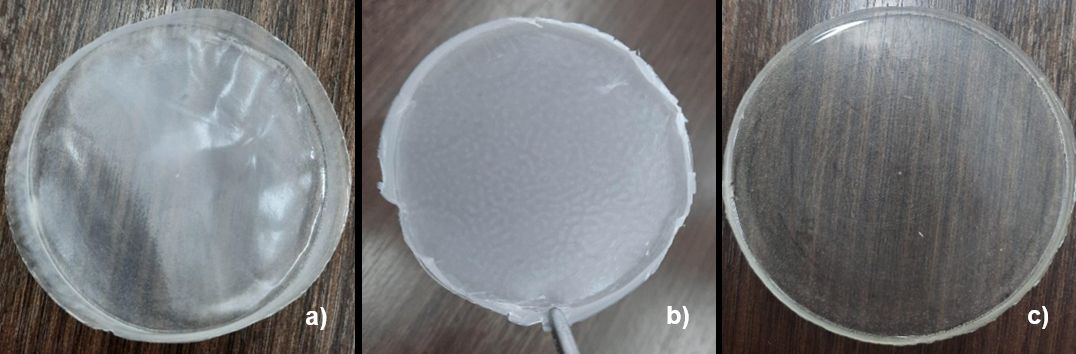
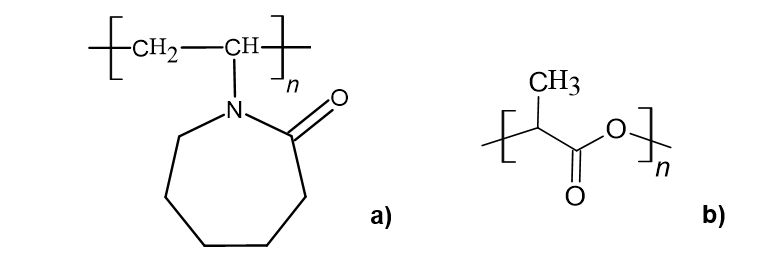
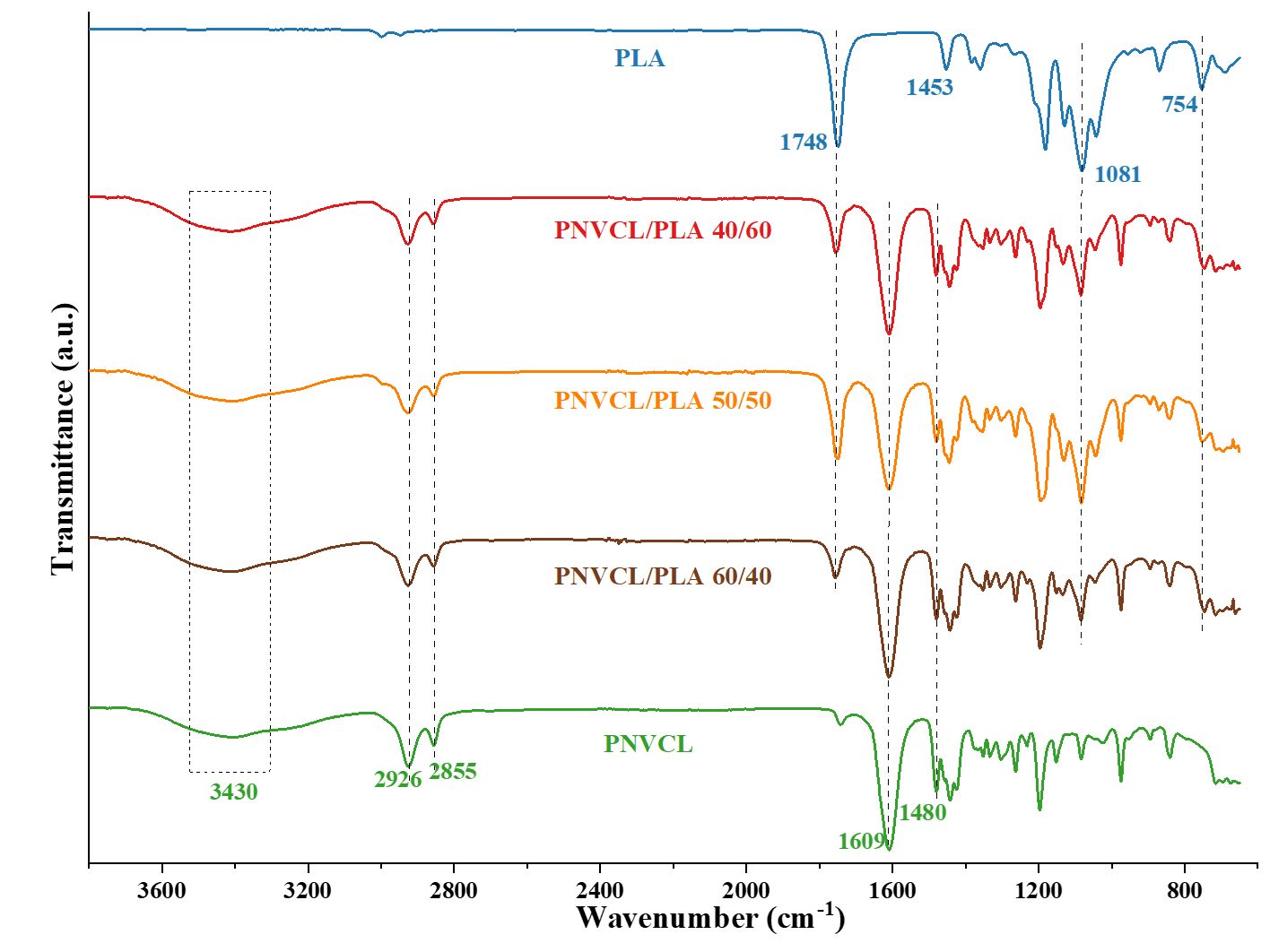
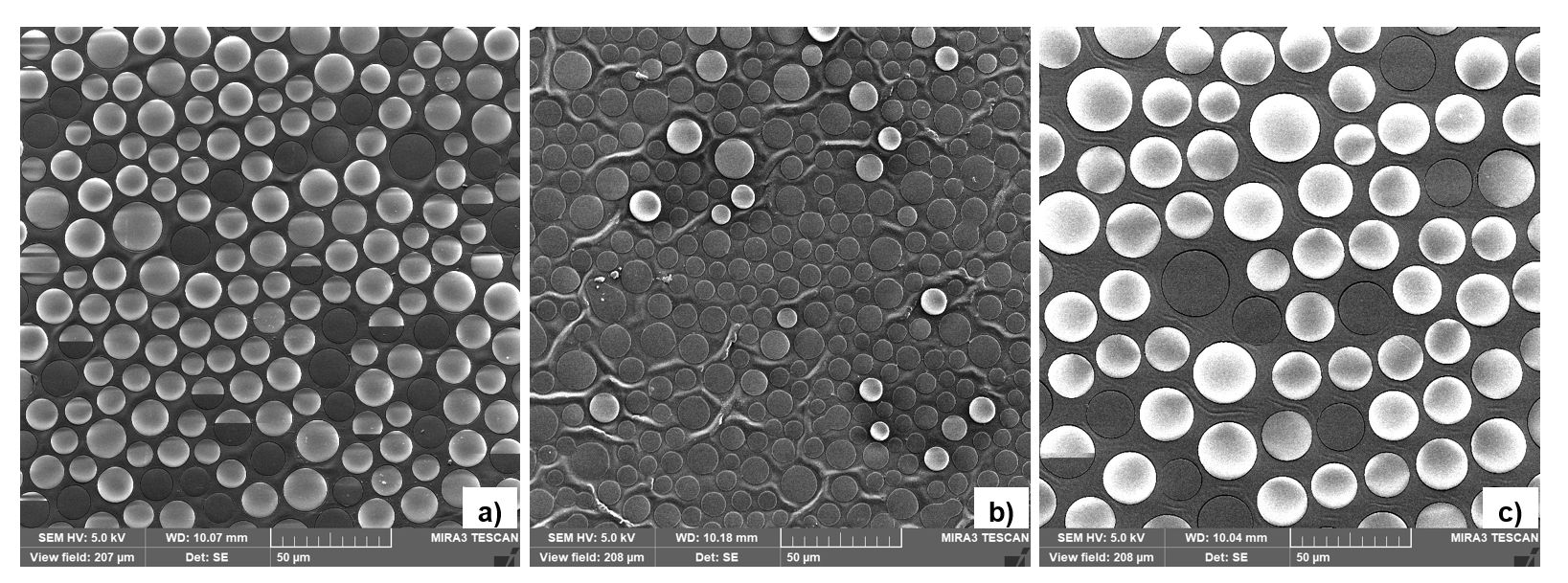
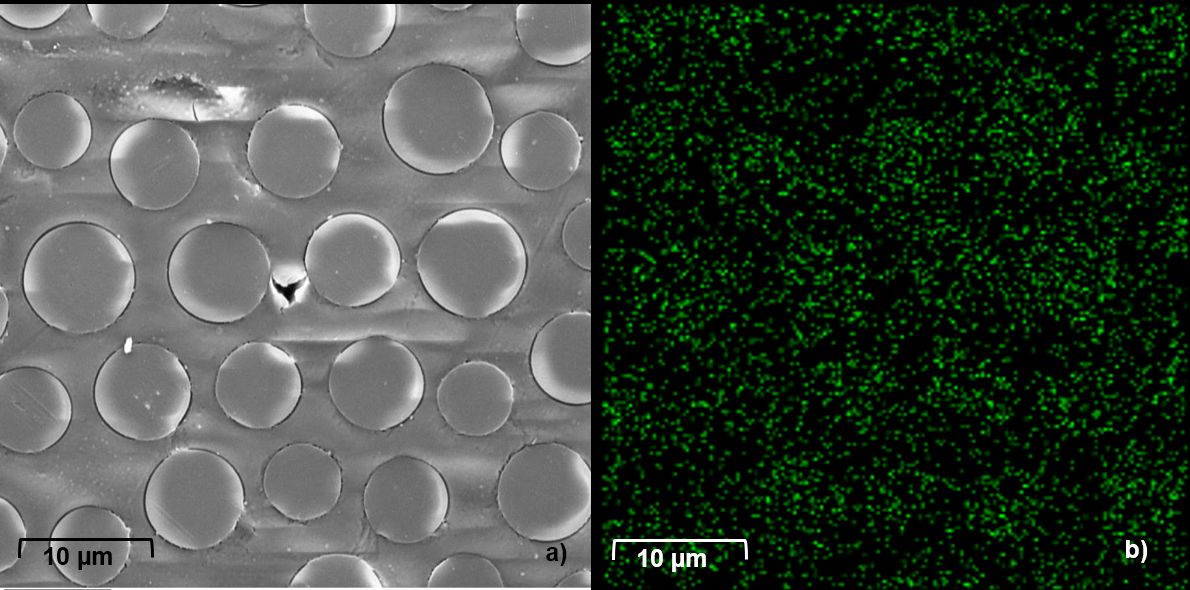
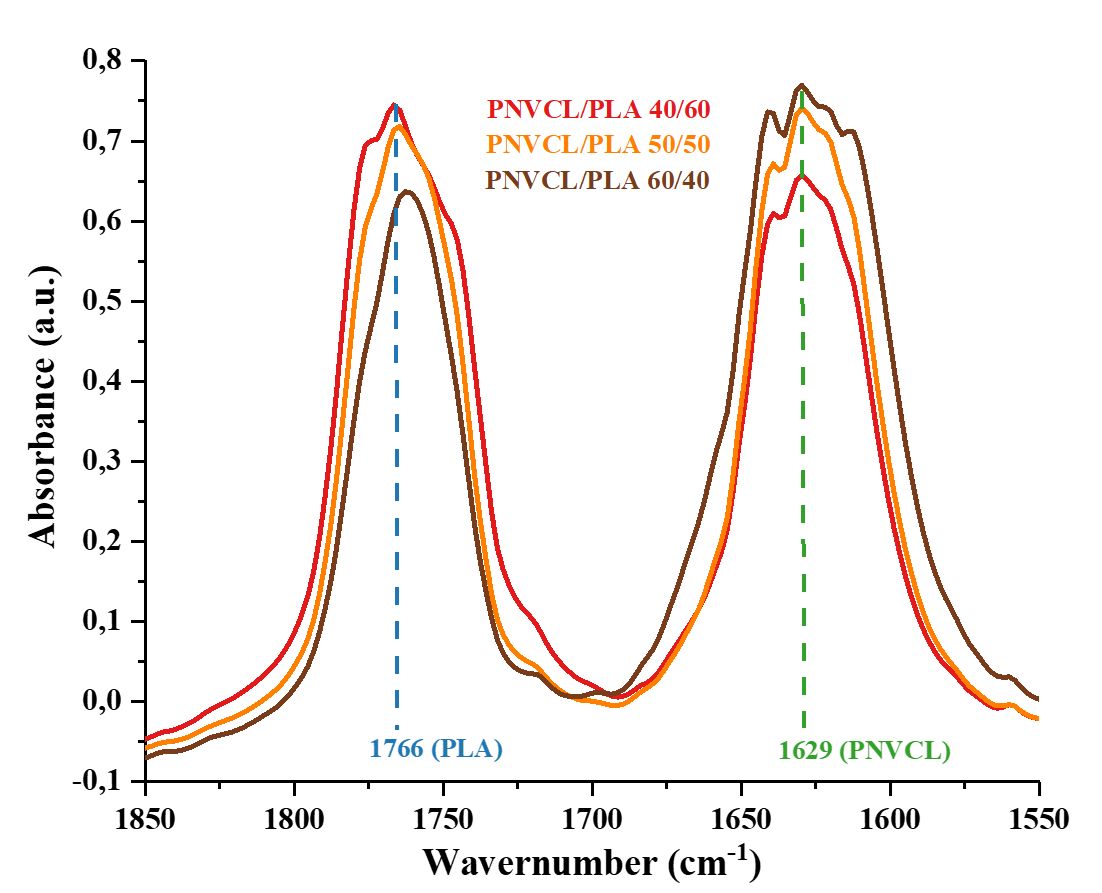
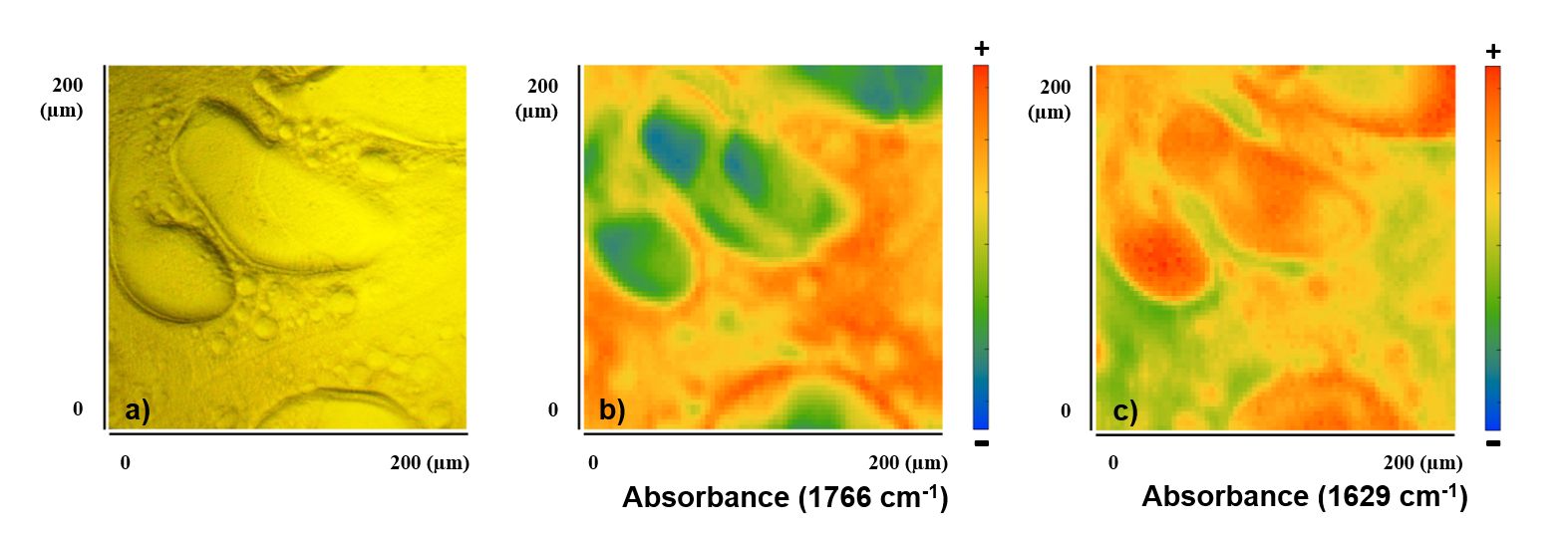
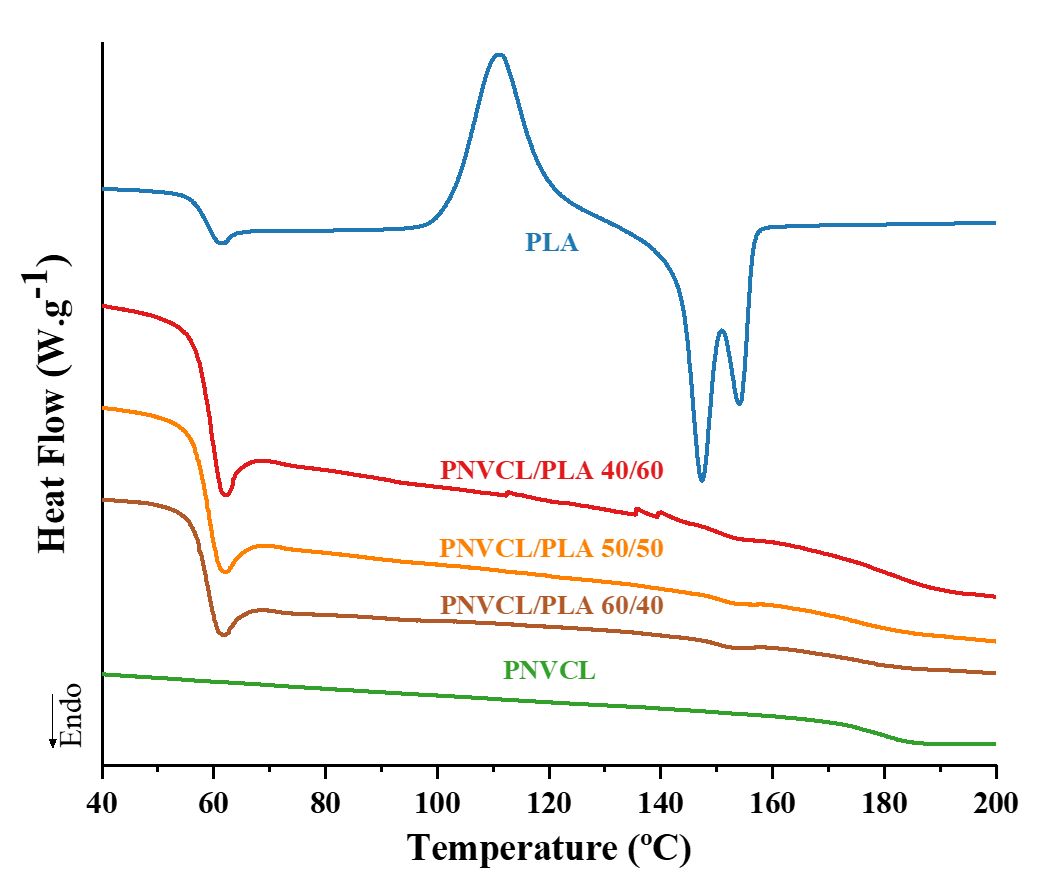
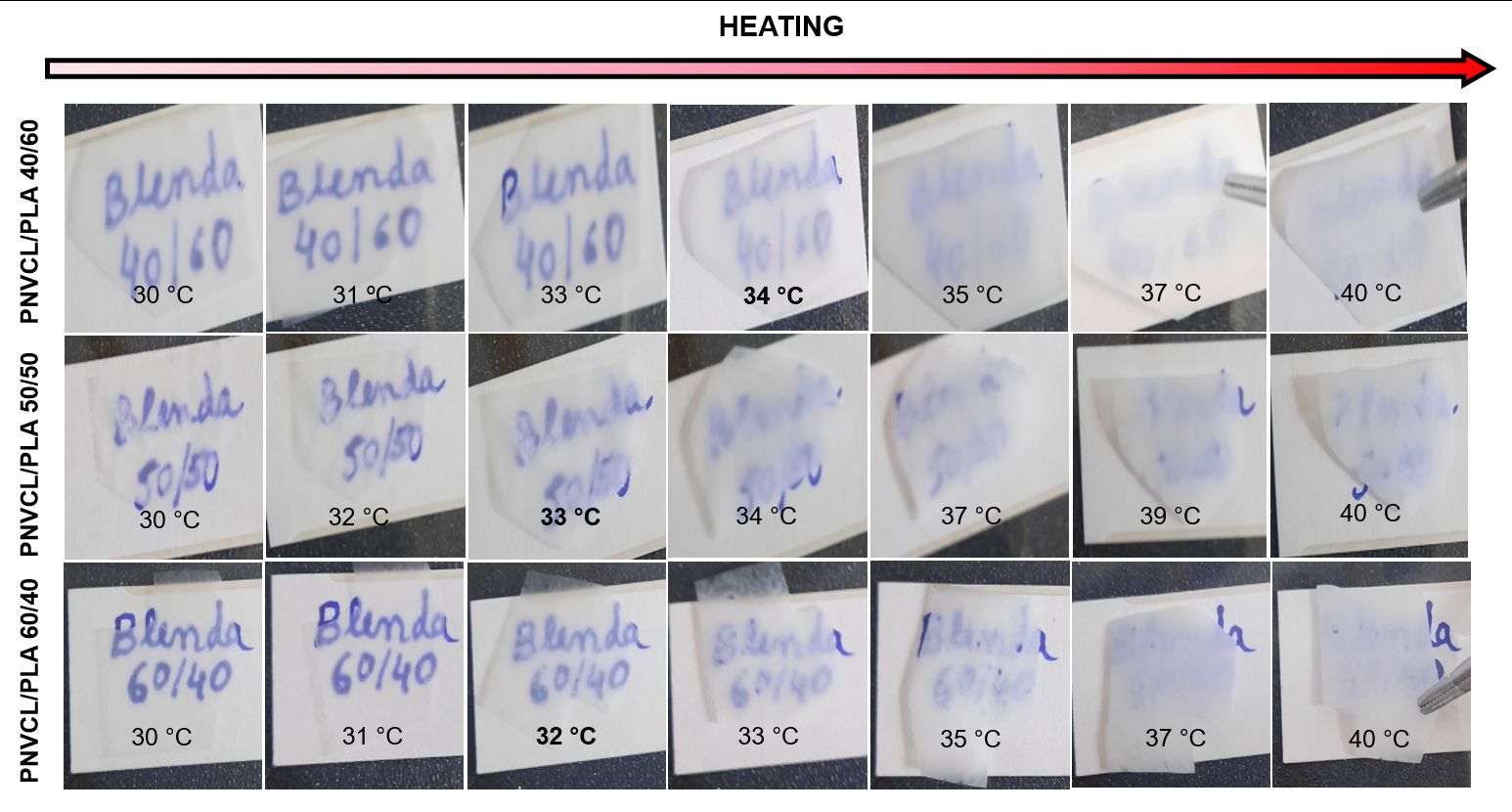
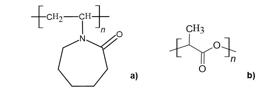
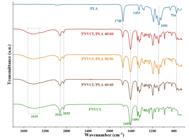
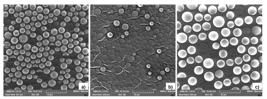
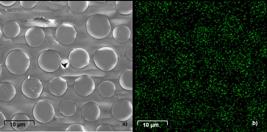
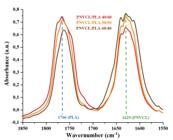
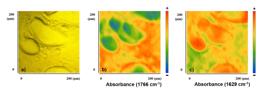
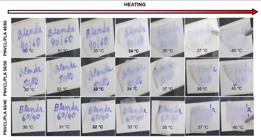
Poly(N-vinylcaprolactam) (PNVCL) is a biocompatible and thermoresponsive polymer, which presents changes in solubility at temperatures close to the physiological temperature, making it a promising biomaterial. However, its application is limited due to difficult processability in the molten state and brittleness in the solid state. To overcome these characteristics, the present work developed polymeric blends of PNVCL and poly(lactic acid) (PLA), which is a biodegradable and biocompatible polymer, varying mass concentrations of PNVCL by 40, 50 and 60%. Scanning electron microscopy (SEM) showed the formation of a heterogeneous morphology, with spherical domains dispersed in a matrix phase. Nevertheless, Fourier Transform Infrared Spectromicroscopy (micro-FTIR) analysis indicated the presence of both polymers in both phases, with a predominance of PNVCL in the dispersed phase and PLA in the matrix phase. All mixtures produced were thermoresponsive and exhibited a reversible change in optical properties with temperature, going from transparent to opaque upon heating.
Keywords:
Thermoresponsive polymers; Poly(N-vinylcaprolactam); Polymers blends; Poly(acid lactic); PNVCL/PLA blends
 Thumbnail
 Thumbnail
 Thumbnail
 Thumbnail
 Thumbnail
 Thumbnail
 Thumbnail
 Thumbnail
 Thumbnail
 Thumbnail
 Thumbnail