Pequi-Derived Carbon Dots as a Fluorescence Quenching Sensor for Sensitive Detection of Fe3+ Ions
Abstract
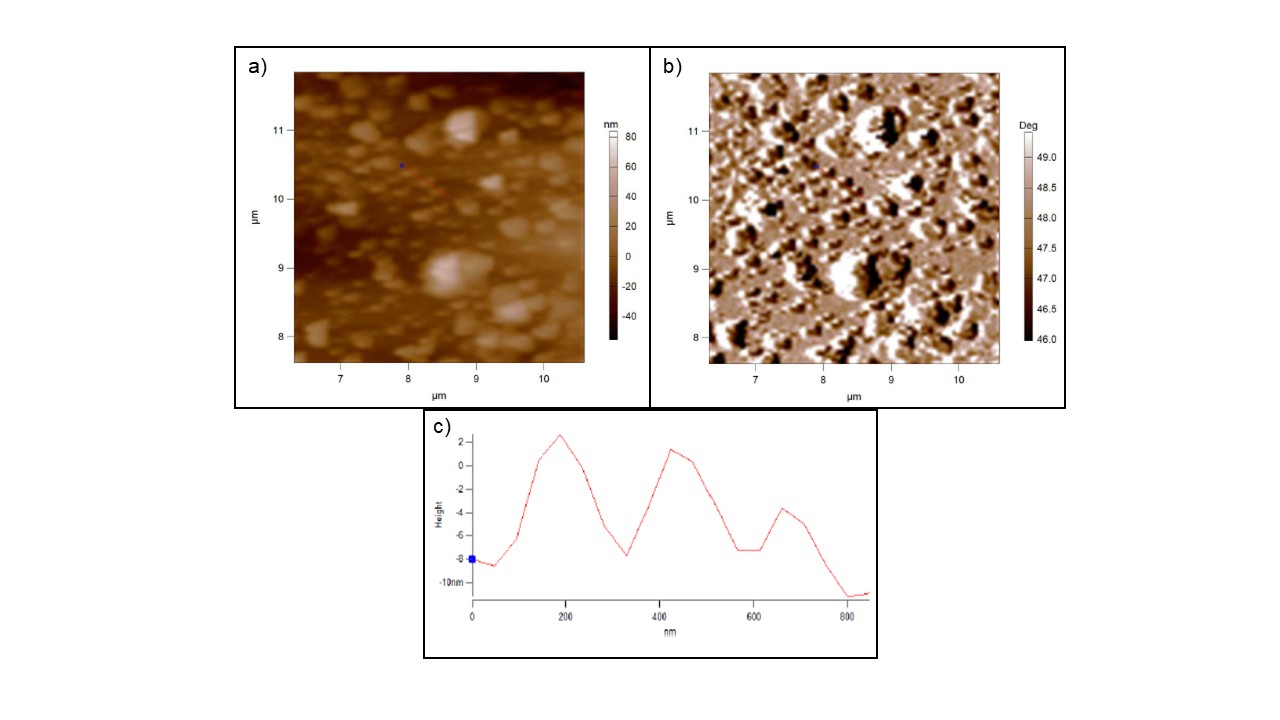
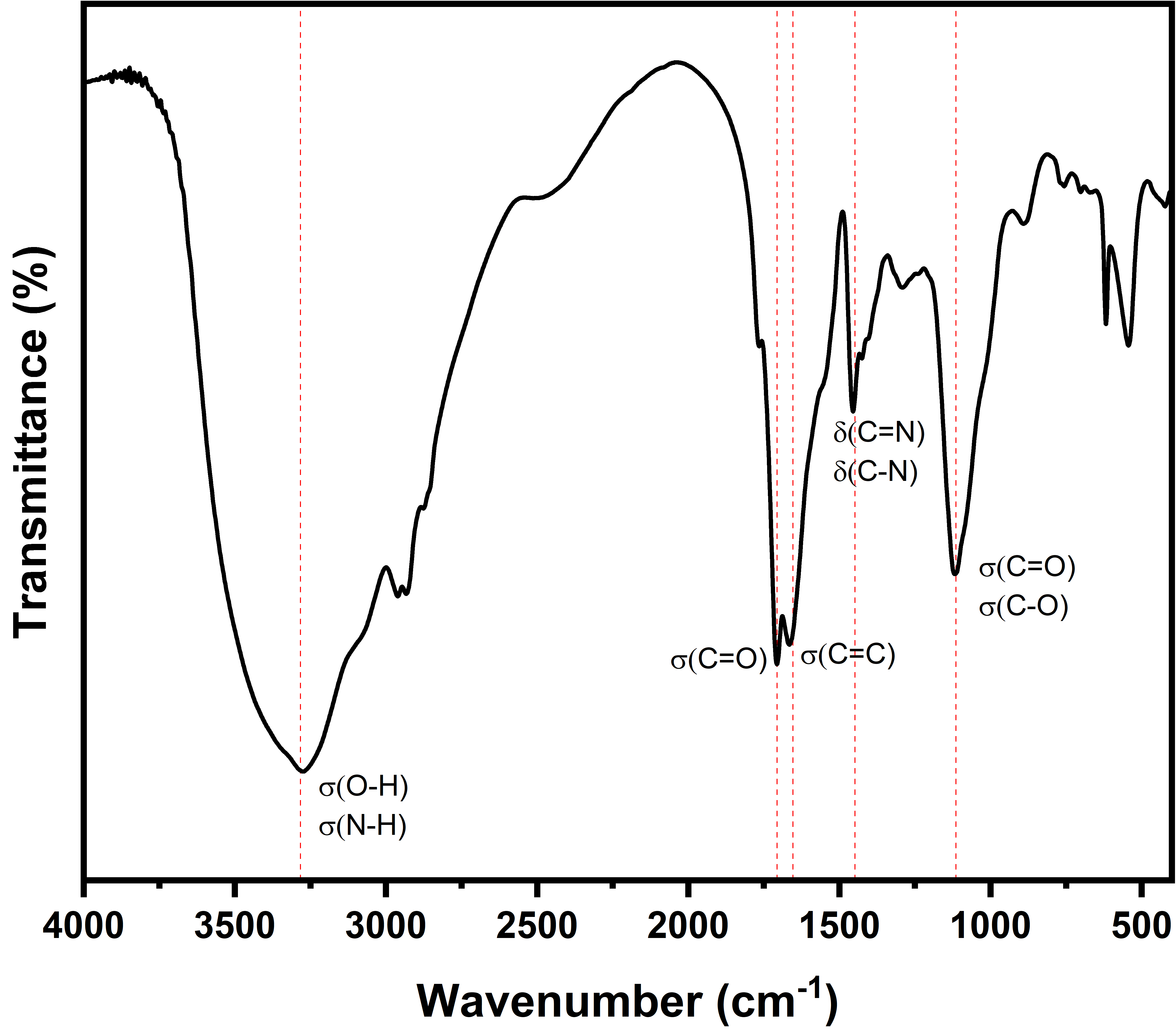
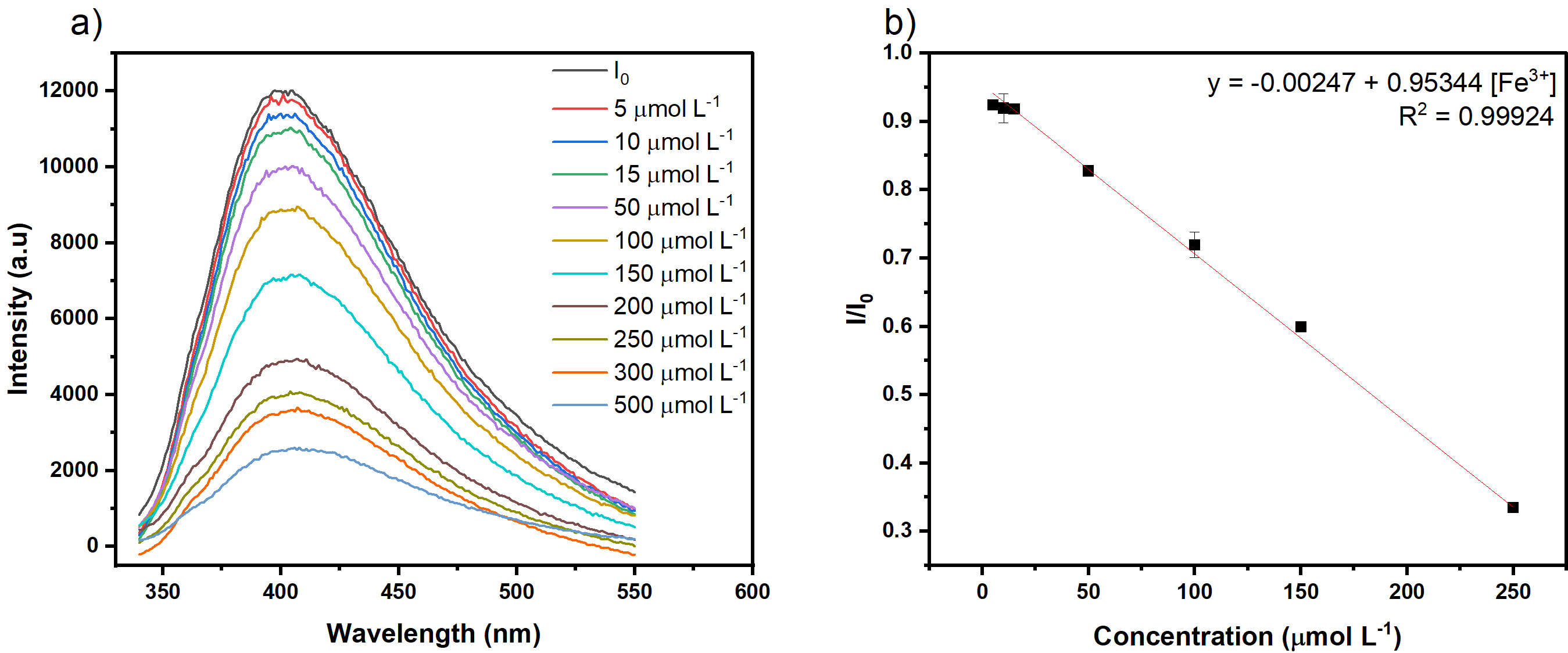
This study presents the pequi (Caryocar coriaceum) as a new biomass source for carbon dots synthesis. The pequi almond, usually discarded, was used as the biomass precursor in one-step hydrothermal green synthesis of carbon dots. Pequi-based carbon dots (PQ-CDs) exhibited an estimated height of around 8 nm, with hydroxyl, carbonyl, and amino functional groups confirmed by FTIR, bright blue emission, and a quantum yield of 17.9%. PQ-CDs were employed as fluorescent sensors for Fe3+ ions, based on the quenching of PQ-CDs fluorescence by interaction with Fe3+ ions. The sensor demonstrated a linear relationship between the quenching of PQ-CDs fluorescence and the increase in Fe3+ ion concentration, with a LOD of 1.16 μmol L-1, well below the maximum Fe3+ concentration for drinking water established by the WHO. PQ-CDs are a cost-effective and highly sensitive alternative for Fe3+ ions detection in drinking water samples from the Cariri region.
Keywords:
Carbon dots; pequi almond; fluorescence quenching; iron ion detection
 Thumbnail
 Thumbnail
 Thumbnail
 Thumbnail
 Thumbnail