Functional Polypropylene Filaments for 3D Printing with Antiviral Properties Using a Glassy Ceramic ZnO–Al–Si–Na Additive
Abstract
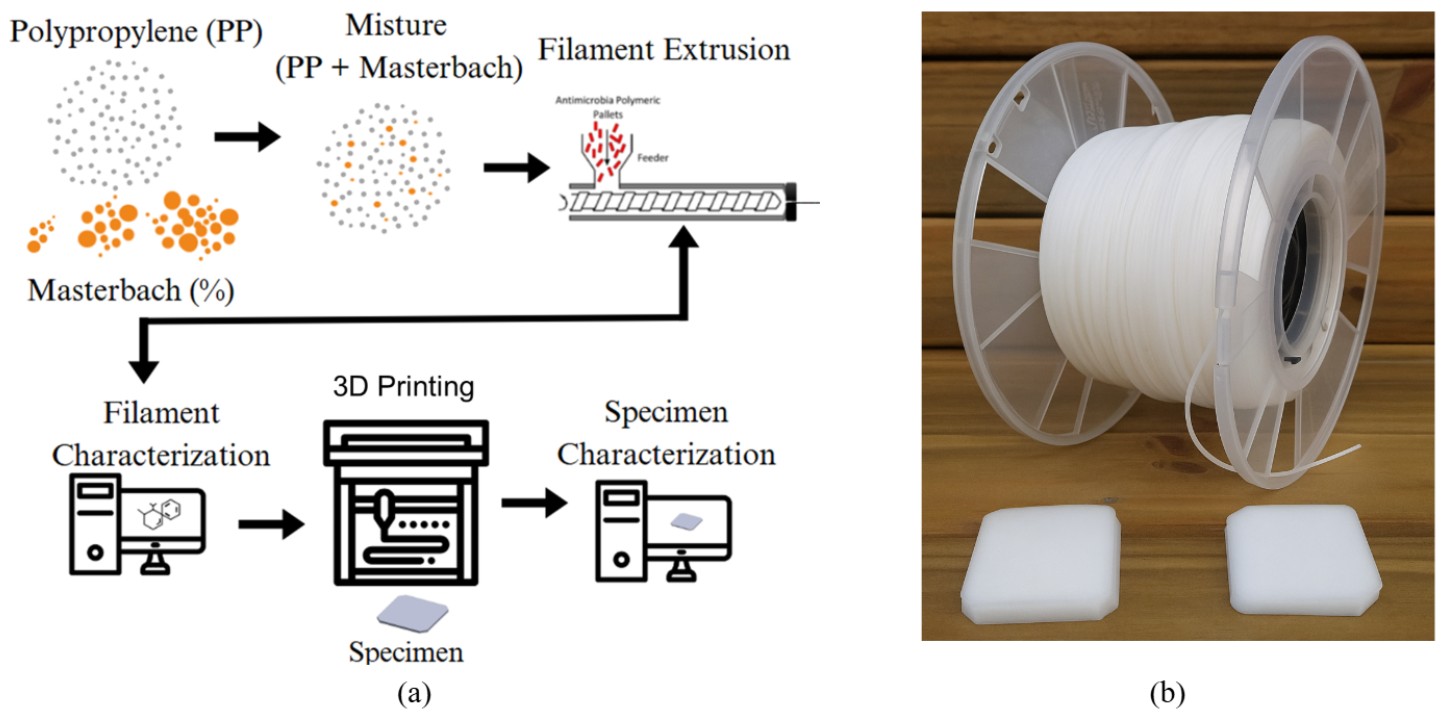
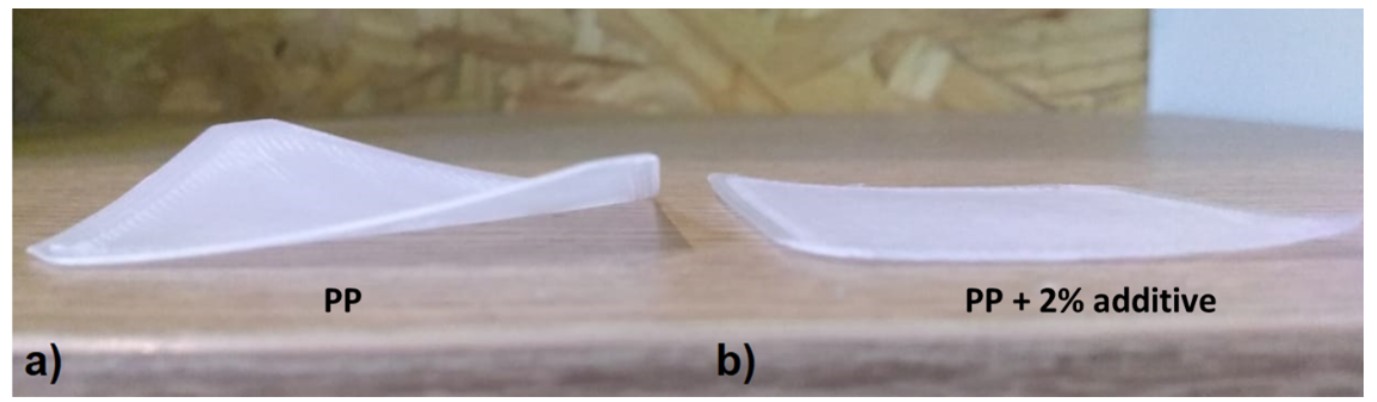
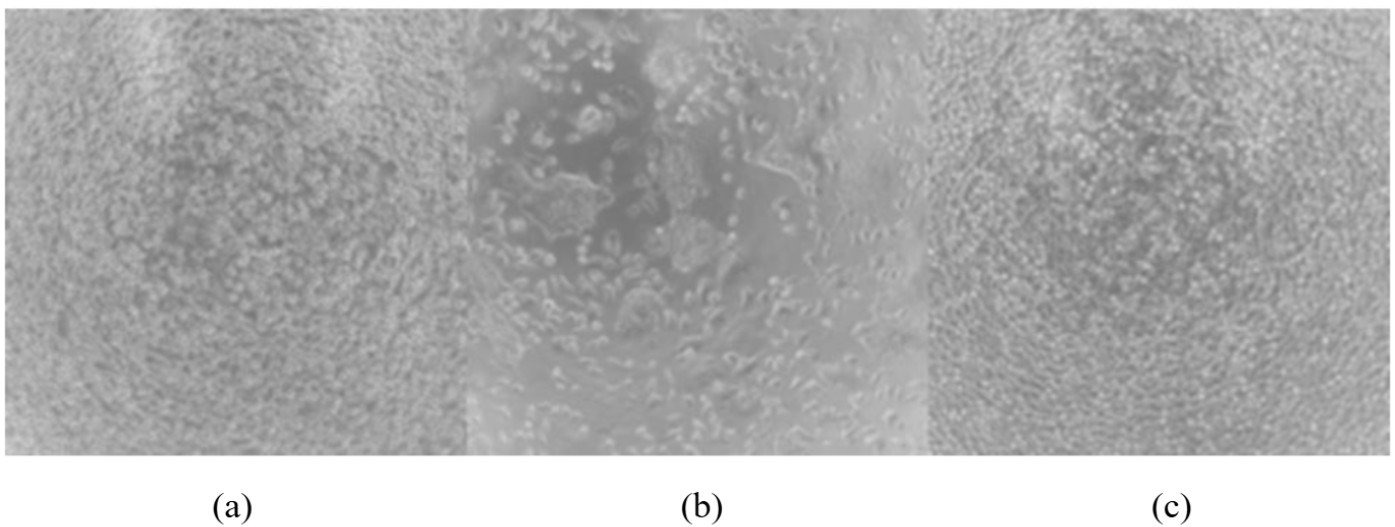
Additive manufacturing (AM) is a powerful platform for developing functional materials with broad applications across healthcare, consumer goods and industrial sectors. This study presents a pioneering polypropylene (PP) filament enhanced with a ZnO-based glassy ceramic additive (Si–Na–Al matrix), specifically designed for 3D printing. Beyond introducing antiviral functionality, the formulation overcomes a long-standing limitation in AM of polyolefins, significantly improving printability by reducing thermal shrinkage and enhancing interlayer adhesion. PP composites were fabricated with 2%, 6%, and 10% additive loadings and evaluated for morphological (SEM-BSE), chemical (FTIR, EDS) and biological performance. Antiviral assays, conducted according to ISO 21702 using exposure times of 15 and 120 minutes, demonstrated viral load reductions of up to 99.68% against betacoronavirus (MHV-3) and 96.84% against adenovirus at the highest additive concentration. In contrast, antibacterial tests based on ISO 22196 against E. coli and S. aureus showed no significant activity, likely due to limited additive release from the polymer matrix. These results establish a novel antiviral 3D-printable PP composite with improved manufacturing performance, offering a versatile solution for applications demanding structural integrity combined with bioactive antiviral surfaces.
Keywords:
Additive Manufacturing; Polypropylene; Viral Inhibition; 3D Printing
 Thumbnail
 Thumbnail
 Thumbnail
 Thumbnail
 Thumbnail
 Thumbnail
 Thumbnail