 Dengue virus serotype 4 infection in human fatal cases: histopathological investigation
Abstract
BACKGROUND Dengue, the disease caused by dengue virus (DENV), is responsible for over 300 million cases worldwide. Although DENV-4 usually presents with milder symptoms, some cases can result in death.
OBJECTIVES The present study aims to characterise the immunohistopathological profile of hepatic, pulmonary, cardiac and renal involvement in fatal cases of DENV-4 that occurred between 2011 and 2013 in Brazil.
METHODS To this end, tissue samples from the patients were subjected to histopathological analysis using bright-field microscopy and cytokine detection by immunohistochemistry.
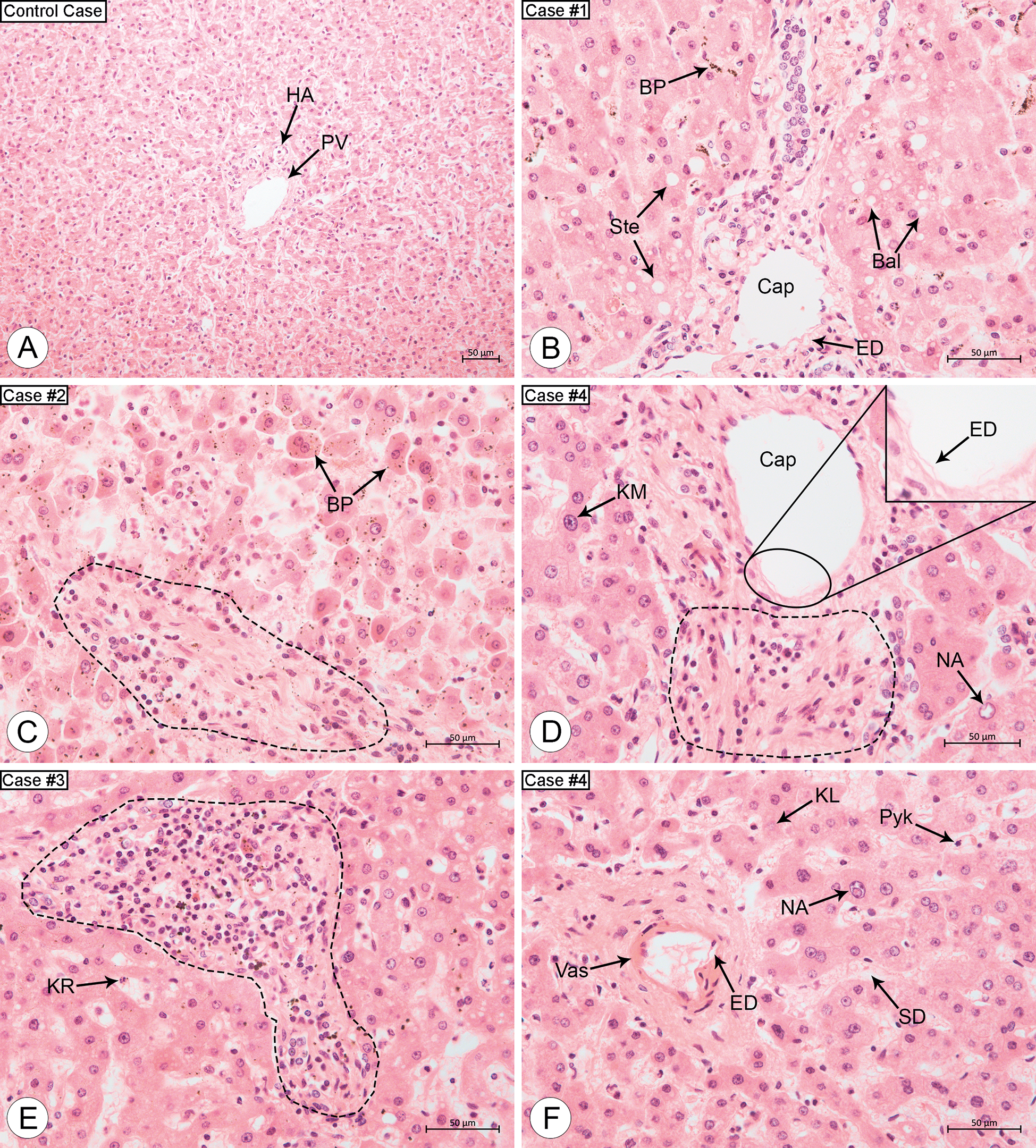
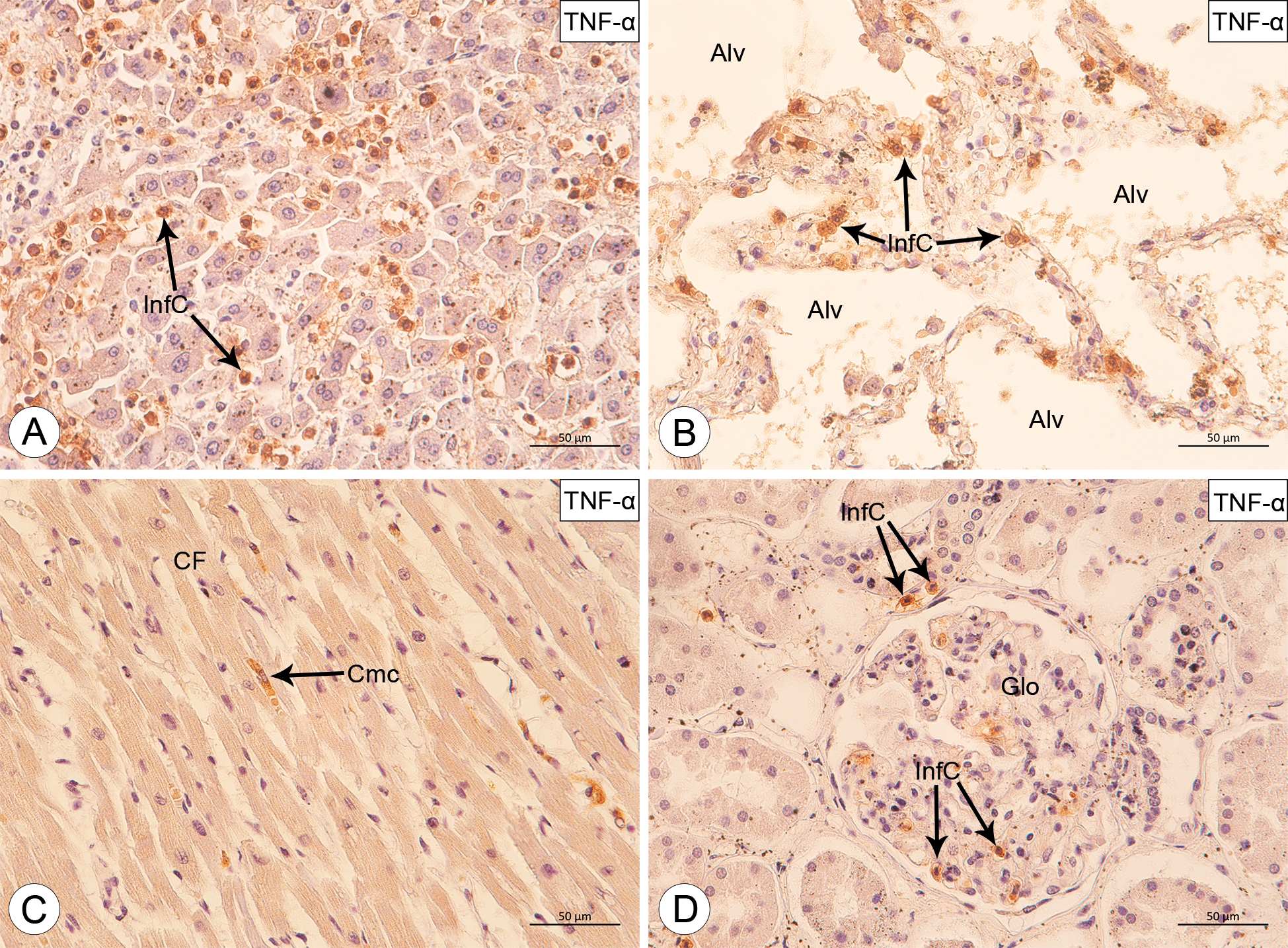
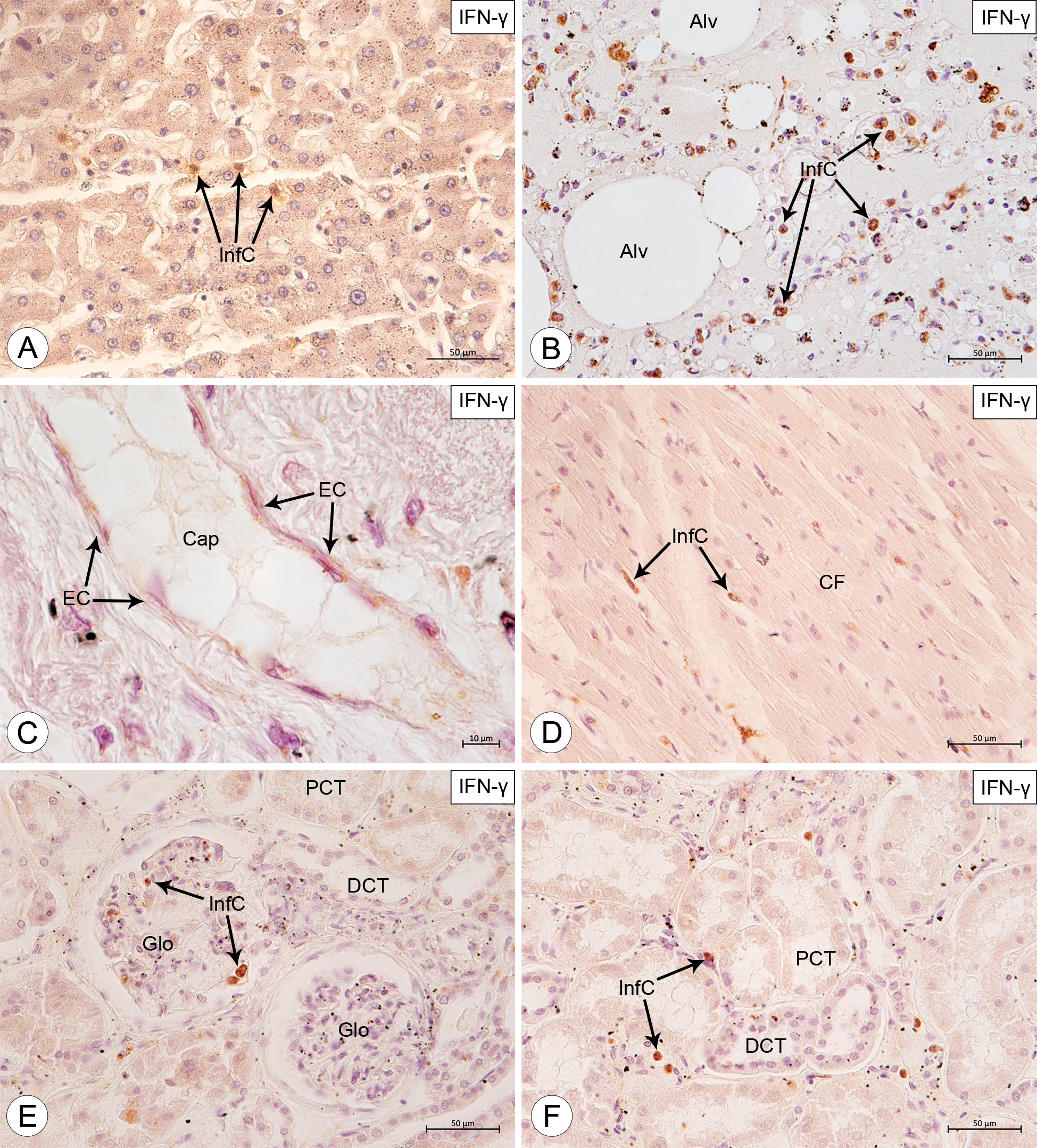
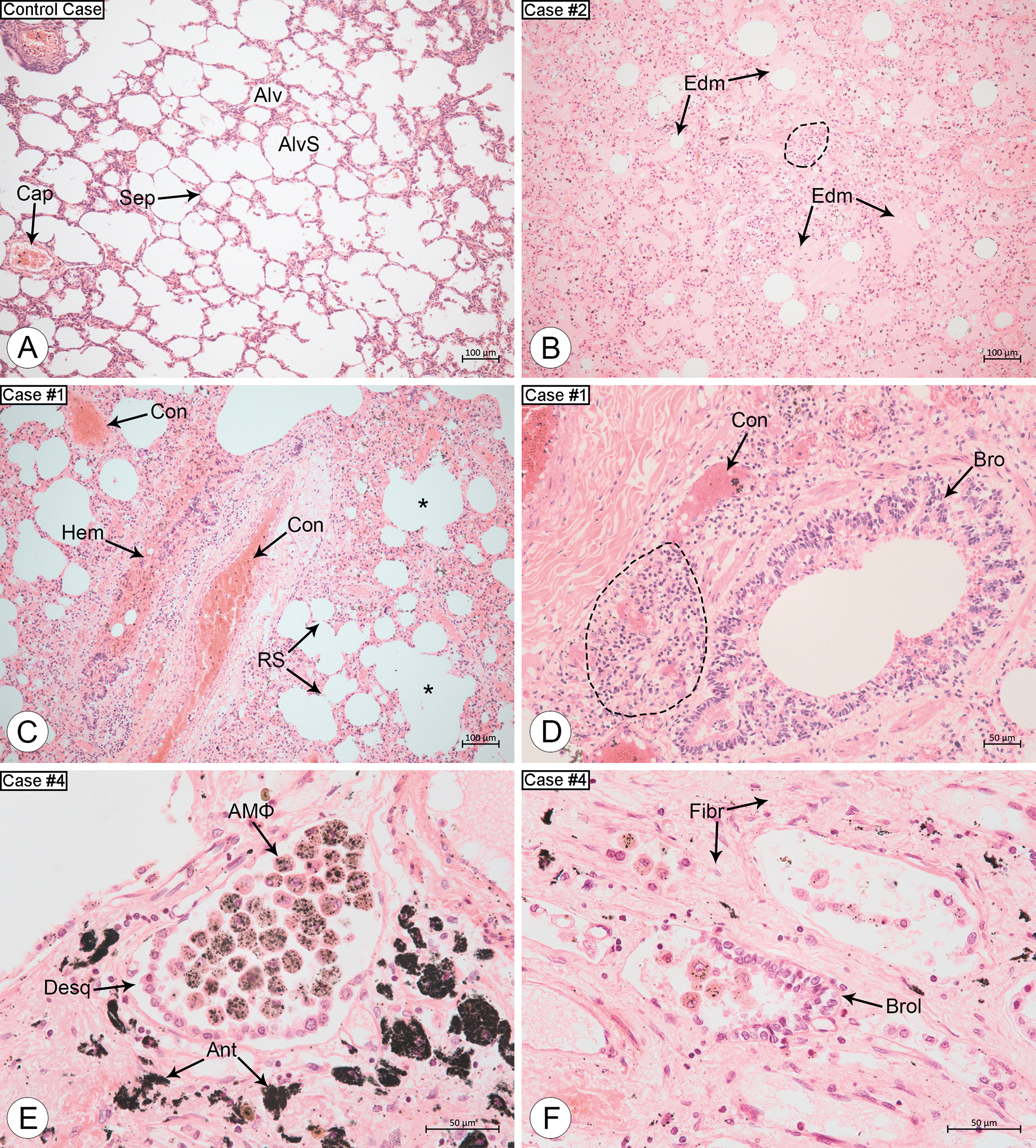
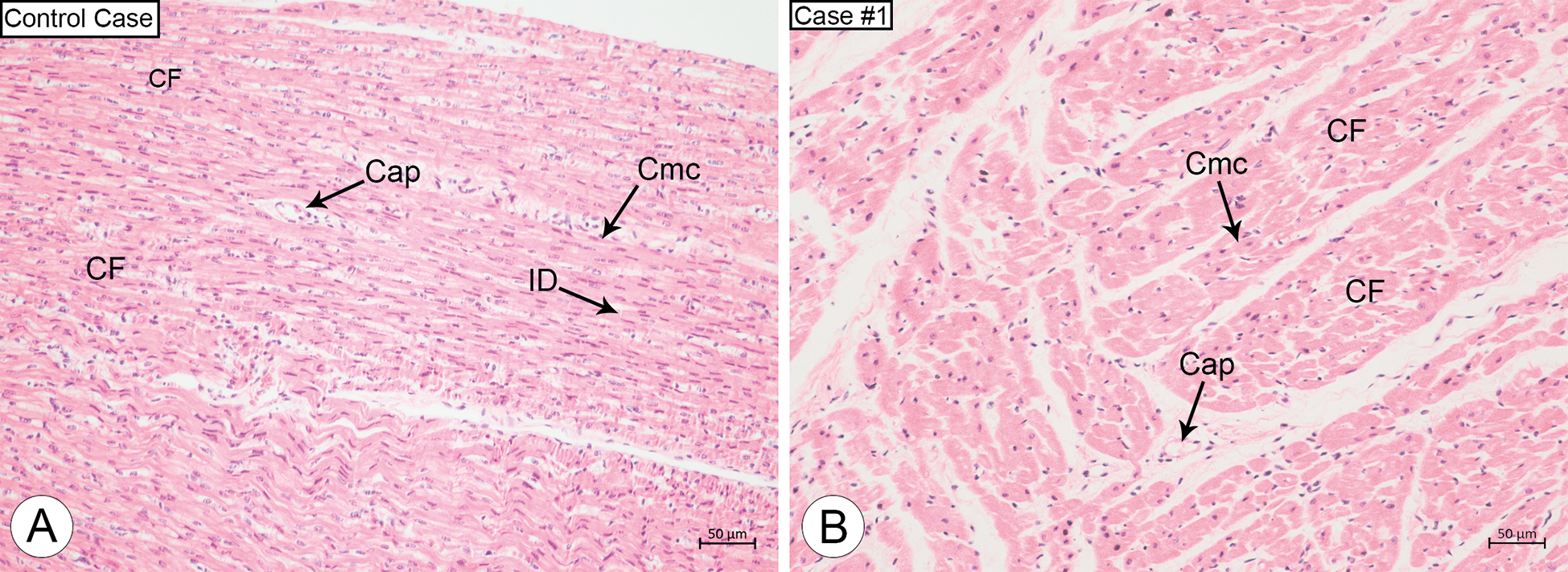
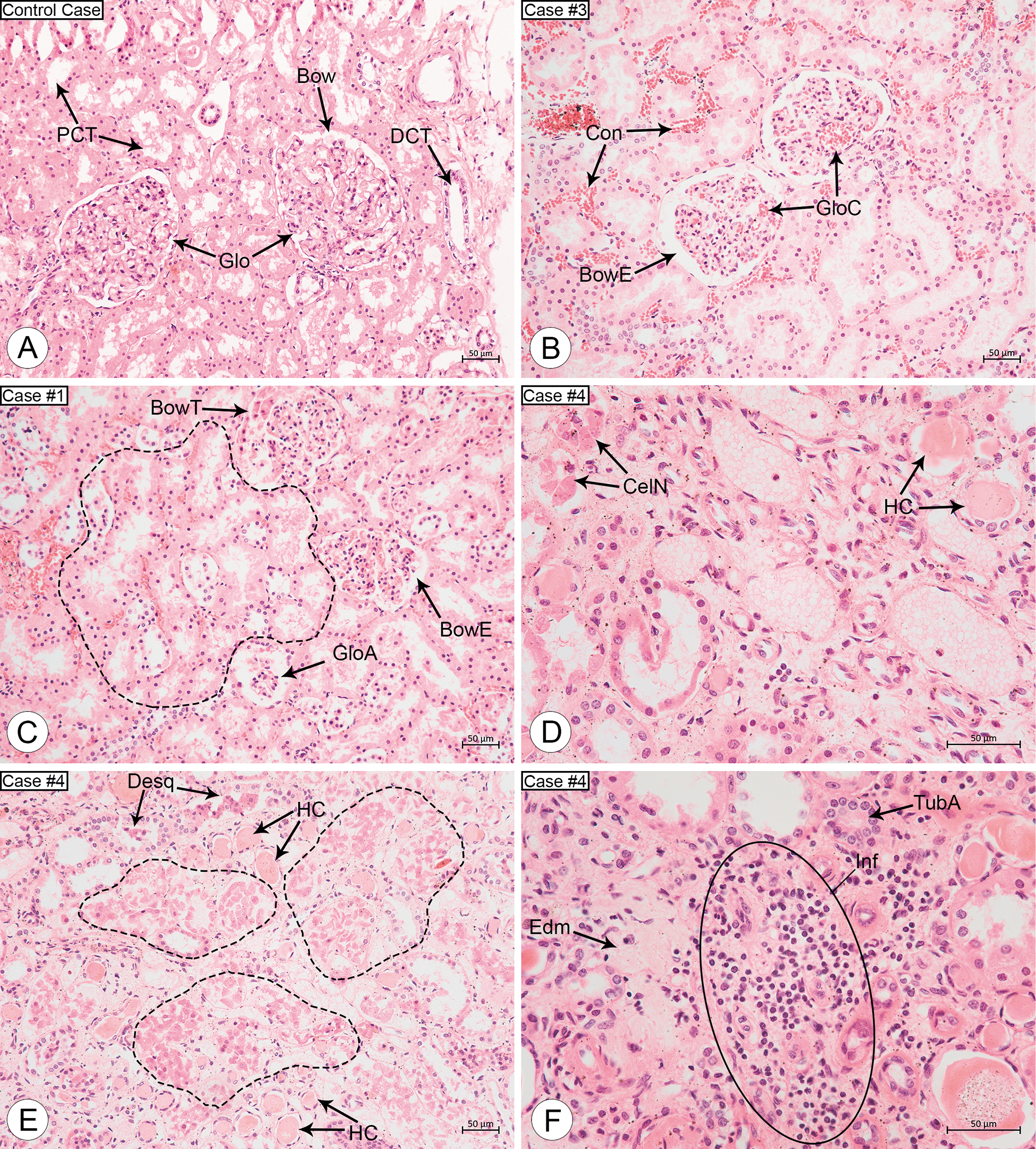
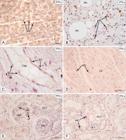
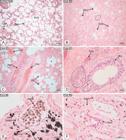
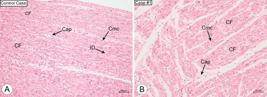
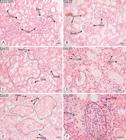
FINDINGS Cells stained for tumour necrosis factor-alpha (TNF-α) and interferon-gamma (IFN-γ) were observed in the liver, lungs and kidneys. In the liver, the most common finding was periportal necrosis, along with steatosis and mononuclear cell infiltration. In the lungs, pneumocyte necrosis was only observed in areas of alveolar oedema. Septal and alveolar haemorrhage were present, along with thickening of the alveolar walls. In the kidneys, glomerular capillary congestion was observed in most of the analysed cases. Inflammatory cell infiltration was observed in the cortical region, along with proximal and distal tubule necrosis. Finally, in the heart, despite limited local cytokine expression, the cardiac tissue remained morphologically preserved.
MAIN CONCLUSIONS Although the findings reported in this study are consistent with those described in fatal dengue cases, the absence of cardiac alterations indicates that DENV-4 may cause a milder infection in this organ.
Key words:
DENV-4; fatal cases; liver; lung; heart; kidney
 Thumbnail
 Thumbnail
 Thumbnail
 Thumbnail
 Thumbnail
 Thumbnail